Underground Mining Equipment: Categories and Selection Methods
This article introduces underground mining equipment categories, compares them with open-pit equipment, and summarizes selection criteria for mining reference.
Underground mining is a crucial component of the global mining industry, primarily responsible for extracting mineral resources such as gold, copper, and coal from deep underground. Underground mining equipment is specifically designed for these operations, capable of withstanding harsh underground environments, including narrow tunnels, dim lighting, limited ventilation, and complex geological structures. The proper use and selection of underground mining equipment directly impact mining safety, production efficiency, and economic benefits. This article summarizes the commonly used types of underground mining equipment and explains selection criteria to help mining companies make informed decisions.
Main Types of Underground Mining Equipment
There are many types of underground mining equipment, which can be classified into the following categories according to their operational functions:
Rock Breaking and Drilling Equipment
As the basic mining equipment, it is mainly used for rock breaking and blast hole drilling in the early stage of underground mining. The core models are as follows:
- Drilling Jumbo: It is a mainstream piece of underground drilling equipment. The multi-arm design improves work efficiency, and its compact body is suitable for drilling blast holes in narrow roadways.
- Raise Boring Machine: It is specially used to dig ventilation shafts and ore chutes. It can accurately construct vertical and inclined underground passages and has higher safety than traditional blasting methods.
Mining and Cutting Equipment
As the core equipment for mineral mining, it is mainly used for ore stripping and extraction, including the key equipment below:
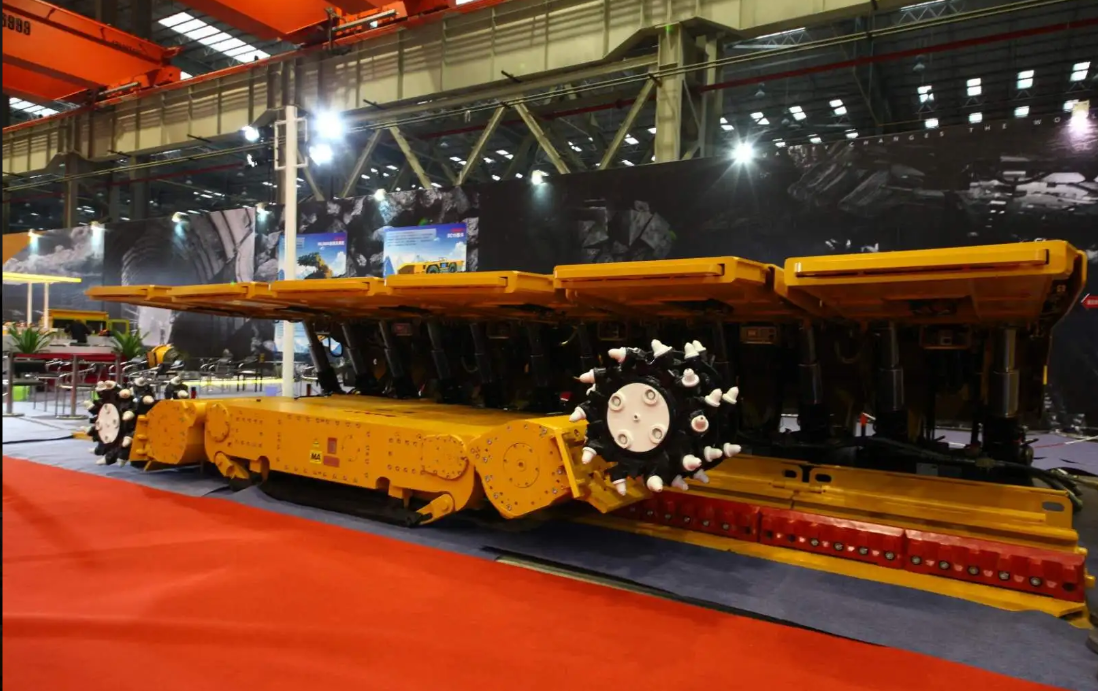
- Continuous Miner: It applies to coal mines and soft rock mining. It cuts materials through rotating drums and can be remotely controlled with high operational safety.
- Longwall Mining System: It is a special, large-scale piece of equipment for coal mining. Fitted with hydraulic support devices, it achieves a large mining volume and a high ore recovery rate.
Material Transportation Equipment
This type of equipment is used for the transportation of underground ore and materials, adapting to narrow and confined underground environments. It mainly includes:
- Load-Haul-Dump Machine: It is an essential piece of underground transportation equipment. With a small and flexible body, it integrates ore shoveling and transportation functions.
- Shuttle Car and Conveying System: Mostly applied in coal mines, it can transport materials continuously and adapt to curved underground tunnels.
- Underground Mining Truck: It has a large load capacity and is used for heavy-duty ore transportation, connecting underground and ground transportation passages.
Roadway Support and Maintenance Equipment
Such equipment is applied to reinforce roadways and prevent rock collapse and falling, protecting the safety of underground workers and equipment. The main types are as follows:
- Roof Bolter: It is key equipment for underground support. It installs rock bolts to stabilize rock layers and prevent roadway roof collapse.
- Concrete Spraying Machine: It sprays concrete on rock walls to strengthen roadway structures and enhance the stability of surrounding rock.
Power and Auxiliary Equipment
These are indispensable basic auxiliary equipment that provide power and a safety guarantee for mine operation:
- Screw Air Compressor: It provides power for underground drilling equipment and pneumatic tools to ensure the normal operation of equipment.
- Emergency Refuge Chamber: It is an underground emergency safety facility. As a kind of underground mining safety equipment, it can protect miners in sudden accidents.
Differences Between Underground Mining Equipment and Open-Pit Mining Equipment
Different mining underground machines perform specific functions, working together to extract underground mineral resources. Open-pit mining, similarly, relies on various mining equipment operating in tandem to extract surface minerals. Due to significant differences in their operating environments, geological conditions, and safety risks, the two types of equipment are designed with distinctly different characteristics. A detailed comparison of these differences is as follows:
Operating Environment and Equipment Size
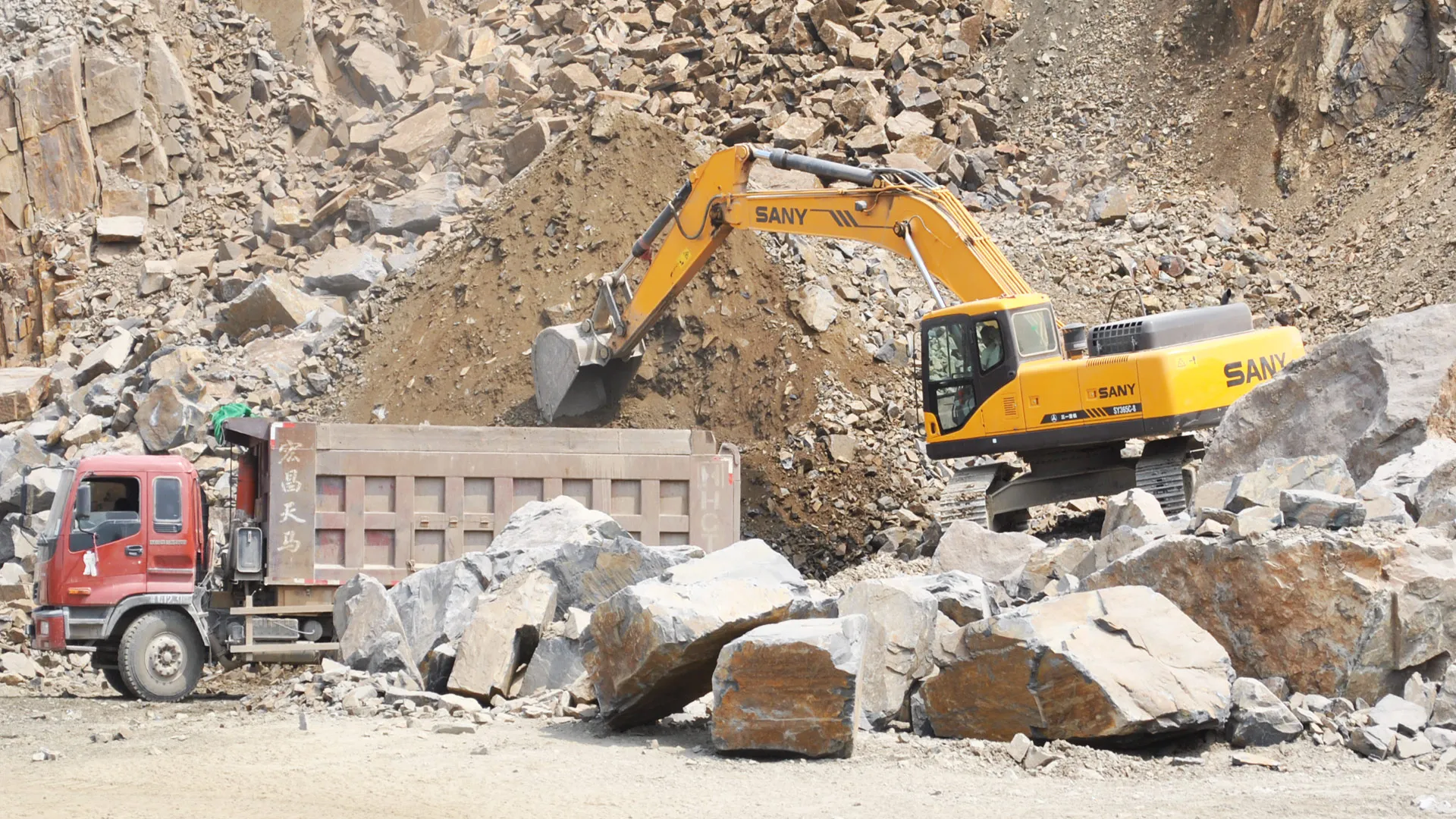
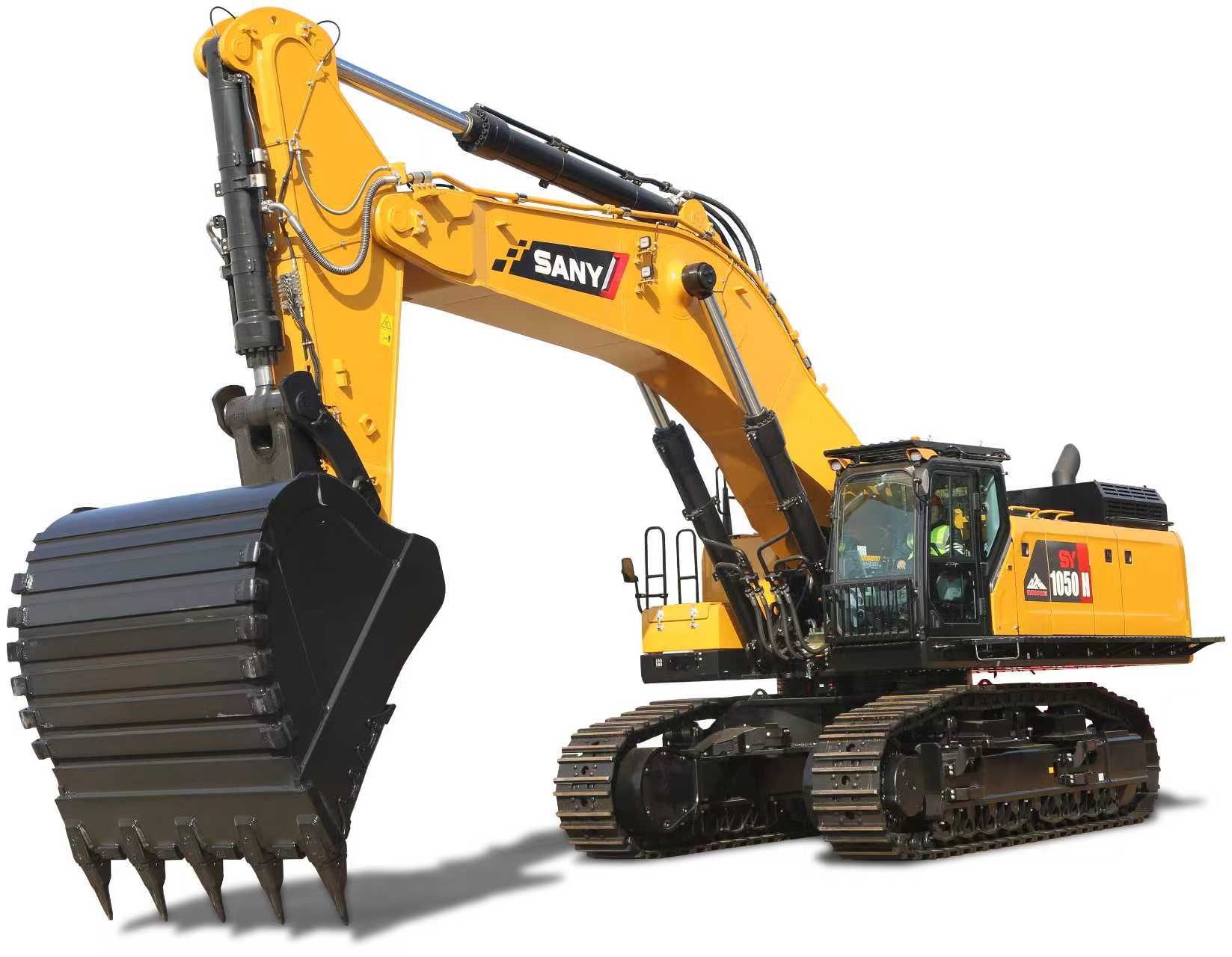
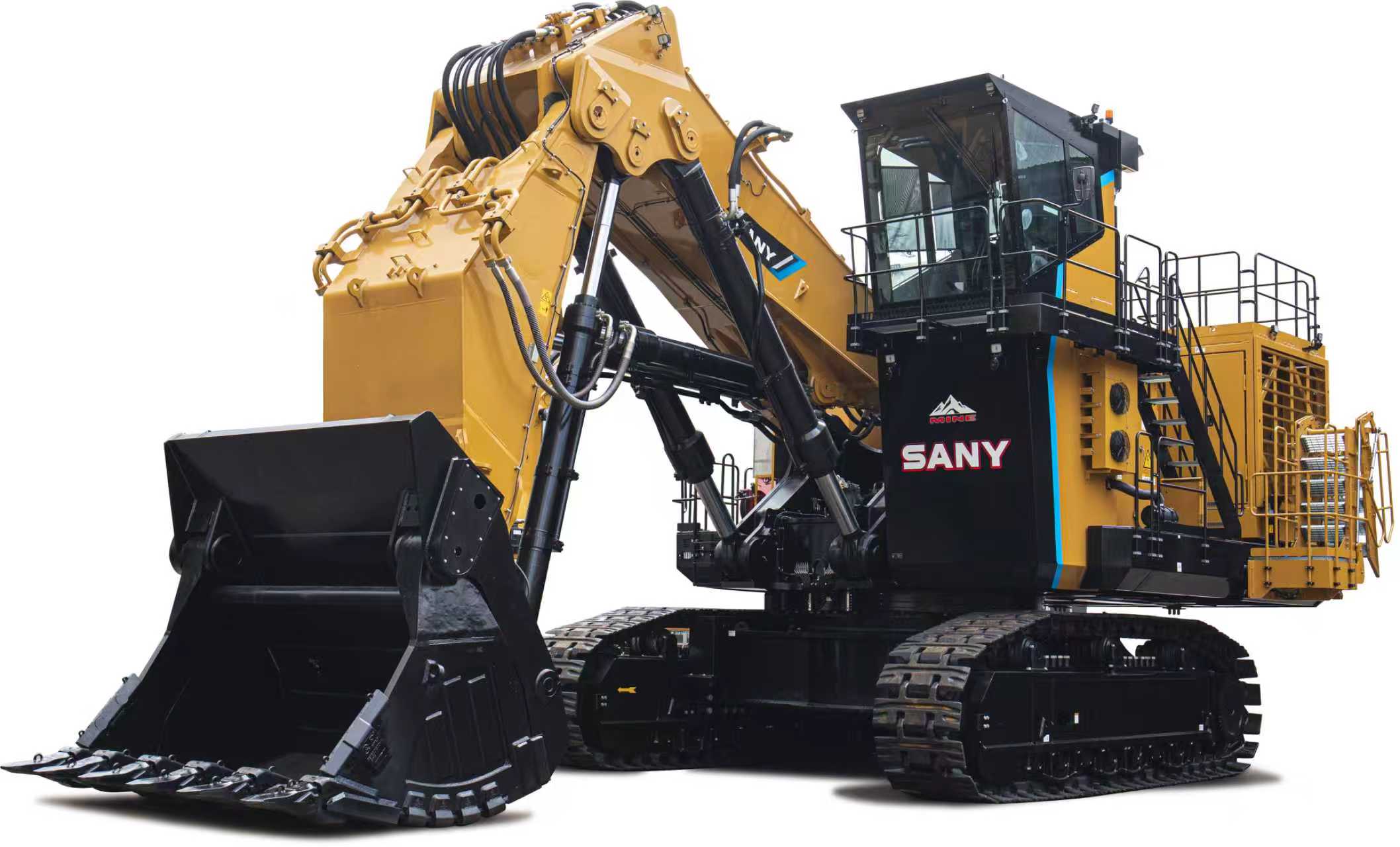
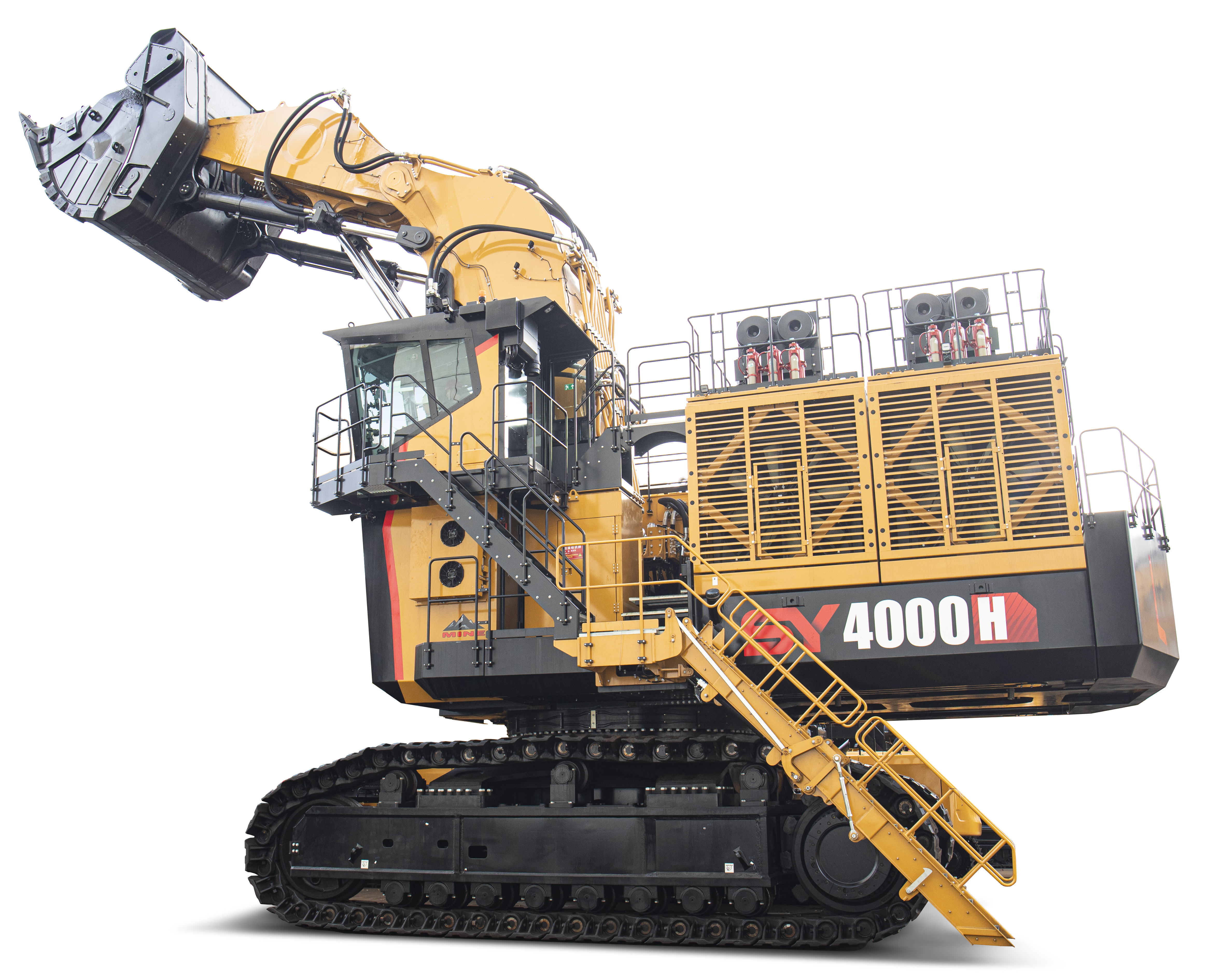
- Open-pit mining equipment: The working site is open with sufficient natural light. The equipment is huge in size and hardly restricted by space conditions. For example, the SANY mining excavator has a large operating weight of 36-125 tons and demonstrates strong adaptability.
- Underground mining equipment: The working roadways are narrow, enclosed and dimly lit. Such equipment is designed to be compact to adapt to limited underground space.
Structural Design Characteristics
- Open-pit mining equipment: It adopts an integrated and sturdy structure, which is designed for heavy-load and high-intensity mining operations with high production capacity.
- Underground mining equipment: It adopts a modular and detachable structure for convenient transportation, disassembly and maintenance in narrow roadways.
Power Supply Mode
- Open-pit mining equipment: It has diverse power options, including diesel, electric and hybrid power systems.
- Underground mining equipment: It is mainly electrically driven to reduce exhaust accumulation, and is equipped with explosion-proof structures to ensure underground operation safety.
SANY mining equipment is also a worthy choice, for instance, its coal shearers are equipped with highly reliable electronic control systems, and the wiring harness design within the control cabinets enables a layered layout of cables and hydraulic lines inside the machine.
Subsequent Maintenance Conditions
- Open-pit mining equipment: The equipment is exposed to the external environment, enabling convenient inspection and direct maintenance on the working site.
- Underground mining equipment: Restricted by underground transportation conditions, it is difficult to disassemble and assemble, leading to more complicated maintenance procedures.
Core Design Focus
- Open-pit mining equipment: It focuses on high productivity and pursues large-scale material mining and transportation.
- Underground mining equipment: Emphasizing flexibility and operational stability to enhance the safety of underground operations.
How to Select Suitable Underground Mining Equipment?
To select suitable underground mining equipment, a comprehensive evaluation from multiple dimensions is necessary. The main factors to consider include the following:
Mine Geological Adaptation Conditions
- Before purchasing underground mining equipment, enterprises shall fully survey the actual geological conditions of the mine, and comprehensively consider roadway space, rock hardness, roadway gradient and gas content.
- The equipment must adapt to the unique underground terrain to avoid potential safety hazards and low mining efficiency.
Safety Compliance Standards
- Safety is the primary principle of underground mining, and all selected equipment must comply with strict industrial safety regulations.
- The equipment shall be equipped with explosion-proof devices, multiple emergency protection systems and ergonomically designed cabs to protect staff from underground dangers.
Comprehensive Equipment Performance
- It is necessary to comprehensively evaluate the bearing capacity, durability and compatibility of the equipment during selection.
- Qualified mining equipment must withstand harsh underground environments and cooperate smoothly with other auxiliary machinery.
Power Type Selection
Different power modes have respective advantages. Diesel equipment is durable; electric equipment produces no on-site exhaust emissions and has lower ventilation requirements; hybrid equipment is energy-saving and efficient. Enterprises shall select the power type reasonably according to mine ventilation conditions and mining budget.
Full Life Cycle Cost
The total cost of equipment includes not only the purchase fee, but also parts replacement, daily maintenance, energy consumption, and economic losses caused by equipment downtime. The long-term use cost shall be comprehensively calculated during selection.
After-sales Support Capacity
Comprehensive after-sales service is crucial for continuous mining operations. High-quality suppliers must possess ample spare parts inventory and rapid repair capabilities to minimize equipment downtime and ensure the uninterrupted operation of mining activities.
Intelligent Technology Configuration
- With the digital development of modern mining, intelligent equipment with real-time monitoring, automatic control, and predictive maintenance systems is preferred to effectively improve mining accuracy and production efficiency.
Reliable Supplier Selection
- Reliable underground mining equipment suppliers not only provide qualified mechanical equipment, but also customize exclusive solutions for complex mine working conditions. Meanwhile, professional technical support and equipment integration capability are important criteria for supplier screening.
Conclusion
In summary, different types of underground mining equipment each perform their specific functions, forming a complete underground operation system. Understanding the functional differences and usage boundaries between equipment, and then rationally selecting and configuring them based on site conditions can not only adapt to diverse underground operating environments but also effectively control overall operating costs. In the future, as equipment technology continues to upgrade, the performance of this specialized equipment will continue to be optimized, making them even more suitable for various mining scenarios.
FAQs
What Tools do Underground Miners Use?
Underground mining operations utilize a diverse array of specialized tools tailored to various extraction methods, such as blast mining, room-and-pillar mining, and longwall mining. Commonly used operational tools include cranes, continuous miners, jumbo drill rigs, loaders, and longwall shearers. These tools fulfill a wide range of production requirements, including underground tunneling, ore extraction, and material transport, thereby ensuring the orderly and efficient execution of mining operations.
What are the New Technologies in Underground Mining?
Automation and Remote Control Technology: Relying on 5G wireless control systems, it can remotely control mining trucks, loaders and other equipment. This technology reduces the risk of underground work for staff and improves mining efficiency.
Equipment Electrification Technology: Battery-powered electric mining equipment replaces traditional diesel equipment, which effectively reduces exhaust emissions, cuts mine ventilation costs and improves underground air quality.
IoT Data Monitoring Technology: The IoT monitoring system equipped with sensors collects equipment operation data in real time to realize predictive maintenance, optimize production processes and improve mining productivity.
Modular Design Technology: The equipment adopts a modular structure, which can be quickly assembled, deployed and upgraded according to mining project requirements with strong adaptability.
What are the 4 Types of Mining?
There are four main mining methods: underground, open-pit, placer, and in-situ mining.
Underground Mining: Higher in cost, typically employed to extract deeply buried mineral deposits.
Open-Pit Mining: Generally used to extract shallowly buried deposits of lower grade deposits.
Placer Mining: Involves sifting for precious metals within riverbeds, beaches, and other sedimentary environments.
In-Situ Leaching: Primarily utilized for uranium extraction; this technique dissolves mineral resources in place—without the need to excavate rock or soil—and subsequently conveys them to the surface for processing.
Featured Products
Recommend Blogs
How to Reduce Mining Equipment Cost? A Practical Guide
This article explores the factors influencing mining equipment costs and offers strategies for cost reduction, empowering you to manage your mining expenses.
Mining Dump Trucks: A Practical Guide
This article explains the features, classification and selection considerations of mining dump trucks, helping practitioners better understand this equipment.
Mining Equipment: Common Types, Selection Guide, and Application
This article introduces common types of mining equipment, their applicable scenarios, selection guidelines to help you easily launch your mining operations.