Mining Dump Trucks: A Practical Guide
This article explains the features, classification and selection considerations of mining dump trucks, helping practitioners better understand this equipment.
The mining industry heavily relies on heavy-duty engineering vehicles, such as mining dump trucks, mining haul trucks, and mining excavators. These types of mining equipment work together to maintain continuous and efficient extraction and transportation of materials in harsh environments. Among them, the mining dump truck, as one of the important mining equipment, is specially developed and manufactured for harsh terrain and heavy-duty transportation conditions in mines, and plays a critical role in modern mining. This article will systematically introduce the definition, core features, main classifications, and selection methods of mining dump trucks to help those who need them gain a comprehensive understanding of this type of specialized mining equipment.
What is a Mining Dump Truck?
A mining dump truck is an off-highway dump truck, referring to a heavy-duty vehicle specifically designed for mines and quarries. This heavy dump truck for mining is different from ordinary highway dump trucks, employing a robust frame paired with a powerful engine. It features a rugged and durable structure capable of adapting to harsh operating environments such as rugged terrain and extreme loads. Equipped with a large-capacity dump body, it boasts outstanding load-bearing capacity and is primarily used for transporting bulk heavy materials such as ore and earthwork in open-pit mines. It exhibits excellent climbing performance and can operate stably for extended periods in remote and harsh mining sites. Its main features are as follows:
Heavy Load Capacity and Powerful Performance
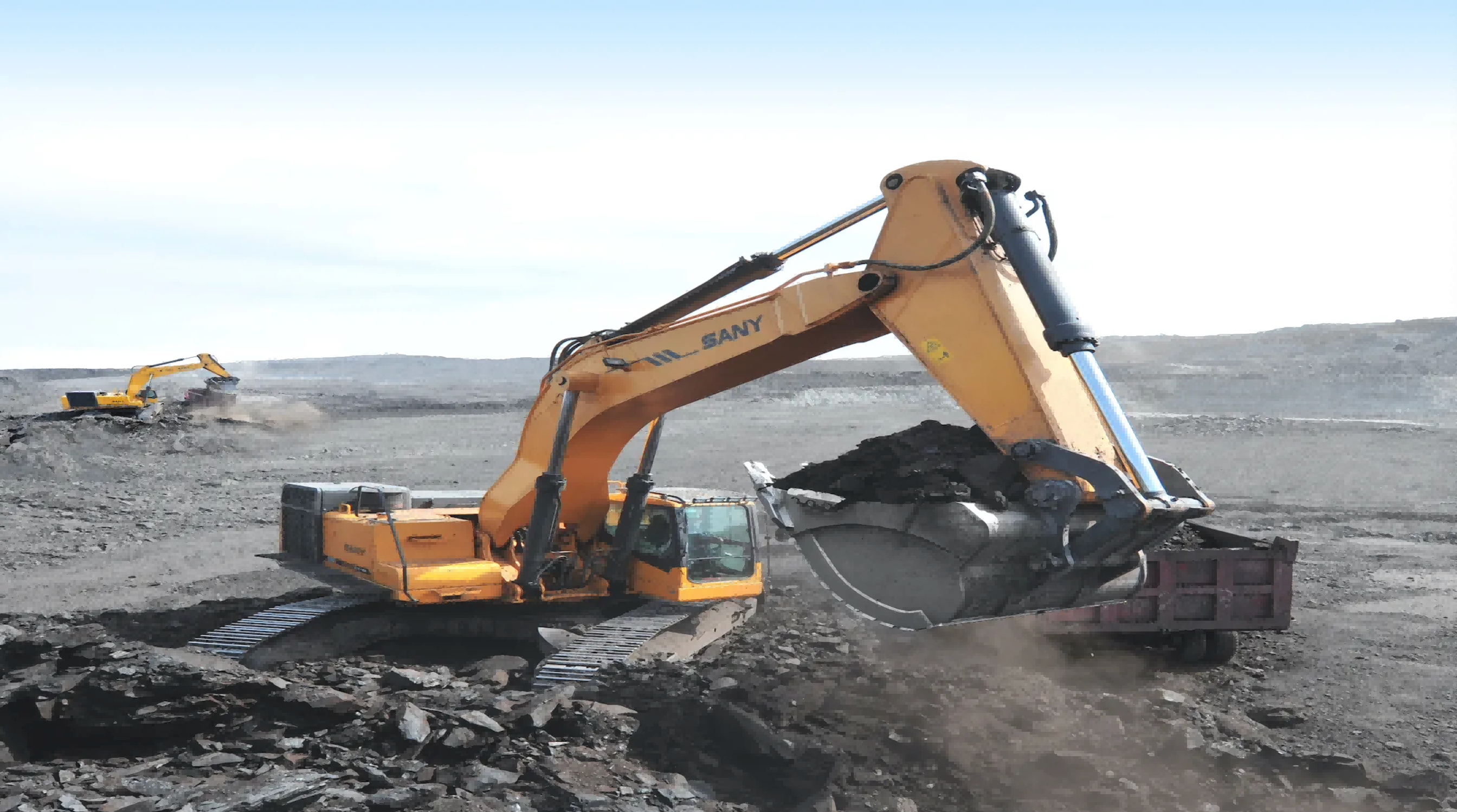
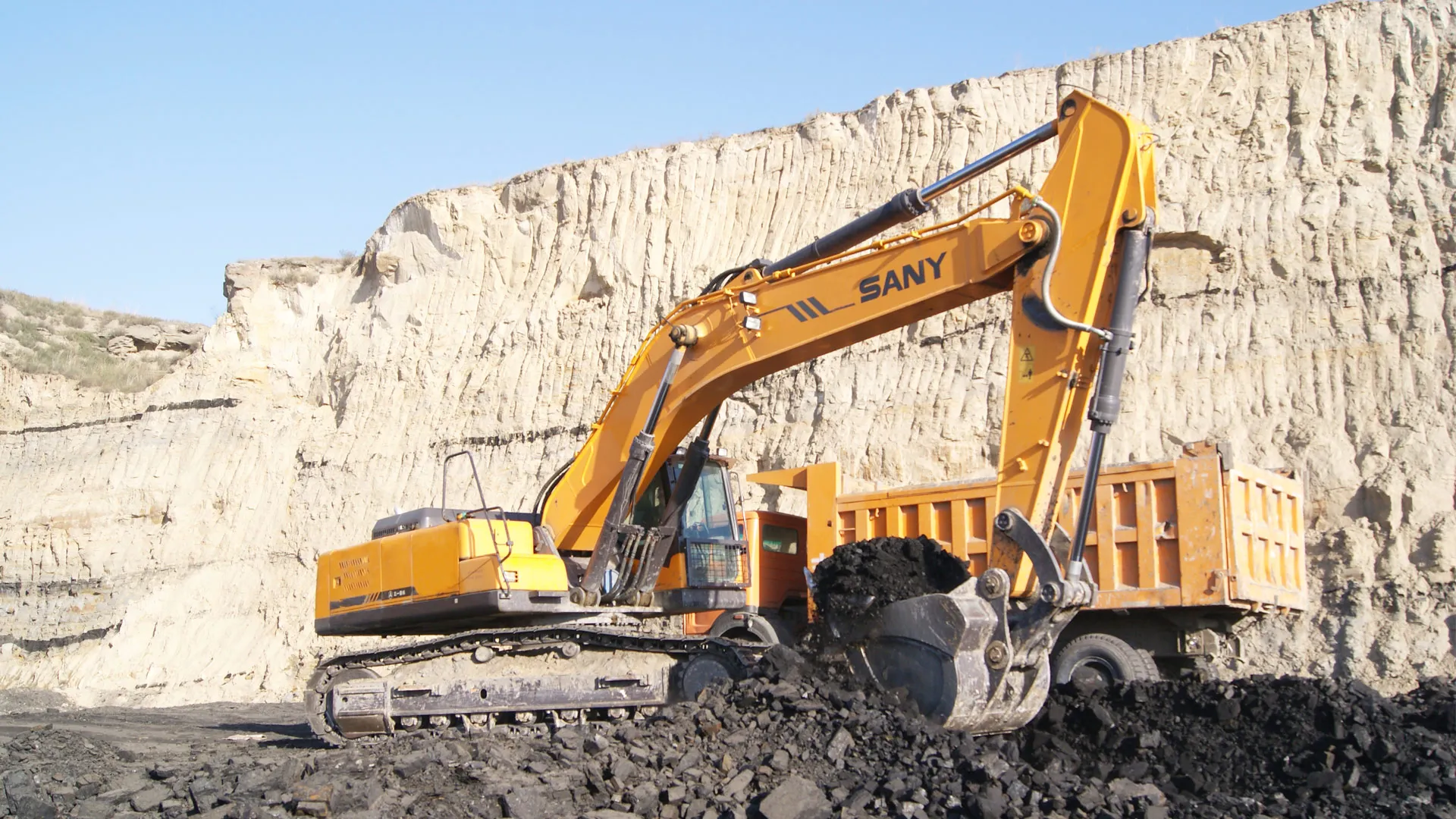
It has a payload ranging from 90 tons to over 400 tons and is equipped with a powerful engine of more than 1,500 horsepower, enabling it to handle steep slopes and heavy loads effortlessly. When matched with high-quality mining excavators, such as SANY mining excavators, it can greatly improve mining efficiency and reduce haul cycles.
Adaptability to Extreme Working Conditions
Adopting a sturdy and durable structural design, it can operate continuously and stably in high-temperature, dusty and rugged terrain. It has better fuel economy than traditional transport trucks, taking into account both environmental protection and cost advantages.
Safe and Efficient Design
It is equipped with powerful braking and steering systems to prevent rollover, slipping and sideslip, ensuring operational safety in complex terrain. Meanwhile, it is fitted with a hydraulic tailgate for rapid unloading, further improving material handling efficiency.
Different Types of Mining Dump Trucks
There are many types of mining dump trucks, mainly divided into the following categories:
Rigid Dump Trucks
They adopt a fixed frame with a stable structure and outstanding load-bearing capacity. Suitable for large open-pit mines with good road conditions, they are mainly used for long-distance and heavy-duty material transportation. Featuring a long service life and high overall transportation efficiency, this type of vehicle is applicable to large-scale and high-yield mining operations.
Articulated Dump Trucks
Equipped with an articulated structure, these trucks have high flexibility and superior off-road capability, adapting to complex terrains such as steep slopes, muddy roads and bumpy ground. Although their load capacity is relatively small, they have a faster driving speed and lower fuel consumption with economical operating costs. They are mostly applied to medium-sized mining, infrastructure projects and short-distance transportation in complex sites.
Electric Mining Dump Trucks
As a new energy-saving and environmentally friendly model, electric mining dump trucks are electrically driven with low pollutant emissions, reduced energy consumption and lower maintenance costs, and they support fast charging. These vehicles can be equipped with intelligent autonomous driving systems to improve operational efficiency. One limitation is the high initial investment in charging supporting infrastructure.
Underground Mining Dump Trucks
With a compact and small structure, these trucks have strong mobility. Specially designed for narrow spaces, they adapt to the enclosed and restricted working environment of underground mines and are mainly used for material transportation in underground mining operations.
How to Choose a Suitable Mining Dump Truck?
When selecting a suitable mining dump truck, companies need to comprehensively consider factors such as operating conditions, vehicle performance, maintenance costs, and budget. A proper selection can improve mining efficiency and reduce long-term operating costs. Specific selection criteria are as follows:
Operation Scale and Working Environment
- The payload capacity should be selected according to the scale of the mining operations. Large-scale open-pit mines are suitable for high-load models, such as large-sized mining haul trucks, while medium and small mining projects can choose vehicles with medium load capacity.
- The terrain conditions need to be taken into consideration. Rigid vehicles with stable structures are suitable for flat open-pit sites, while vehicles with stronger off-road performance are required for complex terrains featuring mud, steep slopes and uneven roads.
Core Vehicle Performance Parameters
- Focus on engine power. Adequate power supports stable hill-climbing performance under heavy loads and helps reduce unplanned downtime.
- Consider the payload, unloading system, and suspension structure. A high-quality unloading mechanism can accelerate loading and unloading, while a good suspension system can improve stability under heavy loads and reduce vehicle wear.
- Fuel efficiency is also an important reference indicator, directly affecting long-term operating costs.
Maintenance Conditions and After-sales Support
- It is preferable to select vehicles that are easy to inspect and maintain with accessible key components. Regular maintenance can significantly cut operating costs.
- Enterprises need to evaluate suppliers’ after-sales services, spare parts supply capacity and local maintenance resources. A complete after-sales system can minimize vehicle downtime.
- The vehicle warranty coverage should be considered, since comprehensive warranty services are more conducive to long-term investment.
Comprehensive Cost and Financial Planning
- Focusing solely on the initial purchase price of a vehicle is insufficient; the total cost of ownership must be calculated, including long-term expenses such as fuel consumption, regular maintenance, and parts replacement.
- Companies can assess their cash flow, compare the advantages and disadvantages of direct purchase versus leasing, and develop a suitable financial plan.
- It's also important to allocate funds for hidden expenses such as insurance and employee training to avoid additional financial pressure later on.
Conclusion
In summary, mining dump trucks are indispensable heavy machinery in modern mining engineering. Their unique structure and robust performance enable them to adapt to harsh mining environments. Various types of mining dump trucks have specific application scenarios, covering large open-pit mines, medium-sized construction sites, and narrow underground mine shafts. Choosing the right mining dump truck can not only improve daily transportation efficiency but also ensure the long-term economic benefits of mining companies.
FAQs
How Many Yards Does a Mining Dump Truck Hold?
Small dump trucks: Mostly modified from pickup truck chassis, they have a relatively small loading capacity, usually around 1.5 cubic yards.
Standard dump trucks: Typically can carry 10 to 16 cubic yards of material.
Large heavy-duty dump trucks: Their loading capacity can reach 16 cubic yards or more.
Which Truck is Used for Mining?
Transport trucks and dump trucks are mostly used in mining operations. These mining trucks are adapted to the complex working conditions of mining areas, can efficiently transport materials such as ore and slag, have a sturdy and durable structure, strong load-bearing capacity, and can adapt to the heavy-load and off-road working environment of mining areas.
What is a Dump Truck in Mining?
Mining dump trucks are heavy-duty vehicles used in mining operations to transport large quantities of materials. Unlike ordinary dump trucks, they are specifically designed for unpaved off-road conditions, equipped with a robust frame, a large-capacity dump body, and a high-powered engine, resulting in a durable structure and strong load-bearing capacity. Their core feature is their outstanding load-bearing capacity, with an effective payload ranging from 90 tons to over 400 tons, enabling efficient transportation of mining materials such as ore and slag, meeting the high-intensity transportation demands of mining areas.
Featured Products
Recommend Blogs
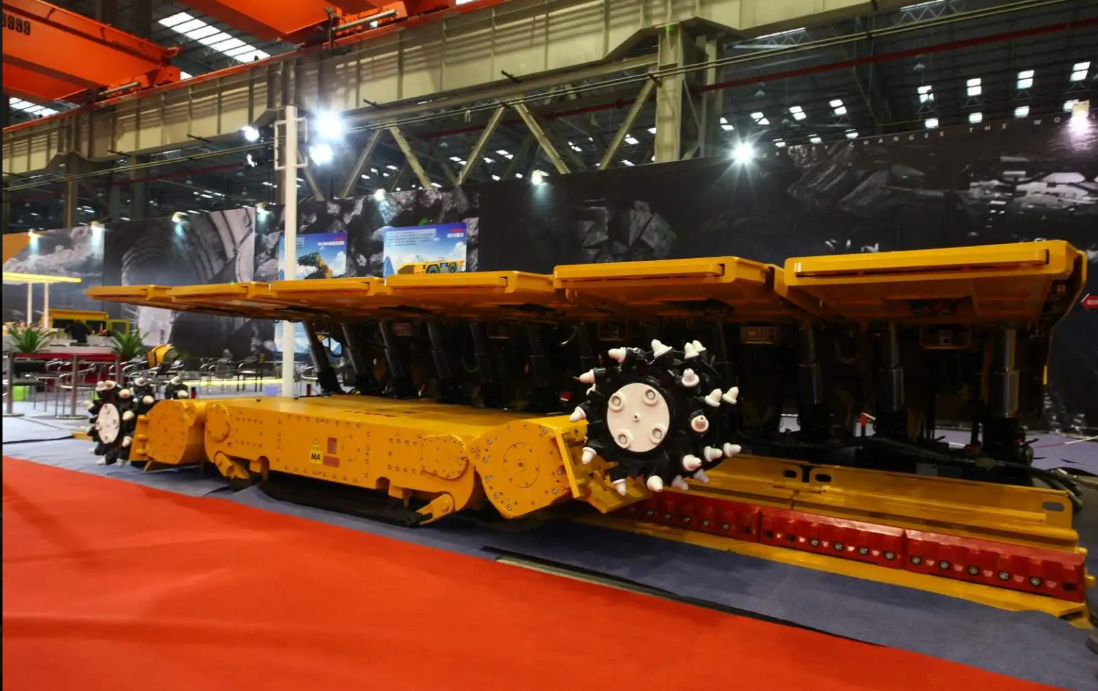
Underground Mining Equipment: Categories and Selection Methods
This article introduces underground mining equipment categories, compares them with open-pit equipment, and summarizes selection criteria for mining reference.
How to Reduce Mining Equipment Cost? A Practical Guide
This article explores the factors influencing mining equipment costs and offers strategies for cost reduction, empowering you to manage your mining expenses.
Mining Equipment: Common Types, Selection Guide, and Application
This article introduces common types of mining equipment, their applicable scenarios, selection guidelines to help you easily launch your mining operations.