How to Reduce Mining Equipment Cost? A Practical Guide
This article explores the factors influencing mining equipment costs and offers strategies for cost reduction, empowering you to manage your mining expenses.
Mining equipment cost has long constituted a core expenditure in mining operations, directly impacting a project's overall profitability and production efficiency. Issues such as equipment procurement, routine maintenance, and depreciation due to idleness can easily drive up overall production costs and erode corporate profit margins. To assist mining enterprises in maintaining stable operations and achieving cost reductions while boosting efficiency, this article outlines practical, actionable strategies designed to help effectively manage and lower the cost of mining equipment.
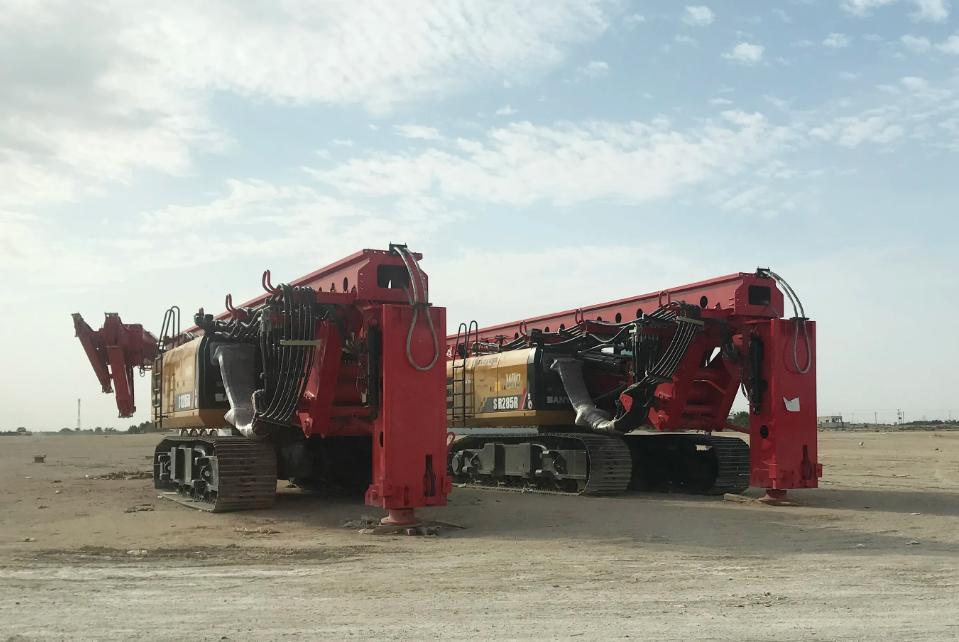
Factors Influencing Mining Equipment Costs
The heavy equipment cost mining spans its entire lifecycle, encompassing procurement, operation, and maintenance and is simultaneously constrained by a multitude of factors, including geological environments, technological standards, and regulatory frameworks; ultimately, it directly determines the overall operational efficiency of a mine.
Fundamental Selection Factors
Geology and Orebody Conditions: The mineral types, orebody location, and rock-formation characteristics directly dictate the fundamental specifications and types of equipment required.
Equipment Performance Metrics: Factors such as power supply requirements, operational cycle speeds, excavation angles, travel speeds, equipment reliability, and bucket capacity influence production efficiency, thereby indirectly affecting the unit cost of output.
Equipment Design Standards: The technical configuration, structural complexity, ergonomic design, and control systems determine the ease of operation and maintenance, bearing a direct correlation to both production efficiency and safety-related costs.
Maintenance and Support Conditions: The complexity of equipment maintenance, the specialized technical expertise required, and the availability of spare parts and manufacturer support services influence the duration of downtime and the long-term cost of ownership.
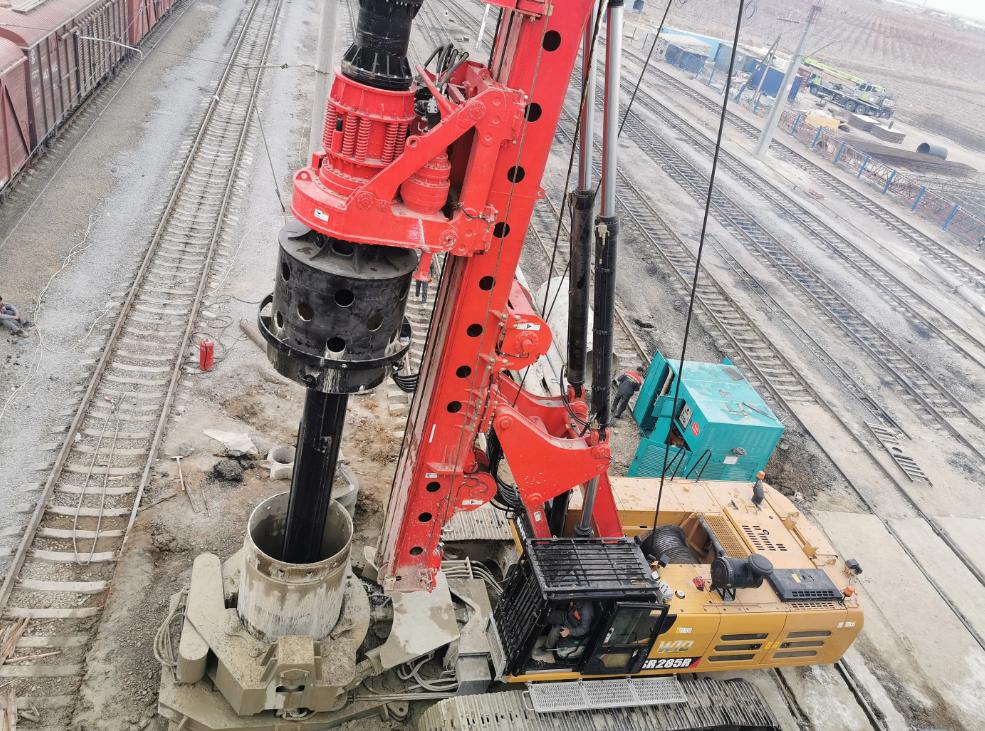
Life Cycle Cost Factors
1. Capital Expenditure (Procurement Phase)
Initial Purchase and Customization Costs: The base mining equipment price, such as mining excavators, haul trucks, and drilling rigs, plus the costs of upgrades and modifications for features like automation and remote control capabilities.
Logistics and Taxes: Transportation costs to remote locations, import duties, and on-site assembly and installation costs.
Financial Costs: Loan interest rates and the impact of exchange rate fluctuations associated with international procurement.
2. Operations and Maintenance Costs (Usage Phase)
Energy and Fuel: Power source type (diesel vs. electricity) and fluctuations in local energy prices.
Consumables: Costs for regularly replaced consumables and wear parts, such as tires, drill bits, and lubricants.
Maintenance and Downtime: Frequency of major overhauls, complexity of repairs, and the efficiency of the local spare parts supply chain.
Labor Costs: Local wage rates and the availability of skilled operators and maintenance personnel.
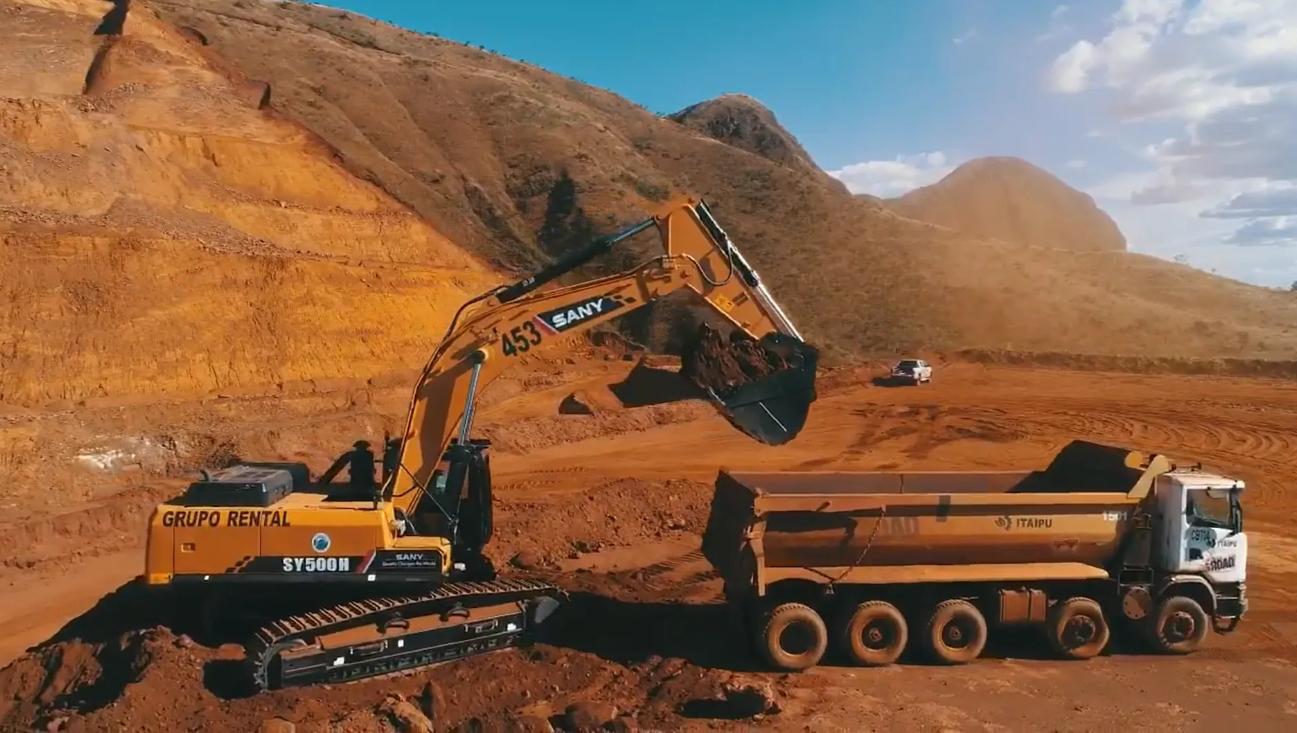
External Operating Environment Factors
Site Geological Conditions: The greater the rock hardness, the higher the equipment wear, fuel consumption, and parts depletion. Steep terrain gradients and deep mine shafts impose higher demands on equipment power and transport capacity.
Investment in Technological Upgrades: Advanced equipment—such as automated drilling systems, GPS tracking, and ventilation control systems—requires high upfront investment but yields long-term savings in labor and safety-related costs; digital fleet management systems optimize operations and maintenance, thereby reducing unit costs.
Regulatory and Environmental Requirements: Compliance with safety and environmental standards necessitates additional expenditures, such as equipment retrofitting and specialized configurations.
How Can Mining Equipment Costs Be Truly Reduced?
To efficiently achieve cost reductions and operational efficiencies, thereby enhancing the overall cost-effectiveness of equipment throughout its entire lifecycle, mining equipment costs can be effectively managed through a series of highly practical and actionable strategies, specifically as follows:
Scientific Equipment Selection to Minimize Upfront Capital Investment
By precisely matching equipment models to specific ore-body conditions and production scales, it is possible to eliminate capital and fuel waste resulting from equipment overcapacity. In addition, adopting refurbished or certified pre-owned equipment instead of brand-new machinery can effectively reduce initial procurement costs.
Optimize Fuel Utilization and Reduce Core Operating Costs
Fuel is one of the highest recurring costs in mining operations. By upgrading to new, high-efficiency, emissions-compliant engines, operators can improve fuel efficiency and reduce fuel consumption while maintaining equipment power and stability, thereby significantly lowering core operating costs.
Strictly Control Consumable Wear and Streamline Routine Maintenance Costs
Mining equipment involves frequent replacement of consumables and wear parts, generating ongoing maintenance and operational costs. By standardizing equipment operating conditions and selecting high-quality spare parts and consumables, operators can slow down the rate of component wear and extend replacement cycles. This effectively reduces recurring expenses associated with consumable replacement and lowers overall basic maintenance costs.
Minimize Equipment Downtime and Avoid Hidden Economic Losses
Unplanned equipment downtime is a significant source of hidden costs in mining operations. Long-term cost control can be achieved through the following four strategies:
∙Select highly reliable engines; prioritize preventive maintenance over reactive repairs to reduce the probability of failure at the source.
∙Leverage backup engine services to facilitate rapid replacements during scheduled or unscheduled equipment maintenance, thereby avoiding production losses.
∙Utilize strategically located professional engine remanufacturing centers to efficiently refurbish large-scale engines and shorten equipment repair cycles.
∙Rely on on-site manufacturer support and a nationwide team of technical experts to ensure rapid response times in remote mining areas, guaranteeing continuous and smooth equipment operation.
SANY not only offers a comprehensive selection of mining equipment, but its local dealers will also work closely with you to provide professional routine maintenance and warranty services, ensuring that your equipment remains in optimal working condition at all times.
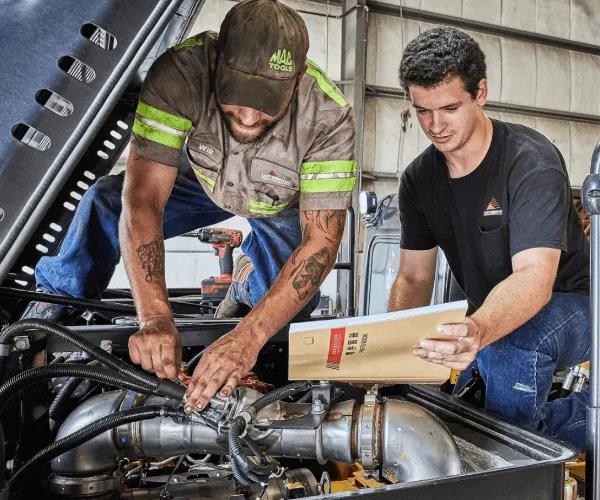
Upgrade Maintenance Strategies to Achieve Precision Cost Control
Move away from traditional, reactive repair models; instead, implement predictive maintenance techniques such as oil analysis and vibration monitoring to proactively identify potential equipment risks and reduce the costs associated with sudden, unexpected failures.
Opt for original manufacturer parts or high-quality aftermarket components to prevent equipment malfunctions and secondary damage caused by the use of inferior parts.
Optimize On-Site Operations and Minimize Operational Waste
Through routine maintenance of mine roads and specialized training for operators, we reduce abnormal equipment wear and unnecessary fuel consumption.
Leveraging fleet management systems and remote intelligent monitoring technologies, we standardize equipment operating conditions, eliminating inefficient practices, such as excessive idling and overloading, thereby enhancing operational efficiency.
Innovate Cooperation Models and Optimize Total Lifecycle Cost Structure
Moving away from traditional models of outright purchase and independent maintenance, we enter into comprehensive lifecycle support contracts with equipment manufacturers. By adopting flexible payment models based on hourly usage or production output, we transform fixed capital expenditures into controllable operating costs, thereby effectively lowering the total financial cost of equipment ownership over its entire lifecycle.
Common Myths and Mistakes in Mining Equipment Cost Control
Mining enterprises frequently harbor cognitive biases and fall into decision-making pitfalls during the procurement and operations & maintenance (O&M) management of mining equipment. Most companies focus excessively on short-term, explicit costs while overlooking the hidden losses incurred throughout the equipment's entire lifecycle.
What appears to be cost-saving in the short term actually triggers a host of problems such as increased downtime, skyrocketing energy consumption, and compounding maintenance expenses—thereby significantly driving up overall equipment operating costs. Outlined below are the four most typical misconceptions regarding mining equipment cost control:
1. Focusing Solely on Equipment Purchase Price While Neglecting Hourly Operating Costs
When selecting equipment, most mining operations treat the initial purchase price as the primary decision-making criterion, prioritizing low-cost machinery while overlooking critical operating costs, such as hourly fuel consumption, failure rates, and maintenance complexity. While equipment acquisition represents a one-time capital expenditure, hourly operating costs, including fuel, maintenance, and wear and tear, constitute a continuous, long-term expense.
Low-cost equipment often comes with higher energy consumption and lower efficiency. Over time, the accumulated operating costs can far exceed the initial savings on purchase price, ultimately resulting in excessively high lifecycle costs.
2. Opting for Inferior Replacement Parts to Minimize Spare Parts Costs
To save approximately 5% on spare parts procurement, some construction teams forgo original manufacturer (OEM) or high-quality components in favor of low-cost, inferior substitutes. These substandard parts often suffer from poor compatibility and insufficient durability, making them highly prone to triggering equipment malfunctions and accelerating component wear issues that directly result in unplanned equipment downtime.
When weighed against the meager savings on spare parts, the resulting losses, including production downtime, secondary repair costs, and project schedule delays far outweigh the initial cost savings, rendering the decision ultimately counterproductive.
3. Neglecting Tire and Fuel Management: Underestimating the "Black Hole" of Core Costs
Fuel consumption and tire wear represent two of the most easily overlooked hidden costs associated with mining equipment and constitute the primary "black hole" for mining expenditures.
Most enterprises focus solely on visible outlays, such as equipment repairs and spare parts replacement, while lacking granular control over critical issues like fuel consumption, wasteful idling, abusive operation, and road surface abrasion. Poor operational practices and weak management continuously increase fuel waste and tire wear. Over time, these inefficiencies accumulate into substantial unnecessary costs, significantly reducing the overall profitability of the equipment fleet.
4. Overextending the Service Life of Aging Equipment: Trapped in a Vicious Cycle of Repair Costs
To avoid the capital expenditure required for purchasing new machinery, many mining operations continue to utilize aging equipment long past its recommended service life. With core components deteriorating and malfunctions becoming frequent, such aging equipment not only demands significantly more frequent repairs and consumes a steady stream of consumables, but also leads to skyrocketing fuel consumption and diminished operational efficiency.
The cumulative costs of long-term repairs, maintenance, and downtime often far exceed the installment payments required for new equipment, thereby not only compromising production efficiency but also acting as a persistent drag on the mine's overall profitability.
Conclusion
In summary, the management of mining equipment costs is not merely a matter of unilaterally reducing procurement or maintenance expenditures; rather, it entails refined, lifecycle-wide management encompassing equipment selection, operation and maintenance, on-site operations, and equipment iteration. Mining enterprises must avoid the pitfalls of traditional cost-control approaches and, by integrating geological conditions, equipment performance, and technological capabilities, optimize their operational models. By precisely controlling both hidden and explicit expenses, they can effectively lower overall equipment costs while continuously enhancing mining production efficiency and overall profitability.
FAQs
Is mining even profitable?
Mining can be profitable, particularly once you have acquired all the necessary equipment. However, numerous factors can squeeze profit margins—most notably, the immense electricity consumption involved. With electricity rates constantly on the rise, high energy costs can steadily erode your earnings. Consequently, the profitability of mining is not a certainty; one must carefully weigh practical considerations, such as energy costs, before proceeding.
Which type of mining is most efficient?
Open-pit mining generally offers higher operational efficiency. It is best suited for extracting mineral resources located near the earth's surface; compared to underground mining, it entails lower overall costs and offers better cost-effectiveness. Minerals mined on a large scale—such as coal, iron, and bauxite—are predominantly extracted using the open-pit method, making it an economically efficient form of mining.
Can AI replace mining engineers?
AI is expected to reshape parts of the mining engineering workforce rather than fully replace it. Some industry assessments suggest that AI and automation could affect up to 40% of technical and operational roles by 2030. Driven by the Fourth Industrial Revolution, the global mining industry is transforming; leveraging its advantages in efficiency, safety, and sustainability, AI has emerged as the core driving force behind this industry transition, gradually replacing traditional human-intensive roles.
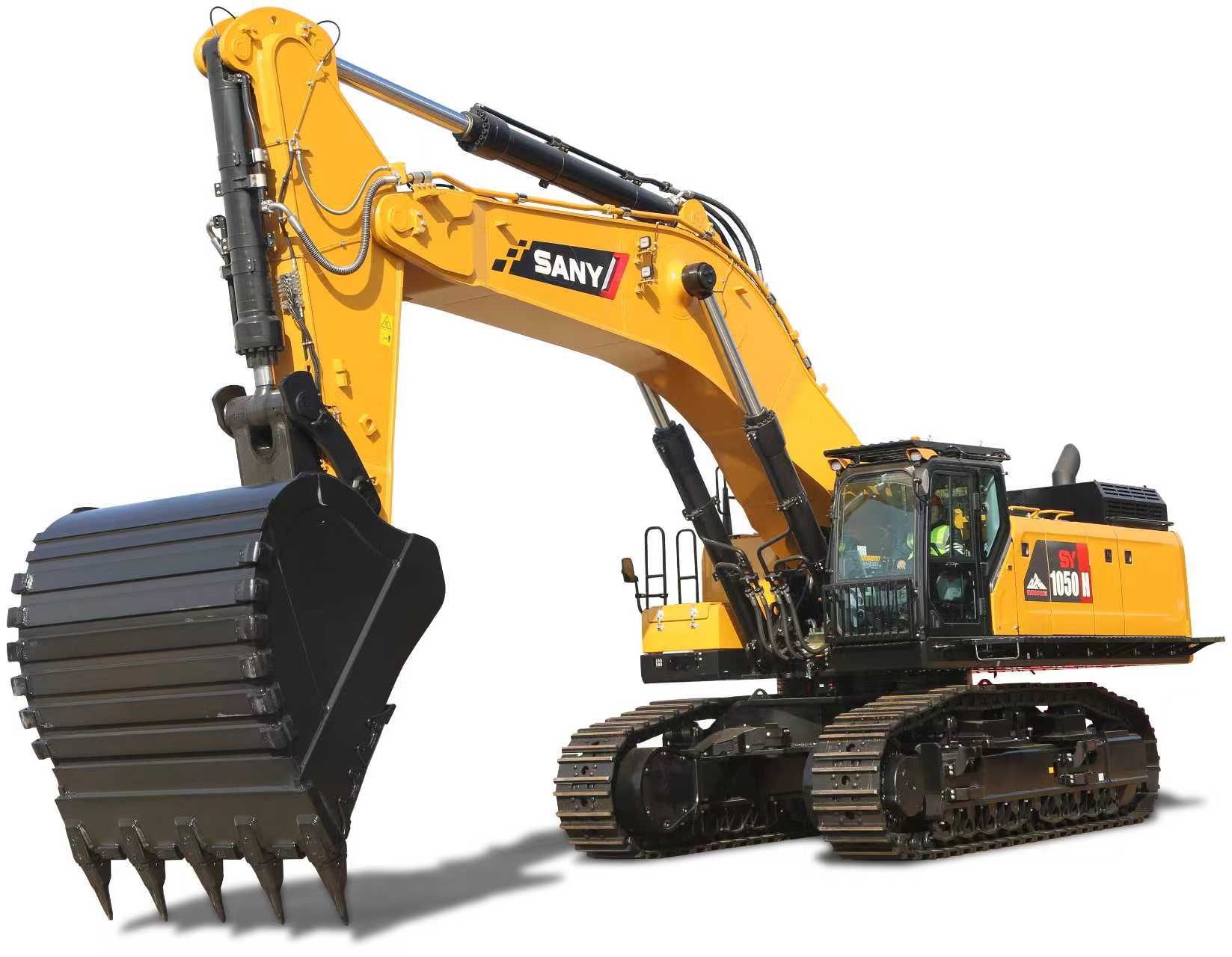
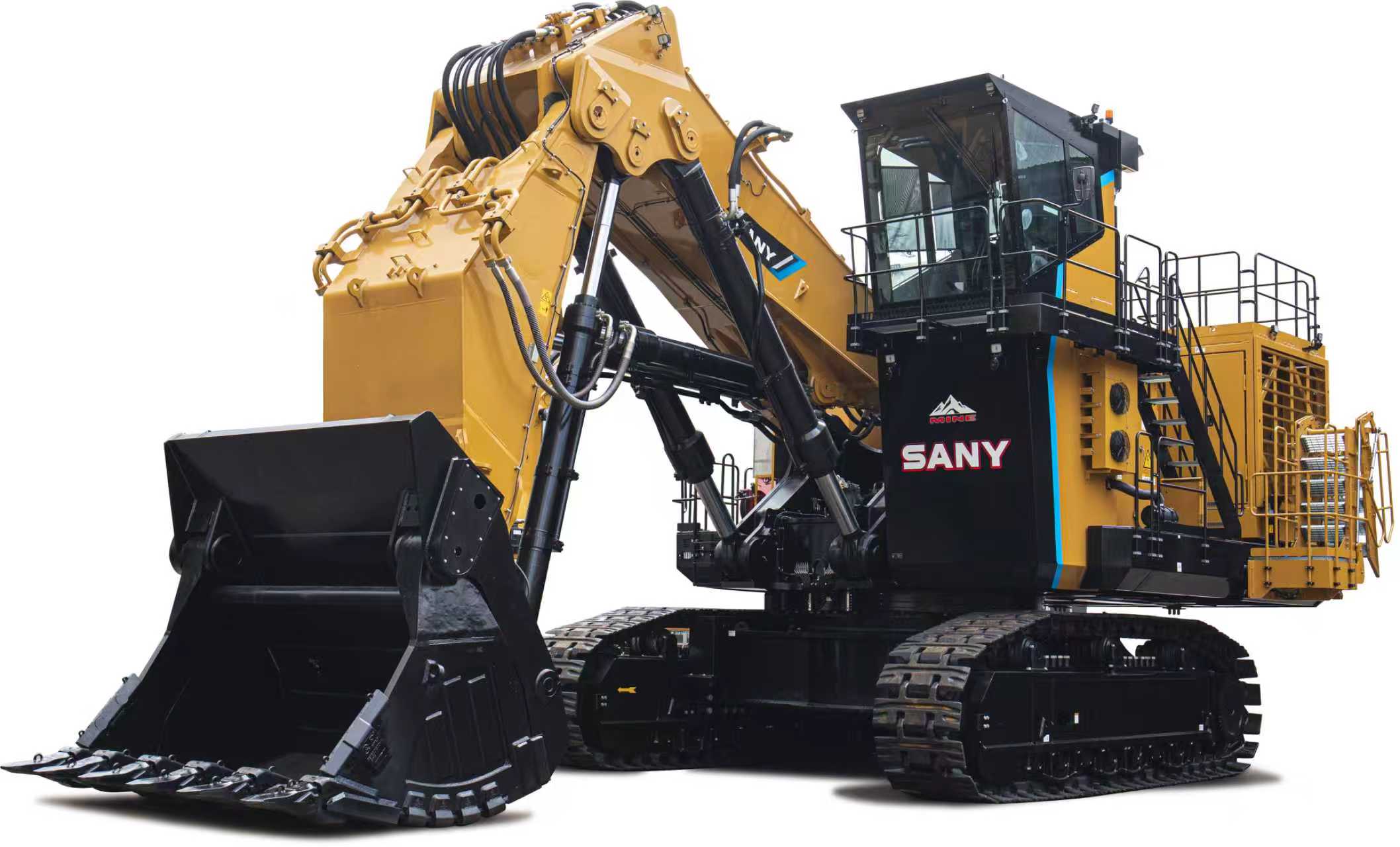
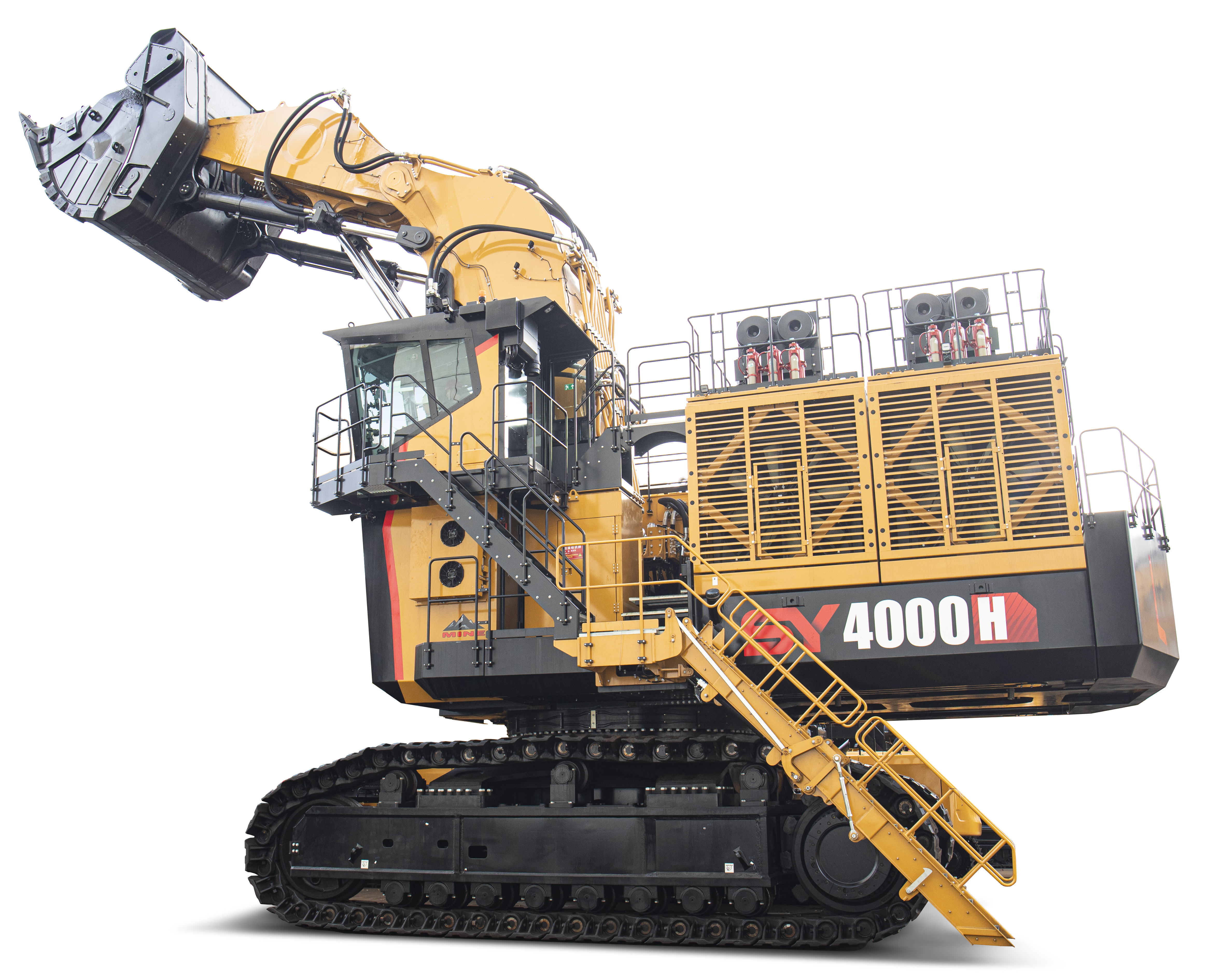
Featured Products
Recommend Blogs
Underground Mining Equipment: Categories and Selection Methods
This article introduces underground mining equipment categories, compares them with open-pit equipment, and summarizes selection criteria for mining reference.
Mining Dump Trucks: A Practical Guide
This article explains the features, classification and selection considerations of mining dump trucks, helping practitioners better understand this equipment.
Mining Equipment: Common Types, Selection Guide, and Application
This article introduces common types of mining equipment, their applicable scenarios, selection guidelines to help you easily launch your mining operations.