Mining Equipment: Common Types, Selection Guide, and Application
This article introduces common types of mining equipment, their applicable scenarios, selection guidelines to help you easily launch your mining operations.
Mining equipment is the core equipment in modern mining operations, spanning the entire process from drilling and blasting, excavation, transportation, and auxiliary operations. It directly impacts mine production efficiency, operational safety, and overall profitability. Ranging from large-scale open-pit machinery to specialized underground equipment, the judicious selection of mining equipment can effectively minimize downtime losses and mitigate safety risks. The following sections provide a detailed overview of the various application scenarios and purchasing guidelines for mining equipment, helping you achieve efficient extraction and sustainable operations.
Common Types of Mining Equipment
Mining equipment serves as the core machinery for the extraction, crushing, transportation, and processing stages of mineral operations. It covers a wide range of types with distinct functions. Common categories include drilling and blasting equipment, excavating and loading machinery, conveying systems, and various auxiliary tools. Each type is designed to adapt to different mining conditions, such as open-pit and underground operations. The following section provides a detailed introduction to the specific applications and characteristics of various mainstream mining equipment types.
Drilling and Blasting Equipment
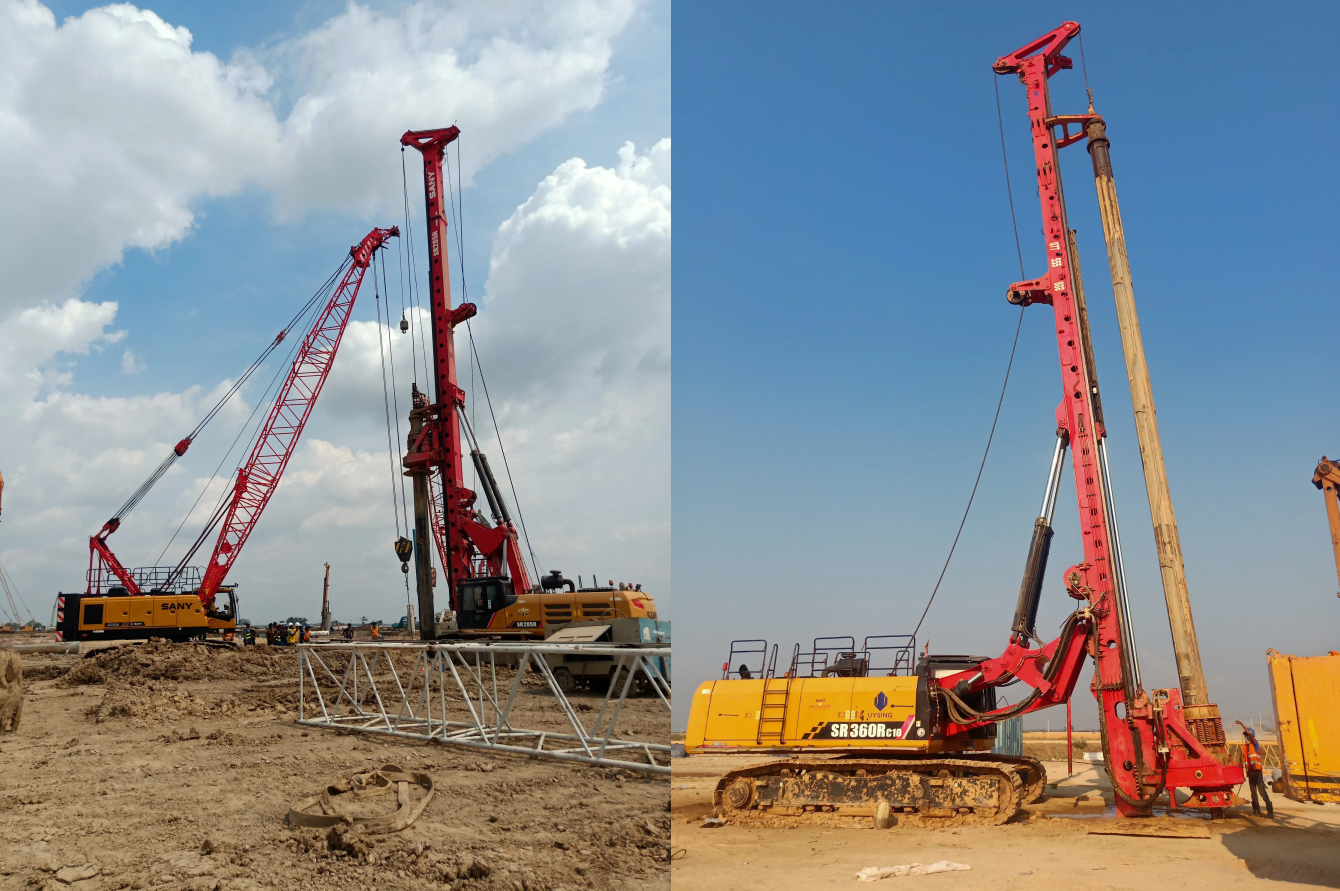
The rotary drilling rig, along with percussion rock drills, is considered one of the two mainstream drilling equipment in the mining industry. It is also a core piece of equipment for blasting drilling, widely used in open-pit mine blasting drilling, oil well drilling, rock pre-splitting drilling, and mine expansion excavation.
1. Rotary Drilling Rig
The rotary drilling rig’s drill bit rotates under pressure to cut the rock, and compressed air is used to promptly remove rock debris, keeping the borehole clean. The standard borehole diameter is 152.4–558.8 mm, and the depth is 9.14–18.29 meters. Under special conditions, it can achieve borehole depths exceeding 45 meters. For example, SANY Rotary Drilling Rig can even reach a maximum drilling depth of 120 meters.
2. Percussion Rock Drills
Unlike rotary drilling rigs, which use cutting to create holes, percussion rock drills rely on reciprocating impact pressure to complete the drilling. They also use compressed air to blow away debris from the hole, ensuring the drill bit continuously and stably cuts into new rock layers. This makes them more suitable for shallow and small-diameter drilling. For example, external piston models are mainly used for drilling holes with a diameter of 127 mm or less.
Excavating Equipment
1. Hydraulic Excavator
Also known as a hydraulic mining shovel, this machine uses a hydraulic system to drive the bucket, enabling efficient excavation of hard materials. Equipped with a tracked or wheeled chassis and a rotating cab, along with an articulated arm, it can operate flexibly within a circular working range without frequent repositioning. Its main uses include earthmoving and ore transportation, ore layer excavation, material loading assistance, and short-distance transportation of ore from the overburden layer in open-pit mines.
2. Electric Rope Shovel
The electric rope shovel replaces the hydraulic system with a rope-and-pulley system for the bucket at the end of the robotic arm. It is electrically driven and designed for heavy-duty excavation, enabling efficient bulk material handling in mining operations. Its functions are similar to hydraulic excavators, and its main applications include: overburden and working face preparation in open-pit mines, excavation of hard materials, earthmoving, removal of large rocks, and transferring mined materials to loaders.
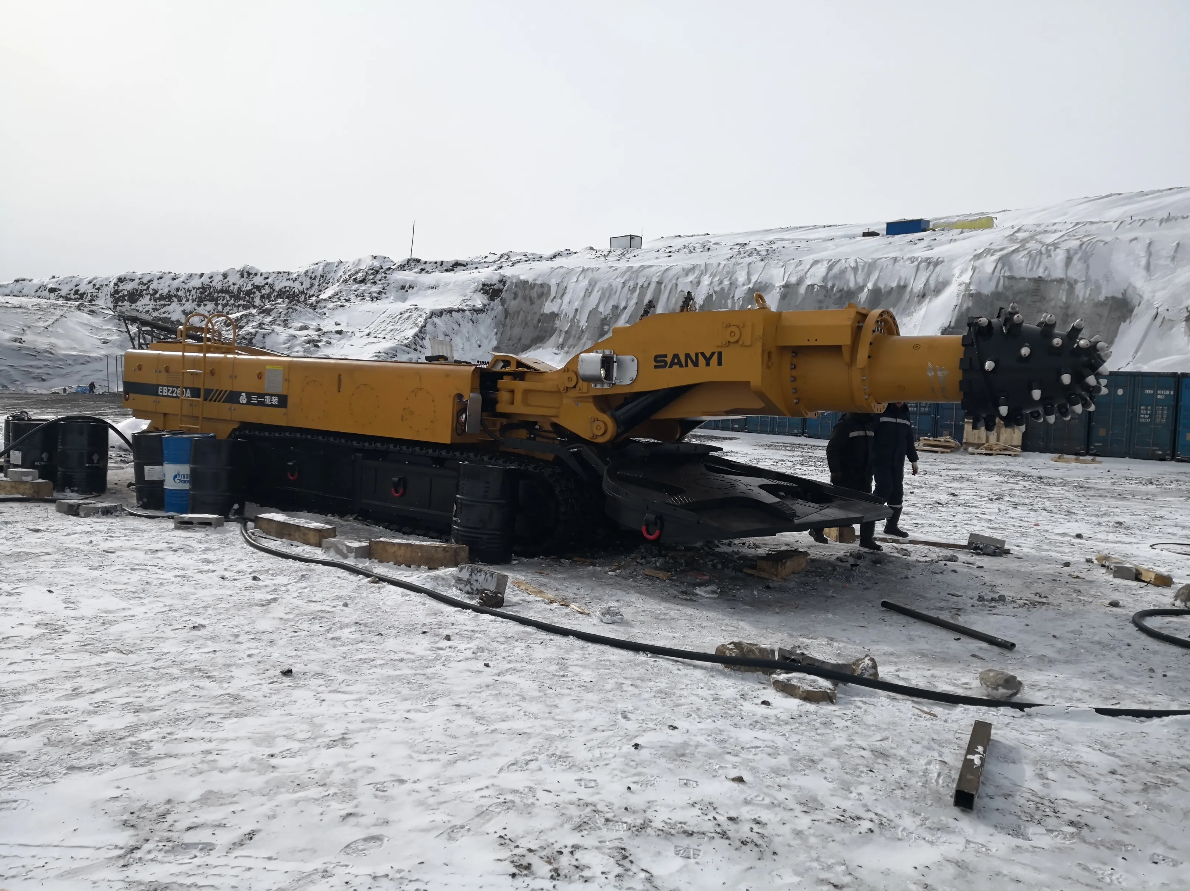
3. Roadheader
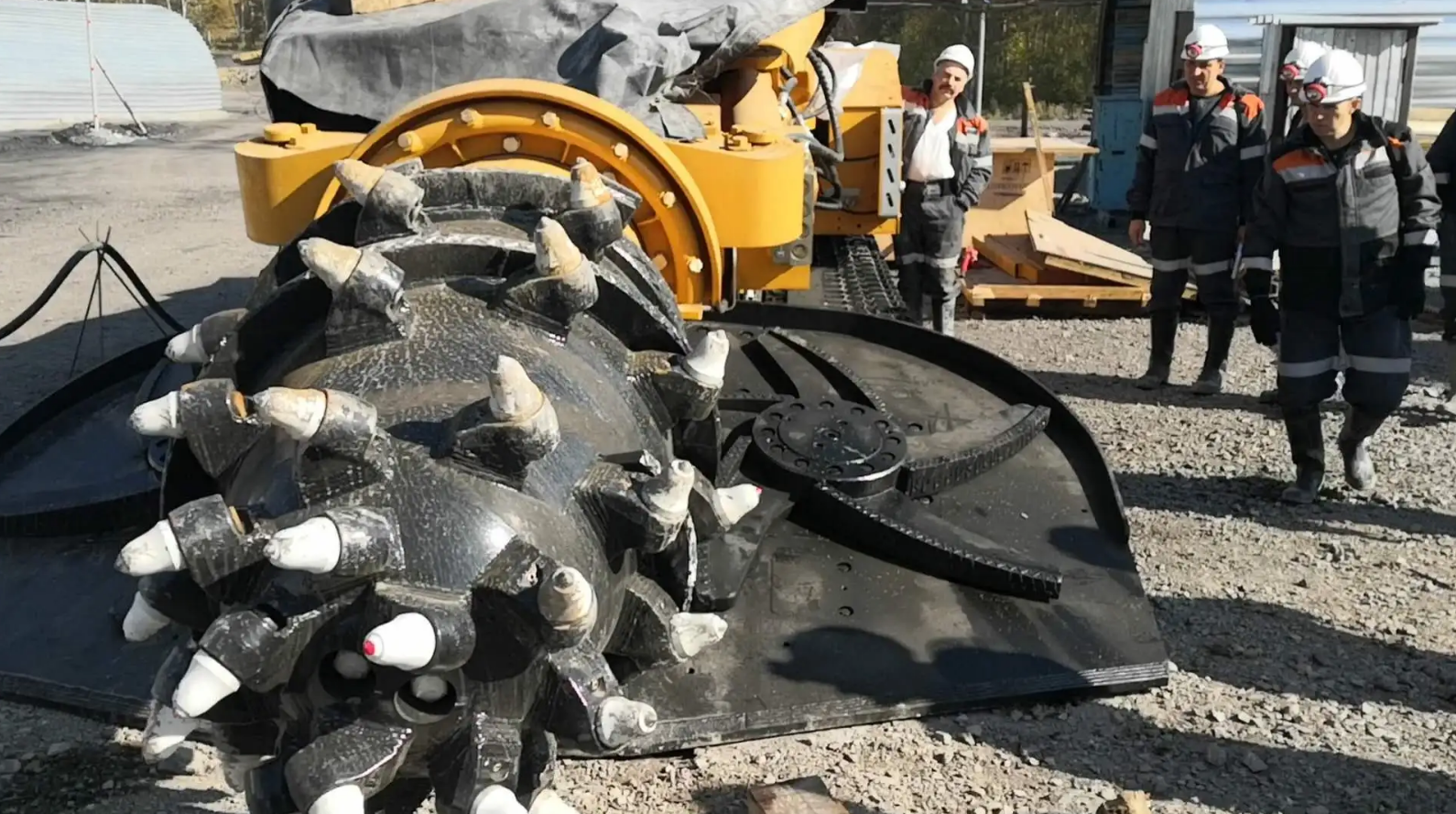
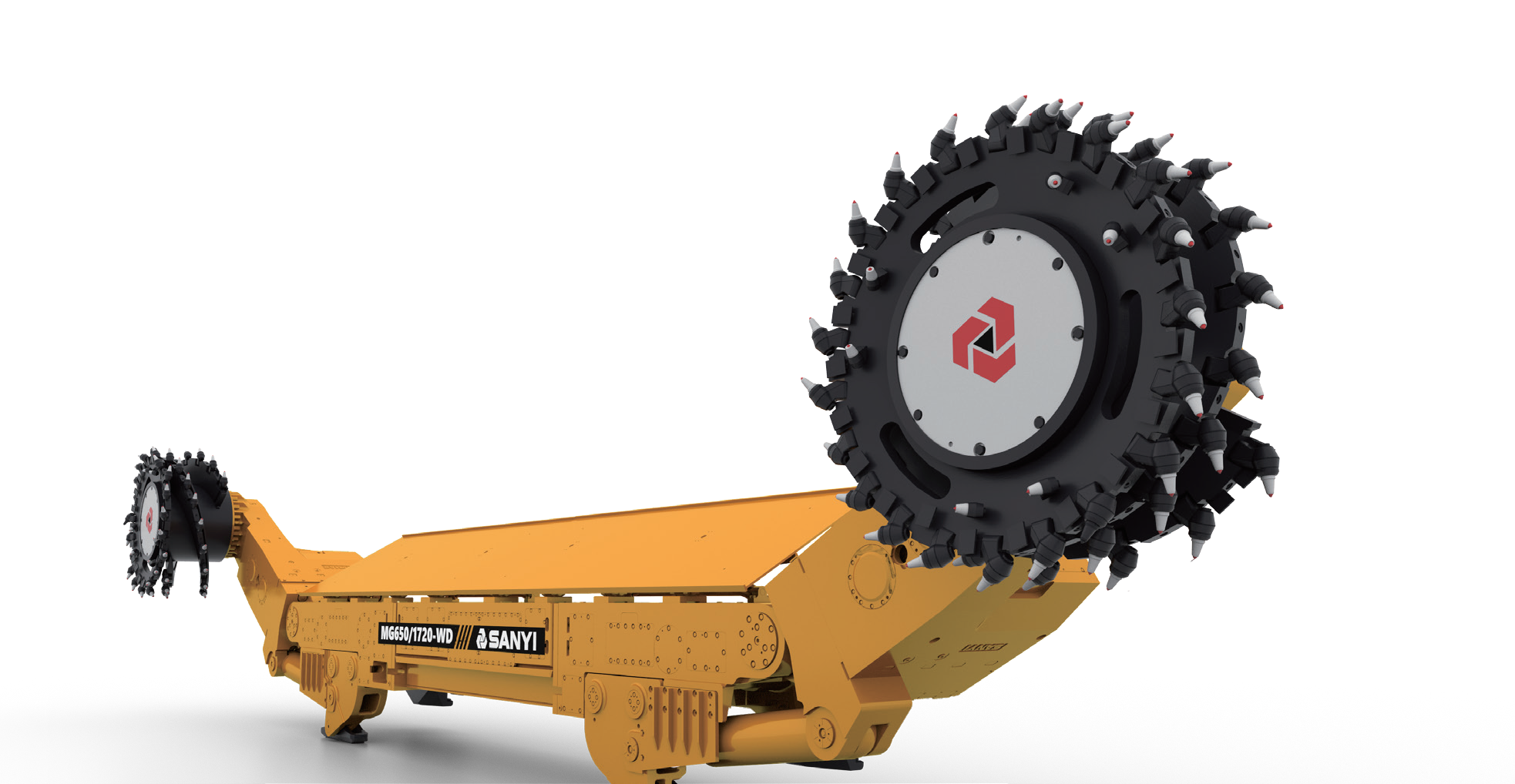
A cantilever roadheader consists of a cutting head, a conveying and loading device, and a crawler-mounted walking mechanism. Roadheaders typically use two main types of cutting heads: transverse (ripping) and axial (milling). Transverse heads are better suited for harder rock conditions, while axial heads are more effective in softer to medium-hard formations and allow more precise cutting control. The SANY Roadheader uses a five-jaw integrated star wheel cutting head, offering stable operation and strong adaptability. Classified into three major series—large, medium, and small—based on working conditions and scale, it is designed to meet the requirements of various coal and rock strata environments.
4. Coal Cutter
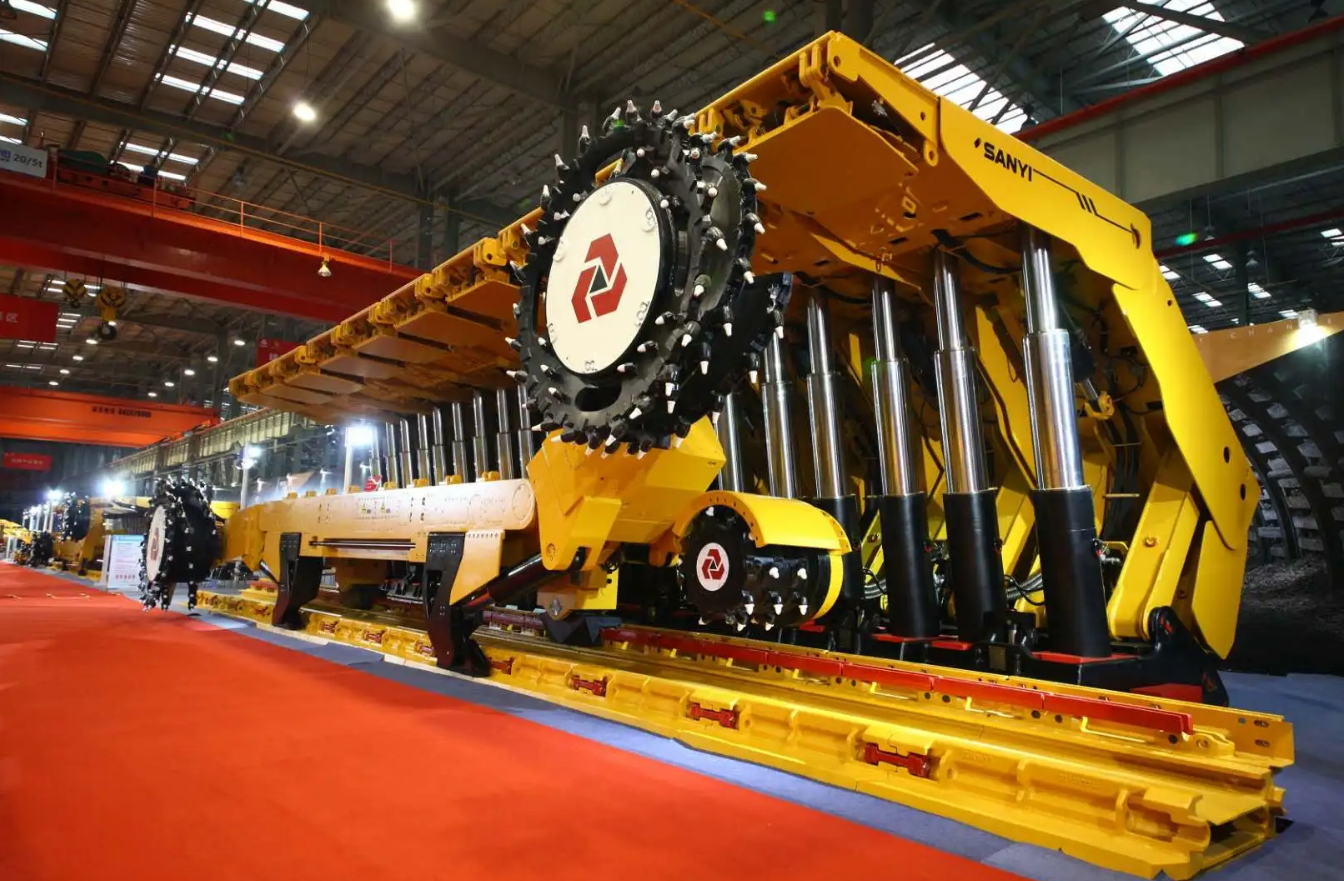
A coal cutter is a common piece of coal mining equipment primarily used to extract coal from seams through processes such as cutting and drilling; these machines are characterized by their powerful cutting capabilities. For instance, the SANY MG Series Coal Cutter delivers a cutting power ranging from 420 to 1,500 kilowatts and boasts a cutting height of up to 5.4 meters, ensuring highly efficient operational performance.
Transportation Equipment
1. Drag Conveyor
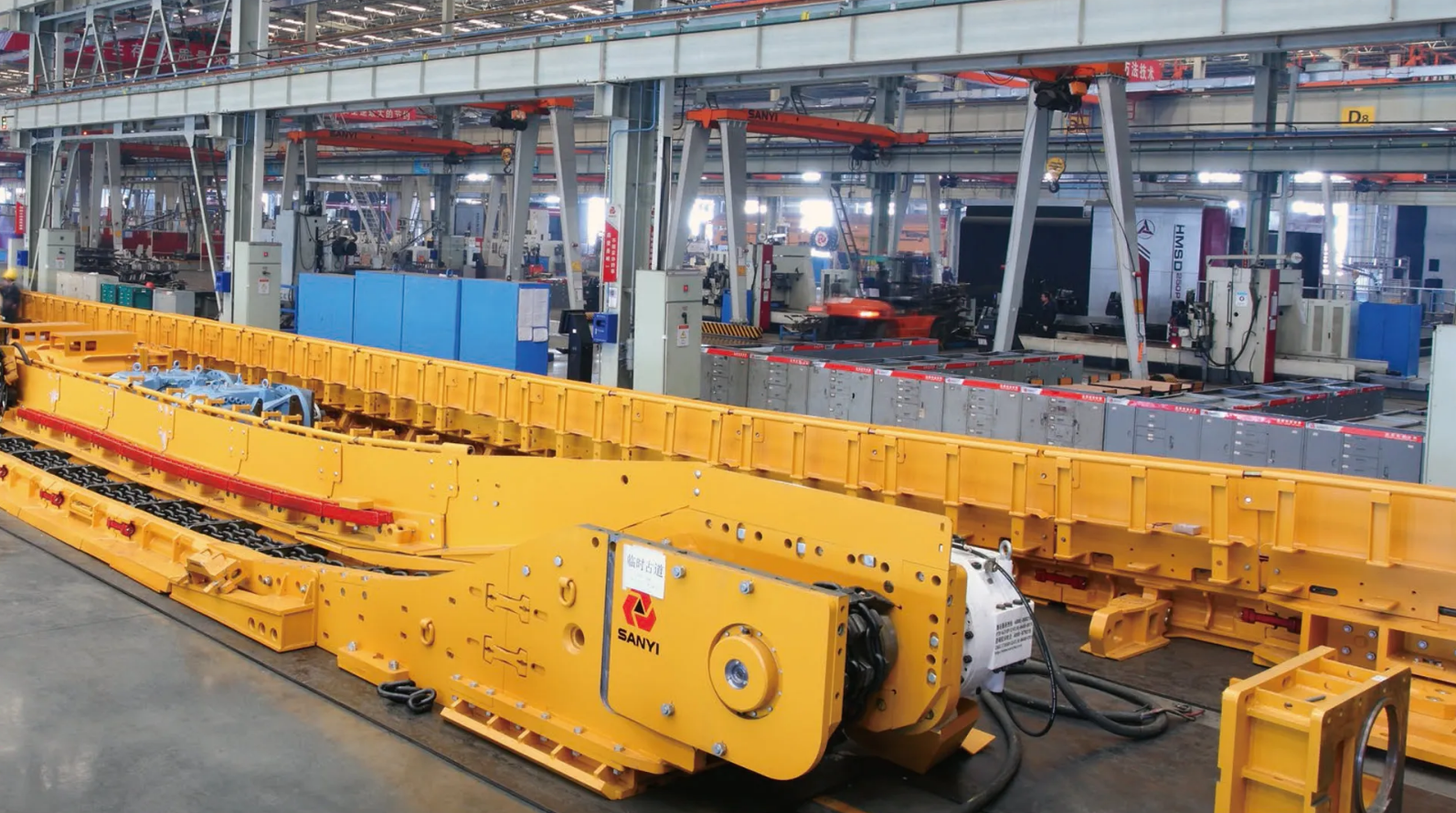
A drag conveyor is a robust mining equipment that uses a chain to drive scrapers for continuous horizontal or inclined transport of bulk materials. It is particularly suitable for coal mines and various other mining applications. It boasts advantages such as low wear, high capacity, and excellent sealing, offering superior transport efficiency compared to screw conveyors. For example,SANY SGZ Series Drag Conveyor has a maximum chain speed of 1.7m/s, a maximum length of 315meters, and a coal conveying capacity of up to 2500t/h. It exhibits outstanding wear resistance and operational stability.
2. Mining Trucks
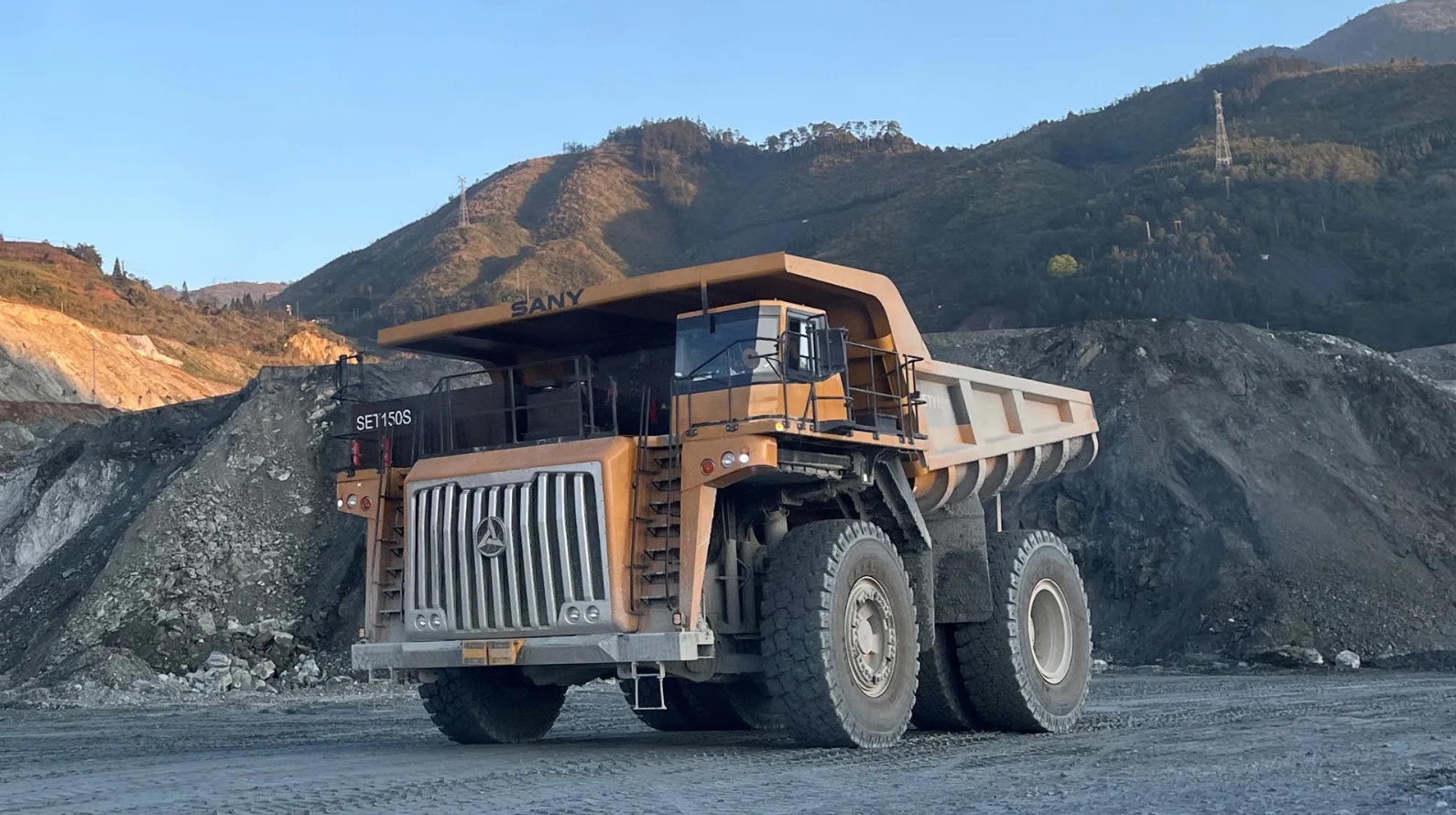
Mining trucks are specialized off-highway heavy-duty dump trucks designed for high-yield mining. They are mainly divided into two categories: surface transport trucks and underground transport trucks, playing a core role in material transfer within mining areas.
- Surface Transport Trucks: These are mostly large, two-axle models suitable for transferring large quantities of topsoil and ore. They include mechanically driven and environmentally friendly electric models. Equipped with extra-large load-bearing tires, these trucks can adapt to the rugged terrain of open-pit mines and operate stably under heavy loads in extreme conditions such as extreme cold, high temperatures, high dust levels, high altitudes, and steep slopes, demonstrating outstanding load-bearing capacity.
- Underground transport trucks: Designed for the confined and highly secure environment of underground mines, these trucks have strict emission limits and primarily utilize low-emission diesel or pure electric power systems. While meeting environmental requirements, they possess a rock transport capacity of 20–50 tons.
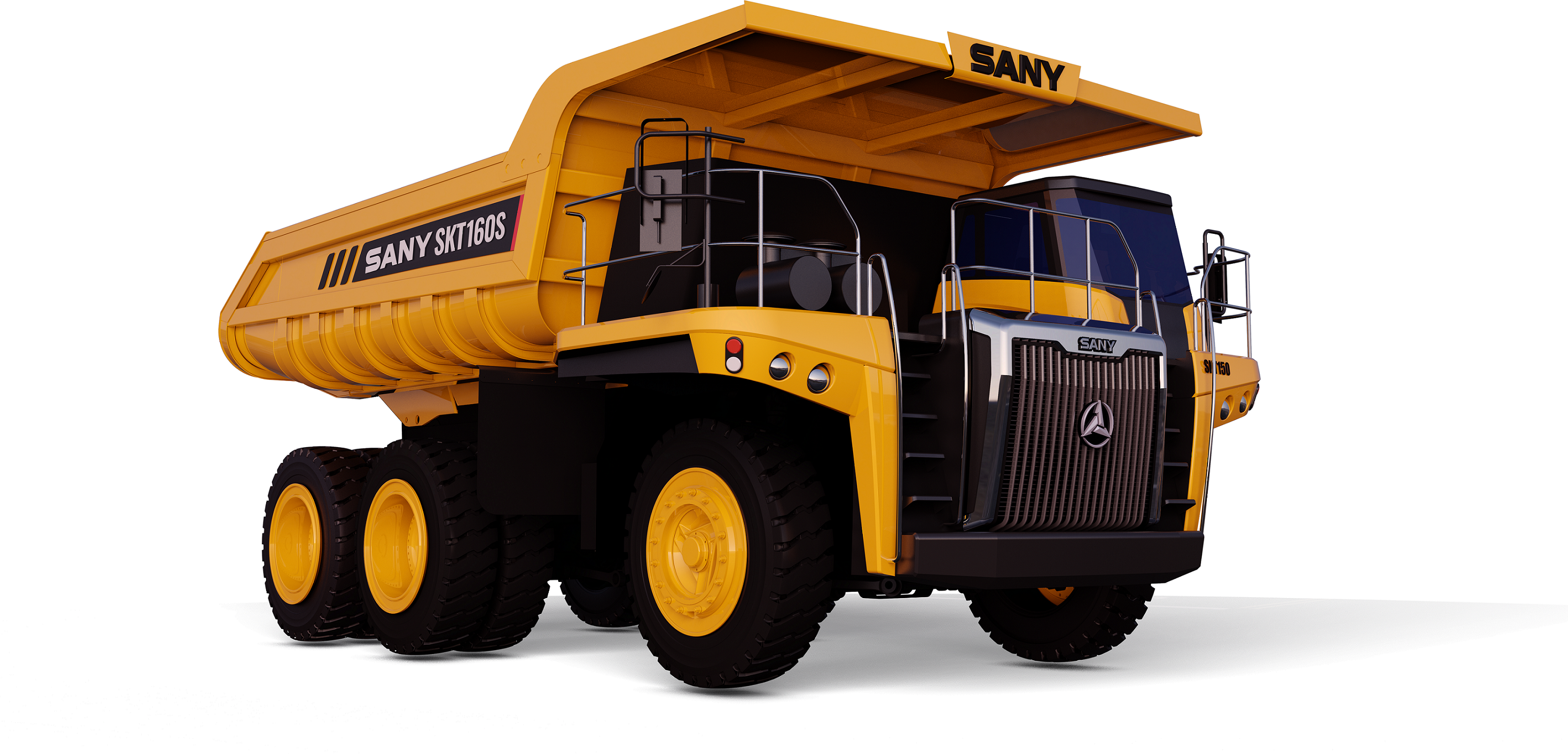
Taking SANY Mining Trucks as an example, the product range covers multiple mature models to meet the diverse transportation needs of mines.Among these, the Electric Drive Mining Truck features a payload capacity of 136–220 tons, offering significant energy-saving advantages and higher operational efficiency in open-pit mining environments.
3. Wheel Loader
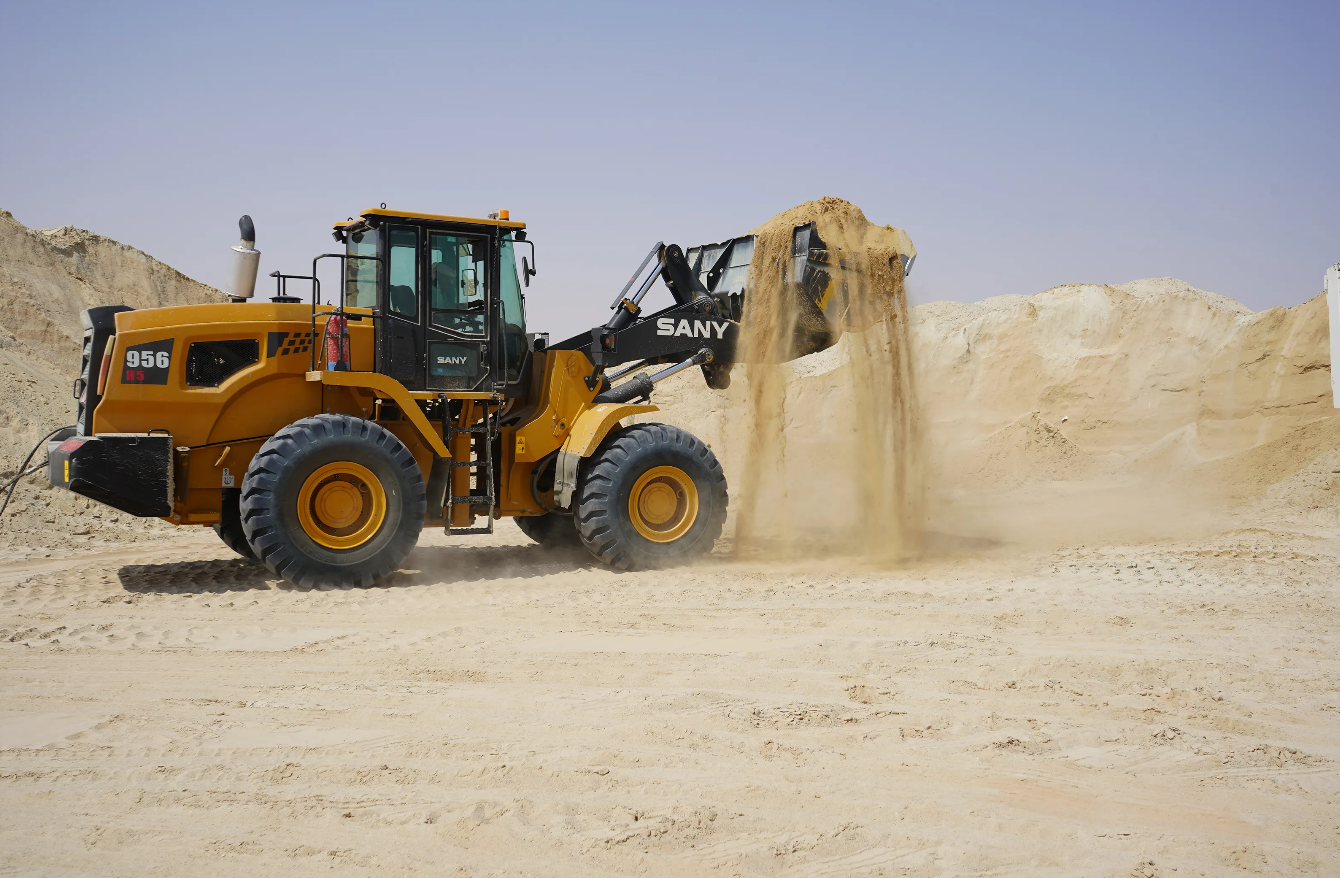
A wheel loader is a four-wheeled heavy mining equipment with a front-mounted bucket. Its flexibility and efficiency make it a primary tool for short-distance material transfer and loading operations within mining areas. Models range from compact to large, allowing for flexible selection based on the volume and density of materials in the mine.
SANY Wheel Loader offers a wide variety of models, operating weights of 10–25 tons and rated payloads of 3–7 tons, suitable for mining projects of different sizes. Electric and environmentally friendly models are also available, further reducing emissions while maintaining operational efficiency.
Auxiliary Operation Equipment
1. Bulldozer
Tracked heavy-duty equipment equipped with a bulldozer blade, mainly used for leveling sites, clearing gravel, and constructing roads and ramps. With attachments, it can perform topsoil stripping, mine land reclamation, and vegetation clearing.
2. Grader
Heavy mining equipment equipped with a long scraper, mainly used for mine road construction, site leveling, and slope trimming, providing key support for efficient mine operation.
3. Crusher and Grinding Mills
Crushers can be used immediately after ore extraction to quickly reduce rock size, facilitating subsequent transportation, screening, and processing. Grinding equipment such as rod mills and ball mills further grind the ore into fine particles, laying the foundation for the extraction of useful minerals and the efficient utilization of resources in mineral sorting, purification, and subsequent smelting processes.
4. Other Auxiliary Equipment
Underground operations in confined spaces require specialized equipment, with a focus on safety and preventing collapses. This mainly includes: roof anchoring machines for stabilizing the roof and shotcrete machines for reinforcing walls. Additionally, underground operations require shaft hoists, ventilation fans, gas monitoring equipment, and automated drainage pumping station systems to ensure the stable operation of underground mine hoisting, ventilation, and drainage systems.
Mining Equipment Selection Guide
The scientific and rational selection of equipment used in mining plays a crucial role in optimizing mine production efficiency, improving operational safety, and reducing operating costs. The key factors to consider when selecting mining equipment include the following:
Matching the Mining Type
Mining activities can be divided into two main categories: surface mining and underground mining. The mining scenario directly determines the type of mining equipment to be selected. Selecting specialized mining machinery that is precisely matched to the mining scenario can effectively improve operational efficiency and ensure operational safety.
1. Open-pit Mining
Suitable for shallow, large-scale mineral deposits. Mining equipment mainly includes:
• Drilling and blasting equipment: rotary drilling rig or impact rock drill
• Excavation equipment: hydraulic excavator, electric rope excavator, etc.
• Transportation equipment: ground mining truck, wheel loader
• Auxiliary equipment: bulldozer, grader, etc.
2. Underground Mining
Suitable for deep deposits and confined spaces, with a greater emphasis on safety. Mining equipment mainly includes:
• Drilling and blasting equipment: rotary drilling rig or impact rock drill
• Excavation equipment: coal cutter, roadheader, etc.
• Transportation equipment: underground mining truck, drag conveyor, etc.
• Auxiliary equipment: shotcrete machine, roof bolting machine, ventilator, drainage pump, gas monitoring equipment, etc.
Adapting to Mine Site Conditions
Select specialized equipment for mining that accurately matches the mining scenario to effectively improve operational efficiency and ensure operational safety.
• Rugged Terrain: Use robust machines such as hydraulic excavators and tracked bulldozers to handle complex working conditions;
• Hard Rock Formations: Equip with roadheaders, crushers, and other equipment to meet the needs of excavating hard materials;
• Wet and Soft Ground: Select equipment with reinforced tracks to prevent the machine from getting stuck and becoming unstable.
Matching the Characteristics of Mined Materials
Different materials have different hardness levels, requiring significantly different types of mining machinery. Selecting equipment that matches the material properties can prevent equipment overload and damage, and improve operational efficiency.
• Softer materials such as coal: High-capacity mining trucks are used for efficient transfer operations;
• Hard minerals such as diamonds and gold: Equipment such as tunneling machines, mining trucks, crushers, and grinders is required. This type of equipment is crucial for handling hard solid materials.
Balancing Equipment Specifications and Operating Capacity
The scale of mining directly impacts equipment selection. A proper balance between equipment specifications and production efficiency is crucial to meeting the actual needs of the project.
• Small mines: Suitable for lightweight, flexible, and easy-to-manage small equipment;
• Large-scale industrial mines: Large mining equipment is required to meet the needs of large-scale mining and transportation.
Develop a Reasonable Investment Budget
The price range of equipment used in mining is quite wide, with lower-priced equipment often accompanied by higher maintenance and replacement costs. Investing in high-quality equipment upfront, while incurring higher initial costs, can reduce subsequent maintenance expenses and achieve long-term cost optimization.
Mining Machinery Maintenance and Safety Tips
Regular Inspections
Conduct routine inspections of key components of the mining machinery, such as brakes, hydraulics, tires, and electrical systems, to promptly identify and address any wear and potential malfunctions.
Standardized Maintenance
Perform preventative maintenance such as lubrication, filter replacement, and component adjustment according to manufacturer standards to reduce the risk of sudden downtime.
Operation Training
Provide safety procedures, equipment operation, and emergency response training to equipment operators to standardize work practices.
Protective Equipment
Operators must wear personal protective equipment such as safety helmets, safety glasses, impact boots, and gloves.
Safety Management
Establish clear safety signage and a site communication and hazard reporting mechanism to improve operational safety.
Conclusion
Mining equipment covers the entire mining process and is the core equipment ensuring the stable and efficient operation of mines. Whether it's coal mining equipment or general-purpose mining equipment, it can be rationally matched according to different working conditions such as open-pit and underground operations, effectively improving mining efficiency and safety levels. Scientific selection, standardized maintenance, and strict safety management can reduce mine operating costs and promote green mining, fully demonstrating the important supporting role of mining equipment in the high-quality development of modern mining.
FAQs
What Equipment is Used in Mining?
Mining tools mainly fall into four categories:
• Drilling and blasting equipment:Rotary drilling rig, impact rock drill;
• Mining equipment:Hydraulic excavator, roadheader, coal cutter, etc.;
• Transportation equipment:Drag conveyor, mining truck, wheel loader;
• Auxiliary equipment :Bulldozers, crushers, underground safety equipment, etc..
What Equipment Do I Need for Mining?
You need to first determine the type of mining: surface mining or underground mining. Both types require rotary drilling rigs or percussion rock drills for drilling and blasting. Other equipment differences are as follows:
• Surface mining: Requires hydraulic excavators, electric rope excavators, ground mining trucks, wheel loaders, and auxiliary equipment such as bulldozers and graders.
• Underground mining: Requires coal cutters, roadheaders, underground mining trucks, drag conveyors, and safety-ensuring ventilation, gas monitoring, and drainage equipment.
What Equipment is Used to Mine Gold?
The primary tools commonly used to mine gold are rock hammers and pickaxes. Rock hammers, typically made of steel or iron and available in various sizes, serve the primary function of breaking apart hard rock to clear a path for mining operations. Pickaxes, conversely, are primarily used to excavate and clear away the broken rock from underground, working in tandem with the rock hammers to complete the foundational task of stripping away ore. When used in combination, these two tools enable the efficient breaking and clearing of rock, making them essential and practical instruments in the field of gold mining.
Featured Products

Recommend Blogs
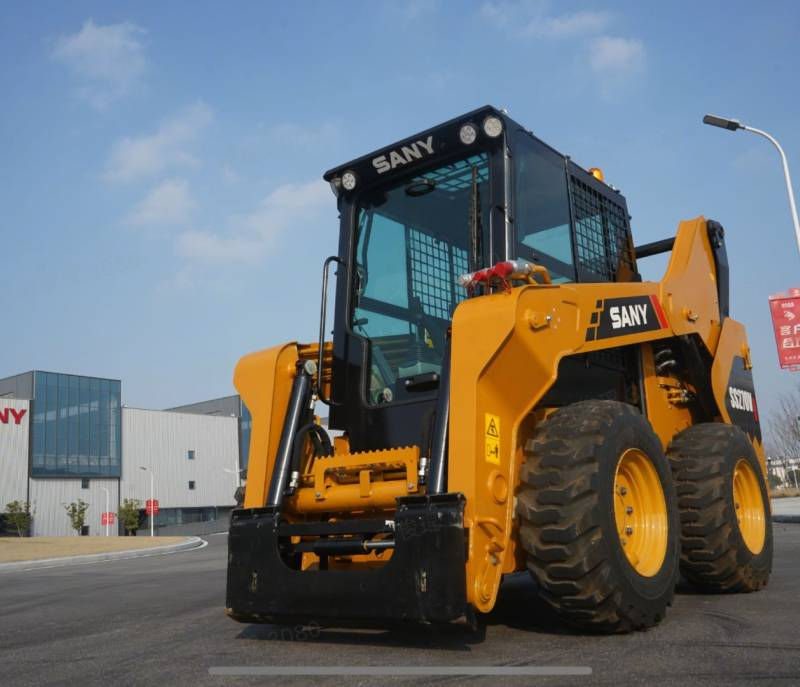
Track Loader vs Bulldozer? The Core Guide for Construction Equipment Selection
This article introduces track loader vs bulldozer from multiple aspects such as function and size maneuverability, helping to select more suitable equipment.
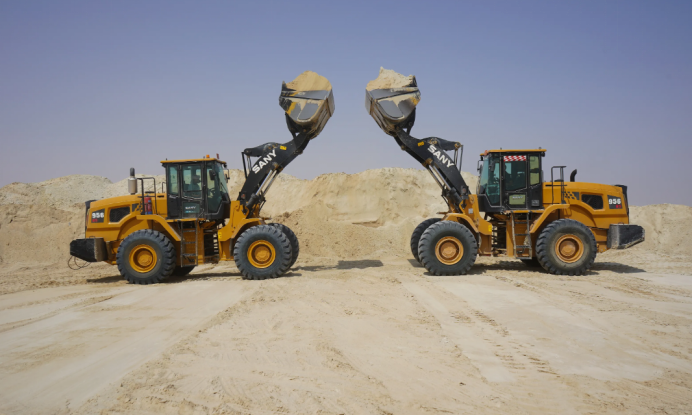
What Is a Wheel Loader? From Basic Definition to Core Applications
This guide covers key aspects such as definition and working principle, and explains in detail what is a wheel loader to help you select the right model smoothly.
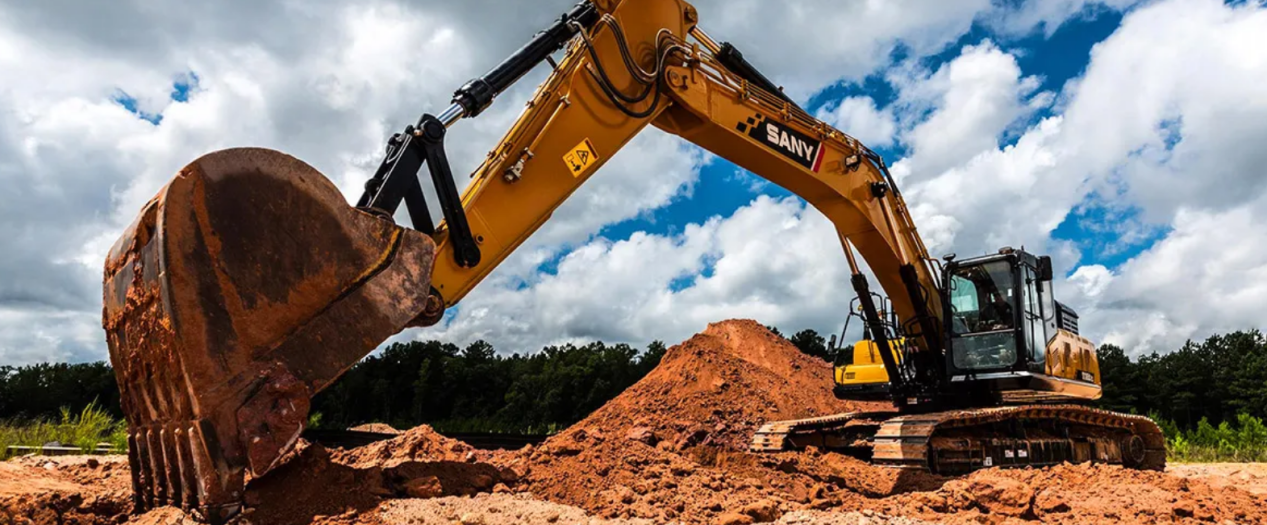
Excavator vs Bulldozer: Functions, Key Differences and How to Choose
Not sure whether excavator vs bulldozer is the right choice? This article explains both machines’ functions, differences, and selection methods to help you pick the best equipment for 2025 construction projects