Applications and Selection Guidelines for Drilling Equipment in the Mining Industry
Discover the essential drilling equipment used in mining, and analyze drilling types and selection methodologies to enhance operational efficiency and safety.
In engineering operations such as oil and gas exploration, mining extraction, and geological drilling, drilling equipment is the essential machinery for underground construction. Varying working conditions, geological strata, and operational scales impose vastly different requirements on the performance and specifications of drilling equipment. Improper selection can easily compromise construction efficiency, escalate costs, or even pose safety hazards.
Accordingly, this article provides a comprehensive overview of the applications of drilling equipment in the mining sector, offering professional guidelines for equipment selection to help field personnel accurately match equipment to tasks, thereby enabling the efficient and safe execution of diverse drilling operations.
What is Drilling Equipment?
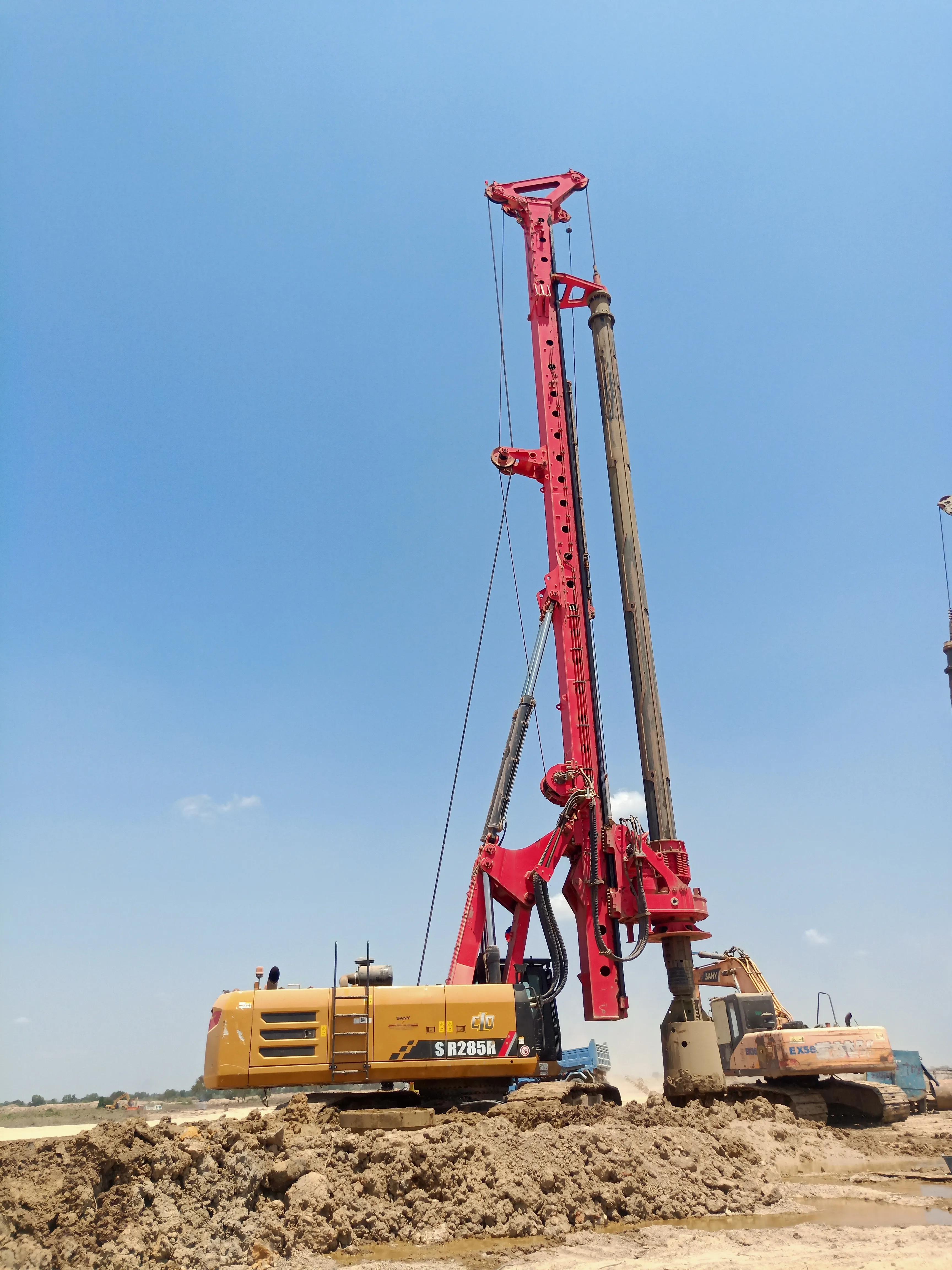
Drilling equipment refers to specialized machinery capable of performing drilling operations from the surface. It is primarily utilized for the exploration of resources such as oil, natural gas, water sources, and salt deposits, and also serves the fields of geological exploration and scientific research. Furthermore, drilling equipment is used to bore holes in rock strata for the placement of explosive charges, thereby providing essential operational support for tunnel excavation, mining operations, and various earthmoving projects. As such, it constitutes core construction machinery within the sectors of resource exploration, energy development, infrastructure, and mining.
Common Drilling Systems
Drilling systems encompass a variety of operational methods and drive types, designed to suit diverse rock strata, site conditions, and construction requirements. They feature specialized mechanized and hydraulic drilling equipment while also retaining modes for manual excavation assistance; furthermore, they allow for combined operational strategies to adapt to various complex engineering scenarios.
1. Rotary Drilling Applications and Equipment
Rotary drilling is utilized for constructing deep observation wells and collecting rock samples, and is widely employed at highway construction sites. The associated equipment includes augers, drilling buckets, core drill rods, and similar tools. The primary criteria for equipment selection are torque and downforce, while base materials and power output serve as secondary reference factors; these parameters strongly influence drilling performance.
2. Two Major Drive Systems
∙Mechanical Systems: Widely adopted due to their simple structure, ease of operation, and convenient maintenance. They provide a stable power supply to rotary equipment, relying on fixed mechanical linkages to transmit power via a drive shaft.
∙Hydraulic Systems: Currently, the mainstream and most popular choice. Their power performance rivals that of mechanical systems, yet they offer the added flexibility of adjustable tool height. By overcoming the spatial limitations inherent in traditional equipment, hydraulic systems deliver superior operational flexibility.
The Importance of Drilling Equipment in the Mining Industry
Safeguarding Core Operations, Supporting Key Objectives
Mining drilling equipment serves as the bedrock of mining and exploration operations, playing a key role in supporting profitability, operational safety, and production continuity. Without specialized and well-maintained drilling equipment, achieving these objectives consistently can become significantly more challenging.
Facilitating Exploration and Assessment, Laying the Foundation for Profitability
Utilized for mineral exploration and resource assessment, this equipment acquires critical sample data, including ore body thickness, depth, mineral grade, and rock type. Based on this data, operators can accurately assess a project's profitability and long-term sustainability, thereby mitigating investment risks.
Enabling Production Drilling, Enhancing Operational Efficiency
Equipped with specialized reverse circulation (RC) drill rigs, operations can rapidly drill shallow holes to define blasting targets for production activities. This helps maintain continuous ore extraction and provides a stable supply of raw materials for subsequent processing stages.
Driving Efficiency Gains, Boosting Profitability and Sustainability
Drilling equipment that incorporates the latest technologies and is meticulously maintained minimizes downtime, improves drilling precision and output volume, and shortens operational cycles. This significantly boosts overall productivity, directly enhancing both the project's profitability and its long-term sustainability.
Fortifying Safety Defenses, Minimizing Accident Risks
Modern mining drill rigs are designed with safety as their core priority. By utilizing real-time data monitoring to track the drilling process, they help operators identify potential hazards at an early stage and reduce the risk of safety incidents. This supports safer working conditions for personnel while also contributing to overall operational stability.
Adhering to Environmental Standards and Minimizing Environmental Impact
The design of our mining and drilling equipment prioritizes environmental protection, aiming to reduce noise levels and minimize water consumption. By utilizing alternatives such as air or foam instead of traditional drilling fluids, mining operations can help reduce water consumption and lower the risk of water source contamination. This approach also supports a more balanced relationship between mining development and environmental conservation.
Common Types of Drilling in Mining
As the mining industry continues to evolve, drilling methods have become increasingly diverse to accommodate various mining requirements ranging from exploration and production to site remediation. The fundamental classification within mining drilling distinguishes between exploration drilling and production (blast hole) drilling. Building upon this foundation, and based on differences in drilling techniques, equipment, and purpose, a variety of specific drilling types have emerged. Each type possesses unique operational procedures, applicable scenarios, and primary functions, as detailed in the classification breakdown below:
Core Classification: Exploration Drilling vs. Production (Blast Hole) Drilling
Exploration Drilling: Primarily focuses on utilizing techniques, such as core drilling to discover and ascertain critical information regarding the distribution, thickness, and grade of mineral resources. It provides the essential data support required for feasibility assessments in subsequent mining projects and serves as the primary drilling method during the mineral exploration phase.
Production (Blast Hole) Drilling: Primarily employed to drill blast holes in preparation for blasting operations during the mining process, thereby facilitating the efficient excavation of overburden and the extraction of ore. Compared to exploration holes, production (blast) holes typically feature larger diameters and shallower depths; this method is one of the most widely utilized drilling techniques in both open-pit and underground mining operations.
Specific Drilling Methods
1. Auger Drilling: The simplest method of drilling, which can be performed manually by rotating a spiral auger bit or mechanically using a small vehicle-mounted rig; it relies on the auger blades to lift soil material upward. It is specifically dedicated to preliminary geochemical exploration and is suitable for relatively soft soils; its primary function is to identify the optimal setup locations for larger drilling rigs.
2. Rotary Air Blasting: Currently, the most widely used method for shallow-hole drilling. It employs a piston-driven hammer mechanism to fracture rock layers, after which compressed air is used to lift the rock cuttings to the surface. Its advantage lies in the ability to drill multiple holes within a short timeframe; however, its disadvantage is that it is unsuitable for collecting geological samples, as the process tends to compromise the integrity and quality of the rock material.
3. Aircore: This method utilizes hollow drill rods and a three-bladed bit to penetrate loose soils and rock debris. Upon completion of the drilling pass, compressed air is used to transport the drill cuttings to the surface. Compared to the Rotary Air Blasting method, Aircore is slower, but it offers higher precision, and the collected samples are less susceptible to contamination.
4. Reverse Circulation Drilling: A commonly employed method in mineral exploration. Similar to Rotary Air Blasting and pneumatic drilling techniques, it utilizes a piston-driven hammer to bore into rock formations; however, it requires the deployment of large-scale drilling rigs capable of driving the bit to much greater depths.
Using compressed air to expel the fractured material yields relatively uncontaminated samples. Furthermore, the method generates a relatively small volume of cuttings requiring processing, thereby reducing costs, shortening turnaround times, and effectively meeting the specific requirements of geological exploration.
5. Diamond Core Drilling: One of the most costly drilling methods, utilizing drill bits embedded with industrial diamonds and hollow drill rods to extract continuous rock cores from depths reaching several kilometers underground. Its primary advantage lies in yielding the highly accurate rock samples, specifically, intact mineral cores rather than fragmented material, thereby facilitating the acquisition of critical data regarding mineral strength, composition, and porosity. Consequently, this method is ideally suited for high-precision geological exploration.
6. Blast Hole Drilling: A specialized method designed to remove large volumes of overburden to facilitate the extraction of underlying mineral deposits. The process involves drilling boreholes, loading them with explosives (or employing gas-pressure blasting techniques), and detonating the charge, followed by the removal of the resulting shattered rock and soil. When conducted in underground environments, it is necessary to reinforce the passages created by the blasting to ensure the safe entry of personnel.
How to Select the Right Mining Drilling Equipment for Your Operations?
Selecting the appropriate mining drilling equipment requires evaluating key factors, such as geological conditions, project scale, depth and diameter requirements, and site accessibility.
Geological Conditions and Terrain
Select suitable equipment based on rock hardness, soil type, and terrain. Hard rock formations necessitate heavy-duty rotary drills or percussion drills, whereas soft ground conditions require different types of tooling.
Drilling Requirements
Determine the required hole depth and diameter. Deeper and larger holes demand more powerful and robust drilling rigs.
Site Constraints
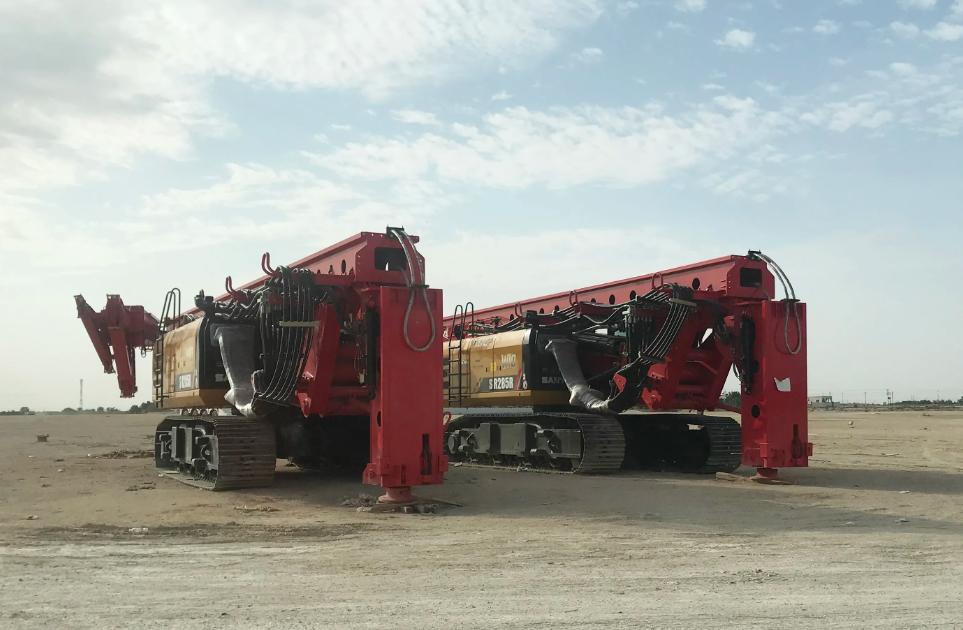
Consider the availability of workspace. Factors include whether the site is above or below ground, and whether the space is confined or open. In complex terrain, a mobile crawler-mounted drilling rig may be required, whereas in confined spaces, mining drill rigs are necessary.
Reliability and Maintenance
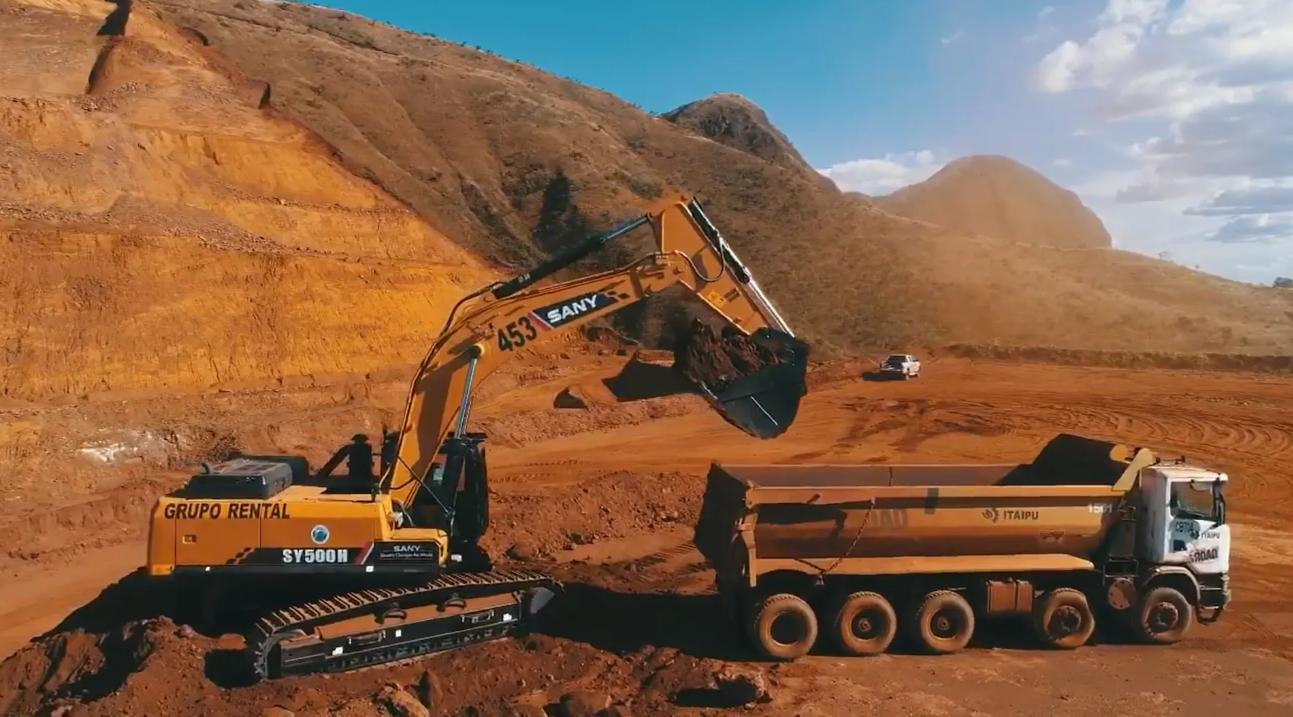
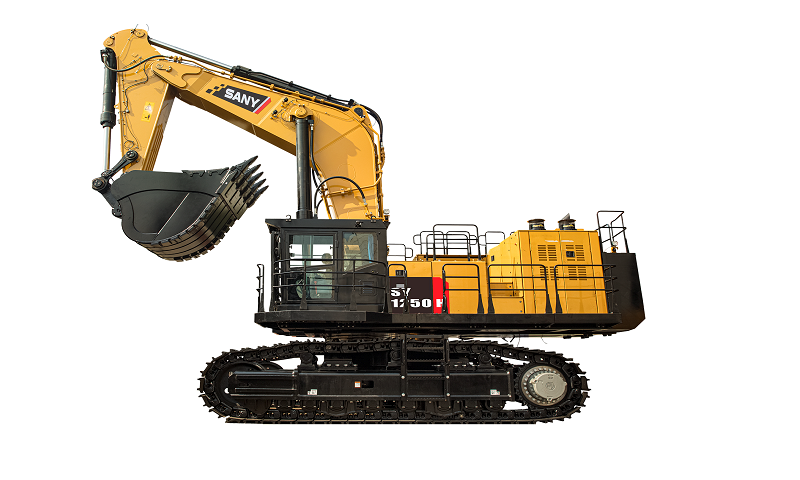
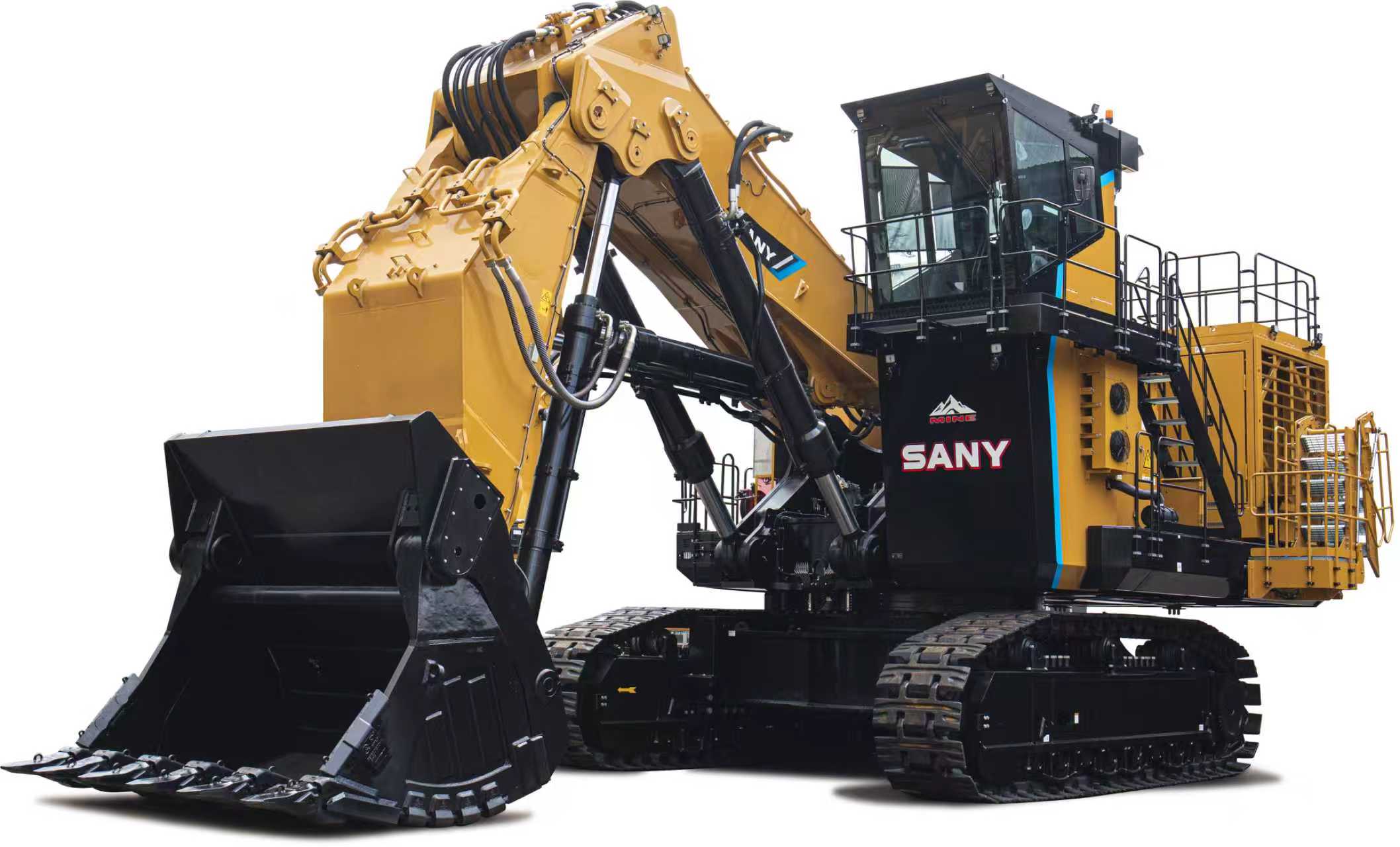
Prioritize equipment with high reliability to ensure maximum uptime, and verify the availability of spare parts and technical support. The SANY mining excavator, for instance, is an excellent choice; compatible with over 20 types of optional work attachments, it demonstrates exceptional adaptability in mining operations. Designed for a service life of up to 25,000 hours, the machine also offers enhanced maintenance convenience, featuring durable engine oil and filters that allow for extended maintenance intervals.
Safety Features
Ensure compliance with safety standards, including emergency stop mechanisms and operator protection systems.
Cost-Effectiveness
Evaluate the total cost of ownership—including fuel consumption, maintenance, and long-term durability—rather than focusing solely on the initial purchase price.
Manufacturer Support
When selecting mining drill rigs, prioritize partnering with reputable manufacturers to secure reliable technical support and after-sales service, thereby minimizing the risk of downtime and reducing overall operational costs.
For instance, by choosing mining equipment from SANY, you gain access to professional routine maintenance and warranty services provided by local SANY dealers, helping your equipment maintain reliable performance.
Conclusion
In summary, as core equipment in the mining industry and various underground construction operations, the selection and application of drilling equipment directly impact operational efficiency, safety, and profitability. The judicious use of drilling equipment can effectively mitigate construction hazards and reduce overall costs. By selecting reputable manufacturers and prioritizing equipment maintenance, operators can maximize the value of their drilling equipment, providing stable support for activities such as mining exploration and energy development, and facilitating the efficient, safe, and environmentally responsible advancement of diverse engineering projects.
FAQs
What Equipment is Used in Drilling Operations?
Commonly used drilling equipment includes: drill pipes, drill collars, and drill bit components utilized to transmit torque and break up subsurface formations. Other key systems include drawworks, dead-line anchors, and drilling line systems responsible for hoisting and lowering the drill string; as well as degassers, which process gases entrained in the drilling mud, and annular blowout preventers, which control downhole pressure to ensure drilling safety.
What Are the Four Accessories for a Drilling Machine?
The four accessories for a drilling machine include the drill chuck, sanding disc, hole saw, and drill press vise.
Drill Chuck: Used to secure the drill bit.
Sanding Disc: Suitable for sanding and polishing operations.
Hole Saw: Capable of efficiently cutting circular holes.
Drill Press Vise: Clamps the workpiece to ensure stability during machining.
These accessories serve distinct functions, meeting various processing needs—such as drilling, sanding, and cutting—thereby enhancing the versatility and precision of the drilling machine's operations.
What are the Components of a Drilling Machine?
The main components of a drilling machine include a base, column, drill head, and spindle. The base is made of cast iron and can be mounted on a worktable, support, or the ground, depending on the design. Large, heavy-duty models are typically fixed to the ground. The column is vertically mounted on the base and supports the drill head and spindle, ensuring stability and precision in drilling operations.
Featured Products
Recommend Blogs
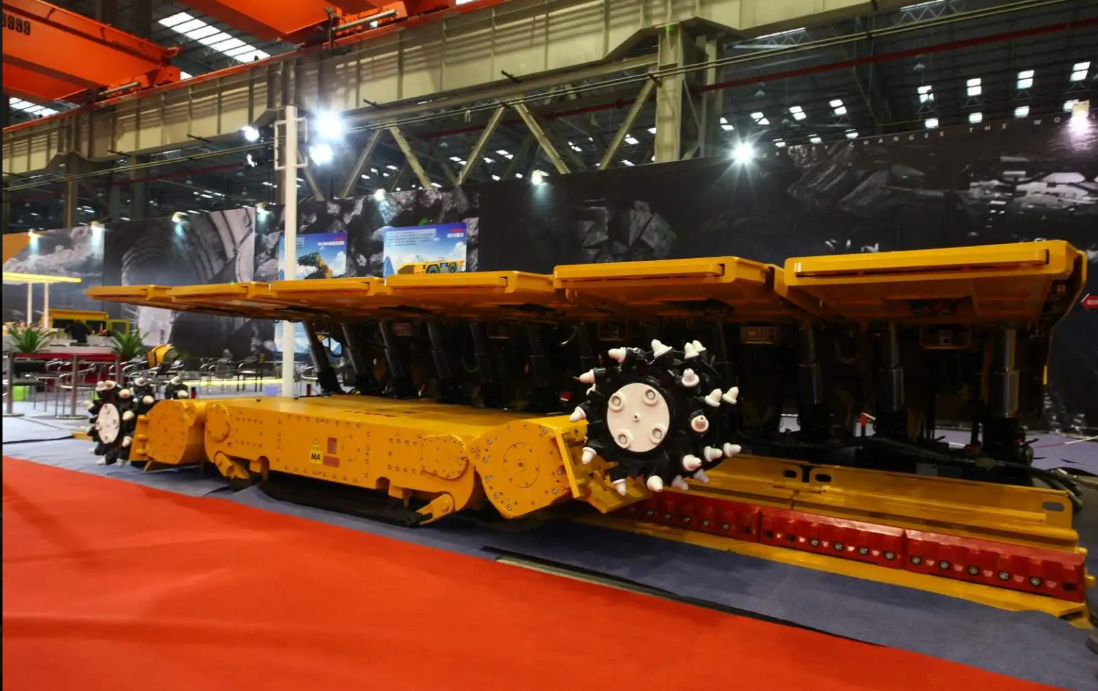
Underground Mining Equipment: Categories and Selection Methods
This article introduces underground mining equipment categories, compares them with open-pit equipment, and summarizes selection criteria for mining reference.
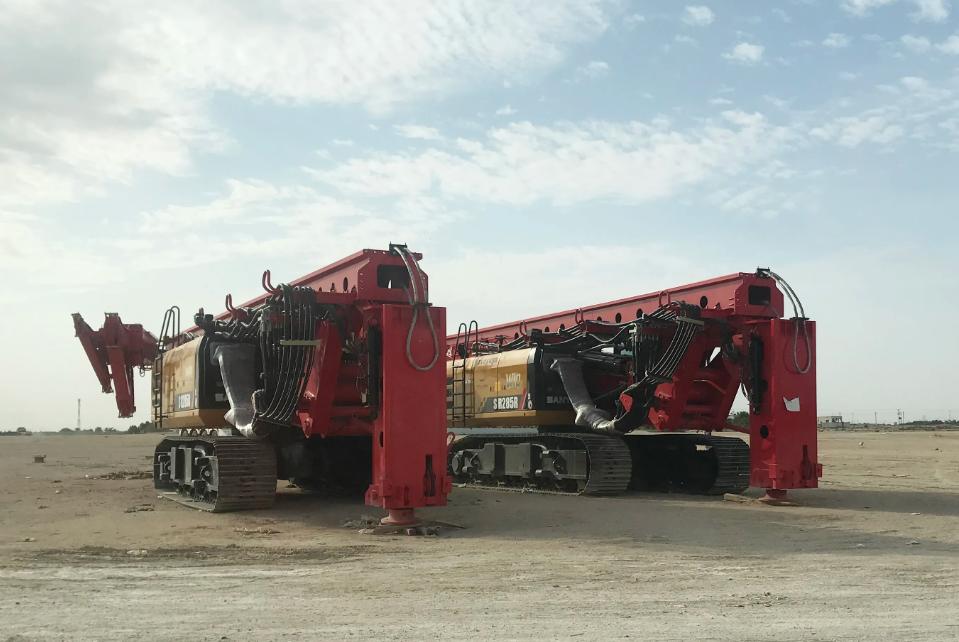
How to Reduce Mining Equipment Cost? A Practical Guide
This article explores the factors influencing mining equipment costs and offers strategies for cost reduction, empowering you to manage your mining expenses.
Mining Equipment: Common Types, Selection Guide, and Application
This article introduces common types of mining equipment, their applicable scenarios, selection guidelines to help you easily launch your mining operations.