Concrete Batching Plant Maintenance: A Practical Guide
This article details the importance and core content of concrete batching plant maintenance, providing guidance for daily operation and maintenance.
Concrete batching plants, as indispensable key equipment in construction projects, undertake crucial tasks, such as concrete mixing, batching, and material conveying. Their operational status directly affects the construction progress, quality, and safety of the project. Maintenance, as a core element in ensuring the stable operation of the batch plant, is vital for improving production efficiency, guaranteeing concrete quality, and reducing operating costs. This article systematically elucidates the importance of concrete batching plant maintenance and details its specific content, providing comprehensive and practical guidance for the daily operation and maintenance of concrete batching plants.
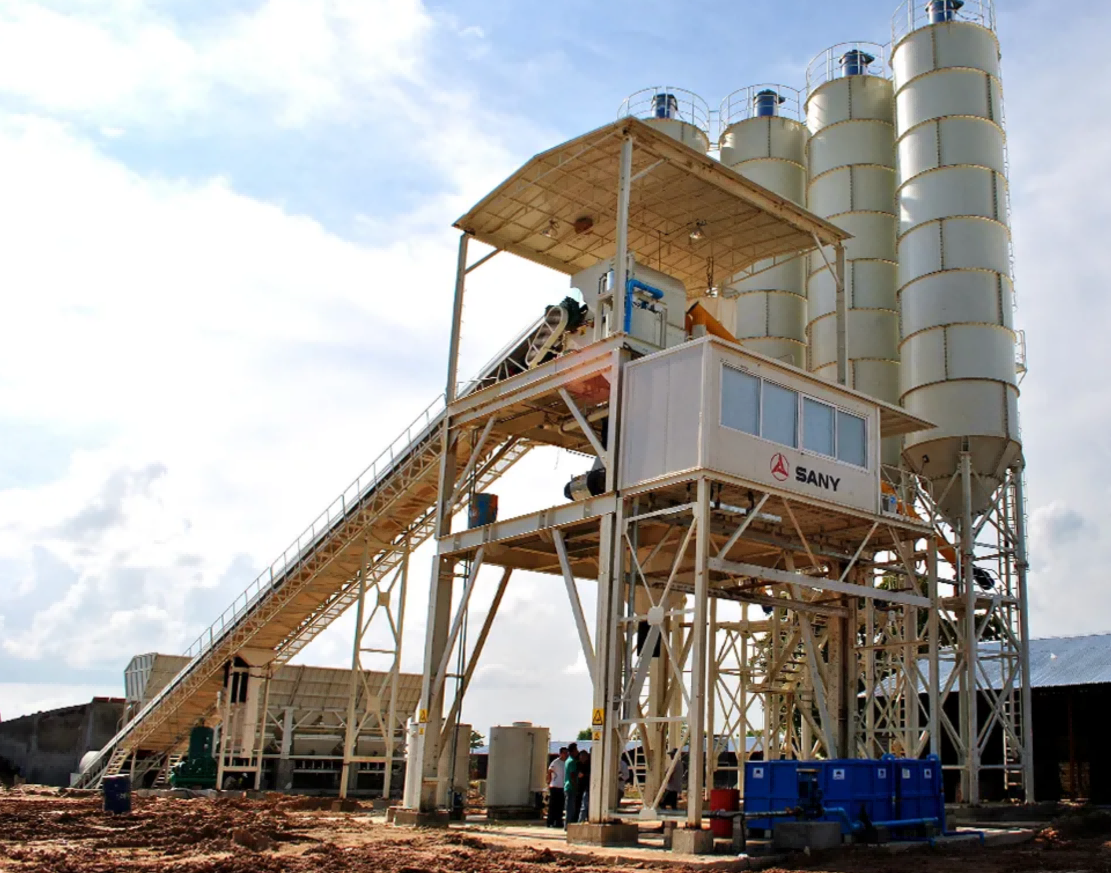
Importance and Benefits of Concrete Batching Plant Maintenance
Ensuring Stable and Efficient Equipment Operation
Regular maintenance keeps key equipment such as mixers, conveyors, batching feeders and control systems operating within optimal parameter ranges. It detects abnormal signs, including vibration, unusual noise, and component wear in advance, avoiding sudden shutdowns and production interruptions, thus providing stable and reliable capacity output for various projects.
Ensuring Stable Concrete Quality
By maintaining the accuracy of weighing systems, mixing blades and sensing devices, preventive maintenance reduces material waste, batch rejects and quality disputes, thereby ensuring consistent concrete quality.
Reducing Costs and Extending Service Life
Planned maintenance avoids emergency repairs and secondary equipment damage, lowers overall operating costs, including energy consumption, and reduces motor load. Proper maintenance can even double the service life of a batching plant, extending its designed 10–15-year lifespan to over 20 years.
Improving Safety and Compliance
Regular inspections of electrical, hydraulic and structural components significantly reduce safety risks, help the batching plant meet safety and environmental regulatory requirements, create a safe working environment, and protect the occupational safety of operators.
Avoiding Potential Losses from Neglected Maintenance
Neglecting maintenance leads to high repair costs (unplanned maintenance costs are 3 to 9 times those of planned maintenance), unplanned downtime losses, unstable concrete quality, construction delays, and serious safety hazards endangering operators.
Enhancing Overall Operational Performance
Comprehensive preventive maintenance is essential for minimizing downtime, preventing accidents, maximizing operating profits, and improving the overall performance and efficiency of concrete batching plants.
Main Contents of Concrete Batching Plant Maintenance
Concrete batching plant maintenance, in addition to concrete mixer maintenance, also includes maintenance of the batching and weighing system, material handling system, and other aspects. It can be categorized by usage scenario and cycle into pre- and post-use maintenance, and routine and periodic maintenance, as detailed below:
Pre-use and Post-use Maintenance
Pre-use Inspection
∙Power supply check: Neutral wire securely connected, no exposed conductors.
∙Mechanical connection check: Transmission parts of the mixing unit and all key bolts (support bolts, mixing arm and blade bolts, etc.) are free of looseness.
∙Mixing host inspection: No foreign objects inside to avoid jamming after startup.
∙Lubrication check: Sufficient lubricating oil at all lubrication points (gearbox, shaft end seals, etc.).
∙Water source check: Clean water source free of impurities, meeting operational requirements.
∙Rotation verification: Start the machine at no-load, confirm the mixing shaft rotates in the specified direction; adjust power connections if the direction is incorrect.
∙Grease pump and air compressor check: Grease pump filled with lubricating oil; supply oil to shaft end seals until oil seeps out after startup. Air compressor oil level up to standard.
∙Air circuit system check: Drain accumulated water from air passage filters and air storage tanks; replenish lubricating oil for oil mist lubricators.
∙No-load trial run: Operate at no-load for 5–10 minutes, check for blockages or leaks in oil, water and air circuits, and ensure the discharge door operates flexibly.
∙Preliminary preparation: Mix about 1 cubic meter of mortar before initial operation to eliminate static clearances; check whether lining plates and mixing blades are loose and tighten them promptly.
Post-use Maintenance
∙Mixing drum cleaning: Thoroughly remove concrete residues from the inner wall of the mixing drum, discharge port and mixing shaft, and rinse with water. If necessary, add a small amount of stones and water for mixing before discharging to enhance the cleaning effect.
∙System flushing: Flush water tanks, admixture tanks, and their supply systems with water to avoid caking of residual materials.
∙Anti-freezing treatment: In freezing seasons, drain all accumulated water from water pumps, admixture pumps, water tanks, admixture tanks and related pipelines to prevent freezing damage. Run admixture pumps and water pumps for 1–2 minutes to ensure no residual water.
Daily Maintenance Checklist for Concrete Batching Plant
For daily maintenance tasks, a maintenance checklist can be created and checked during maintenance and inspection to prevent omissions.
Maintenance Category | Item | Inspection / Operation Requirements |
Pre-use Inspection | Power Supply Check | Neutral wire securely connected; no exposed conductors. |
Mechanical Connection Check | Transmission parts of the mixing unit and key bolts shall be free from looseness. | |
Mixing Main Unit Check | No foreign objects inside to prevent jamming after startup. | |
Lubrication Check | Sufficient lubricating oil at all lubrication points. | |
Water Source Check | Clean water source free of impurities, meeting operational requirements. | |
Rotation Verification | Start the machine at no-load and confirm correct rotation direction of the mixing shaft; adjust power connection if incorrect. | |
Grease Pump & Air Compressor Check | Grease pump filled with oil and supplying oil until seepage; air compressor oil level up to standard. | |
Air Circuit System Check | Drain accumulated water and waste water; replenish lubricating oil for oil mist lubricator. | |
No-load Test Run | Operate at no-load for 5–10 minutes; no blockage or leakage in oil, water and air circuits; discharge door operates flexibly. | |
Preliminary Check | Mix mortar before initial operation to eliminate clearances; check and tighten lining plates and blades. | |
Post-use Maintenance | Mixing Drum Cleaning | Remove and rinse residues from mixing drum, discharge port, etc.; assist cleaning by mixing if necessary. |
System Flushing | Clean water tank, admixture tank and supply system to prevent residual caking. | |
Anti-freezing Treatment | Drain all water from pumps, tanks and pipelines in freezing seasons; run pumps to confirm no residual water. | |
Daily Maintenance | Visual & Operation Check | Inspect mixing blades and other components; monitor abnormal operation and handle hazards timely. |
Seal Check | Inspect mixing shaft seals; pay attention to leakage and prevent failure. | |
Lubrication & Fluid Check | Ensure lubrication of key parts; check lubricant and hydraulic oil level; inspect leakage and abnormal pressure. | |
Electrical & Control System Check | Check control panel and sensors; test emergency stop function; inspect for abnormalities. | |
Material Buildup Removal | Remove material buildup at key parts to ensure normal operation. | |
Safety Device Check | Ensure guards and emergency stop buttons are intact, secure, free from blockage or damage. |
Daily and Periodic Maintenance (Core Procedures)
Daily Maintenance
∙Visual and operational inspection: Check mixing blades, discharge doors and conveyor belts for signs of wear or misalignment. Monitor abnormal noise, vibration, overheating and abnormal operation during running, and handle hidden dangers in time.
∙Seal inspection: Focus on mixing shaft seals; even slight leakage shall be noted to prevent seal failure from affecting batching integrity.
∙Lubrication and fluid inspection: Ensure proper lubrication of key parts such as bearings and gearboxes. Check lubricant condition and hydraulic oil level, and inspect for oil leakage or unstable pressure.
∙Electrical and control system inspection: Check control panel alarms and fault codes, verify normal response of sensors and limit switches, test emergency stop functions, and investigate abnormal readings.
∙Material buildup removal: Clear concrete buildup from key areas such as the mixing host, discharge zone, moving and sliding surfaces, and chutes to ensure free component movement.
∙Safety device inspection: Confirm safety guards and protective covers are securely installed, and emergency stop buttons function properly without blockage or damage.
Weekly Maintenance
∙Lubrication service: Check manual grease pumps and replenish grease as needed. Fully lubricate all lubrication points (hinges of mixing host discharge doors, conveyor belt pulleys, drive chains, etc.).
∙Accuracy calibration: Calibrate weighing systems for aggregates, water and cement to ensure accurate mix proportion design and reliable concrete quality.
∙Conveyor belt inspection: Evaluate belt tension and alignment, check pulley wear. Clean residues from the bottom of belts, idlers and pulley surfaces to prevent slipping or deviation.
∙Mixing component inspection: Check wear of mixing blades, scrapers and mixing arms; adjust clearances or replace parts if necessary.
∙Fastener and vibrator inspection: Check vibrator coupling bolts and all fasteners, tighten loose parts to prevent misalignment or damage.
∙Air compressor and electrical inspection: Check air compressor oil quality and replace as needed. Inspect static and dynamic contacts of contactors and intermediate relays for damage or ablation.
∙Discharge and seal inspection: Ensure smooth opening and closing of discharge doors and bin doors, clear minor material blockages. Check dust seals and covers for correct installation and integrity.
Monthly Maintenance
∙Air compressor system inspection: Fully assess the air compressor system, drain water from condensers, and check pressure stability.
∙Structural fastening inspection: Inspect and tighten all anchor bolts of bin structures and batching towers to prevent loosening caused by equipment vibration.
∙Mixing component inspection: Check wear, cracks and deformation of mixing blades and lining plates, and evaluate their service condition.
∙Accuracy calibration: Recalibrate weighing systems to ensure material measurement accuracy and avoid mix proportion deviations.
∙Hydraulic system inspection: Check hoses and connectors of the hydraulic system for leaks or pressure drops to ensure normal cylinder operation.
∙Electrical system inspection: Inspect electrical circuits, connectors and sensors for wear, corrosion or looseness to maintain electrical integrity.
∙Clearance and lubrication inspection: Adjust discharge door seal clearance (normally approx. 2 mm). Check the lubricating oil condition of reducers and replenish or replace as needed.
∙Fluid system inspection: Ensure no leakage in water supply and admixture systems for stable operation.
Quarterly Maintenance
∙Electrical panel and component inspection: Check electrical panels, contactors, relays and terminal blocks for corrosion or thermal aging.
∙Insulation resistance test: Measure insulation resistance of motor windings with a megohmmeter to ensure electrical integrity and prevent downtime and fire hazards.
Annual Maintenance
∙Mixing host overhaul: Completely disassemble the central mixing host, inspect internal components, and replace worn blades, scrapers and lining plates.
∙Pressure system inspection: Check bin aeration systems and pressure relief valves to prevent overpressure accidents.
∙Weighing system calibration: Entitle qualified technicians to fully calibrate weighing systems, complete records and verification to meet regulatory requirements.
∙Structural inspection and repair: Inspect aggregate storage bins and batching hoppers for structural corrosion and material accumulation, and carry out timely repairs.
∙Transmission component replacement: Replace worn or end-of-life bearings, gears, drive shafts, conveyor belts, pulleys and other transmission parts.
∙Electrical component replacement: Replace aged electrical parts (relays, switches, etc.) and sensors, limit switches and load cells with drift or reduced sensitivity.
∙Structural and safety inspection: Inspect fatigue and corrosion of supporting structures such as equipment frames and platforms. Replace damaged guards, covers and safety devices.
∙Cleaning and parts requirements: Thoroughly clean the equipment and check for hidden wear or damage. Use only manufacturer-approved parts for replacements to maintain equipment performance and warranty coverage.
Common Faults and Troubleshooting Methods in Concrete Batching Plants
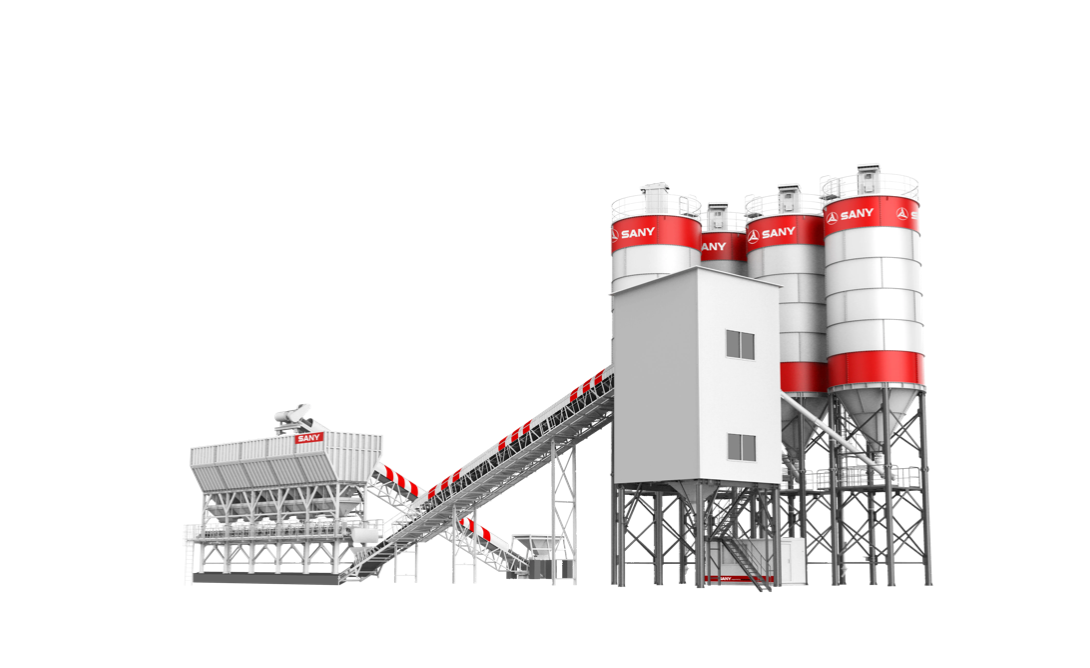
While many well-known manufacturers produce concrete batching plants with low failure rates, such as the SANY concrete batching plant, even such plants cannot guarantee zero failures during operation. Timely identification and handling of these failures are crucial for ensuring concrete quality, production efficiency, and operational safety. Common failures mainly occur in electrical control, material weighing and metering, material conveying, mixing systems, hydraulic systems, and auxiliary systems, as detailed below:
Electrical and Control System Faults
Mixer Main Motor Fails to Start
∙Usually caused by the air compressor not starting, insufficient air supply pressure, the emergency stop switch not reset, or the power/protection switch not switched on.
∙Troubleshoot by checking air pressure signals, resetting the status of all switches, and powering connections one by one until the equipment starts normally.
Inclined Belt Conveyor Fails to Start
∙Inclined Belt Batching Plants use inclined belt conveyors to deliver aggregates to the mixing main unit, such as the SANY compacted inclined belt batching plant, which features a flexible layout and high site adaptability.
∙Faults are mostly related to the mixer not starting, the belt’s own maintenance stop switch/button not being reset, or the power not being connected.
∙Resolve by checking and resetting the corresponding switches and restoring the power supply.
Control System Alarm
∙May be triggered by unstable voltage, signal interference, sensor failure, or software/PLC errors.
∙Fix by connecting to a stable power supply, securing wiring, replacing faulty sensors, updating software, or restarting the PLC system if necessary.
Weighing and Metering Faults
Inaccurate Weighing of Aggregates, Powders, or Admixtures
∙Mostly related to improper drop setting, fine-tuning parameters, or uneven feeding/discharging.
∙Resolve by adjusting drop and fine-tuning values, checking for blockages at discharge openings, smooth feeding of screw conveyors, and clogging in the dust collection system.
Static Digital Drift on Weighing Indicator
∙Mainly caused by loose sensor wiring or internal damage.
∙Troubleshoot by disconnecting sensor wires one by one; reconnect loose wiring or replace damaged sensors.
Decreasing Reading of Powder Scale After Metering
∙Mostly due to the incomplete closing of the pneumatic discharge butterfly valve.
∙Clean sticky materials on the valve, adjust the limit screw position to ensure full closure.
Material Conveying Faults
Aggregates Not Discharged After Weighing in Batching Station
∙Usually caused by the buffer hopper not being fully closed, belt conveyor not started, undefined discharge sequence, or no output signal from the weighing system.
∙Check door closure, belt startup status, system output signals, and discharge sequence settings on the computer interface.
Belt Slipping / Misalignment
∙Adjust belt tension and alignment, clear blockages in hoppers and conveyors to ensure smooth material flow.
Cement Silo Blockage
∙Activate the aeration system, control internal humidity, and clean the silo regularly to prevent cement caking and ensure stable flow.
Mixing System Faults
No Discharge After Completion of Mixing Cycle
∙Mostly due to an unreset pause button on the console, activated discharge prohibition on the monitoring interface, or a damaged discharge solenoid valve.
∙Reset the pause button, cancel discharge prohibition, inspect and repair or replace the solenoid valve.
Mixer Trips
∙Caused by overloading from excessive material, improper clearance between blades and liners, loose V-belts, or loose safety switches on the main unit cover.
∙Control material input, adjust blade-liner clearance, tighten V-belts, and secure safety switches.
Uneven Concrete Mixing
∙Usually due to insufficient mixing time or incorrect water nozzle installation.
∙Extend mixing time and correct nozzle installation.
No Signal When Discharge Door Closes
∙Caused by low hydraulic pressure, jamming from residual concrete, loose proximity switch or crank pointer, or faulty proximity switch.
∙Check hydraulic pressure, switch to manual mode to clean residues, tighten loose parts, and replace damaged proximity switches.
Conclusion
Concrete batching plant maintenance is not only a preventative measure to avoid malfunctions, but also a key means to improve the overall operational performance of the equipment. Paying attention to maintenance, implementing scientifically standardized regular maintenance procedures, and mastering the handling techniques for common faults can effectively reduce unplanned downtime, ensure stable concrete quality, and lower operating costs. Construction companies can also seek assistance from professional batching plant service companies to achieve scientific operation and maintenance throughout the entire lifecycle of the batching plant.
FAQs
What is a Checklist in Maintenance?
A maintenance checklist is a structured list that clearly outlines the checkpoints, tasks, and verification steps that need to be completed within a specified timeframe. Its core purpose is to standardize maintenance processes, reduce reliance on personal memory, and create traceable records. This ensures consistent maintenance standards and avoids oversights. It is applicable to scenarios such as routine inspections and preventative maintenance and is crucial for ensuring maintenance quality and operational safety.
What is the Mixing Time of Concrete in a Batching Plant?
The mixing time at a concrete batching plant is approximately 25 to 30 seconds, which is one step in its entire production process. The complete production process of a batching plant includes four steps: batching, aggregate conveying, concrete mixing, and unloading. The overall production process of a belt conveyor batching plant is about 60 seconds, while that of a hopper batching plant is about 75 seconds (due to the longer hopper lifting time). The two types can complete 60 batches and 50 batches of concrete per hour, respectively.
How Much Water Does a Concrete Batch Plant Use?
Water is crucial in concrete production, serving as one of the mixing ingredients and directly affecting the strength, durability, and workability of concrete. Its usage must strictly adhere to precise mix proportions. On average, approximately 20 gallons of water are needed per cubic yard of concrete, which is the basic requirement for ensuring concrete performance. If auxiliary processes such as curing, cleaning, and equipment operation are taken into account, the total water consumption per cubic yard of concrete in large concrete batching plants can increase significantly, even reaching as high as 150 gallons. The specific amount needs to be flexibly adjusted based on the production scenario, water-cement ratio requirements, and auxiliary process needs.
Featured Products


Recommend Blogs
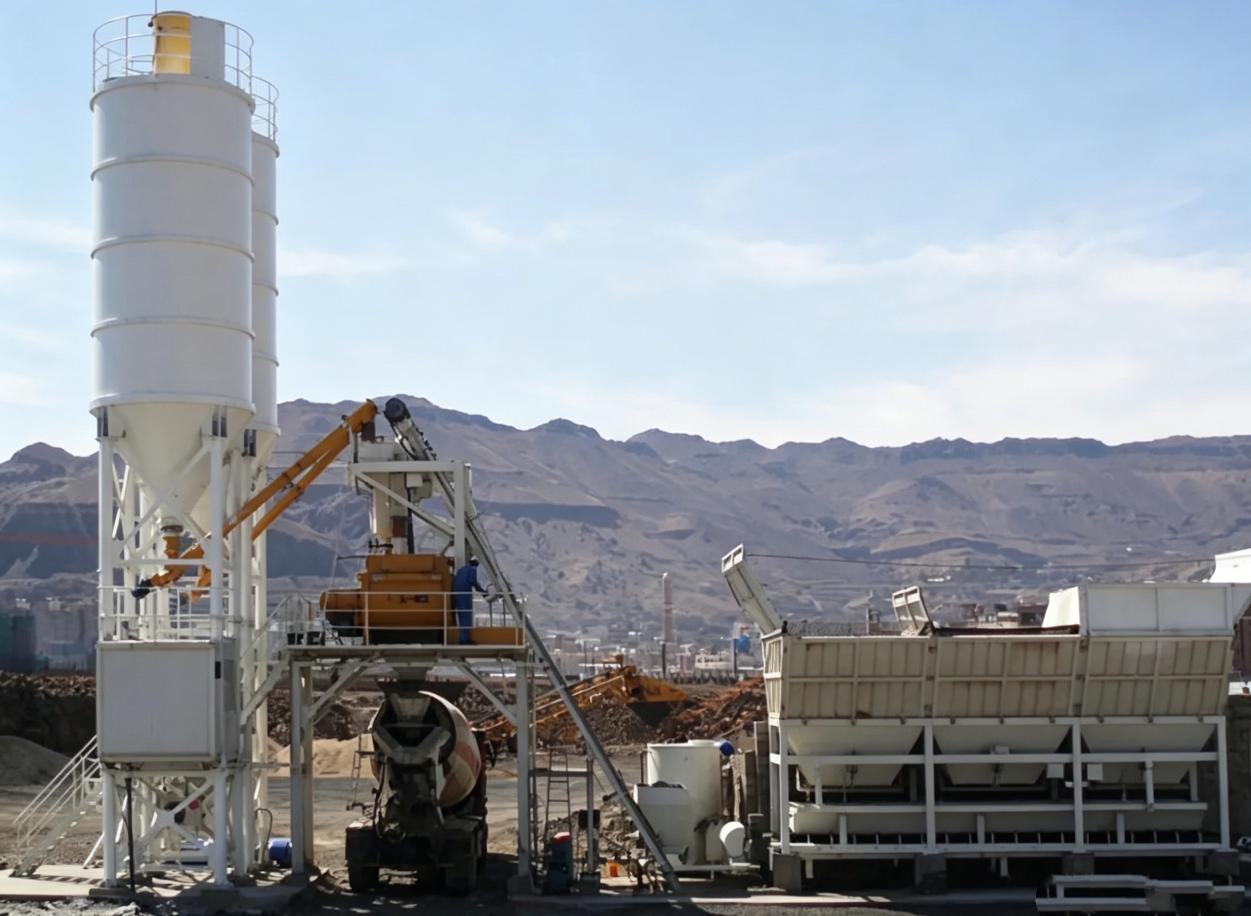
What Are Concrete Batching Plant Components? A Complete Guide for 2026
This article outlines the concrete batching plant components and explains how to determine whether your project requires the installation of such a facility.
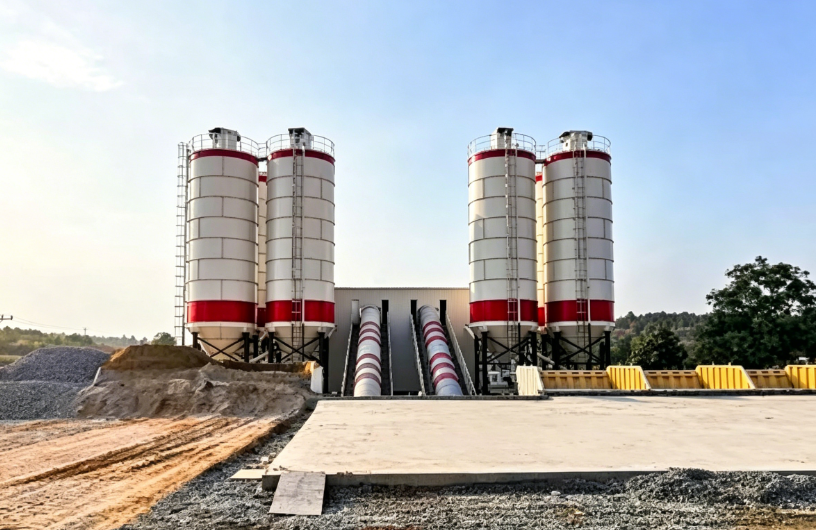
Mobile Concrete Batching Plant: A Comprehensive Introduction
This article introduces what a mobile concrete batching plant is, applicable projects, and key operational considerations, to help you build efficiently.
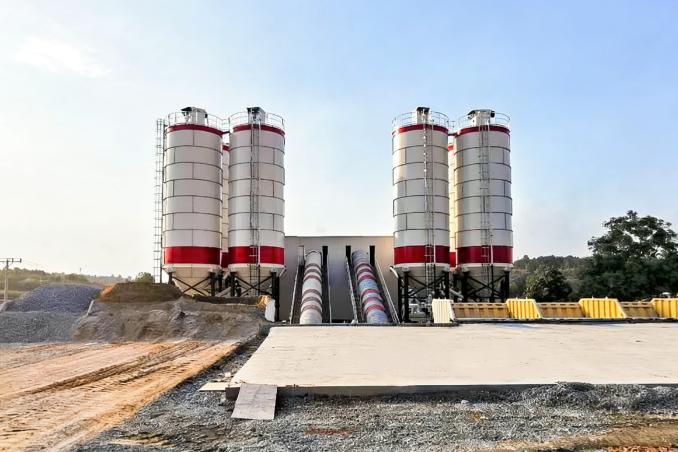
Stationary Concrete Batching Plant:Definition, Classification and Construction Guide
This article introduces categories, applications and construction considerations of stationary concrete batching plants, makinge construction more efficient.