12 Types of Road Construction Equipment and Selection Guide
This article provides road construction process, 12 types of road construction equipment, and selection methods, serving as a comprehensive reference for you.
Road construction is a highly specialized and systematic project. Its quality directly affects traffic safety, regional development, and the lifespan of the road. A scientific construction process and suitable road construction equipment are core prerequisites for ensuring the smooth progress of the project. This article will systematically outline the complete road construction process, explain the functions and applications of core construction equipment at each stage, and provide practical methods for equipment selection, offering a comprehensive and useful reference for related construction work.
Main Processes and Steps of Road Construction
Preliminary Planning and Design
Before road construction, clear planning is required, defining road functions, expected traffic flow, surrounding geographical conditions and funding sources. Preliminary works, including site survey, soil testing and environmental impact assessment, shall be carried out. Meanwhile, feasibility studies, route surveying and detailed construction drawing design need to be completed to specify road dimensions, building materials and drainage systems, so as to avoid potential risks concerning land acquisition and ecological environment.
Site Clearing and Demolition
Remove all obstacles on the construction site such as existing buildings, old roads, vegetation and rocks. Handle the relocation of public utilities and environmental hazards like asbestos. Demolition waste shall be properly disposed of or recycled to reduce environmental impact, creating a clean construction site for subsequent operations.
Grading and Subgrade Preparation
Level the ground, earthwork and fill low-lying areas, and adjust the gradient for effective drainage to prevent water accumulation and uneven pavement wear. Test subgrade soil and add lime, cement or other materials when necessary to improve bearing capacity. Compact the soil to form a solid subgrade that provides stable support for upper pavement structures.
Base Course Paving
Lay the base course on the subgrade with durable aggregates such as crushed stone and gravel. Evenly spread and compact the materials to form a dense and stable structure. The base course disperses traffic loads and provides frost resistance to prevent pavement cracking caused by freeze-thaw cycles. Material selection shall adapt to local climate and soil conditions.
Bond Coat Application
For asphalt pavement, apply a bond coat on the base course, which is composed of a mixture of large aggregate and oil. Ensure uniform spraying and firm bonding with the base to support the surface asphalt layer. This effectively prevents pavement cracking and potholes, and guarantees the road’s load-bearing capacity and wear resistance.
Surface Course Paving
Pavement falls into two categories: asphalt and concrete. Asphalt pavement is made of fine aggregates, sand and bitumen, with strict control over paving thickness, surface smoothness and construction temperature. Concrete pavement features high durability and is widely used for high-grade roads. Compaction and leveling are required after paving to ensure a flat, sturdy and weather-resistant road surface.
Drainage System and Curb Installation
Install drainage ditches, rainwater pipes and concrete curbs to divert surface water away from the road. It prevents long-term water erosion on pavement structures to extend service life, standardize road boundaries and improve overall road neatness.
Finishing Works
Carry out final rolling to reduce air voids and improve material density, and ensure strong bonding between all structural layers. Complete road marking including lane lines and zebra crossings, install traffic signs, and realize smooth connections with surrounding infrastructure, such as connecting roads and parking lots, so as to improve traffic safety and driving comfort.
Final Inspection and Subsequent Maintenance
Conduct load tests, surface inspection and safety checks before opening to traffic to meet engineering and safety specifications. After operation, perform regular maintenance, including pothole repairing, pavement renovation and drainage cleaning, to prolong road service life and eliminate potential safety hazards.
12 Common Types of Road Construction Equipment
During road construction, various types of road construction equipment are required. Among them, the following are some of the more common and core types of equipment, each playing a different role in different stages:
Bulldozers
With strong power and heavy-duty blades, the bulldozer is fundamental for road site preparation. It is mainly used for site clearing, earth and rock pushing and short-distance material movement, and preliminary ground leveling. It can quickly reshape terrain and remove on-site sundries, laying a solid foundation for subsequent construction.
Suitable for earth leveling in large-scale road projects, it features high cost efficiency, effectively accelerates construction progress and ensures projects are completed on schedule.
Excavators
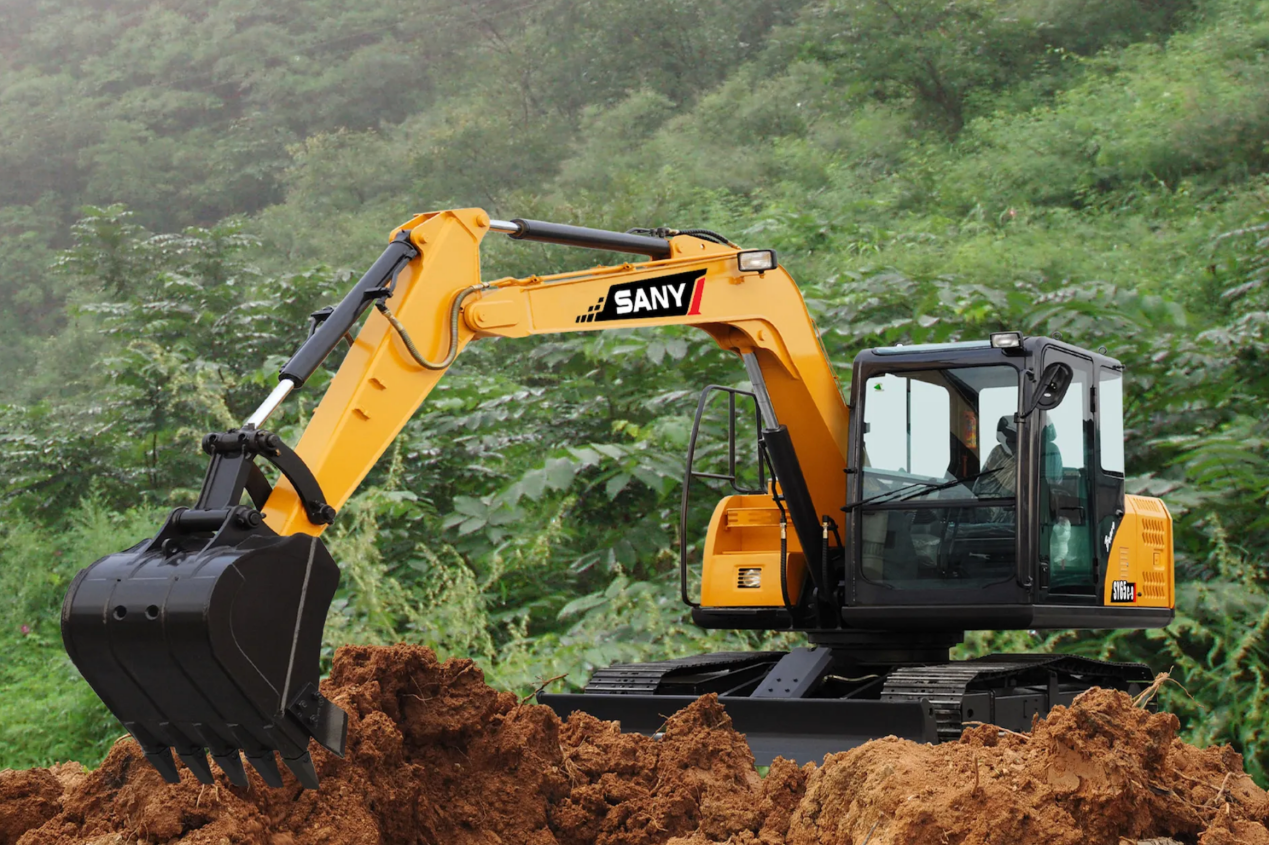
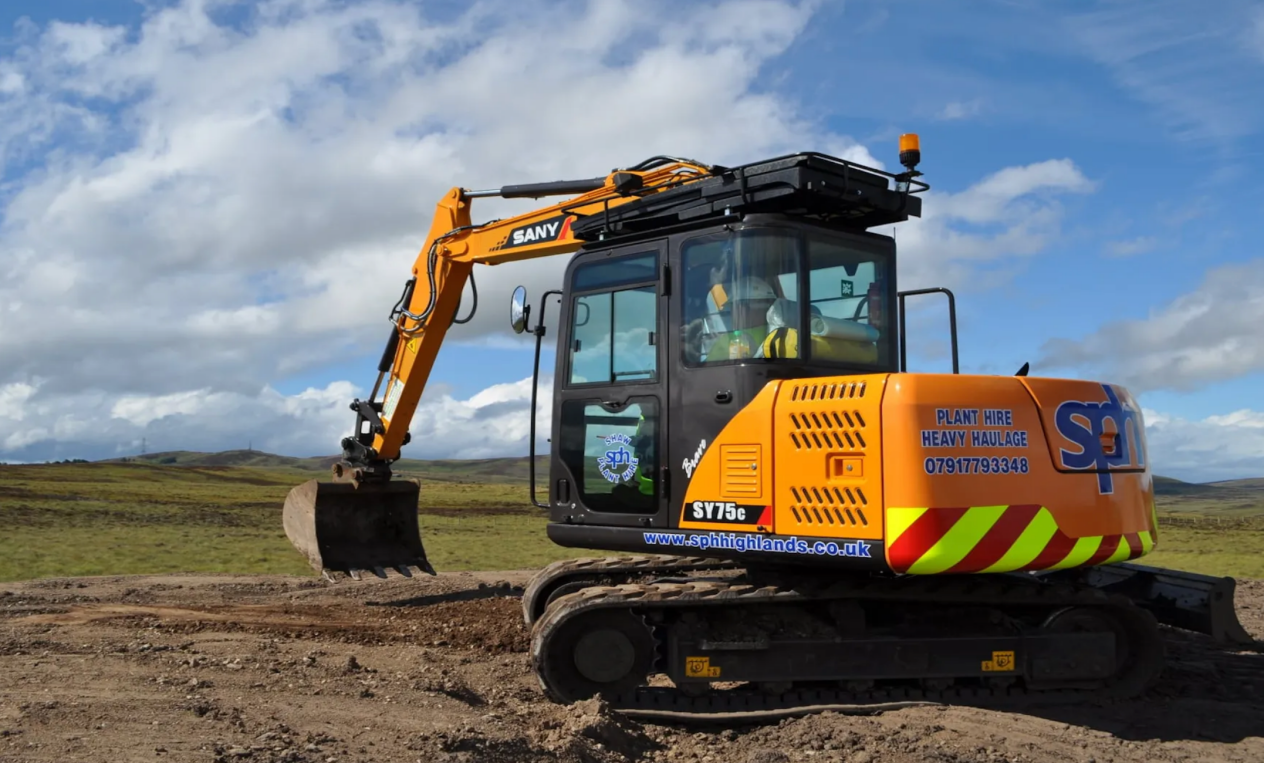
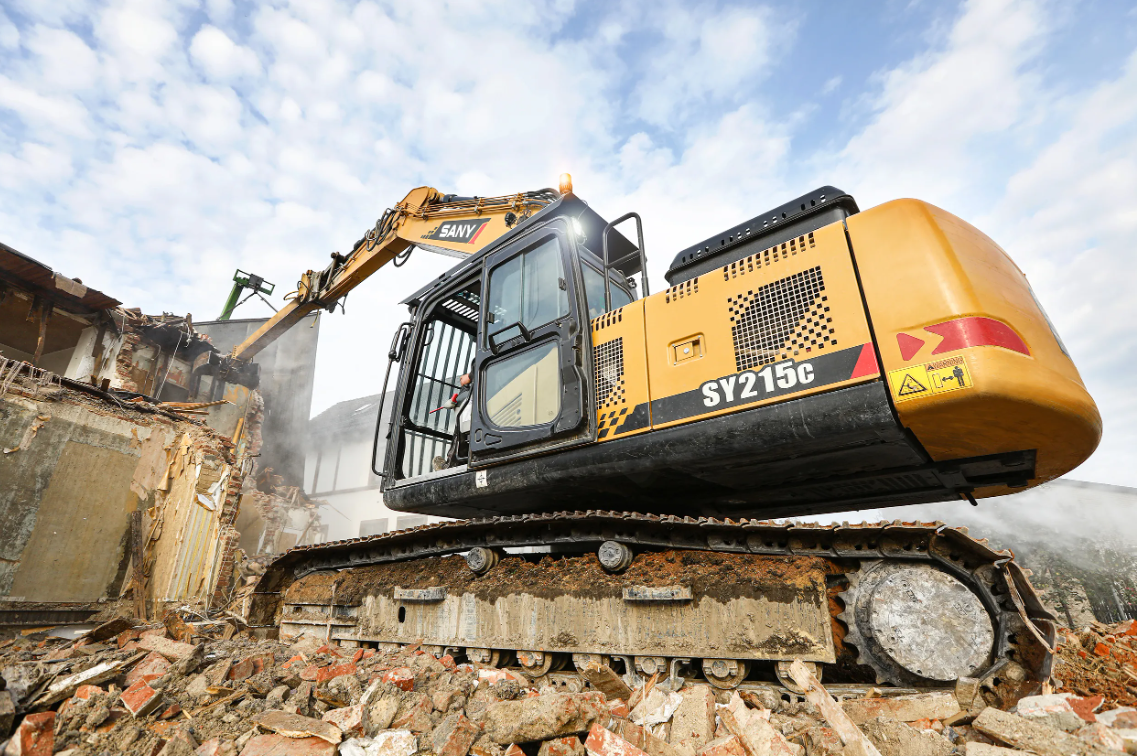
As heavy-duty construction vehicles equipped with sturdy hydraulic arms and precise control systems, excavators are core equipment for subgrade treatment. They are widely used in foundation excavation, ditching, rock removal and material handling, completing key works such as earth digging and obstacle removal before subgrade compaction.
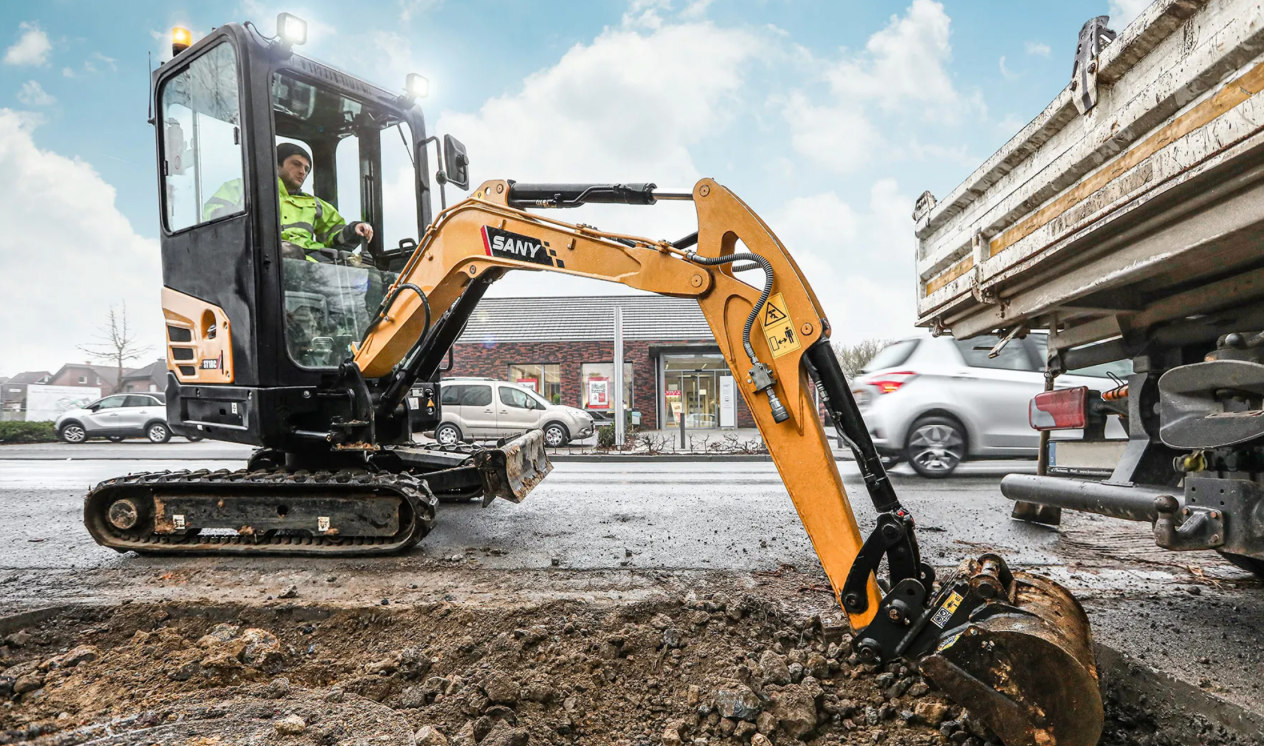
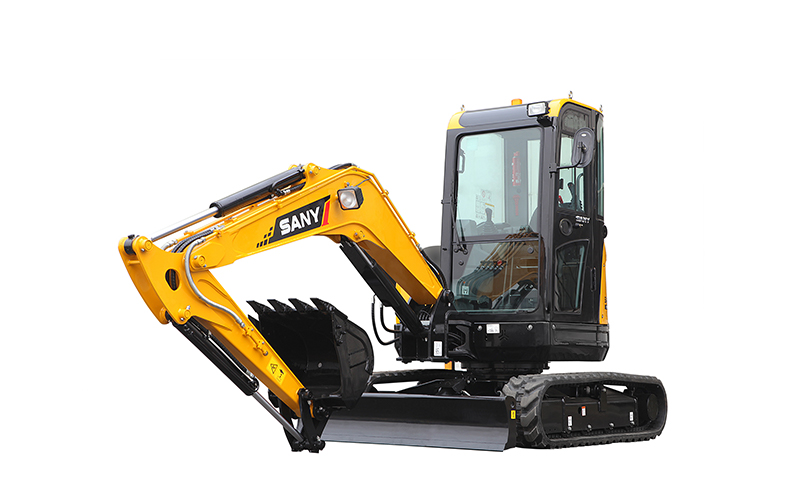
Various specifications are available. For example, SANY provides small excavators, mini excavators, medium excavators, large excavators and mining excavators to adapt to the foundation works of all road projects, delivering versatile performance and flexible operation.
Backhoe Loaders
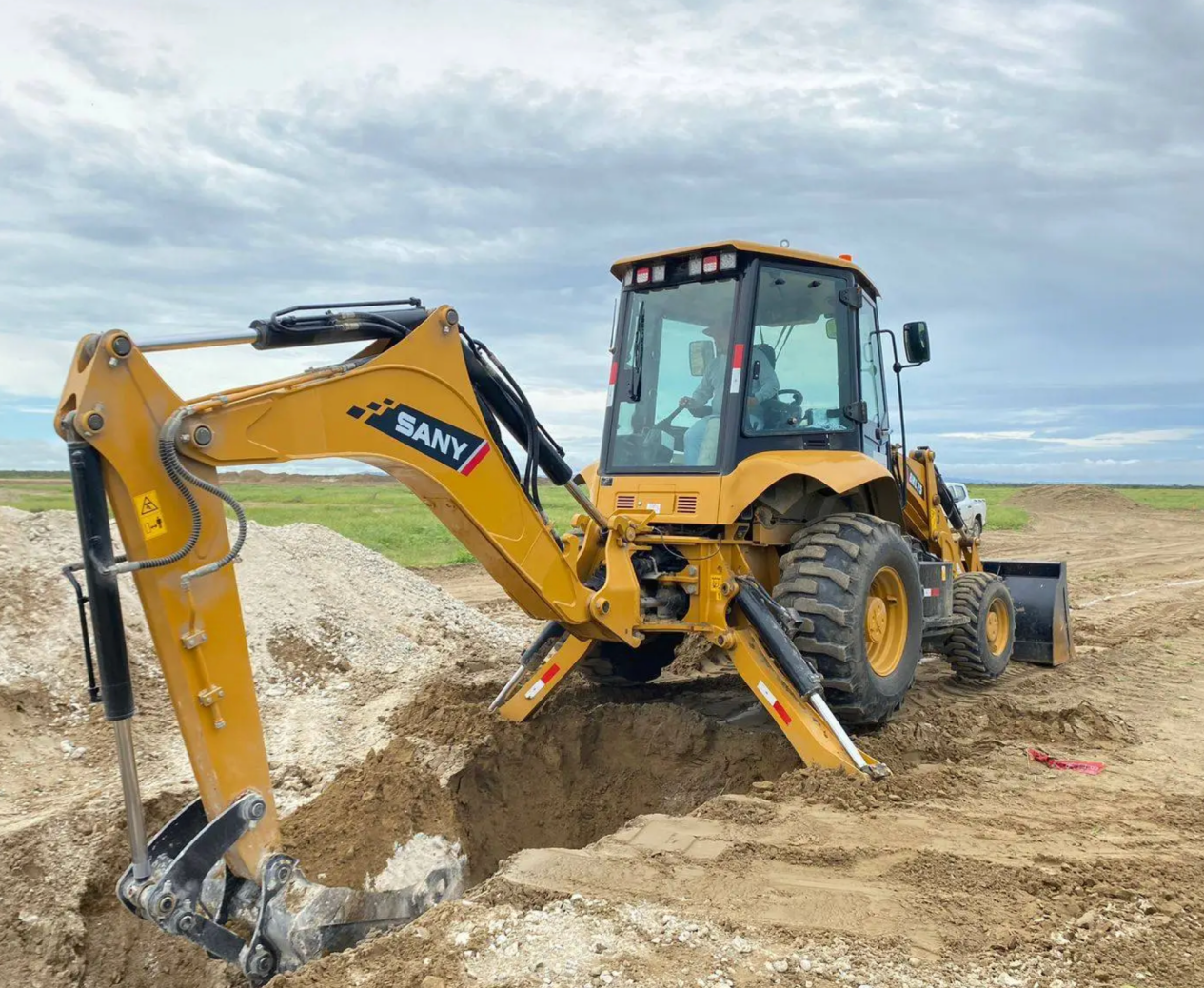
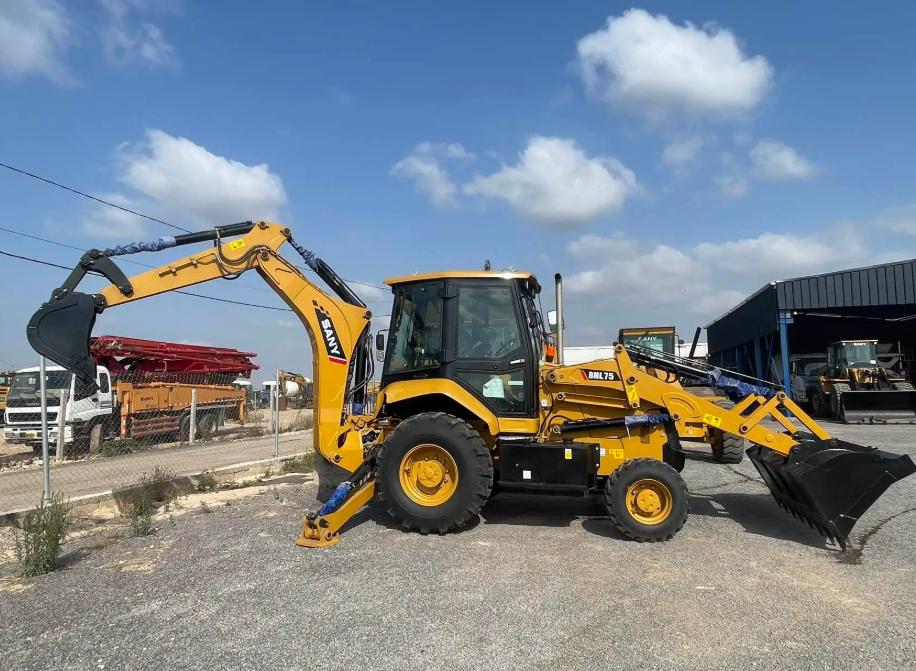
Backhoe loaders are multi-functional machines for excavation, material loading, asphalt breaking, tree digging and small-scale demolition work.
Multiple optional attachments are available for certain models. SANY backhoe loaders are equipped with extendable booms, four-in-one buckets, electric control systems and adjustable flow devices to meet diverse construction needs.
Skid Steer Loaders
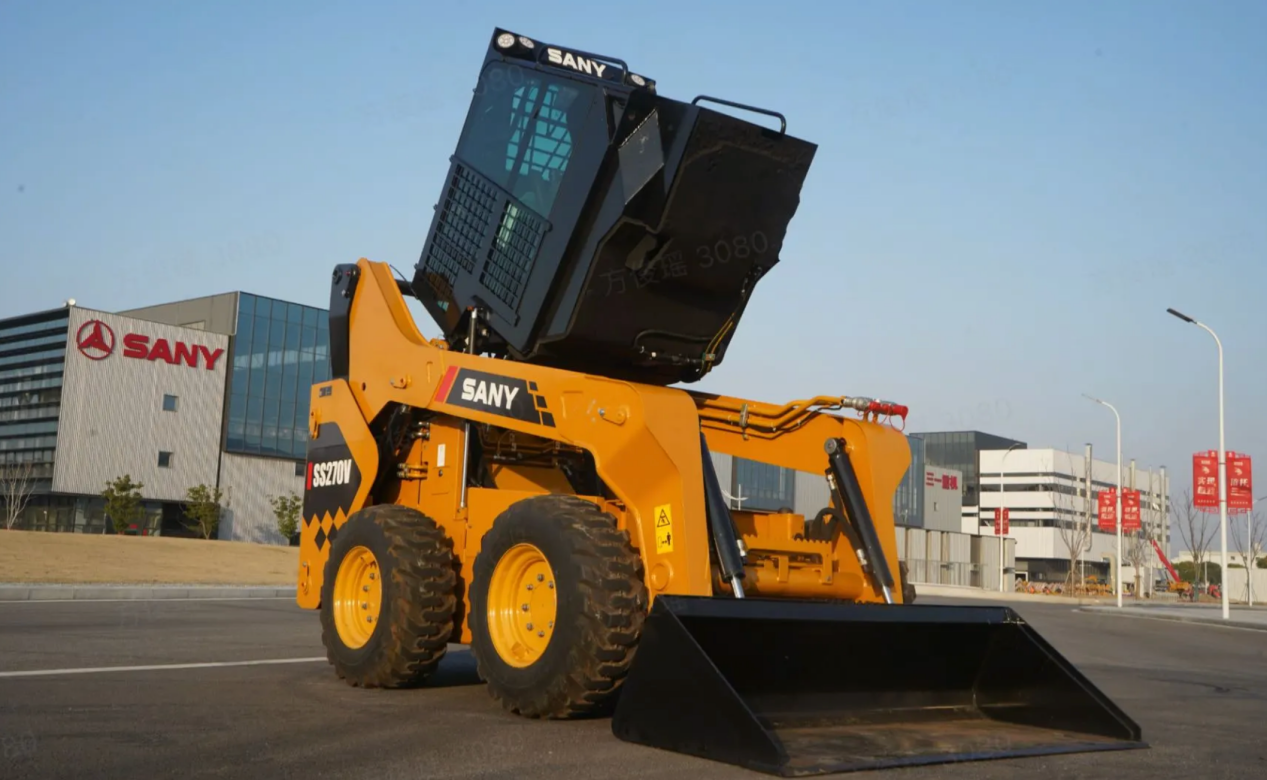
Featuring a compact and rigid frame with lift arms, skid steer loaders are multi-functional machines for demolition, ground leveling and paving in road construction.
Premium models such as SANY skid steer loaders are fitted with buckets, sweepers, snow removers, millers and augers to cope with different operating conditions.
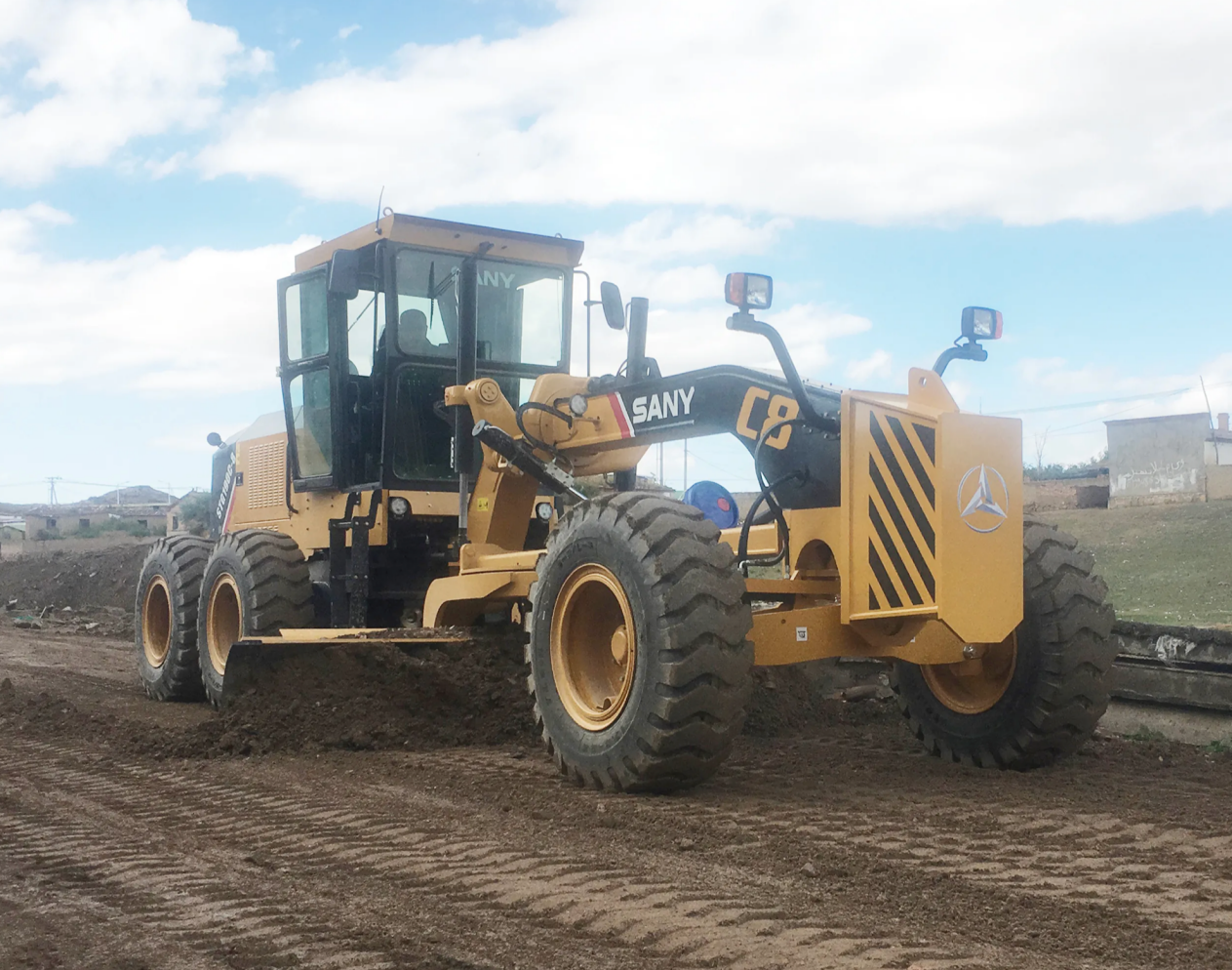
Motor Graders
Motor graders are key machines for high-precision leveling in road construction. Fitted with precision blades, they realize accurate scraping and trimming to form flat and uniform paving bases.
SANY motor graders are equipped with high-efficiency fuel-saving engines, reliable braking systems, improved traction and efficient load-sensing hydraulics, providing strong support for road construction.
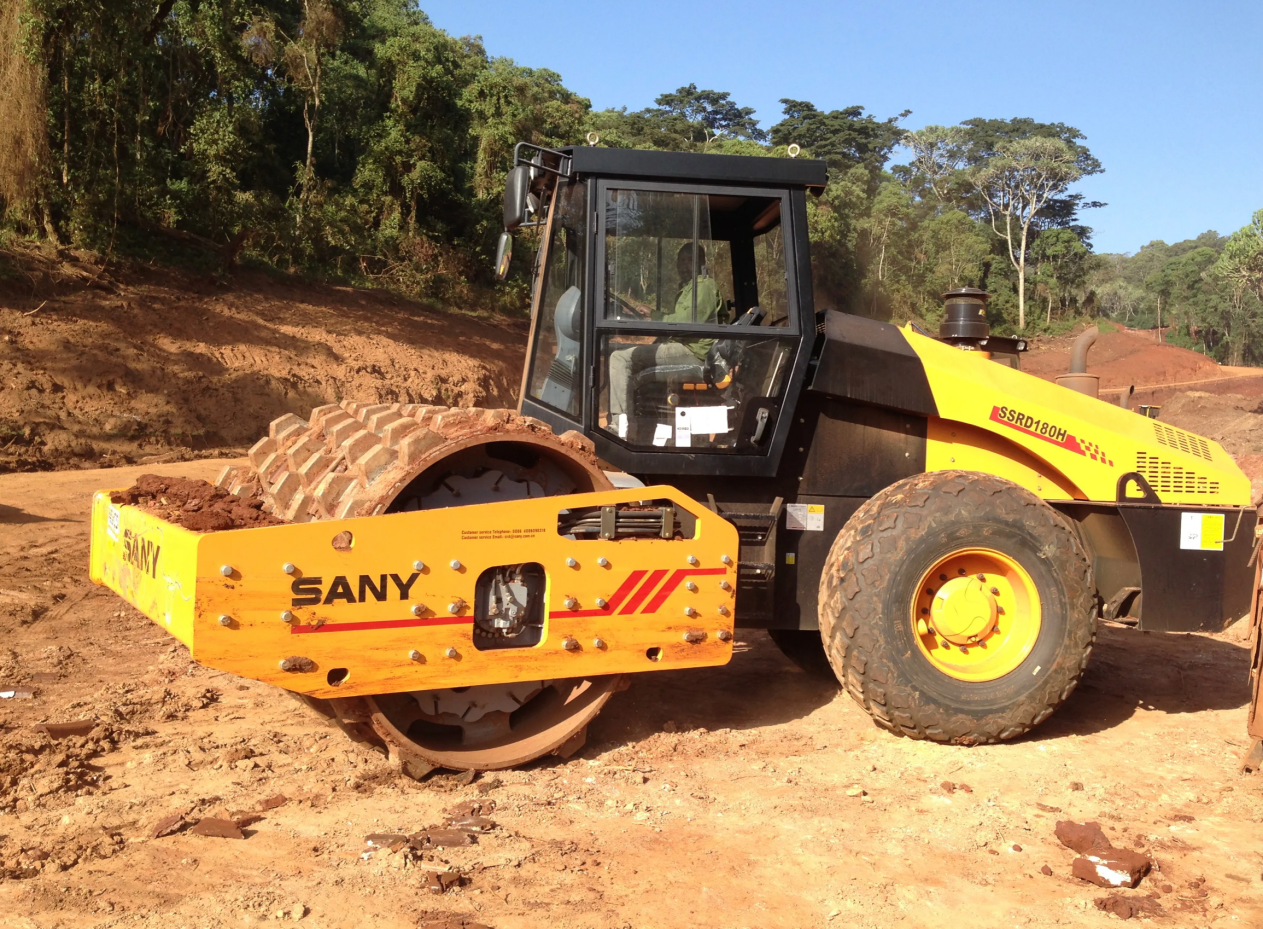
Road Rollers / Compactors
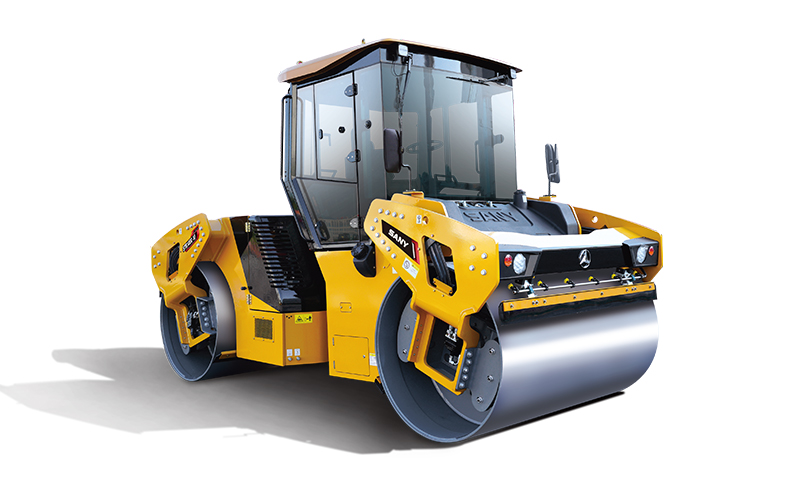
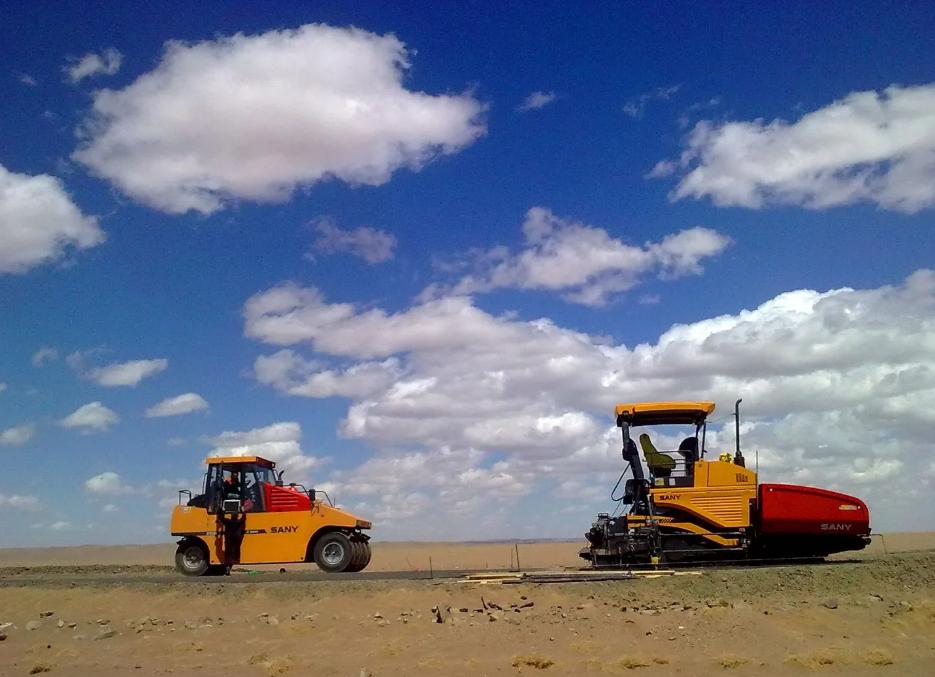
Also known as compaction rollers, they firmly compact soil, gravel, asphalt and other materials to eliminate internal gaps and air bubbles, greatly improving the compaction degree and structural strength of subgrades and pavements.
SANY offers a full range of rollers, including single drum roller, single drum roller , tandem drum roller and pneumatic tyre roller.
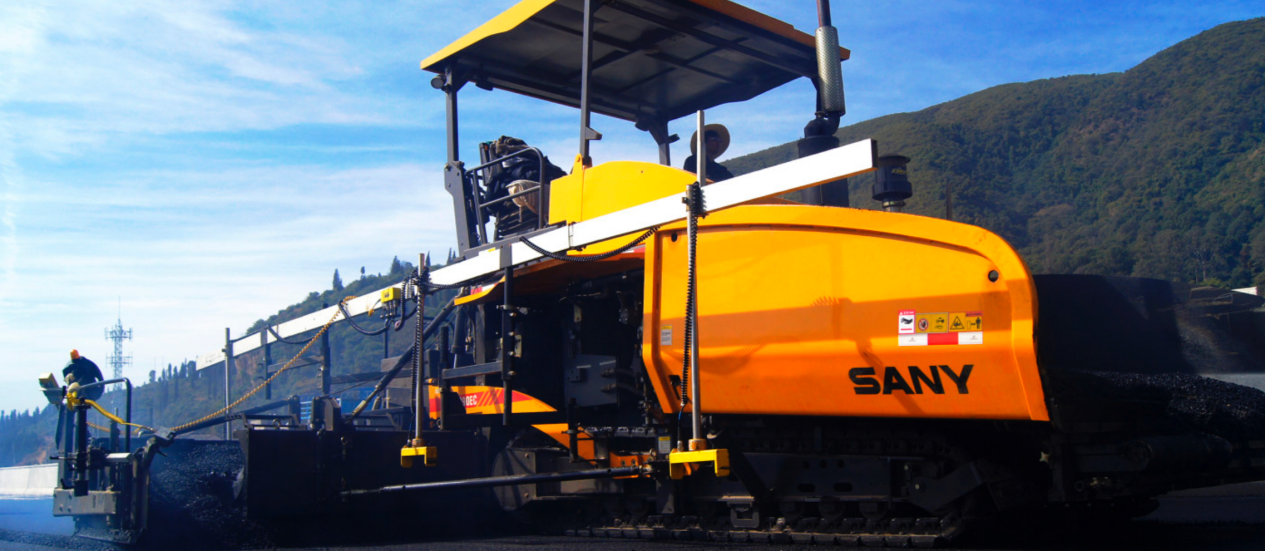
Asphalt Pavers
Specially designed for pavement construction, asphalt pavers can accurately lay asphalt with precise control over paving thickness, material distribution, and surface evenness, reducing material loss. They are applicable to roads, bridges, parking lots and other scenarios.
SANY asphalt pavers adopt high-strength dual anti-torsion frames. The independently controlled feeding and spreading systems coordinate with paving speed, and high-rigid screeds with four-motor vibration systems ensure high-quality paving results.
Concrete Pavers
Mainly used for large-scale projects such as viaducts and highways, concrete pavers are classified as highway construction equipment. They evenly and accurately pave wet concrete to form solid pavements and reduce pavement cracking risks.
Similar in structure to asphalt pavers, they are designed for concrete materials. With stable operation and low maintenance costs, they fully meet the high-intensity construction demands of high-grade roads.
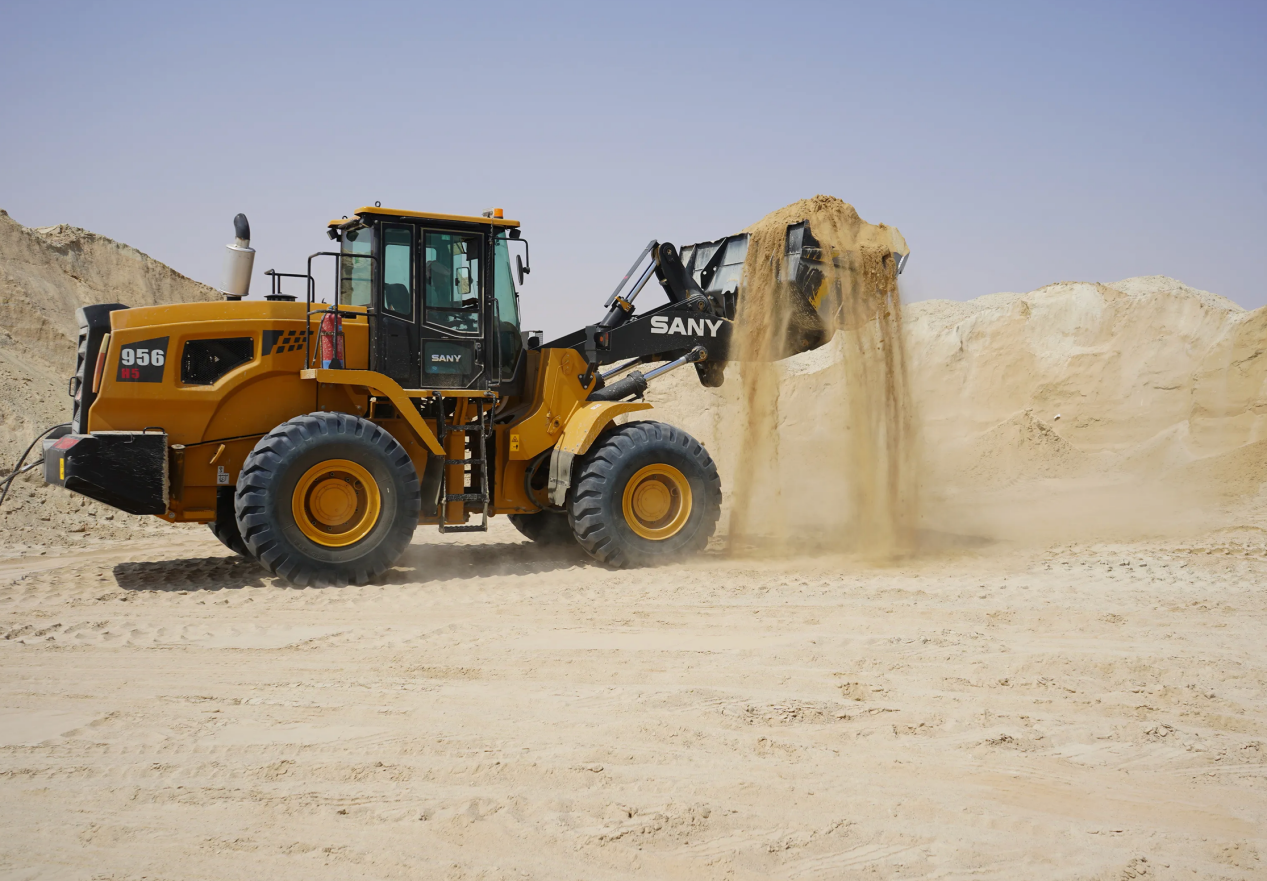
Wheel Loaders
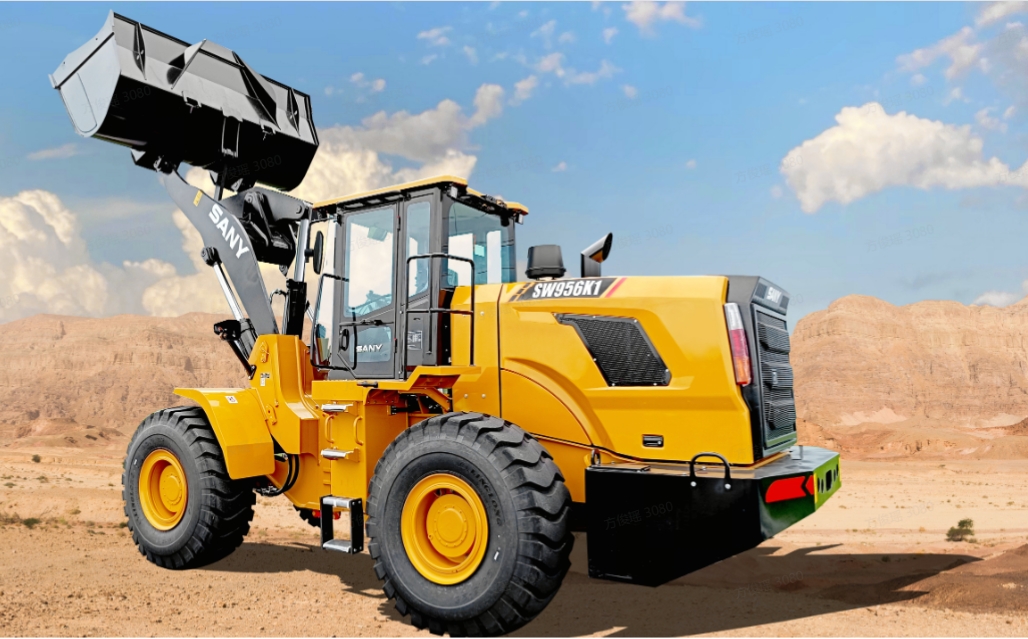
As mainstream material handling and transportation equipment at road construction sites, wheel loaders are equipped with large-capacity buckets. They feature strong loading capacity, high working efficiency and low failure rates, and are mainly used to transport earth, sand, aggregates and other materials.
Some wheel loaders are easy to operate and equipped with a variety of advanced functions. For example, SANY wheel loaders are fitted with powerful powertrains and advanced hydraulic systems. Traditional dashboards are replaced by TFT LCD screens, which integrate operating status and fault diagnosis on one digital display to greatly boost productivity.
Dump Trucks
Dump trucks are widely used for material transportation in road construction. With large-capacity cargo boxes, they transport muck, gravel aggregates and asphalt mixtures.
With high transportation efficiency, they ensure continuous construction and avoid schedule delays. Multiple bucket capacities are available to adapt to construction sites of different scales.
Milling Machines
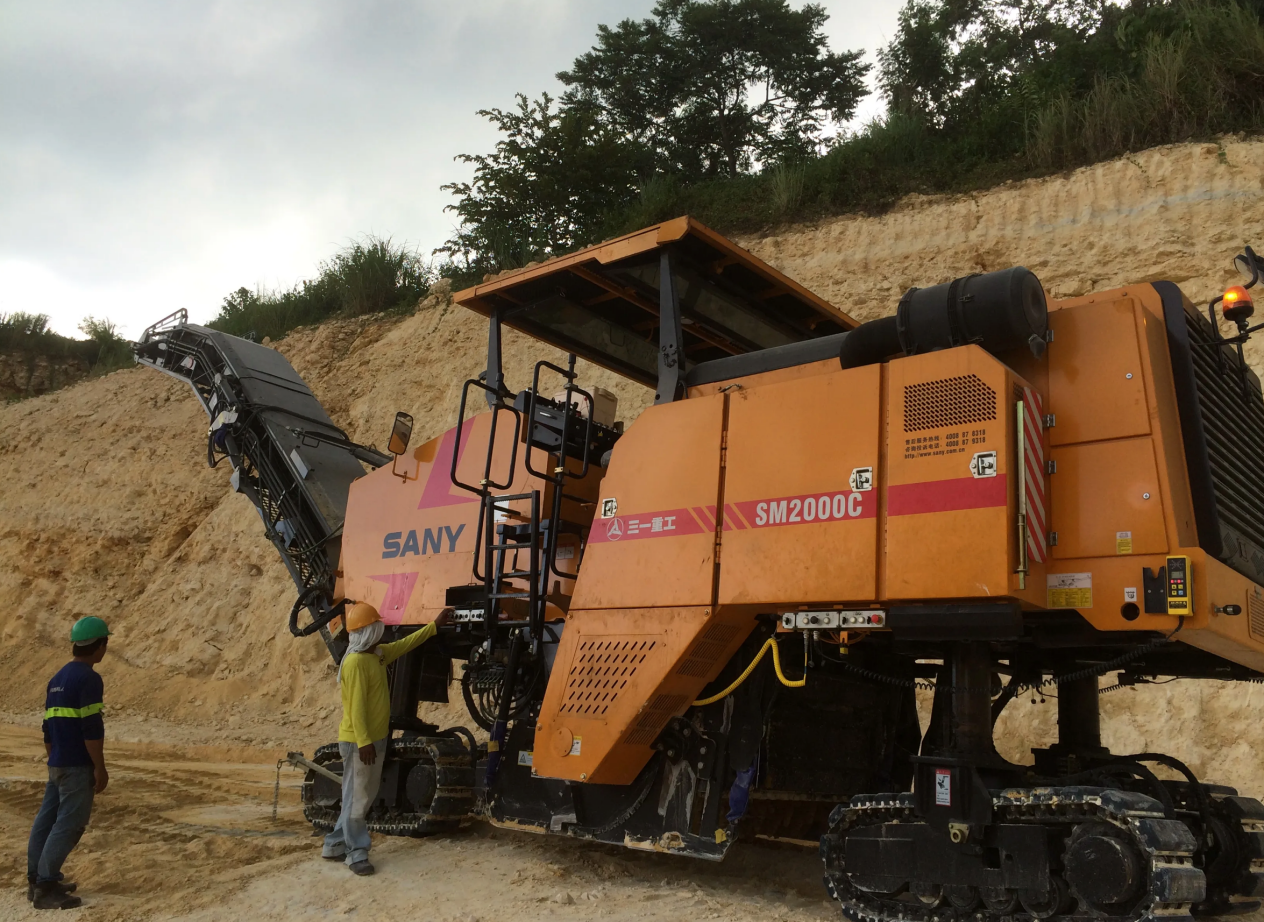
As essential road maintenance equipment, milling machines are designed for damaged pavement renovation. They remove aged asphalt or concrete surface layers to adjust pavement flatness for repaving, and are also used for road upgrading and reconstruction.
SANY milling machines are widely adaptable, cost-effective, efficient and equipped with intelligent and user-friendly operating systems.
Road Marking Machines
Road marking machines are core equipment in the final construction stage, used to spray lane lines, zebra crossings, guide arrows and other traffic markings in line with relevant safety standards.
They are widely applied to municipal roads and highways. Clear traffic markings improve driving safety, optimize traffic guidance, facilitate smart city development and speed up project completion.
How to Select Appropriate Road Construction Equipment?
As can be seen from the above, there are many types of road building equipment. How do you choose the right equipment for your project? The following points should be considered:
Core Considerations
- Before selecting equipment, clarify six key factors: project scale, terrain conditions, road type, material type, mechanical performance requirements, and budget.
- Select equipment appropriate to the project schedule: For busy road sections, opt for powerful machinery, such as motor graders to boost construction efficiency; for smaller-scale tasks, such as clearing debris within road right-of-ways or uprooting small shrubs with equipment like SANY mini excavators is well-suited.
- Focus on core equipment specifications: Prioritize machinery that demonstrates high reliability, exceptional durability, high productivity, and full compliance with safety standards.
- Ensure proper daily equipment maintenance: Conduct regular preventive maintenance and hydraulic system inspections to extend the service life of the machinery and minimize downtime caused by mechanical failures.
Practical Selection Tips
- Consider budget constraints: Assess the enterprise’s existing equipment and determine whether to expand the equipment fleet based on available funds. If the budget is limited, equipment rental serves as a cost-effective and flexible solution, enabling access to high-spec machines beyond the purchasing budget.
- Match equipment with application purposes: Select equipment models that fit business demands according to short-term and long-term needs as well as common project types, to ensure full adaptability to specific construction scenarios.
- Focus on functions and attachments: Evaluate core performance parameters such as engine power, machine size and lifting capacity. Meanwhile, pay attention to optional attachments, which can enhance equipment versatility and meet the requirements of special construction tasks.
- Take material properties into account: Select equipment compatible with regularly used paving materials such as asphalt and concrete. Reasonable matching with material characteristics guarantees professional paving operations and overall construction quality.
Conclusion
In summary, various types of road construction equipment serve as core support for project progress, each fulfilling unique responsibilities and adapting to different construction scenarios. Their rational selection and standardized use are crucial for ensuring construction efficiency and project quality. It is hoped that the processes, equipment, and selection techniques outlined in this article will provide practical reference for road construction-related work, contributing to the creation of safe, durable, and efficient road infrastructure.
FAQs
What are the 4 Layers of Road Construction?
The four main layers of road construction, from bottom to top, are the subgrade layer(natural soil), subbase layer (granular material), base layer (crushed stone), and surface layer (asphalt or concrete). These layers work together to distribute vehicle loads, provide drainage, and ensure a durable, smooth road surface for smooth traffic flow.
What are the 5 Parts of the Road?
The five main components of a road are as follows:
1. Carriageway: The paved surface for vehicles, typically divided into multiple lanes.
2. Shoulder: The area adjacent to the carriageway, used for emergency stopping, supporting the road structure, and ensuring traffic safety.
3. Overall Roadway: Accommodates the passage of both vehicles and pedestrians, providing a safe and efficient means of transportation.
4. Roadbed: Serves as the foundational support for the road structure, uniformly distributing the loads generated by vehicular traffic to the underlying subgrade soil layers, thereby ensuring the overall stability of the roadway.
5. Drainage System: Ditches or channels on both sides of the road, used to drain rainwater and prevent road surface damage.
What is Type 7 Asphalt?
Type 7 asphalt is formulated using aggregates of the smallest particle size, resulting in an overall fine texture. Primarily utilized in pavement renovation and resurfacing operations as a surface overlay material, it produces a smoother and denser road surface upon paving. This effectively improves the condition of existing pavements while enhancing driving comfort and the overall aesthetic appearance of the roadway.
Featured Products
Recommend Blogs
Understanding 8 Types of Rollers: Choosing the Right Equipment for Your Project
This paper introduces road rollers, their applications and types of rollers, providing selection guidance for practitioners.
The Difference Between Backhoe Loader and Excavator: Efficient Construction
This article details the difference between backhoe loader and excavator, and provides specific selection recommendations.
Backhoe vs. Excavator: Your 2025 Heavy-Equipment Buying Guide
This article introduces the differences between backhoe vs. excavator, their respective advantages, and how to choose the right heavy equipment to help work crews perform better.