Roller Definition Analysis: Types, Common Uses, and a Basic Buying Guide
This article focuses on the roller definition, types, and common uses, and provides a practical buying guide to help you choose the right roller.
At municipal road renovation sites, rollers roar, compacting and smoothing the asphalt layer. On newly constructed highway sections, they repeatedly roll over the roadbed to strengthen the load-bearing foundation. At construction sites, they provide a solid foundation for the concrete base of parking lots and plazas. From urban arterials to rural roads, from large-scale infrastructure projects to small-scale site hardening, a roller is essential equipment for ensuring the strength and smoothness of the surface. This article will begin with the roller definition, systematically introduce its different types, details its common uses across various scenarios, and provides a practical buying guide to help you fully understand this powerful construction tool.
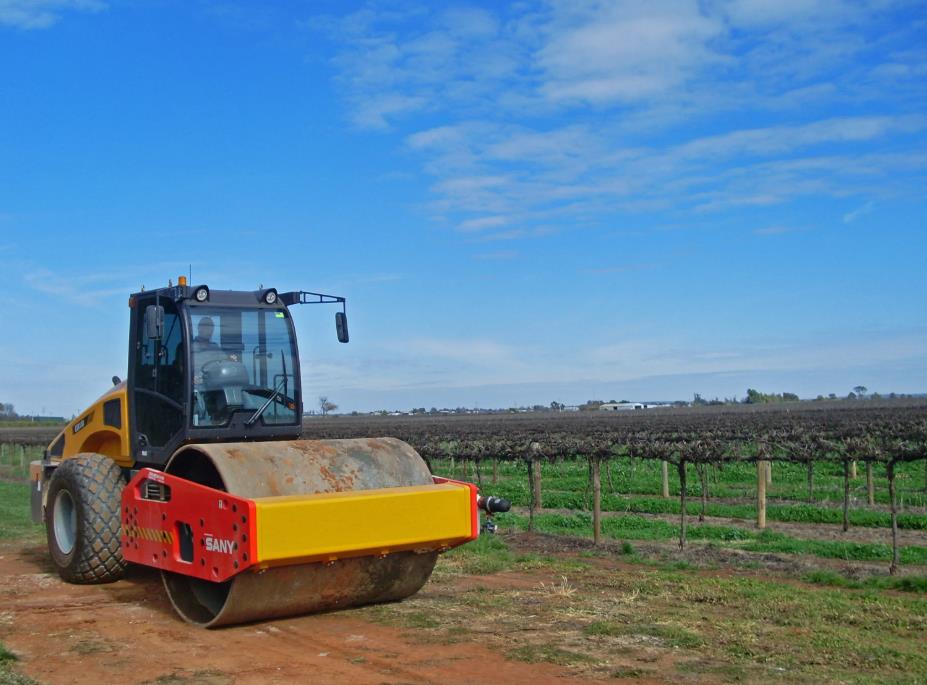
What Is Roller Meaning?
Whether it's compacting asphalt pavements or foundations at construction sites, road rollers are essential equipment. Using their own weight or mechanical force, they compact loose materials like soil, gravel, and asphalt, laying a solid foundation for subsequent construction.
Roller Definition
What is a roller? Simply put, a road roller is a piece of engineering machinery that uses gravity, vibration, or other physical forces to compact fill materials like soil, sand, gravel, and asphalt concrete to improve ground strength, flatness, and stability. It is widely used in infrastructure projects such as roads, railways, airports, bridges, and buildings.
How a Roller Works?
A roller applies pressure to materials to force out air and moisture, reduce gaps, and achieve densification — improving the strength, flatness, and stability of the surface.
This principle is primarily achieved through the following two core methods:
- Gravity-based compaction: The roller's own weight, such as the weight of the steel drum, generates continuous and uniform pressure on the surface of materials such as soil and gravel, squeezing the material particles together through gravity.
- Vibratory compaction: Based on its own weight, a mechanical device such as a vibrating motor drives the steel wheel to vibrate at high frequencies, transferring kinetic energy to the material. This vibration breaks down the internal friction between the material particles, making them easier to rearrange and achieving a higher density in a shorter time.
Common Uses of Road Rollers
- Road Construction: Road rollers are essential for compacting soil, gravel, and asphalt bases to ensure strong, durable, and smooth pavement for highways, streets, and parking lots.
- Foundation and Building Preparation: They compact soil to form a stable base, and then pour concrete to create foundations, walls, and other structures.
- Landfill Compaction: Road rollers are used to compact waste and soil in landfills to save space and create a more uniform, stable mass.
- Railway Construction: They are used to compact ballast and other materials that support railroad tracks.
- Landscaping and Agriculture: Rollers flatten and compact soil in landscaping projects. In agriculture, they prepare fields by leveling the ground and breaking up large clods.
- Paving of other surfaces: In addition to main roads, they are also used to compact driveways, paths, and other paved areas.
- Surface preparation: Some rollers are used to smooth the surface after initial compaction, creating a finished, even finish.
Different Types of Road Rollers
From municipal road paving to large-scale infrastructure construction, the ground compaction requirements vary significantly across different scenarios, resulting in a wide variety of roller types with varying capabilities. Some are suited for compacting soft soils, others excel at handling asphalt pavement, and still others can handle complex terrain. Below, we'll introduce four common types of rollers, analyze their characteristics, advantages and disadvantages, and provide targeted usage recommendations to help you choose the right one based on your specific needs.
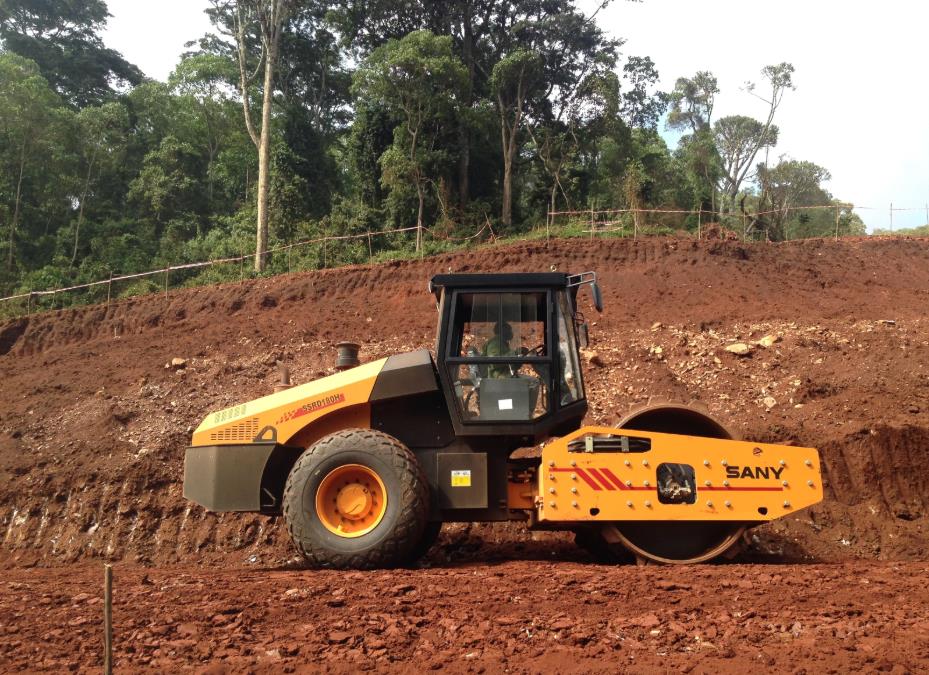
1.Smooth-Drum Roller
A smooth-drum roller is a type of construction machinery that uses smooth steel wheels to compact the road surface. It is suitable for compacting asphalt and other granular materials. Depending on the application, it can be either static or vibratory. It is generally divided into two types: single-drum roller and double-drum roller.
Overall Features
- Structural Design: Equipped with a single steel drum at the front and two specialized tires at the rear, this design minimizes tire blowouts.
- Size and Maneuverability: Compact and maneuverable, it can operate in confined areas and is suitable for specialized projects.
- Note: The term "single steel drum" is not exclusive and sometimes also refers to other models such as tumble rollers and smooth-drum rollers, so please be aware of the distinction.
Advantages
- High Safety: The specialized rear tires effectively reduce the risk of tire blowouts and minimize construction interruptions.
- Small Size and High Maneuverability: It can operate in confined spaces, adapting to a wide range of scenarios.
- Wide Application: It can be used for building foundation construction, highway paving, and sidewalk construction.
Disadvantages
The heavy front weight places heavy demands on the road surface, making some surfaces unsuitable for driving. The "single drum" concept can easily be confused with other models, potentially leading to incorrect equipment selection.
Usage Recommendations
Smooth-drum rollers are primarily used for compaction work in confined areas or for construction on building foundations and sidewalks.
Before selecting a model, it's important to clearly define the "single drum" concept and distinguish it from other rollers like cam rollers and smooth drum rollers to avoid selecting the wrong equipment.
Before construction, assess the load-bearing capacity of the working surface and confirm that it can withstand the front weight before commencing operations.
For example, the SANY Single Drum Roller has a wide range of applications. The single-drum roller (single drive) boasts high efficiency, boasting a 10% higher excitation force and 16.7% higher production than similar products. Furthermore, the vibrating bearing utilizes water-wheel lubrication, resulting in a bearing life of up to 5,000 hours, ensuring extended service life. Its cab is mounted on shock-absorbing brackets, significantly enhancing operator comfort. Furthermore, its rounded front and rear bumpers, large rear glass, and tilting roof hood provide a wider field of view and greater operational safety.
2.Double-Drum Roller
Overall Features
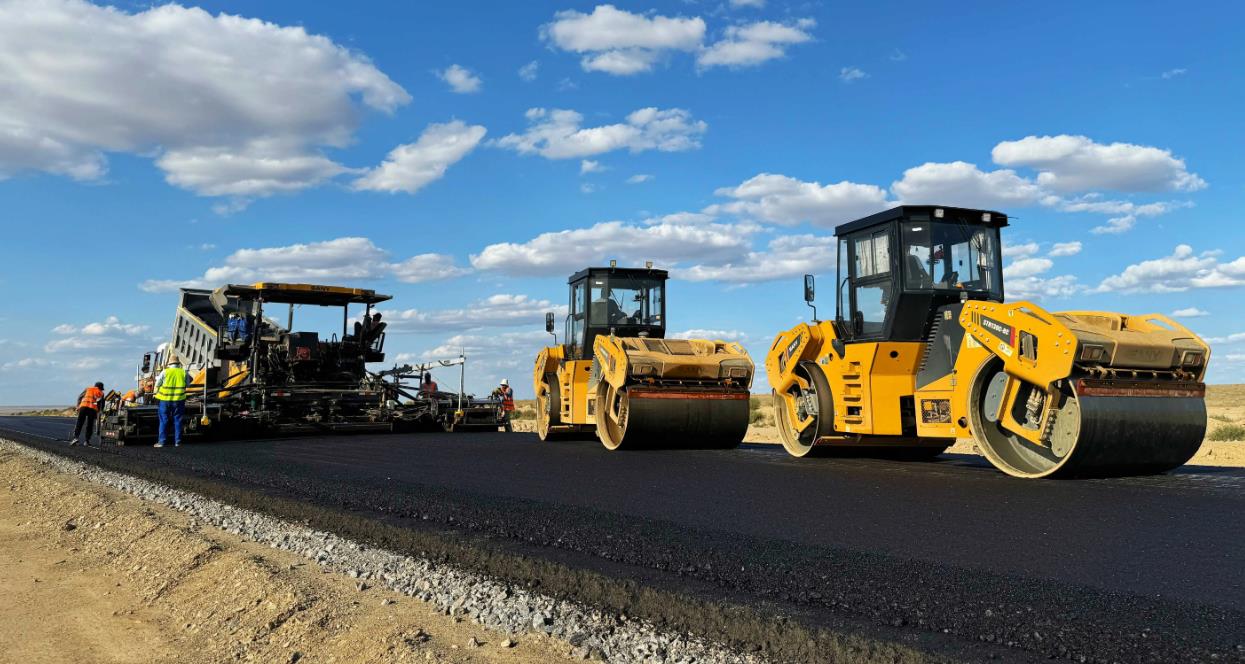
- Structural Design: Its most notable feature is the rolling action of two steel drums, one at the front and one at the rear.
- Operational Efficiency: The double-drum design enables efficient operation, allowing it to quickly level and pave entire areas, making it particularly suitable for large-scale construction.
- Application Focus: It is primarily suitable for flat or gently sloping surfaces, such as asphalt, with clearly targeted applications.
Advantages
- Outstanding Operational Efficiency: It can quickly level and pave entire areas (such as highway sections), significantly shortening construction cycles.
- Adaptability: It offers excellent compaction performance for flat and gently sloping asphalt pavements, meeting the demands of high-standard road construction.
Disadvantages
- Low traction: It is not suitable for challenging conditions, such as uneven terrain or high-resistance construction environments, which limits its applicability.
Recommended Use
Prioritized for large-scale asphalt pavement construction on flat or gently sloping surfaces, such as large-scale paving on highways and urban arterial roads.
Explicitly avoid unusual working conditions and avoid using it in construction scenarios beyond its capabilities, such as complex terrain or high-resistance construction, to avoid compromising efficiency or damaging the equipment.
SANY also offers versatile, flexible, and efficient Tandem Drum Roller,featuring highly efficient and advanced control and hydraulic systems. The vibrating bearings utilize water-wheel lubrication, offering a bearing life of up to 5,000 hours. The roller's flatness and smoothness meet stringent road surface requirements. Combined with reliable and efficient power, they provide ample power for operation on slopes.
3.Tire Rollers
Tire rollers, also known as rubber-wheeled rollers, achieve uniform compaction through the flexible kneading action of multiple pneumatic tires. They are particularly well-suited for final compaction of asphalt mixtures, effectively smoothing wheel tracks on the road surface. Air pressure can be adjusted to suit different materials.
Overall Features
- Structural Features: These are large, ride-on rollers equipped with multiple rows of rubber tires at the front or rear. The tires provide up to 80% contact area with the work surface, and pressure is evenly distributed across the tire width.
Advantages
- Excellent compaction: The tire's kneading action ensures highly uniform compaction, resulting in a smooth surface and avoiding noticeable rolling marks.
- Good surface quality: The compaction effect creates a polished finish, especially during final compaction of asphalt pavements, enhancing the surface's appearance and overall quality.
Disadvantages
- Limited compaction depth: Not suitable for deep compaction operations, only meeting the needs of surface or shallow layers.
- Poor adaptability to subgrade conditions: For complex subgrades, such as those with large elevation differences or complex geological compositions, the compaction depth is limited, making it difficult to ensure stable compaction results.
Recommended Use
- Preferred Applications: Recommended for urban road construction, bridge deck paving, and the final compaction of asphalt pavement.
- Material Compatibility: Optimize compaction results by adjusting tire pressure based on material characteristics to ensure compatibility.
- Avoid Inappropriate Uses: Avoid using tire rollers for deep compaction or in complex foundation conditions, as their limited depth can affect project quality and progress.
4.Vibratory Roller
A vibratory roller is a type of construction machinery that uses gravity and vibration to compact various construction and road-building materials, such as non-cohesive soils, crushed stone mixtures, and asphalt concrete.
Overall Features
- Structural Differences: It is essentially the same structure as a smooth drum roller (single or double steel drum models), with the key difference being the inclusion of a dedicated vibration mechanism that generates vibrations simultaneously during compaction and leveling.
- Adaptability: It offers excellent compaction performance for granular materials such as sand, gravel, and crushed stone. The amplitude and frequency can be adjusted to meet the compaction needs of different scenarios.
Advantages
- High compaction depth: Effectively eliminates internal voids in materials, reduces the risk of subsequent deformation and subsidence, and ensures structural integrity.
- High efficiency: Suitable for most foundation projects, quickly completing large-scale compaction operations.
- Disadvantages
- High noise: Vibration and noise are significant during operation, potentially impacting the surrounding environment.
- Limitations: Unsuitable for vibration-sensitive areas such as hospitals and residential areas, limiting its application scenarios.
Recommended Use
Prioritized for large-scale foundation construction projects such as highways, airport runways, and industrial plants, leveraging its deep compaction and efficient operation.
Avoid vibration-sensitive areas (such as residential areas, schools, and precision instrument factories) to minimize environmental disturbance.
Flexibly adjust the amplitude and frequency based on the type of compacted material (e.g., sand, gravel, or crushed stone) and depth required to ensure effective compaction.
5.Sheep-Foot Roller
Sheep-foot rollers have a steel drum equipped with a series of bumps—typically shaped like a sheep's foot, cylindrical, and square. They compact the soil through a kneading action. They are ideal for compacting cohesive soils such as clay and silt.
Overall Features
- Unique core structure: The steel drum (drum) is equipped with bumps shaped like a sheep's foot. These bumps can also be in various shapes, such as cylindrical and square.
- Unique compaction principle: The "kneading" action of the bumps, rather than simply rolling, allows for deep soil compaction.
- Adjustable weight: The drum can be loaded with water, wet sand, or steel components to increase its weight, thereby improving compaction efficiency.
Advantages
- Excellent deep compaction: Utilizing a kneading action, it compacts deep into the soil, rather than just on the surface.
- Targeted Compaction: It offers significant compaction performance on cohesive soils such as clay and silt, resolving the issue of conventional rollers failing to achieve adequate compaction on these soil types.
- Flexibility: The compaction capacity can be adjusted by adding or removing weight, adapting to varying compaction intensity requirements.
Disadvantages
- Narrow Applicability: It primarily targets cohesive soils and does not mention its performance on non-cohesive materials such as sand, gravel, and crushed stone, suggesting limited applicability.
- Requires Additional Equipment: After compaction, additional tools such as pneumatic rollers are needed to refine the surface.
Usage Recommendations
- Identify applicable scenarios: This roller is preferred for compacting soil and silty clay during road construction. It should be used for projects involving wet clay or other deep, fine-grained soils.
- Appropriately adjust the weight: Adjust the roller weight based on the hardness of the soil being compacted and the required compaction depth by adding water, wet sand, or adding steel components to achieve optimal compaction efficiency.
- Ensure supporting operations: After completing deep compaction with a sheep's foot roller, it is recommended to use a pneumatic roller for secondary compaction of the compacted area to improve overall compaction quality.
Why Do Compaction Rollers Matter in Construction?
In the vast system of construction, compaction rollers are often considered "silent foundations." They may not command the visual attention of tower cranes or the prominence of concrete pump trucks, but every smooth road, every sturdy building, and every safe site is built on their "footprints." This seemingly simple compaction operation directly determines a project's load-bearing capacity, stability, and service life. Next, we'll examine in detail why compaction rollers are such an indispensable and crucial component of construction.
Improved Compaction
Road rollers use their own weight (static pressure), high-frequency vibration, or impact force to tightly bind loose particles of soil, sand, gravel, or asphalt. After compaction, the material's porosity is significantly reduced, and compressive strength can be increased by 2-3 times. For example, in highway construction, the rebound modulus of the compacted roadbed can be increased exponentially.
Enhanced Stability
Higher compaction means greater load-bearing capacity, ensuring road stability under vehicle loads and the elements, reducing settlement.
Extending Service Life
Compaction directly impacts the service life of roads. Good compaction reduces cracks, and other road defects, thereby reducing maintenance costs. Research shows that every 1% increase in compaction can extend a road's fatigue life by approximately 15%.
Improving Smoothness
Modern rollers, particularly vibratory and tire-type rollers, effectively eliminate surface marks and improve smoothness through their kneading action, thereby enhancing road comfort and reducing fuel consumption.
Preventing Moisture Penetration
The dense structure created by compaction effectively prevents moisture penetration, minimizing structural deformation caused by rainfall or heavy loads.
How to Choose the Right Roller for Your Project?
When selecting a roller for a project, consider the project type, material properties, compaction thickness, and construction environment. Failure to do so may compromise construction quality, causing air pockets, uneven areas, and potential safety hazards. Consider the following points when making your selection:
1. Evaluate the Project Duration and Determine the Equipment Acquisition Method
Based on the project duration, determine whether leasing or purchasing a roller is more cost-effective.
For short-term projects, leasing is preferred; for long-term projects, consider the cost-effectiveness of outright purchase.
2. Identify the Type of Material to Be Compacted
For different soil types: Fine-grained sand and clay require different types of rollers.
For asphalt paving, further consideration should be given to whether a static roller or a vibratory roller is more suitable.
3. Identify Core Operational Requirements and Select Roller Types
Focus on comparing the applicable scenarios of smooth-wheel and sheep-foot rollers to determine whether a specific roller type is required for the project.
For other specialized applications, it is important to understand the characteristics of the corresponding specialized rollers.
4. Thoroughly Understand the Advantages of Various Roller Types
Learn in advance the specific advantages of different rollers for ground improvement and repair.
Based on the project's compaction requirements (such as density and smoothness), choose the equipment that best meets your needs.
Conclusion
In summary, you now have a clear understanding of the roller definition. A road roller, as a large piece of equipment, compacts materials through gravity, vibration, and other physical forces to improve ground strength and stability. It is used in a variety of construction scenarios, including road construction, infrastructure, and buildings. When choosing a road roller, construction workers need to understand the characteristics and compatibility of different types of rollers and make a scientific selection based on the specific project. This will maximize their value and lay a solid foundation for various projects.
FAQs
What Is Another Name for a Road Roller?
A road roller, also known as a compactor and sometimes referred to as a road roller, is a piece of engineering equipment that uses gravity, vibration, and other physical forces to compact soil, gravel, asphalt, and other materials, improving the strength, flatness, and stability of the surface. It's essential equipment for infrastructure construction, from road renovation to building foundation treatment. Choosing the right model directly ensures project quality and longevity, preventing potential risks such as structural subsidence.
What Is the Difference Between a Steam Roller and a Road Roller?
The main difference between a steam roller and a road roller is the power source: steam rollers use steam engines, while modern rollers use diesel engines. Furthermore, steam rollers are an older type of roller, while modern rollers are more advanced in design and functionality.
How Does a Road Roller Work?
Road rollers primarily operate through static pressure and vibration. The weight of the machine itself generates static pressure, while vibratory rollers use the rotation of their eccentric wheel to generate high-frequency vibrations, enhancing the compaction effect. Different types of rollers (such as static pressure, vibratory, and tire-type) have different operating principles and application scenarios.
Are Road Rollers Filled with Water?
Yes, water can be added to a road roller to increase weight and act as a lubricant during asphalt applications. Water is used as ballast to increase the weight of the machine, thereby achieving greater compaction. It is also used in the water spray system of asphalt rollers to prevent the roller from sticking to hot material.
Tip: If your roller contains water, ensure that it is drained during winter and cold weather to avoid expansion issues caused by ice formation.
Featured Products


Recommend Blogs
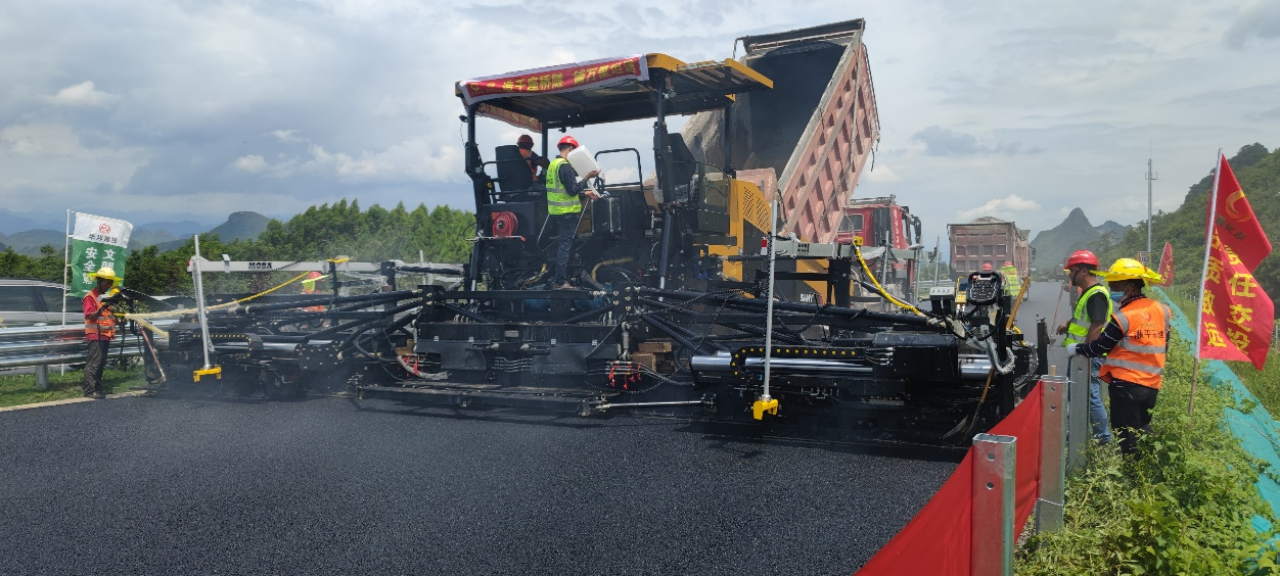
Bitumen Paver Machines: A Complete Guide to Smooth Road Construction
This article provides a comprehensive understanding of bitumen paver machines, covering basic knowledge to cutting-edge technologies.
Quick Selection Guide: Detailed Explanation of Paver Mean
This guide will help you fully understand what a paver mean is, so that you can make informed decisions and select suitable equipment for your road-paving project.