2026 Construction Equipment Selection and Application Analysis
This article introduces main types, and functions of construction equipment, and provides a selection guide to help you with efficient construction.
Construction equipment is the essential equipment of modern engineering construction. From building construction and road and bridge construction to municipal engineering and mining operations, all rely on the support of various construction machines. They not only significantly improve construction efficiency but also ensure project quality and operational safety, making them a key force driving the efficient development of engineering projects. What are the types of construction equipment? This article will detail the main types of this heavy equipment, analyze the core uses and applicable scenarios of different equipment, and explain how to select construction equipment, providing practical reference for engineering construction.
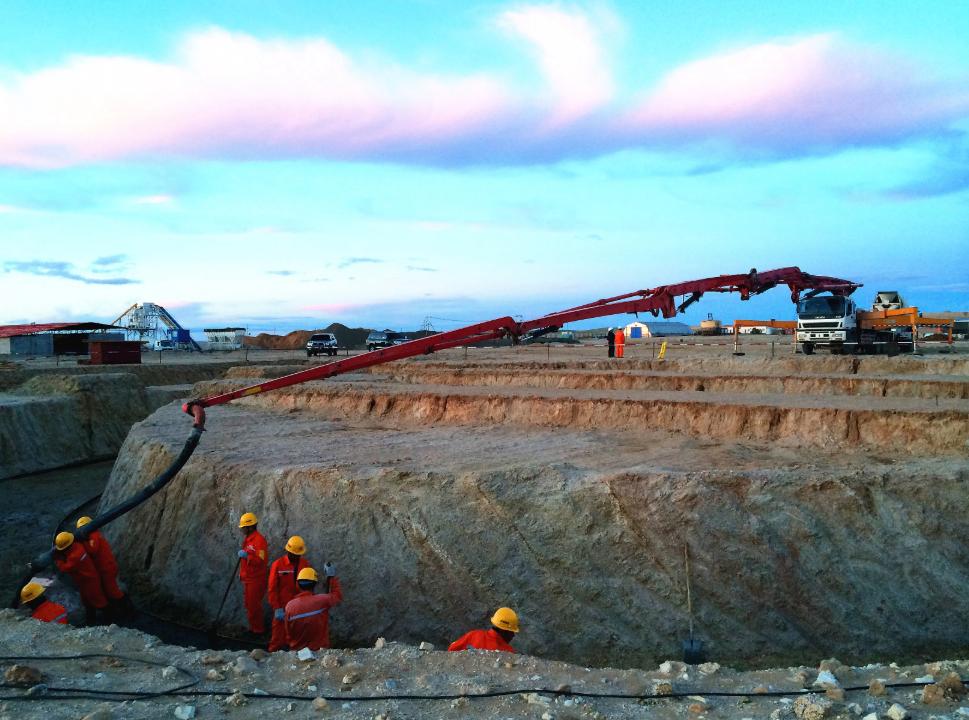
What Are the Types of Construction Equipment?
Construction equipment encompasses a wide range of heavy machinery, each designed to support construction tasks at different stages of a building project. From site preparation and foundation construction to material handling and infrastructure maintenance, this equipment plays an irreplaceable role in ensuring project efficiency, safety, and quality. Based on their functional characteristics, the main types are classified as follows:
1. Earthmoving Equipment
These construction work machines are mainly used in the initial stages of construction, responsible for site leveling, foundation excavation, debris removal, and soil or rock transportation, laying a solid foundation for subsequent construction.
Common earthmoving construction machinery includes excavators, bulldozers, backhoe excavators, wheel loaders, and piling drivers.
2. Material Handling Equipment
This type of equipment is primarily used for the safe and efficient movement, lifting, and positioning of heavy materials. It is crucial for material transportation on construction sites, especially in high-rise construction projects such as high-rise buildings.
Common equipment includes cranes, forklifts, telehandlers, and conveyor belts.
3. Construction Vehicles
Construction vehicles are the core carriers for material transportation and auxiliary operations on construction sites. They are mainly used for the transfer of various materials, specialized operation assistance, etc., ensuring the smooth progress of the construction process.
Common equipment includes dump trucks, concrete mixer trucks, and fuel tanker trucks.
4. Road Construction Equipment
This type of equipment is specifically designed for road construction and maintenance operations, ensuring the compaction, smoothness, and durability of road surfaces in infrastructure projects. It is suitable for the construction needs of various highways and municipal roads.
Common equipment includes asphalt pavers and road rollers.
What are the Uses of Various Construction Equipment?
Various construction machines have clearly defined roles and responsibilities, working together to support the entire construction project process. Earthmoving equipment is responsible for initial site preparation and foundation excavation; material handling equipment ensures the safe transfer and positioning of heavy materials; construction vehicles transport various materials and supplies; road construction equipment ensures the quality of road construction and maintenance. Together, these machines ensure efficient, safe, and orderly completion of construction. Below, we will introduce the uses of some commonly used equipment.
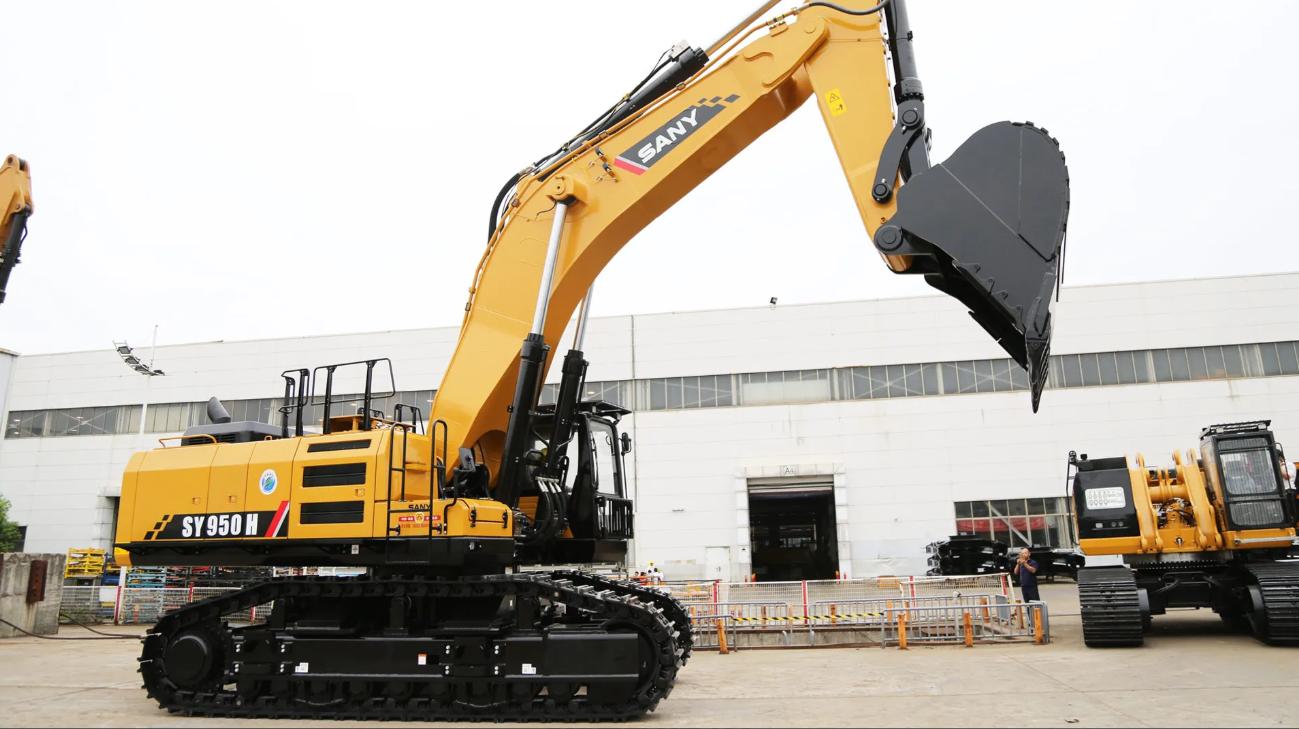
Excavator
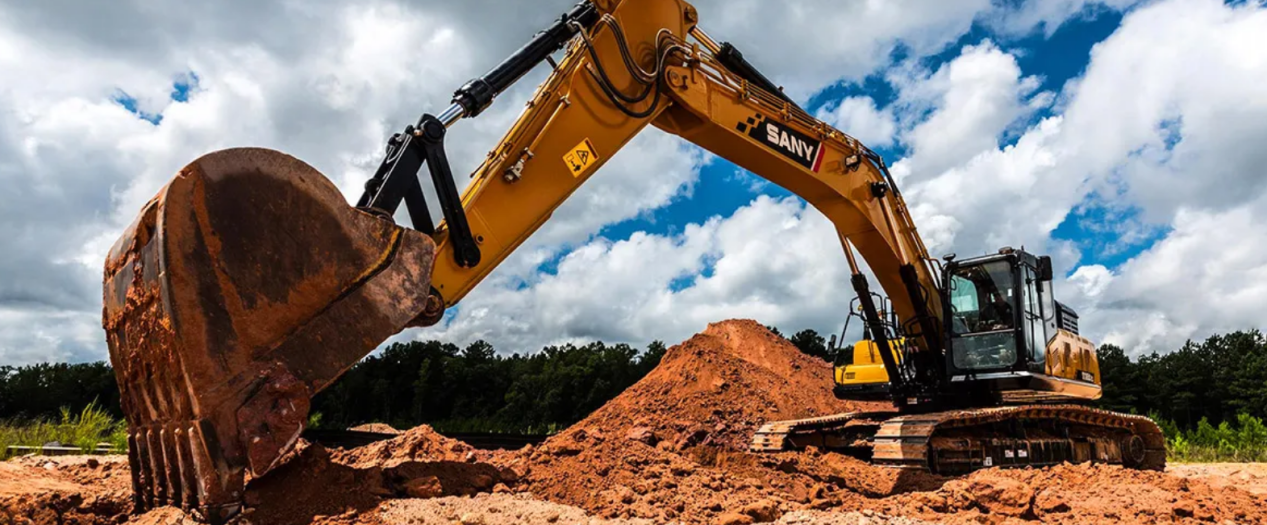
Excavators are versatile, capable of excavation, lifting, demolition, and underwater operations. With their rotating cab, telescopic boom, and interchangeable attachments, they offer a wide operating range, power, and precision, making them suitable for commercial and residential construction projects requiring heavy excavation.
Large excavators, as heavy equipment, are crucial for industrial-scale operations, used for topsoil removal in mining, large-scale earthmoving projects, high-altitude demolition, and can also dig deep trenches, quarry, and lift heavy objects, making them suitable for large infrastructure projects. SANY large excavators are a good choice, with operating weights ranging from 36 to over 125 tons. They are also easier to maintain, and durable oils and filters extend maintenance intervals, potentially saving you up to 50% on costs.
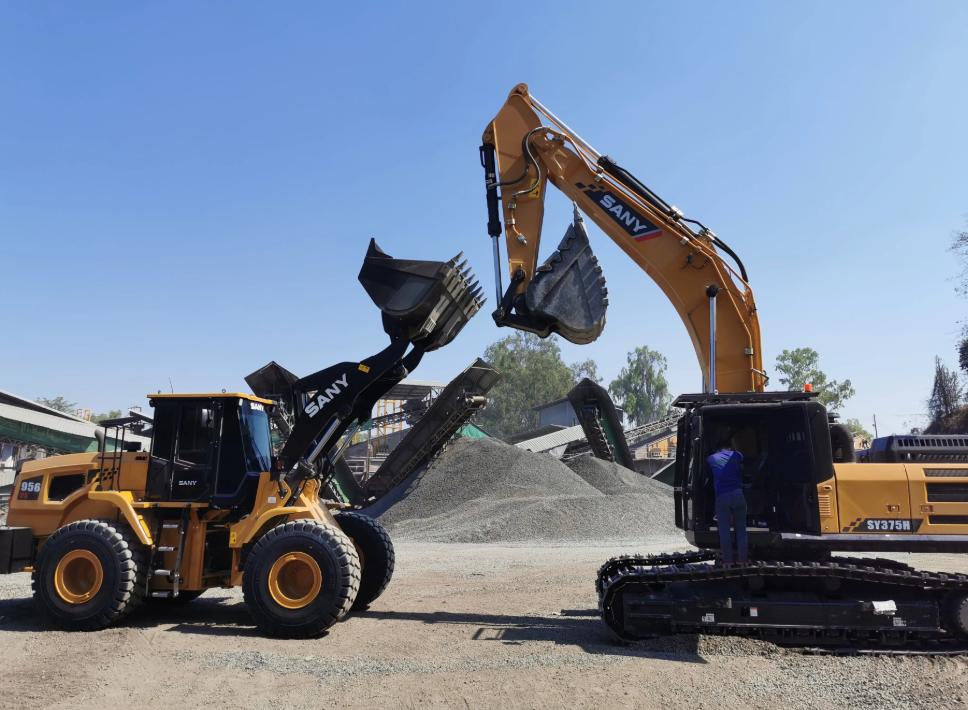
Wheel Loader
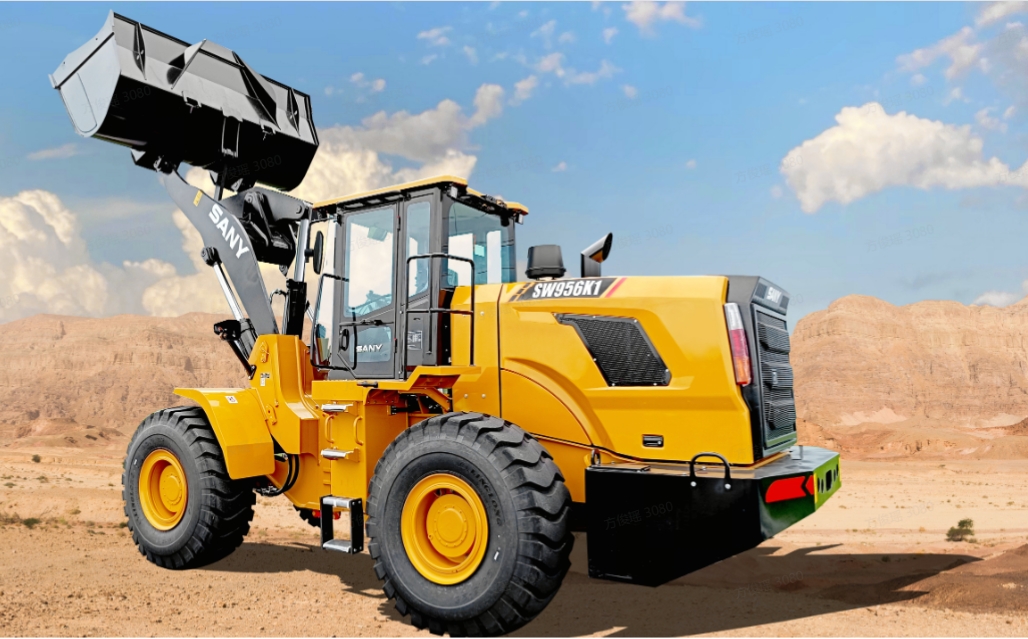
Wheel loaders primarily use a front-mounted bucket to pick up, transport, and load loose materials. With their articulated steering and excellent maneuverability, they can efficiently complete fast and heavy-duty loading operations on construction sites and mining operations. SANY also offers high-performance wheel loaders with operating weights ranging from 10-25 tons, featuring a more robust frame, proven key components, and improved braking technology to enhance your work efficiency.
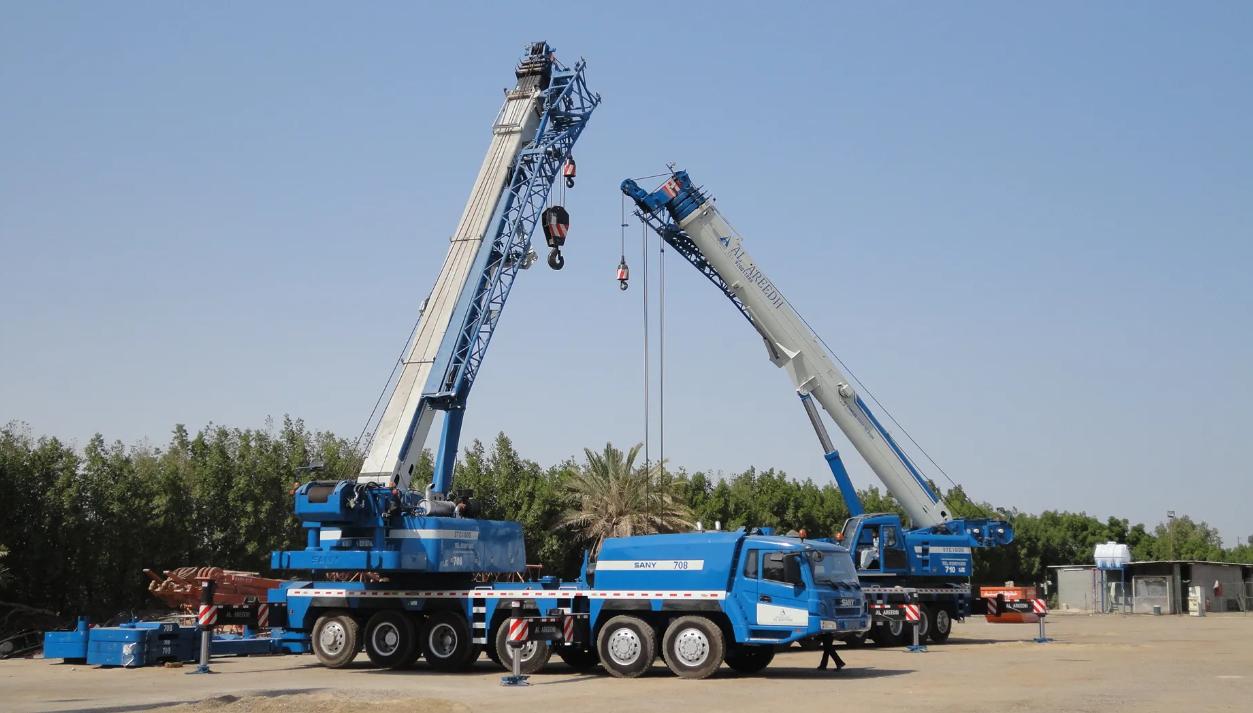
Crane
Cranes are primarily used for lifting and moving heavy materials such as steel beams and precast concrete. Types include mobile cranes and stationary tower cranes, suitable for large-scale assembly operations in infrastructure, industrial, and commercial projects.
Truck cranes have a wide range of applications. In the construction industry, they can lift heavy building materials such as steel beams, concrete slabs, and glass curtain walls; in road maintenance, they can install road signs, maintain lighting facilities, and participate in bridge construction; in the industrial and logistics sectors, they can perform cargo and container loading and unloading, equipment maintenance, and lifting operations on production lines.
SANY offers different types of truck cranes with lifting capacities ranging from 45 tons to 120 tons, sufficient to meet the construction needs of various projects.
Roller
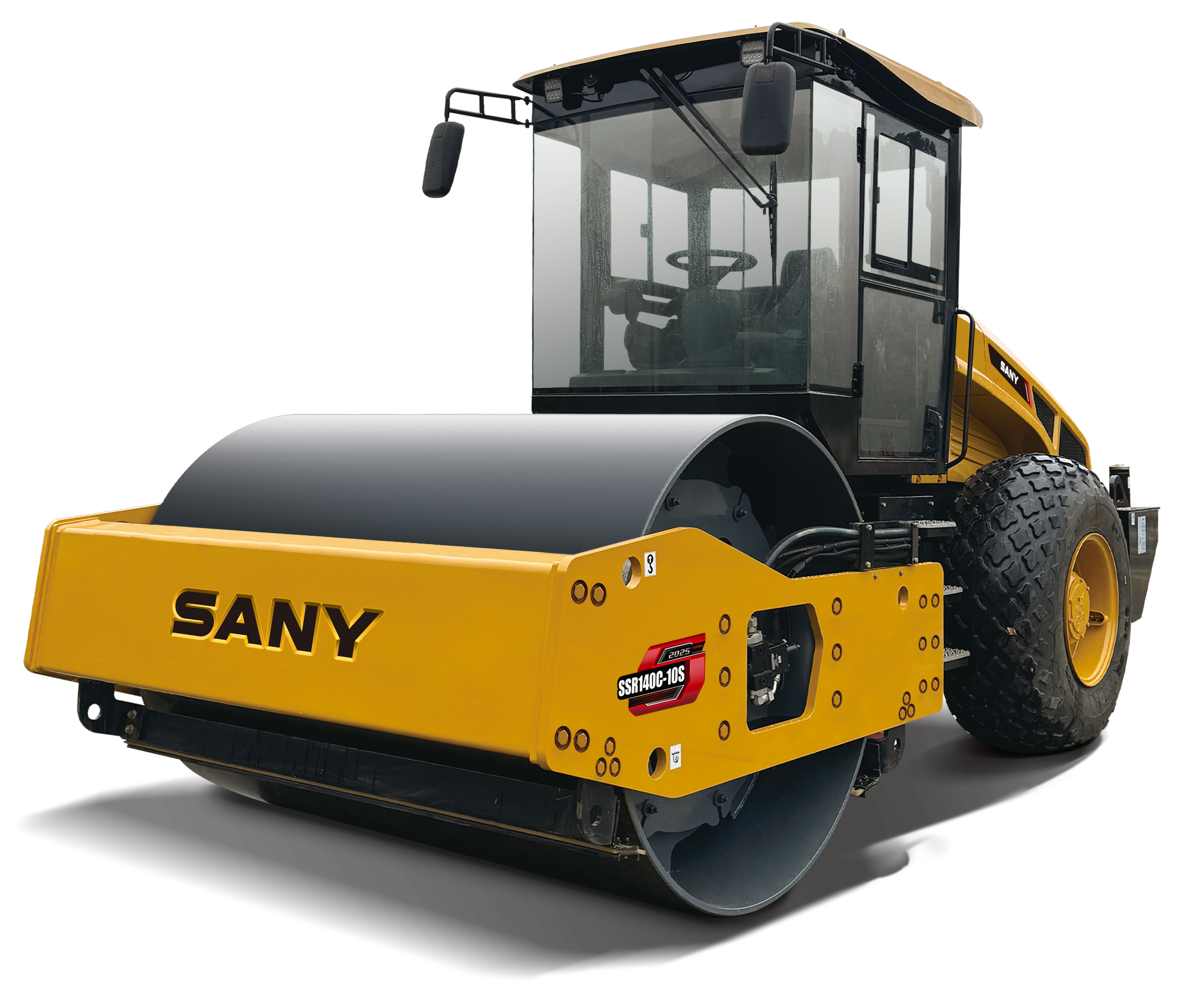
Road rollers are mainly used to compact newly paved asphalt pavements and road bases. Depending on the actual compaction requirements, types such as smooth drum rollers, pneumatic rollers, or double-drum rollers can be selected. Their core function is to eliminate air pockets in the pavement, increase pavement density, thereby effectively improving pavement durability and ensuring road construction quality. SANY offers different types of rollers, including single-drum rollers (single-drive), single-drum rollers (double-drive), double-drum rollers, and pneumatic tire rollers, allowing you to choose according to your construction needs.

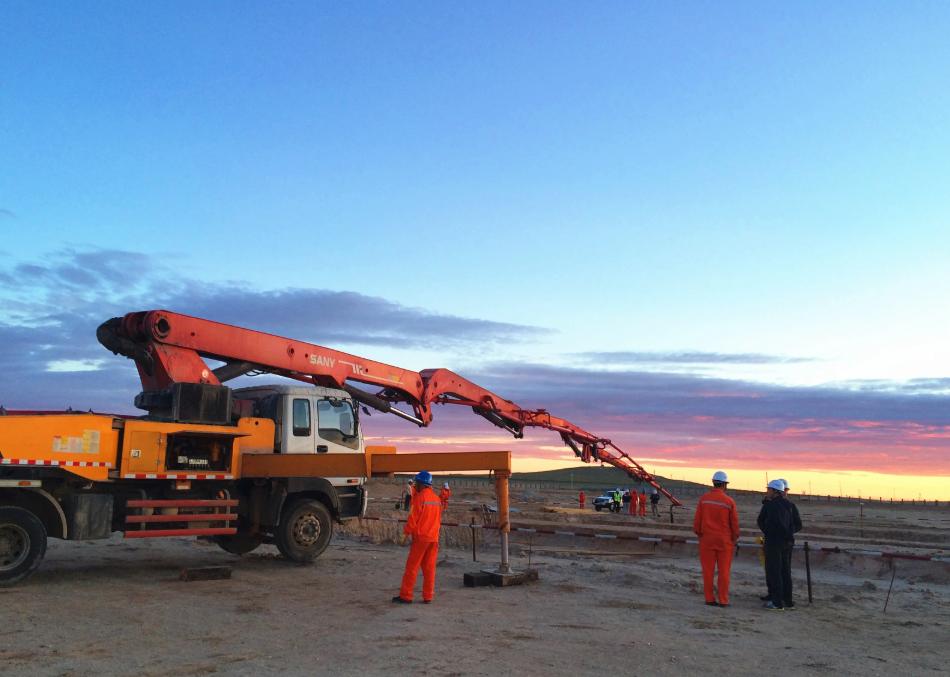
Concrete Pump
A concrete pump is a machine used to precisely deliver concrete from a mixer truck to the desired pouring location via pipes, hoses, or telescopic boom systems using hydraulics and piston pumps. It can operate even at high elevations, far from roads, or obstructed by buildings.
Truck-mounted concrete pumps are widely used. Equipped with a movable boom, they enable large-volume, rapid pouring in large projects such as commercial buildings, high-rise buildings, and bridge decks. They can precisely deliver concrete to high, narrow, or remote areas and are also applicable to residential and commercial foundation pouring, infrastructure repair and reinforcement, effectively improving construction efficiency, reducing labor costs, and accelerating construction progress.
SANY also offers various sizes of truck-mounted concrete pumps with vertical heights ranging from 24 to 70.2 meters to support different engineering projects.
Roadheader
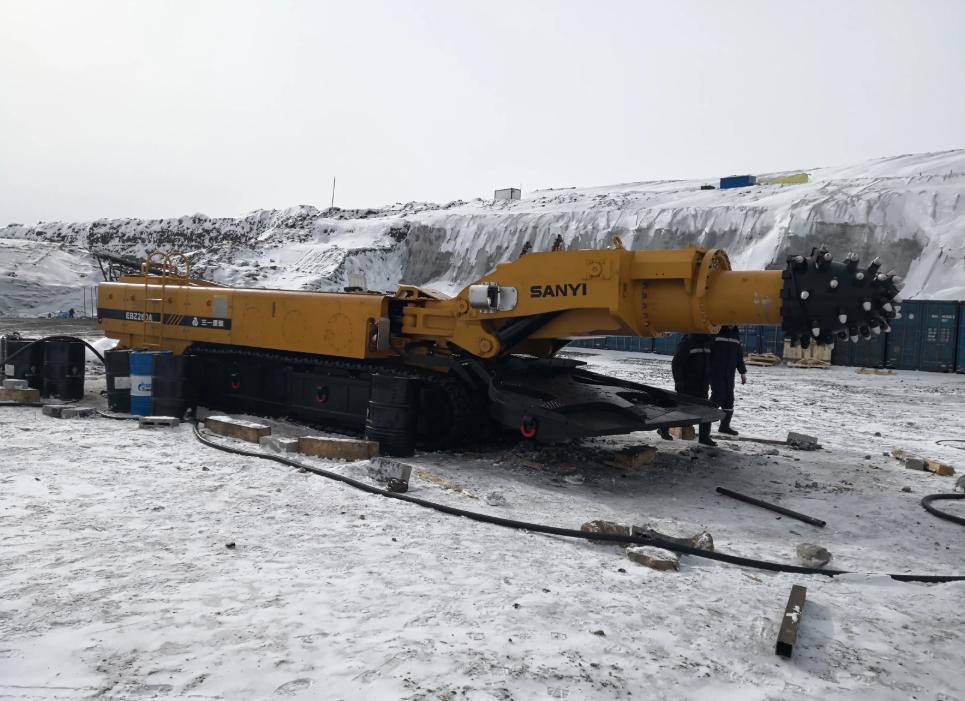
A roadheader is a powerful tracked machine with a boom equipped with a rotating cutting head. Its core purpose is to perform precise and continuous mechanical excavation in tunnels, mining, and civil engineering projects. Compared to explosives, it is more flexible, safer, and produces less vibration. It is mainly used in tunnel excavation, mining operations, and underground construction, capable of cutting various rock contours with high precision. It can also be used for the expansion and repair of existing underground structures and is suitable for working in confined spaces.
SANY offers different types of Roadheaders, including the EBZ Series, STR Series, and SCR Series, suitable for working environments such as coal, semi-coal, full coal, rock, and non-coal.
Rotary Drilling Rig
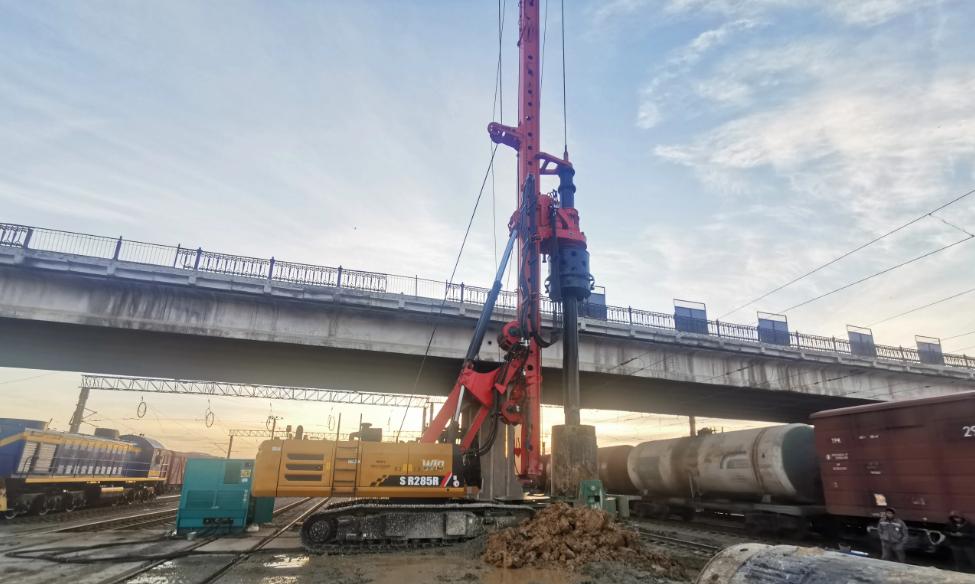
A rotary drilling rig is a heavy-duty machine primarily used for efficient deep-hole drilling. It has a wide range of applications, including building wells for homes, farms, and businesses; installing geothermal systems; surveying geological conditions for buildings; testing groundwater quality; and in various engineering projects such as mineral exploration, oil and gas extraction, bridge and skyscraper bored pile construction, geotechnical engineering investigation, and slope stability assessment.
SANY also offers different types of rotary drilling rigs, including the C10, W10, and H10 models, as well as multi-functional rotary drilling rigs. These rigs feature high torque and drilling pressure, and are highly durable and reliable.
Piling Drivers
As heavy equipment, piling drivers are primarily used to drive support columns deep into the ground to stabilize soft soil and ensure a solid building foundation. They come in three types: hydraulic, diesel, and vibratory, catering to various project needs, and are particularly suitable for applications requiring high ground stability, such as bridges, towers, and waterfront projects.
How to Choose the Right Construction Equipment for Your Project?
Choosing the right construction equipment is a prerequisite for the success of a construction project. It not only ensures efficient and safe construction but also contributes to the steady development of the construction business by making rational use of resources and improving productivity. Many factors influence equipment selection, requiring comprehensive consideration based on the specific project requirements. These factors can be discussed from the following aspects:
1. Select Equipment Based on Project Requirements
The core principles guiding equipment selection for the specific tasks the project needs to accomplish must ensure a precise match between equipment performance and the work scope. For example, deep foundation pit excavation projects require earthmoving equipment such as excavators, while road paving projects are better suited to road rollers and asphalt pavers. Lifting operations should prioritize cranes to avoid a mismatch between equipment functionality and task requirements.
2. Considering Site Conditions
The actual conditions of the work site directly affect the equipment's performance. Key factors to consider include soil conditions, terrain slope, workspace, and weather conditions. For example, tracked equipment is suitable for soft, muddy terrain to ensure stability, while wheeled equipment offers greater mobility for firm, flat sites. In confined spaces, priority should be given to flexible, easy-to-operate equipment to avoid site limitations hindering construction.
3. Consider Budget Constraints
Project budgets set practical boundaries for equipment selection, requiring a balance between the purchase and rental costs of equipment and the value it brings to the project. Large projects can utilize high-end equipment, leveraging its speed and efficiency to reduce overall construction costs; smaller projects can opt for multi-functional or mid-range models to achieve a cost-benefit balance and avoid unnecessary waste of funds.
4. Confirm Equipment Availability
Equipment availability directly impacts construction progress. It's crucial to plan equipment rental and delivery cycles in advance to avoid project delays due to equipment shortages. During peak construction seasons or in remote areas, if the target equipment is difficult to obtain, alternative equipment can be temporarily used. Prioritizing readily available equipment or planning construction based on known equipment availability periods ensures smooth workflow and reduces unexpected downtime.
5. Matching Operator Professional Knowledge
Efficient equipment operation relies on skilled operators. It's essential to select equipment that team members are proficient in operating. This ensures stable equipment performance and minimizes training time and operational errors. If team members lack proficiency in operating a particular type of equipment, training should be arranged in advance, or equipment selection should be adjusted to avoid affecting construction quality and safety due to improper operation.
Conclusion
In summary, the rational selection and application of construction equipment is crucial to ensuring efficient, safe, and high-quality project delivery. From earthmoving to material handling, from road construction to underground operations, each type of equipment plays an irreplaceable role in its specific field. By precisely matching project needs, site conditions, and budget, and combining this with the operator's professional knowledge, the value of construction equipment can be maximized, achieving optimal resource allocation and significantly improving production efficiency, thus laying a solid foundation for the success of various engineering construction projects.
FAQs
What Equipment is Used in Construction?
Various specialized equipment is used in construction, which can be categorized by function as follows:
- Earthmoving machinery: Excavators, bulldozers, wheeled tractor-mounted scrapers, small loaders, wheel loaders, etc., used for earth excavation, site leveling, and material handling.
- Lifting equipment: Cranes, telescopic forklifts, etc., used for lifting heavy building materials and components.
- Foundation construction equipment: Pile drivers, used for foundation pile construction.
- Concrete equipment: Various concrete machinery, responsible for concrete mixing, conveying, and pouring.
- Specialized engineering equipment: Mining and tunnel boring machines, used for tunnel and underground engineering operations.
What are the Basic Construction Tools?
To meet the needs of residential and light construction sites, the basic construction tools are as follows:
- Pencil: The most basic marking tool, key for on-site setting out and recording.
- Utility knife: Used for cutting materials and cleaning details.
- Tape measure and level: Ensure accurate measurement and horizontal construction.
- Chalk line: Responsible for long-distance straight line marking.
- Hammer, wrench and screwdriver: Undertake basic operations of knocking and fixing, nut adjustment, and screw assembly/disassembly respectively.
What are the Basic Construction Items?
The main basic materials used in building construction are as follows:
- Steel, cement, concrete, and ready-mixed concrete: used for structural pouring and reinforcement.
- Binding wire: used for fixing reinforcing bars to ensure the stability of the steel structure.
- Timber, stone, and bricks: used as wall, structural, and decorative materials.
- Auxiliary raw materials such as aggregates: used in conjunction with the main materials to meet construction needs.
These materials constitute the main body of the building, meet various construction requirements, and are essential materials for engineering construction.
Featured Products

Recommend Blogs
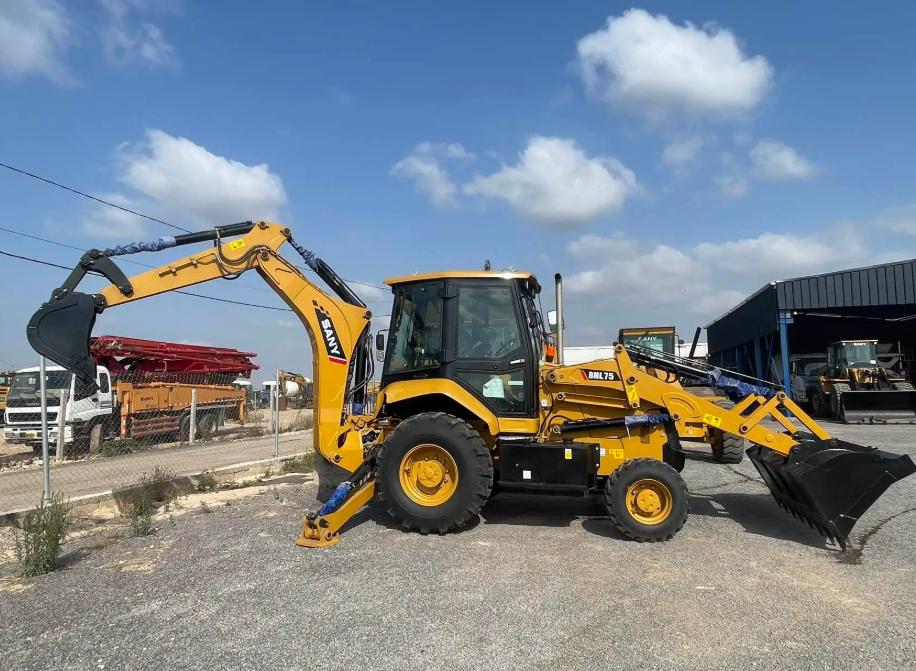
The Difference Between Backhoe Loader and Excavator: Efficient Construction
This article details the difference between backhoe loader and excavator, and provides specific selection recommendations.

How to Read a Crane Load Chart: Key Elements, Interpretation Tips, and FAQs
Detailed guide to crane load charts: definition, five key elements, and a step-by-step walkthrough on how to read a crane load chart. Avoid common mistakes and keep frontline crews safe.
Excavator vs Bulldozer: Functions, Key Differences and How to Choose
Not sure whether excavator vs bulldozer is the right choice? This article explains both machines’ functions, differences, and selection methods to help you pick the best equipment for 2025 construction projects