What Is the Milling Machine? Everything You Need to Know
This article introduces what is the milling machine, its working principle, structure, functions, and key points for selecting one.
In core machining scenarios, milling machines occupy a crucial position due to their flexible and efficient cutting capabilities. From machining micro-parts for precision instruments to carving large components for heavy equipment, their assistance is indispensable. So, what is the milling machine? This article will provide a systematic introduction to the description of milling machines, outlining their definition, working principle, applications, and key selection points, offering you a complete guide to milling machines.
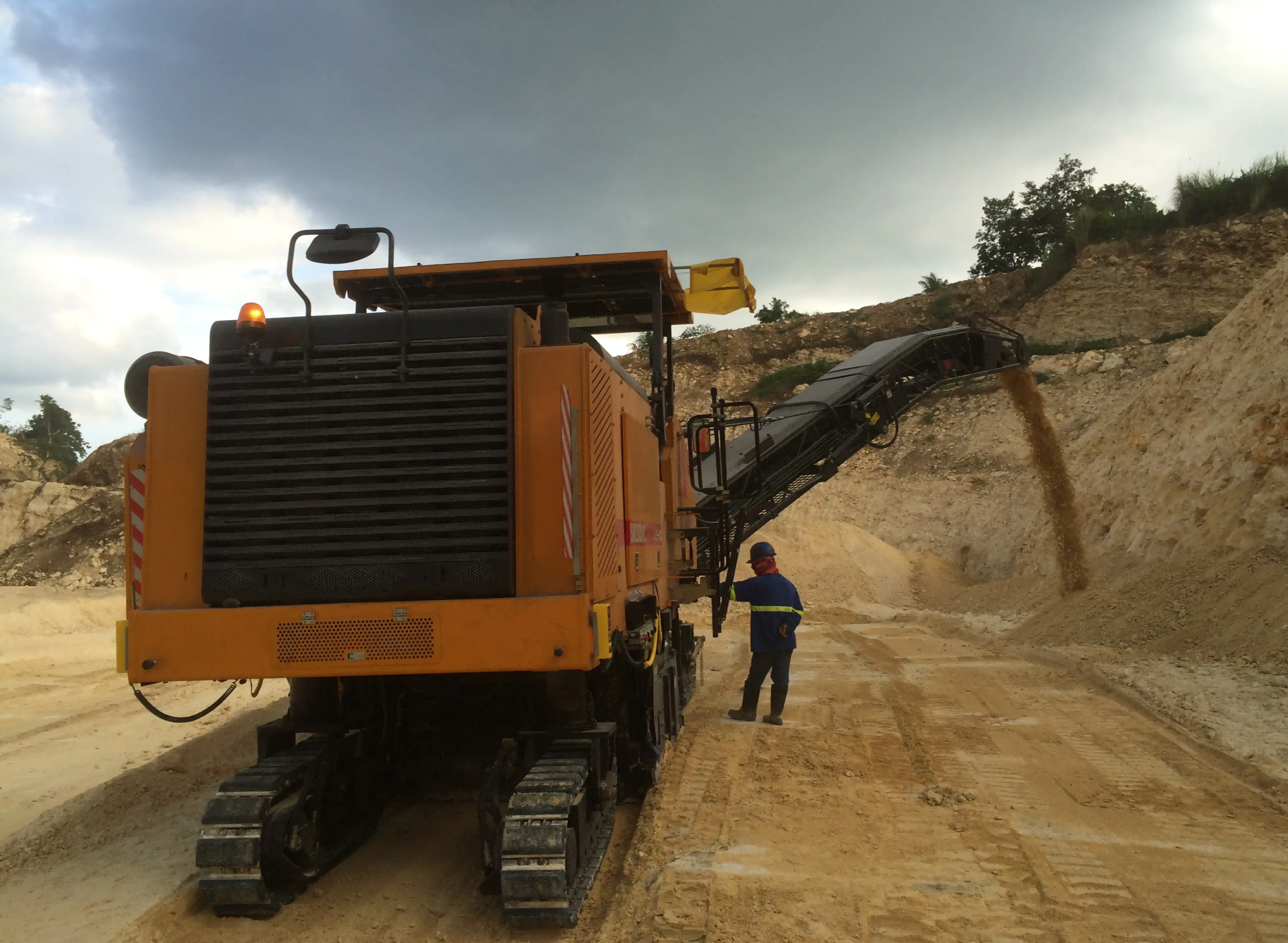
What Is the Milling Machine?
A milling machine is a machine tool that uses milling cutters to machine various surfaces of a workpiece. It uses rotating inserts to scrape away excess material from a solid material, thereby shaping the solid material. Unlike a lathe where the workpiece rotates, the milling machine uses rotating cutters, which typically move along multiple axes (X, Y, Z, etc.), to create precise planes, grooves, complex contours, and complex shapes, enabling high-precision manufacturing and prototyping.
Working Principle
The working principle of a milling machine is that the cutting tool rotates at high speed (main motion), and the workpiece moves along different axes (X/Y/Z) (feed motion). The material is removed layer by layer by the cutting edge of the milling cutter, and the workpiece fixed on the worktable is processed into the required shape and size, such as a plane, curved surface, groove, gear, etc. It is often used to process parts with high precision requirements.
- Cutting Motion: The motor drives the milling cutter to rotate at high speed (main motion). The cutting edge continuously contacts the workpiece, removing metal or other materials to form cutting chips.
- Feed Motion: The workpiece (or tool) moves along a predetermined trajectory in the X (left/right), Y (forward/backward), and Z (up/down) coordinate axes (feed) to complete cutting at different positions and angles.
- Material Removal: Through rotation and feed, the milling cutter "mills away" excess material from the workpiece to meet the design requirements of the part.
Key Components
The precise and efficient operation of a milling machine relies on the coordinated functioning of its various components. Behind the seemingly complex cutting operations are multiple core structures working in an orderly manner. The key components of a milling machine include:
- ·Bed and Column:The base and support of the milling machine, providing overall structural rigidity and stability, and mounting other components.
- Table:The platform for placing and clamping workpieces, movable along the X, Y, Z (or more) axes to adjust workpiece position.
- Spindle:Mounts the milling cutter and is driven by a motor to rotate at high speed, providing the cutting motion.
- Milling Cutter: A rotating cutting tool that performs intermittent cutting through its teeth; various types exist.
- Feed Mechanism: Controls the feed motion of the worktable or spindle, enabling the movement of the workpiece or cutting tool.
- Control System:Receives program instructions and automatically controls the movement of each component to achieve automated machining.
- Knee/Saddle:Supports the worktable and allows it to move vertically (Z-axis) and horizontally (Y-axis).
- Milling Head: Houses the spindle, speed changer, etc. On some vertical milling machines, the milling head can swing in the vertical plane.
- Tool Holder:Used to connect and secure the cutting tool to the spindle.
What Does a Milling Machine Do?
Milling machines, with their high-precision and highly flexible cutting capabilities, have become key equipment across multiple industrial sectors. They can machine complex parts such as shafts, housings, and irregularly shaped parts from various materials, including metals and non-metals. Their specific applications cover the following areas:
In the Mechanical Manufacturing Field
As the most basic and core application of milling machines, they are mainly used to process various general-purpose mechanical parts, including shafts, housings, brackets, connectors, gears, cams, and connecting rods. The high-precision machining characteristics of milling machines can strictly guarantee the dimensional accuracy and surface quality of parts, providing qualified basic components for complete machine assembly.
In the Mold Manufacturing Field
For the machining needs of injection molds, stamping molds, die-casting molds, and other molds, milling machines can accurately complete the cutting of complex structures such as mold cavities and cores. Because mold production has extremely high requirements for surface finish and machining accuracy, CNC milling machines have become the most widely used equipment in this field.
Aerospace Industry
To meet the high-strength, high-precision component machining needs of the aerospace industry, milling machines can handle the machining of core components such as engines and fuselage structures. Among them, high-end equipment such as five-axis CNC milling machines can efficiently machine complex-shaped aerospace parts.
Automotive Manufacturing Industry
Milling machines focus on the production and machining of key automotive components, covering engine blocks, cylinder heads, transmission components, axles, and chassis. The high process efficiency of CNC milling machines not only improves the machining accuracy of parts but also meets the needs of large-scale production in the automotive industry.
Electronics Industry
Milling machines are used to manufacture various precision electronic components and structural parts, such as complex circuit boards, precision housings, heat sinks, connectors, sockets, and semiconductor device assemblies. The high precision and repeatability of milling machines allow for the direct machining of robust and durable electronic components from raw materials.
Medical Device Industry
Milling machines are used to manufacture various medical devices and implants, including surgical instruments, orthopedic implants, dental instruments and implants, prostheses, exoskeletons, and robotic surgical instruments. CNC milling technology, with its ability to manufacture precision and complex components, is a crucial support for the production of these life-saving devices.
Energy Industry Sector
Milling machines play a crucial role in specific energy sub-sectors such as oil, natural gas, and electricity. They are primarily used to process valves, turbine blades, and large structural components to meet the performance requirements of high-load operation of energy equipment.
Prototype Design and Rapid Prototyping Sector
Milling machines are used to assist in the prototype manufacturing stage of product development. They can produce high-precision functional prototypes, providing reliable physical support for product design verification and performance testing, and shortening the development cycle of new products.
What Factors Need to Be Considered When Selecting a Milling Machine?
Choosing a milling machine that suits your production needs requires a comprehensive assessment considering factors such as the machining scenario and cost budget. Specific factors to consider include:
Machining Requirements
- Workpiece Material: Materials with varying hardness and thermal conductivity, such as aluminum, steel, stainless steel, and titanium alloys, require machine tools with different power ratings and cutting tool options.
- Part Geometry: Simple planar machining can be performed using 3-axis machining, while complex 3D curved surfaces and inclined surfaces require 4-axis or 5-axis machine tools.
- Machining Accuracy and Surface Quality: Higher requirements for surface roughness (Ra) and dimensional accuracy necessitate high-precision machine tools and precise cutting parameters.
- Part Size and Travel: The X, Y, and Z axis motion range (travel) of the machine tool must be able to cover the entire movement trajectory of the workpiece and the cutting tool. The machine tool should also be selected based on the size and specifications of the parts being machined. For large parts, a gantry milling machine or a moving column milling machine with a large travel range should be selected; for small parts, a conventional milling machine can be used to avoid wasting equipment resources.
Control System
Prioritize identifying the type of control system for the milling machine. CNC systems offer a high degree of automation and wide applicability, meeting the high-precision machining requirements of complex parts; manual control systems have lower operating barriers and lower equipment purchase and maintenance costs, making them more suitable for small-batch machining of simple parts.
Machine Tool Types
Milling machines come in a wide variety, with different types corresponding to different machining objects and application scenarios. The appropriate machine tool type must be selected based on the shape, structure, and machining process requirements of the part to be processed. The following points can be considered:
- Number of Axes: 3 axes (X, Y, Z), 4 axes (plus rotary), and 5 axes (multi-axis linkage) determine the machining capacity and complexity.
- Spindle Speed and Power: Based on the material hardness, select sufficient spindle speed and power to avoid machining interruptions or low efficiency.
- Level of automation: Is a fully automatic numerical control (CNC) machine tool required, or a general-purpose machine tool to meet specific needs?
Machine Power
Select a milling machine with appropriate power based on the hardness of the material being machined, the cutting depth, and other workload requirements. Sufficient power ensures the stability and efficiency of cutting operations, preventing decreased machining accuracy or equipment failure due to insufficient power.
Budget Range
Milling machine prices vary widely. First, determine your purchase budget, then select equipment within that budget that meets your core machining needs, balancing equipment performance with investment costs.
Manufacturing Quality
Manufacturing quality is the core guarantee of a milling machine's durability and machining accuracy. Inferior milling machines cannot withstand the impact loads of milling operations and are prone to problems such as machine body deformation and accuracy drift. Therefore, it is essential to prioritize equipment from reputable brands with mature technology and reliable quality.
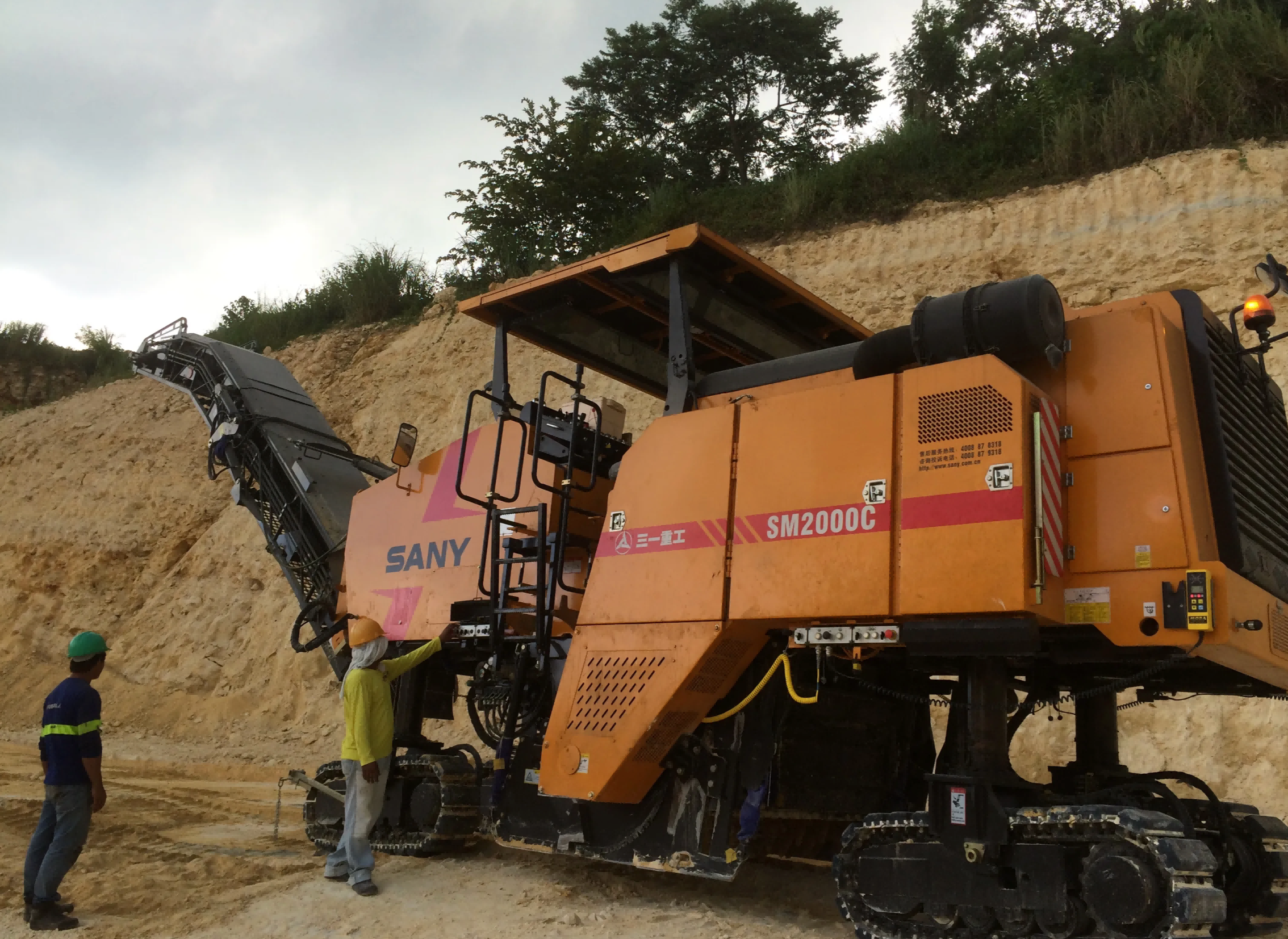
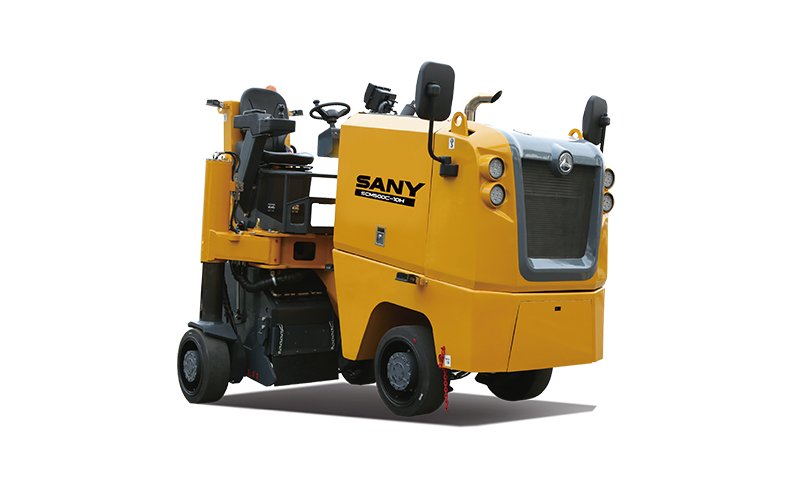
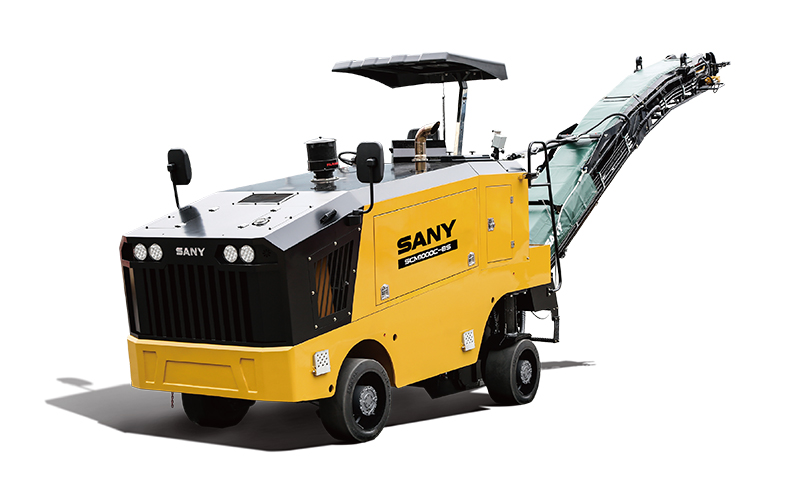
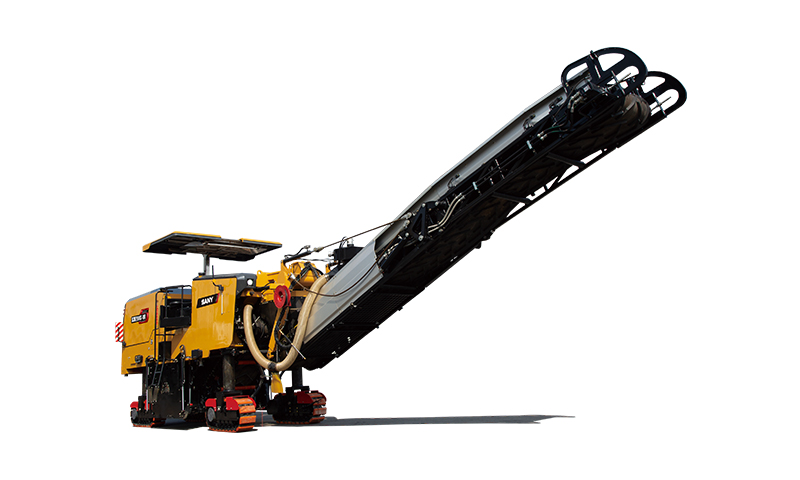
For example, the SANY Milling Machine is a good choice. It boasts powerful grinding performance, a maximum milling depth of 0-330 mm, and can complete the milling of surface, structural, and base layers in one pass. The maximum milling width is 1000-2010 mm, and the milling radius is ≤1.2 meters, which is beneficial for milling. Its industry-leading conveyor height allows for compatibility with dump trucks. The widened front wheel track ensures easy access to ordinary flatbed trucks, making it extremely versatile.
Equipment Configuration
Based on the technological characteristics of the parts to be machined and the workshop space conditions, select either a vertical or horizontal milling machine. Vertical milling machines offer convenient clamping and operation, making them suitable for machining planes and grooves; horizontal milling machines provide better chip removal performance and are more suitable for multi-station continuous machining.
Choosing a milling machine is a systematic project. The core is to match the machining task with the machine tool's capabilities, ensuring that accuracy and efficiency requirements are met while controlling costs to achieve the best return on investment.
Conclusion
What is the milling machine? It is not only a core piece of equipment in industrial manufacturing, but also a crucial link connecting production in multiple fields such as machinery, mold making, and aerospace. Choosing the right milling machine and using it effectively can ensure the precision and efficiency of parts processing, improve the quality and efficiency of production in various industries, and help the manufacturing process achieve higher-quality development.
FAQs
What Type of Tool Is a Milling Machine?
A milling machine belongs to the metal cutting machine tool category and is a core processing tool in the mechanical manufacturing field. It uses a rotating cutting tool as its core working component, achieving shaping by removing excess material from the workpiece. Unlike the "workpiece rotation" working mode of a lathe, it can perform various shapes such as planes, grooves, and complex contours on solid materials such as metal.
What Is a Concrete Milling Machine?
A concrete milling machine is specialized construction equipment used to remove the top layer of hardened concrete and prepare surfaces for resurfacing or repair. It works by using rotating cutters or drums to grind and remove concrete layers, creating a smooth, even substrate for new pavement or coatings. This process is widely used in road rehabilitation, floor preparation, and surface texturing in construction projects.
How Does Milling Work?
Milling removes excess material from a workpiece layer by layer through multiple independent small cutting motions. This can be achieved using a multi-tooth cutting tool, high-speed tool rotation, or a feed method that slowly advances the material towards the tool. In practice, these three methods are often combined to achieve precise shaping of the workpiece.
What Materials Can Be Used In Milling and Grinding Processes?
Materials used in milling processes are mainly divided into two categories: metals and non-metals.
Metallic materials include carbon steel, alloy steel, stainless steel, aluminum, brass, titanium, etc.
Non-metallic materials are mainly plastic products, commonly including acrylonitrile-butadiene-styrene copolymer (ABS), etc.
Different materials are suitable for different processing needs and scenarios.
Featured Products
Recommend Blogs

What Is Roadway Milling? Practical Guide & Construction Tips
What is roadway milling? This article provides a detailed answer to this question, focusing on the key steps and considerations of roadway milling.
2026 Asphalt Millings for Driveway Complete Guide
This article explains the pros and cons, core processes (milling, paving, maintenance), and key considerations of using asphalt millings for driveways.