Understanding 8 Types of Rollers: Choosing the Right Equipment for Your Project
This paper introduces road rollers, their applications and types of rollers, providing selection guidance for practitioners.
Road rollers are indispensable core compaction equipment in various engineering constructions such as roads, foundations, and railways. They have a wide range of applications and come in many different types, with different compaction requirements for different scenarios and materials corresponding to different types of rollers. This article provides a detailed introduction to road rollers, helping those who need it understand the types of road rollers and how to select the appropriate model.
What is a Road Roller?
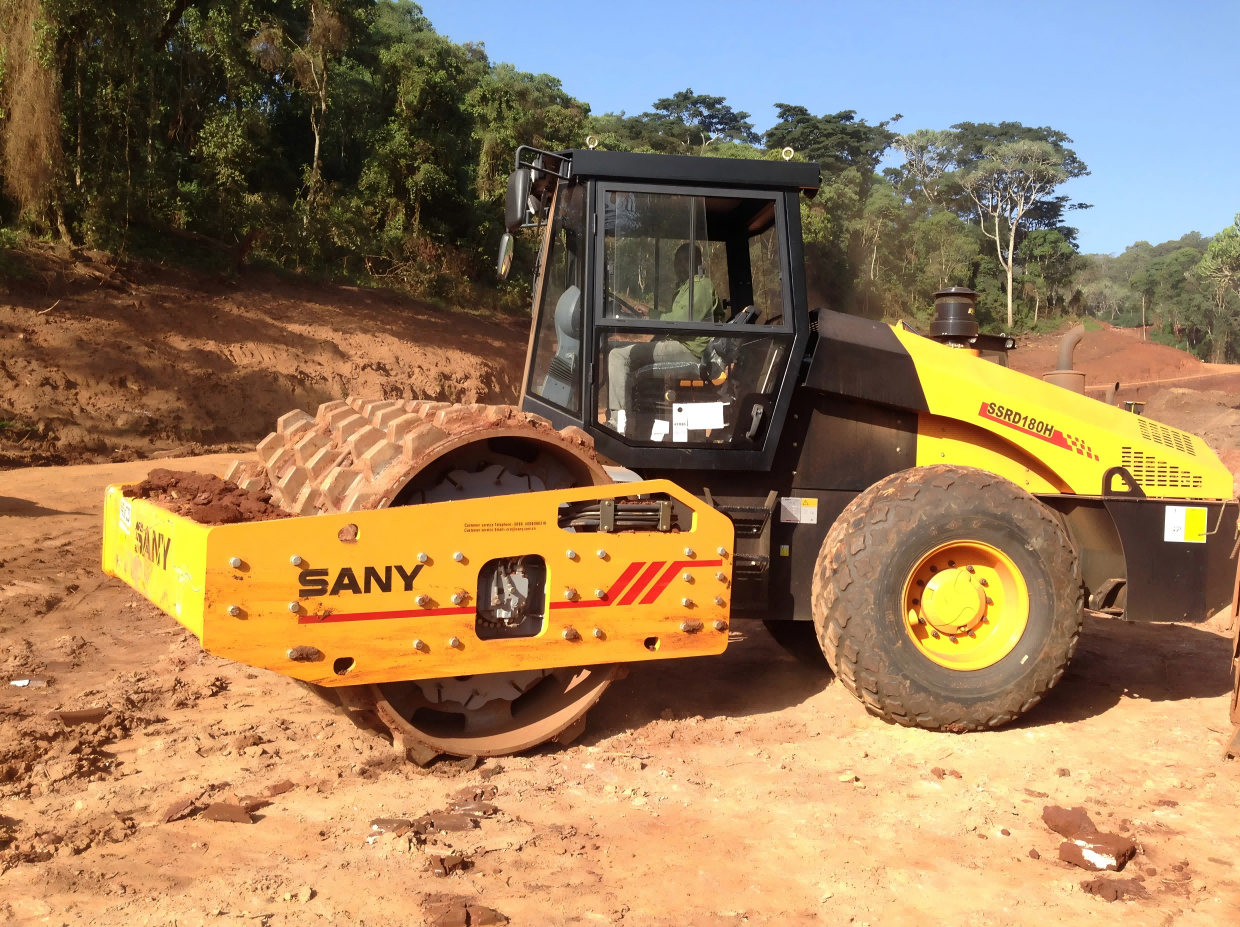
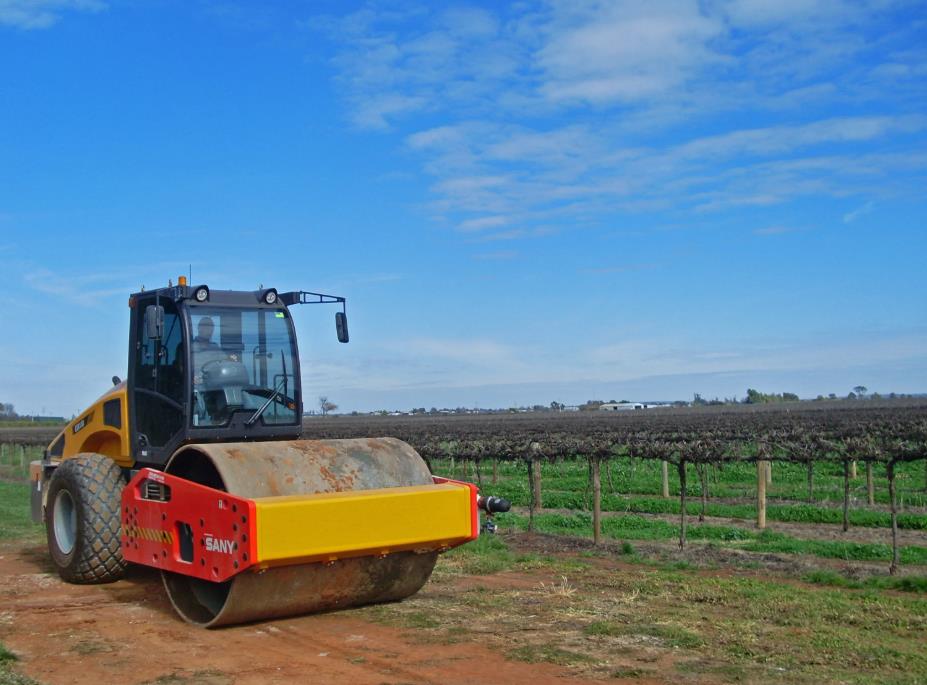
A road roller (also known as a compaction roller, or simply a roller) is a type of compaction machinery that uses gravity, vibration, and other physical forces to compact materials such as soil, gravel, concrete, and asphalt, thereby improving the strength, smoothness, and stability of the ground.
Application scenarios of road roller
Road roller is primarily used in the following scenarios:
1. Road Construction and Maintenance
It covers the construction and maintenance of highways, streets, parking lots and small paved areas. It compacts soil, gravel bases and asphalt layers, completing the full process from base compaction to asphalt finishing and reinforcement, ensuring a strong, durable and smooth surface. It also eliminates air voids in asphalt layers to improve quality.
2. Foundation and Building Construction
It is used for the preparation of building structures such as foundations and walls. By compacting soil, it forms a stable base for subsequent concrete pouring. It is also suitable for earthwork, including filling and backfilling. Compacted soil prevents settlement and deformation, ensuring the stability of later construction. Some compactors can also perform deep compaction to improve soil bearing capacity.
3. Railway Construction
It is specially used to compact ballast and other related materials supporting railway tracks, providing a stable foundation for railways.
4. Landfill Sites
In landfills, it compacts waste and soil, saving landfill space and forming a uniform and stable landfill body.
5. Landscaping and Agriculture
In landscaping, it is used to level and compact soil. In agriculture, it can level land and break up clods to prepare for farming.
6. Industrial and Site Grounds
It is used to level sites, concrete blocks and industrial floors. It can also finish pre-compacted ground to create a smooth and uniform surface.
The Main Road Roller Types
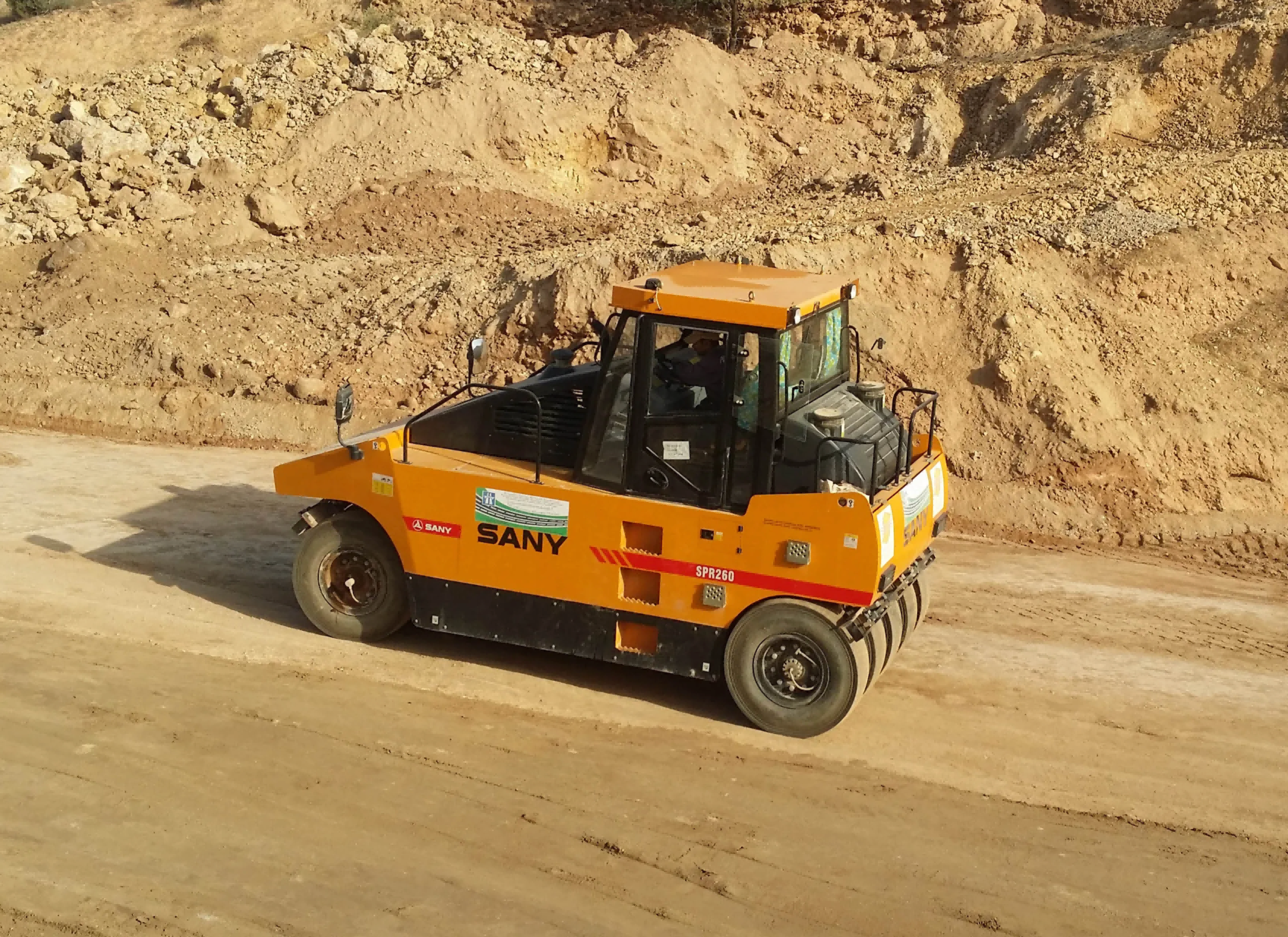
Road rollers are indispensable compaction equipment in engineering construction, and the roller type directly determines the construction effect and applicable scenarios. To help you select the right type and operate efficiently, the following article will systematically introduce the eight mainstream types of road rollers, explaining the structural characteristics, working principles, and application scenarios of each model, so that you can clearly understand the advantages and disadvantages of different road rollers and their applicable working conditions.
1. Smooth-Drum Roller
-Definition:It takes smooth steel drums as the core compaction components and is a widely used basic type, which can be divided into static and vibratory types, usually single-drum and twin-drum.
-Applicable working conditions:Structurally, it has one front steel drum and two rear special tires, with a compact body and strong mobility for narrow-area operation, applicable to foundation construction, highway and sidewalk paving. The static smooth-wheel roller, without vibration components, relies only on its own weight for light compaction, featuring simple operation and no noise.
-Advantages and disadvantages:This roller has the advantages of high safety and wide applicability, but the disadvantages include heavy front weight and high requirements for the road surface. It is suitable for compacting asphalt and other granular materials.
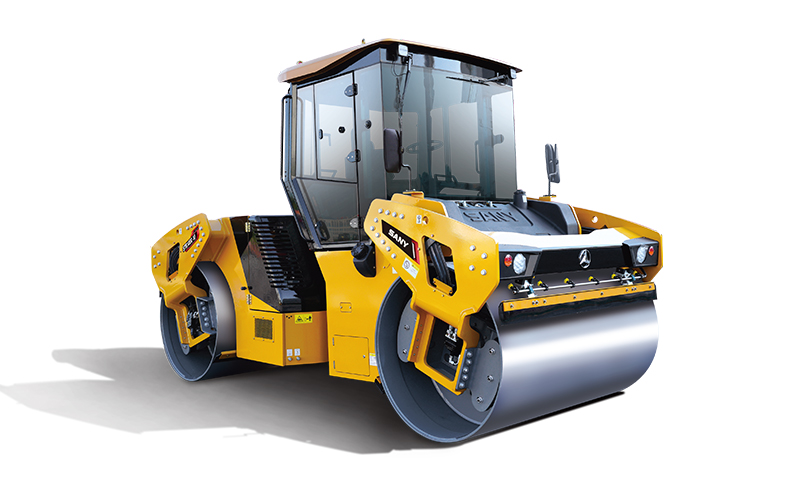
2. Double-Drum Roller
-Definition:Equipped with one steel drum at the front and one at the rear, it operates through synchronous rolling of the two drums. Its key feature is high working efficiency, enabling rapid leveling and paving of large areas with targeted application.
-Applicable working conditions:It is suitable for flat or gently sloped asphalt surfaces, highways, large-scale paving projects, etc., achieving balanced compaction and ensuring smooth pavement.
-Advantages and disadvantages:It has outstanding compaction efficiency and good adaptability to asphalt pavements, but its traction force is weak, making it unsuitable for complex construction environments with uneven terrain and high resistance.
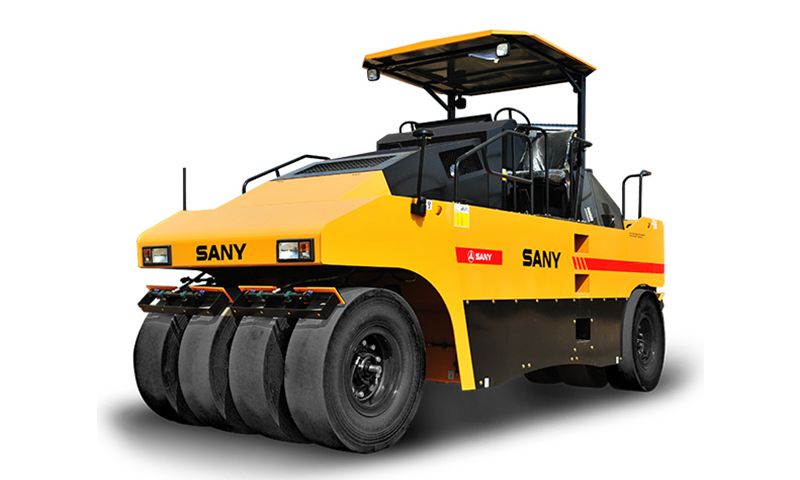
3. Tire Rollers
-Definition:Centered on multiple rows of pneumatic rubber tires without steel drums, it achieves uniform compaction through the flexible kneading effect of tires. The tires have a large contact area with the working surface and even pressure distribution.
-Applicable working conditions:Suitable for final compaction of asphalt mixtures and leveling of asphalt layers, it can effectively eliminate road wheel tracks and create smooth surfaces. It is widely used in highways, urban roads, parking lots and other scenarios.
-Advantages and disadvantages:It offers uniform compaction and high-quality pavement, but has limited compaction depth, is only applicable to surface or shallow compaction, with poor adaptability to complex subgrades.
4. Vibratory Roller
-Definition:Its core feature is a special vibration mechanism, achieving compaction by combining self-weight and vibration. It has a similar structure to the smooth-wheel roller, with adjustable amplitude and frequency according to material types.
-Applicable working conditions:Suitable for compacting non-cohesive soil, crushed stone mixtures, asphalt concrete, etc., it effectively removes internal voids and realizes deep compaction with high efficiency. It is mainly used in the construction of highways, airports and large roads.
-Advantages and disadvantages:It provides deep compaction and adapts to most foundation projects, but generates high noise during operation, making it unsuitable for vibration-sensitive areas such as hospitals and residential areas.
5. Sheep-foot Roller
-Definition:The drum is fitted with sheep-foot, cylindrical or square protrusions. It achieves deep compaction by kneading rather than simple rolling, and its weight can be adjusted by adding water, wet sand or steel components.
-Applicable working conditions:Specially designed for cohesive soils such as clay and silt, it is suitable for large earthworks, foundations, dam construction and other scenarios requiring deep compaction. It can penetrate soil to expel air and achieve uniform compaction.
-Advantages and disadvantages: It delivers excellent deep compaction with strong pertinence and high flexibility, but has a narrow application scope, only adapting to cohesive soils. The surface needs finishing by equipment such as pneumatic rollers after compaction.
6. Combination Roller
-Definition:Equipped with a smooth steel drum at the front and rubber tires at the rear, it combines the advantages of static compaction (steel drum) and dynamic compaction (tires).
-Applicable working conditions:Mainly used for asphalt work, the steel drum performs high-intensity compaction while the rubber tires apply gentle pressure, achieving uniform and fine surface finishing and avoiding surface damage. It is an ideal choice for final asphalt compaction.
-Advantages and disadvantages: Combining the advantages of vibration compaction and kneading compaction, it features a good compaction effect, high surface smoothness, and wide applicability (asphalt, stabilized soil). Its disadvantages are that the structure is more complex, the maintenance cost is slightly higher, the operating skills are more demanding, and the efficiency is slightly lower than that of pure steel wheels on certain subdivided hard substrates.
7. Oscillatory Roller
-Definition:It uses an oscillating mechanism instead of a vibrating one, producing lateral (side-to-side) movement rather than vertical (up-and-down) vibration. Its core advantage is low impact on surrounding structures.
-Applicable working conditions:Suitable for areas requiring reduced vibration interference, it achieves effective compaction while avoiding damage to nearby buildings and facilities.
-Advantages and disadvantages:Oscillatory rollers maintain continuous contact with the ground, reducing the number of compaction passes and preventing road surface damage and over-compaction, resulting in better asphalt compaction. They also have low vertical impact and low noise, making them suitable for vibration-sensitive areas such as bridges and urban areas. The disadvantage is that, compared to traditional vibratory rollers, the total compaction capacity of oscillatory rollers is relatively lower.
8. Special-purpose Roller
-Definition:Designed for specific tasks that conventional rollers cannot handle, it has unique structures and functions for special scenarios.
-Main Categories and Applicable Working Conditions:
- Landfill Roller: Heavy-duty with spiked wheels, compacts and crushes waste, suitable for landfills.
- Stone Spreader Roller: Evenly spreads crushed stone, levels the roadbed, suitable for the early stages of road paving.
- Trench Roller: Small vibrating roller, suitable for compacting trenches and narrow areas.
- Recycled Stabilized Roller: Mixes and compacts soil and old asphalt, suitable for road repair and roadbed preparation.
How to Select the Right Road Roller?
Having learned about the types of rollers for compaction, the following aspects also need to be considered when selecting one:
Clarify Core Project Requirements
- Clearly define the project scope and core requirements, including project type (such as parking lots, highways, small walkways, etc.), scale, construction period and environment.
- Light rollers can be used for small projects (such as driveways and walkways), while heavy-duty and high-power equipment is required for large projects like highways. For short-term projects, leasing is preferred to control costs; for long-term projects, the long-term value of direct purchase can be evaluated.
- Clarify the required compaction standards (such as density and flatness), as well as the moisture content and compaction depth of soil or paving materials, to ensure the selected equipment can meet these core conditions.
Match Equipment with Material Types and Compaction Requirements
Choose the right roller according to the material type and compaction depth required. Materials include fine sand, soft soil, cohesive soil, gravel and asphalt, each requiring a different roller. Light or smooth-wheel rollers are suitable for shallow compaction, while heavy or vibratory rollers are needed for deep compaction.
Consider Key Equipment Parameters
Parameters such as equipment size, compaction width, operating weight and engine power directly affect work efficiency and performance, so they should be fully considered in selection. For example, engine power should match the workload while ensuring fuel efficiency to reduce long-term operating costs.
Focus on Functions, Safety and Durability
1. Pay attention to functional configurations: hydraulic control is more stable, mechanical control is more durable.
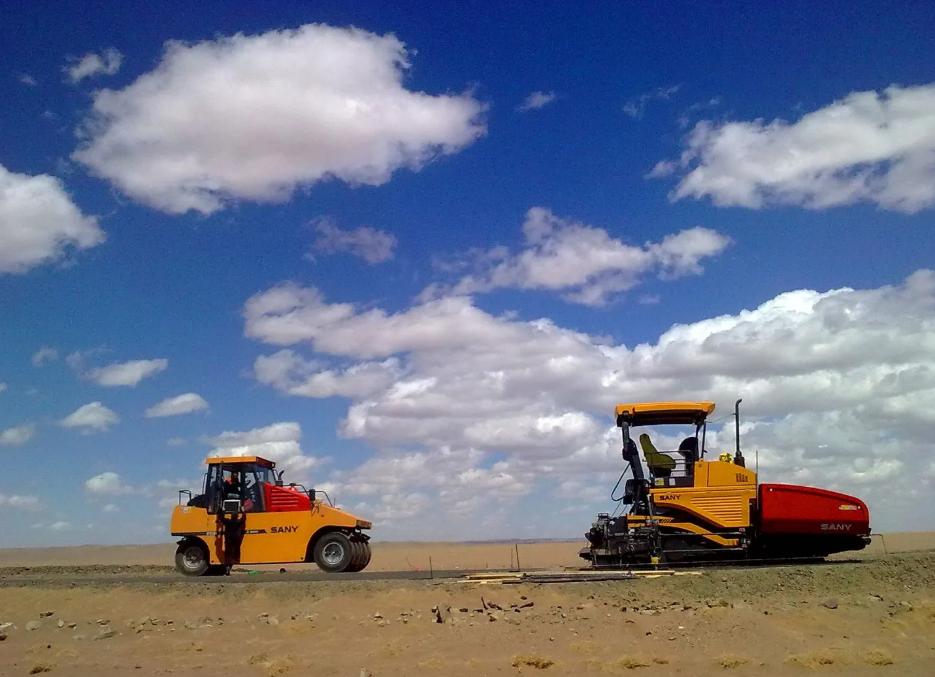
For example, the SANY Pneumatic Tyre Roller is equipped with a hydraulic drive system and hydraulic braking system, ensuring a smooth start and stop, and its braking distance is 50% shorter than similar equipment, making it safer and more efficient.
2. Prioritize equipment with adjustable seats, air conditioning, ROPS (Roll-Over Protective Structure) and good visibility to reduce fatigue and risks.
3. Easy maintenance and high durability reduce downtime and long-term costs.
Financial Planning and Brand Evaluation
1.Balance upfront cost and long-term value. High-quality, durable equipment (such as well-known brands) has higher initial investment but lower long-term maintenance and replacement costs.
2. Choose purchase, leasing or financing based on budget: leasing for short-term flexible projects, direct purchase for long-term projects. Also, budget for fuel, maintenance and parts replacement.
Conclusion
As a crucial compaction device in engineering construction, road rollers are used in various fields, including roads, foundations, railways, and landfills. Different working conditions and materials place varying demands on the equipment. Only by fully understanding the characteristics and applicable scope of different types of rollers, and comprehensively selecting the right model based on project needs, construction environment, material properties, and equipment parameters, can the correct road roller be chosen and used effectively, thereby improving construction quality and efficiency. Proper selection and standardized use are essential to ensure the efficient, orderly, and smooth progress of various projects.
FAQs
What are Steam Rollers Called Now?
Today, steam rollers are often simply called road rollers, sometimes also known as roller-compactors or simply rollers. They are large engineering vehicles mainly used for compacting materials such as gravel, concrete, soil, and asphalt, providing a solid foundation for roads, buildings, and other engineering projects. They are commonly used foundation construction equipment in engineering construction. The earliest rollers were horse-drawn, evolving from agricultural drum tools. In the mid-19th century, steam-powered rollers replaced horse-drawn ones. In the 20th century, kerosene, gasoline and diesel rollers gradually took the place of steam rollers. After technological upgrades, almost all modern rollers are diesel-powered.
Which Type of Rollers are Most Effective for the Compaction of Sands?
Vibratory rollers are ideal for high-density, deep compaction operations and are the most effective tools for compacting sand and other granular materials. They use vibration to reduce friction between sand grains, causing them to rearrange into a denser structure and helping the material to interlock tightly, thus creating a strong and reliable foundation.
What Type of Roller for Tar?
The most suitable type of roller for asphalt construction depends on the stage of the project—initial compaction, intermediate compaction, or final compaction. Generally, double-drum rollers are used for initial compaction, vibrating and compacting hot-mix asphalt to provide a smooth surface and high density. Tire rollers are best suited for road sealing and final compaction, sealing surface pores, improving aggregate interlocking, reducing permeability, and further enhancing the overall performance.
Featured Products
Recommend Blogs
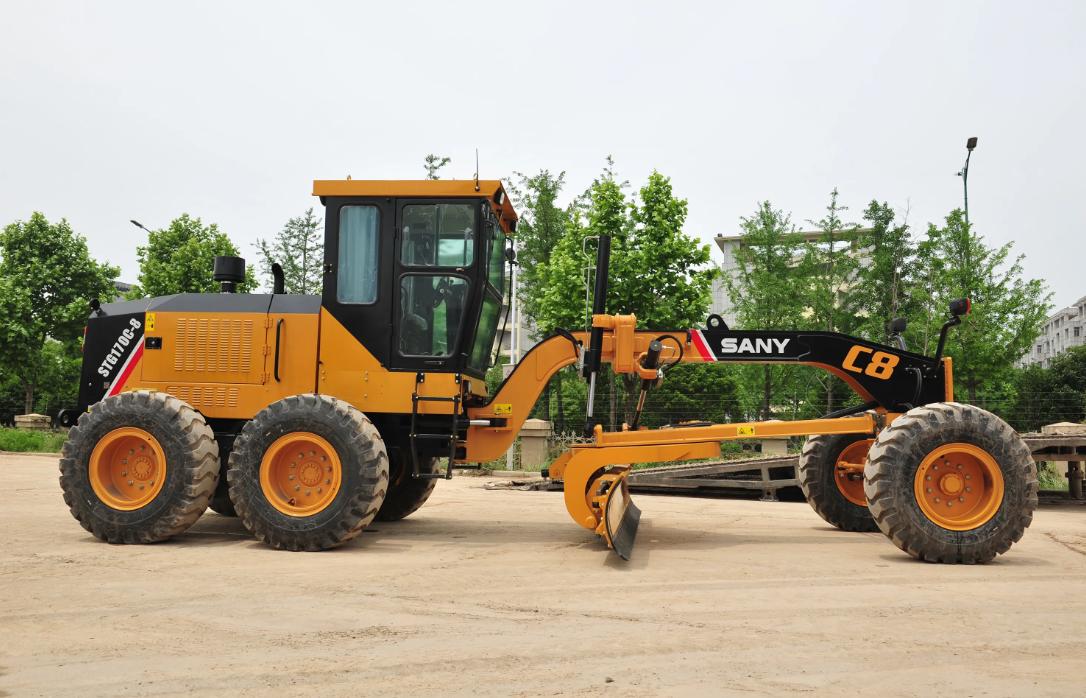
What Is A Grader? Definition, Works, Uses, And Operating Skills
What is a grader? This article explains its working principle, uses, and operating techniques to help operators work efficiently.
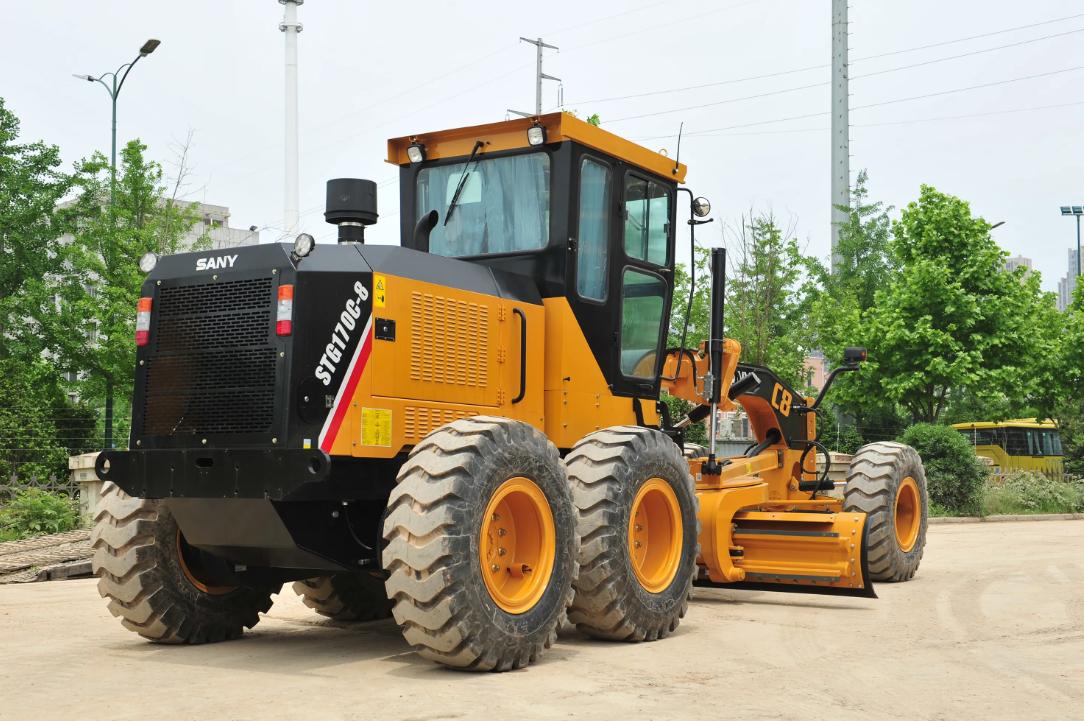
Small Motor Graders: Principles, Models Comparison & Buying Guide
This article helps you understand the core working principles, size comparisons and key purchasing points of a small motor grader.
Roller Definition Analysis: Types, Common Uses, and a Basic Buying Guide
This article focuses on the roller definition, types, and common uses, and provides a practical buying guide to help you choose the right roller.