What Is a Telehandler? How It Works and Why It’s a Must-Have Machine
Learn what a telehandler is, how it works, and how to choose the right model for your job in this practical, easy-to-follow guide.
On any construction site, there’s no shortage of heavy equipment — cranes lift, forklifts move, and loaders dig. But few machines combine all three abilities as effectively as a telehandler.
With its telescopic boom, a telehandler can lift heavy pallets, reach upper floors, or move materials across rough terrain — all with one versatile machine. Understanding how it works and what makes it so efficient can help you choose the right one for your next project.
What Is a Telehandler and How It Works
1.Definition
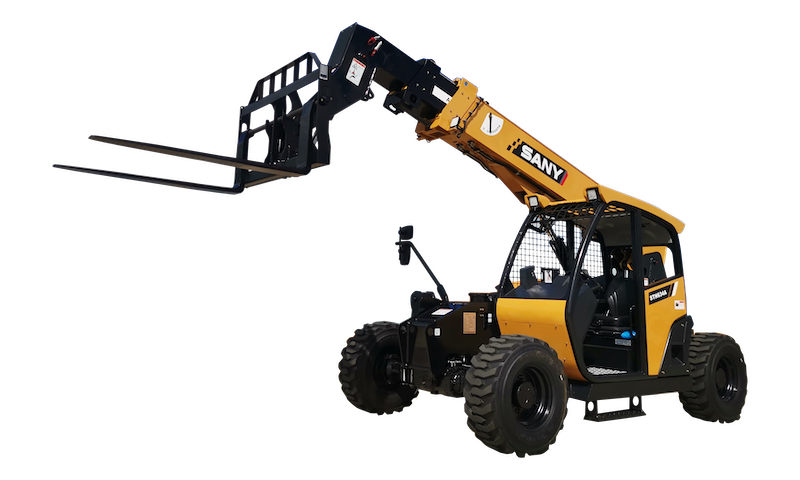
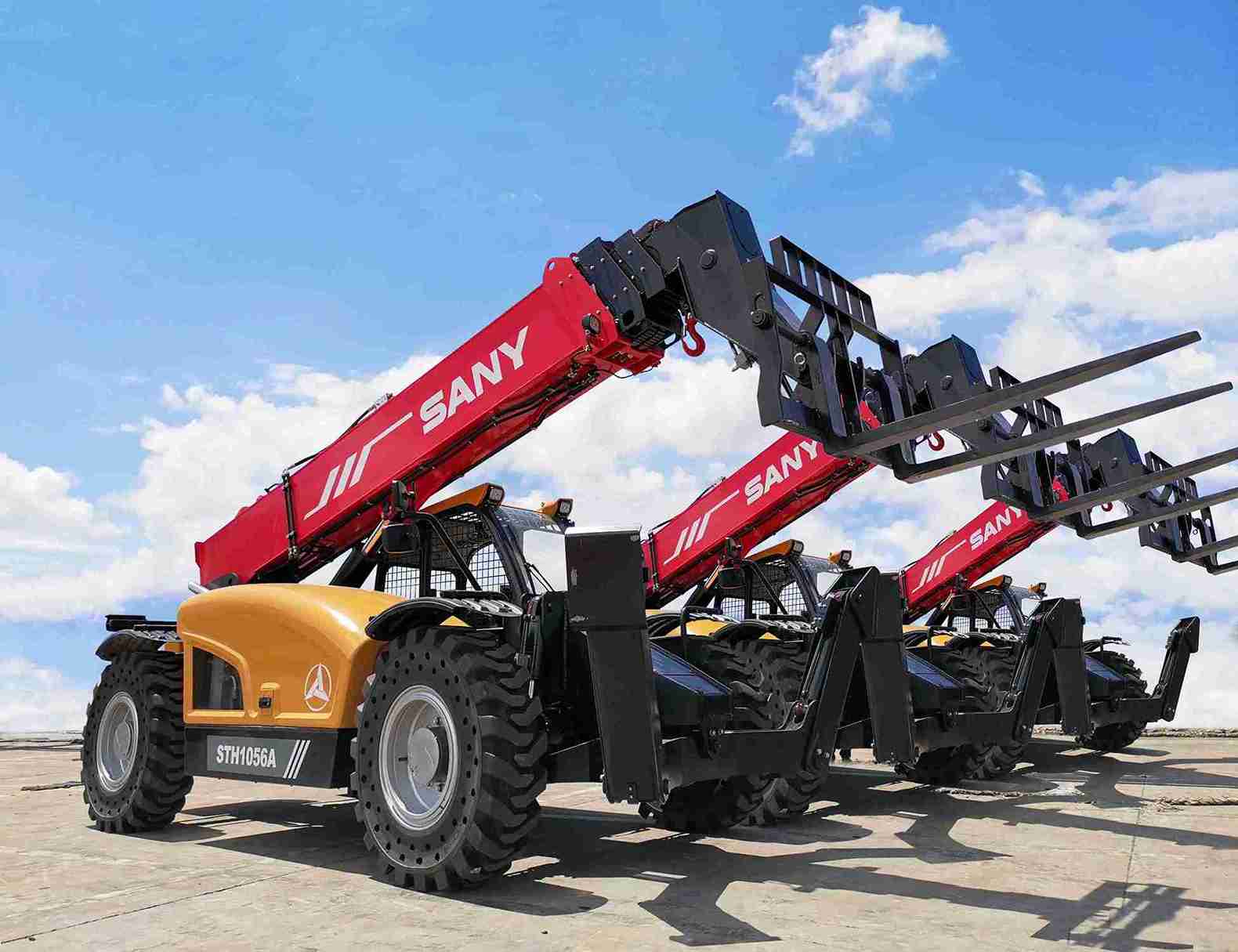
A telehandler (short for telescopic handler) is a highly versatile machine built to lift, move, and place heavy loads using its extendable boom. Think of it as a mix between a crane and a forklift—strong, flexible, and able to reach where other machines can’t. Its rugged design, four-wheel drive, and adjustable boom make it perfect for handling materials on rough or uneven terrain.
2.How it works
A telehandler uses a hydraulic system to power its telescopic boom, which lifts, extends, and positions heavy loads. Operators control the boom and attachments from the cabin, allowing precise movement over obstacles and rough terrain.
Core Components of a Telehandler: Boom, Hydraulic System, Tires & More
A telehandler relies on a few key components to perform its versatile tasks efficiently. Understanding these parts can help you see why this machine is so indispensable on construction sites, farms, and warehouses.
1.Telescopic Boom
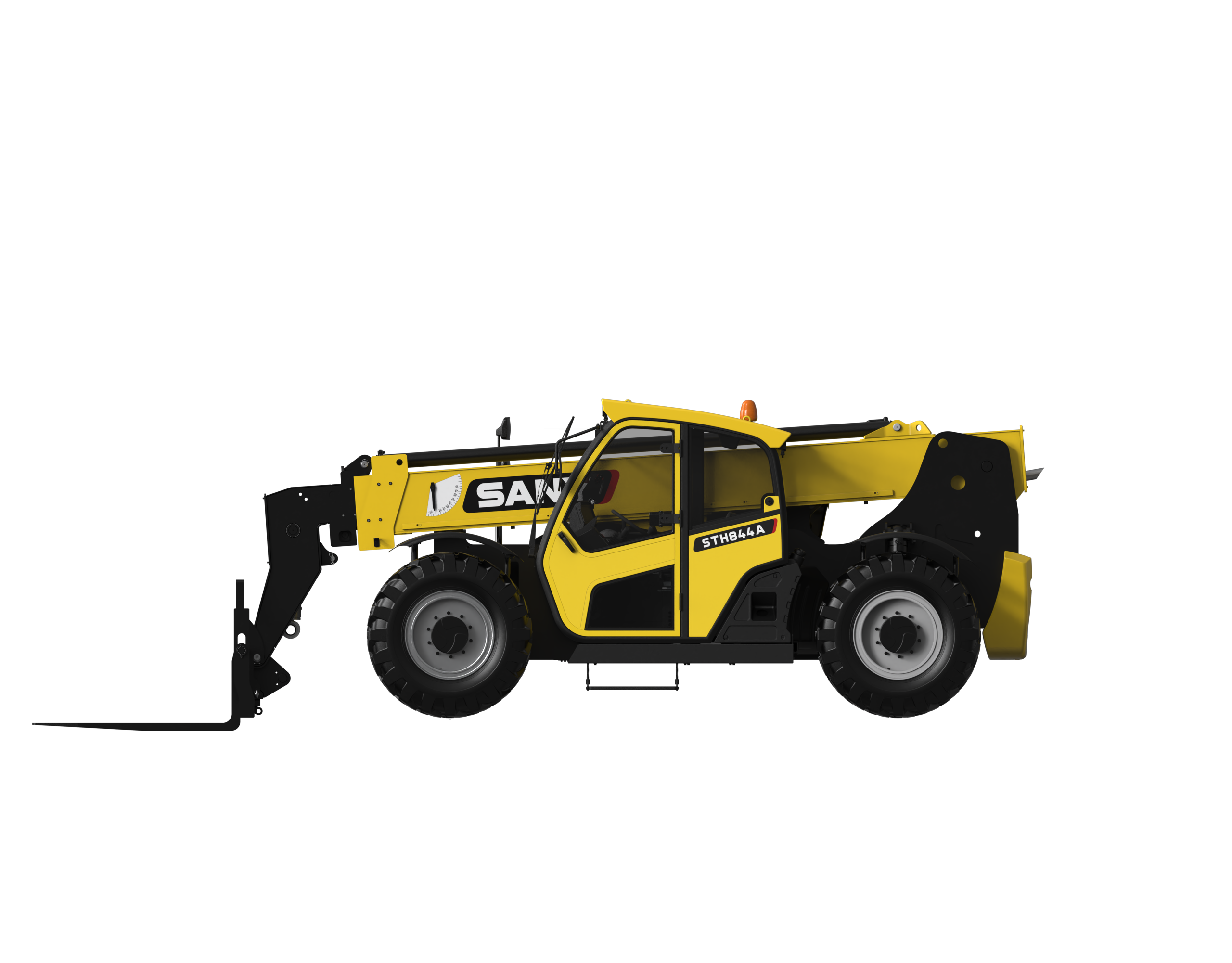
The most defining part of a telehandler—this extendable arm determines how high (15–50+ feet) and far the telehandler can reach. Steel booms offer durability for heavy loads; aluminum booms are lighter for better fuel efficiency.
2.Operator Cabin
Ergonomic space with intuitive controls for boom movement, steering, and attachments. Good visibility (large windows, backup cameras) is non-negotiable—keeps operators safe when maneuvering the telehandler.
3.Tires
Tires are tailored to the telehandler’s job: Rough-terrain tires (deep treads) for construction sites; smooth, non-marking tires for warehouses. The right tires prevent the telehandler from getting stuck or damaging surfaces.
4.Hydraulic System
Powers every critical telehandler function—lifting the boom, tilting attachments, and moving loads. A high-quality hydraulic system ensures the telehandler lifts heavy loads (5,000–20,000+ lbs) smoothly, without jolts.
5.Attachment Interface
A quick-connect system that makes the telehandler versatile. Swap forks, buckets, work platforms, or grapples in minutes—turning one telehandler into a tool for lifting, digging, or accessing heights.
5 Key Advantages of Using a Telehandler
The Telehandler can efficiently lift heavy loads like a traditional forklift, yet its retractable boom allows it to easily reach high-altitude workstations and maintain stable operation even on rugged terrain, making it a versatile tool for diverse operations. Here are five key advantages of the Telehandler:
1.Unmatched Versatility
One telehandler replaces multiple machines—forklift, crane, and loader—thanks to swappable attachments. No need to rent or buy separate tools, saving money and job site space.
2.Superior Reach
Unlike forklifts, a telehandler’s extendable boom can reach over 30 feet and clear obstacles such as walls or machinery, making it perfect for lifting materials to upper floors or placing loads in hard-to-reach spots.
3.All-Terrain Performance
Most telehandlers handle rough ground better than forklifts. Rough-terrain tires and stable weight distribution let the telehandler work on outdoor job sites such as construction sites or farms.
4.Time & Labor Savings
A telehandler’s 360° swivel and fast attachment changes cut down on setup time. One operator can do the work of two—no need to reposition the machine or switch attachments constantly.
5.Heavy-Load Capacity
Telehandlers can lift up to 20,000 lbs in industrial models, far more than standard forklifts. This makes them ideal for heavy-duty jobs like moving steel beams, large pallets, or farm equipment.
Summary: A telehandler’s ability to adapt across terrains and tasks makes it an invaluable asset for any site that demands both power and reach.
Typical application scenarios of Telehandler: Construction, Agriculture, Warehousing & More
With its versatile design and powerful capabilities, a telehandler isn’t just impressive on paper—its advantages translate directly into real-world applications across construction, agriculture, warehousing, and more.
1.Construction
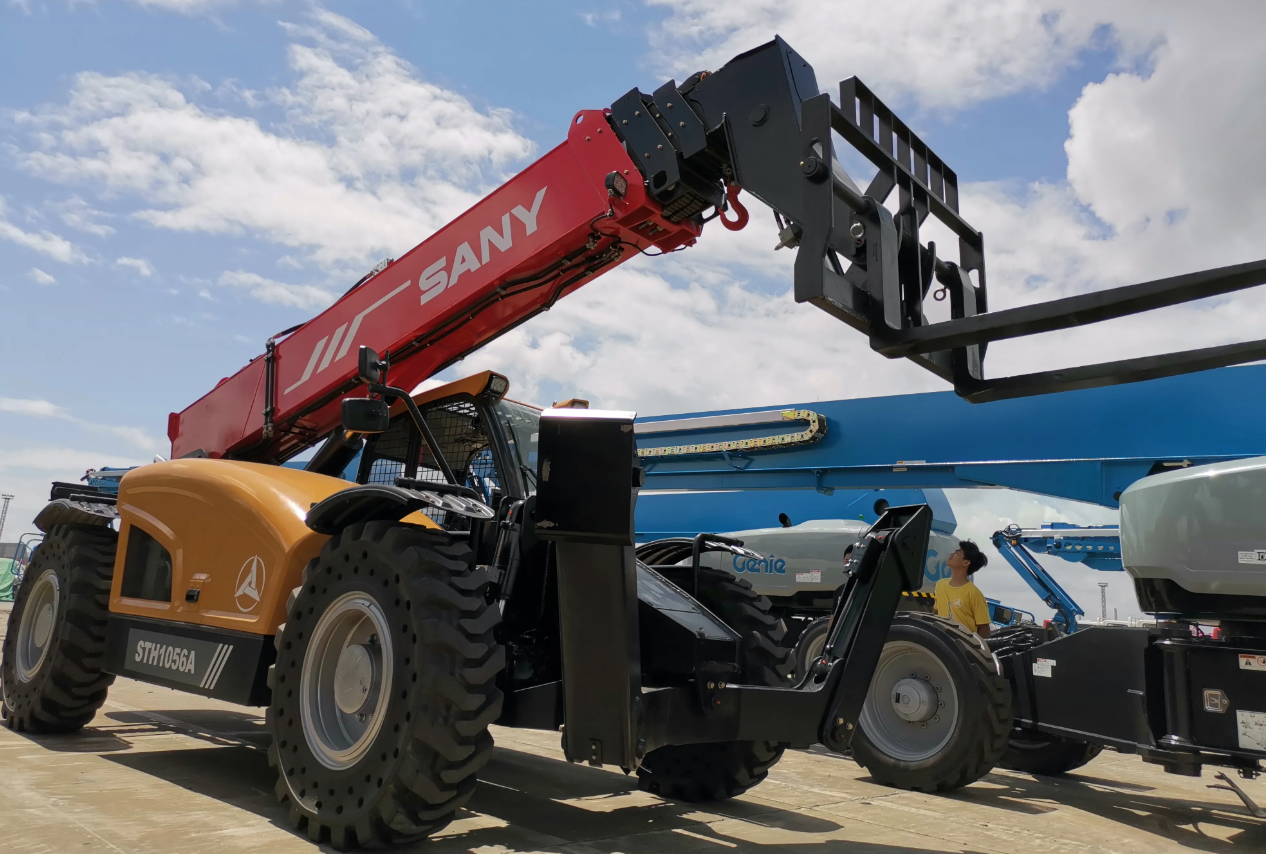
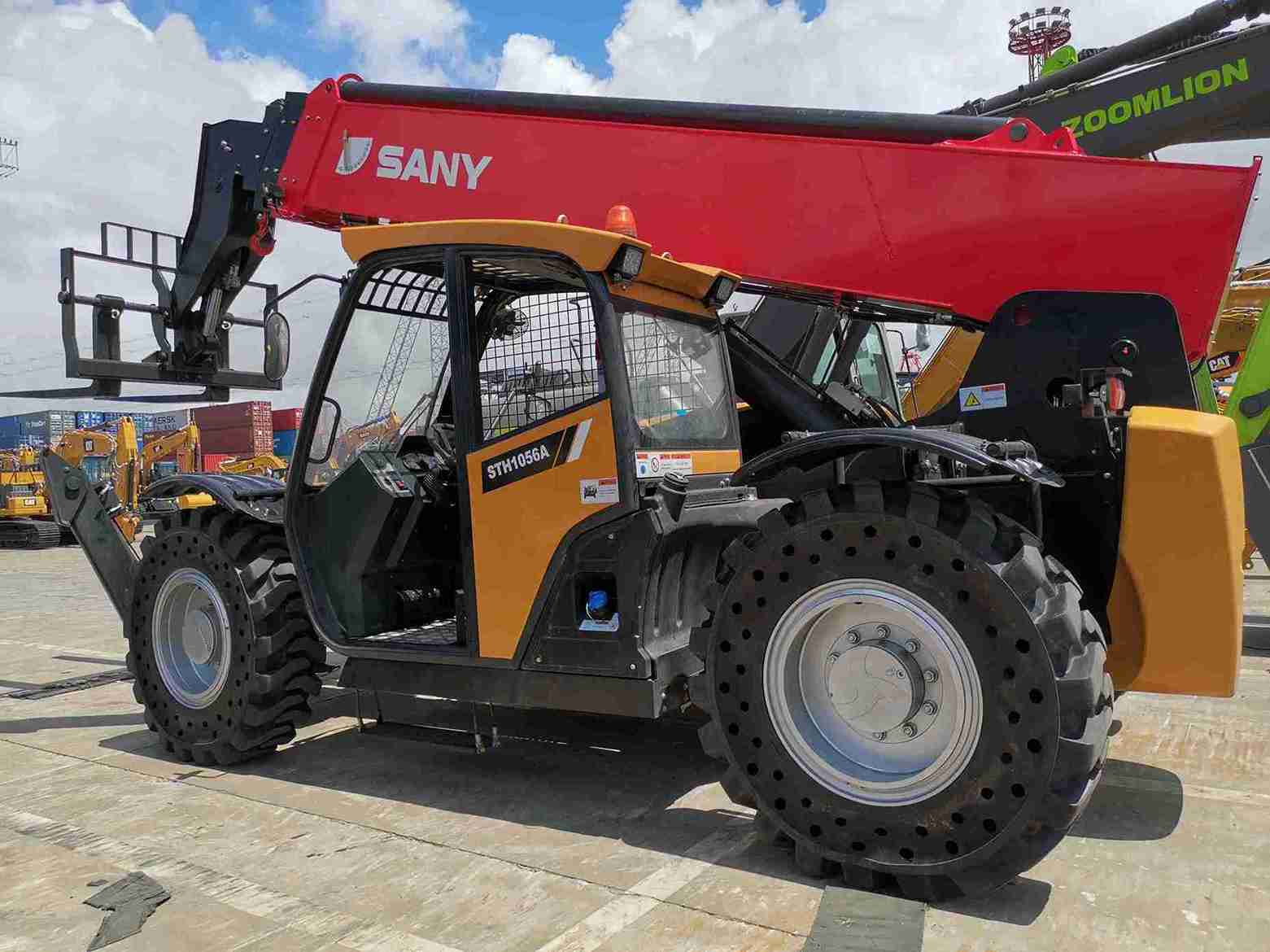
Telehandlers efficiently lift drywall, steel, and tools to scaffolding, move dirt with bucket attachments, and elevate work platforms for maintenance. Their versatility makes them indispensable on high-rise and residential construction sites. For instance, SANY telehandler is a good choice. Among them, the STH1056AIN model Telehandler offers a maximum lifting height of 17.1 meters and a rated capacity of 4.5 tons, making it ideal for heavy-duty construction tasks.
2.Agriculture
Farmers rely on telehandlers to transport hay bales, feed, and livestock, load or unload grain trucks, and clean barns. Rough-terrain telehandlers easily navigate muddy fields or hilly pastures, saving time and effort.
3.Warehousing & Logistics
Indoor telehandlers with smooth, non-marking tires move large pallets to high shelving—beyond the reach of standard forklifts—and load or unload delivery trucks. Their compact design allows operation in narrow warehouse aisles, improving workflow.
4.Industrial & Mining
Heavy-duty telehandlers lift machinery parts, raw materials like coal or ore, and tools in factories or mines. High-capacity models can handle loads up to 20,000 lbs, making them critical for efficient industrial operations.
Telehandler vs. Other Machines (Forklift, Crane, Skid Steer)
1.Quick Comparion: Telehandler vs. Other Machines
Machine | Maximum Reach | Load Capacity | Terrain Capability | Mobility & Versatility | Best For |
Telehandler | 30–50+ ft (extendable boom) | 5,000–20,000+ lbs | Rough or smooth | Swappable attachments, compact for tight areas | Construction, agriculture, warehouses, industrial sites |
Forklift | ~15 ft (fixed forks) | 2,000–10,000 lbs | Smooth floors only | Fast for repetitive pallet handling | Warehouses, indoor material handling |
Crane | 100+ ft (fixed or tower) | 50,000–100,000+ lbs | Usually rough, depends on crane type | Heavy lifting, minimal horizontal movement | Large construction, infrastructure, heavy materials |
2.Forklift vs Telehandler
As the table shows, telehandlers excel where forklifts can’t, offering greater reach, versatility, and terrain adaptability.
- Reach & Height: Telehandlers lift loads up to 30+ feet and over obstacles, unlike forklifts that handle only low, horizontal lifts.
- Terrain Capability: Telehandlers work on rough or uneven ground; forklifts are limited to smooth floors.
- Multi-Function Efficiency: One telehandler can replace several machines—forklifts alone can’t perform high or angled lifts.
3.Telehandler vs Crane
Telehandlers combine lifting and load movement in a compact, mobile package.
- Mobility & Setup: Telehandlers are easy to move around job sites, while cranes require extensive setup.
- Functional Versatility: Telehandlers lift and transport loads; cranes mainly lift in a single spot.
- Cost-Effectiveness: Telehandlers are cheaper to rent or operate, yet still handle many mid-weight lifting tasks cranes do.
4.Telehandler vs Skid Steer Loader
Telehandlers outperform skid steers in reach, lifting, and versatility.
- Boom Reach: Telehandlers’ telescopic booms reach high and far; skid steers have fixed arms.
- Load Handling: Telehandlers lift heavier materials and move them across job sites; skid steers focus on digging or grading.
- Attachment Flexibility: Telehandlers swap forks, buckets, or platforms quickly; skid steers are more limited in application.
How to Choose the Right Telehandler for Your Job
After comparing telehandlers with forklifts, cranes, and skid steer loaders, it’s clear that telehandlers offer unmatched versatility—but selecting the right model depends on your specific needs. Here’s what to consider:
1.Assess Your Load Needs
Choose a telehandler based on its maximum load capacity (5,000–20,000+ lbs) and lift height (15–50+ feet). For example, a 10,000-lb, 30-foot telehandler works well for residential construction, while a 15,000-lb, 40-foot model is better suited for industrial or heavy-duty projects.
2.Consider the Terrain
Match the telehandler to your jobsite conditions. Indoor or warehouse tasks benefit from smooth, non-marking tires, while outdoor jobs on farms or rough construction sites require rough-terrain tires and 4WD for stability and traction.
3.Pick the Right Attachments
Select attachments that fit your tasks: forks for pallets, buckets for dirt or feed, work platforms for personnel, and grapples for irregular loads like logs. A telehandler with a quick-connect system ensures fast, hassle-free swaps.
4.Check Size & Maneuverability
For tight spaces like narrow aisles or small yards, a compact telehandler with a shorter wheelbase is ideal. Larger sites or heavier loads may require a full-size telehandler for better stability and reach.
Telehandler Safety: Guidelines & Best Practices
Operating a telehandler safely is just as important as choosing the right machine. Following proper safety guidelines prevents accidents, protects operators, and ensures efficient job site performance.
- Operator Training: Only trained and certified operators should use a telehandler. Training covers load limits, boom control, and emergency procedures to prevent tip-overs.
- Pre-Use Inspections: Check tires, hydraulic fluid, brakes, and attachments before each use. Repair any leaks or damage immediately to ensure stability and safety.
- Load Safety: Never exceed the telehandler’s load capacity. Distribute loads evenly on forks or attachments to avoid instability.
- Job Site Awareness: Keep bystanders clear of the boom path. Avoid uneven ground or slopes steeper than the telehandler’s recommended limit (usually 5–10°).
Conclusions
A telehandler is more than a lifting machine—it’s a multi-role powerhouse that combines the reach of a crane, the maneuverability of a forklift, and the endurance of a loader. Choosing the right telehandler for your terrain and workload can significantly boost productivity, safety, and cost efficiency on any job site.
FAQs
What Is a Small Telehandler ?
The small telehandler is a compact, flexible, and versatile construction machine. Its core features are its compact size and ease of operation, while retaining the core functions of a standard telehandler – a retractable telescopic arm and replaceable attachments. It can handle light lifting, reaching, and material handling needs, making it suitable for scenarios with limited space or light loads.
Do You Need a Telehandler Licence?
Yes, generally speaking, operating a telehandler requires a license or certification, especially in formal workplaces like construction, industry, or agriculture. The main reasons are:
- Safety requirements: Telehandlers have large load capacities and telescopic booms that can reach high altitudes. Improper operation can easily lead to rollovers or falling objects.
- Legal requirements: Many countries and regions require operators of telehandlers in construction or industrial settings to complete training and obtain certification.
- Training content: Training typically covers safe operation, load control, stability management, operating techniques, and emergency procedures.
Is It Legal to Drive a Telehandler on the Road?
Some telehandlers can be driven on public roads, but this depends on their design and local traffic regulations. To be road-legal, a telehandler must have proper lighting, mirrors, indicators, and registration. Road speeds are typically limited to 20–25 mph, and travel is usually restricted to short distances between nearby job sites. Always verify regional requirements before driving on public roads.
What Are the Disadvantages of a Telehandler?
While telehandlers are incredibly versatile, they’re not perfect for every job. They tend to be more expensive to purchase or rent than forklifts, require larger operating spaces, and have lower lifting capacities compared to cranes. Additionally, improper boom positioning can cause stability issues, making operator training crucial for safe and efficient use.