Overview of Skid Steer Maintenance
This article details the importance and specific content of skid steer maintenance to ensure stable equipment operation and extend its service life.
With their compact body design and powerful operational capabilities, skid steer loaders are adaptable to a wide range of engineering scenarios, including excavating, loading, material handling, and site cleanup and are widely utilized across various sectors, such as construction, agriculture, and municipal services. These machines operate under complex conditions for extended periods, leading to rapid component wear. Without timely and effective maintenance, various malfunctions are highly likely. Therefore, proper maintenance of skid steer loaders is crucial. This article will detail skid steer maintenance, providing users with comprehensive and actionable maintenance guidance.
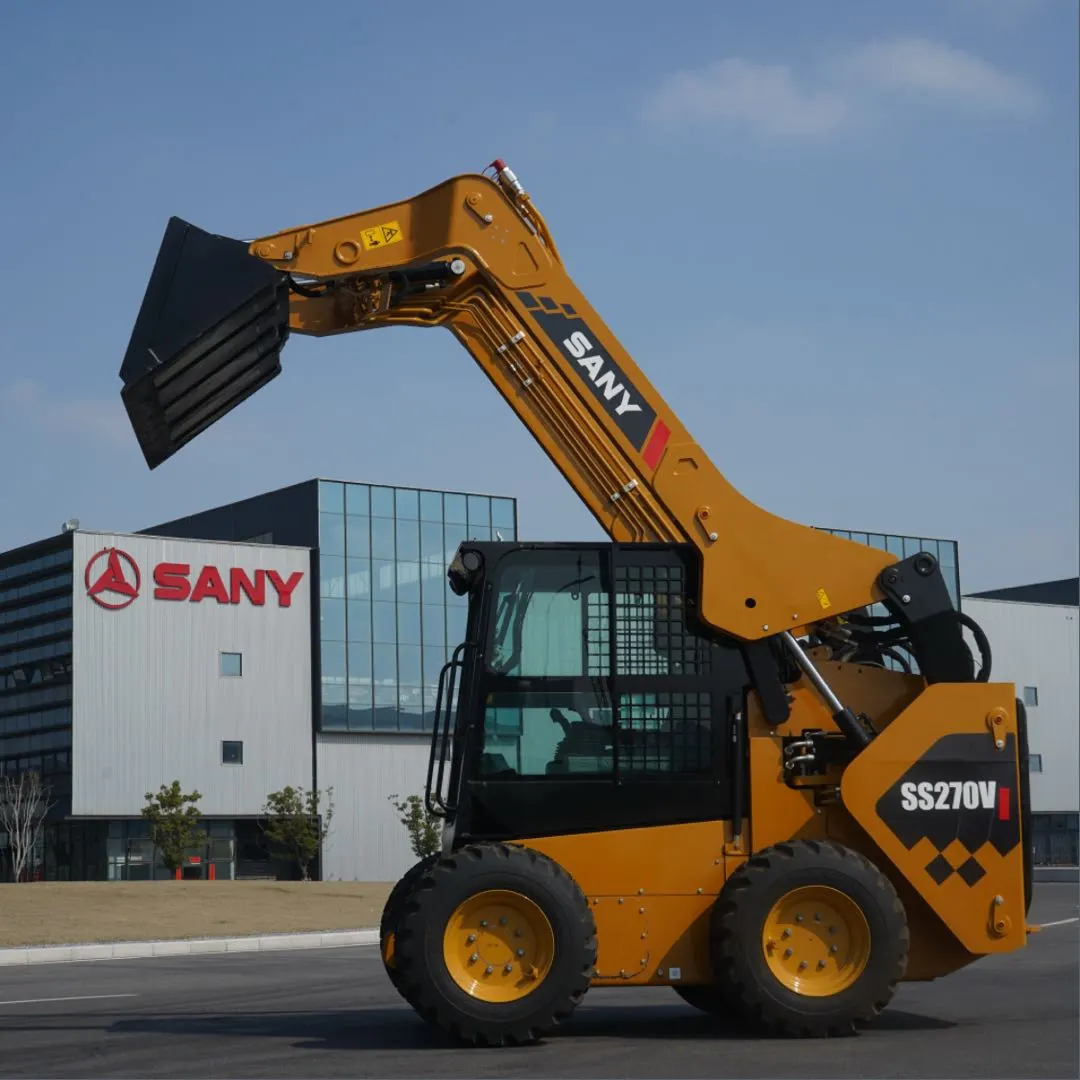
The Importance of Skid Steer Maintenance
Ensuring Efficient and Stable Operation
Regular maintenance of key components such as the engine, hydraulic system and tires, including timely replacement of engine oil and filters, tire pressure inspection, and hydraulic fluid level checking, ensures the equipment maintains optimal performance. It delivers stable engine power output, smooth operation of lift arms and attachments, and improves the machine’s stability, traction, and maneuverability.
Extend Service Life and Protect Investment
Skid steers feature a rugged build and versatile functionality, yet they are still prone to common issues like component wear, hydraulic malfunctions, and electrical failures. Consistent preventive maintenance effectively reduces wear, prevents premature equipment damage, prolongs service life, and maximizes return on investment.
Cut Costs and Reduce Downtime
Timely resolution of minor issues through routine maintenance prevents minor faults from escalating into complex, costly major repairs. It also minimizes unplanned downtime caused by equipment breakdowns, helping save time and maintenance costs in the long run.
Mitigate Safety Hazards
Regular maintenance enables timely detection and elimination of potential safety risks, ensuring safe equipment operation and supporting safe operating practices.
Improve Productivity
A well-maintained skid steer maintains high operational efficiency, reduces work interruptions caused by breakdowns, and further boosts overall worksite productivity.
Maximize Maintenance Benefits
Following the manufacturer’s official maintenance manuals and operation guidelines and developing a maintenance schedule based on equipment operating hours is essential for effective upkeep. This practice helps fully utilize equipment performance and extend its service life.
How to Maintain a Skid Steer?
Skid Steer service intervals are mainly divided into daily, weekly, and monthly maintenance, and the maintenance items differ for each period.
Daily Maintenance & Inspection (Mandatory Daily Tasks)
- Visual Inspection: Carefully check the machine body for cracks and dents. Verify the tightness of connecting parts, including bolts, seals, bushings and hydraulic cylinders, and inspect lift arms and connectors for damage.
- Fluid Level Check: Focus on checking the levels of engine oil, hydraulic oil and coolant to ensure they stay within the recommended range. Meanwhile, inspect the engine and hydraulic system for any signs of leakage.
- Quick Cleaning: Remove dust, debris and dirt from the equipment surface to prevent component blockage, overheating, and damage to sensitive parts and electrical connections.
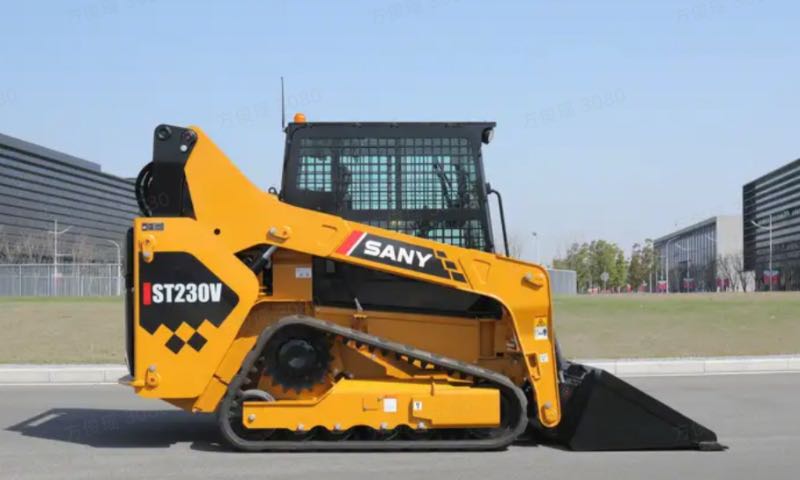
- Tire / Track Inspection: For wheeled models, check tire pressure, wear, punctures and cuts. For track-type units, inspect tracks for tears, deformation, and proper tension.
- Attachment Inspection: Skid steers can be fitted with a wide range of attachments. For example, SANY skid steer loaders can be equipped with buckets, sweepers, snow blowers, snow cutters, augers and more. Ensure all external attachments are securely connected and undamaged, and check the wear of couplings and hydraulic connections.
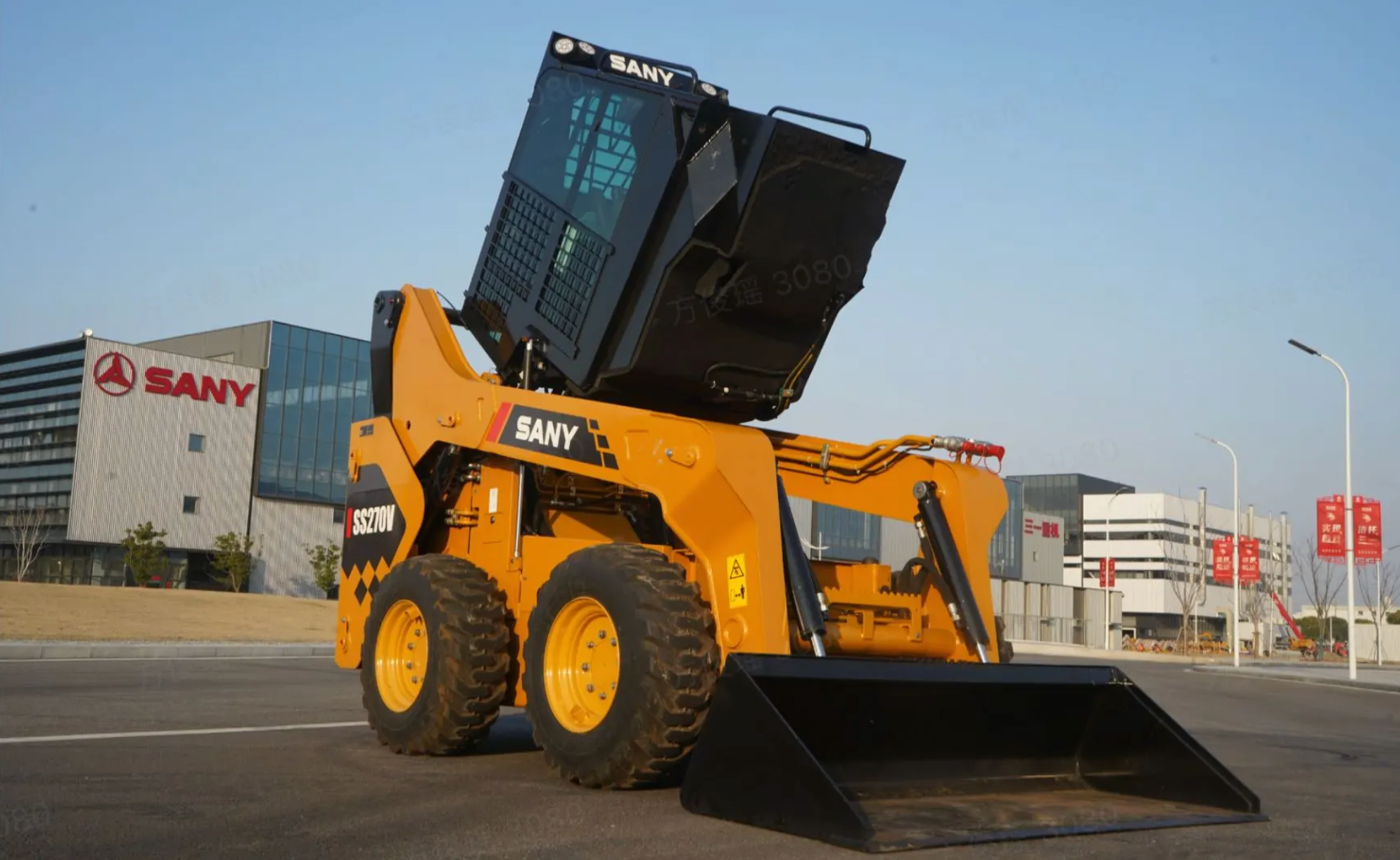
Daily Skid Steer Maintenance Checklist
When performing daily maintenance, you can create a skid steer maintenance checklist and check against it to prevent omissions.
Maintenance Item | Maintenance Content | Maintenance Result |
Visual Inspection | Inspect the machine body and cab periphery to ensure no cracks or dents. | |
Check connecting parts including bolts, seals, bushings and oil cylinders to ensure firm connection. | ||
Examine lift arms and connectors for looseness or damage, and confirm smooth movement without jamming. | ||
Fluid Level Inspection | Check the levels of engine oil, hydraulic oil and coolant to ensure within the recommended range. | |
Inspect the engine and hydraulic system for signs of leakage. | ||
Quick Cleaning | Remove dust, debris and dirt from the equipment surface. | |
Clean dust and debris around the cooling system, filters and pipeline connections to prevent component blockage. | ||
Clear dirt around electrical connectors and sensors to avoid damage to sensitive components and electrical faults. | ||
Tire / Track Inspection | Wheeled Models: Check the tire pressure of each tire to comply with equipment standards; inspect tires for wear, aging, punctures, cuts, sufficient tread patterns, and no bulging or delamination. | |
Track-type Models: Check tracks for tears, damage and deformation, and track shoes for looseness or falling off; verify track tension in line with the operator’s manual requirements. | ||
Attachment Inspection | Check all external working attachments for firm connection without looseness or shaking; ensure attachments are free of damage and deformation. | |
Inspect couplings and hydraulic connections for wear and looseness; confirm hydraulic pipelines are securely connected with no leakage. | ||
Conduct a simple test to ensure attachments operate smoothly without jamming or unusual noise. |
Weekly & Monthly Maintenance (Regular In-Depth Servicing)
1. Weekly Maintenance
- Battery Maintenance: Inspect the battery and terminals to keep them clean, corrosion-free and tightly connected. For non-sealed batteries, check the electrolyte level and add distilled water if needed. Make sure the battery is firmly mounted to prevent vibration damage.
- Air Filter Inspection: Clean dust and debris accumulated on the air filter. Replace the filter promptly if heavily soiled, and refer to the filter service indicator for replacement timing.
- Belt & Hose Inspection: Check belts for cracks, wear and damage. Examine hydraulic and cooling system hoses for leaks and bulges, and repair any defects in a timely manner.
- Lubrication Service: Apply high-quality grease to high-friction components such as pivot pins, lift arms, oil cylinders and bucket hinge pins. Check moving parts for unusual noise or binding.
- Hydraulic Hose & Fitting Check: Inspect hoses for cracks, leakage and abrasion, and tighten fittings as required.
2. Monthly Maintenance
- Filter Replacement: Regularly replace air filters, fuel filters and hydraulic filters with compatible parts in accordance with the manufacturer’s specified service intervals.
- Engine Oil & Filter Change: Replace engine oil and oil filters every 100 to 250 operating hours or per the manufacturer’s recommendations. Use manufacturer-approved oil and filters to reduce engine friction and wear.
- In-Depth Hydraulic System Inspection: Thoroughly check for leaks around hydraulic pumps, cylinders and hoses. Investigate and resolve faults immediately if sudden fluid level drops or poor attachment performance occurs.
- Track Tension Adjustment (Track Models): Adjust track tension following the operator’s manual to prevent excessive wear on tracks and sprockets caused by over-tight or loose tension.
- General Inspections: Clear debris from the radiator and cooling fins of the cooling system, and confirm coolant level and mixing ratio meet specifications. Test brake and steering systems for normal operation. Examine wearable parts such as belts, seals and bearings, and replace them when necessary. For units equipped with advanced systems, check for available software updates.
Practical Skid Steer Repair Tips
Even with regular maintenance, skid steer loaders may still experience malfunctions. Mastering the corresponding skid steer troubleshooting methods and maintenance techniques is crucial for ensuring stable operation and minimizing downtime.
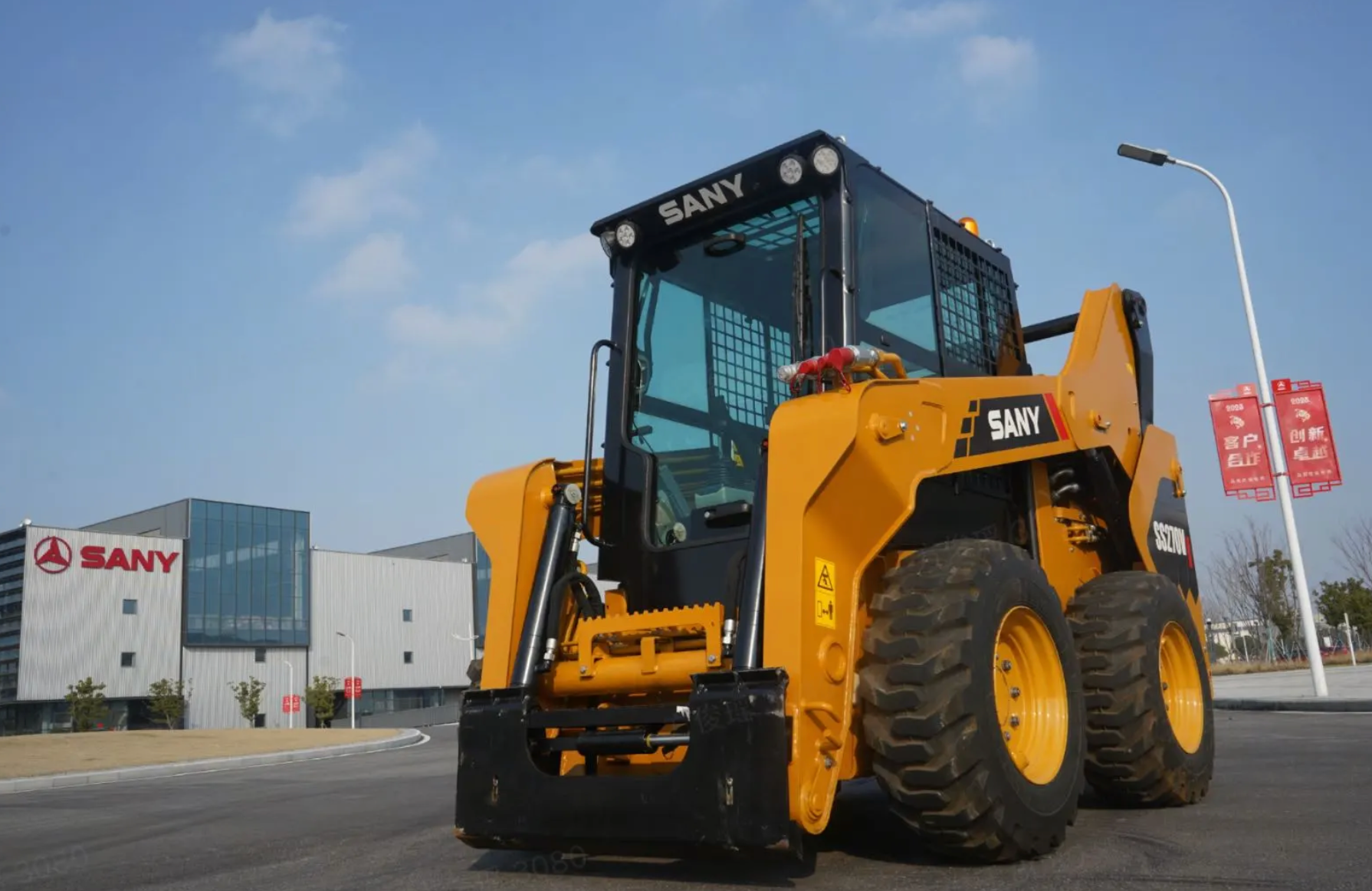
Engine Starting Failures
- Troubleshooting: Start with the fuel system, as most starting issues originate here. Next, check for loose glow plug connections and verify that the throttle cable is securely fastened to the throttle body and accelerator pedal. In addition, inspect the battery for low charge, corroded terminals, or loose connections.
- Repair Tips: Replace clogged fuel filters, ensure injectors are unobstructed, and fit new glow plugs if faulty. Tighten loose throttle cables, clean battery terminals, and replace batteries that fail to hold a charge. Always use clean, manufacturer-approved fuel. In cold weather, add winter-grade fuel additives to prevent fuel gelling.
Hydraulic System Malfunctions
- Troubleshooting: First, check the hydraulic fluid level to meet the manufacturer’s specifications. Then inspect for clogged hydraulic filters, faulty hydraulic pumps, and loose or leaking hydraulic hoses, fittings and seals. Leak inspection is recommended with the system under pressure, while wearing proper personal protective equipment.
- Repair Tips: Maintain the correct hydraulic fluid level. If the fluid is contaminated, flush the system and refill with clean, OEM-certified hydraulic oil. Replace blocked hydraulic filters at the manufacturer’s recommended intervals, or earlier if performance declines. Renew worn or leaking hoses, connectors and seals. Inspect control valves to ensure full, smooth opening and closing.
Electrical System Faults
- Troubleshooting: In cases of unresponsive controls, lighting failures or power loss, check for loose or corroded wiring connections, test faulty sensors and switches, and inspect the battery for electrical leakage to prevent circuit damage.
- Repair Tips: Routinely inspect and secure all wiring connections, remove corrosion from terminals, and replace sensors or switches that do not meet OEM standards. Diagnostic tools can be used to locate defective components quickly.
Control System Issues
- Troubleshooting: If steering or loader joysticks are unresponsive, check for disconnected or loose wiring, verify circuit connections between actuators, hydraulic pumps and control levers, and replace joystick control circuit boards when necessary. If controls function but respond slowly, inspect all safety switches on the skid steer to confirm proper operation and secure mounting.
- Repair Tips: Reconnect and fasten loose or detached steering and loader components, and correct wiring between actuators, pumps and joysticks. Replace faulty joystick control boards once confirmed defective. Maintain all safety switches in good working order with firm connections to prevent control system errors.
Transmission, Drive, Tire & Track Problems
- Troubleshooting: For transmission issues such as jolting movement, power loss or unusual noise, check transmission fluid level and condition, and inspect gears and bearings for wear. For tires or tracks, verify correct tire pressure (under-inflation and over-inflation alike) and proper track tension (too loose or too tight), and check for wear and physical damage.
- Repair Tips: Keep transmission fluid at the standard level. Replace dirty or burnt-smelling transmission fluid following the manufacturer’s guidelines. If unusual noise or rough operation continues, inspect internal gears and bearings and replace worn parts as required. Adjust tire pressure to OEM specifications and adjust track tension per the operator’s manual. Replace tires with cracks, cuts or bald spots, and renew damaged or excessively worn tracks in a timely manner.
Conclusion
In conclusion, skid steer maintenance is an integral part of the entire equipment lifecycle. From daily basic inspections and regular in-depth maintenance to timely repairs after malfunctions, all are indispensable. Following the manufacturer's guidelines and performing maintenance tasks on schedule can improve equipment operating efficiency, extend service life, reduce safety risks and overall costs, allowing skid steer loaders to continuously support construction operations and achieve a dual improvement in equipment value and construction efficiency.
FAQs
How Often Does a Skid Steer Need to be Greased?
This depends on usage frequency. As a rule of thumb, add grease to the skid steer loader every 10 hours of operation; if used frequently, add grease daily. It's important to note that both over-lubrication and under-lubrication can cause serious problems, so consult a professional in the field for guidance.
What is the Lifespan of a Skid Steer?
The service life of a skid steer loader is typically calculated in operating hours. Well-maintained equipment can operate for an average of 5,000 to 7,000 hours before requiring a major overhaul, with some well-maintained models even exceeding 10,000 hours. Its service life is significantly affected by engine power, workload, and maintenance conditions: low-horsepower compact models require a major overhaul after approximately 4,000 hours, while high-horsepower models can operate stably for over 8,000 hours. Prolonged, high-frequency, heavy-load operation accelerates equipment wear, while light, intermittent operation effectively extends the overall machine lifespan.
Is a Skid Steer a Good Investment?
Whether to purchase a new skid steer loader depends on your budget and the tasks the machine needs to perform. If your project requires the latest features and you prefer a machine with a warranty, then buying a new skid steer loader is a good option. While skid steer loaders depreciate over time, like all machinery, well-maintained equipment retains a high residual value. This means that if you plan to sell the equipment later, you can recoup some of your purchase cost.
Featured Products
Recommend Blogs
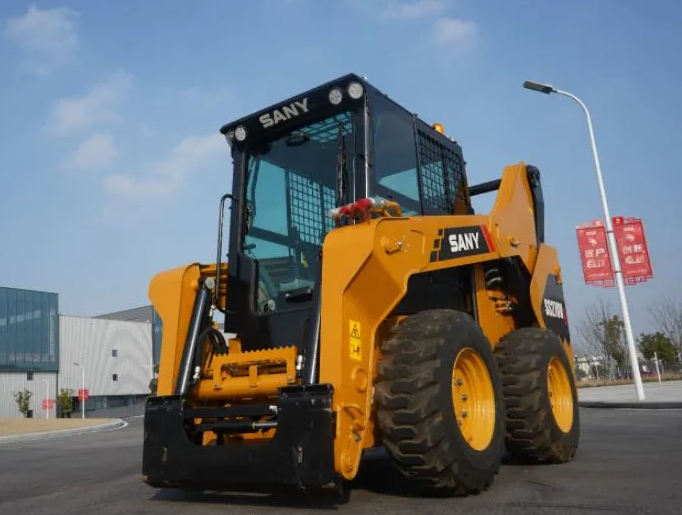
How Much Does a Skid Steer Weigh? Practical Selection Guide
How much does a skid steer weigh? This article answers this question in detail and provides selection guidance to help improve construction efficiency.
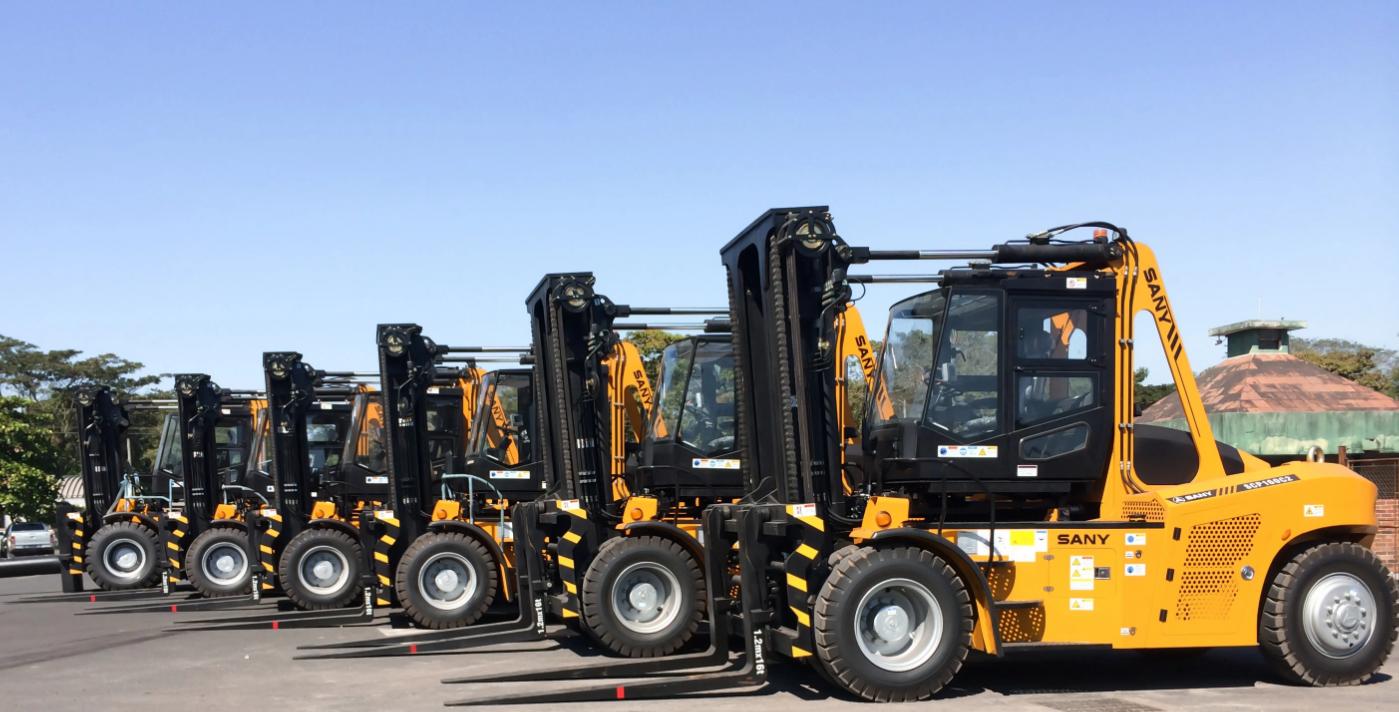
Forklift vs Skid Steer Analysis: Definitions, Differences, and Selection Guide
This article introduces the key differences between forklift vs skid steer and how to choose the right equipment for your project.
Skid Steer vs Wheel Loader: Choosing the Right Equipment for Your Job
his article provides you with basic knowledge of construction site equipment, as well as a comparison of the differences between skid steer vs wheel loader.