How Much Does a Skid Steer Weigh? Practical Selection Guide
How much does a skid steer weigh? This article answers this question in detail and provides selection guidance to help improve construction efficiency.
In the construction industry, the weight of skid steer loaders, as multi-functional work equipment, is a core indicator affecting equipment selection, operational safety, and construction efficiency. So, how much does a skid steer weigh? And how should construction companies choose the appropriate weight for their skid steer loaders? This article will answer these questions, breaking down the weight differences between different specifications of skid steer loaders, analyzing influencing factors, and providing selection suggestions to help professionals quickly clarify their thinking and accurately select equipment that suits their needs.
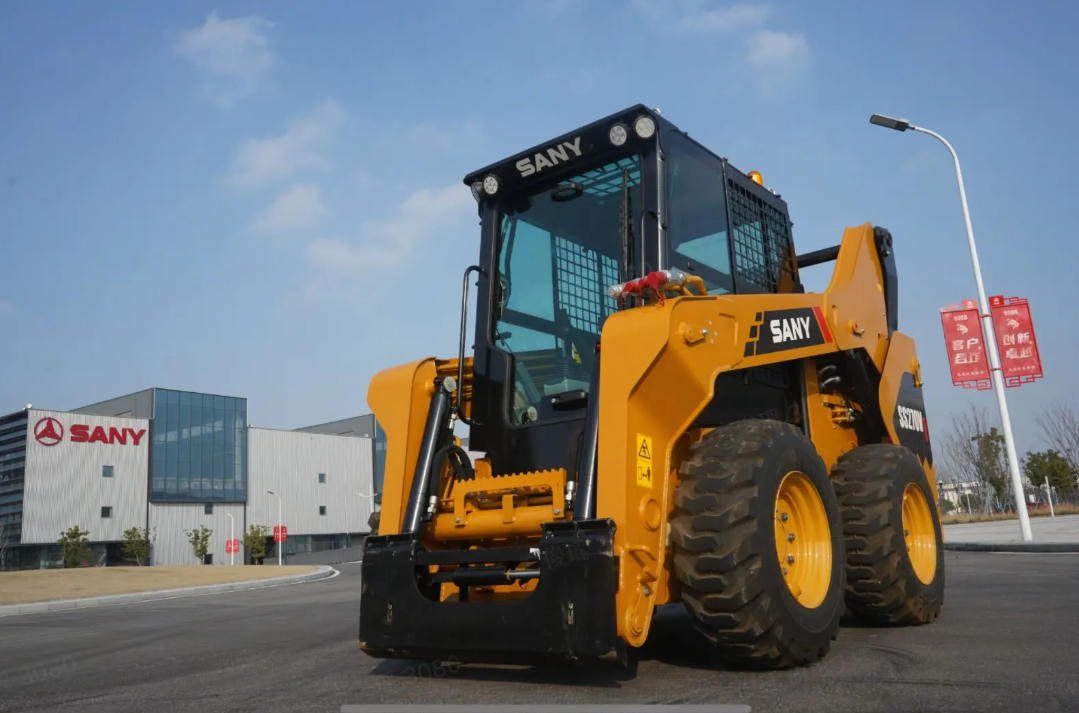
Weight of Different Types of Skid Steer Loaders
Skid steer loaders can be divided into three main categories based on frame specifications: small, medium, and large. Different types have different weight ranges and are suitable for different operating scenarios.
How Much Does a Mini Skid Steer Weigh?
Weight Range: 3,000–6,000 lbs
Power Configuration: 20–50 horsepower; rated operating capacity below 1,750 lbs
Core Features: Compact frame, light weight, high maneuverability and easy transportation, capable of operating in confined spaces
Application Scenarios: Landscaping, indoor renovation, civil construction and light-duty work on small farms
How Much Does a Medium Skid Steer Weigh?
Weight Range: 6,000–7,000 lbs
Power Configuration: 55–75 horsepower; rated operating capacity of 1,750–2,200 lbs
Core Features: Mainstream general-purpose model for construction sites with balanced overall performance, combining power, lifting capacity and flexibility
Application Scenarios: Earthwork, site grading, municipal road construction and winter snow removal
How Much Does a Large Skid Steer Weigh?
Weight Range: 7,000–12,000 lbs
Power Configuration: Over 75 horsepower (some models exceed 100 horsepower); rated operating capacity above 2,200 lbs
Core Features: Heavy-duty frame structure, higher torque, greater lifting height and powerful digging force with excellent operational stability
Application Scenarios: Large-scale construction, demolition projects, deep excavation, heavy material handling and road infrastructure development
Main Factors Affecting the Weight of Skid Steer Loaders
The weight of a skid steer loader is affected by a variety of factors, including machine specifications, counterweights, attachments, type of running gear, and additional operating loads. The following is a detailed introduction to each of these factors based on relevant information.
Model Specification and Core Hardware Configuration
Model specification is the fundamental factor affecting skid steer weight. There are obvious weight differences among compact, medium and large models, and core hardware configurations further determine the overall weight.
Frame Size: The frame is the core load-bearing structure of the equipment. Compact skid steers feature a compact and lightweight frame, while large skid steers adopt reinforced frames with heavier weights.
Engine Power: Higher engine power corresponds to greater weight. Engines equipped on large skid steers are much heavier than those on small models.
Hydraulic System: Heavy-duty models are fitted with larger hydraulic components. The increased weight of the hydraulic system will raise the total machine weight.
Travel Structure Type (Wheeled vs Tracked)
Skid steer loaders are mainly divided into wheeled and tracked types, with significant weight differences under the same specification.
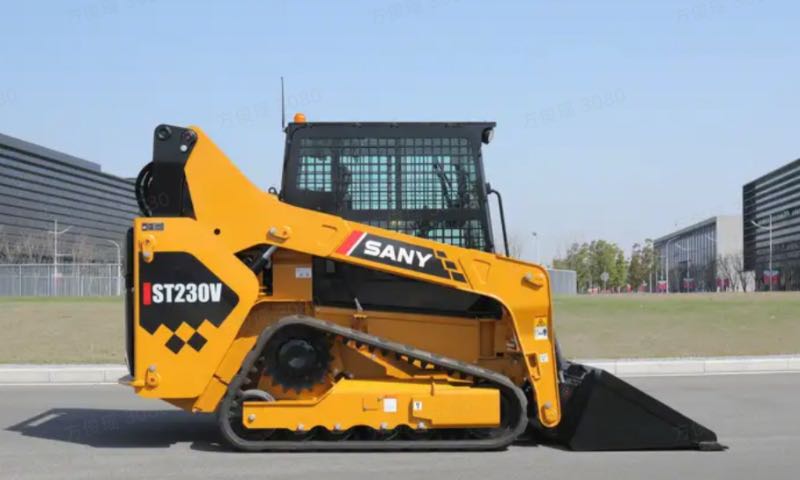
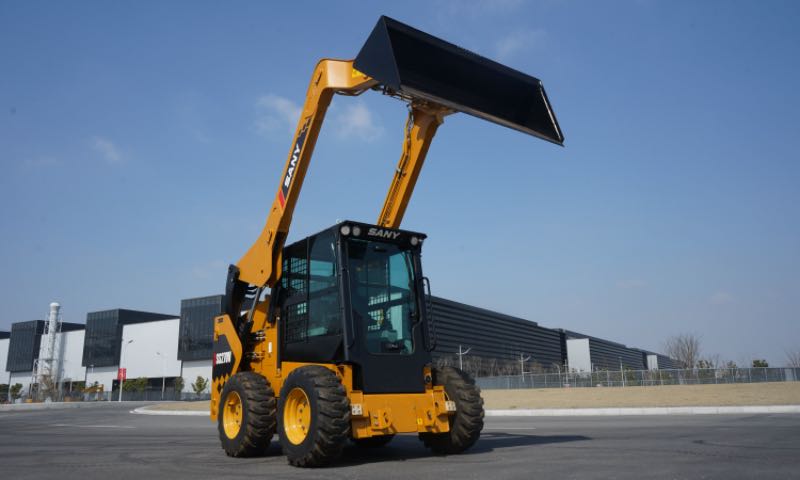
Wheeled Skid Steer Loader: Equipped with rubber tires, the travel mechanism is lightweight, resulting in a lower overall weight.
Tracked Skid Steer Loader: Adopting a heavy-duty tracked travel structure, it is generally 1,000–2,000 lbs heavier than wheeled models of the same size.
Counterweights
Counterweights are designed to balance working loads and ensure machine stability. Their weight is directly included in the operating weight and closely related to working loads.
Function: Heavier loads require heavier counterweights to maintain body balance during operation.
Impact: Increasing counterweight mass directly raises the total machine weight and improves operational stability.
External Working Attachments
Most skid steer loaders can be equipped with optional attachments and accessories. For example, SANY skid steer loaders support optional buckets, sweepers, snow blowers, snow cutters, augers and more. The weight of these external attachments is counted into the total operating weight. Different attachments vary greatly in weight and also affect the equipment’s effective lifting capacity.
Weight Range: Various attachments can increase the machine’s operating weight by 230 lbs to 2,000 lbs.
Impact: Attachment weight reduces the rated lifting load. Attachments must match the model specification; large units can carry heavy attachments, while compact models are only suitable for light-duty accessories.
Operating Weight Components
In addition to the net machine weight, the operating weight of a skid steer includes additional components, which form an essential part of the total weight.
Operator Weight: The operator’s weight is calculated into the overall operating weight.
Fuel Weight: Fuel is a key basic additional load, and its variable filling volume will cause changes in the total machine weight.
How to Choose the Appropriate Weight for a Skid Steer Loader?
Choosing the appropriate weight for a skid steer loader requires comprehensive consideration of site conditions, task requirements, equipment performance, and other practical factors. The core principle is to balance stability, flexibility, and functionality. Specific selection points are as follows:
Clarify Job Site and Task Requirements
Small lightweight skid steer loaders: Ideal for confined spaces, landscaping, indoor work, or tasks requiring flexible turning. They deliver precise mobility in narrow areas without damaging the surrounding environment.
Medium skid steer loaders: Highly versatile and capable of meeting most general operation needs, serving as a balanced option for regular jobs.
Large heavy-duty skid steer loaders: Achieve higher efficiency in open work sites. They are suitable for heavy-load tasks such as heavy material handling and construction site operations, and provide sufficient stability for rough terrain and large loads. However, the increased weight may compromise flexibility.
Match Rated Operating Capacity with Machine Weight
The rated operating capacity — the maximum load a skid steer can safely carry — is closely correlated with its own weight. In most cases, a higher-rated operating capacity means a heavier machine, as it is equipped with a more powerful engine and hydraulic system. For instance, SANY skid steer loaders feature hydraulic pilot control and DA power distribution. Construction enterprises should select the corresponding weight class based on the actual load requirements of their projects.
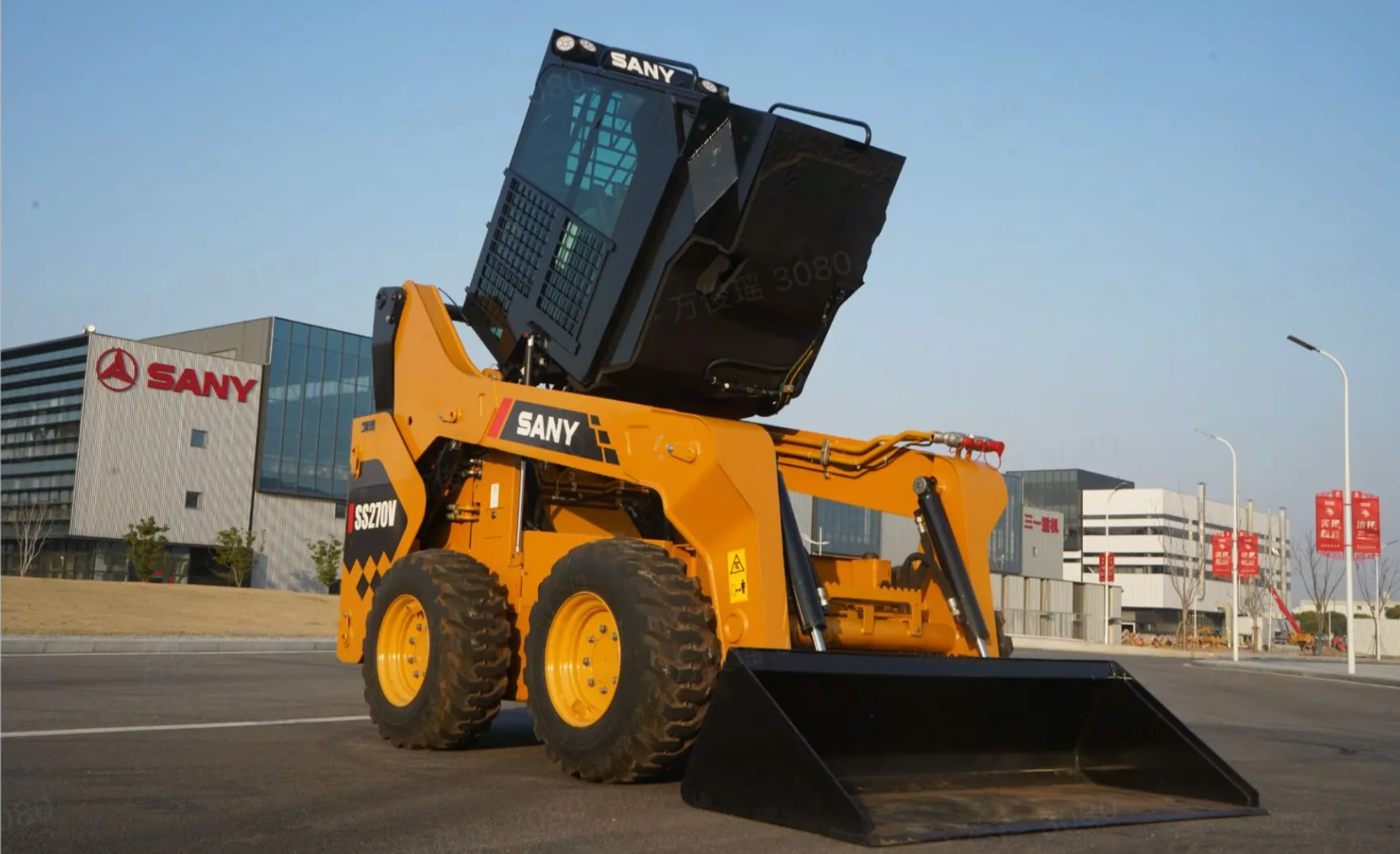
Consider Terrain Conditions
- Wheeled skid steer loaders perform well on flat, solid ground.
- Compact tracked loaders (heavier than wheeled models of the same size) are better suited for muddy or rugged terrain.
Plan for Working Attachments in Advance
-Attachments add extra weight to the skid steer, so their weight must be factored in when choosing the machine’s overall weight.
-Attachments require matched hydraulic power. Ensure the selected skid steer can supply sufficient power for the attachments you plan to use.
Factor in Budget
Choose the smallest skid steer loader that fully meets your task demands to control project costs. For example, if a 2,000-pound operating capacity is required, a medium skid steer is sufficient, and there is no need to upgrade to a large model.
Conclusion
In fact, construction enterprises need to take many other factors into account when choosing a skid steer loader. Besides how much does a skid steer weigh, they also need to consider questions such as “how wide is a skid steer?” Only through comprehensive consideration can they select equipment that truly meets their needs, balancing safety, stability, and operational efficiency to fully leverage the multi-functional advantages of skid steer loaders and safeguard construction projects.
FAQs
What Size Trailer Do I Need to Haul a Skid Steer?
Most compact and medium skid steer loaders fit well into standard equipment trailers with a gross vehicle weight of 12,000-14,000 pounds. For larger models, those with additional attachments, or those requiring frequent highway transport, an upgrade to contractor-grade equipment trailers with a gross vehicle weight of 15,000-20,000 pounds is typically required.
What is the Best Truck to Pull a Skid Steer?
Flatbed trucks, heavy-duty pickups, and tow trucks with reinforced cargo beds and ample payload capacity are all ideal choices. When equipped with appropriate tie-down points and loading ramps, these trucks can safely transport skid steer loaders and their accessories, ensuring safe transport and easy loading and unloading.
Can a Skid Steer Push Over Stumps?
Yes. Skid steer loaders are compact, highly maneuverable, and powerful, making them ideal for working in confined spaces inaccessible to larger equipment. Whether preparing for construction, landscaping, or simply removing old tree roots, skid steer loaders can handle it all. Furthermore, with the right attachments, they can grind tree stumps below ground level, completely uproot smaller stumps, or loosen and pull out their root systems.
Featured Products
Recommend Blogs
How Wide is a Skid Loader? Core Parameter Interpretation
The width of a skid loader is a key factor determining its passability and applicable scenarios. This guide will explain in detail how wide is a skid loader.
Skid Steer Loader Uses Guide: Helping You Work Efficiently
This article explains skid steer loader uses and provides specific selection recommendations.
Skid Steer Loading Guide: Key Steps, Practical Tips & Pitfall Avoidance
This guide outlines skid steer loading and transport procedures, highlighting common errors and providing practical avoidance methods.