Land Clearing Equipment:Types and Selection Tips
This article details the classification and selection of land clearing equipment to support efficient land clearing.
Land clearing equipment is a type of specialized engineering and agricultural machinery primarily used to remove vegetation, trees, tree stumps, rocks, and various obstacles from land. It prepares the land for subsequent development and utilization, and is an essential category of equipment for all land clearing operations. So how do you choose the right land clearing equipment for different projects? This article will answer that question.
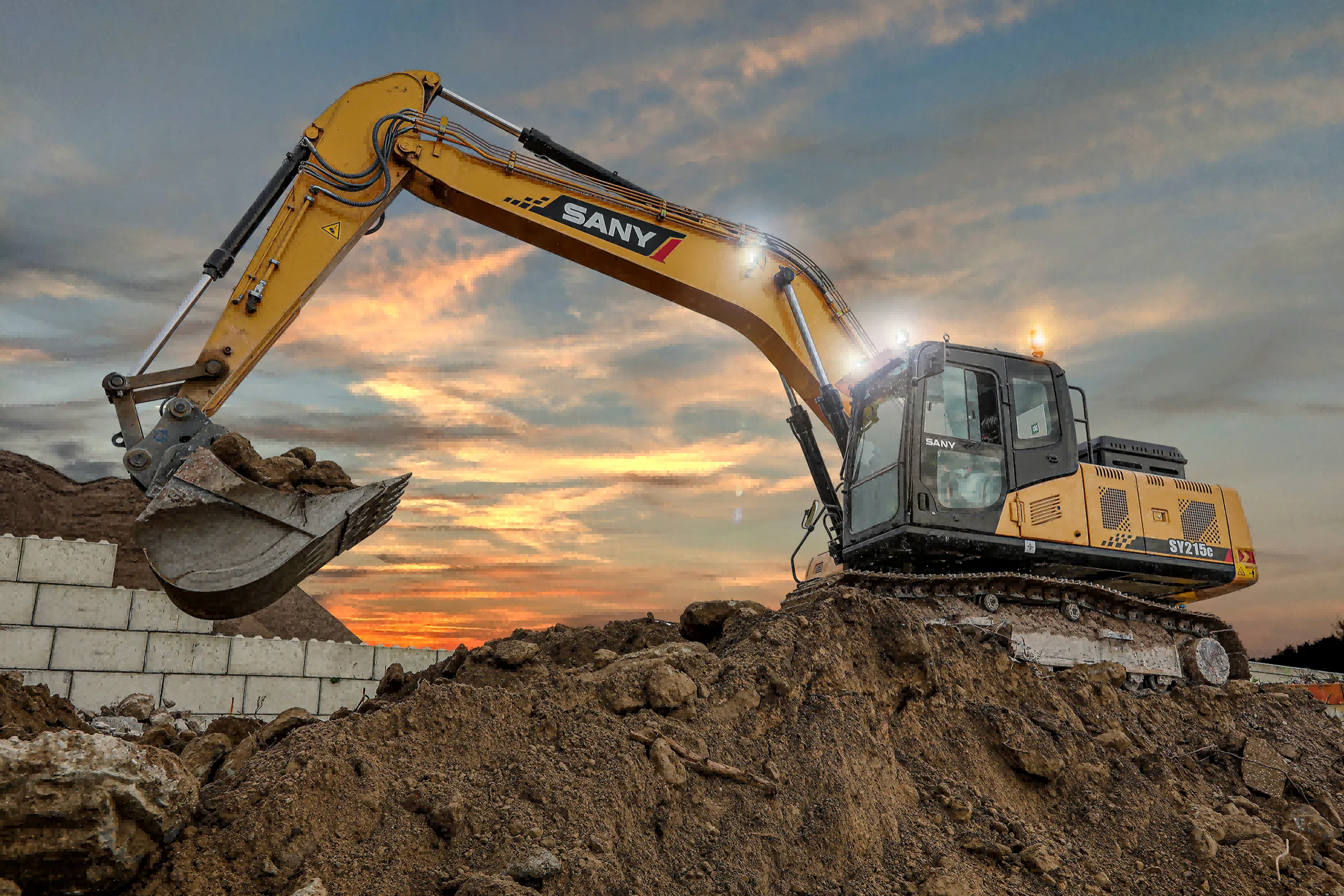
The Importance of Using the Right Land Clearing Equipment
Choosing the right land clearing machine is crucial for project safety and operational efficiency, and also has a significant impact on environmental protection.
Improve Work Efficiency and Progress
Adaptable machinery like forestry wood chippers and skid steer loaders swiftly removes trees, shrubs and stumps, cutting labor hours, shortening project timelines.
Directly Determine the Overall Project Effect
Suitable land clearing machines can not only ensure the efficient completion of cleaning operations, but also lay a solid foundation for subsequent construction, agriculture and other projects, and maximize the utilization value of the land.
Ensure Project Safety and Operation Precision
Choosing the right equipment for clearing land ensures safe, precise operation. In tight spaces inaccessible to large machinery, chainsaws and brush cutters deliver accurate, safe clearing, lowering operator risks while balancing precision and personal safety.
Support Environmentally Responsible Land Clearing
Specialized equipment like wood chippers enables selective clearing, avoiding landscape damage, preserving topsoil, reducing erosion risks, and balancing development with ecological protection.
Avoid Redundant Later Costs
Equipment with excessive power can damage the topsoil, exposing tree roots, causing soil erosion, and resulting in high restoration costs. Equipment with insufficient power, on the other hand, cannot remove debris and tree roots, leading to rapid weed regrowth, poor cleanup results, and the need for costly rework.
Types of Land Clearing Equipment
Land clearing machines are diverse, categorized into three main types based on their function and operating scenario: main heavy engineering machinery, auxiliary special processing equipment, and portable small operation tools:
Main Heavy Engineering Machinery
1. Crawler Loader
- Core Design: Equipped with rubber tracks, it has a large ground contact area and excellent ground flotation, which can evenly distribute the weight of the machine body.
- Model Classification: Divided into compact and full-size models. Compact models focus on mobility and flexibility, while full-size models prioritize high-power operation.
- Application Scenarios: Complex and harsh terrains such as mud, swamps, rugged areas and steep slopes, which can reduce surface soil disturbance and vegetation damage.
- Core Functions:Performs excavation, pushing, loading, unloading and backfilling; accepts various attachments for all-in-one versatility.
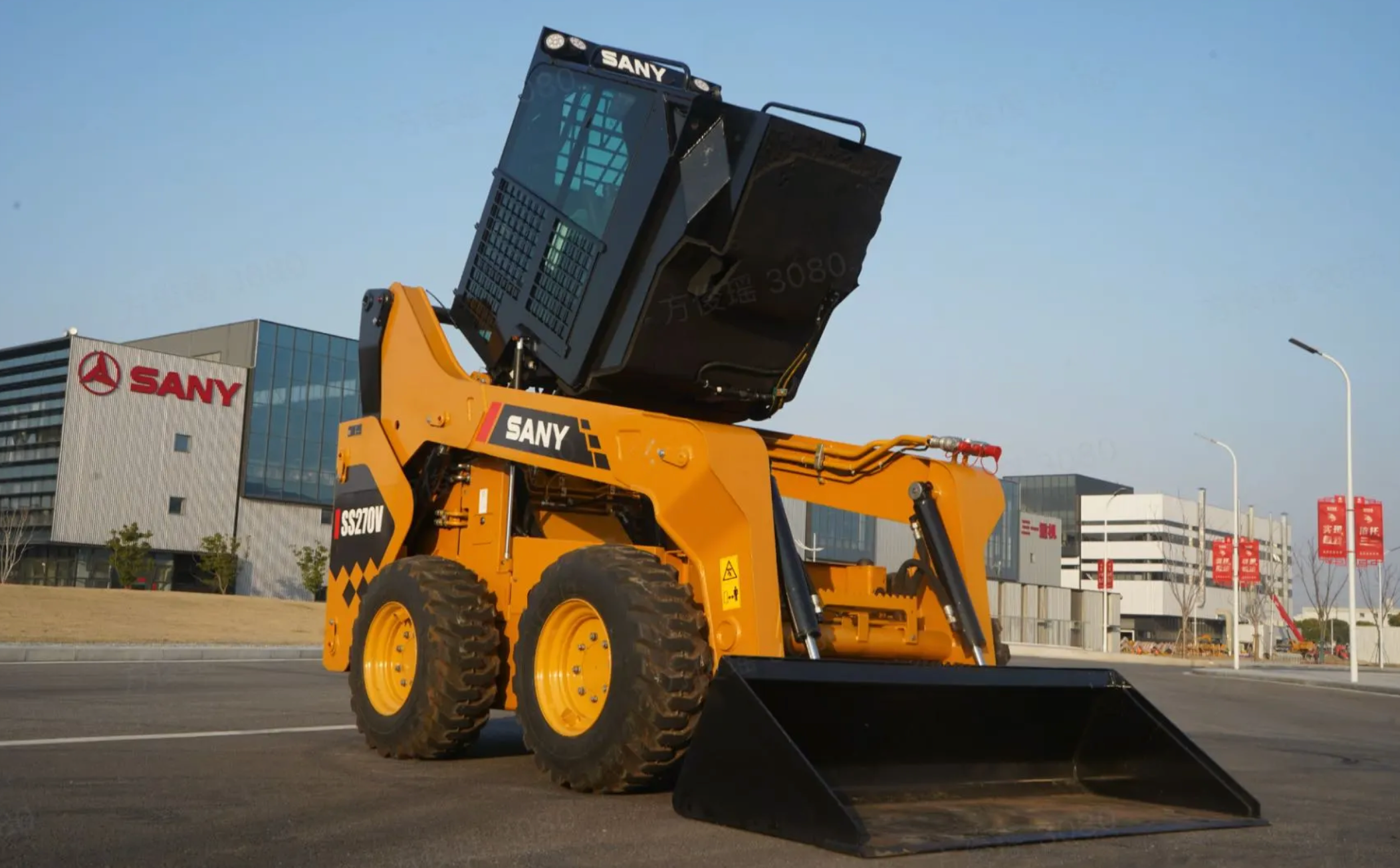
2. Skid Steer Loader
- Core Features: Compact and small body, extremely strong mobility, can realize zero-radius turning without occupying too much operation space. Especially equipment with hydraulic pilot control and DA power distribution like SANY Skid Steer can complete clearing work more efficiently.
- Application Scenarios: Small scattered projects with narrow operation space, adjacent to buildings or completed landscapes.
- Core Functions: Equipped with special attachments, it can complete shrub cutting, stump grinding, fine site leveling and debris removal; equipped with wood chipping attachments, it can also realize vegetation crushing.
- Advantages: Less damage to the surrounding environment during construction, suitable for refined small-scale clearing and finishing operations.
3. Wheel Loader:
- Core Features: Strong power, good fuel economy, large bucket capacity and high material transfer efficiency.
- Model Classification: Conventional large models are suitable for large-scale sites, small models for small-area construction sites, and articulated bodies have better trafficability.
- Application Scenarios: Debris shoveling, earthwork backfilling, material transfer on open sites, and various conventional land clearing projects.
- Core Functions: Equipped with quick-change connectors, it can quickly switch attachments such as buckets, log grapples and wood chippers, with strong versatility.
4. Backhoe Loader
- Core Features: Integrates the dual functions of a wheel loader and an excavator, dual-purpose in one machine with high cost performance.
- Structural Advantages: Front loading bucket + rear hydraulic excavator arm, with clear division of labor, suitable for simultaneous multi-process operations.
- Application Scenarios: Complex terrains with uneven, muddy and rocky areas, comprehensive obstacle removal and excavation operations on small and medium-sized sites.
- Core Functions: The front end is responsible for debris loading and transfer, and the rear end is responsible for tree removal, trench excavation and small-scale excavation; it can be equipped with attachments such as hydraulic breakers and augers to expand functions.
5. Bulldozer
- Core Features: High-power heavy equipment with a sturdy body, equipped with a thick metal bulldozer blade and strong thrust.
- Model Classification: Small models focus on mobility and flexibility, large models are designed for large-scale high-intensity clearing, and crawler models are suitable for rugged terrains.
- Application Scenarios: Thorough clearing and renovation of large open plots, site leveling and construction access road construction.
- Core Functions: Push down large trees, move boulders, clear dense shrubs; the rear ripper can loosen compacted and hardened soil layers.
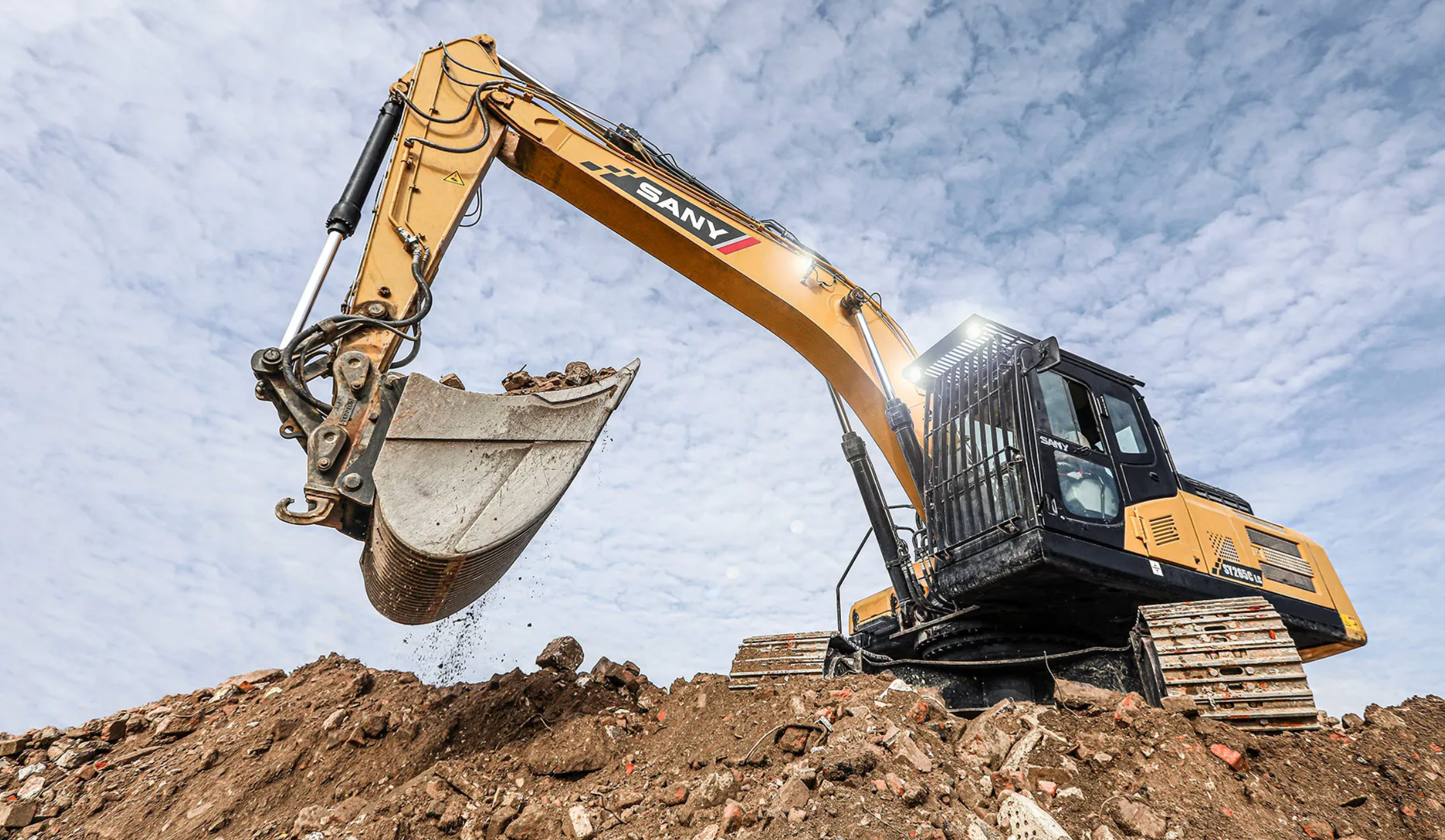
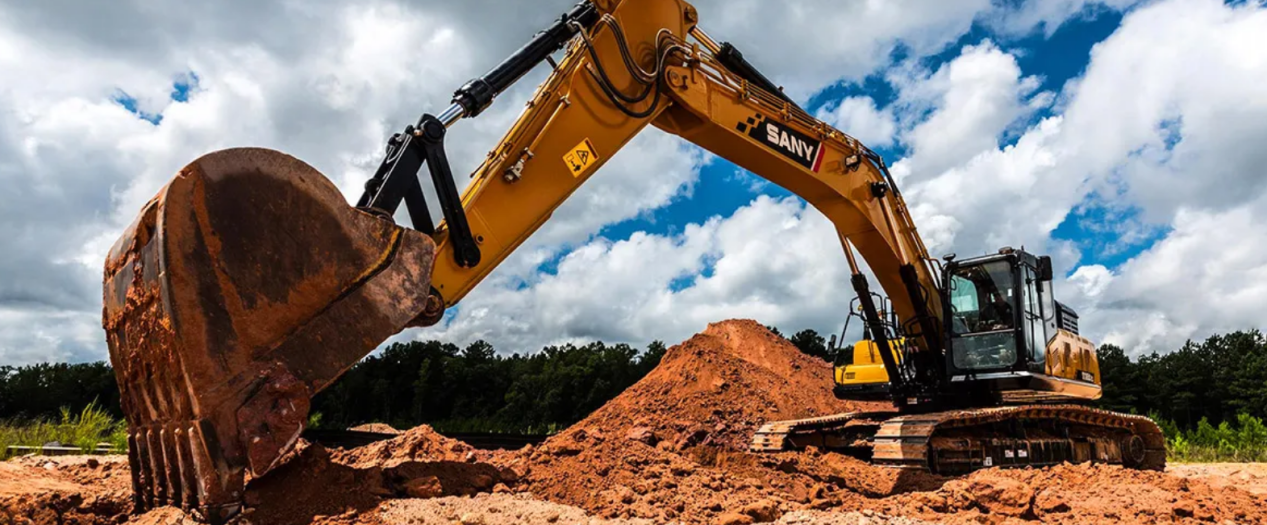
6. Excavator
- Core Features: Abundant power, high control precision, flexible operation, and capable of realizing refined obstacle removal.
- Model Classification: Mini models are suitable for residential courtyards and small sites, conventional models for medium-sized projects, and full-size models for large-scale site development. For example, the SANY medium excavator has two specifications: 20-21.5T and 22-35T, which can adapt to different medium-sized clearing operations.
- Application Scenarios: Sites of all scales, especially areas near buildings and fences that need to protect the surrounding environment.
- Core Functions: Excavate earthwork, pull out deep tree roots, carry boulders, crush concrete; equipped with attachments such as clearing rakes and grapples to accurately remove vegetation and debris.
7. Special Forestry Machinery
- Core Features: Customized for forestry operations, the body is thicker than ordinary engineering machinery, with a reinforced structure and resistance to harsh environments.
- Application Scenarios: Dense forest areas, large-scale logging and forest land clearing, and harsh field operation environments.
- Core Functions: Equipped with professional attachments to complete tree felling, branching, cutting and vegetation crushing, greatly improving forest land clearing efficiency.
8. Articulated Dump Truck
- Core Features: The frame can be flexibly bent, with strong trafficability and excellent heavy-duty carrying capacity.
- Application Scenarios: Complex terrains such as steep slopes, bumps and rugged areas, long-distance material transfer on large construction sites.
- Core Functions: Transfer various debris such as stones, shrubs and earthwork, often used in conjunction with excavators and wheel loaders, and is the core equipment for debris removal on large construction sites.
Auxiliary Special Processing Equipment
1. Stump Grinder
- Core Positioning: Special equipment for the final stage of land clearing, specializing in stump residue removal.
- Model Classification: Small handheld models, large industrial models, and can also be used as attachments with main heavy engineering machinery.
- Application Scenarios: Stump clearing on various sites to prevent tree regeneration and ensure thorough site clearing.
- Core Functions: Grind stumps and roots into fragments through a rotating cutting disc to completely remove underground residues.
2. Wood/Branch Crushing Equipment
- Core Features: Integrates the functions of shrub branch crushers, forestry mulchers and forestry wood chippers, environmentally friendly and efficient.
- Application Scenarios: Vegetation waste treatment on various sites, replacing incineration to realize resource recovery.
- Core Functions: Quickly crush trees, shrubs and branches into wood chips or organic mulch, which can be left on the surface to improve soil and protect soil layers.
- Processing Capacity: Can handle small branches to trees with a diameter of 20 inches, divided into independent models and skid steer mounted models, suitable for different scales.
3. Brush Cutter and Lawn Mower Equipment
- Core Features: Integrates the functions of brush cutters and lawn mowers, divided into high-power models and portable models with strong pertinence.
- Application Scenarios: Wastelands, overgrown areas, vegetation-dense areas where large equipment cannot operate, and firebreak construction.
- Core Functions: High-power models cut dense shrubs and small trees; portable models clean weeds and perform fine trimming to eliminate fire hazards.
Portable Small Operation Tools
1. Chain Saw:
- Core Features: Portable manual tool, small size, easy to carry and operate.
- Power Classification: Fuel-powered, electric and lithium battery models, suitable for different operation scenarios and power supply conditions.
- Application Scenarios: Manual obstacle removal in narrow spaces and areas inaccessible to large machinery, forestry pruning and logging.
- Core Functions: Cut tree trunks and branches, build firebreaks, and process wood.
2. Portable String Trimmer/Lawn Mower:
- Core Features: Light and flexible body, good controllability, can operate through gaps between obstacles.
- Application Scenarios: Residential courtyards, gardens, small green spaces, and corner areas hard to reach by large machinery.
- Core Functions: Cut weeds and seedlings with high-speed rotating nylon lines to complete fine site trimming.
How to Choose the Right Land Clearing Equipment?
Choosing the right land clearing machinery requires a comprehensive assessment of site conditions, project needs, budget, and compliance requirements, while minimizing the impact on the surrounding environment and ecosystem. Specific selection points and methods are as follows:
Core Selection Factors
1. Basic Site Conditions
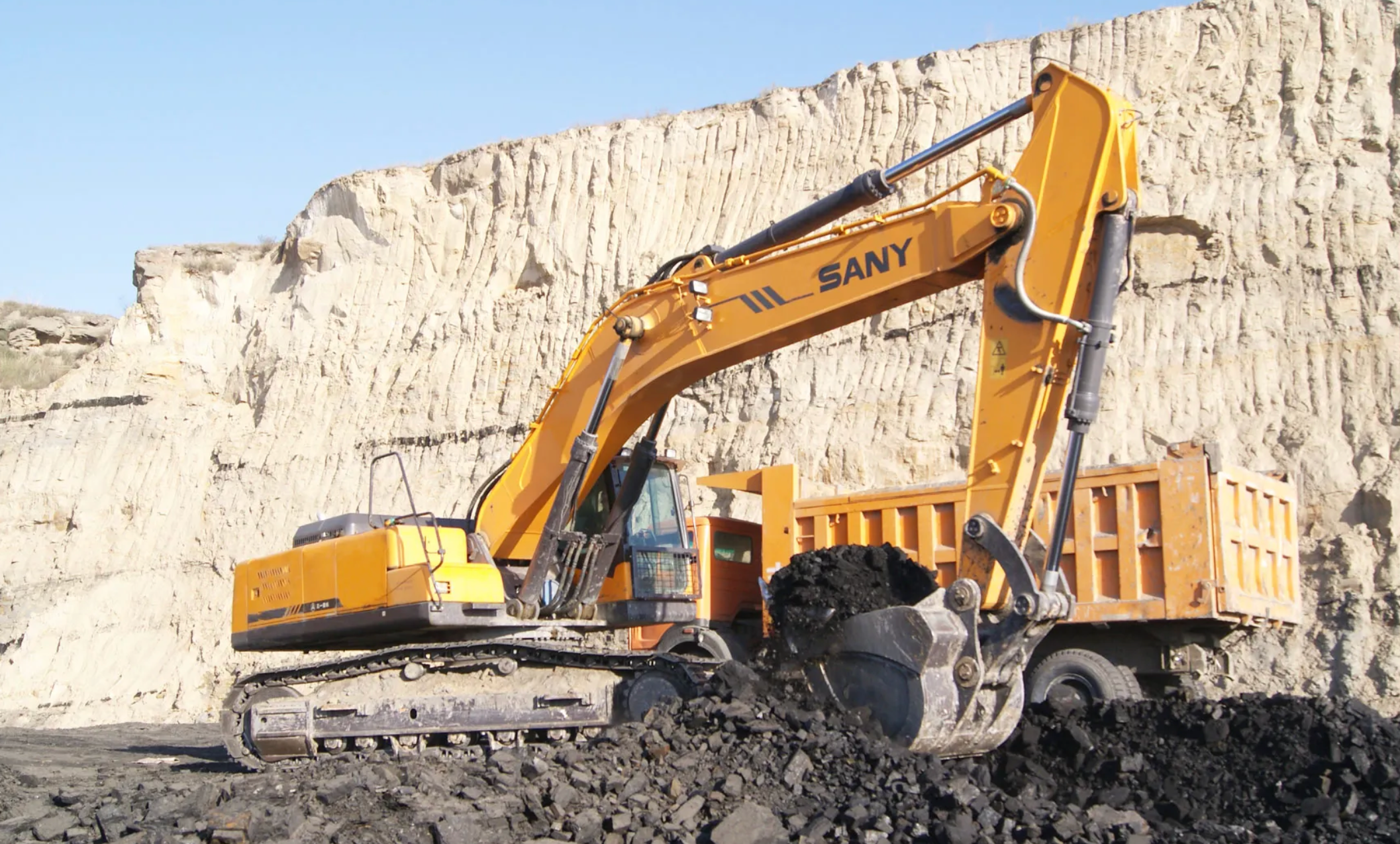
- Clearing Area and Scale: For commercial/large-scale development projects, heavy equipment, such as bulldozers and large excavators, is selected. For example, the SANY large excavator has amazing digging power and is an ideal machine for large-scale earthmoving projects. For residential or smaller projects, compact equipment, such as mini excavators and skid steer loaders, is selected, choosing equipment according to needs to avoid waste.
- Topographic and Geomorphic Features: For flat and dry sites, wheel loaders and conventional excavators are optional; for complex terrains such as mud, steep slopes and rocky areas, crawler equipment is preferred for high stability and low surface disturbance, which can prevent water and soil erosion on slope areas.
- Vegetation and Obstacle Conditions: For sparse shrubs and young trees, use a skid steer loader with brush cutting attachments plus a chain saw; for dense shrubs and medium-sized trees, select an excavator with a crusher and grapple; for large trees, excavators and bulldozers need to cooperate with chain saws; for sites with many stumps and rocks, additionally equip with stump grinders and crushing attachments.
2. Project and Cost Factors
- Project Objectives and Land Use: Different uses such as construction development, agricultural cultivation and ecological protection determine the clearing scope and precision. For example, areas adjacent to buildings and landscapes require precise and low-disturbance equipment, while large-scale land reclamation can choose high-power heavy equipment.
- Budget and Cost Control: For short-term projects, give priority to leasing equipment to reduce upfront investment; for long-term and frequent use, consider purchasing. New equipment has high reliability and warranty, while used equipment has lower upfront costs. At the same time, calculate operating costs such as fuel, maintenance, repair and insurance to balance the return on equipment investment.
Additional Precautions for Selection
- Assess sensitive areas, wildlife habitats and water sources on the site in advance, delineate buffer zones, avoid operations in sensitive areas or select special low-impact equipment.
- For invasive species and special vegetation, use special clearing equipment and processes to prevent species spread and ensure thorough clearing.
- Understand local regulations related to land clearing in advance, obtain required permits, abide by zoning planning and environmental protection laws, and strictly prohibit illegal operations.
Conclusion
In summary, land clearing equipment, as the core equipment for land clearing operations, directly impacts operational efficiency, construction safety, environmental effectiveness, and overall project costs depending on its selection. Only by combining the actual site conditions with the scientific selection and standardized operation of various land clearing equipment can we ensure proper site preparation, lay a solid foundation for subsequent land development, agricultural production, and engineering construction, and achieve a balance between efficient operation and ecological protection.
FAQs
What is the Easiest Way to Clear Underbrush?
The simplest method for clearing understory bushes depends on the scale of the operation: for large areas, skid steer loaders equipped with shredding attachments are the most efficient, as these machines can directly shred vegetation while preserving the soil structure; for small areas or confined spaces, heavy-duty mowers with metal brushes are the most efficient; if manual clearing is used, ratchet rakes or specialized bush shears can complete a high-quality clearing operation.
What is the Cheapest Way to Clear Land?
The cheapest way to clear land is by using labor-intensive methods, such as chainsaws, axes, and hoes for small-scale clearing. For medium-sized sites with a lot of debris, renting equipment such as chainsaws, wood chippers, or tractors with buckets is also an economical option. Hiring a professional construction team is expensive, so doing the clearing manually or renting equipment to do it yourself is the key to controlling costs.
What Size Tractor Do I Need to Clear Land?
The horsepower of the tractor used varies depending on the size of the land. Generally speaking, a 15-25 horsepower tractor is sufficient for small plots of 1-5 acres; a 25-50 horsepower tractor is needed for larger plots of 5-10 acres; and a high-power tractor of 50 horsepower or more is required for commercial farmland of more than 10 acres or for heavy-duty operations.
Featured Products

Recommend Blogs
The Difference Between Backhoe Loader and Excavator: Efficient Construction
This article details the difference between backhoe loader and excavator, and provides specific selection recommendations.
How to Operate a Skid Loader? Comprehensive Guide to Efficient and Safe Operations
This article focuses on core components of the skid loader, how to operate a skid loader, safety knowledge, and common operations, helping construction teams carry out projects efficiently and safely.
Excavator vs Bulldozer: Functions, Key Differences and How to Choose
Not sure whether excavator vs bulldozer is the right choice? This article explains both machines’ functions, differences, and selection methods to help you pick the best equipment for 2025 construction projects