Kinds of Forklift: Detailed Selection Guide
This guide details kinds of forklift from performance to application, helping you select the right model and operate efficiently.
In warehouse operations, logistics handling and other tasks, choosing the right forklift is crucial for improving efficiency and controlling costs. However, when faced with different types of forklifts, many people feel confused: what exactly are the kinds of forklift? How to distinguish them and accurately match them with actual operation needs? This selection guide will comprehensively analyze various types of forklifts, break down their performance, applications and advantages one by one, help you master the core methods of selecting different forklift types, and avoid common mistakes in the selection process.
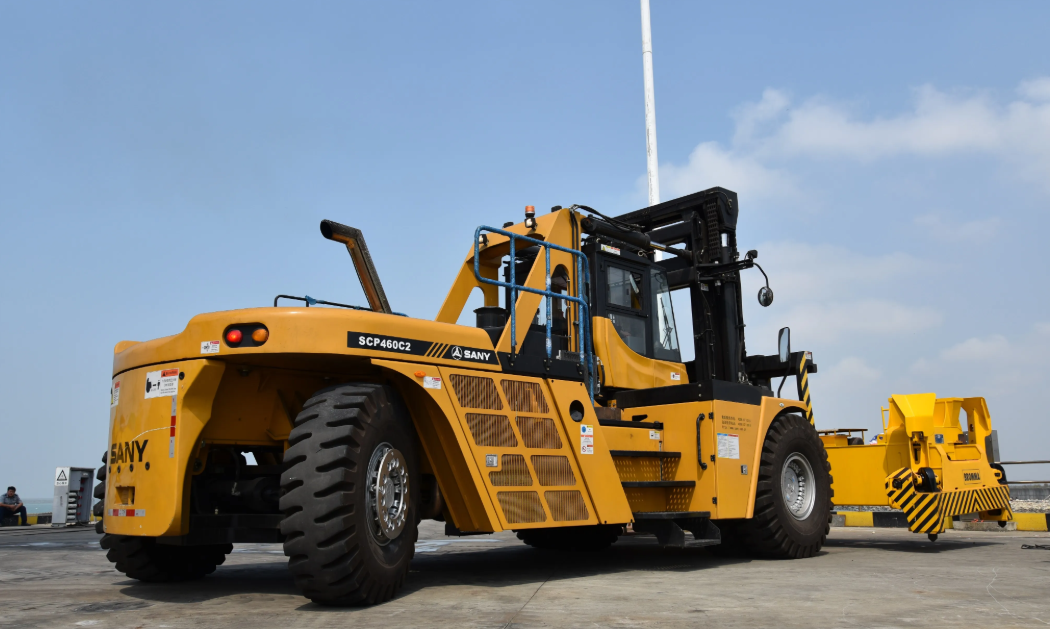
What Are the Different Types of Forklift?
Different types of forklifts vary significantly in power source, operational environment adaptability, and functional application. Combined with actual operational needs, the mainstream forklift types are analyzed in detail below:
Classified by Power Type
Power type is one of the core classification dimensions of forklifts, which directly determines their operating costs, environmental performance and operational endurance. Forklifts are mainly divided into two categories: electric forklifts and internal combustion forklifts.
1. Electric Forklift
Powered by batteries, Electric Forklifts are divided into two main subtypes: battery-powered electric forklifts and lithium-battery electric forklifts. They are generally easy to operate, low-noise, zero-emission, and feature a relatively compact body structure.
Compared with battery-powered models, lithium-battery variants offer faster charging, longer endurance, and a longer service life, and do not require regular water refilling for maintenance.
2. Internal Combustion Forklift
Powered by fuel, internal combustion forklifts can be categorized into three subtypes based on fuel type: diesel forklifts, gasoline forklifts, and liquefied petroleum gas (LPG) forklifts. They deliver robust power output, cover a wide range of load capacities, and have unrestricted endurance, enabling continuous operation after refueling.
Compared with diesel and gasoline models, LPG forklifts feature relatively cleaner emissions and are suitable for short-distance indoor operations. Meanwhile, diesel models are optimized for heavy-load tasks and complex terrain adaptation.
Classified by Operating Environment
Different operating environments impose distinct requirements on forklifts in terms of protection performance, body size and tire configuration. Tipos de forklifts are mainly divided into three categories:indoor-only, outdoor-only and special-environment-only models.
1. Indoor-Only Forklift
Core Features: Compact body with a small turning radius for flexible operation, mostly electric-driven. Equipped with solid polyurethane tires to prevent floor scratches. Some models are fitted with precision positioning assistance functions, suitable for high-frequency stacking operations.Typical Models: Electric counterbalance forklift, reach truck, three-way stacker.
2. Outdoor-Only Forklift
Core Features: Robust body structure with high ground clearance and strong anti-vibration capability. Mostly internal combustion-driven, equipped with inflatable off-road tires (with deep treads for excellent grip). Some heavy-duty models come with a differential lock device to enhance driving stability on complex terrain.Typical Models: Diesel internal combustion forklift, rough terrain forklift.
3. Special-environment-only Forklift
Core Features: Specially modified on the basis of standard forklifts, with targeted protection performance to meet the operational requirements of special environments. They are mainly divided into three subtypes: cold storage forklift, explosion-proof forklift, and high-temperature environment forklift.
Model Features:
Cold Storage Forklift: Key modifications include low-temperature resistant batteries, low-temperature resistant hydraulic oil, and anti-frost coating on the body (to prevent frost formation from affecting operation).
Explosion-proof Forklift: Key modifications include explosion-proof motors, explosion-proof electrical components, and anti-static tires, avoiding the risk of electric sparks during operation.
High-temperature Environment Forklift: Key modifications include a high-temperature heat dissipation system (dual-fan cooling), high-temperature resistant seals, and heat-insulated cab design.
Classified by Function and Application
Classified by function and application, this category is mainly designed for different cargo types, stacking height requirements and operation modes. Core models include standard stacking forklifts, reach trucks, side loaders, telehandlers, etc.
1. Standard Stacking Forklift (Counterbalance Forklift)
Equipped with counterweights on the body to ensure operational stability, it is the most versatile forklift type on the market. It has a moderate stacking height, and some high-end models feature stronger stacking capacity. With a wide range of load capacities and simple operation, it is suitable for handling and stacking regular goods.
2. Reach Truck
The forks can extend forward, featuring a compact body, small turning radius and strong stacking capacity. Mostly electric-driven, it is ideal for space utilization in narrow aisles. Some models are equipped with a side-shift function to precisely adjust the position of goods.
3. Side Loader
The forks are mounted on the side of the body, allowing lateral loading and unloading of goods without the need for turning. It has a short body length and a small turning radius, making it suitable for handling extra-long and extra-wide cargo. Its load capacity and stacking height can meet medium and heavy-load requirements.
4. Telehandler
Equipped with a telescopic boom structure, it combines the handling function of a forklift with the lifting advantages of a crane, offering high operational flexibility. It can perform multi-angle and long-distance operations, and some models support 360° rotation, making it suitable for handling and stacking irregular goods.
How to Choose the Right Types of Forklift Trucks?
After gaining a clear understanding of the types of forklifts, you can follow these three key points to make the right selection:
1. Clarify Core Operational Requirements
First, you need to define your core operational indicators, which form the basis for selecting the right forklift type:
Load capacity requirements: Specify the regular and peak weights of the goods handled daily to determine the forklift’s load capacity. This avoids both overloading and wasting capacity on oversized models.
Lifting height requirements: Based on the height of your storage shelves, confirm the minimum lifting capacity of the forklift to ensure it meets daily stacking needs.
Operational intensity: Evaluate the daily working hours and operation frequency. If continuous long-hour operation is required, prioritize forklifts with stable endurance (e.g., internal combustion forklifts or lithium-battery electric forklifts).
2. Match Forklift Core Attributes with Operational Requirements
Align your needs with the forklift types by power source, operating environment, and function as outlined earlier:
By power source: If environmental friendliness, low noise, and indoor operation are priorities, choose an electric forklift.If outdoor heavy-load work, no charging access, or long continuous operation is needed, opt for an internal combustion forklift (diesel models excel at heavy loads; LPG models are suitable for short-distance indoor tasks).
By function: For narrow-aisle operations, reach trucks are preferred. For extra-long or extra-wide cargo, choose side loaders. For irregular-shaped goods or lifting tasks, telehandlers are the optimal choice.
For special environments: If working in extreme conditions (low temperature, high temperature, flammable and explosive areas), directly select the corresponding special-environment-only forklift.
3. Balance Cost and Performance
On the premise of meeting operational needs, comprehensively balance the life-cycle cost and performance:
Purchase cost: There are significant differences in the purchase prices of different forklift types. For example, electric forklifts usually have a higher initial cost than internal combustion forklifts of the same load capacity; special-environment forklifts cost more than standard models. Screen options rationally based on your budget.
Operating cost: The main operating cost of electric forklifts is electricity, which is relatively low. Internal combustion forklifts incur fuel costs, so fuel consumption should be calculated for long-term operations.
Maintenance cost: Electric forklifts have a relatively simple structure, with maintenance focused on batteries and hydraulic systems, resulting in lower costs. Internal combustion forklifts require regular maintenance of engines, gearboxes and other components. Special-environment forklifts have higher maintenance costs due to their specialized modified parts, so advance planning is necessary.
4. Focus on Operational and Maintenance Suitability
Finally, it is necessary to consider the suitability for actual operation and post-purchase maintenance:
Operational aspect: If the operators are novices, prioritize standard models with low operational thresholds (e.g., standard stacking forklifts, conventional electric forklifts), and avoid models with complex structures and high operational difficulty (e.g., telehandlers).
Maintenance aspect: Pay attention to the part commonality of the selected forklift type and the local after-sales support capability. This prevents insufficient post-purchase operational stability caused by scarce spare parts or inadequate after-sales service.
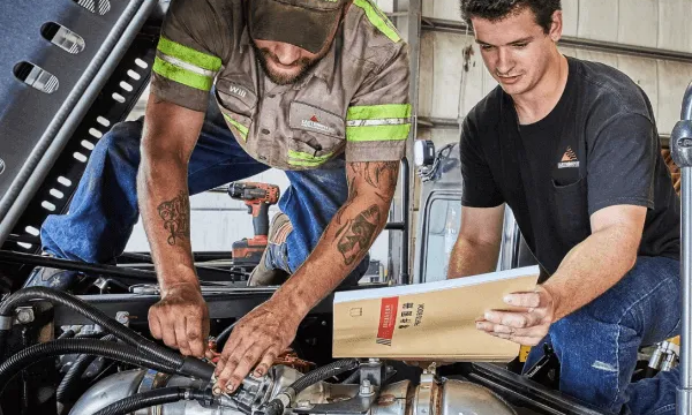
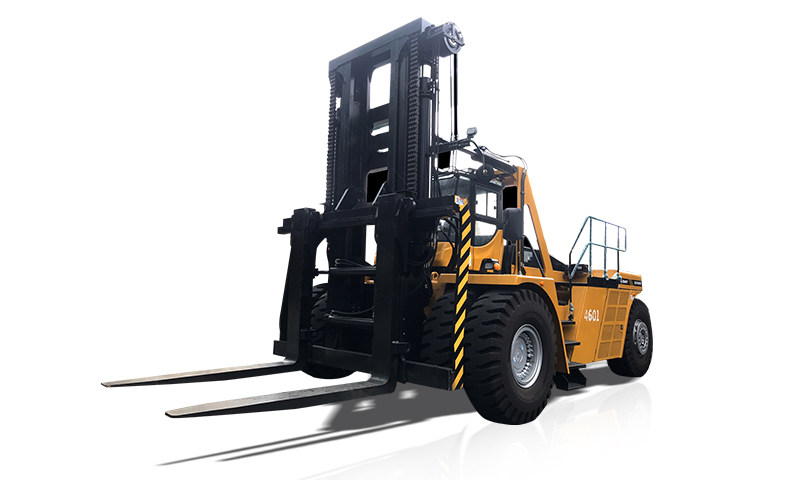
Forklift Truck from SANY can well meet such needs. Your local SANY dealer provides a range of daily maintenance services as well as customized maintenance packages and solutions, which can effectively address your diverse requirements, thereby ensuring the safety of your team and the efficiency of your Sany equipment.
Conclusion
To sum up, the core differences between kinds of forklift lie in their power sources, functions and adaptive attributes. This guide breaks down the characteristics of various types of forklifts and outlines the key steps for selecting types of forklift trucks. We believe that as long as you base your choice on your own needs and match forklift performance with costs, you can avoid common mistakes in selection, pick a highly suitable model, and empower your operational scenarios such as logistics handling and warehouse operations.
FAQs
What are the Forklift Classifications?
Forklifts are mainly classified into seven categories, primarily based on their power source (electric/internal combustion engine) and tire type (solid tires/pneumatic tires), including:
Class 1:Electric Ride-on Forklifts
Class 2:Narrow Aisle Forklifts
Class 3:Hand-operated/Ride-on Forklifts
Class 4:Solid Tire Internal Combustion Forklifts
Class 5:Pneumatic Tire Internal Combustion Forklifts
Class 6:Electric/Internal Combustion Towing Vehicles
Class 7:Aerial Compartment Forklifts
These classifications determine whether they are suitable for indoor/outdoor use, smooth/uneven surfaces, and specific tasks (such as picking or towing). Subcodes further specify the particular model, such as reach trucks or pallet trucks.
What Are the Different Names for Forklifts?
Globally, forklifts are known by several names depending on region and context. Common terms include Lift Trucks, Fork Trucks, Powered Pallet Trucks, and Stackers. In some countries, smaller or specialized types may be called Reach Trucks, Telehandlers, or Pallet Jacks. Despite the variety of names, all refer to vehicles designed for lifting, moving, and stacking materials efficiently in warehouses, factories, and construction sites.
What Is a Class 4 Forklift?
A Class 4 forklift is a sit-down forklift powered by an internal combustion engine and fitted with solid tires. As a specific model in forklift classifications, it is designed exclusively for indoor applications.
It features flexible power sources and can be driven by diesel, liquefied petroleum gas (LPG), gasoline, or compressed natural gas (CNG). While leveraging the power advantages of internal combustion engines, its solid tires are tailored to indoor floor conditions (preventing floor scratches). This type of forklift is commonly used for cargo handling in indoor venues such as warehouses and workshops.
Featured Products
Recommend Blogs
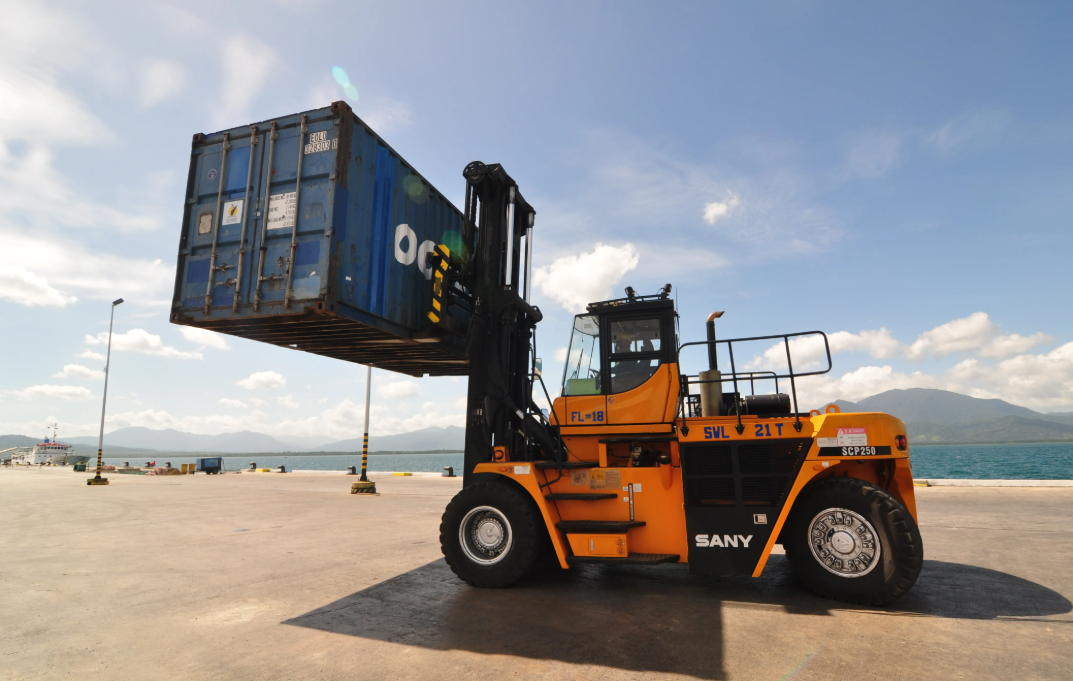
Forklift Truck Height Parameters Explained: Definitions, Selection & Calculations
This paper details the core parameters and calculation methods of forklift truck height, providing guidance for forklift selection and safe operations.
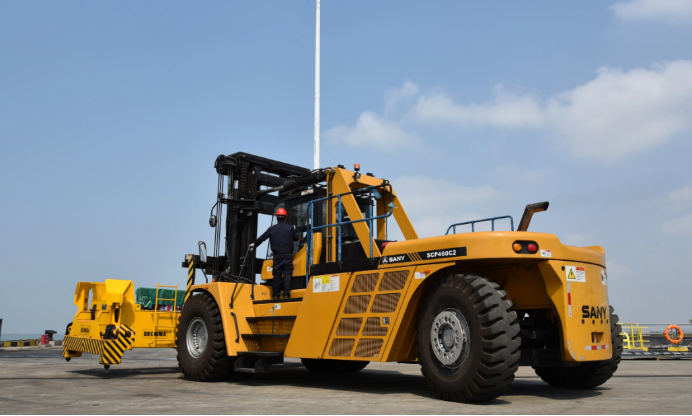
Fork Truck vs Forklift: A Must-Read for Equipment Selection
This guide offers a detailed analysis of fork truck vs forklift, helping you understand their differences to make the right selection.
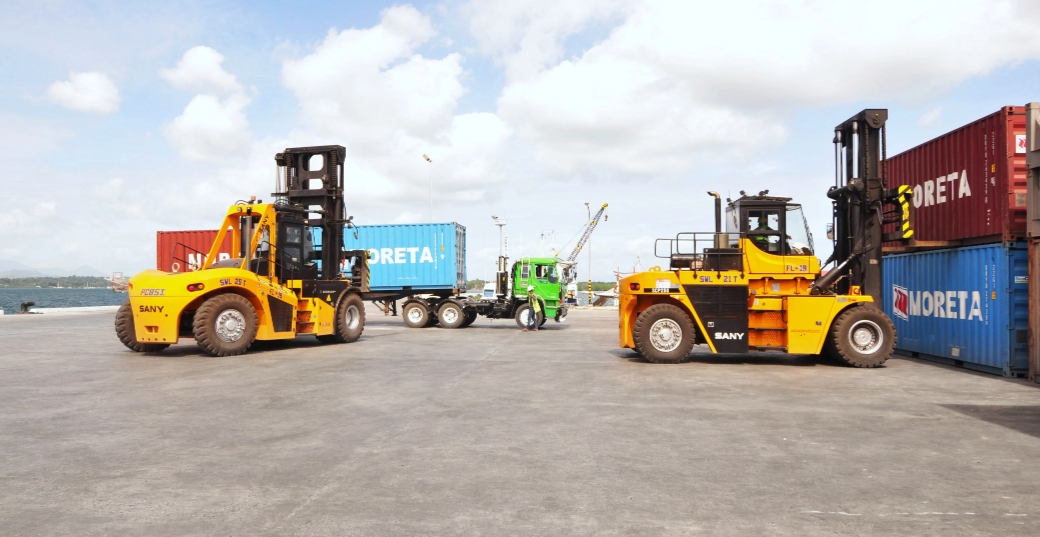
Forklift Truck Loading Safety Guide: Full Process and Risk Avoidance
This article details common scenarios, the entire process of forklift truck loading, and key safety points to help achieve safe and efficient operations.