Key Defense Line of Operational Safety: A Detailed Explanation of the Forklift Truck Checklist
This article explains the importance of a forklift truck checklist, details the key points of the full-process inspection, helping to improve the safety of forklift operations.
Forklifts are indispensable material handling equipment in warehousing, logistics, manufacturing, and other venues. However, improper operation and maintenance of forklifts can easily lead to personal injuries or property losses. To avoid these risks and ensure a safer working environment, implementing a comprehensive Forklift Truck Checklist is crucial.
This article details the importance of the Forklift Truck Checklist, analyzes its main contents, and clarifies the standardized use process of the checklist and problem handling methods, helping enterprises build a solid equipment safety line and achieve safe and efficient forklift operations.
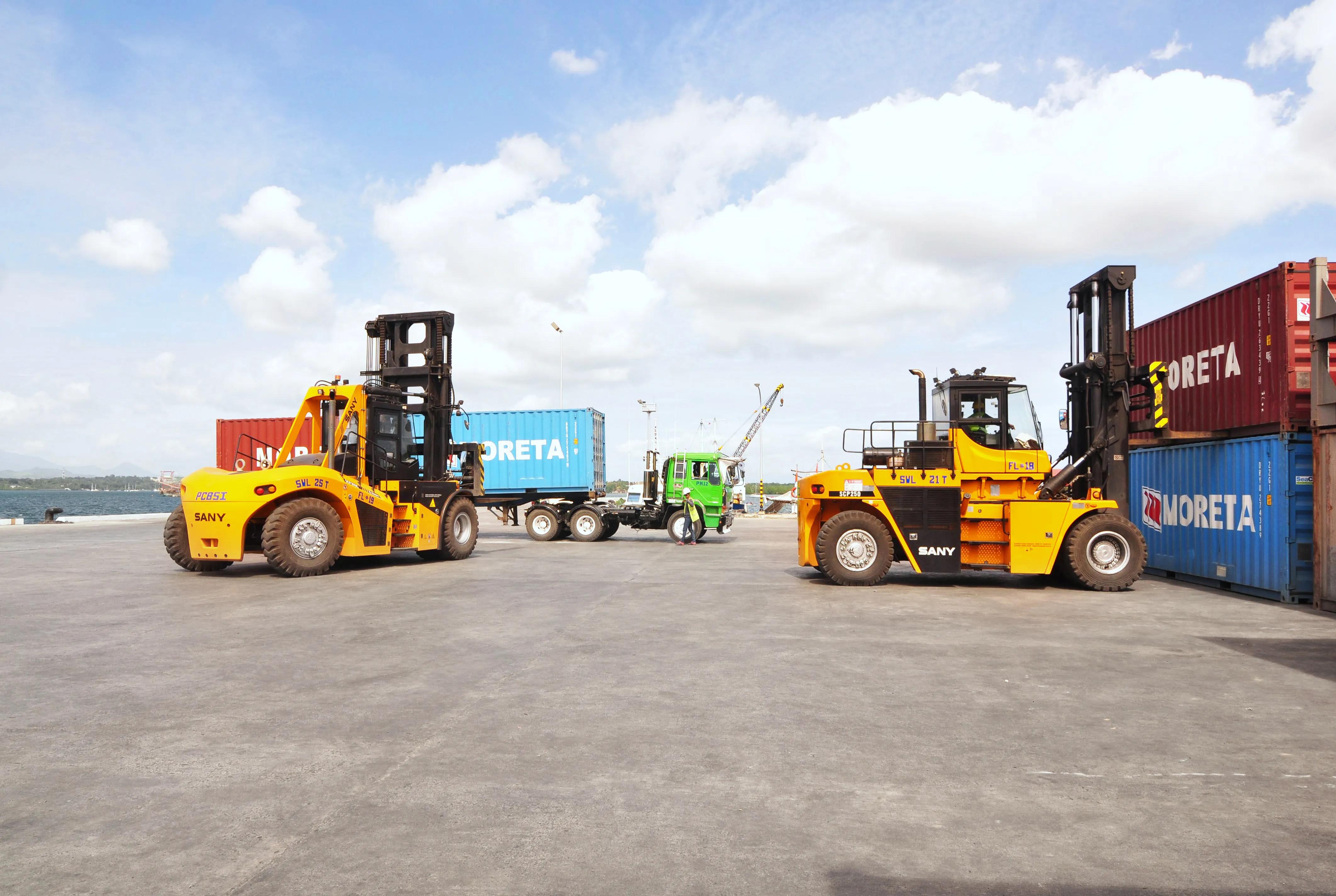
Why a Forklift Truck Checklist Matters for Safety and OSHA Compliance?
Forklift Truck Daily Checklist Prevents Incidents
Most accidents during forklift operations, such as collisions caused by brake failure, load falling due to fork breakage, and rollovers caused by tire blowouts, are often rooted in undetected hidden equipment faults. The daily checklist can eliminate these potential hazards in the bud through systematic inspection of key components. For example, checking hydraulic pipelines can detect minor leaks, preventing the fork from suddenly falling due to hydraulic system failure during operation; checking the brake pedal stroke can timely detect brake pad wear, preventing accidents caused by brake failure.
Regular Checks Extend Equipment Lifespan
As high-value equipment, the service life of forklift trucks directly affects the operating costs of enterprises. Regular inspections can help operators detect abnormal wear of equipment promptly, such as excessive wear caused by insufficient engine oil and unstable power supply caused by corrosion of battery terminals. Timely handling of these minor issues can avoid irreversible damage to key equipment components caused by fault escalation, effectively extending the service life of forklifts and reducing maintenance costs and equipment replacement frequency.
Detailed Explanation of Forklift Truck Safety Checklist Contents
Forklift inspection is not a simple check of a single link, but a systematic project covering the entire process before and during operation. According to the characteristics of different stages of forklift operation, it can be divided into visual inspection (before starting the forklift) and operational inspection (during forklift operation). The following is a detailed inspection form, which operators should record when inspections are possible.
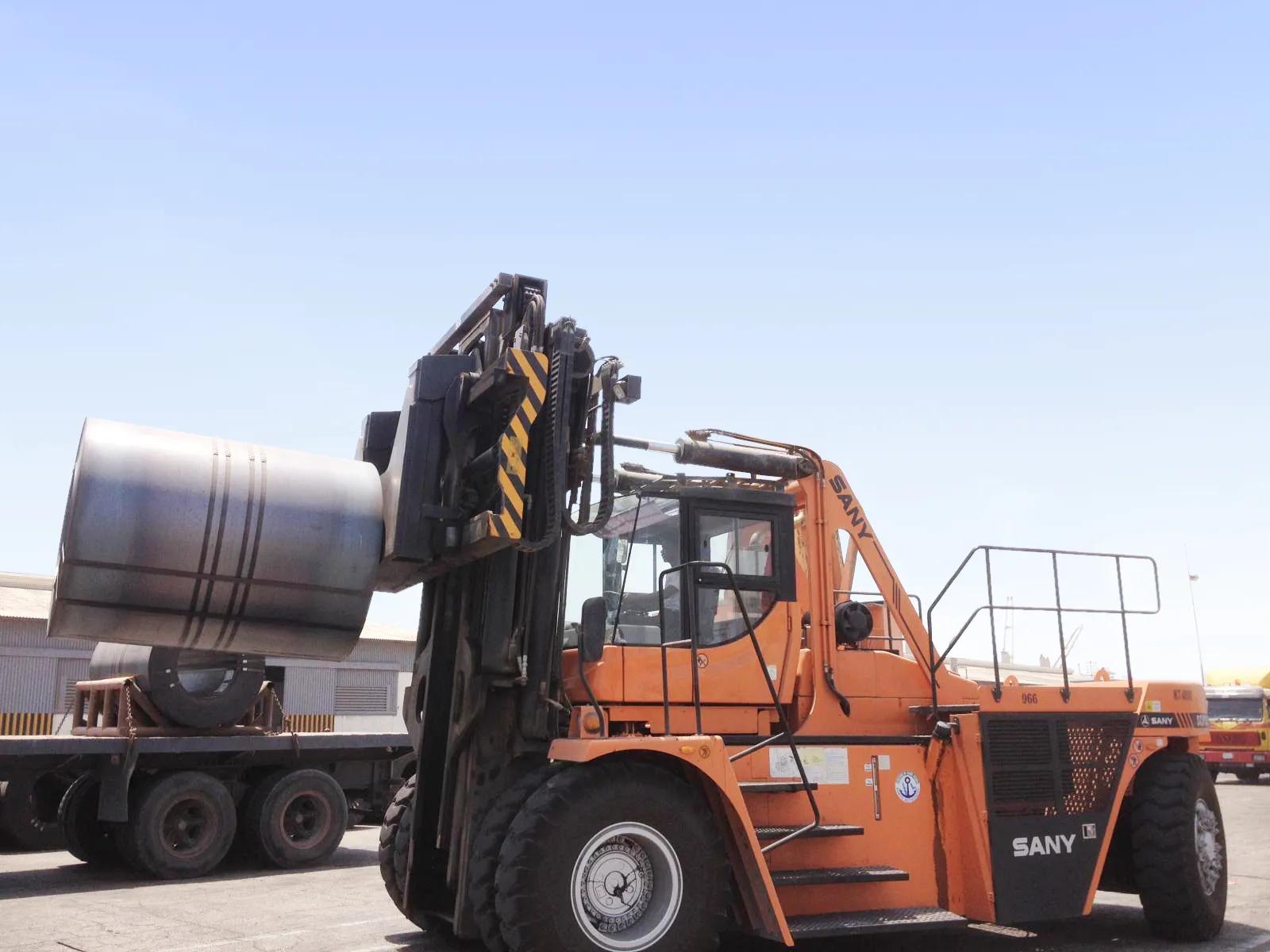
Visual Inspection (Before Starting the Forklift)
Inspection Point | What to Check | Pass/Fail | Notes |
Fluid Levels | Check hydraulic fluid, engine oil, and coolant. Low levels can cause overheating, loss of power, or hydraulic failure. | ||
Leaks & Visible Damage | Inspect hoses, cylinders, and fittings for cracks or leaks. A forklift with fluid dripping is a forklift that’s asking for trouble. | ||
Tires & Wheels | Are they bent, cracked, or worn? If so, they’re weakened and unsafe for lifting loads. | ||
Forks & Attachments | Are they bent, cracked, or worn? If so, they’re weakened and unsafe for lifting loads. | ||
Nameplates & Safety Labels | If they’re missing or unreadable, operators lose key safety information about the forklift’s capabilities. | ||
Seatbelt & Safety Devices | It’s simple: if they don’t work, they won’t protect the operator. Seat belts, fire extinguishers, alarms—everything needs to function properly. | ||
Battery or Fuel System | Electric forklift: Check battery cables for corrosion. Gasoline, diesel, and propane forklifts: Look for fuel leaks, secure connections, and proper fuel levels. |
Operational Inspection (During Forklift Operation)
Inspection Point | What to Check | Pass/Fail | Notes |
Steering & Maneuverability | If the steering feels loose or stiff, it’s a red flag. A forklift should turn smoothly with no lag or resistance. | ||
Brakes & Parking Brake | Weak brakes? No brakes? That’s a disaster waiting to happen. Make sure the machine stops on demand. | ||
Horn & Warning Lights | These aren’t optional. If other workers can’t hear or see a forklift coming, accidents become far more likely. | ||
Hydraulic Controls | Lift, tilt, lower, repeat. Listen for weird noises or sluggish movement; they’re signs of bigger problems. |
What to Do if the Forklift Fails the Checklist?
Immediate Decommissioning
If any non-conforming items are found during the inspection (such as brake failure, hydraulic leakage, damaged load capacity identification, etc.), immediately stop using the forklift and place a "Forbidden to Use" sign to prevent misuse by others.
Detailed Recording
Accurately record the specific location and problem description of non-conforming items in the checklist (such as "Left front tire bulge", "Parking brake cannot be locked"), and take photos to retain evidence if conditions permit.
Timely Reporting
Immediately report the non-conforming situation to the equipment management department or direct supervisor, and explain the severity of the problem (such as "Emergency: Brake system failure, requiring immediate maintenance", "General: Right rearview mirror slightly loose, can be handled during idle time").
Isolation and Protection
If the forklift has leaks (such as fuel, hydraulic oil) or structural damage, isolate the surrounding area and clean up the leaked material to prevent secondary risks such as slips and fires.
Await Maintenance
Professional maintenance personnel shall overhaul the non-conforming items. Operators are strictly prohibited from disassembling or maintaining the equipment by themselves; after maintenance, a full set of checklist inspections shall be re-conducted, and the equipment can only be put back into use after all items are confirmed to be qualified and signed.
Traceability and Analysis
If the same problem occurs repeatedly (such as frequent hydraulic leaks), assist the management department in analyzing the causes (such as component aging, improper operation) and formulate preventive measures (such as strengthening regular maintenance, supplementing operation training).
How to Further Improve Forklift Operation Safety?
Improving forklift operation safety requires efforts from multiple dimensions: personnel, equipment, management and environment:
Strengthen Personnel Training
In addition to basic operation training, conduct regular emergency drills (such as handling rollovers and load falls) and potential hazard identification training to improve safety awareness.
Select High-quality Forklift Products
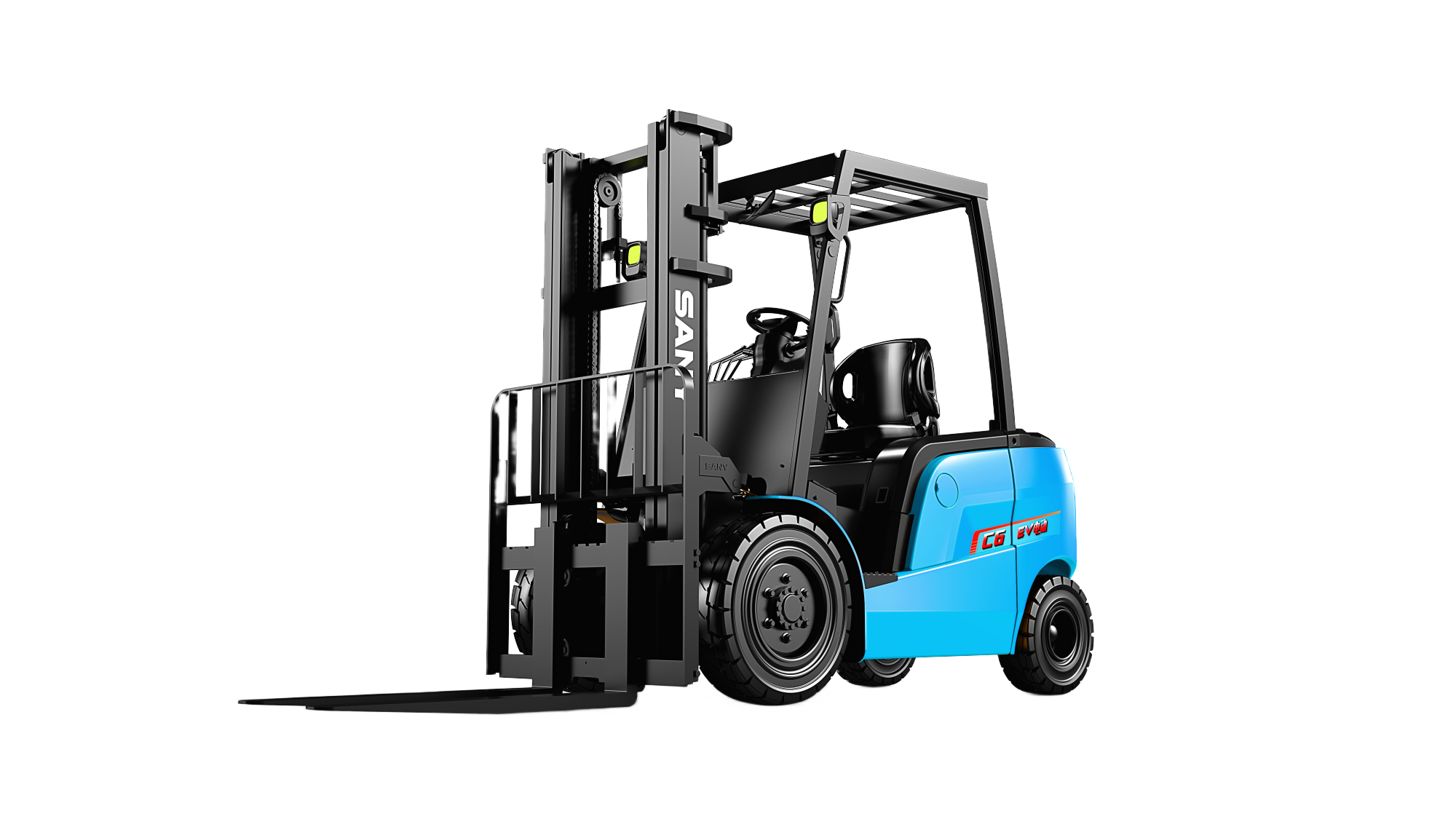
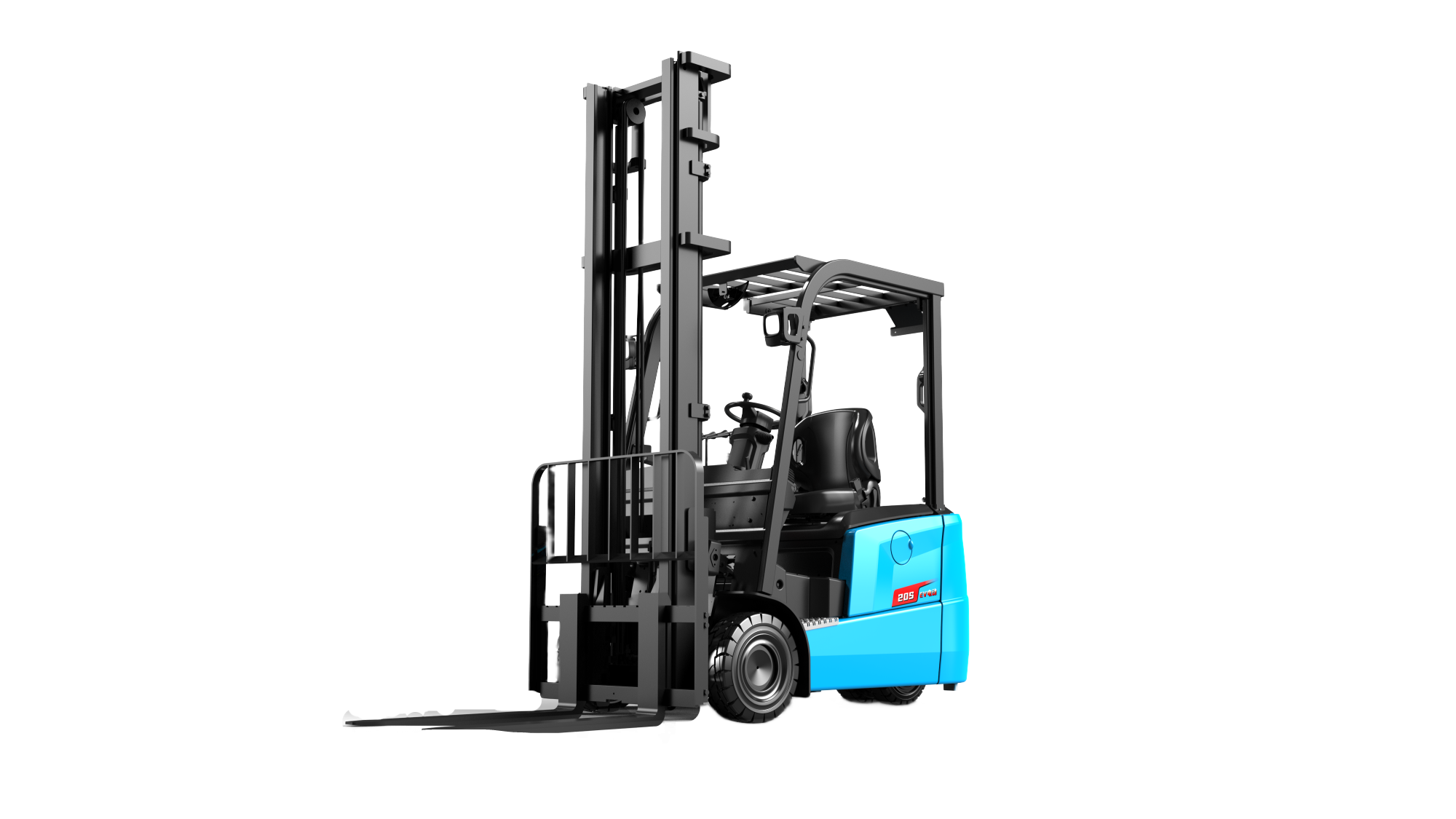
For example, SANY has forklift truck with different lifting heights and wheelbases, with rated capacities ranging from 10-16t, 18-25t, 28-35t to 40-46t. Moreover, SANY forklift trucks are equipped with intelligent anti-rollover protection, cargo anti-fall technology, reverse automatic braking technology, etc., which can improve operational safety to a certain extent.
Improve Management Systems
Establish a responsibility system of "who operates, who is responsible", conduct regular safety inspections, and severely hold accountable for illegal operations.
Optimize the Operating Environment
Reasonably plan pedestrian and forklift separation routes, set clear warning signs, and regularly clean up debris in the passage.
Implement Digital Management
Use the forklift management system to monitor the operation status in real time and record inspection data to achieve accurate traceability of potential hazards.
Conclusion
The forklift truck checklist is a key tool to ensure operational safety and comply with OSHA regulations. Through systematic inspections before daily operations, it can not only detect equipment failures in a timely manner and prevent accidents (such as forklift rollovers, load falls, pedestrian collisions, etc.), but also extend the service life of equipment and reduce maintenance costs. Enterprises must ensure that operators strictly implement the checklist process and adopt a "zero-tolerance" attitude towards non-conforming forklifts. At the same time, they should improve operators' safety awareness through training, and finally build a closed-loop management system of "inspection - rectification - prevention" to achieve safe and efficient forklift operations.
FAQs
How Often Should Forklift Safety Inspections be Conducted? How Long Does It Take?
OSHA requires forklift operators to conduct safety inspections before the start of each shift, after any repairs or maintenance, and as part of a regular maintenance plan. A pre-shift forklift safety inspection usually takes 10-15 minutes to complete, depending on the complexity of the equipment and the operator's experience.
Who Is Responsible for Conducting Forklift Safety Inspections?
Forklift operators are mainly responsible for conducting safety inspections before the start of each shift. Supervisors and maintenance personnel may also participate in more comprehensive inspections.
What Should Forklift Safety Training Include?
1. Pre-operation inspection: Operators must know what to check, how to check, and when to report problems.
2. Safety and compliance: Training should cover OSHA standards, powered industrial truck regulations, and workplace-specific safety protocols.
3. Load handling: Forklifts are not just for driving; they also involve safely lifting, moving, and placing loads.
4. Emergencies: Operators should know how to handle malfunctions, dangerous leaks, and other unexpected events.
Featured Products

Recommend Blogs
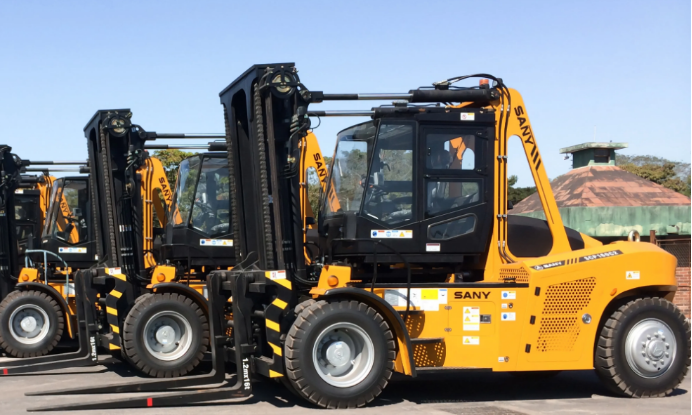
What Is a Forklift Truck? Definition, Types and Working Principles
This guide will provide you with a comprehensive overview of forklift knowledge, giving you a clear understanding of what is a forklift truck.
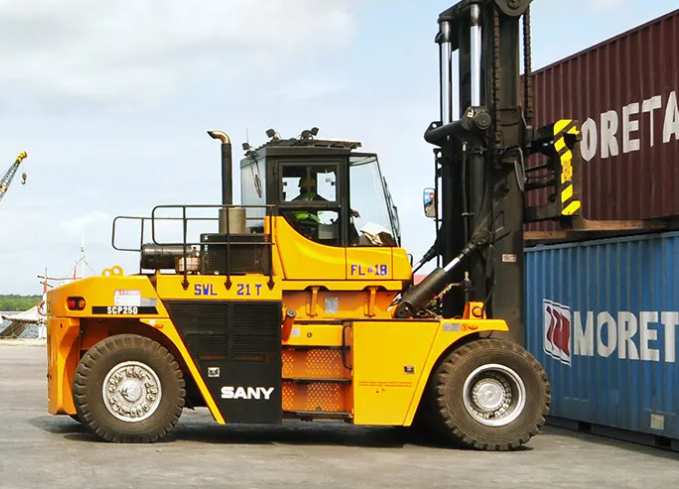
How to Operate a Forklift Truck? Step-by-Step Guide and Safety Tips
How to operate a forklift truck? This article helps both new and experienced operators understand forklift structure and operation steps in detail to reduce operational risks.
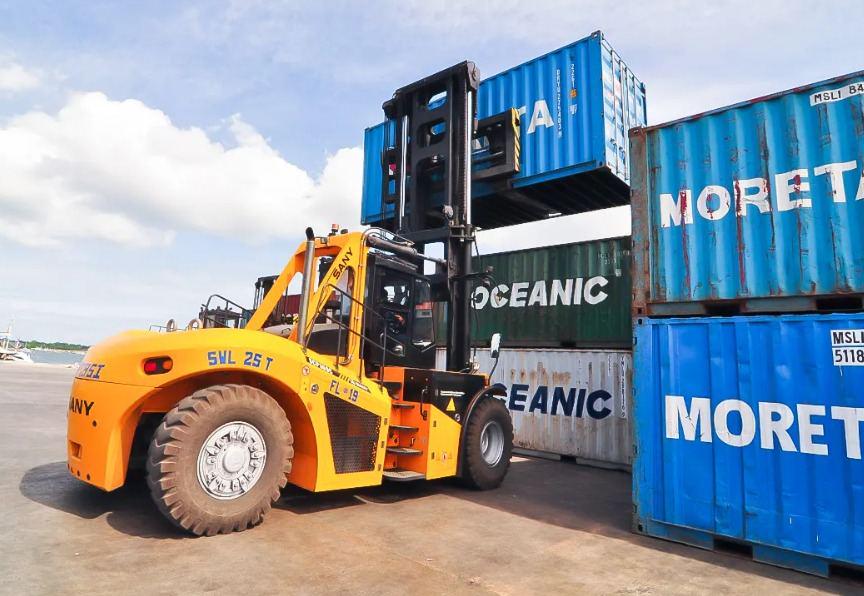
How Much Does a Forklift Truck Weigh? A Quick & Practical Weight Data and Safety Guide
How much does a forklift truck weigh? Get typical weights, factors affecting them, and practical safety tips for operators.