Excavator vs Trackhoe: Understanding the Real Difference
Discover the real difference in the excavator vs trackhoe debate. Learn definitions, key features, pros and cons, and how to choose the right machine for your project in this comprehensive guide.
In construction, few machines are as vital yet misunderstood as excavators and trackhoes. Both power major projects, from digging skyscraper foundations to trenching for utilities, but their similarities often cause confusion. At first glance, each has a hydraulic arm, bucket, and rotating cab, yet design and application differences set them apart. The excavator vs trackhoe debate highlights how even small distinctions can affect efficiency, costs, and safety. This guide breaks down their definitions, features, and uses so you can apply the right machine for your next job.
What Is a Trackhoe?
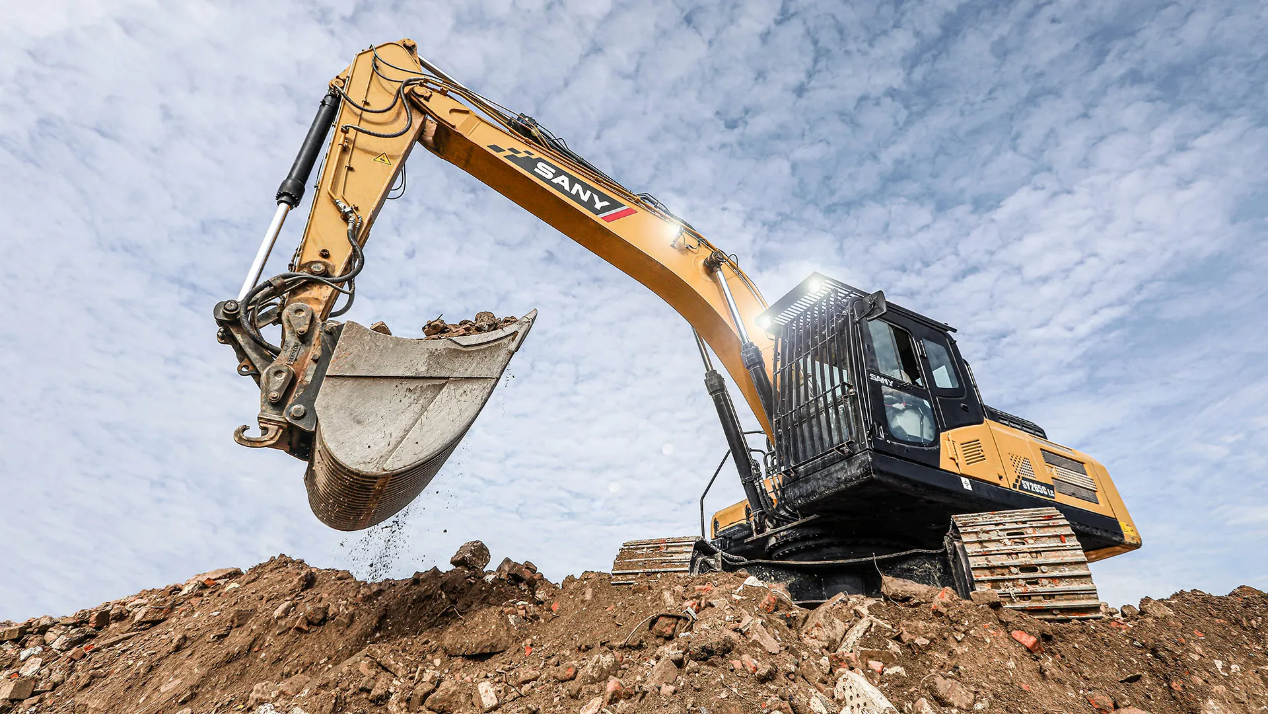
A trackhoe is an excavator mounted on a tracked undercarriage (caterpillar tracks) rather than wheels. The term emphasizes the machine’s mobility system, but functionally a trackhoe is a crawler excavator: a hydraulic digging machine built around a rotating house (cab + engine), boom, stick and bucket. Tracked machines trade road speed for improved traction, lower ground pressure and better stability in soft or uneven ground — which is why people frequently search trackhoe vs excavator when comparing job-site suitability.
Key Components
- Undercarriage (tracks and rollers): Steel or rubber tracks spread machine weight over a larger area, reducing ground pressure and improving grip on soft soils. Proper track tension and regular cleaning are crucial to avoid accelerated wear.
- Rotating house: Contains the operator station, hydraulic pumps, fuel system and engine; it rotates independently of the undercarriage to allow 360° work without repositioning the tracks.
- Boom, stick and bucket (plus attachments): The hydraulic arm controls reach and digging power; buckets vary by size and tooth configuration. Optional hydraulic attachments (breakers, augers, grapples) expand versatility for demolition, piling, drilling and material handling.
Typical Uses
- Heavy trenching and foundations: Low ground pressure and stability make trackhoes ideal for deep trenches and continuous excavation cycles on uneven or wet sites.
- Long-reach and production digging: Larger tracked excavators maintain steadier digging cycles and higher bucket-fill rates on mass-earthwork projects.
- Difficult terrain operations: Working on slopes, wetlands, rubble or soft fill where wheeled machines would bog down or lose traction.
Pros and Cons
Pros:
- Superior traction and stability on soft, muddy, steep or irregular ground—tracks spread load and lower ground pressure, enabling work where wheeled machines cannot.
- Better for sustained, heavy digging cycles and larger bucket-fill operations common in production excavation or demolition.
Cons:
- Lower travel speed and higher transport cost: Tracks are slow on roads; moving a trackhoe between sites often requires a trailer or lowboy, increasing logistics cost.
- Undercarriage maintenance: Tracks, rollers, sprockets and pins wear over time—daily inspections and cleaning plus scheduled checks (commonly every ~250 operating hours for detailed inspection) reduce unexpected downtime and long-term repair costs.
What Is an Excavator?
An excavator is a hydraulic earthmoving machine built around three core assemblies: a drive system (undercarriage), a rotating house with operator controls and engine, and an articulating arm (boom, stick and bucket). Excavators convert hydraulic power into precise arm movement so a single operator can dig, lift, load, break, drill or grade much faster and safer than manual crews. They span a wide size range — from compact “mini” units for tight sites to massive crawler excavators used in heavy civil works and mining — and they form the backbone of modern construction, demolition and utility work.
Key Components
- Undercarriage: Either tracked (crawler) or wheeled. Tracks lower ground pressure and improve traction on soft or uneven ground, while wheels offer faster site-to-site movement on paved surfaces. Properly maintained rollers, sprockets and track tension are essential to avoid premature wear.
- House and Cab: Houses the engine, hydraulic pumps, counterweight and operator controls. The house rotates 360°, enabling continuous work around the machine without repositioning the undercarriage. Modern cabs add climate control, sightlines and safety features to reduce operator fatigue.
- Arm Assembly and Attachments: The boom, stick (dipper) and bucket define reach, digging depth and breakout force. A diverse attachment ecosystem — breakers, augers, grapples, tilting buckets and thumbs — lets excavators switch tasks quickly, turning a digging machine into a demolition, drilling or material-handling platform.
Typical Uses
- General Earthmoving and Site Preparation: Excavators are used to cut foundations, form basements, shape building pads and load haul trucks during sitework and road construction.
- Trenching and Utility Installation: With appropriately sized buckets and sticks, excavators dig consistent trenches for water, sewer and power lines.
- Demolition and Material Processing: Fitted with hydraulic breakers, shears or pulverizers, excavators perform selective demolition and secondary processing before material is sorted or hauled.
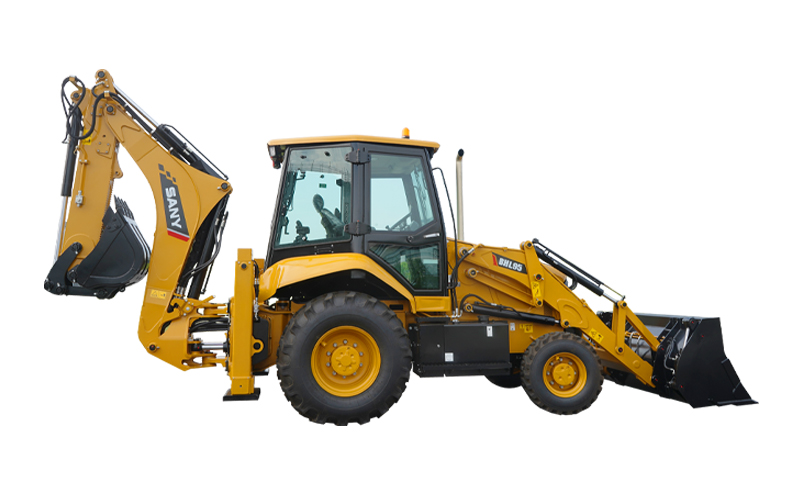
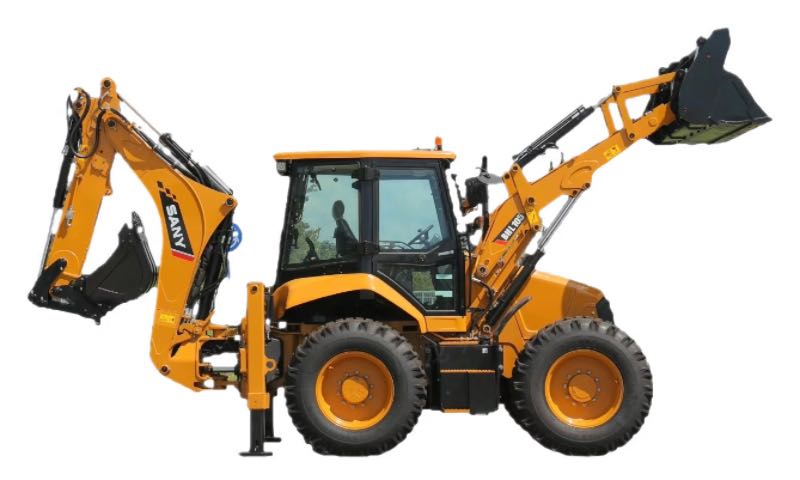
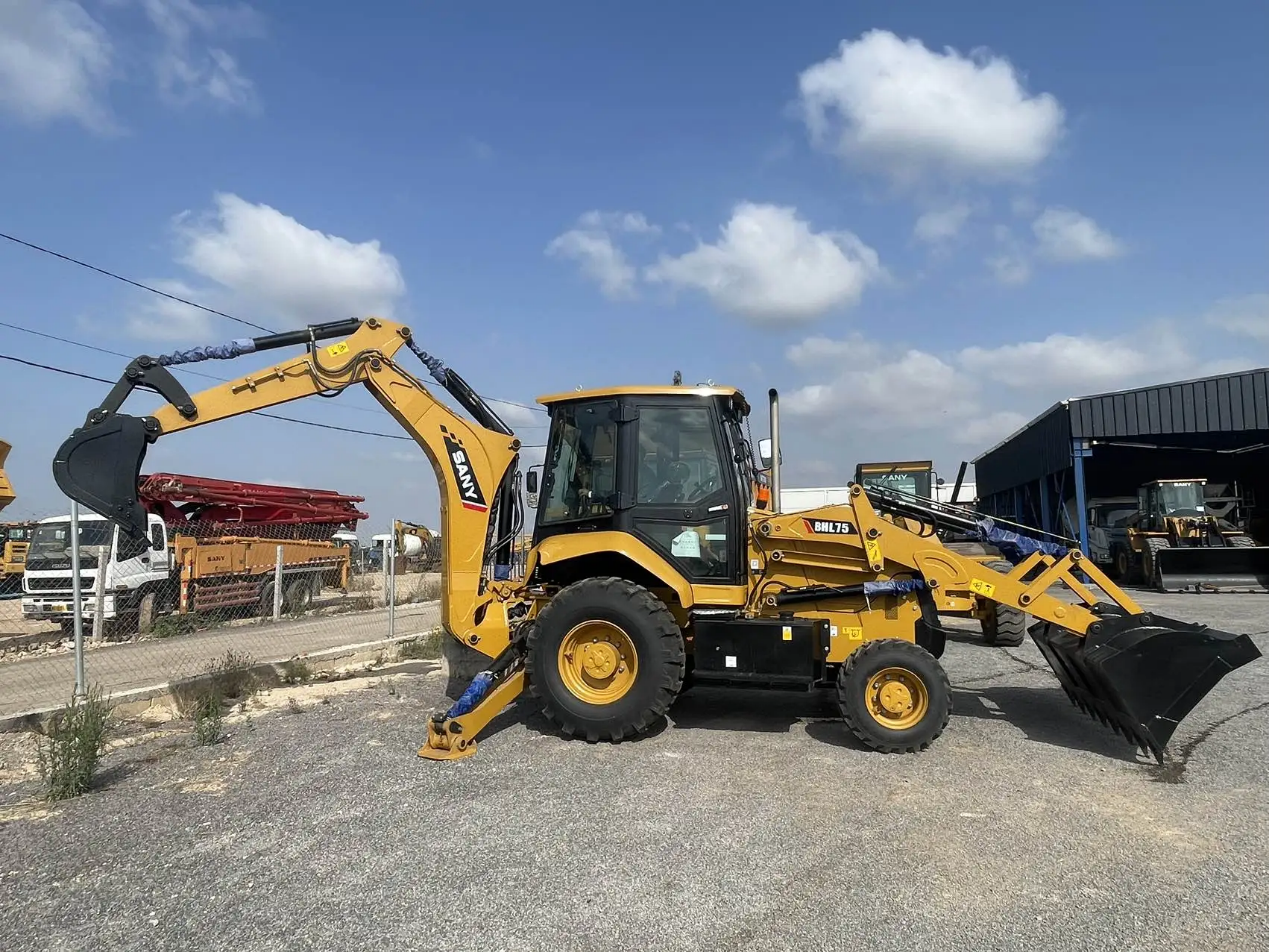
- Confined or Urban Work: Compact and mini excavators excel in tight spaces where larger machines cannot fit; wheeled excavators often serve street-level work where road travel is frequent. When a job calls for a machine that can both load and dig on small sites, a backhoe loader may be offered as a multi-purpose alternative. For example, the SANY Backhoe Loader combines a 1.0 m³ loader bucket with a 0.2 m³ excavator bucket, powered by a 74kW/2200rpm engine. Known for its ergonomic design and multifunctional control, it delivers reliable performance and efficiency across diverse site conditions.
Pros and Cons
Pros:
- Versatility: Wide range of attachments and sizes lets excavators handle many tasks from fine grading to heavy demolition.
- Efficiency and Reach: 360° rotation and powerful hydraulics produce fast cycle times and consistent digging performance, improving productivity on large and small jobs alike.
Cons:
- Transport And Logistics: Larger excavators require trailers or lowboys for road transport and careful site access planning; wheeled models reduce but do not eliminate logistics.
- Terrain Trade-offs: Tracked models outperform on soft ground but are slower on roads; wheeled models trade some off-road capability for mobility. These practical trade-offs are precisely what searchers mean when comparing trackhoe vs excavator.
Excavator vs Trackhoe: Key Differences
To clarify the distinction between excavator vs trackhoe, it's essential to understand that a trackhoe is a specific type of excavator equipped with tracks instead of wheels. This design choice significantly influences their performance, suitability for various tasks, and operational costs. The following comparison highlights the primary differences:
| Feature | Trackhoe (Tracked Excavator) | Excavator (Wheeled or General) |
| Mobility & Undercarriage | Equipped with steel or rubber tracks, offering superior traction and stability on uneven terrain. | May have wheels or tracks; wheeled models provide faster travel on paved surfaces but less traction on soft ground. |
| Ground Pressure & Stability | Lower ground pressure, making it ideal for soft, muddy, or uneven surfaces. | Higher ground pressure; wheeled models may require additional stabilization on soft ground. |
| Typical Applications | Suitable for heavy-duty tasks like trenching, demolition, and large-scale excavation on challenging terrains. | Versatile for urban construction, roadwork, and projects requiring mobility between sites. |
| Transport & Logistics | Slower on-road travel; often requires trailers for transport between job sites. | Faster on-road movement; may not require trailers, reducing transport costs. |
| Maintenance Considerations | Tracks require regular maintenance and inspection; more components subject to wear. | Fewer components subject to wear; maintenance focuses on wheels and driveline. |
| Cost Implications | Higher operational costs due to transport and maintenance; suitable for specific heavy-duty tasks. | Potentially lower operational costs; suitable for projects requiring mobility and versatility. |
This comparison underscores that while both trackhoes and excavators serve similar functions, their design differences make them more suitable for specific types of projects. Understanding these distinctions can help in selecting the appropriate equipment for your construction needs.
Excavator vs Trackhoe: How to Choose for Your Project?
When determining the appropriate equipment for your project, it's essential to consider various factors such as terrain, project scale, mobility needs, maintenance requirements, and budget. Below is a detailed comparison to assist in making an informed decision.
Terrain and Ground Conditions
- Soft or Uneven Terrain: Trackhoes, equipped with tracks, excel in soft, muddy, or uneven terrains. The tracks distribute the machine's weight over a larger area, reducing ground pressure and preventing the equipment from sinking or getting stuck.
- Urban or Paved Surfaces: Excavators, particularly wheeled models, provide faster on-road mobility, reducing transport time and costs. However, they may need additional stabilization equipment when operating on soft or uneven ground.
- Sloped or Hilly Terrain: Tracked excavators have a lower center of gravity and larger surface area of ground contact compared to wheeled excavators, making them more stable on steep or uneven surfaces.
Project Scale and Scope
- Large-Scale Excavation: Trackhoes are ideal for heavy-duty tasks like trenching, foundation digging, and large-scale earthmoving. Their stability and digging power make them suitable for tasks requiring extended periods of operation and heavy lifting.
- Small to Medium Projects: Excavators are versatile machines that can handle a range of tasks from light digging to heavy-duty operations. Their adaptability makes them suitable for both small and large projects, depending on the specific requirements.
- Specialized Applications: For projects requiring deep excavation or operation in challenging terrains, trackhoes offer superior performance and safety.
Mobility and Site Access
- Site Accessibility: Trackhoes are less mobile on paved surfaces due to their tracked undercarriage. They often require trailers for transport between job sites, which can increase logistics costs.
- Maneuverability in Confined Spaces: Excavators, especially compact models, are designed for tight spaces, making them ideal for urban construction and utility work. Their smaller size allows for better maneuverability in confined areas.
- Transport Efficiency: Wheeled excavators can travel at higher speeds on roads, reducing transport time between job sites. In contrast, tracked excavators may require additional equipment for road transport.
Space Constraints
- Storage and Parking: Trackhoes, due to their larger footprint and tracks, often require more storage space when not in use. Excavators, particularly compact models, are easier to park and store on crowded construction yards.
- Operation in Tight Corridors: Excavators with shorter tailswing and smaller dimensions can operate efficiently in narrow alleys or between buildings, whereas trackhoes may struggle without significant maneuvering room.
- Material Handling in Limited Areas: For projects with restricted staging areas, excavators allow for more flexible positioning of materials and equipment, reducing the need for constant repositioning and improving workflow efficiency.
Maintenance and Operational Costs
- Maintenance Requirements: The tracked undercarriage of trackhoes requires regular maintenance to ensure optimal performance. Components such as tracks, rollers, and sprockets are subject to wear and may need replacement over time.
- Operational Expenses: Trackhoes typically have higher upfront costs due to their specialized design and capabilities. Operational costs can also be higher, considering transport and maintenance needs.
Conclusion
In the debate of excavator vs trackhoe, it's essential to recognize that a trackhoe is a specific type of excavator equipped with tracks instead of wheels. This distinction influences their suitability for various tasks. Excavators, with their versatile configurations, are ideal for large-scale projects requiring extensive reach and power. In contrast, trackhoes offer enhanced stability and maneuverability on soft or uneven terrains, making them preferable for tasks like trenching and foundation work.
Understanding these differences ensures that you select the appropriate equipment for your project's specific needs, optimizing efficiency and safety.
FAQs
Is a trackhoe and excavator the same thing?
No, a trackhoe and an excavator are not exactly the same thing, though the terms are often used interchangeably.
- An excavator is a general category of digging equipment that can be tracked or wheeled, consisting of a boom, dipper, bucket, and rotating platform.
- A trackhoe specifically refers to a tracked excavator, highlighting its undercarriage and digging arm.
In other words, while all trackhoes are excavators, not all excavators are trackhoes—the key difference lies in the undercarriage.
Why is it called a trackhoe?
The name blends “track”, describing the continuous steel or rubber tracks that move the machine, with “hoe”, a traditional term from backhoe equipment that references the digging motion of the boom and bucket. This colloquial label caught on among operators to distinguish tracked excavators from wheeled types. Over time, “trackhoe” became common industry slang, though manufacturers still officially refer to them as excavators.
What are the two main types of excavators?
Excavators are primarily categorized into two types:
- Crawler (Tracked) Excavators: Equipped with tracks, these excavators offer enhanced stability and traction, making them suitable for soft, uneven, or muddy terrains.
- Wheeled Excavators: Mounted on wheels, these excavators provide faster on-road mobility, reducing transport time and costs. However, they may require additional stabilization equipment when operating on soft or uneven ground.