What Must Be Done Daily Before Using a Forklift? Safety Usage Guidelines and Selection Instructions
This article explains what must be done daily before using a forklift and how to choose the right forklift for your fleet to ensure efficient operations.
From light handling in cramped warehouses to heavy stacking on open construction sites, the differences in working conditions directly determine the intensity of forklift use and the risks of operation. To ensure forklifts consistently perform efficiently and avoid safety hazards, standardized pre-use checks and preparations are essential. So, what must be done daily before using a forklift and how should you choose the right forklift? The following will provide an introduction to help construction teams carry out their work efficiently and safely.
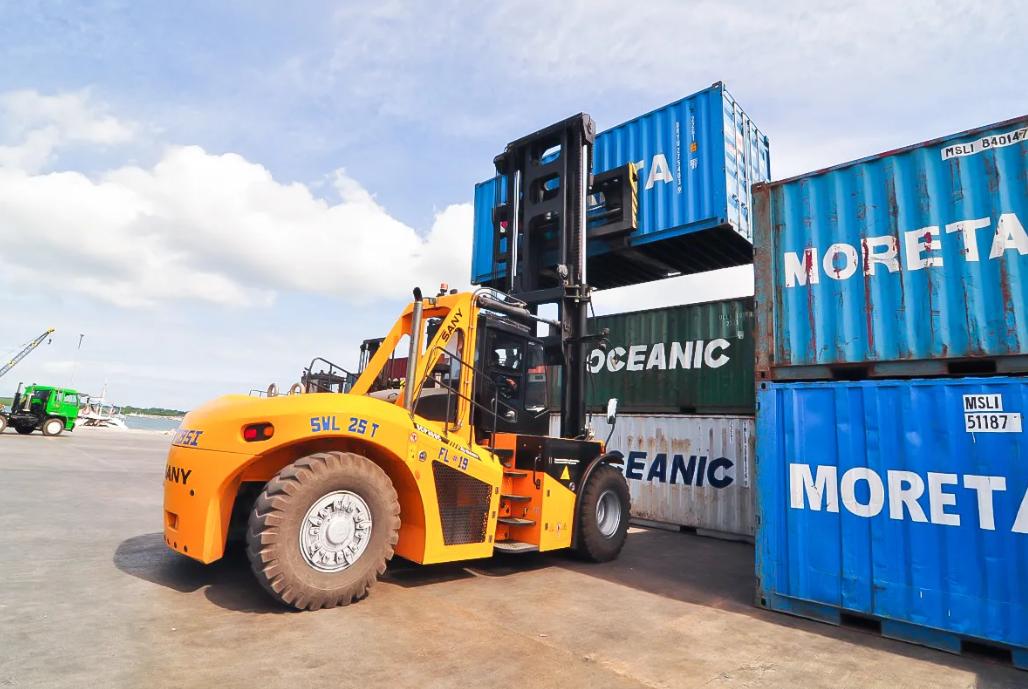
Why Is a Standardized Inspection Of Forklifts Necessary Before Daily Use?
A comprehensive inspection before daily use is not only the foundation for ensuring the stable operation of forklifts but also a crucial link in strengthening the safety production line. The details are as follows:
Preemptively Eliminating Potential Faults
After prolonged periods of inactivity or the previous day's high-intensity operation, forklifts may experience issues such as loose parts, fluid leaks, and aging wiring. Pre-shift inspections can promptly identify potential faults such as abnormal tire pressure, excessive brake pedal travel, fork cracks, and chain wear, preventing sudden equipment malfunctions during operation, reducing downtime for repairs, and ensuring the smooth progress of work plans.
Ensuring the Safety of Personnel and Goods
Forklift operations involve high-risk processes such as lifting, transferring, and stacking heavy objects. Accidents caused by component failure can easily result in operator injury or death, damage to goods, and even damage to surrounding equipment and personnel. For example, neglecting to inspect the hydraulic lifting system may lead to fork jamming or sudden drops; failing to check for potential problems with the braking system can result in collisions due to brake failure during handling. Pre-shift inspections can reduce such safety risks at the source.
Extending Equipment Lifespan
Routine and standardized inspections are an important part of equipment maintenance. Timely cleaning of debris from the forklift, checking fluid levels and replenishing as needed, and tightening loose bolts can reduce wear and corrosion of components, preventing minor problems from escalating into major overhauls, thereby effectively extending the overall lifespan of the forklift and reducing long-term operating costs.
What Must Be Done Daily Before Using a Forklift?
The following will break down the specific checks to be performed before using a forklift, providing operators with clear guidelines.
Visual Inspection Before Entering the Forklift
Visual inspection is a crucial step in initially identifying visible problems. A comprehensive observation of the forklift's exterior, core components, and surrounding environment is necessary to ensure there are no obvious safety hazards before proceeding to the next step.
1. Check Fluid Levels: With the forklift horizontally positioned, check the levels of all fluids, including engine oil, coolant, and hydraulic fluid. Also check for any fluid leaks at the bottom of the forklift. For fuel-powered forklifts, additionally check the fuel and engine oil levels.
2. Inspect exterior components: Check the forks for cracks or bending, and ensure the locking pins are properly installed; check the tire pressure and for excessive wear, cuts, or scratches; check the battery cables for damage and loose connections, and ensure the battery has sufficient charge.
3. Inspect safety equipment: Ensure your work clothes meet requirements, wear high-visibility clothing, and avoid wearing loose clothing underneath; check that your helmet, sturdy shoes, and other protective equipment are in good condition.
4. Confirmation of operating parameters and environment: Determine the rated load capacity of the forklift used, check the weight of the goods to be handled that day, and avoid overloading; observe the forklift parking area and the surrounding working environment to ensure that there are no obstacles, the ground is not slippery or uneven, and the working passage is unobstructed.
Post-start Forklift Operation Checks
Post-start operation checks aim to verify the functional integrity of core components such as the forklift's power system, braking system, and control system, and to identify hidden faults that cannot be detected visually.
1. Basic function test: Start the engine and listen for any abnormal noises; repeatedly depress the brake pedal to check if the brakes are stable, and whether the forklift moves smoothly without veering off course during braking; simultaneously test the parking brake; check if the steering wheel turns smoothly without any sticking, ensuring stable driving.
2. Core Mechanism Test: Operate the lifting control device, raise the forks to their maximum height and then lower them, checking if the lifting mechanism operates smoothly without delay or jerking; test the smooth operation of the tilting mechanism by tilting the mast, and simultaneously check the condition of accessories such as steel cables and chains; test the hydraulic system by raising the load to its highest point and then slowly lowering it, observing for any leaks or pressure drops.
3. Safety Device Test: Check if the front and rear lights and hazard lights are working properly; test the horn function; activate the reversing alarm in a warehouse environment to confirm its audibility; check the condition of safety belts and seat impact protection devices.
4. Instrument Status Check: Check that all instruments on the dashboard, including the fuel gauge, battery level gauge, temperature gauge, and oil pressure gauge, are functioning properly; confirm that the radiator coolant level is within the appropriate range to prevent overheating.
5. Exhaust Emission Check: Monitor the forklift's exhaust emissions to check for excessive smoke or exhaust fumes.
Pre-operation Adjustments and Confirmations
After completing the above checks and confirming there are no issues, adjust the equipment according to your own operating habits to ensure operational comfort and clear visibility, making final preparations for safe and efficient operation.
1. Adjust Seat Position: Adjust the seat forward and backward, and height to ensure both feet can naturally reach the pedals for flexible operation; adjust the seat back angle to maintain a comfortable posture and reduce operator fatigue.
2. Adjust Rearview Mirrors: Adjust the angles of the left and right rearview mirrors to ensure a clear view of the area behind and to the sides of the vehicle, eliminating blind spots; if an interior rearview mirror is provided, adjust it to a suitable angle simultaneously.
3. Final confirmation: Double-check that all control handles and buttons operate smoothly without jamming; confirm that there are no personnel or obstacles in the work area and that the work plan is clear before starting the forklift to begin work.
Choosing the Right Forklift Is Also Crucial For Efficient Operations
It's worth noting that while standardized pre-shift checks are the foundation for efficient operations, selecting the right forklift is equally important for improving work efficiency and reducing maintenance costs. High-quality equipment matching the needs of the work scenario from the outset reduces equipment failure frequency and works in conjunction with standardized operations to maximize fleet efficiency. Below is a detailed forklift selection guide, which we hope will provide a helpful reference for construction teams in choosing the right forklift.
Step 1: Assess Your Operational Needs
Load Capacity: Select a forklift with the appropriate load capacity based on the weight of goods to be moved, according to project requirements.
Lift Height: Determine the forklift's lifting height based on the required stacking height of the goods.
Environment: Determine the forklift's capabilities based on the environment, such as indoors, outdoors, narrow aisles, and the presence or absence of ramps.
Volume: Determine the required forklift's operational capacity based on the number of times and distances you will be handling goods per day.
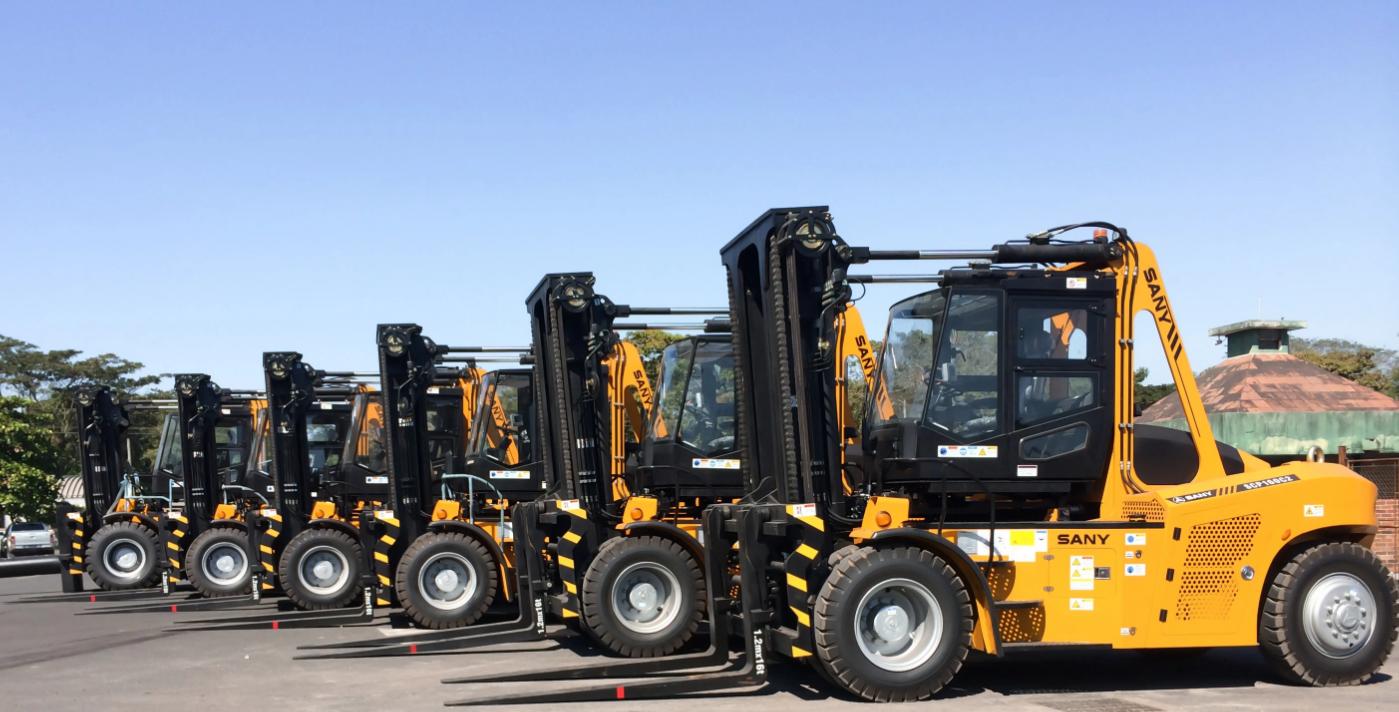
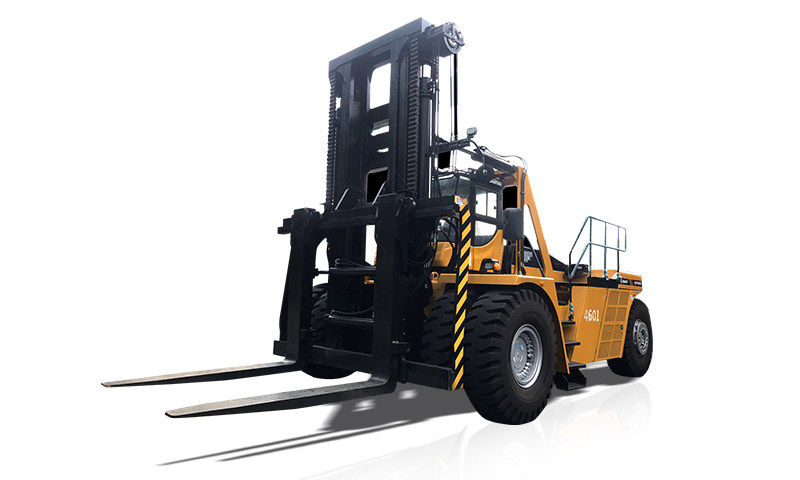
For example, if you need a forklift with a lifting height of over 3 meters and a load capacity of over 10 tons, you can consider SANY Forklift Truck. This brand offers different forklifts to choose from, with lifting heights of up to 3.7-4 meters and rated capacities of 10-46 tons, ensuring efficient operation of your project.
_152354.jpg)
Step 2: Choosing the Right Forklift Type
1. Internal Combustion Forklifts:
Features: Powerful engine, suitable for long-duration, heavy-load, outdoor operations.
Fuel: Diesel, gasoline, LPG (liquefied petroleum gas), etc.
Suitable Scenarios: Construction sites, outdoor storage yards.
2. Electric Forklifts:
Features: Zero emissions, low noise, relatively low maintenance costs.
Suitable Scenarios: Indoor warehouses, food and pharmaceutical facilities, and other locations with high environmental requirements.
3. Warehouse Forklifts:
Stacker: Used for loading, unloading, and stacking palletized goods.
Reach Truck: Suitable for narrow aisles, it extends the forks forward for high-level access.
Order Picker: The operator rises with the goods for easy picking of small items.
Step 3: Consider Special Functions and Configurations
1. High-reach forklifts: Choose reach trucks, side-mounted forklifts, etc.
2. Special forks: For example, dedicated forks for handling paper rolls or tires.
3. Tires: Solid tires (wear-resistant) or pneumatic tires (good cushioning).
Step 4: Focus on Safety and Management
1. Safety features: Equip with seat belts, warning lights, reversing buzzers, etc., and choose forklifts with safety monitoring systems.
2. Fleet Management System: Monitor forklift usage, maintenance, and efficiency for intelligent management.
Step 5: Cost and Maintenance
1. Purchase/Leasing: Determined by budget and usage frequency.
2. Maintenance: Consider spare parts availability, ease of repair, electric vehicle battery life and replacement cost.
Choosing a forklift isn't about looking at specifications, but about "matching" it to your needs. Clearly defining your "work tasks" and "work environment" allows you to "prescribe the right solution," selecting the perfect forklift that maximizes efficiency, ensures safety, and controls costs, ultimately improving the overall operational level of your fleet.
Conclusion
What must be done daily before using a forklift? Daily forklift inspections mainly include visual checks, operational inspections, and pre-operation adjustments to identify potential hazards and ensure safety. At the same time, for efficient and safe operation, proper forklift selection is equally important. It is recommended to match the task and environment to select the right forklift to improve fleet operation.
FAQs
What Are the Daily Tasks Of a Forklift Operator?
The daily tasks of a forklift operator revolve around the safe and efficient handling, loading, unloading, and stacking of goods. These mainly include:
Pre-trip checks and maintenance: checking oil, electricity, brakes, lights, etc.;
Strict adherence to operating procedures: such as judging the center of gravity, controlling speed, and verifying markings;
Completing assigned freight tasks: loading and unloading goods;
Post-trip cleaning, maintenance, and record-keeping: ensuring the warehouse area is clean and the equipment is in good working order.
What Are the Key Points For Safe Forklift Operation?
Key points for safe forklift operation include:
* Personnel qualifications and protection: Professional training, wearing PPE
* Pre-departure checks: Brakes, lights, fluids, etc.
* Standard operation: Low speed, slow turns, forks 0.3-0.4 meters off the ground, reversing when visibility is obstructed, no passengers on board
* Loading, unloading, and stacking: Securely fasten goods, do not overload, isolate areas
* Emergency response: Do not jump out of the forklift in case of a rollover, grip the steering wheel firmly, etc.
In short, the core of safe forklift operation is to avoid high speeds, overloading, exceeding height limits, and obstructed visibility, ensuring that personal and cargo safety is prioritized in all aspects.
What Must Be Done Daily Before Operating a Forklift?
Before operating a forklift daily, operators should perform a thorough pre-use inspection, including checking brakes, steering, tires, lights, and fluid levels. Ensure the load is within the rated capacity and properly secured. Verify the surrounding environment is safe, with clear paths and no obstacles. Additionally, operators should wear appropriate personal protective equipment (PPE) and confirm all controls and safety devices are functioning correctly.
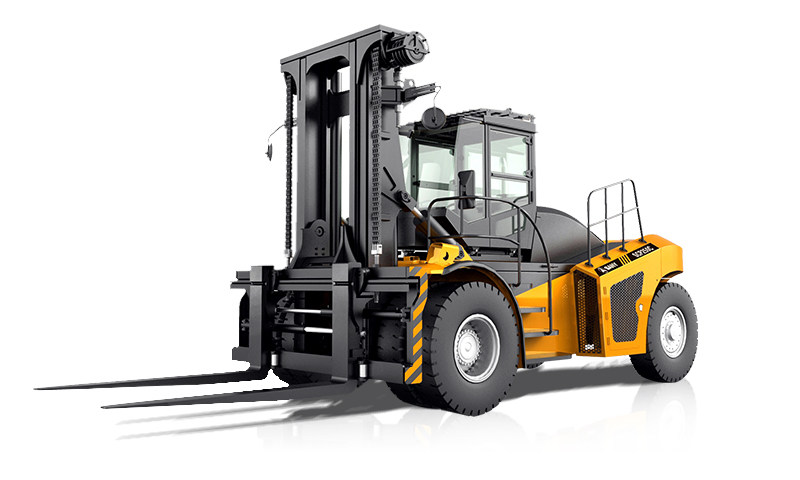
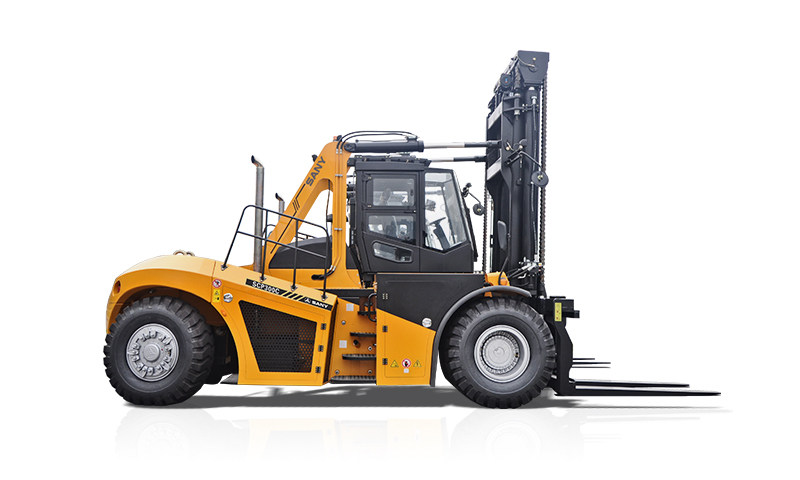
Featured Products
Recommend Blogs
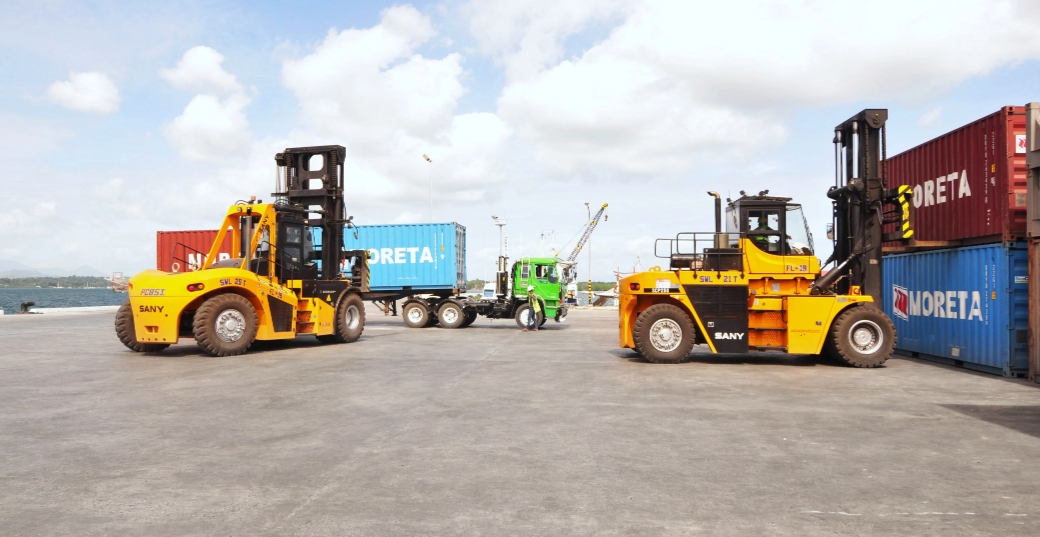
Forklift Truck Loading Safety Guide: Full Process and Risk Avoidance
This article details common scenarios, the entire process of forklift truck loading, and key safety points to help achieve safe and efficient operations.
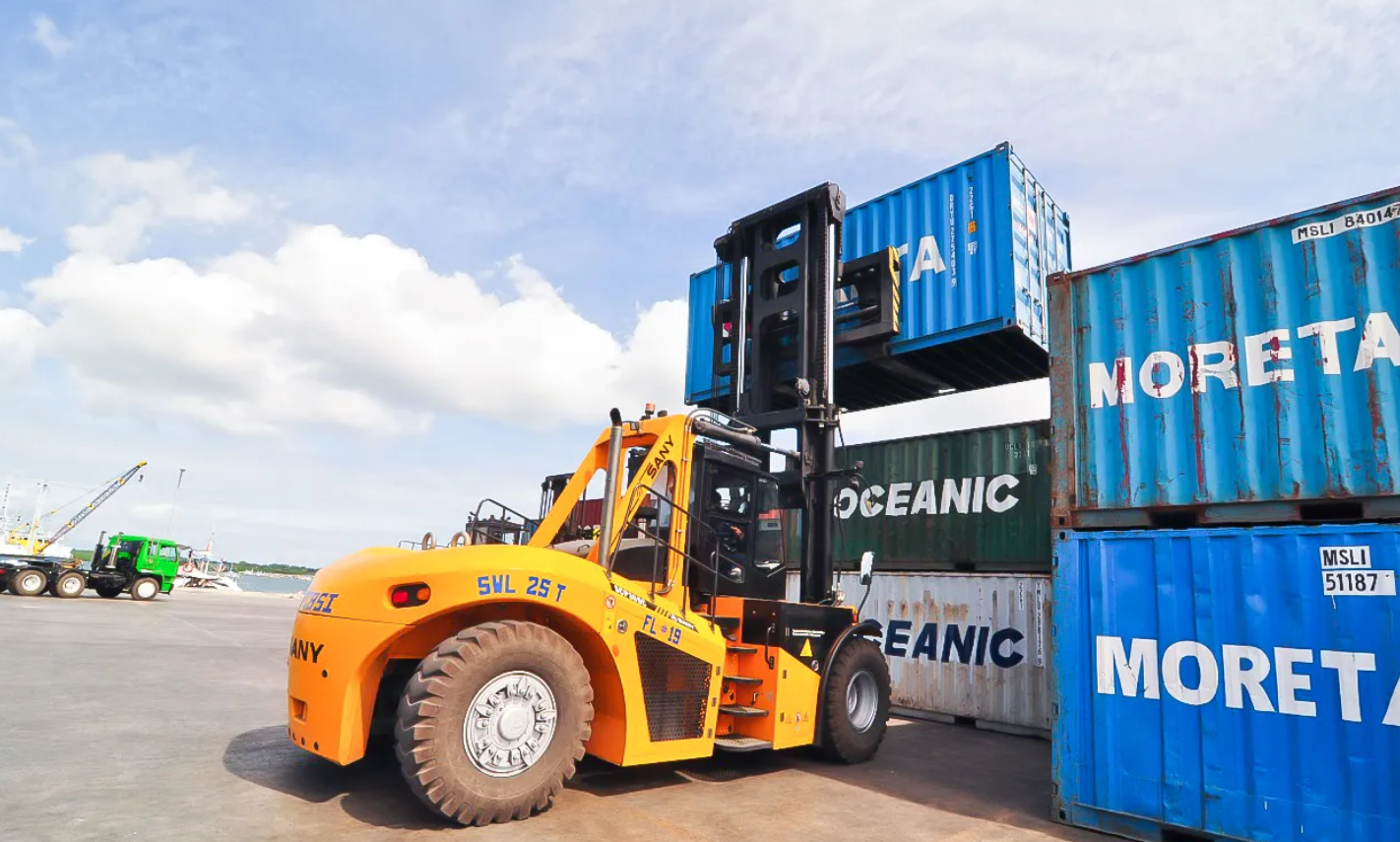
2025 Forklift Truck Manufacturers: Industry Insights & Choices Guide
Analyze forklift truck manufacturers' core responsibilities, trends and selection points to help enterprises efficiently choose the right forklift truck suppliers.
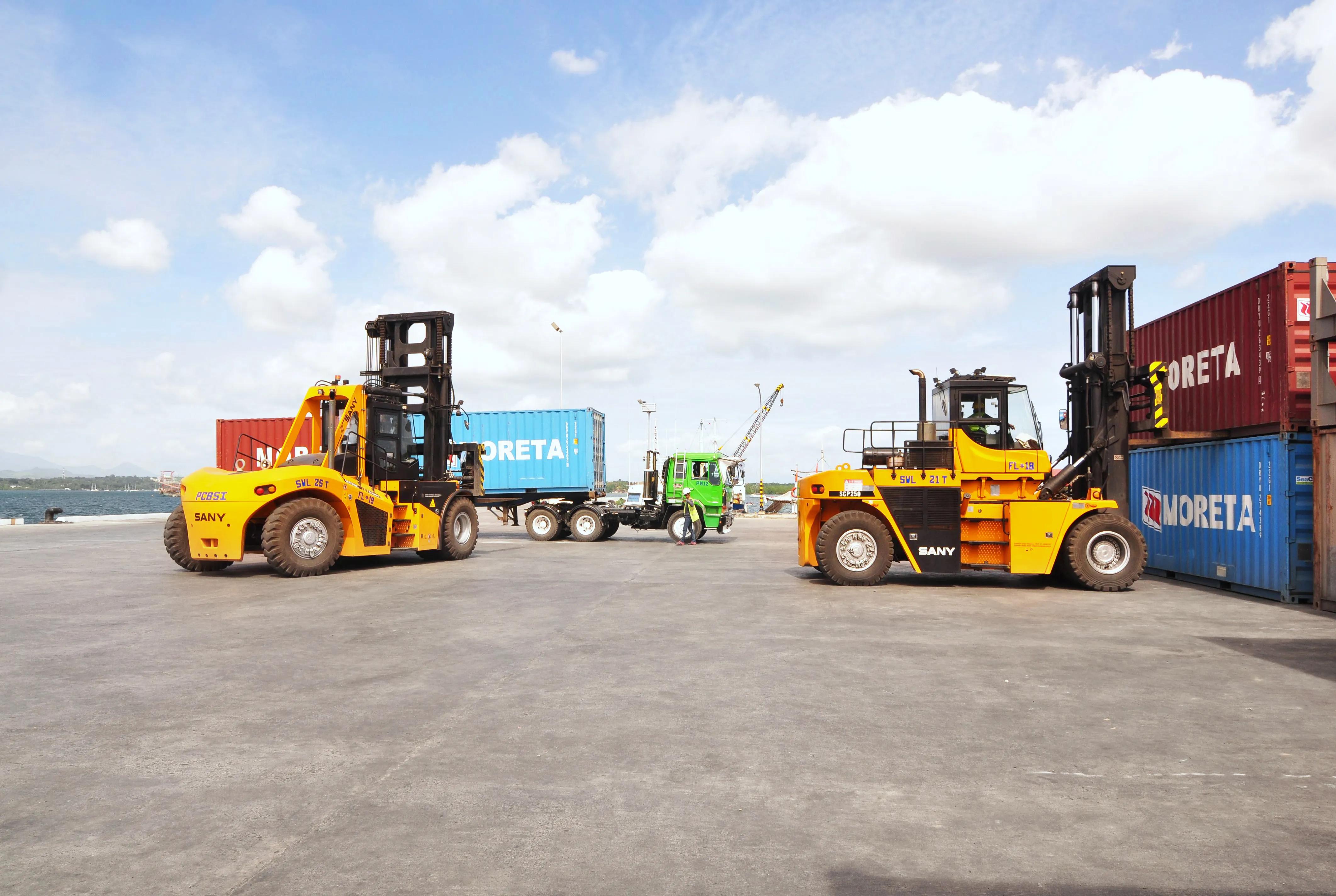
Key Defense Line of Operational Safety: A Detailed Explanation of the Forklift Truck Checklist
This article explains the importance of a forklift truck checklist, details the key points of the full-process inspection, helping to improve the safety of forklift operations.