What Is Roadway Milling? Practical Guide & Construction Tips
What is roadway milling? This article provides a detailed answer to this question, focusing on the key steps and considerations of roadway milling.
What is roadway milling? In modern road maintenance and renovation projects, this is a frequently used technology. It differs from traditional, less precise methods of road resurfacing and simple pothole repair, and its unique process makes it a key method for balancing road quality, construction efficiency, and environmental requirements. To help you fully understand this technology, the following text will detail the core aspects of roadway milling from the perspectives of its advantages, applicable projects, required equipment, and operating procedures.
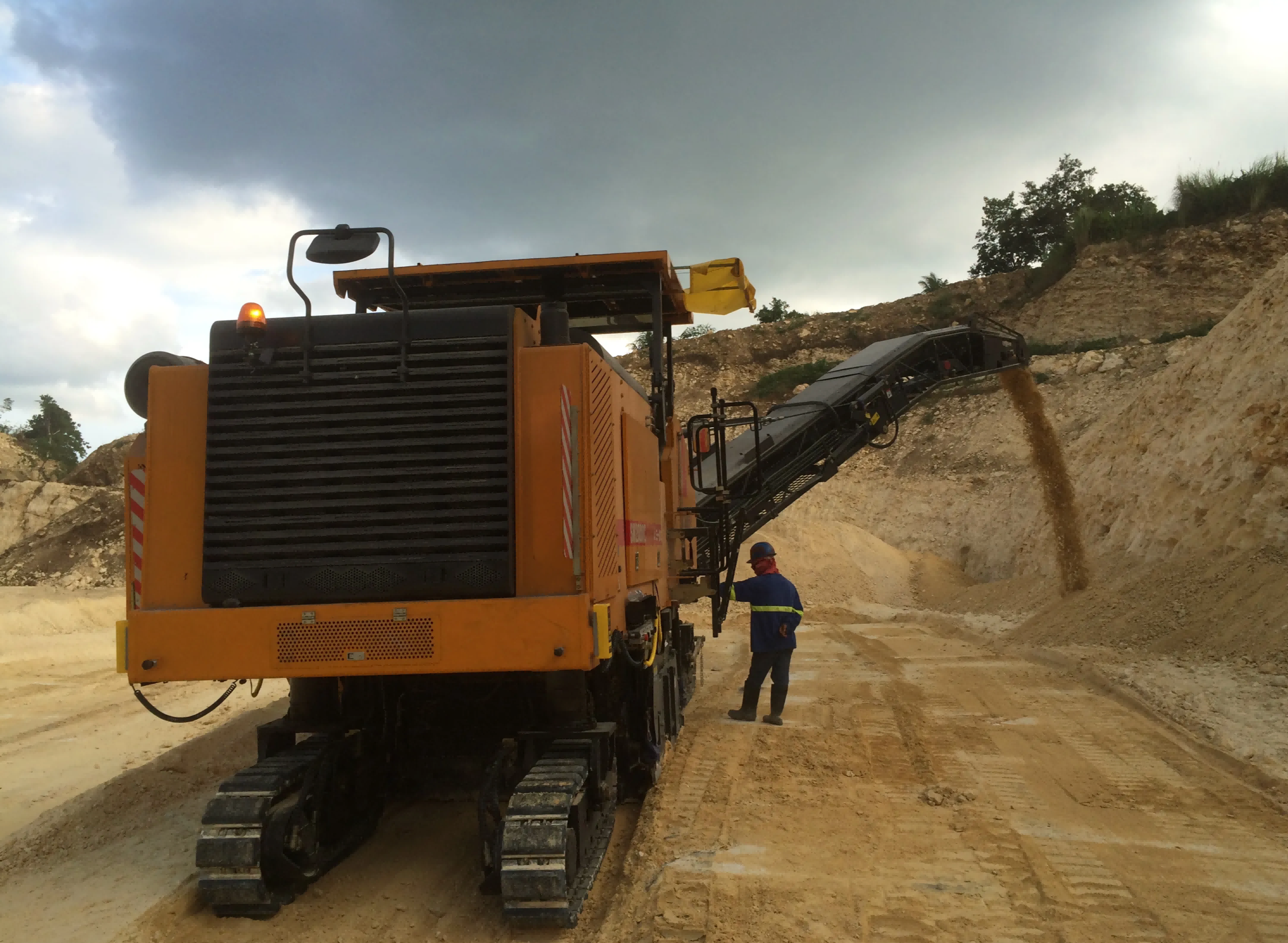
What Is Roadway Milling?
Roadway milling, also known as cold planing or asphalt milling, is a process that uses specialized machinery to grind and remove damaged or aged asphalt surfaces, preparing the road for new paving. This technique creates a smooth and even road base, removing irregularities such as ruts and bumps, while simultaneously recycling the old asphalt into reusable material for new paving layers. It is an environmentally friendly and cost-effective method of road repair.
What are the Benefits of Roadway Milling?
1. High Cost-Effectiveness: It costs less than full reconstruction. Moreover, Recycled Asphalt Pavement (RAP) can be reused into new materials, saving both funds and resources.
2. Environmental Friendliness: Reusing milled asphalt reduces landfill waste and conserves natural resources, while lowering the demand for new liquid asphalt.
3. Improved Safety and Quality: It removes ruts, bulges and cracks, creates a smooth and even pavement surface, optimizes driving comfort and drainage performance, and enhances pavement adhesion.
4. Extended Pavement Lifespan: It provides a stable base for new asphalt paving, prevents early cracking, and prolongs the overall service life of the road.
5. Reduced Traffic Disruption: Compared with full demolition processes, it is more efficient and rapid, enabling the maintenance or quick restoration of traffic flow with a minimal road closure area.
What Projects Need Roadway Milling?
1. Pavement Damage: Large-area cracks, potholes, loose spalling, bleeding (excessive surface asphalt), or ruts caused by vehicle traffic.
2. Pavement Unevenness: Correcting bulges, depressions, or shoving (wavy pavement) caused by weather or vehicle traffic.
3. Drainage Issues: Adjusting pavement slopes or low-lying areas to optimize rainwater drainage.
4. Preparation Before Overlay: Creating a smooth and even base to ensure tight bonding of the new asphalt layer.
5. Leveling: Adjusting the surface height before laying new pavement to avoid connection problems with curbs or surrounding structures.
What Equipment Is Needed for Roadway Milling?
Roadway milling operations require a complete set of equipment, including core equipment directly involved in milling, hauling, and cleaning, as well as auxiliary equipment that ensures construction accuracy and interlayer bonding. Each piece of equipment plays its own role and works collaboratively to form a complete milling system.
Main Road Milling Equipment
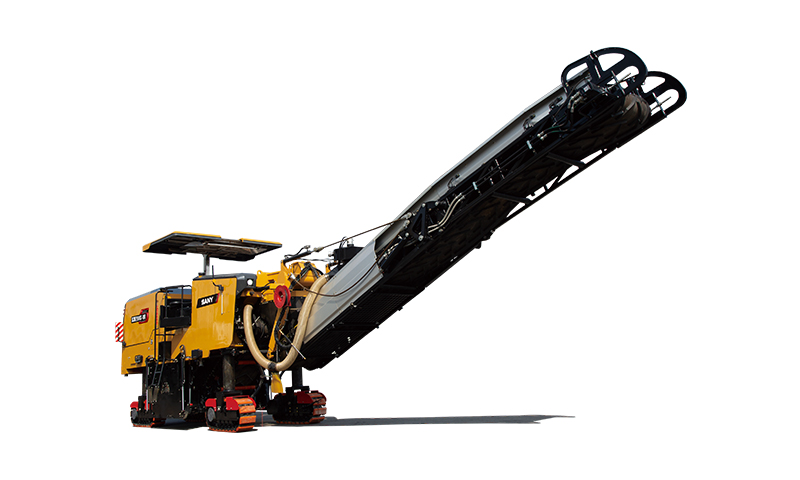
1. Road Milling Machine (Cold Planer): During milling machine road construction, it cuts the asphalt layer through a rotating drum equipped with cutting teeth. This equipment comes in various sizes: small models are suitable for minor projects, while large models are adapted for highway operations. For example, the SANY milling machine has a maximum milling depth of 0 - 330mm and a maximum milling width of up to 1000 - 2010mm, boasting powerful milling performance to meet diverse operational needs.
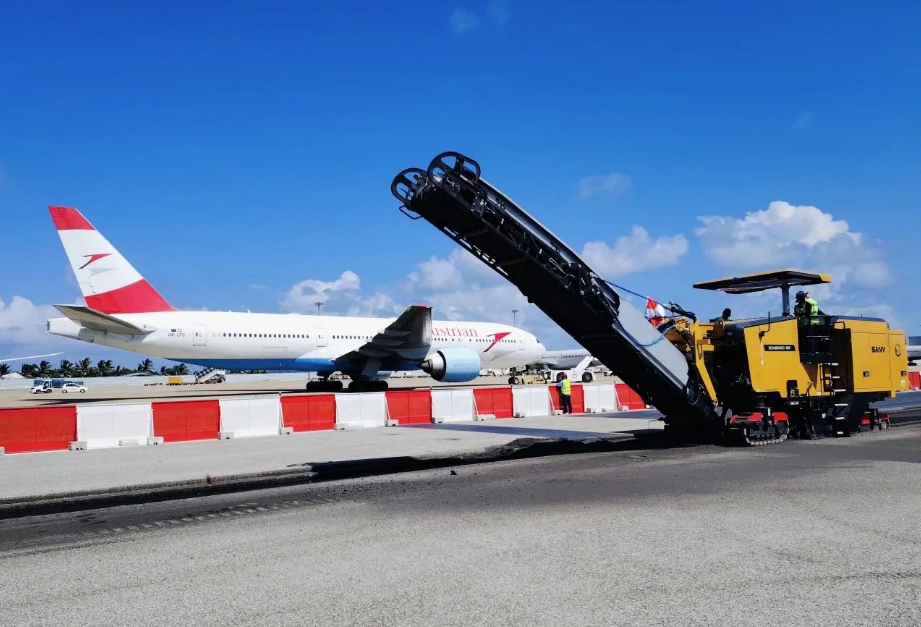
2. Dump Truck: Transports the milled asphalt (RAP, namely Recycled Asphalt Pavement) away from the construction site.
3. Water Sprinkler Truck: Sprays water mist to suppress dust and simultaneously cools the milling teeth.
4. Road Sweeper/Electric Broom: Cleans the milled pavement to ensure tight bonding of the new asphalt layer.
Auxiliary and Supporting Equipment
1. Tack Distributor: Sprays liquid asphalt emulsion (tack coat) on the milled pavement before laying new asphalt to enhance interlayer adhesion.
2. Material Transfer Truck: Can be used to receive milled waste or transport new asphalt mixture to the paver, avoiding construction delays.
3. Guidance System: Adopts Global Positioning System (GPS) or laser system to ensure precise milling depth and smooth pavement surface.
Key Steps of Roadway Milling
After understanding the applicable projects and main equipment for roadway milling, it is also necessary to understand the specific steps of this process before performing it. It mainly includes the following stages:
Evaluation and Planning
1. Inspect the pavement damage (such as ruts, cracks, etc.).
2. Determine the required milling depth (shallow milling for leveling, deep milling for complete removal of the old layer).
3. Identify and mark obstacles such as manhole covers.
Site Preparation and Layout
1. Implement traffic control and safety protection measures.
2. Calibrate the milling machine to ensure precise milling depth.
3. Deploy water sprinkler trucks for dust suppression during milling operations.
Milling Process (Cold Planing)
1. Use a self-powered milling machine to grind the asphalt through a rotating drum equipped with cemented carbide teeth.
2. Operators control the operation speed and depth to ensure a smooth pavement.
3. Load the milled material (RAP) into transport trucks through the conveying system.
Material Handling
The collected Recycled Asphalt Pavement (RAP) is transported to a recycling plant for processing and reuse.
Cleaning Operation
Use road sweepers and vacuum equipment to remove all residual dust and debris, leaving a clean, textured base surface that provides good bonding conditions for new asphalt paving.
New Asphalt Paving
Pave new asphalt directly on the treated milled base to ensure tight interlayer bonding. During this process, road rollers—the main machine that flattens roads can be used to compact the hot asphalt, enabling faster formation of a smooth and solid pavement.
Precautions for Roadway Milling
To ensure the safety and effectiveness of roadway milling, the following precautions should be given special attention during the operation:
Personnel & Site Safety
1. PPE & Visibility: Wear high-vis vests, hard hats, safety glasses, gloves, and steel-toed boots; use reflective gear at night.
2. Dust Control: Use water spray with surfactants (like soap) or ventilation to minimize silica dust inhalation, a major hazard.
3. Site Prep: Clear loose debris, vegetation, and foreign objects, paying attention to drains and utilities.
4. Traffic Control: Set up clear barriers and use flaggers; communicate work zones to drivers and crews.
5. Communication: Ensure milling, paving, and truck crews are synced on goals and hazards.
Equipment Maintenance & Operation
1. Cutter Teeth: Monitor and replace worn teeth quickly to prevent drum damage and bad cuts (scabbing).
2. Conveyor System: Check belts for wear and load trucks front-to-back to maintain stability.
3. Hydraulics/Tracks: Inspect for leaks and worn parts like rollers, pads, and chains.
4. Machine Settings: Adjust moldboard pressure for clean cuts; use correct speeds and feeds; service automatic guidance.
5. Operation: Keep hands clear, don't leave running machines unattended, and maintain proper depth/grade.
Quality & Process Control
1. Avoid Scabbing: Adjust depth or lift height to prevent the "Velcro" texture that compromises new pavement.
2. Cleanliness: Wash down the machine daily to remove abrasive dust and grit.
3. Grading: Use sensors and level controls for consistent depth and grade.
Conclusion
What is roadway milling? It is a systematic process that is efficient, environmentally friendly, and safe, making it an indispensable part of road construction. It is suitable for a wide range of applications, achieving a balance between quality and efficiency through specialized equipment and standardized procedures. As road construction moves towards sustainable practices, roadway milling will continue to play an irreplaceable and crucial role in promoting greener and more efficient road maintenance.
FAQs
What Is the Purpose of Roadway Milling?
The main purpose of roadway milling is to remove the damaged surface layer of the pavement, creating a smooth and even base for laying new asphalt. This addresses problems such as cracks, ruts, and bumps, while also recycling old materials to save costs and achieve environmental benefits. By creating a uniform base for road resurfacing, this process improves traffic safety, drainage performance, and pavement lifespan, avoiding the need for complete road reconstruction.
What Are the Disadvantages of Roadway Milling?
Roadway milling has certain disadvantages, including the potential for impurities in the recycled material, a rougher surface texture after treatment, noise and dust generated during the process, and limited milling depth during deep repairs. Improper connection with the surrounding pavement can also lead to drainage problems. Furthermore, inadequate base preparation may result in interlayer delamination (peeling), and insufficient compaction can lead to weed growth or pavement disintegration. Therefore, achieving ideal construction results requires a professional construction team and appropriate equipment.
How Long Does Roadway Milling Take?
Most road milling projects typically last one to two days, but the actual duration varies considerably: small areas like single lanes may only take a few hours, while large-scale projects such as highways can take several days. The duration primarily depends on the project size, milling depth, road condition, and site complexity (e.g., obstacles, traffic conditions, weather factors). Milling is usually followed immediately by paving, which also takes one to two days. Therefore, the entire "milling + paving" process can sometimes extend from a few days to a week or even longer.
Featured Products
Recommend Blogs
What Is the Milling Machine? Everything You Need to Know
This article introduces what is the milling machine, its working principle, structure, functions, and key points for selecting one.
2026 Asphalt Millings for Driveway Complete Guide
This article explains the pros and cons, core processes (milling, paving, maintenance), and key considerations of using asphalt millings for driveways.