What Is an Excavator? How to Choose the Right Model for Your Project Needs
Discover what an excavator is and how to choose the ideal model—from compact mini machines to powerful large excavators—for your project’s size, terrain, and productivity needs
Excavators are the workhorses of construction, mining, landscaping, and a host of other industries. But what is an excavator exactly? At their core, excavators are hydraulic-powered machines designed to perform heavy digging and earthmoving tasks that would take crews of workers days or even weeks to complete by hand. From trenching for utility lines to clearing land for development, excavators offer both power and precision. In this guide, we’ll explore every aspect of excavators—from their anatomy and various types to how you can select the ideal machine for your project. Whether you need a nimble small excavator for tight urban sites or a massive large excavator for heavy-duty earthmoving, this article will equip you with the knowledge to make an informed choice.
What Is an Excavator?
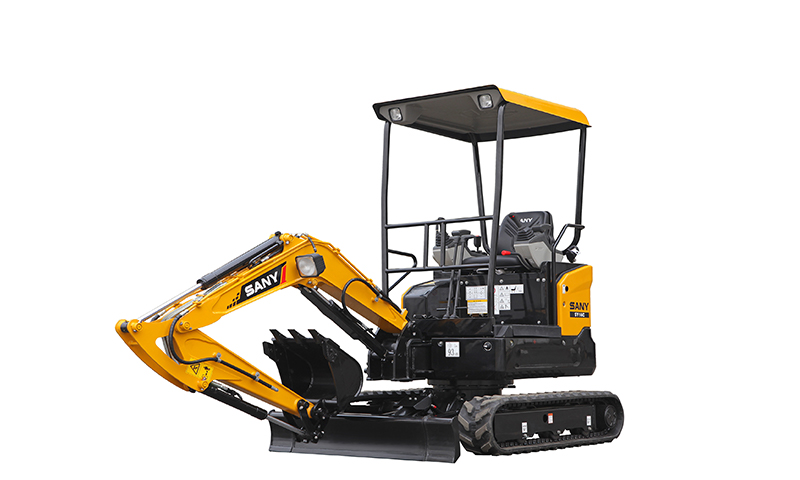
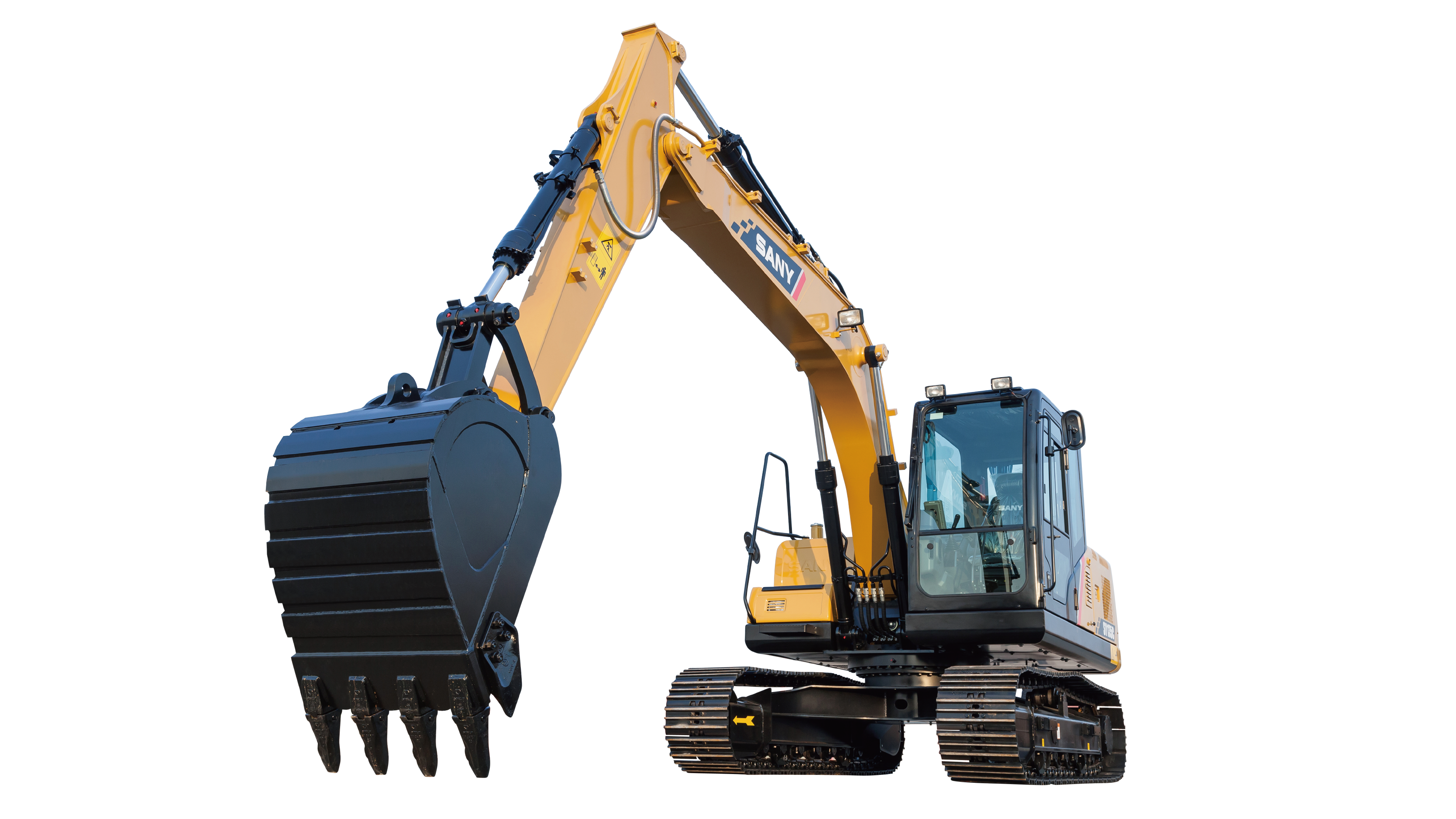
An excavator is a piece of heavy equipment characterized by a boom, dipper (stick), bucket, and cab mounted on a rotating platform (house). Powered by hydraulic systems, these machines can lift, move, and place materials with remarkable accuracy and strength.
Core Components
- Undercarriage: Tracks or wheels that provide mobility and stability.
- House: Rotating platform that contains the engine, hydraulic pump, and operator cab.
- Boom, Dipper & Bucket: The three-part arm assembly that determines reach, digging depth, and attachment versatility.
- Hydraulic System: Pumps, hoses, and cylinders that transfer engine power into controlled arm and track movement.
How Excavators Work
Excavators harness hydraulic power to convert engine output into precise digging, lifting, and swinging motions. Here’s a step-by-step look at their operating principle:
1. Engine Drives the Hydraulic Pump
- A diesel (or electric) engine powers one or more hydraulic pumps.
- The pump pressurizes hydraulic oil, creating the flow and pressure needed to move cylinders and motors.
2. Control Valves Direct Hydraulic Flow
- Operator inputs via joysticks or pedals signal directional control valves.
- Valves route pressurized oil to specific cylinders (boom, dipper, bucket) or drive motors (tracks/wheels).
3. Hydraulic Cylinders and Motors Actuate Movement
- Boom Cylinder: Extends or retracts to raise and lower the boom.
- Dipper Cylinder: Controls the stick (dipper) to adjust digging depth.
- Bucket Cylinder: Curls or dumps the bucket for scooping and releasing material.
- Swing Motor: Rotates the house 360°, positioning the arm and bucket without moving the undercarriage.
- Travel Motors: Drive tracks or wheels for machine mobility.
4. Closed-Center vs. Open-Center Systems
- Closed-Center (Load-Sensing): Pumps adjust output based on demand, improving fuel efficiency and responsiveness.
- Open-Center: Constant flow to a control manifold; simpler but less efficient under variable loads.
5. Pilot Controls and Feedback
- Light pilot oil circuits translate joystick movements into precise valve actuation with minimal operator effort.
- Feedback mechanisms (pressure sensors, load-sensing valves) ensure smooth operation and prevent overload.
6. Auxiliary Circuits for Attachments
- Additional hydraulic lines feed attachments like breakers, augers, grapples, or mulchers.
- Operators engage auxiliary valves to power these tools seamlessly through the same pump system.
Brief History & Evolution
| Era | Key Innovation | Impact |
| 19th Century | Steam-powered shovels | First mechanized digging, limited mobility |
| Mid-20th Century | Diesel engines & hydraulics | Greater power, smoother operation |
| Late 20th Century | Introduction of mini and compact models | Access to urban/tight sites |
| 21st Century | Telematics, electric/hybrid prototypes | Improved efficiency & lower emissions |
Early steam shovels laid the groundwork for modern excavators, but it wasn’t until hydraulic systems paired with diesel engines that these machines became versatile, precise, and reliable. In recent years, hybrid and fully electric models have begun to emerge, promising further gains in fuel efficiency and reduced environmental impact.
What Does an Excavator Do?
Excavators are far more than just “digging machines.” From heavy earthmoving to precision environmental work, here’s a closer look at what does an excavator does across diverse industries:
Earthmoving and Trenching
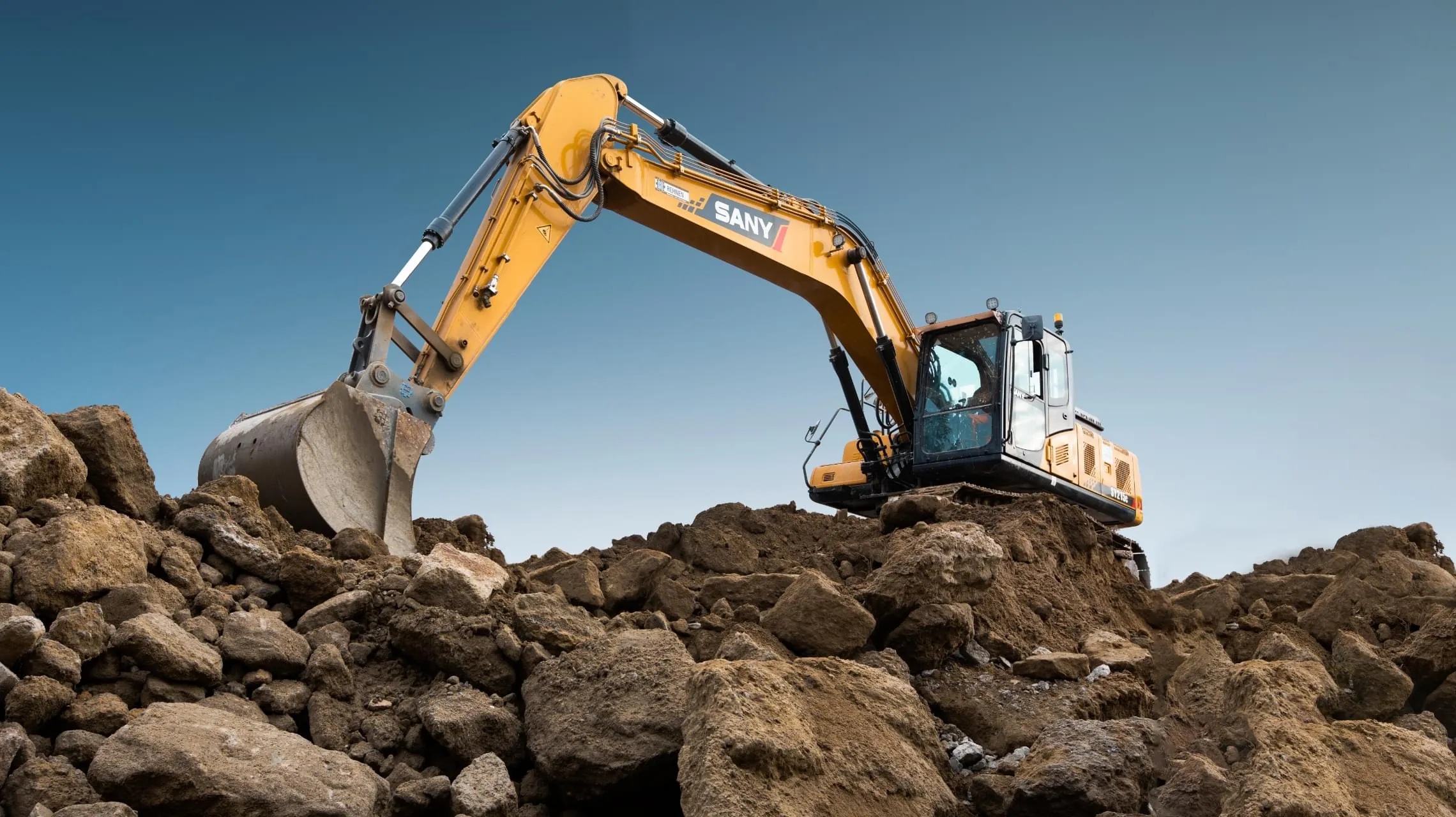
- Bulk Excavation: Removing large volumes of soil or rock for foundations, basements, and roadway cuts.
- Precision Trenching: Creating narrow, uniform trenches (often 1–3 ft wide) for utilities such as water, gas, and fiber-optic lines.
Demolition and Recycling
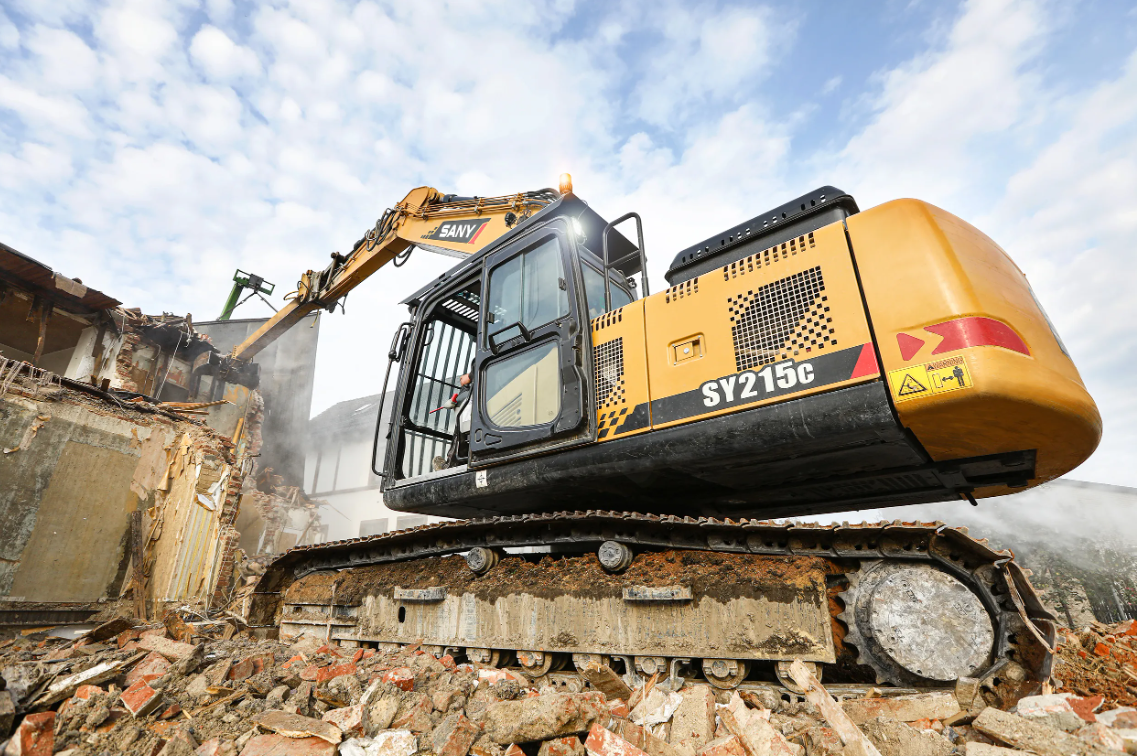
- Structure Demolition: Swapping to a hydraulic breaker or shear turns an excavator into a powerful wrecking tool for concrete, steel, and masonry.
- On-Site Sorting: Using grapples or sorting grabs to separate concrete, rebar, and debris—reducing transport costs and aiding recycling efforts.
Material Handling and Stockpiling
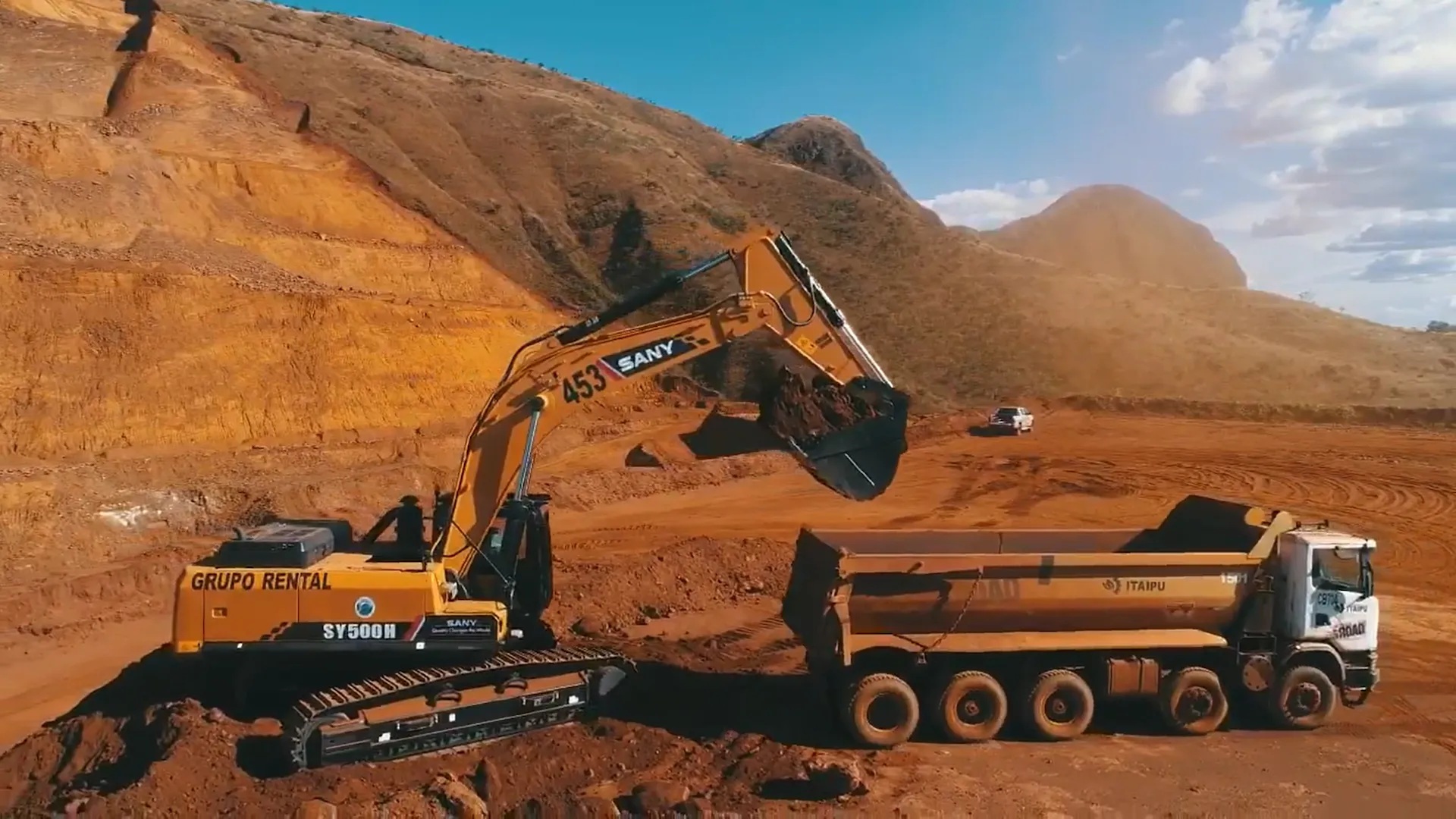
- Loading and Dumping: Lifting bulk aggregates, sand, and gravel into haul trucks with cycle times as fast as 20 seconds per scoop.
- High-Reach Stacking: With extension booms, excavators can stack materials up to 20 ft high, optimizing yard space.
Environmental and Utility Tasks
- Dredging and Riverbank Work: Long-reach excavators clean sediment, restore waterways, and rebuild eroded banks.
- Pipeline and Cable Laying: Precision digging for pipe bedding, followed by backfilling and compaction in a single pass.
Specialized Operations
- Forestry and Land Clearing: Fitted with mulcher heads or pulpers to clear brush and small trees without manual labor.
- Pile Driving: Attaching vibratory or impact pile drivers lets excavators install sheet piles and H-beams for marine walls and shoring.
- Slope Stabilization: Installing rock anchors or soil nails with dedicated drilling attachments to secure steep embankments.
Each of these tasks can be further tailored through a wide range of attachments—buckets, augers, grapples, rakes, hammers, and more—making excavators the Swiss Army knives of heavy equipment.
Types of Excavators and Their Applications
Understanding what an excavator is used for involves recognizing the diverse configurations tailored to specific tasks. Below is a comprehensive overview of the most common excavator types and where they excel:
| Excavator Type | Key Features | Typical Applications | Pros | Cons |
| Crawler Excavators | Continuous steel tracks; high hydraulic breakout force | Mining/quarry overburden removal; grading on slopes | Excellent traction and stability; handles heavy buckets | Slow travel; tracks can scar finished surfaces |
| Wheeled Excavators | Rubber tires; optional outriggers for digging stability | Urban roadwork; sidewalk/curb repair; municipal maintenance | Fast site-to-site mobility; minimal pavement damage | Limited off-road capability; less stable on soft ground |
| Dragline Excavators | Cable-suspended bucket; massive reach and lift capacity | Canal/channel dredging; large-area overburden removal | High-volume digging; effective in wet/underwater environments | Large setup footprint; poor in tight sites |
| Suction Excavators | High-pressure water jet plus vacuum suction | Non-destructive utility excavation; debris/sludge removal | Precise around utilities; reduces manual digging | Limited to small-diameter digs; slower on bulk debris |
| Skid Steer Excavators | Wheeled skid-steer chassis; zero-turn radius; quick-attach interface | Interior demolition; residential debris cleanup; tight landscaping | Exceptional maneuverability; rapid tool changes | Lower digging depth and lift capacity |
| Long-Reach Excavators | Extended boom/arm (up to 18 m); reinforced undercarriage | Deep foundations; riverbank dredging; over-water demolition | Access hard-to-reach areas; fewer relocations | Reduced force at max reach; large footprint |
| Mini Excavators | Zero or reduced tail swing; operating weight 1–10 T; compact dimensions | Indoor demolition; basement digs; narrow-alley landscaping | Fits through doorways; minimal ground impact | Small bucket capacity; not for heavy/high-volume digs |
How to Choose the Right Excavator for Your Project
First, imagine what an excavator looks like on your jobsite—its boom swinging over obstacles, tracks or wheels adapting to the terrain, and the operator comfortably controlling every movement. Selecting the right machine comes down to matching site conditions and project goals to the strengths of each excavator type. Whether you need a small excavator for tight spaces or a large excavator for massive earthmoving, understanding each category is key. Brands like SANY offer a wide range from compact mini machines to high-capacity giants, ensuring you can find the perfect fit.
Confined Spaces and Indoor Work
1. Space Constraints: Doorways, narrow corridors, or basements under 2 m wide.
2. Ground Protection: Finished floors, delicate turf, or tiled surfaces require low ground pressure.
3. Maneuverability: Zero- or reduced-tail-swing designs to avoid collisions.
4. Suitable Excavator Types:
- Mini Excavators: Their compact size (often under 3t) and tight-tail-swing geometry let them slip through narrow openings and turn within confined footprints without damaging finishes.
- Skid-Steer Excavators: With 360° bucket rotation and very short overhang, they provide pinpoint precision for interior demolition or trenching alongside walls.
- Suction Excavators: By using air or water to displace soil, they eliminate digging forces that could crack delicate slabs, making them ideal for potholing around utilities indoors.
Residential and Light Commercial Site Preparation
1. Dig Depth: Foundations and utility trenches between 1.5 m and 4 m.
2. Attachment Switching: Frequent need for buckets, augers, or breakers.
3. Transportability: Must fit on a 15–20 T trailer for multi-site jobs.
4. Suitable Excavator Types:
- Compact Tracked Excavators (small excavator): Offer greater stability on uneven soil and minimal ground pressure, while still fitting on a standard trailer; rubber tracks preserve driveways and sidewalks.
- Wheeled Excavators (small to mid-size): Their higher travel speeds let you move between driveways without special permits, and quick-attach couplers mean swapping from a digging bucket to an auger or breaker takes minutes.
- Mini Hydraulic Excavators: Though small, they often include factory-ready attachments for drilling or compact demolition, cutting out the need for separate machines on tight budgets.
Urban Roadwork and Utility Maintenance
1. Travel Speed: Quick site-to-site moves on paved streets.
2. Non-Destructive Digging: Safe potholing around cables and pipes.
3. Small-Scale Demolition: Breaking concrete or asphalt in limited areas.
4. Suitable Excavator Types:
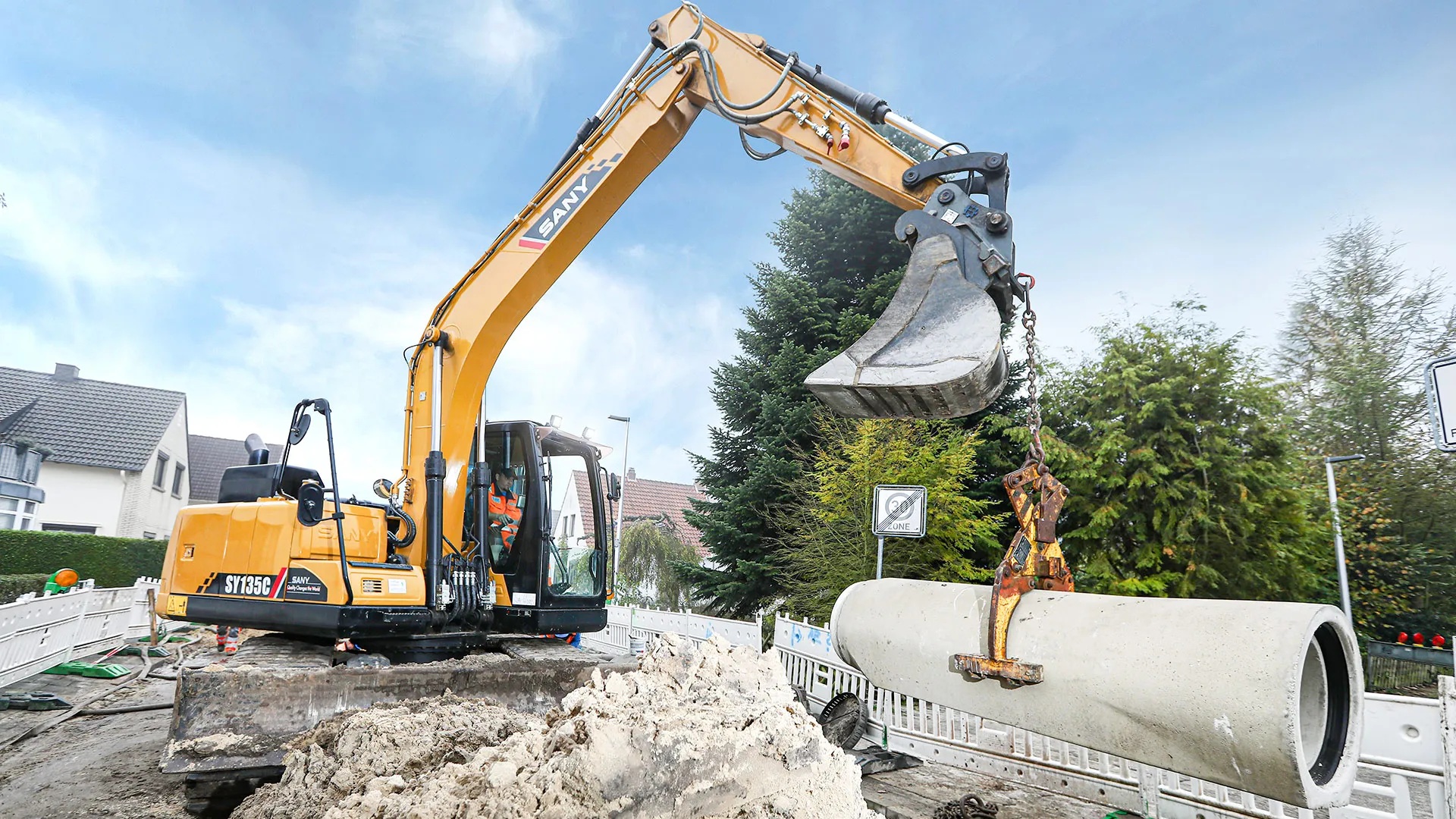
- Wheeled Excavators: With on-road speeds up to 25 km/h, they cruise between job sites without escort vehicles; stabilizer legs deploy instantly for precision digging around utilities.
- Skid-Steer Excavators: Their skid-steer steering means zero-radius turns on road closures, and toothless buckets or low-impact attachments let you break asphalt without harming surrounding pavement.
- Suction Excavators: Perfect for vacuum-assisted potholing in high-traffic zones, because they expose buried services without jackhammering.
Large-Scale Earthmoving and Infrastructure
1. Production Targets: Hundreds of cubic meters per hour in cut-and-fill cycles.
2. Continuous Operation: High hydraulic flow and robust cooling for nonstop work.
3. Heavy-Duty Requirements: Bucket capacities from 1.5 m³ to 8 m³; breakout forces above 400kN.
4. Suitable Excavator Types:
- Crawler Excavators (large excavator): Their steel tracks provide traction in soft or uneven ground, and high-flow hydraulics power wide buckets to shift large volumes rapidly. SANY Over 36T Large Excavator series are prime examples of rugged reliability on major infrastructure projects.
- Dragline Excavators: With booms extending 10–20 m beyond the tracks, they handle deep cuts and trenching without repositioning for each swing.
- Long-Reach Excavators: Equipped with extended-length arms, they place material precisely at large radii—ideal for levee construction or stockpile loading where reach matters more than raw digging force.
Environmental, Dredging, and Slope Stabilization
1. Extended Reach: Deep foundation work or riverbank dredging up to 18 m.
2. Soft-Ground Operation: Wetlands or ecologically sensitive zones demand minimal compaction.
3. Uneven Terrain: Walking (spiral) excavators handle steep slopes and pipeline trenches.
4. Suitable Excavator Types:
- Long-Reach Excavators: Their slender, extended booms reach over water or marsh to dredge silt without bringing the chassis into fragile habitats.
- Suction Excavators: By combining vacuum hoses with long-arm attachments, they excavate deep holes in wetlands while collecting spoil in sealed tanks.
- Walking Excavators: Using articulated “legs” instead of tracks, they climb slopes up to 45° safely, distributing weight to prevent slumping on unstable banks.
Budget, Rental vs. Purchase & Total Cost of Ownership
1. Short-Term Needs: Renting mini or small excavator units reduces upfront CAPEX and lets you match machine size exactly to each job.
2. Long-Term Contracts: Owning a large excavator like SANY heavy-duty crawler series lowers cost per operating hour thanks to a designed lifetime of up to 25,000 hours (30% longer than previous models) and 50% reduced maintenance expenses, with durable oil and filters extending service intervals.
3. Ownership Factors: Compare fuel consumption, maintenance intervals, telematics offerings for remote diagnostics, and expected resale value. By aligning your purchase strategy with project cadence and cash flow, you’ll ensure the lowest lifetime cost per cubic meter moved.
Conclusion
Understanding what an excavator is and its myriad configurations empowers you to select the perfect machine for your needs. Whether you opt for a nimble mini for precise landscaping or a cavernous large excavator for industrial-grade digging, matching specifications to project demands ensures efficiency, safety, and cost-effectiveness. Armed with this knowledge, you’re ready to tackle earthmoving tasks with confidence and precision.
FAQs
What is the difference between a mini excavator and a small excavator?
Mini excavators are defined primarily by their light operating weight—typically from 1 to 10 tons—and compact dimensions designed for tight spaces. They commonly feature dig depths of 5–15 ft and are ideal for residential landscaping, utility trenching, and interior demolition where minimal ground disturbance is key. In contrast, small excavators occupy the 10–20ton class, offering deeper reach (up to 12–16 ft) and larger bucket capacities. This extra size provides higher breakout forces and increased lifting capacity, making small excavators better suited for moderate commercial site prep, pool digging, and heavier-duty utility work.
Can an excavator be used for demolition tasks?
Absolutely. By fitting hydraulic attachments—such as breakers (hammers), shears, pulverizers, or grapples—excavators transform into powerful demolition machines. These tools allow an excavator to fracture concrete, cut steel, remove debris, and even sort materials on-site. Demolition work ranges from small-scale interior wall removal using mini or skid-steer excavators to full-scale structural teardown with large crawler models.
How deep can an excavator dig?
Digging depth varies by class:
- Mini (Compact) Excavators (1–10 T): Up to about 15 ft (4.6 m). These models excel in tight urban or residential settings and can handle shallow foundations, trenches, and utility work without excessive footprint.
- Small Excavators (10–20 T): Generally reach between 8.5 ft (2.6 m) on the smallest 6 000lb machines and up to 15 ft (4.6 m) on higher-capacity units in this class.
- Medium Excavators (20–50 T): Often provide 15–23 ft (4.5–7 m) of digging depth, suitable for commercial foundations, roadwork, and larger utility trenches.
- Long-Reach Excavators: With specialized extended booms and arms, these machines can dig over 60 ft (18 m), ideal for dredging, deep foundation support, and over-water demolition (consult specific model specs).
Always consult specific model specifications, as factors like boom length, arm geometry, and attachment type influence true digging capacity.