What Is A Grader? Definition, Works, Uses, And Operating Skills
What is a grader? This article explains its working principle, uses, and operating techniques to help operators work efficiently.
In road construction, site leveling, and foundation construction, graders are crucial equipment for ensuring construction quality and efficiency. To help engineering teams better understand define grader and use motor graders, this article will bring motor grades explained, including questions such as what is a grader in construction, what is a motor grader used for, and how to better control a grader. This will help operators and management teams optimize construction processes, improve work efficiency, and achieve more precise, efficient, and stable construction.
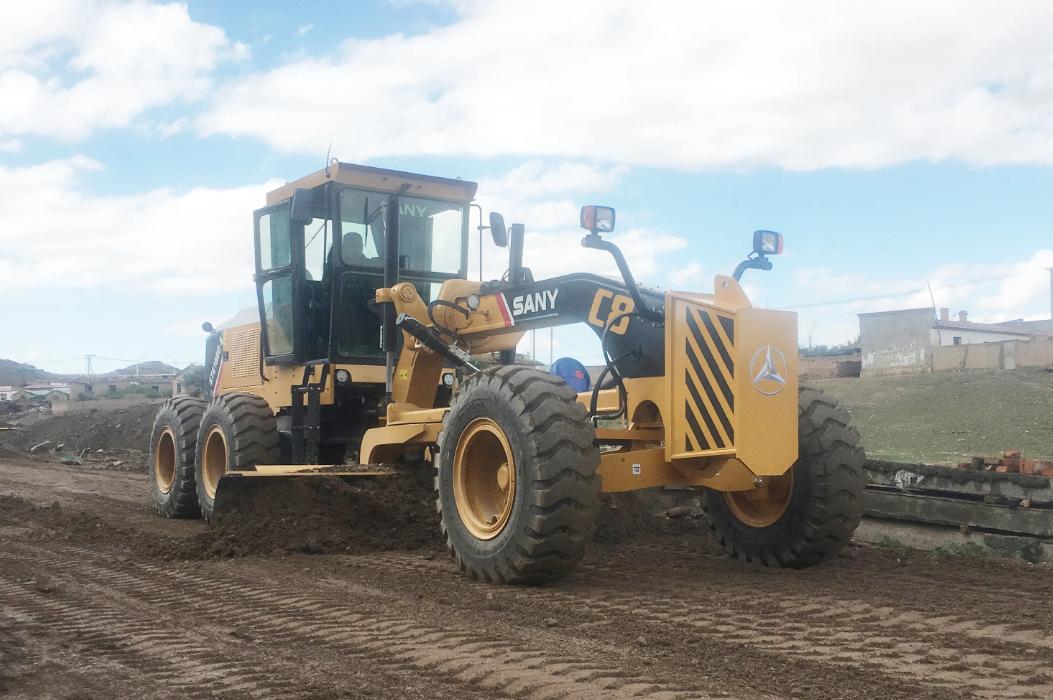
What is a Grader and What are Its Characteristics?
As a core piece of equipment for achieving high-precision leveling operations, a grader directly affects the smoothness of the road surface and the accuracy of the site during construction. Whether in road construction, airport construction, or mining operations, it plays a vital role due to its unique advantages. Below is a detailed introduction to the grader meaning and main characteristics of a grader.
Grader Definition
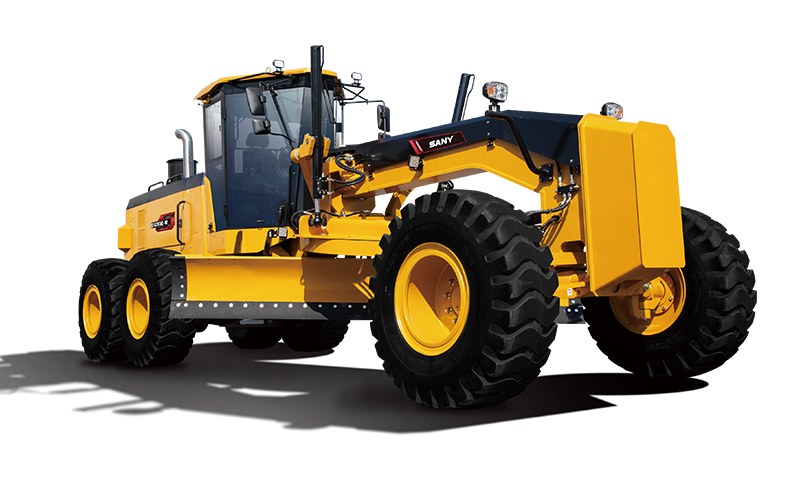
What does grader mean? A grader, also known as a motor grader. The Meaning of graders is a high-precision, heavy-duty earthmoving machine primarily used for fine leveling of roads and sites, earth paving, debris removal, shallow trench excavation, and road shaping. Its core structure consists of an adjustable long blade between the front and rear wheels, enabling it to perform high-precision finishing work that is difficult for ordinary construction machinery. It is a key piece of equipment in infrastructure, road, airport, and mining projects.
Grader Characteristics
1. High Precision: Capable of long-distance, high-precision leveling, with strict control over slope and tolerances, offering superior precision compared to bulldozers and excavators.
2. Flexible Operation: The blade can be raised, lowered, extended, and its angle adjusted. A hydraulic system allows for various posture adjustments to adapt to different construction needs.
3. Versatile Functionality: Capable of finely finishing road surfaces, as well as material spreading, ditching, and debris removal. It can also assist other earthmoving machinery in construction.
4. High Efficiency: Combining a high-powered engine with precise hydraulic control, it can quickly achieve high-quality surface treatment, improving construction efficiency and project quality.
What is a Motor Grader Used For?
As an indispensable precision earthmoving machine in engineering construction, graders play a crucial role in various fields such as road construction, site preparation, mining operations, and municipal maintenance, thanks to their flexible and adjustable operating devices and stable and reliable construction performance. Their applications are diverse, covering almost the entire construction process from basic leveling to fine finishing.
Fine Leveling and Road Construction
The core application of graders is the high-precision leveling of roads, airport runways, and sites. They can complete road surface finishing, camber and cross slope shaping, providing a uniform and flat base surface for asphalt paving, effectively reducing the number of times road rollers need to operate and improving construction quality.
Earthwork Operations and Material Handling
It can spread, mix, and transport materials such as soil, gravel, and aggregates; level roadbeds; excavate V-shaped drainage ditches; and repair ditch slopes to meet drainage and roadbed shaping needs.
Road Maintenance and Repair of Old Road Surfaces
Used for the construction and maintenance of dirt roads and gravel roads, clearing shoulder debris, eliminating road bumps, and restoring road slopes; when used with a ripper, it can break up damaged road surfaces to prepare for repaving and extend road lifespan.
Snow Removal and Debris Clearance
In winter, it can remove snow, ice, and debris from roads. Equipped with specialized equipment, it can quickly clear snow from lanes, ensuring smooth traffic flow.
Foundation Engineering and Site Pretreatment
Before large-scale construction, natural soil is leveled to the design elevation, completing site pretreatment for the foundation. This can also be used for material mixing operations.
Mining-Specific Operations
Maintaining transport ramps and intersections in mining areas ensures smooth road surfaces, allowing transport trucks to travel stably, reducing fuel consumption and tire wear, and lowering overall mine operating costs.
Land Reclamation and Engineering Finishing
In land reclamation projects, pre-crushing, mixing, and leveling of materials are completed, working in conjunction with subsequent equipment to achieve site leveling and compaction.
How Do Graders Work? What are Some Operating Techniques?
The operation of a grader revolves around the coordinated function of its engine, hydraulic system, and blade. Scientific operating techniques are essential to balance work quality, efficiency, and safety. The following will break down the working principle of a grader in detail, along with key operating techniques for practical use, to help operators standardize their work and avoid risks.
How a Grader Works?
The core working principle of a grader is based on a high-powered engine that powers a large blade via a precision hydraulic system, enabling it to level, shape, and process materials on the road surface. During operation, the blade cuts into the soil, compacting fine particles while simultaneously bringing larger debris to the surface, achieving initial road leveling.
Blade adjustment is a crucial aspect of the working principle: through the hydraulic control system, the operator can flexibly adjust the blade's height, angle, and tilt from inside the cab, thereby controlling the depth of soil turning and the direction of material pushing. The blade's lifting range is accurate to a fraction of an inch, adapting to different leveling requirements. The sharpness of the blade angle determines the amount of soil removed; a sharper angle removes more soil.
Furthermore, the performance of a motor grader is closely related to its travel speed, blade position, and the use of the ripper (if equipped). The coordinated operation of these components ultimately achieves high-precision road preparation, material spreading, or ditch excavation.
For example, the SANY STG Series Motor Grader boasts a powerful, efficient engine designed for heavy-duty use. Coupled with VHP technology, it can adapt to different working conditions, such as light, medium, and heavy loads, and features different power curves, ensuring the machine always operates within the lowest possible fuel consumption range.
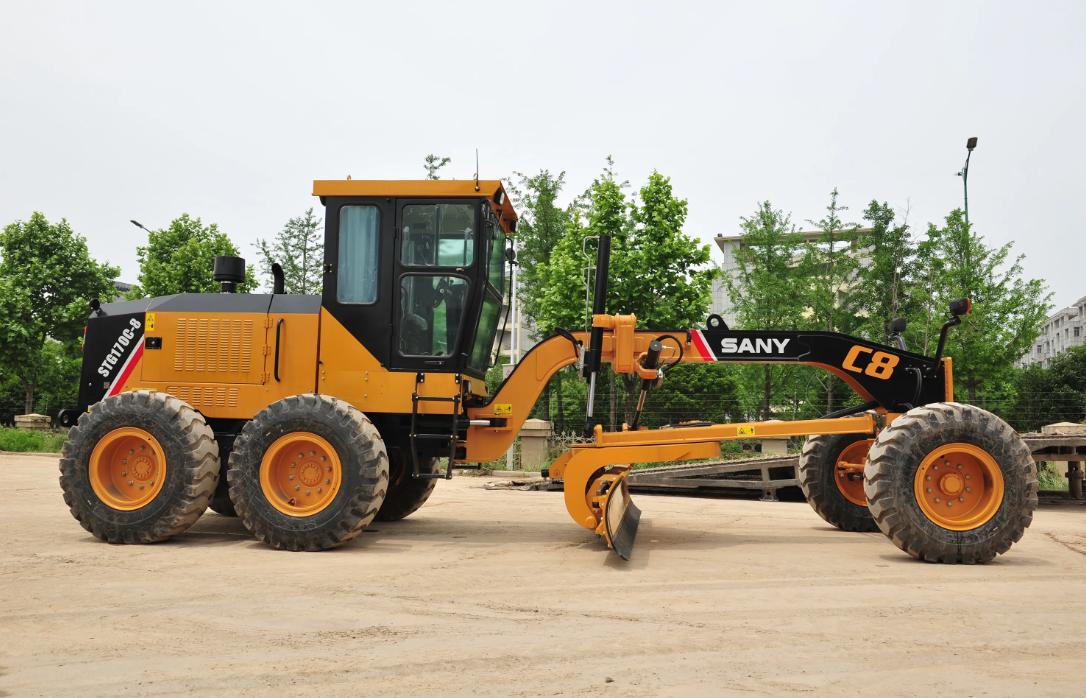
Grader Operation Techniques
The operation of a grader directly affects the quality and safety of the work. The following techniques must be strictly followed, with adjustments made flexibly based on equipment characteristics and the work scenario:
1. Blade Position Control: During operation, the blade must always be kept vertically upward, while the grader blades roll forward. This reduces blade wear and improves rear visibility, allowing the operator to accurately control the work progress.
2. Slope Operation Techniques: When operating on slopes, the plowshare must be parallel to the front axle, centered on the frame, and lowered close to the ground to prevent the grader from tipping over. Never use articulated graders on steep slopes to avoid accidents.
3. Blade Angle Adjustment: Adjust the blade angle according to the material characteristics. For lightweight and free-flowing materials, use a plowshare angle of 10 to 30 degrees; for wet, viscous materials, mixed large piles of materials, or trenching, use a larger angle of 30 to 50 degrees.
4. Frame tilt adjustment: Tilting the rear frame 2 to 5 degrees toward the front of the scraper can effectively reduce the grader's tendency to bounce, and is especially suitable for cutting corrugated pavement.
5. Ripper Usage Techniques: While driving, press the ripper teeth into the ground. If the rear wheels lose traction, lift the ripper until the wheels regain grip. When working on particularly hard surfaces, reduce the number of ripper teeth. When breaking up old surfaces, press the ripper teeth under the surface before lifting the ripper.
6. Operating Speed Control: Balance efficiency and quality, maintaining a stable driving speed, but avoid excessive speed that could cause machine vibration. A typical operating speed is 3 to 5 mph.
7. Control Lever Operation: Master the control levers that control the blade position, clearly understand the function of each control device, and avoid misoperation that could affect work performance.
8. Turning Operation: When turning, the wheels should always be tilted in the direction of the turn to help the grader turn easily, reducing equipment wear and operational deviations.
9. Downforce Control: Apply only the downforce required to complete the task. Applying excessive pressure on hard, dry surfaces will accelerate cutting-edge wear, increase horsepower and fuel consumption, and reduce productivity.
10. Blade Balance: Closely monitor both ends of the blade during operation. Lifting one end of the blade may cause the other end to drop by about a quarter of the distance; timely adjustment is necessary to ensure flatness and accuracy.
11. Disc and Blade Alignment: If the disc is not level, the blade setting will change with the blade angle; check and adjust the disc's levelness beforehand.
12. Blade Tilt Angle Adjustment: When cutting soft materials, tilt the blade backward; when mixing, laying, and cutting hard surfaces, tilt the blade slightly forward; when spreading, maintaining surface materials, and removing snow, tilt the blade further forward.
13. Snow Removal Techniques: Maintain a straight line when snow removal; do not apply excessive downforce to prevent the front wheels from lifting and causing steering failure.
Conclusion
In summary, we believe you now have a clear understanding what is a grader, as well as its characteristics, uses, working principles, and operating techniques. As a high-precision heavy-duty earthmoving machine, the grader, with its diverse functions and high efficiency, has become an indispensable core piece of equipment for various projects. Mastering knowledge about what are graders can help engineering teams operate in a standardized manner, select appropriate models scientifically, fully leverage the advantages of graders, optimize construction processes, mitigate operational risks, and contribute to achieving more precise, efficient, and stable engineering construction goals.
FAQs
What Does a Grader Do?
A grader, also known as a motorized grader, is a type of construction machinery primarily used to create smooth, level working surfaces for roads and buildings. It uses large blades to perform precise earthmoving operations, leveling and shaping the ground to achieve a smooth finish on construction sites and roads, ensuring that the work surface meets the required smoothness and flatness.
What Is the Difference Between a Dozer and a Grader?
Bulldozers are designed for rough leveling and heavy-duty operations. Their tracks provide strong traction, making them suitable for transporting large quantities of materials in rugged, sandy, and muddy terrain. They are primarily used in construction, mining, and land clearing.
Graders excel at fine leveling and shaping, making them suitable for precise construction in open areas. However, they can only move small amounts of material and are not suitable for transporting heavy loads. The two types of machines differ significantly in function and application scenarios.
Is Operating a Grader Hard?
Graders are often considered among the most difficult heavy-duty machines to operate due to their unique handling, requiring skill in adjusting blade angle and height, and demanding precise operation. However, with professional training, accumulated operating experience, and familiarity with the equipment's structure and components, the difficulty of operation is not as great as it seems. Once the relevant knowledge and skills are mastered, its difficulty level is roughly equivalent to that of other construction machinery.
Featured Products
Recommend Blogs
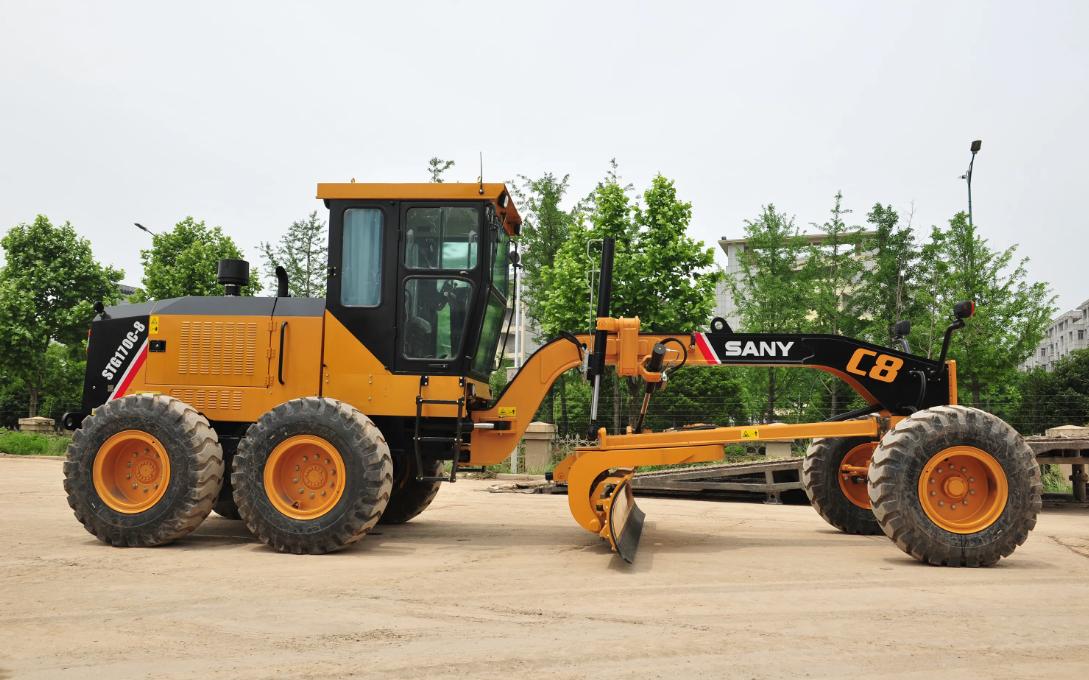
Road Construction Equipment and Its Uses: A Practical Guide for 2026
What equipment is needed for road construction? This article introduces the types and uses of road construction equipment to help you better conduct road construction.
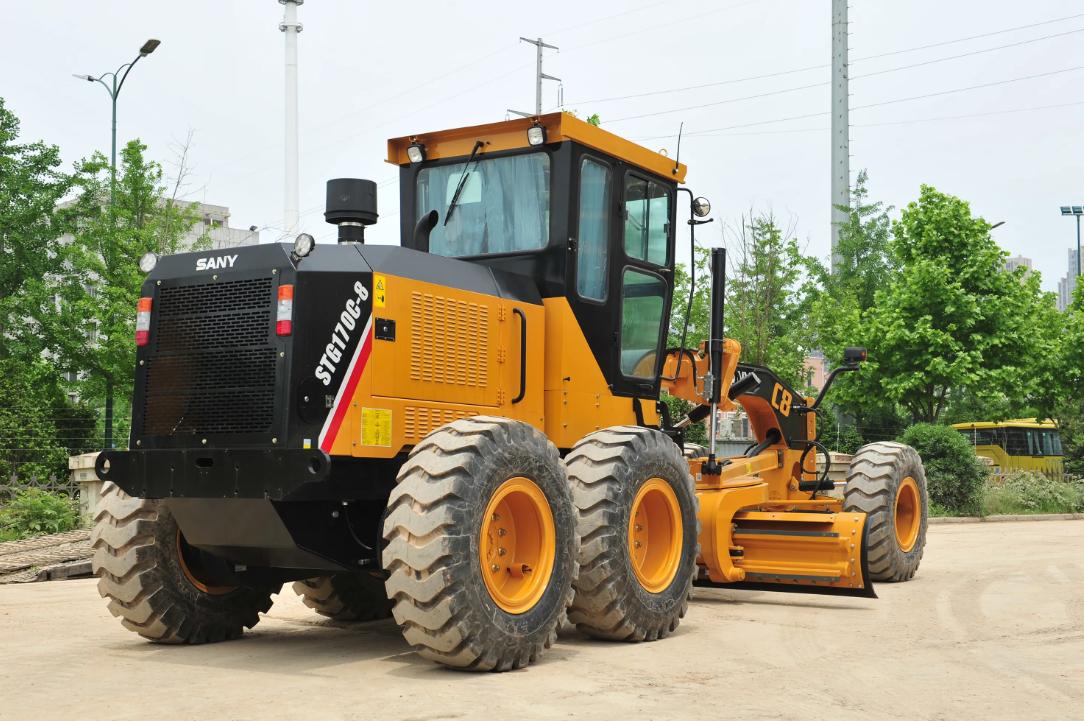
Small Motor Graders: Principles, Models Comparison & Buying Guide
This article helps you understand the core working principles, size comparisons and key purchasing points of a small motor grader.
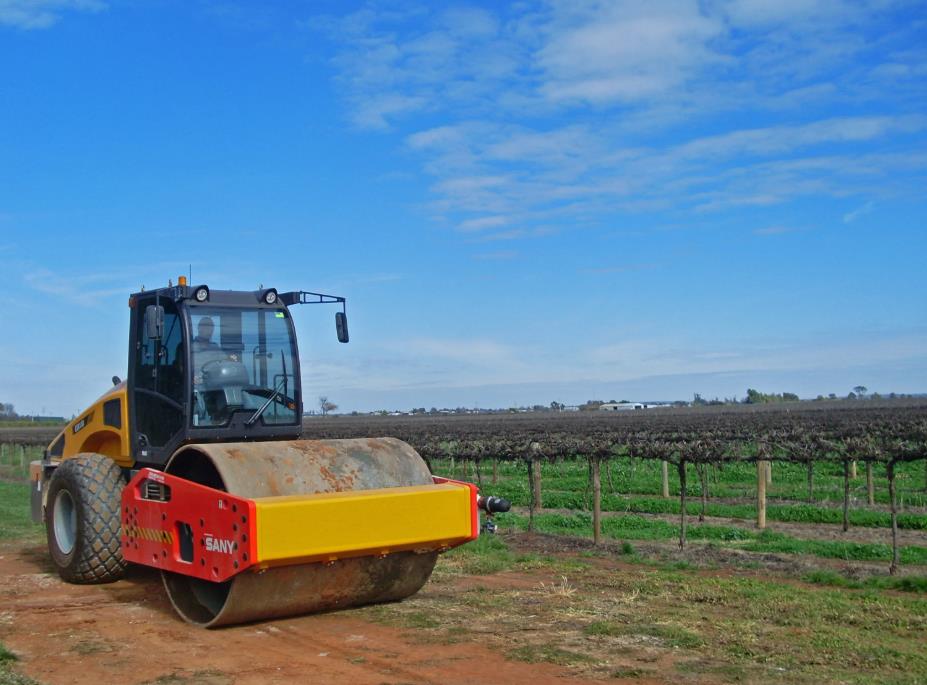
Roller Definition Analysis: Types, Common Uses, and a Basic Buying Guide
This article focuses on the roller definition, types, and common uses, and provides a practical buying guide to help you choose the right roller.