9 Types of Construction Vehicles and Their Uses
This article covers 9 types of construction vehicles, their applications and key selection criteria to assist project managers improve quality and efficiency.
On a construction site, roaring heavy machinery takes center stage. Whether towering skyscrapers are rising from the ground or winding roads are stretching across the landscape, the successful execution of these projects relies inextricably on the collaborative efforts of this equipment. Selecting the right equipment from different kinds of vehicles for specific conditions often determines project success. This article will provide an overview of 9 types of construction vehicles and offer insights into how to scientifically select the most suitable machinery, empowering you to navigate the complexities of the construction environment with confidence and ease.
What Is a Construction Vehicle?
Engineering vehicles refer to a general category of off-road machinery and special-purpose vehicles designed for construction, mining, municipal engineering, agricultural and forestry development and other scenarios, featuring specialized functions such as excavation, loading, transportation, compaction, hoisting and pavement construction. Unlike ordinary civilian vehicles, they are built for heavy loads, durability, multi-functionality and superior trafficability, adapting to harsh working conditions including muddy terrain, steep slopes and confined spaces. Their core value lies in replacing manual labor for high-intensity and high-risk operations, greatly shortening construction cycles.
In building construction, road and bridge projects, municipal pipeline renovation and park upgrading, matching specific engineering vehicles with different construction procedure forms a complete operation chain covering site clearing, earthwork excavation, material transportation, surface construction and equipment hoisting, making them essential equipment for improving the quality and efficiency of infrastructure development.
What are the Different Types of Construction Vehicles?
The efficient advancement of construction projects relies heavily on the collaborative operation of various types of construction vehicles. With clearly defined roles and specialized functions, different vehicle models are tailored to suit a diverse range of working conditions from earthmoving and material transport to road construction.
The following text highlights 9 types of construction vehicles, comprehensively breaking down their core functions and applicable scenarios to provide you with a systematic understanding of the practical applications and distinct advantages of various types of construction vehicles.
Excavators
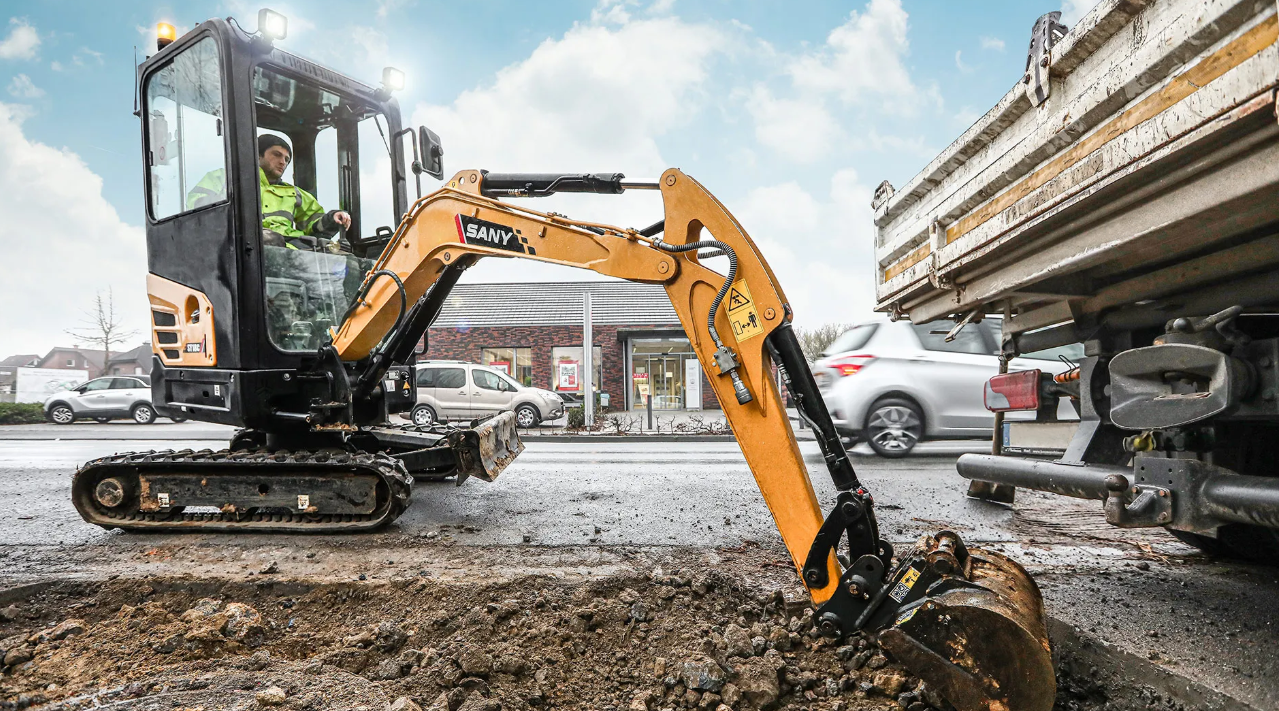
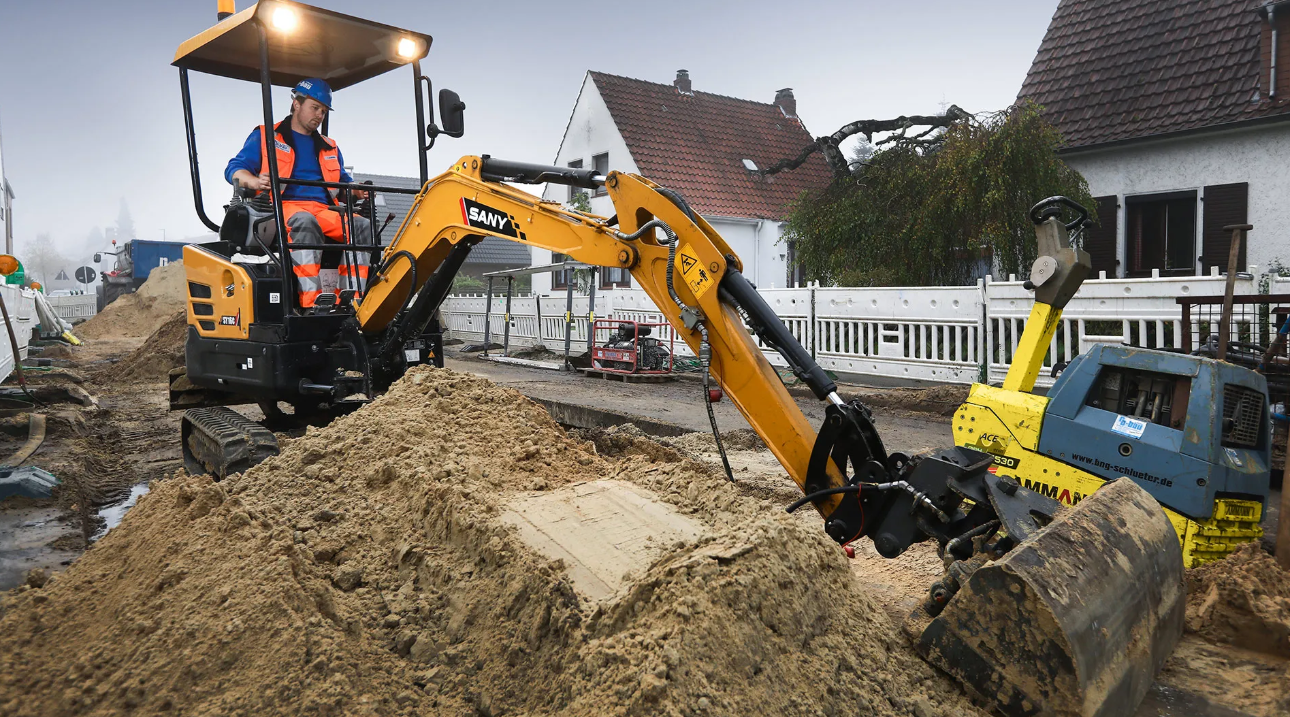
Introduction: The excavator serves as a core piece of heavy machinery in engineering construction. Typically featuring a crawler-type undercarriage, it is equipped with a 360-degree rotating cab, a hydraulic boom, and a multi-functional bucket. Powered by a robust hydraulic system, it is capable of efficiently executing a diverse range of operations, including foundation pit excavation, trench digging, demolition and breaking, as well as material handling and transfer.
Core Advantages: It offers high operational efficiency and, with a model range spanning mini excavators, medium excavators, and large excavators, demonstrates exceptional adaptability. Compatible with a wide range of attachments, it enables rapid function switching—offering multi-purpose versatility that balances precision construction with heavy-duty operations, making it adaptable to various complex working conditions.
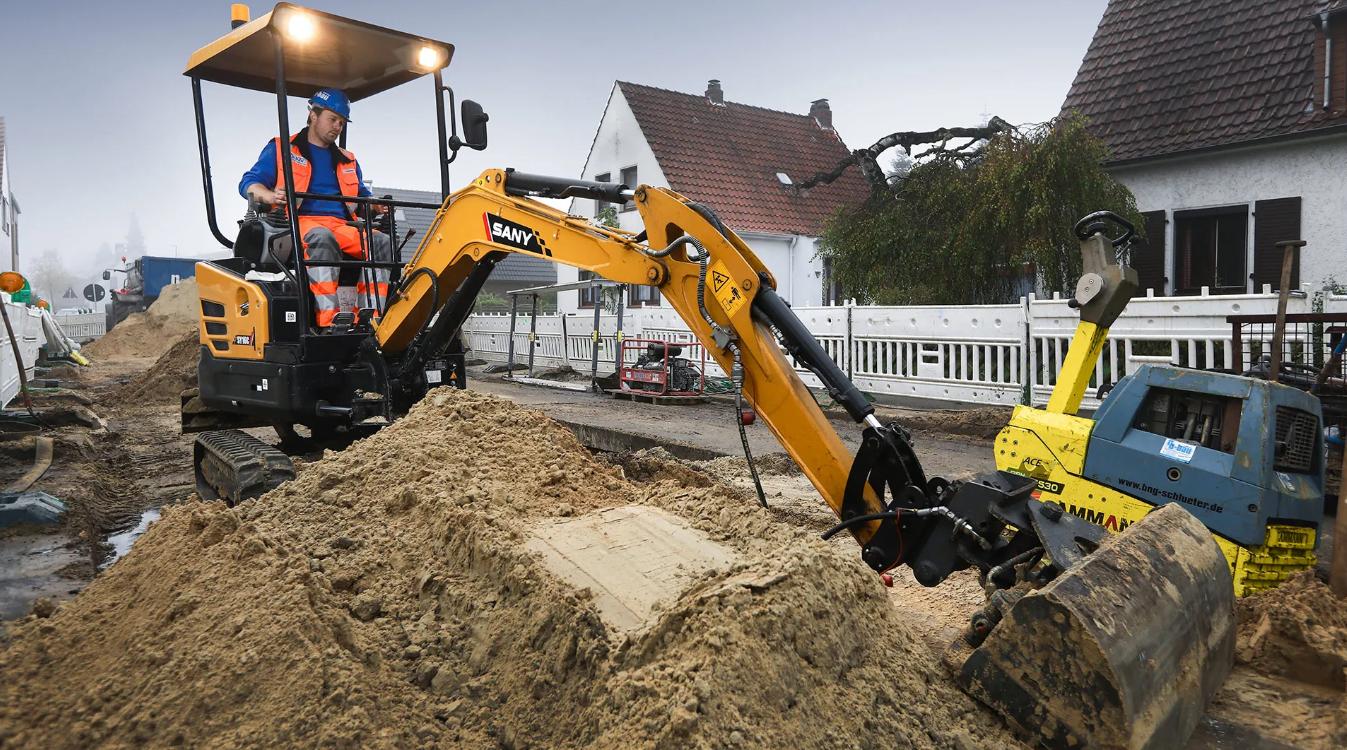
For instance, the SANY mini excavator is highly acclaimed for its exceptional performance, having undergone over 2,000 hours of field excavation trials and more than 800,000 cycles of fatigue testing on its critical components.
Bulldozers
Introduction: Mainly used for mass soil pushing, land clearing, ground leveling and access road construction. Equipped with a fixed front bulldozing blade, it is predominantly crawler-mounted.
Core Advantages: Powerful traction and high efficiency in ground leveling and obstacle removal.
Backhoe Loaders
Introduction: Integrated with a front loading bucket and a rear excavator arm, capable of simultaneous excavation and material loading.
Core Advantages: Multi-functional in one unit and convenient transit, ideal for small-scale job sites.
Wheel Loaders
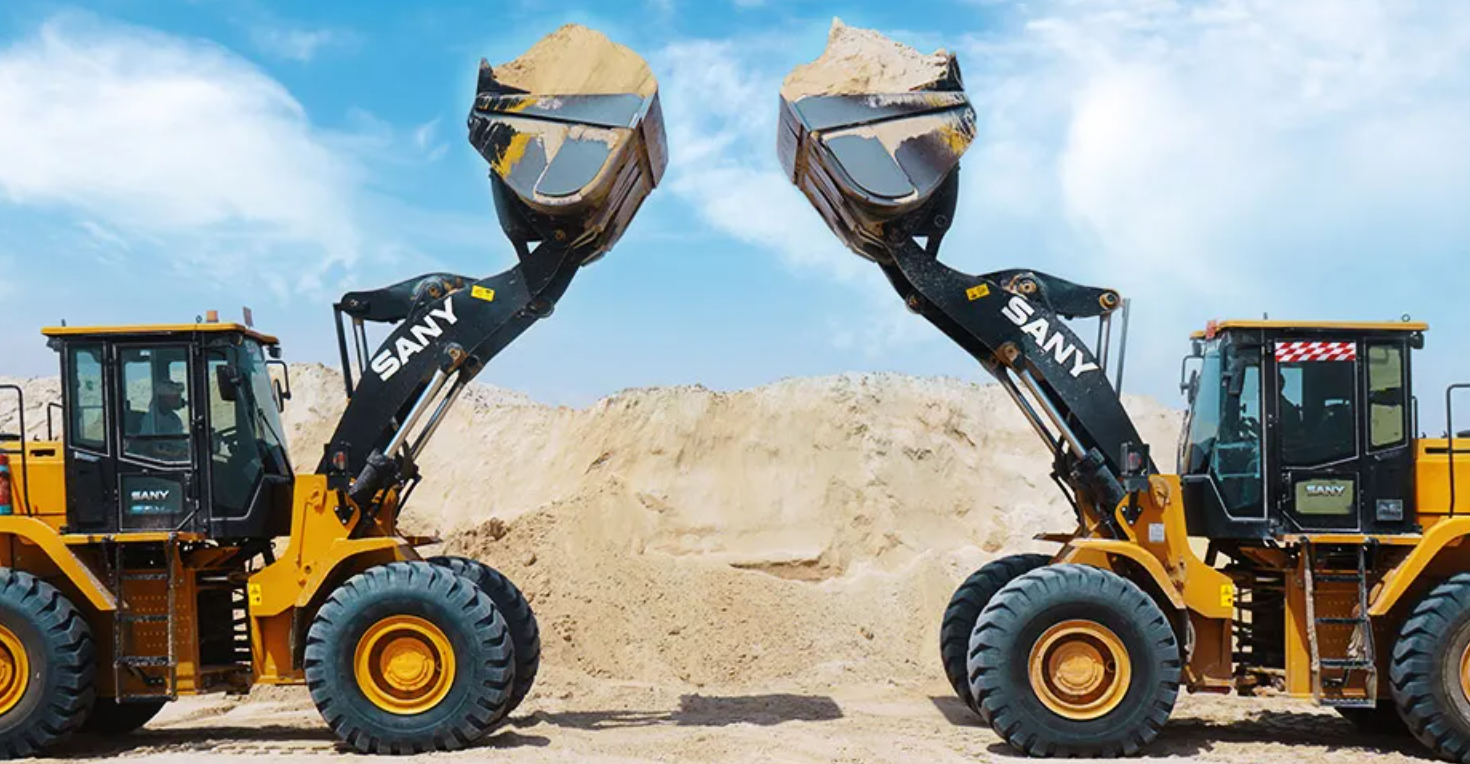
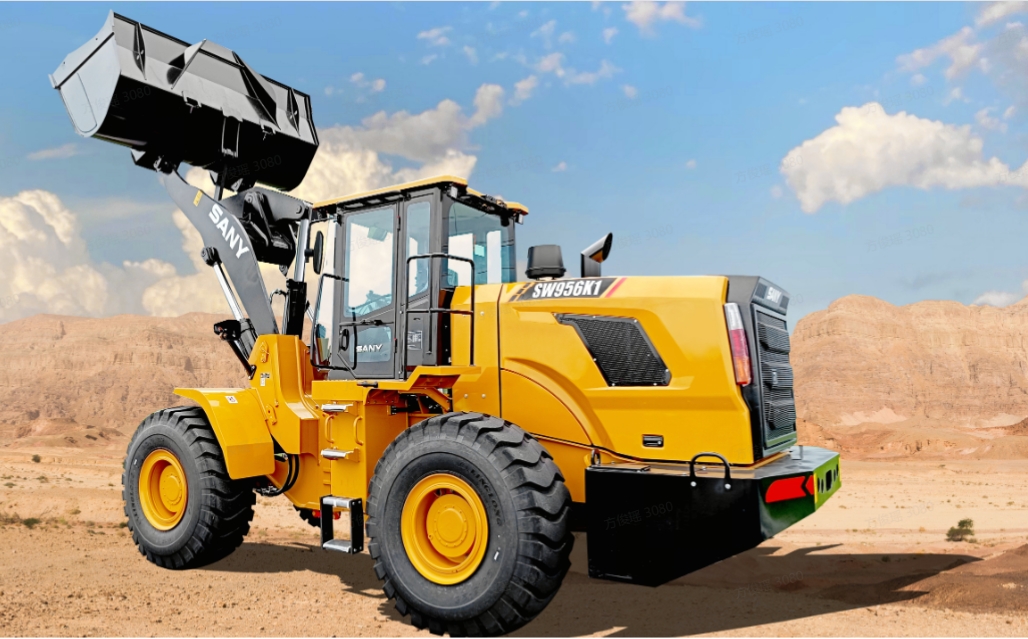
Introduction: Heavy-duty machinery with a front bucket, designed to excavate and transport soil, gravel, sand, construction debris and other materials across construction sites.
Core Advantages: Excellent maneuverability and high travel speed for efficient coverage of large work areas.
For instance, SANY wheel loaders with an operating weight of 10 to 25 tons can significantly boost your construction efficiency.
Dump Trucks
Introduction: Among different types of construction trucks, dump trucks are mainly
specialized in transporting gravel, soil and construction waste on job sites, available
in standard and articulated models.
Core Advantages: Large load capacity, effective labor reduction and stable performance under heavy-load transportation.
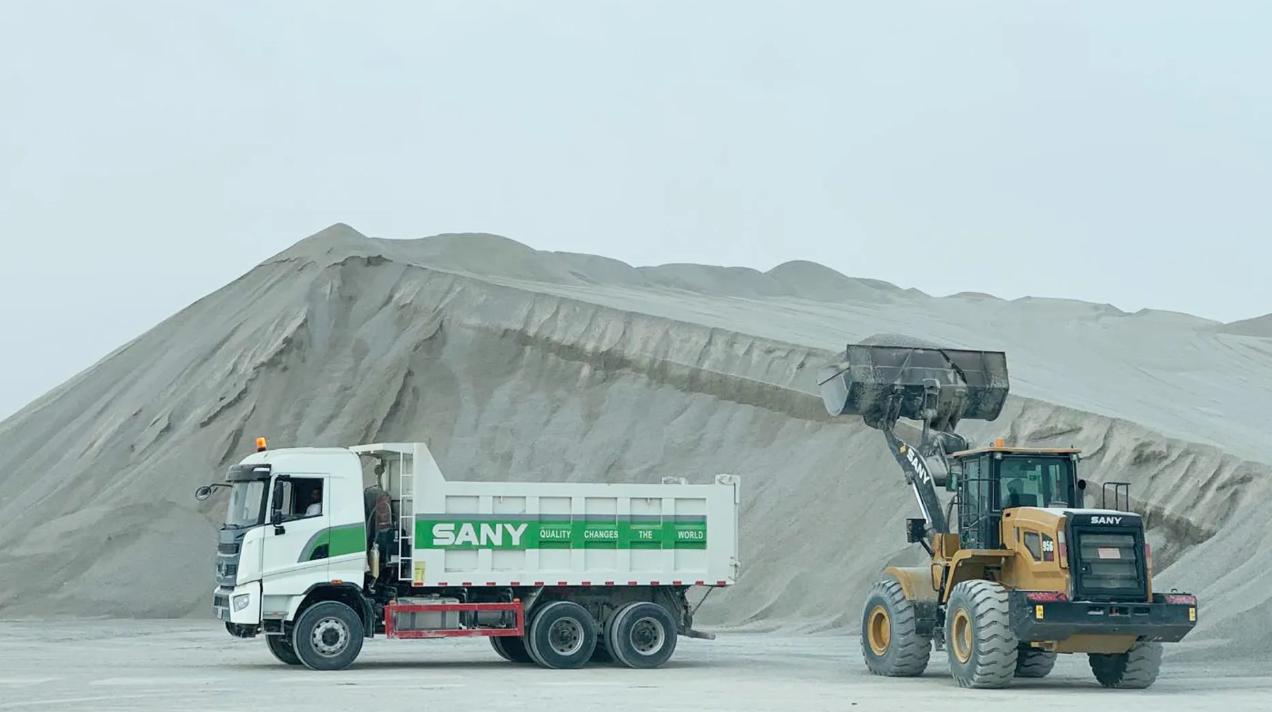
For instance, the SANY Dump Truck also delivers high operational efficiency; with a cargo capacity ranging from 20 to 48 cubic meters, it has become the preferred engineering vehicle for numerous projects.
Cranes
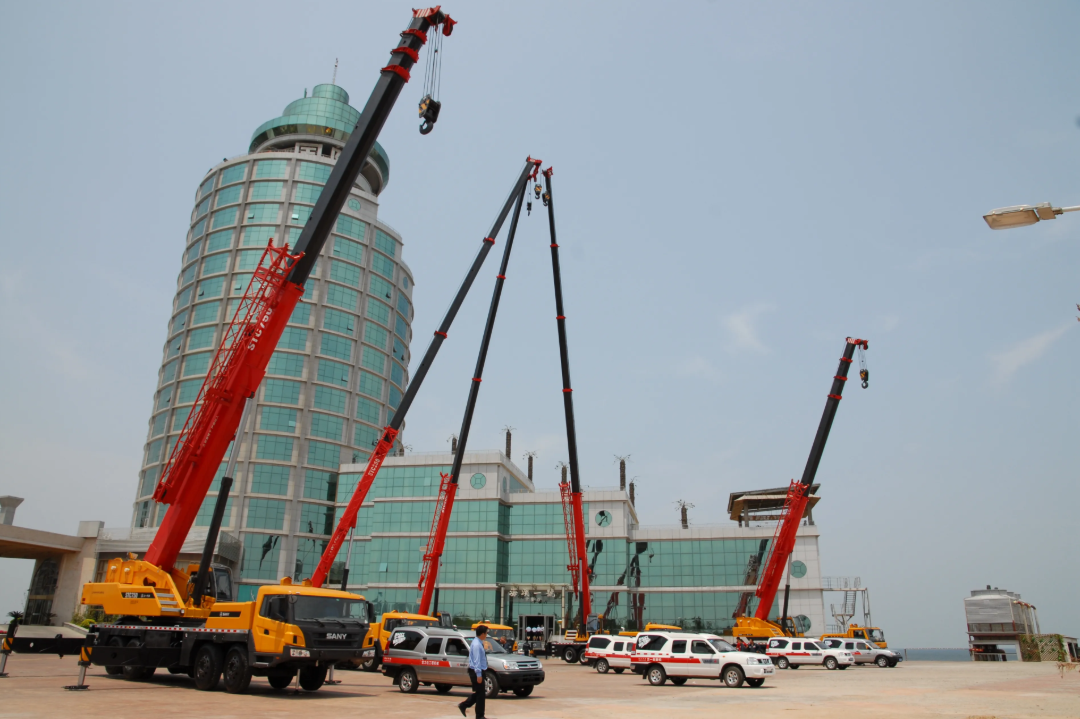
Introduction: Used for vertical and horizontal lifting and moving heavy materials, including mobile cranes, tower cranes and crawler cranes.
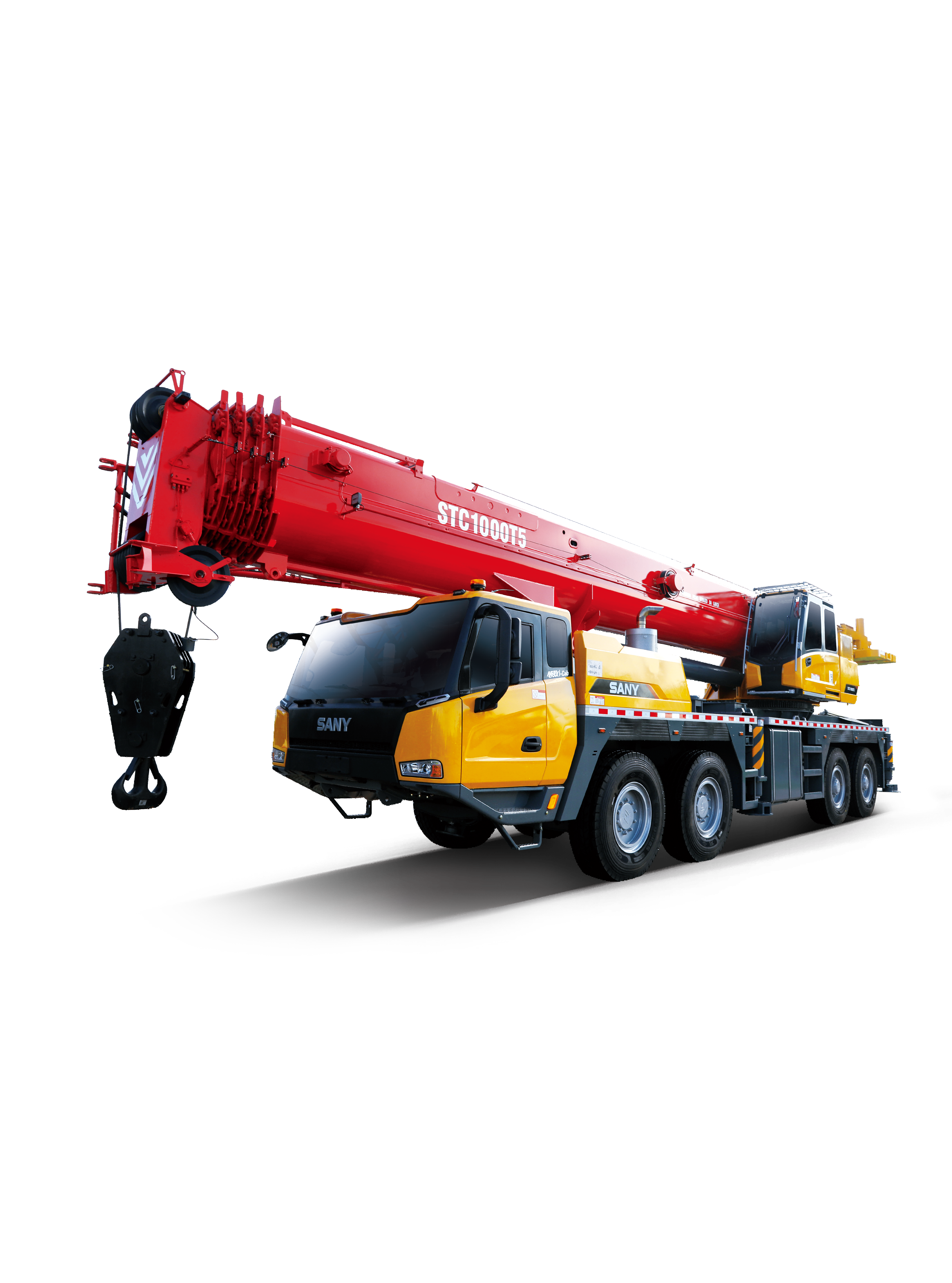
Core Advantages: Flexible mobility and a wide lifting range.SANY offers cranes in various specifications; among them, the Over 90T Truck Crane boasts a maximum lifting capacity exceeding 100 tons, meeting the lifting requirements of large-scale projects.
Asphalt Pavers
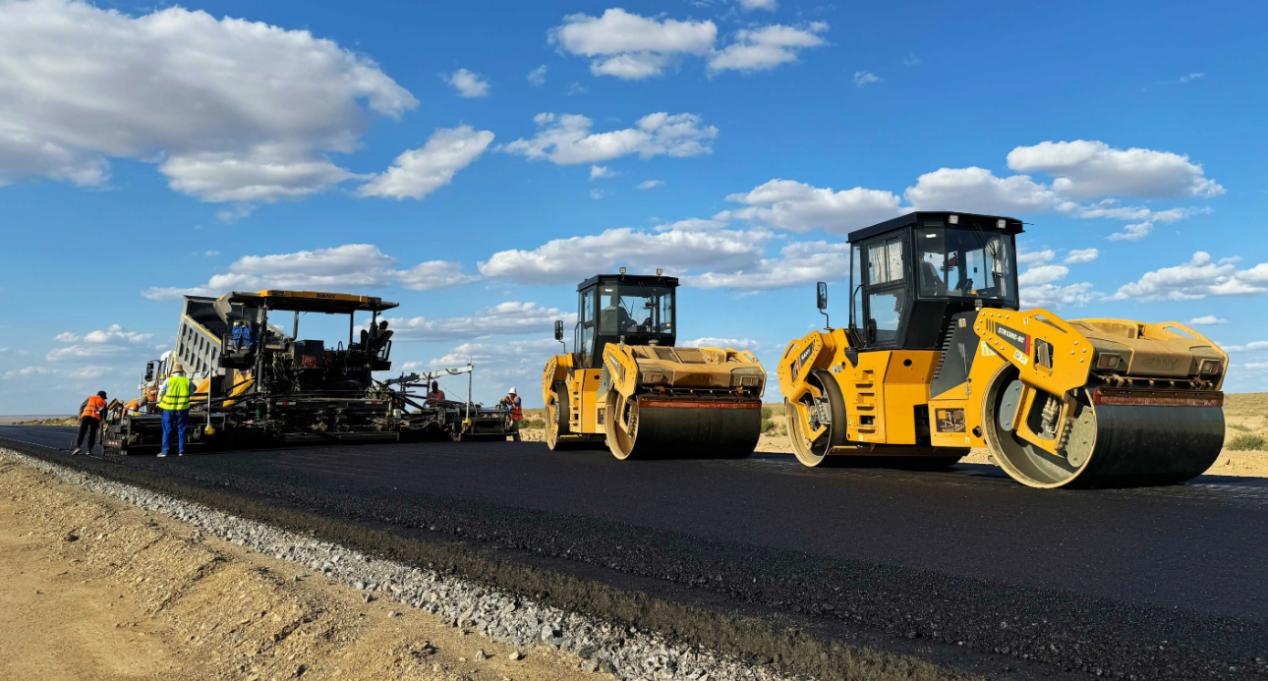
Introduction: Specialized pavement construction vehicles that evenly distribute asphalt to build smooth roads, highways and parking lots. It usually works in tandem with dump trucks and road rollers to complete paving projects.
Core Advantages: Uniform paving and controllable thickness, ensuring structural integrity and flatness of road surfaces.
Road Rollers
Introduction: Fitted with steel drums at the front and rear to compact freshly laid asphalt without residual marks, focusing on refined ground finishing.
Core Advantages: High leveling accuracy and uniform pavement compaction, laying a solid foundation for subsequent construction.
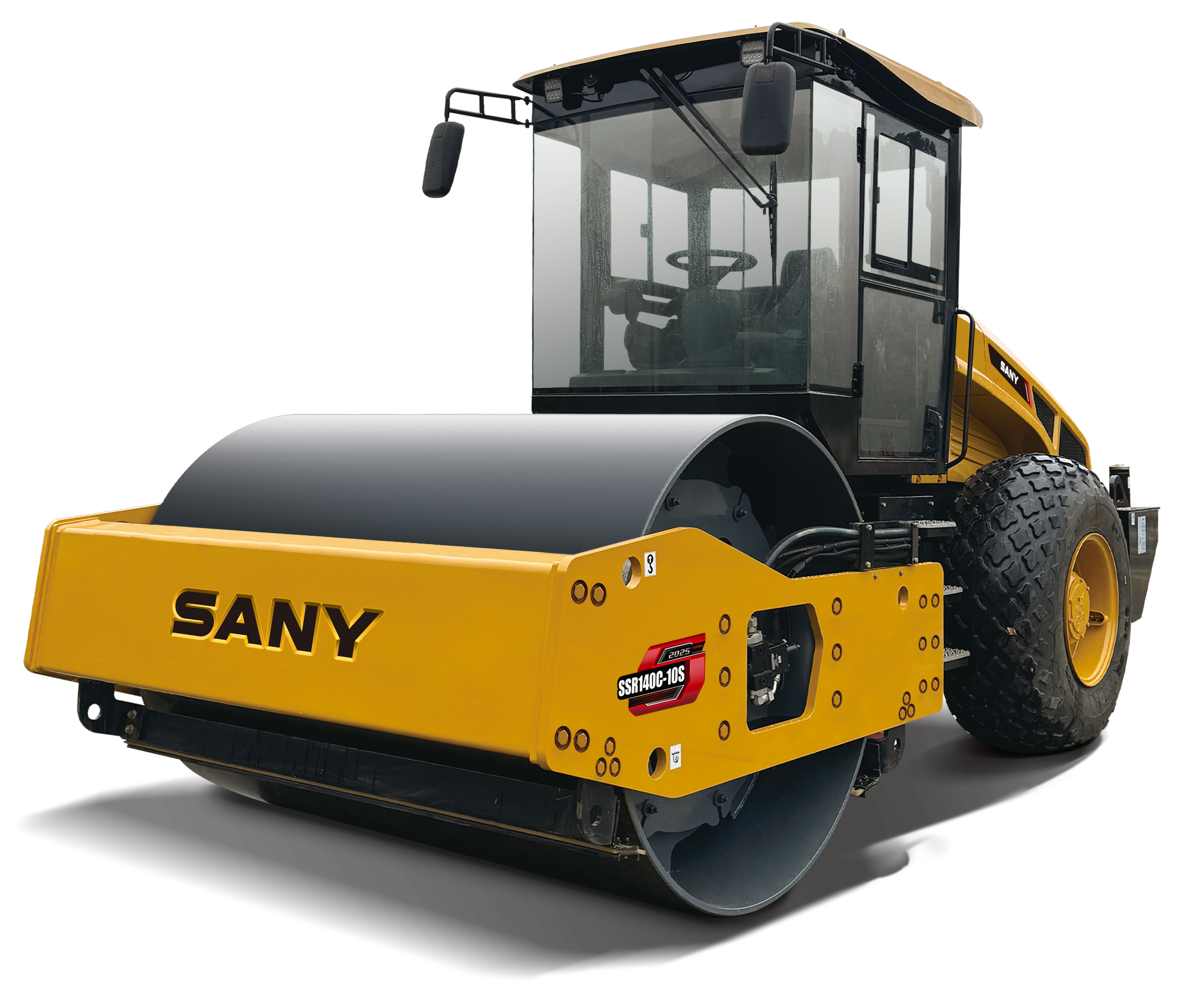
SANY categorizes its road rollers into various types based on specific project requirements; among these, the Tandem Drum Roller stands out for its versatility, flexibility, and efficiency. Its control console can be rotated 90 degrees either to the right or to the left providing the operator with an unobstructed view when working along the roadside.
Concrete Mixer Trucks
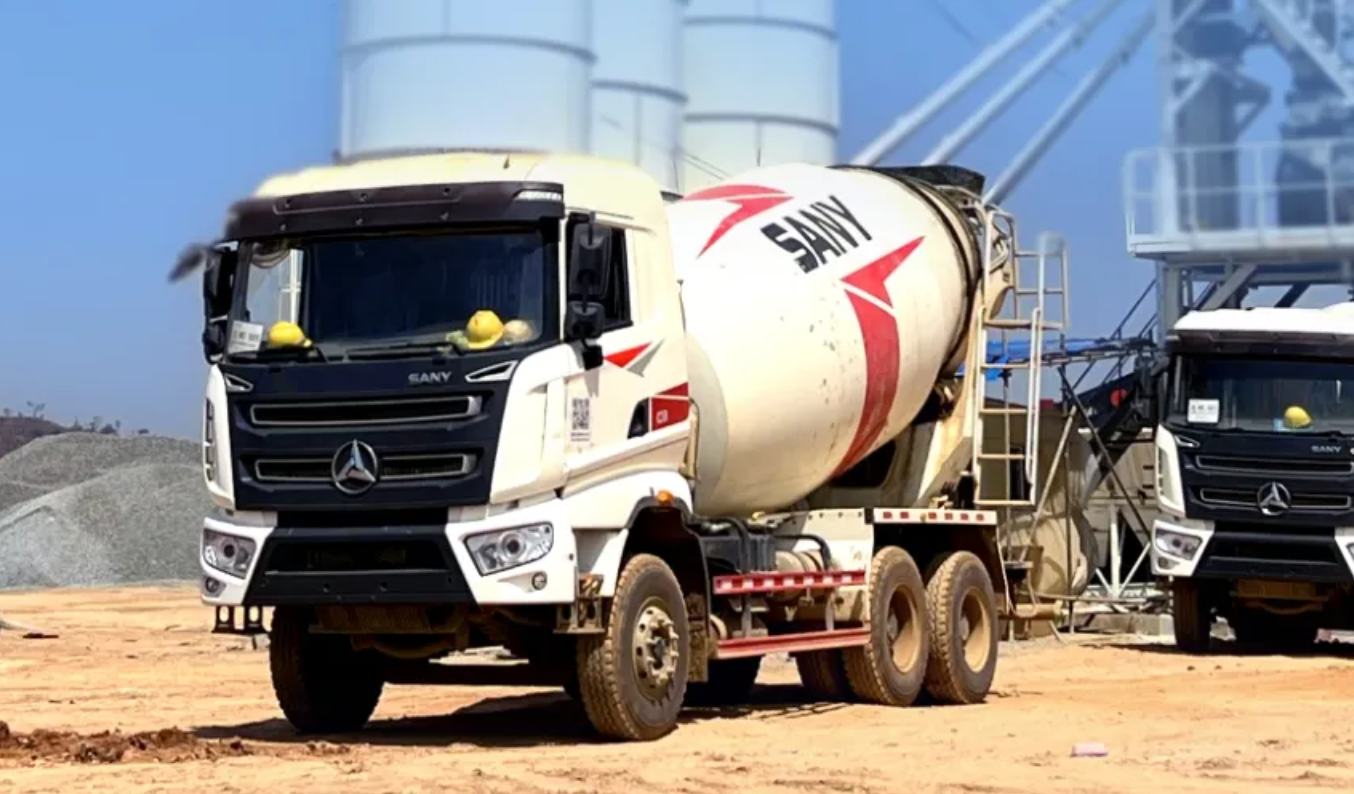
Introduction: Maintains concrete workability before pouring by continuously rotating the mixing drum to blend cement, water and aggregates.
Core Advantages: Even mixing and good sealing performance, preventing concrete solidification during transportation.
SANY offers Over 10m³ Concrete Mixer Truck, specifically reaching up to 12 cubic meters equipped with a GPS system that enables vehicle monitoring, video recording and playback, alarm reporting, fleet management, as well as statistical analysis. Leveraging this information, you can effectively manage the location, maintenance schedules, discharge status, and other aspects of your mixer trucks.
How to Select Engineering Vehicles Scientifically?
After clarifying the strengths and applicable scenarios of all types of construction vehicles mentioned above, scientific equipment selection can avoid resource waste and boost construction efficiency.
By operation content
Match equipment with construction tasks first. Excavators for earthwork excavation, pavers and road rollers for pavement projects, and dump trucks for long-distance material transportation.
By working conditions
Consider on-site environment as a secondary factor. Crawler equipment suits mountainous and muddy sites, mini engineering vehicles fit narrow urban spaces, and heavy-duty large-tonnage machinery is suitable for open construction areas.
By product quality
Comprehensive equipment performance and brand after-sales services are also key considerations. Premium equipment from reputable brands is highly recommended. For instance, SANY features different types of construction vehicles covering earthwork, hoisting, pavement and transportation machinery. With mature manufacturing technology, its products adapt to construction tasks of varying intensities across regions, meeting diverse equipment demands for large-scale infrastructure and small municipal projects.
Align with the Budget
In addition, construction schedules and budgets should be taken into account. Durable professional models are preferred for long-term high-frequency operations, while multi-functional composite equipment is cost-effective for short-term temporary construction, balancing operational efficiency and overall operating costs.
Conclusion
In summary, a rich and diverse array of construction vehicles underpins the steady advancement of urban development, transportation infrastructure upgrades, and urban-rural redevelopment; each category of engineering vehicle leverages its unique strengths to play an indispensable role within its specific operational context. Selecting the appropriate types of construction vehicles not only ensures standardized and highly efficient construction processes but also strikes a balance between resource efficiency and operational safety.
FAQs
What is the Most Common Construction Vehicle?
Construction trucks come in a wide range of types. Common ones include excavators for digging and demolition, bulldozers specialized in earthmoving and debris clearing, dump trucks for earthwork transportation and hauling sand, gravel and muck, and cranes designed for lifting and moving heavy materials.
What are The 7 Types of Freight Trucks?
Classified by the types of goods transported, freight vehicles can be divided into seven main categories: semi-trailers, flatbed trucks, step-deck trucks, dry freight trucks, refrigerated trucks, box trucks and fuel tank trucks.
What are The Different Types of Work Trucks?
Construction trucks are mainly divided into the following types:
Articulated Dump Trucks: A type of off-road dump truck with a hinge between the cab and the cargo bed. It features excellent maneuverability on rough terrain, and is suitable for large-scale earthwork on unpaved roads and soft ground.
Standard Dump Trucks: Equipped with a hydraulically operated lifting cargo bed, they are used to transport and unload loose materials such as sand, gravel and construction debris. They are mostly applied on paved roads or well-maintained construction site roads.
Concrete Mixer Trucks: Fitted with a rotating drum. It keeps mixing cement, water and aggregates during transportation to prevent concrete from solidifying, ensuring the concrete remains workable when arriving at the construction site.
Water Trucks: Equipped with water tanks and spraying systems. They are used for dust suppression and soil compaction on construction sites, and are vital for meeting environmental protection standards and improving compaction effects, especially in hot and dry climates.
Featured Products
Recommend Blogs
2026 Type Dump Truck Analysis And Selection Guide
This article introduces type dump trucks and provides a selection guide to help your fleet work smoothly.

How to Read a Crane Load Chart: Key Elements, Interpretation Tips, and FAQs
Detailed guide to crane load charts: definition, five key elements, and a step-by-step walkthrough on how to read a crane load chart. Avoid common mistakes and keep frontline crews safe.
How to Pick the Best Mini Excavator: Key Features to Look for
This guide outlines mini excavators' definition, advantages, and tips for selecting the best mini excavator, acting as a reference for grasping this practical machinery.