Track Loader vs Bulldozer? The Core Guide for Construction Equipment Selection
This article introduces track loader vs bulldozer from multiple aspects such as function and size maneuverability, helping to select more suitable equipment.
In the field of construction, track loaders and bulldozers are two widely used core equipment, but there are significant differences between them in terms of function, design and application scenarios.
Next, this article will conduct a detailed analysis of track loader vs bulldozer from multiple dimensions such as main functions, size and maneuverability, performance and horsepower, and terrain suitability, and provide selection suggestions based on different project requirements, so as to offer comprehensive references for construction professionals in equipment selection.
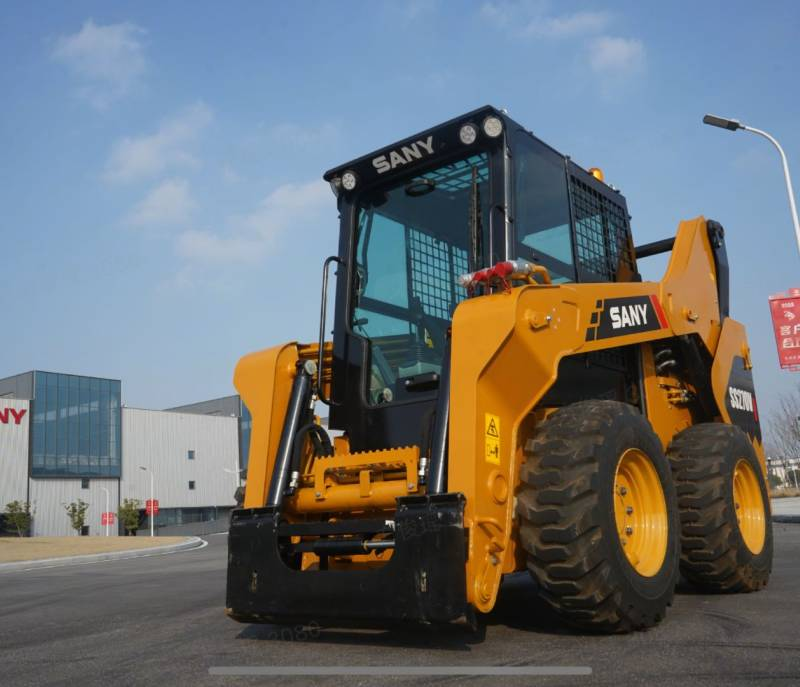
What Is a Track Loader?
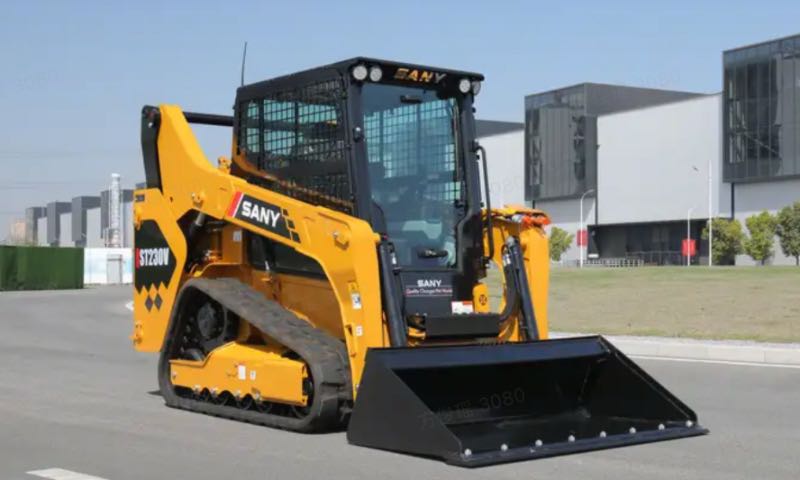
A track loader is a heavy-duty machine that combines the functions of a tractor and a loader. This type of loader has better traction and stability, especially on soft or uneven terrain. It is often the first-choice tool when self-loading and good compaction are required.
What Is a Bulldozer?
A bulldozer is a piece of equipment used for pushing earth. Its key component is the blade—a large metal plate mounted at the front, which is used for moving soil, clearing land and leveling surfaces. Similar to loaders, they are equipped with tracks that can provide excellent traction on difficult terrain.
Track Loader vs Bulldozer: Head-to-Head Comparison
1. Primary function
Track loaders are designed specifically for loading and material handling, using a bucket to dig, lift and dump materials. Bulldozers, on the other hand, are designed specifically for pushing earth, clearing land and leveling ground. Their blades and powerful hydraulic systems enable precise earth-pushing. In comparison, track loaders are more suitable for loading trucks, while bulldozers are more suitable for demolition work or excavation and embankment projects..
2. Size and Maneuverability
Track loaders are compact and flexible machines that can easily pass through narrow spaces. They can be seen in residential and commercial projects, but are usually auxiliary equipment rather than main heavy-duty equipment in larger projects. Bulldozers, however, are larger in size and suitable for large-scale projects that require moving large amounts of materials. This includes being used as the main equipment in large commercial land leveling projects and road construction such as highways and national roads.
3. Performance and Horsepower
Bulldozers are unparalleled in large-scale earthworks due to their powerful horsepower and robust structure. Generally speaking, the horsepower range from 65 to 900 horsepower, while that of track loaders range from 25 to 110 horsepower. This horsepower, combined with their larger size, makes their earthwork capacity far superior to that of track loaders.
4. Terrain Suitability
Track loaders, with their wider tracks and superior weight distribution, perform exceptionally well on soft ground and uneven surfaces. They are also the better choice when loading on slopes or irregular terrain. Bulldozers, on the other hand, are most effective on relatively stable and firm ground, where their full pushing power can be utilized.
5. Versatility and attachments
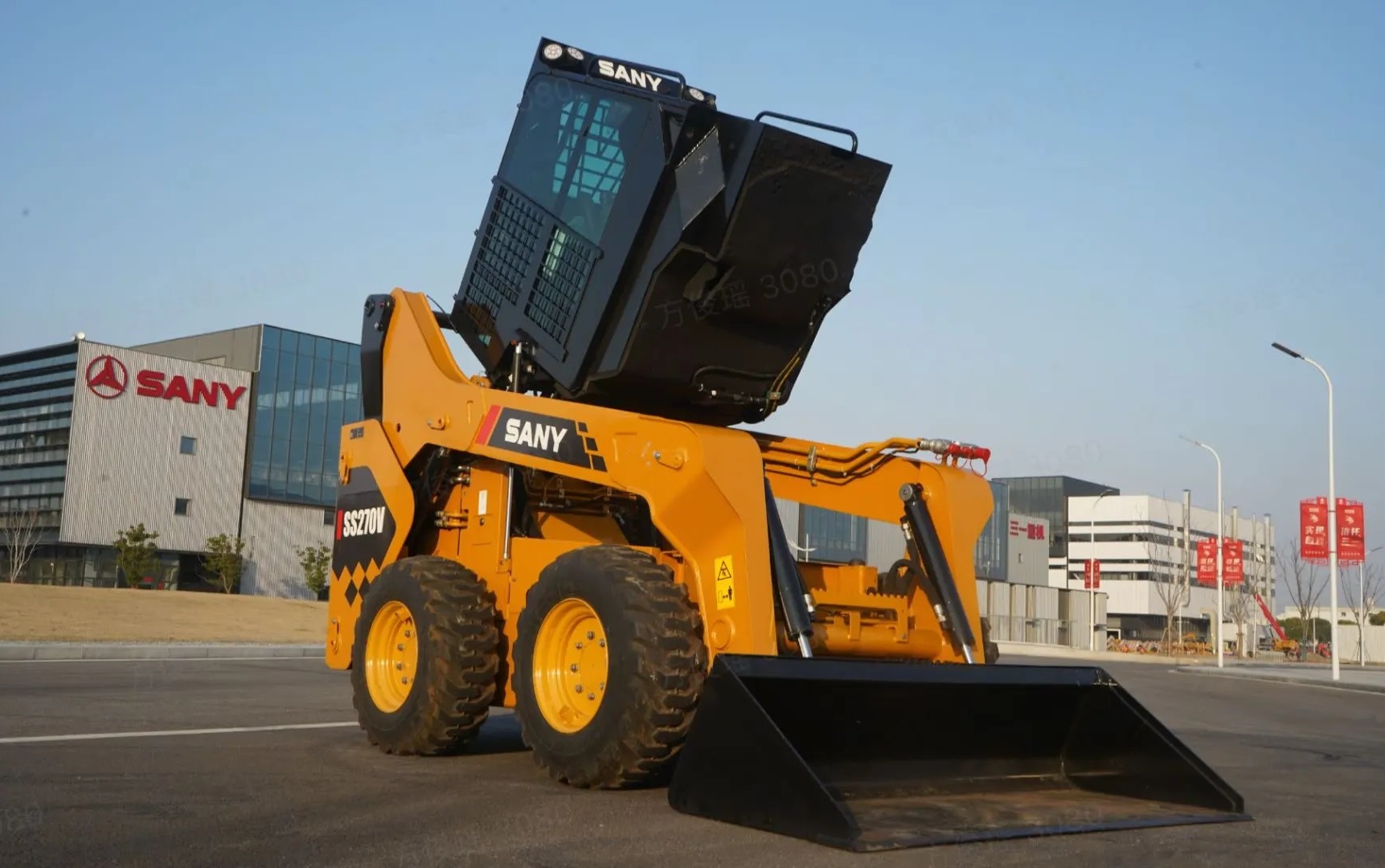
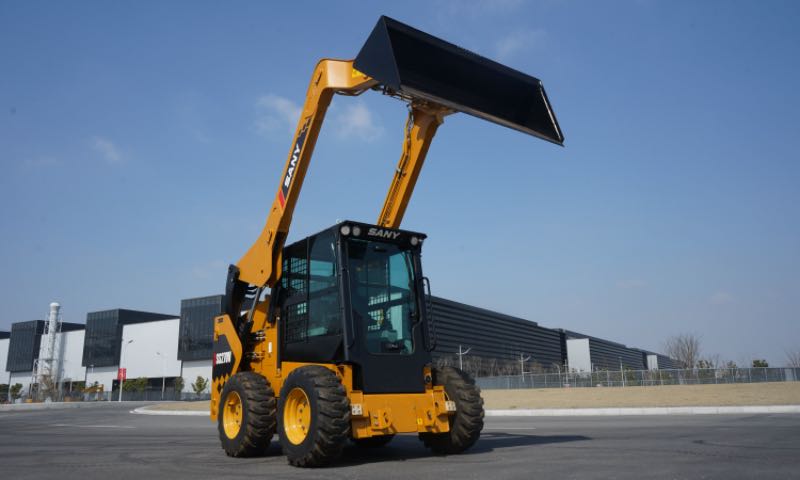
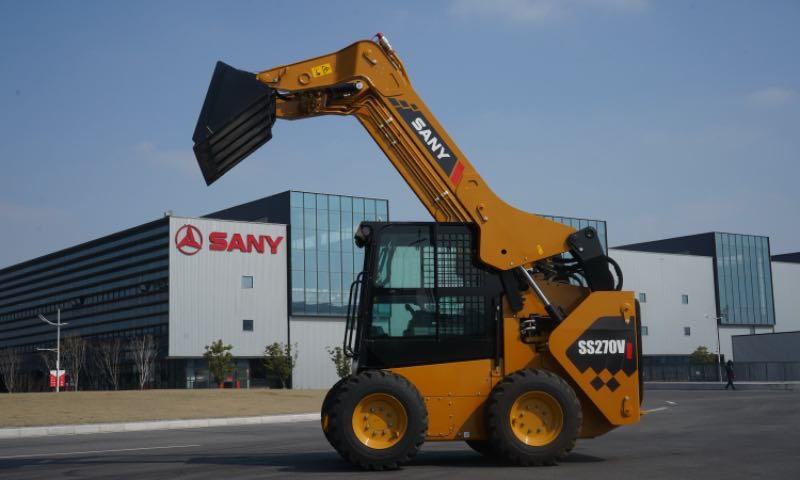
One of the greatest advantages of track loaders is their versatility. For example, SANY Skid steer loader has a variety of available attachments, such as buckets, sweepers, snow removers, mills and augers, which can meet different work requirements. Moreover, their vertical lift structure features high dumping height, dual-speed configuration and fast transition speed, delivering outstanding performance. Bulldozers, however, are slightly less versatile. Some machines can be equipped with winches to help pull heavy objects or assist in logging operations.
Track Loader vs Bulldozer: Side-by-Side Comparison Table
Bulldozer | Track Loader |
Pros | |
Great For Large Land Clearing Jobs | Very Maneuverable For Small Projects |
Can Grade And Level Big Areas | Can Grade And Level Small Areas |
Incredibly Powerful | Material Handing |
Great For Pushing Large Amounts Of Material | Diverse Range Of Attachments For Several Applications |
Tracked System For Increased Traction | Can Both Lift And Load Materials |
Cons | |
Limited To Pushing Materials | Limited Digging Potential |
No Digging Capabilities | Less Powerful Than Bulldozers |
Track Loader vs Bulldozer: Which to Choose for Your Project?
Track loader vs dozer? How to choose between them?It is necessary to comprehensively consider many factors. These factors include not only the core requirements of the project itself, such as operation type, operation scale and site conditions, but also economic indicators such as purchase or rental costs, maintenance fees and fuel consumption. At the same time, it is also necessary to combine practical situations such as construction schedule requirements. Only by making a comprehensive trade-off can the most suitable choice be made.
Choose a Track Loader
When the project involves multi-process cross-operation, such as the need to complete material loading, short-distance transportation, small-scale digging and crushing operations at the same time, the versatility of the track loader can greatly reduce the frequency of equipment replacement and improve construction efficiency. If the construction site is narrow, such as in urban village reconstruction and factory interior renovation scenarios, its compact size and flexible maneuverability can better adapt to space constraints.
In addition, if the project has high requirements for equipment function expansion and needs to add new operation types according to subsequent construction requirements, the quick-change connector design of the track loader can reduce equipment upgrading costs, making it a better choice.
Choose a Bulldozer
When the project is dominated by large-scale earthworks, such as roadbed construction, site leveling and mine stripping, the powerful earth-pushing capability and traction of the bulldozer can achieve efficient operations with lower unit earthwork processing costs. If the construction terrain is soft soil, swamp or snow-covered areas, the small ground pressure brought by its wide track design can effectively avoid getting stuck and improve operation stability.
In addition, for projects with limited budgets and single operation types, the lower purchase and maintenance costs of bulldozers can significantly reduce project investment, making them particularly suitable for engineering scenarios that focus on long-term earth pushing and transportation.
Conclusion
Although track loader vs bulldozer both belong to tracked construction equipment, their design orientations and core advantages are completely different. Equipment selection must be closely linked to project requirements. Track loaders take versatility and flexibility as their core competitiveness, adapting to multi-process and narrow-site operations, and can expand multiple functions through attachments. Bulldozers, on the other hand, excel in large-scale earthworks with their powerful earth-pushing capability and stable adaptability to extreme terrain.
Construction professionals need to make comprehensive judgments based on operation type, site conditions, budget and functional requirements. When necessary, equipment leasing can be used to realize the coordinated operation of the two, maximizing their respective advantages and achieving a balance between construction efficiency and cost control.
FAQs
Can You Clear Land with a Track Loader?
Yes. A track loader can efficiently clean up debris such as gravel, construction waste and weeds on the site by replacing attachments such as sweepers and buckets. Its flexible maneuverability can adapt to the complex layout of the site, making it particularly suitable for fine cleaning of small and medium-sized sites. When used with a grapple, it can also clean up large obstacles.On-site movement: Such as using rails, trailers, or the crane's own mobile system for short-distance movement, requires specialized crane structural design.
Can a Skid Steer Be Used as a Bulldozer?
It can be used as a temporary substitute, but its efficiency is limited. A skid steer can be equipped with a small blade to complete light earth-pushing operations, but its power, traction and blade capacity are far lower than those of professional bulldozers. It is only suitable for light leveling of small sites or pushing small amounts of earth. Professional bulldozers have better efficiency and stability in large-scale and high-intensity earthworks.
Can You Put a Dozer Blade on a Track Loader?
Yes. Most track loaders support the installation of a dedicated dozer blade through a quick-change connector. After installation, it can complete light earth-pushing and site leveling operations, realizing "one machine for two purposes". However, it should be noted that the blade capacity and traction of a track loader are lower than those of a bulldozer with the same power, so it is only suitable for auxiliary earth-pushing operations and not for high-intensity earth-pushing work.
Featured Products
Recommend Blogs
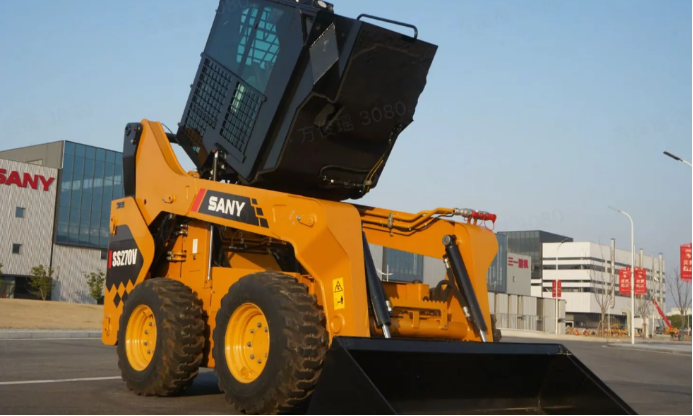
How Wide is a Skid Loader? Core Parameter Interpretation
The width of a skid loader is a key factor determining its passability and applicable scenarios. This guide will explain in detail how wide is a skid loader.
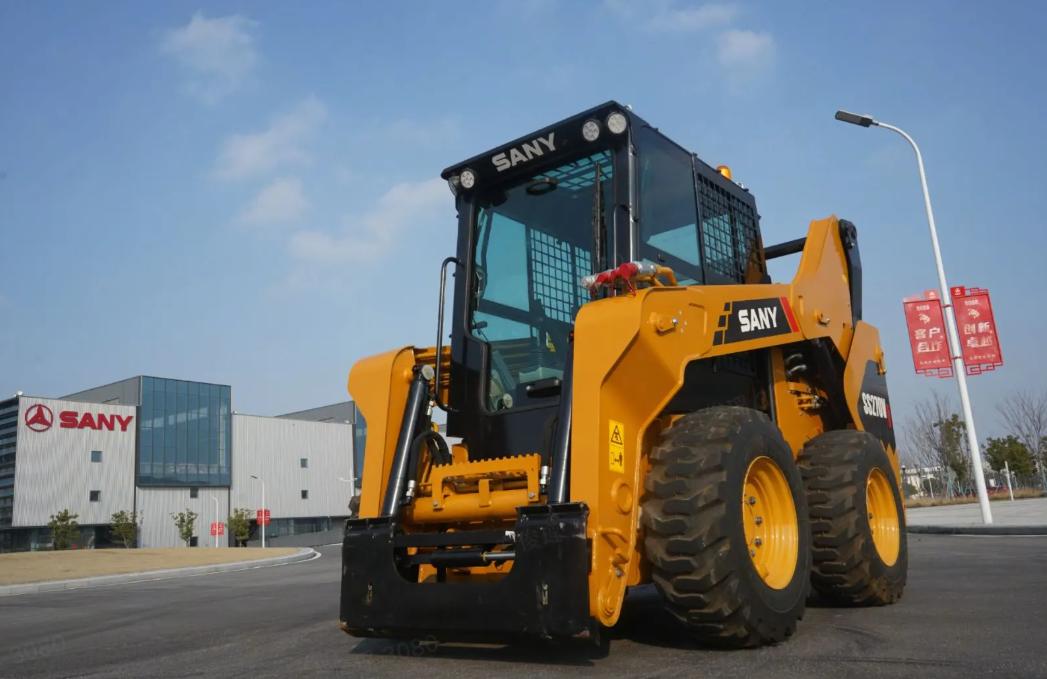
Skid Steer Loader Uses Guide: Helping You Work Efficiently
This article explains skid steer loader uses and provides specific selection recommendations.
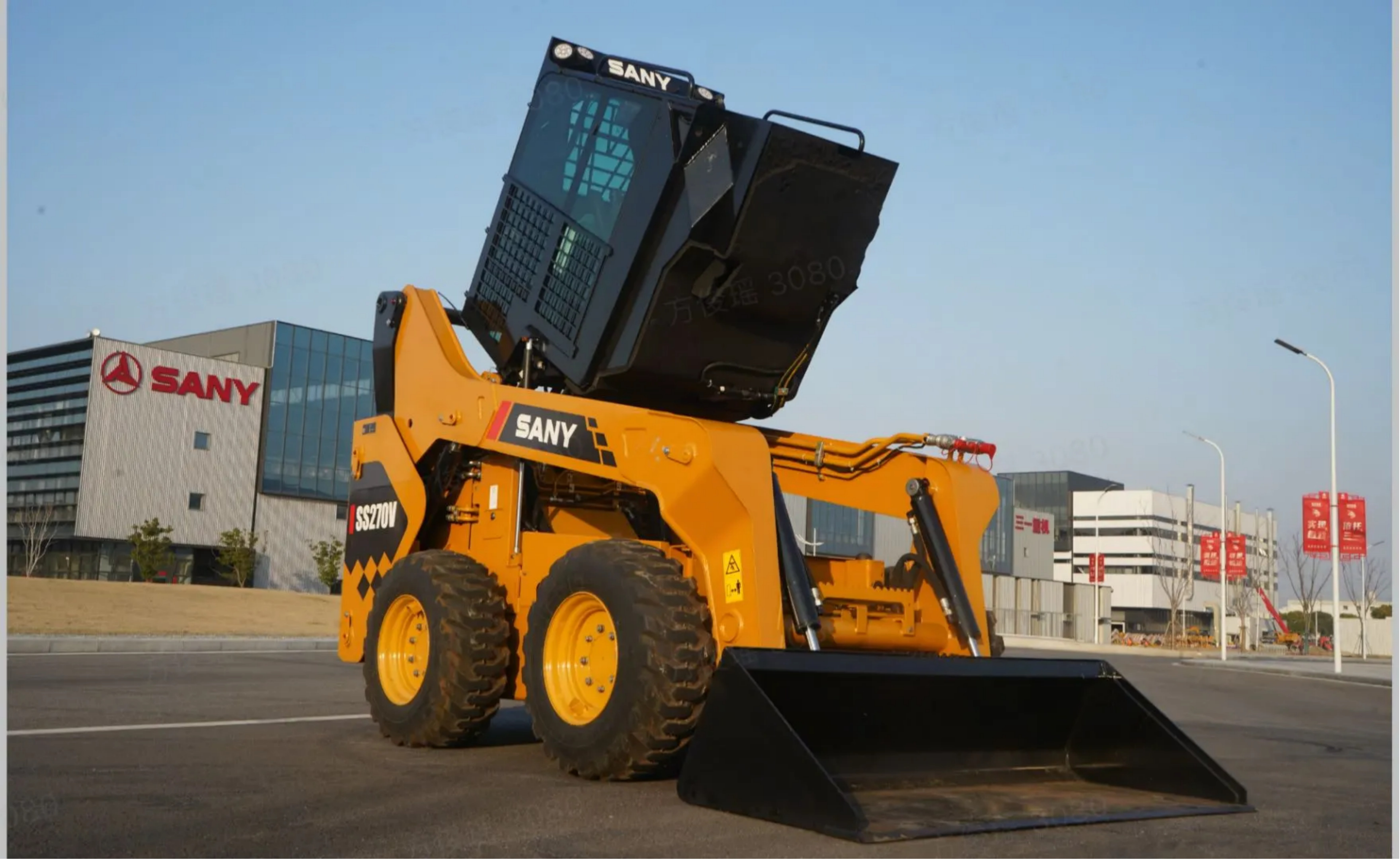
How to Operate a Skid Loader? Comprehensive Guide to Efficient and Safe Operations
This article focuses on core components of the skid loader, how to operate a skid loader, safety knowledge, and common operations, helping construction teams carry out projects efficiently and safely.