Best Temperature to Pour Concrete and Equipment Selection Guide
This article introduces the best temperature to pour concrete and commonly used concrete pouring equipment to help you with better construction practices.
In concrete pouring construction, controlling the temperature to pour concrete is crucial, directly determining the concrete's strength, durability, and overall construction quality. Therefore, this article will provide a detailed explanation of key considerations for concrete pouring. It will also introduce equipment selection techniques suitable for different pouring scenarios, offering practical references for efficient and high-quality concrete pouring operations.
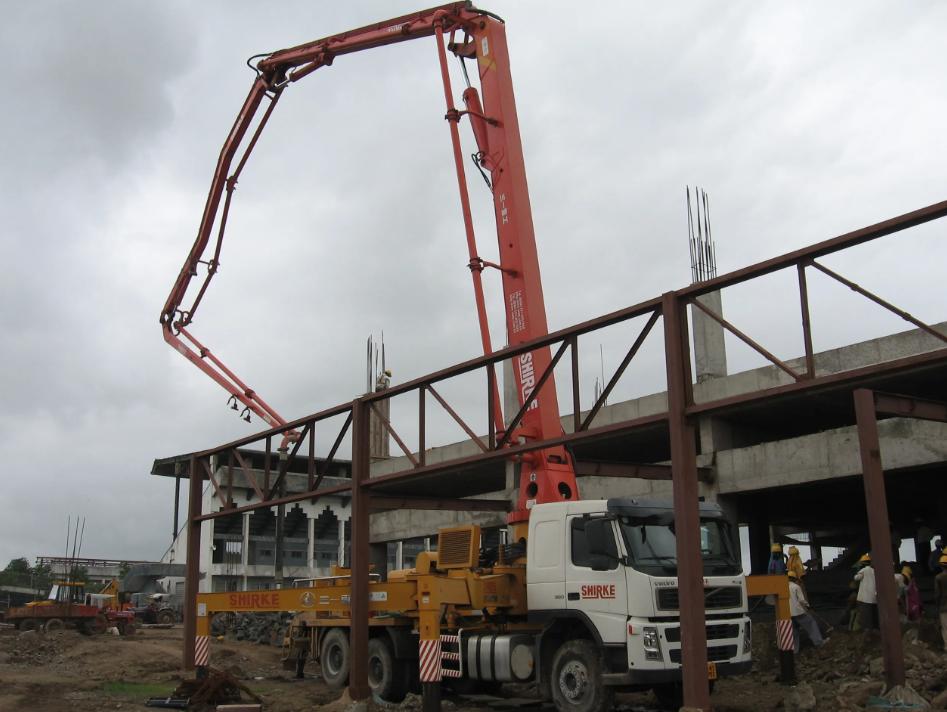
Why is Mastering the Temperature to Pour Concrete so important?
Concrete is an indispensable material in various small-scale construction projects and large-scale engineering projects. The quality of its pouring and curing directly determines its final strength and durability. Temperature, as a key factor in the concrete pouring and curing process, directly affects the efficiency of chemical reactions and material properties.
Controlling the pouring temperature is a core prerequisite for avoiding construction hazards and ensuring project quality. Its specific importance is as follows:
Ensuring Proper Concrete Curing Reaction
After pouring, concrete hardens through the cement hydration process (the chemical reaction between cement and water). A suitable temperature ensures this process proceeds smoothly, allowing proper bonding and strength development within the structure. Abnormal temperatures directly interfere with the reaction process.
Avoiding Quality Hazards Caused by High Temperatures
Pouring in hot weather accelerates moisture evaporation, causing surface deformation or poor finishing quality, reduced final strength, and increased susceptibility to problems such as spalling, cracking, and scaling, affecting service life.
Preventing Structural Damage Caused by Low Temperatures
Low temperatures significantly prolong the curing process, leading to delayed setting and potential structural instability, which may affect the integrity of upper structures. Freezing temperatures can also cause internal moisture to freeze and expand, creating cracks that may be hidden internally, posing a risk of collapse.
Ensuring Concrete Performance Meets Standards
A suitable temp to pour concrete allows it to cure properly, ensuring its fluidity, strength, and durability, meeting construction requirements, and preventing substandard material performance due to improper temperature, thus increasing maintenance costs.
What is the Best Temperature to Pour Concrete?
Temperature directly affects the curing speed, structural strength, and overall durability of concrete. Choosing the appropriate pouring temperature is crucial to avoiding quality problems such as cracking and insufficient strength. Therefore, determining the optimal construction temperature range is particularly important.
Best Temperature to Pour Concrete
The currently accepted best temp to pour concrete in the construction industry is 50–60°F (approximately 10°C to 16°C). Within this range, the hydration reaction can proceed normally, allowing the concrete to fully solidify and achieve adequate strength. Temperatures below 50°F (10°C) significantly slow down the chemical reaction, and below 40°F (approximately 4.4°C), the reaction essentially stops, easily leading to insufficient strength. Temperatures above 60°F (approximately 16°C) accelerate moisture evaporation, compromising structural integrity. Regular watering after hardening can mitigate these effects.
The Best Season for Concrete Pouring
While summer is often considered a suitable time for construction, the sustained high temperatures are not conducive to concrete setting. Therefore, cooler, milder seasons are the ideal choice for concrete pouring.
Due to regional climate influences, spring and autumn are generally the best construction periods, and work can also be carried out in winter in warmer regions. During construction, it is recommended that daytime temperatures be kept stable at 50–60°F (approximately 10°C–16°C), while nighttime temperatures should not fall below 40°F (approximately 4.4°C) to prevent moisture from freezing and cracking, ensuring the quality of the concrete setting.
The Best Time of Day to Pour Concrete
The best time of day to pour concrete is generally before 10 AM or after 8 PM.
These times avoid the high temperatures of daytime, reducing the rapid evaporation of moisture from the concrete and ensuring consistency and surface finish. In hot summer weather, pouring at night is also an option, allowing the concrete to fully harden and cure before sunrise, which is more conducive to strength development.
How Much Does Weather Affect On-Site Concrete Pouring?
The performance of concrete is highly susceptible to environmental conditions. Besides temperature, humidity, rainfall, and wind speed directly interfere with the pouring and curing process, affecting the concrete's strength, appearance, and structural durability. Properly controlling these conditions is crucial for ensuring construction quality.
The Influence of Humidity
High humidity slows down moisture evaporation, prolonging concrete setting time, affecting subsequent construction, and potentially causing surface discoloration and blemishes. Low humidity accelerates drying, leading to premature curing, reduced strength, and a significantly increased risk of cracking.
The Influence of Rainfall
Rainwater alters the water-cement ratio of concrete, diluting the mixture and reducing strength. It also washes away surface fines, causing pits, roughness, and unevenness, damaging the structural integrity and durability. Therefore, newly poured concrete must be covered and protected promptly.
The Influence of Wind
Strong winds accelerate concrete surface drying, inducing cracks and reducing strength. In low-temperature environments, wind exacerbates the cold effect, further increasing construction difficulty. This is a significant but easily overlooked influencing factor.
Choosing the Right Concrete Pouring Equipment is Crucial for Construction
In concrete construction, besides environmental factors such as weather and temperature, selecting the right concrete pouring equipment is equally crucial. Suitable equipment not only improves construction efficiency but also ensures uniform and dense pouring, reducing potential quality issues. Common core equipment and key application points are as follows:
Concrete Batching Plant
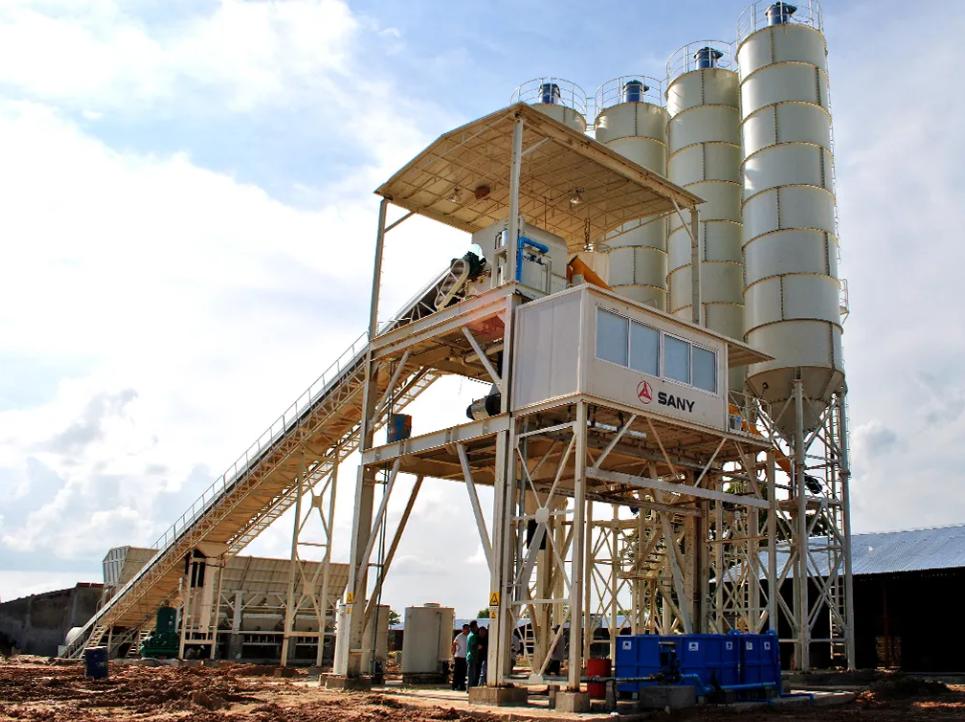
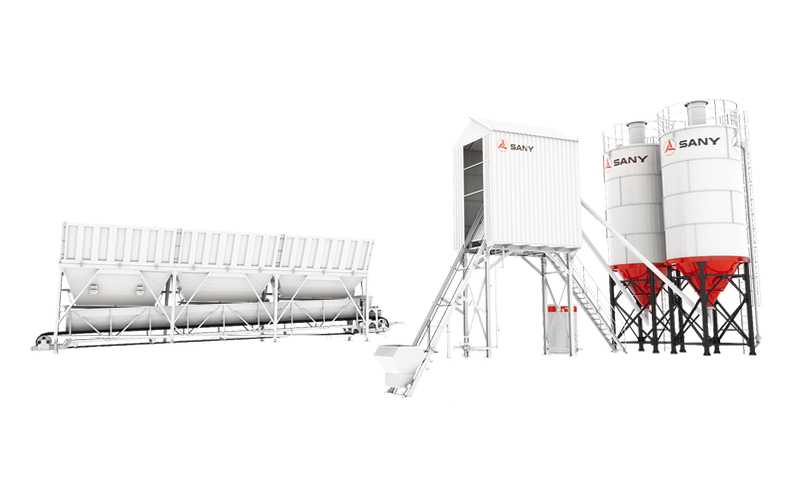
A concrete batching plant is an integrated precision system. Its core functions are controlling mix proportions to ensure concrete strength meets standards, adjusting dosages to ensure workability, and standardizing production to guarantee batch consistency. It is widely used in residential and commercial buildings, transportation infrastructure, water conservancy projects, and special applications, and can supply concrete of different grades and properties as needed to meet various construction requirements.
SANY Concrete Batching Plant is a good choice, offering advantages in high efficiency and high reliability. The Compacted Inclined Belt Batching Plant features flexible layouts to adapt to different sites. The inclined belt can be configured at 20°, 28°, or 45° angles. The silos support both elevated and low-level configurations, and the batching system can be arranged in a straight line or L-shape. Loading ramps or flat loading structures are optional. Different performance concrete can be customized to meet various engineering needs.
Concrete Pumping Systems
Concrete pumping systems are core equipment in modern concrete pouring technology and a crucial link between the concrete batching plant and the pouring surface. They enable continuous concrete flow, which is essential for large-scale monolithic pours and shortening construction cycles.
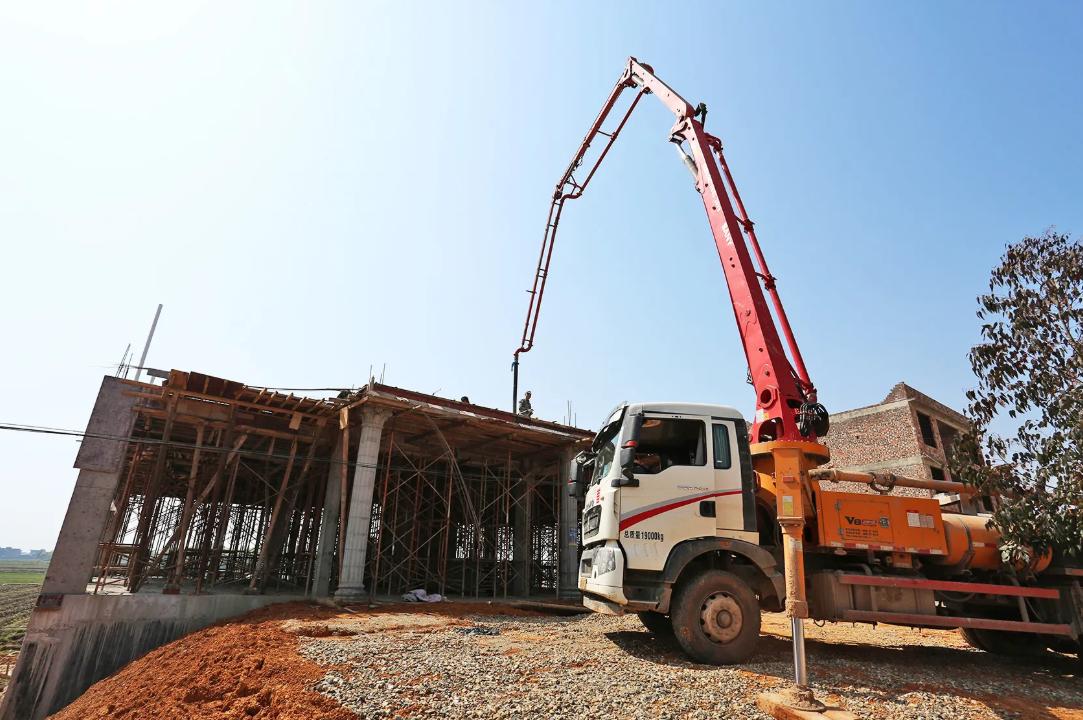
As a hydraulic system, this system relies on a powerful piston or rotary mechanism to transport semi-liquid concrete through dedicated pipelines. It delivers high efficiency and extended delivery distances in both horizontal and vertical pouring, providing strong support for efficient and high-quality construction in various building projects. Common pumping systems include truck-mounted concrete pumps and trailer concrete pumps.
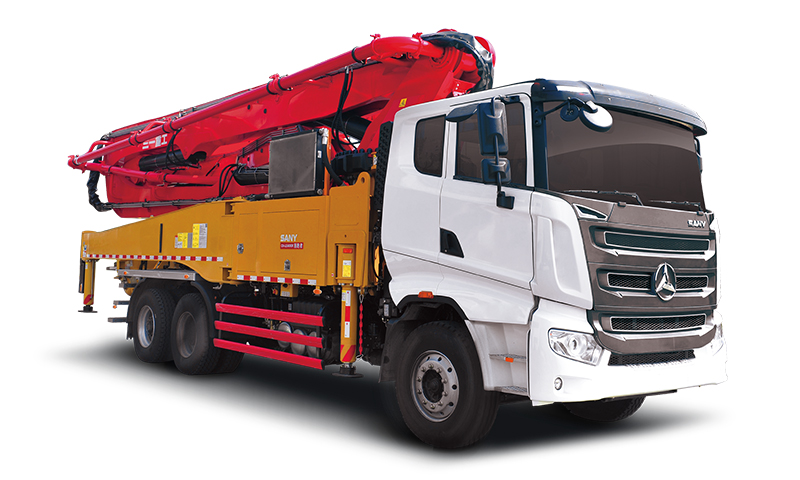
SANY also offers related equipment. Among them, SANY offers various sizes of truck mounted concrete pumps with vertical extension distances ranging from 24 to 60 meters and over, boasting a production capacity of up to 200 cubic meters per hour, making them highly efficient.
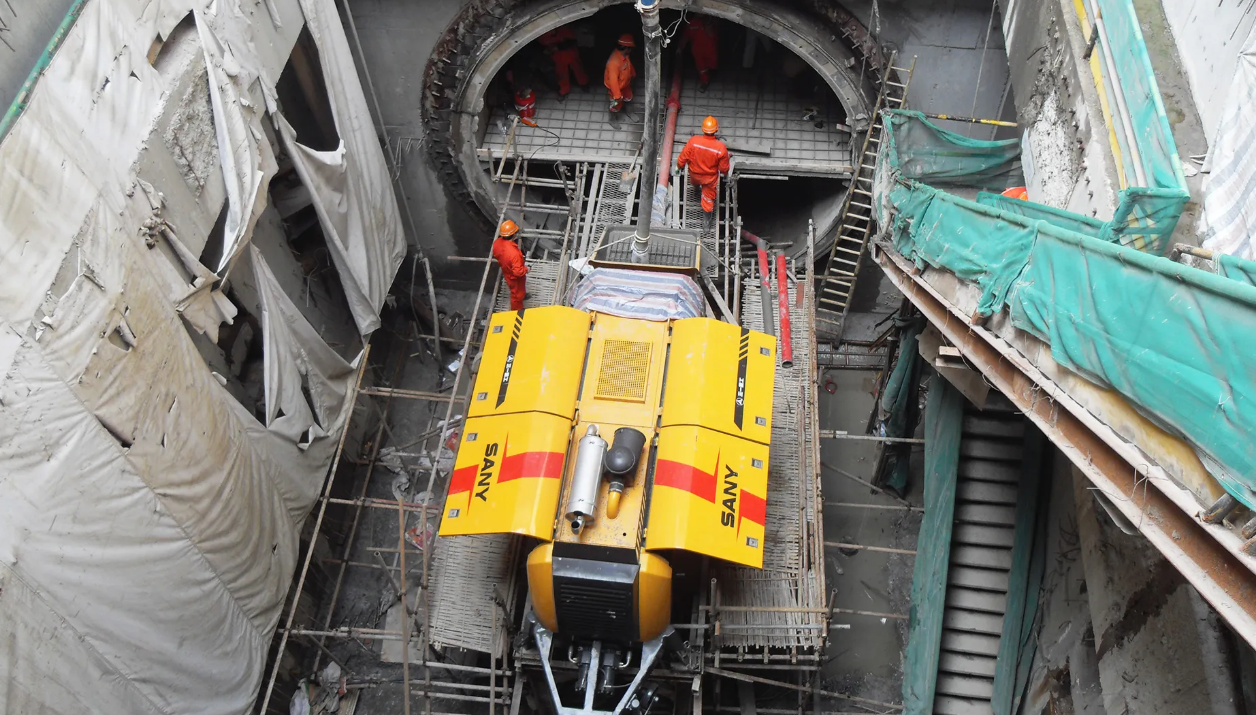
Additionally, SANY Trailer Concrete Pumps are available in different sizes, including 40/50 Series, 60 Series, 80 Series, 90 Series, and 120 Series, with the largest capacity reaching 120 cubic meters per hour, meeting the needs of various concrete pouring operations.
Material conveying equipment
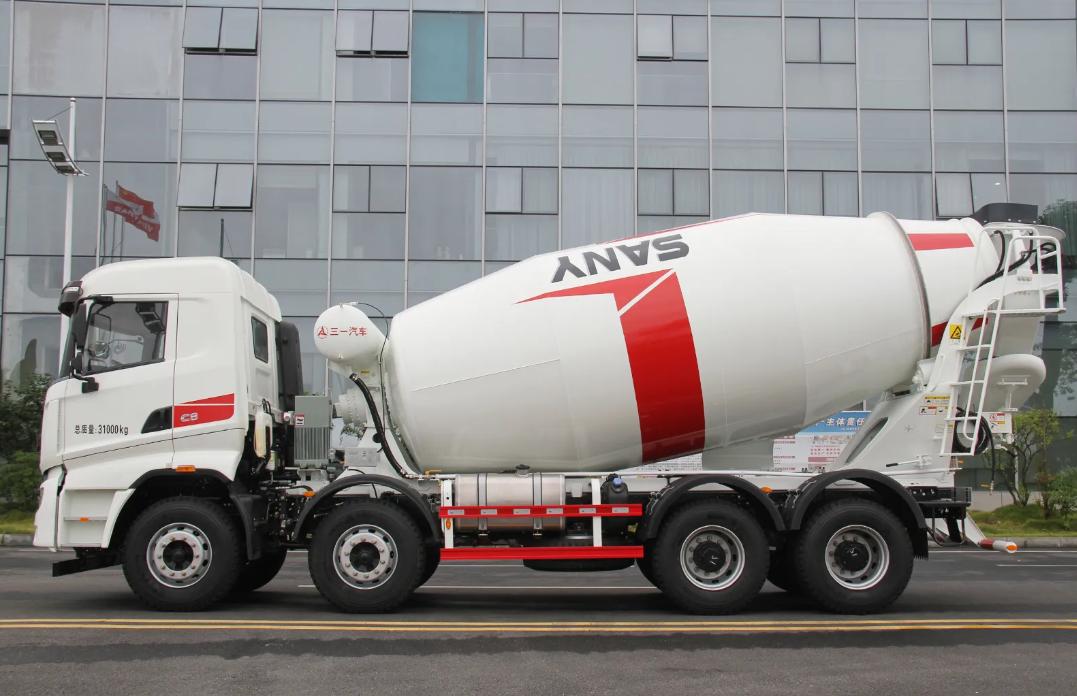
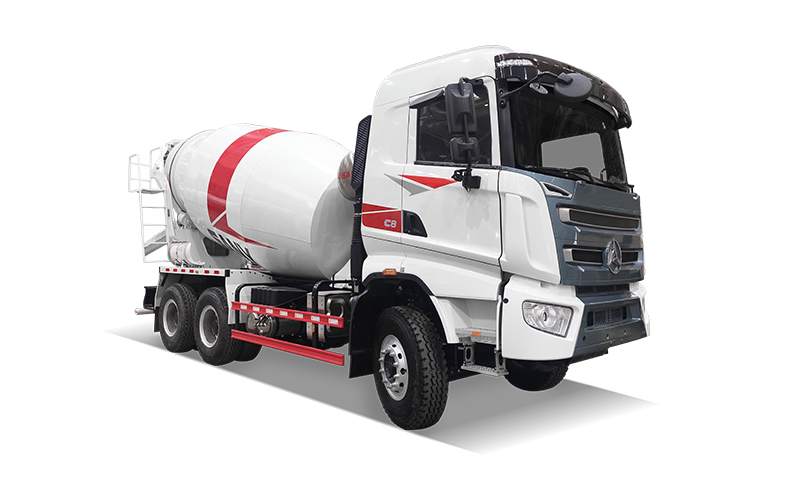
As the core equipment connecting the batching plant and the pouring site, the Truck Mixer continuously mixes the concrete during transport, preventing segregation and premature setting, ensuring stable slump, and guaranteeing that the mixture from the concrete batching plant arrives at the work site in a qualified condition.
SANY Truck Mixers are also available in different types, including 6-7m³, 8-9m³, 10m³, and over 10m³ Truck Mixers. The water tank capacity is up to 800 L, supporting on-site cleaning and operational convenience for large-scale projects.
Cranes and Traditional Pouring Equipment
In scenarios where pumping is unsuitable, such as ultra-high lifting or using special aggregates, cranes, in conjunction with hoppers, can be used for hoisting and pouring, meeting special working conditions and serving as an effective supplement to modern pumping equipment.
Conclusion
In summary, concrete pouring is a comprehensive and systematic engineering project. Properly controlling environmental conditions such as temperature to pour concrete, season, time of day, humidity, and weather is fundamental to avoiding problems such as cracking and insufficient strength. Simultaneously, using suitable concrete pouring equipment, scientifically selected based on site conditions, is essential for comprehensively optimizing the construction process. This two-pronged approach can improve pouring efficiency and stabilize the overall quality of concrete, laying a solid foundation for various construction projects.
FAQs
Can you Pour Concrete If It Freezes at Night?
It is not recommended to pour concrete at night when it may freeze. If the ground is frozen or covered with snow, the concrete will settle and crack after pouring due to the thawing of the frozen soil. Low temperatures will also significantly delay the setting of the concrete, reducing its strength. If the nighttime temperature drops to freezing, anti-freezing and insulation measures must be taken; otherwise, structural damage may occur, and the construction quality will be difficult to guarantee.
What Can You Add to Concrete to Make it Stronger?
To improve concrete strength, you can add high-efficiency water-reducing agents to reduce water usage, add silica fume and fly ash to increase density, incorporate steel fibers or synthetic fibers to enhance tensile strength, or appropriately increase the amount of silicate cement. These admixtures can enhance strength and durability, improve workability, reduce internal voids, and effectively prevent cracking.
What are the Common Mistakes When Pouring Concrete?
Common mistakes in concrete pouring include: improper control of the water-cement ratio; inadequate compaction and treatment of the site subgrade; deviation in the position of the reinforcing steel reinforcement; uneven mixing of concrete; excessively slow pouring speed; incorrect surface polishing process; insufficient curing time and method; failure to consider weather conditions during construction; lack of quality testing such as slump and strength; and failure to repair problems such as cracks and spalling in a timely manner.
Featured Products
Recommend Blogs
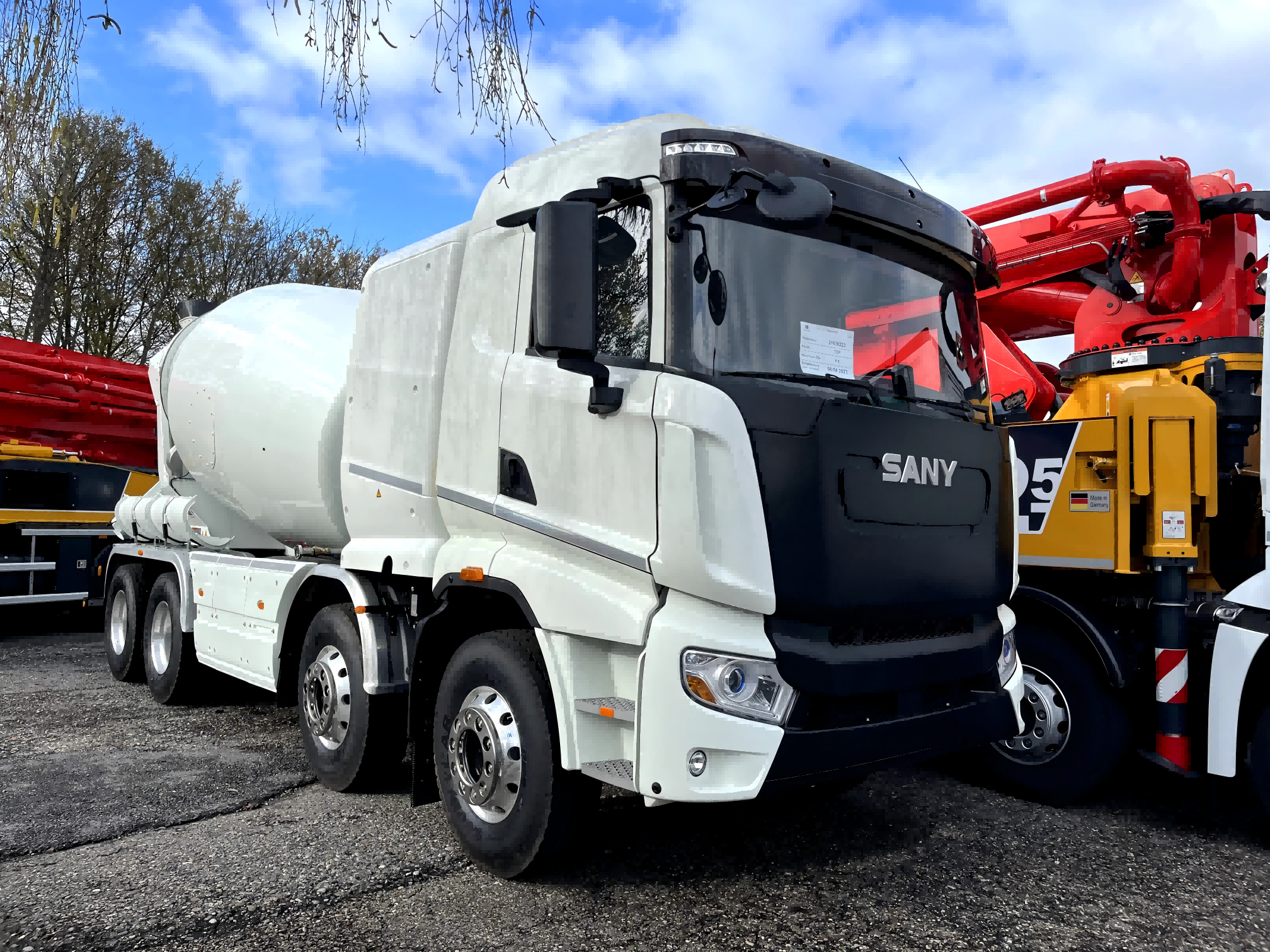
Detailed Guide to Concrete Truck Weight and Selection
This article introduces concrete truck weight and how to choose the right equipment for your project to help your team perform better construction.
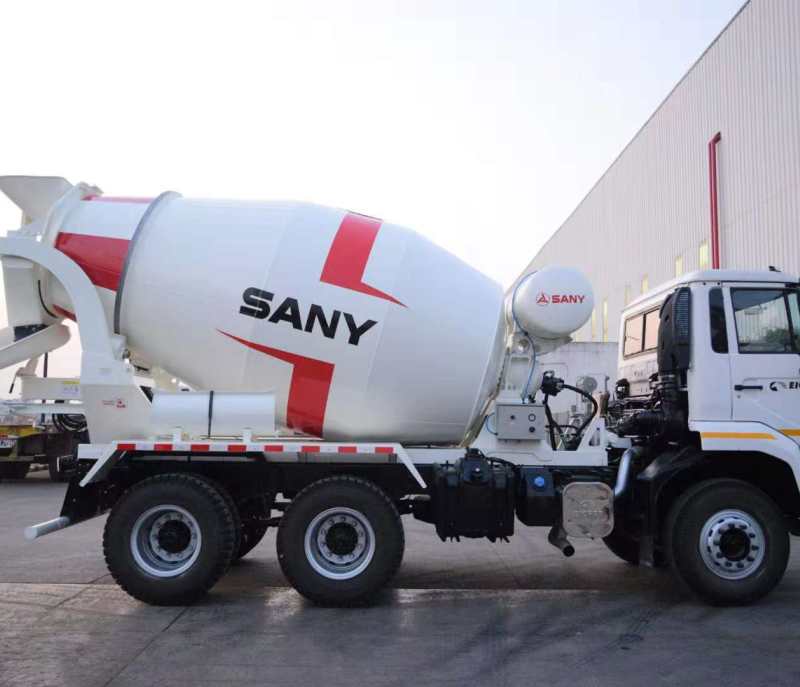
Detailed Analysis of How Many Yards of Concrete Are in a Cement Truck and 2026 Buying Guide
This article describes how many yards of concrete are in a cement truck, and introduces common types, factors affecting load capacity, and selection guidelines.
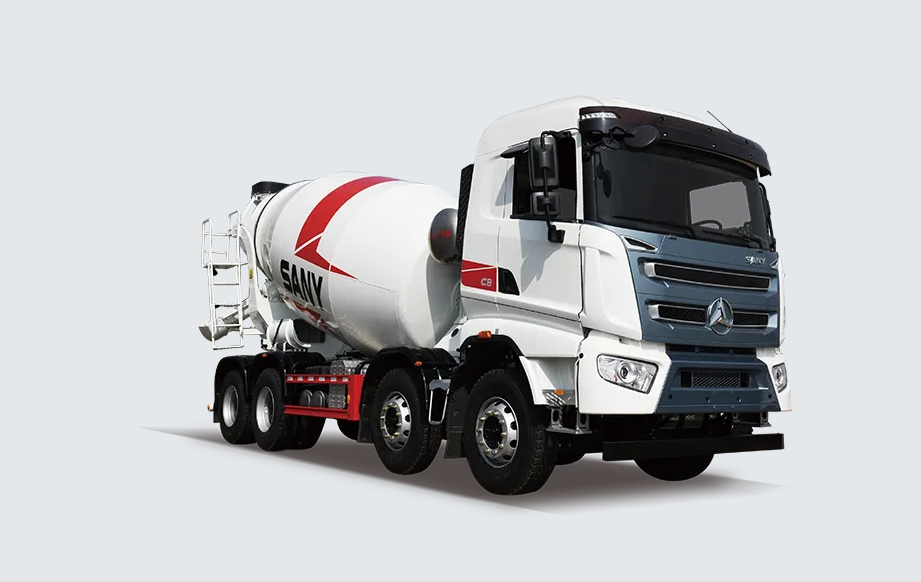
Cement Truck vs Concrete Truck: Key Differences and Selection Guide
Cement truck vs concrete truck: Are they the same? This article will provide a detailed answer to help you choose the right truck for your construction project.