7 Major Telehandler Uses and Practical Construction Guide
Telehandlers have a wide range of uses. This article introduces seven telehandler uses and provides solutions to improve material handling efficiency.
Telehandlers are widely used in material handling, high-altitude operations, and site cleanup in various fields such as construction, agriculture, and industry. They are core equipment for improving on-site operational efficiency, and their adaptability and operational effectiveness directly determine the level of material handling efficiency. To help various industries optimize material handling processes and select and utilize this equipment effectively, this article will introduce the definition and telehandler uses, and finally provide a targeted equipment selection guide to offer professional reference for practical operations.
What Is a Telehandler and What are Its Advantages?
Definition
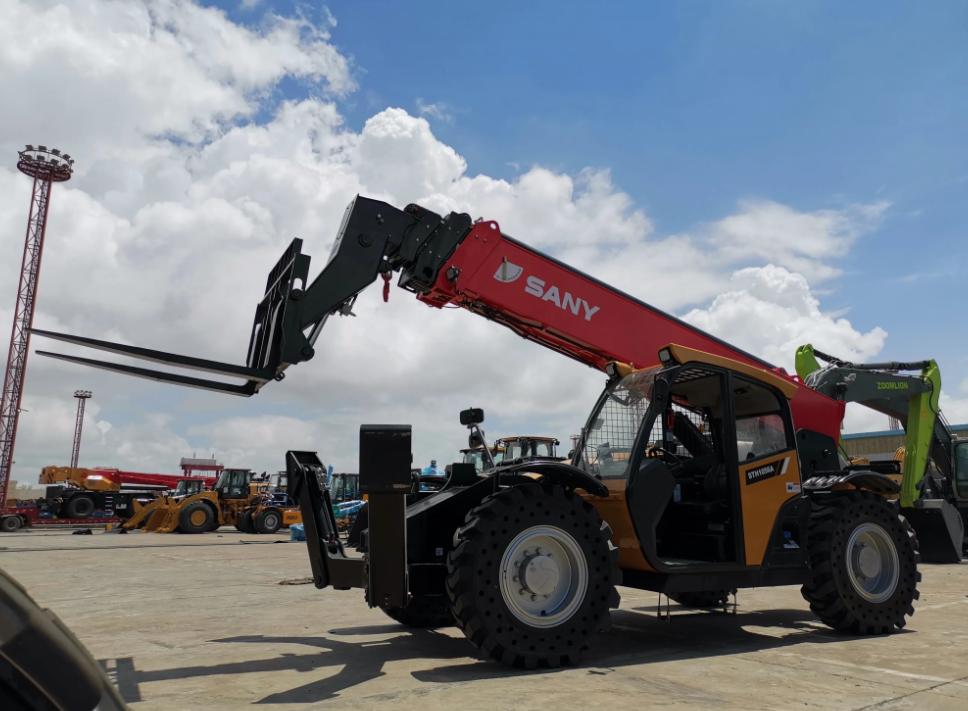
A Telehandler is a piece of engineering machinery that combines the functions of a forklift, crane, and wheel loader. It features a telescopic boom that allows for the transport of materials at heights and over long distances. Its core advantages lie in its high mobility, versatility, superior telescopic lifting capacity, and adaptability to complex terrains (such as construction sites and agriculture), thereby significantly increasing productivity.
Types of Attachments that Can Be Loaded
Telescopic forklifts can be equipped with a variety of specialized attachments to adapt to different operating scenarios and material handling needs, significantly improving the equipment's versatility and operational efficiency. The core compatible attachment types and their uses are as follows:
1. Forks: The most commonly used attachment is primarily pallet forks. The fork teeth are adjustable to accommodate different load sizes, enabling safe and rapid lifting and handling of palletized materials. Widely used in warehouses, construction sites, and other similar environments.
2. Jibs and Cranes: These convert telescopic forklifts into small cranes, capable of vertically lifting large materials such as steel beams and roof trusses. The telescopic boom offers both extended working distance and flexible operation, making it suitable for heavy material handling in high-rise buildings.
3. Work Platforms or Man Platforms: Also known as manned suspended platforms, these create a safe working area at height when connected to equipment. Equipped with multiple safety features, they replace cranes and scaffolding, meeting the needs of high-altitude inspection, installation, and maintenance operations.
4. Telehandler Buckets: Commonly used adapters, especially construction equipment buckets, can be flexibly selected according to material type and operational needs, significantly improving the equipment's versatility in material handling. Different types of telehandler bucket uses are as follows:
·General-purpose buckets: Primarily used for shoveling and transporting loose materials such as soil, sand, gravel, and pebbles;
·Grapple buckets: Equipped with additional hooks to secure larger or irregularly shaped materials such as logs, garbage, and construction waste;
·Concrete mixing buckets: Enable direct mixing and unloading of concrete on-site, effectively saving construction project time.
5. Unloading Rake: Designed specifically for unloading long trailers and international standard containers, it extends the equipment's operating range, easily handling loose materials such as waste, soil, sawdust, and agricultural/construction waste.
6. Bale Clamp: Primarily designed for agricultural operations, it allows for convenient lifting, handling, and stacking of hay bales and straw bales, suitable for loading, unloading, and storage of forage in agricultural production.
Advantages
1. Versatility and Multiple Attachments: With its telescopic boom, it can be equipped with various telehandler attachments such as buckets, clamps, fork carriages, hooks, jibs & winches, platforms, and tyre handlers, allowing a single machine to perform multiple tasks, including lifting, forking, and hauling.
2. Excellent Lifting Height and Extension Distance: Compared to ordinary forklifts, its telescopic boom can lift heavy objects to greater heights or extend them to greater distances, making it suitable for high-altitude operations.
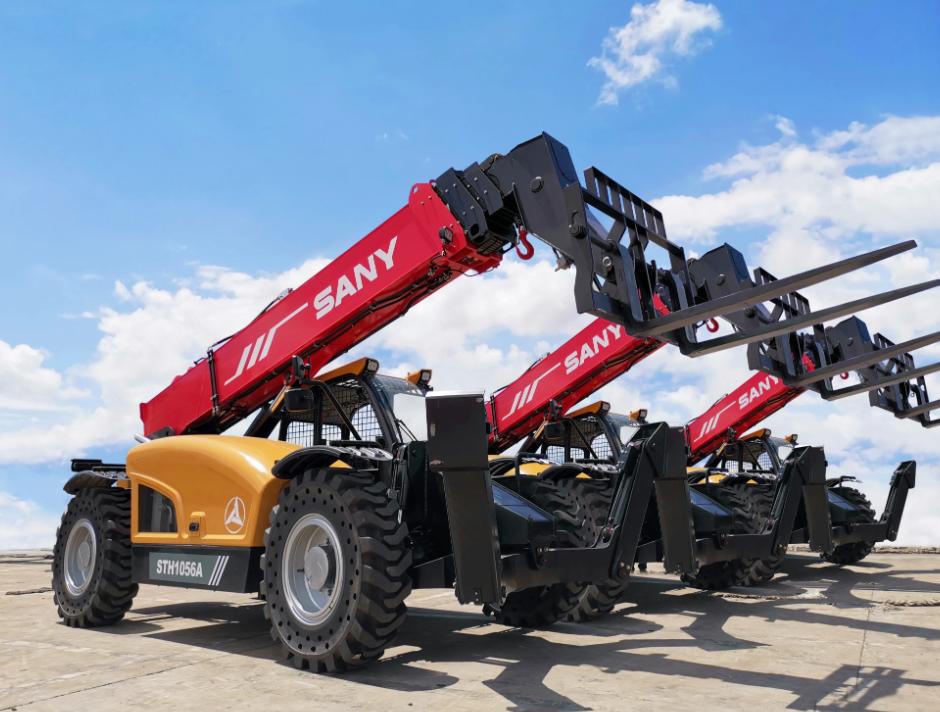
SANY telehandlers are a good choice. Their maximum lifting height is 10-17.1 m, rated capacity is 2.7-5.5 T, and wheel base is 3.14-3.49 m. These excellent parameters determine their high material handling efficiency.
- High terrain adaptability: Typically equipped with four-wheel drive and multiple steering modes (such as crab steering), they can operate on uneven construction sites or soft agricultural ground.
- Operational Efficiency and Safety: A powerful load-sensitive hydraulic system allows for simultaneous lifting and extending actions, increasing operating speed. Its robust structural design and safety systems ensure safe execution of complex tasks.
- Space Saving and Low Operating Costs: The compact design is suitable for confined areas (such as urban construction sites), and some models offer low maintenance costs and reasonable energy consumption.
What Are Telehandler Uses?
A telehandler is a multi-functional industrial machine that combines high mobility, strong lifting capacity, and a wide operating range. With its telescopic boom and a variety of compatible attachments, it can overcome terrain and space limitations, adapting to the operational needs of various fields such as agriculture, construction, industry, and sanitation. It has become an efficient solution for material handling and high-altitude operations in various scenarios.
Heavy Object Handling and Material Transport
Capable of lifting and transporting building materials such as bricks, steel beams, and concrete blocks; also capable of handling agricultural products and palletized goods in warehouses; efficiently loading and unloading trucks; and able to access narrow areas inaccessible to large forklifts; suitable for construction sites, farms, distribution centers, and other similar scenarios.
High-Altitude Material Placement and Operations
Capable of lifting heavy objects to high-rise platforms to meet the material transport needs of multi-story building construction; also capable of transporting tools and materials to high places, assisting in high-altitude operations such as light fixture replacement, wall painting, ceiling cleaning, and utility maintenance.
Personnel Lifting Operations
Equipped with safety cages or suspended baskets, workers can be safely transported to heights to complete special tasks such as window installation, building repair, and tree maintenance, eliminating the need for temporary scaffolding and improving operational convenience.
Site Cleaning and Environmental Remediation
With attachments such as buckets, grappling hooks, and brooms, construction waste, debris, and obstacles at construction sites can be cleared. In winter, equipped with snow shovels and snowplows, snow and ice can be efficiently removed, ensuring a safe working environment.
Temporary Structure Erection and Dismantling
Facilitates the rapid erection and dismantling of temporary structures such as scaffolding and construction tents, offering higher efficiency compared to manual operations and reducing time costs associated with pre-construction preparation and post-construction cleanup.
Sanitation and Recycling & Special Operations
In waste collection and recycling center operations, it can utilize attachments such as buckets, grabs, and hooks to handle, grab, and pull materials. It can also be used in tree maintenance to reach hard-to-reach areas for pruning and health monitoring, offering high fuel efficiency and ease of operation.
Construction Support Operations
With precise operation and powerful lifting capacity, it can complete the installation of large components such as steel structure frames, roof trusses, and precast slabs, reducing human intervention and improving the safety and efficiency of the construction site.
How to Improve the Material Handling Efficiency of Telehandlers?
Improving the material handling efficiency of telehandlers is key to optimizing workflows and reducing operating costs in industrial, construction, and agricultural settings. Efficiency improvement is not a simple adjustment but involves comprehensive optimization of equipment selection, attachment pairings, and operational procedures. The following will break down practical methods to improve material handling efficiency, providing actionable references for actual operations.
Use the Correct Attachment Type
When using telescopic boom forklift attachments, compatibility must be ensured. Regardless of the type of clamp, telehandler bucket, etc., ensure that its specifications, functions, and operational requirements are fully compatible. Key factors to consider include hydraulic speed, forklift/attachment dimensions, and forklift visibility. Additionally, select appropriate specialized attachments based on specific product handling needs to improve operational efficiency.
Operator Training and Safety
Ensure operators are certified, understand load charts, and have received proper boom control and machine positioning training to maximize stability and minimize accidents.
Intelligent Maintenance and Telematics
Implement predictive maintenance and utilize telematics to track machine performance and monitor fuel efficiency, minimizing unexpected downtime.
Optimize Site Planning
Define flat roads and rationally plan work areas to minimize travel distances and avoid uneven terrain.
Select Appropriate Machine Size
For confined spaces, choose compact telescopic forklifts; for heavy, high-altitude, long-distance loads, choose full-size equipment to maximize efficiency.
Technology Integration
Leveraging modern features such as load sensors and camera systems to enhance visibility, and utilizing potential future AI/automation technologies to handle complex tasks.
Conclusion
Telehandlers with their core advantages such as versatility and high terrain adaptability, can unlock a wide range of telehandler uses when paired with various attachments. They cover various scenarios including material handling, high-altitude operations, and site remediation, making them a core piece of equipment for improving material handling efficiency. To fully leverage the material handling efficiency of telehandlers, optimization is needed in areas such as attachment matching, operator training, and equipment maintenance. Selecting the right equipment and operating methods based on actual needs is crucial to ensuring their continued value in various operational scenarios and laying a solid foundation for workflow optimization and cost control across industries.
FAQs
Can a Telehandler be Used As a Forklift?
Yes. A telehandler, also known as a reach truck, is equipped with a telescopic boom and lifting attachments. It's a type of lifting machinery that combines the functions of a forklift and a crane. It can perform tasks such as lifting, transporting, and loading/unloading goods from trucks, just like a forklift, while also handling related crane operations. It's widely used in material handling scenarios in agriculture, construction, and industry.
While both telehandlers and forklifts primarily lift pallets, compared to standard upright forklifts, telehandlers offer a superior operating range (30-60 feet and above) and greater off-road capability.
Why Do They Call It a Telehandler?
It's called a telehandler because it's an abbreviation of telescopic handler. This is a type of machinery mainly used in construction, industry, and agriculture, with its core purpose being the handling and placement of various materials. For convenience, people use the abbreviation "telehandler" to refer to it.
What Do LF and LO Permits Represent?
LF and LO are both categories of high-risk operation permits. LF refers to forklifts, specifically for freight forwarding forklifts; LO refers to order picking machines, specifically for order picking machines. Besides these two types of equipment, many other types of industrial equipment are also classified as high-risk operations and require their corresponding high-risk operation permits.
Featured Products
_101950.png)
Recommend Blogs
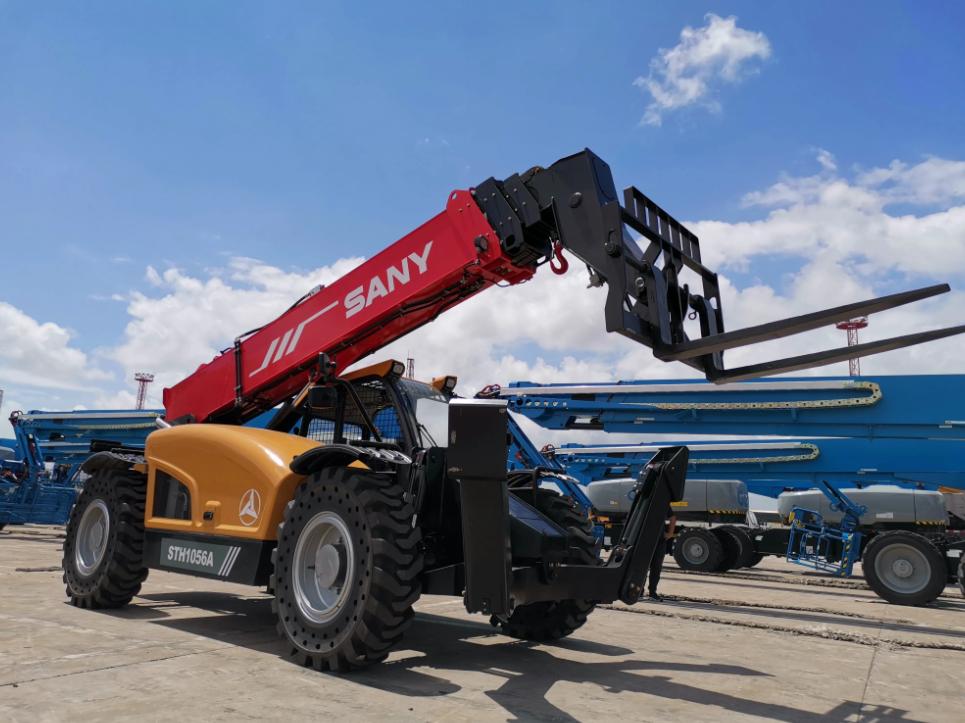
Telehandler Attachments Guide: Application Scenarios, Selection Points and Replacement Guide
Are telehandler attachments suitable for installation? This article will introduce telehandler attachments, as well as share practical replacement guides.
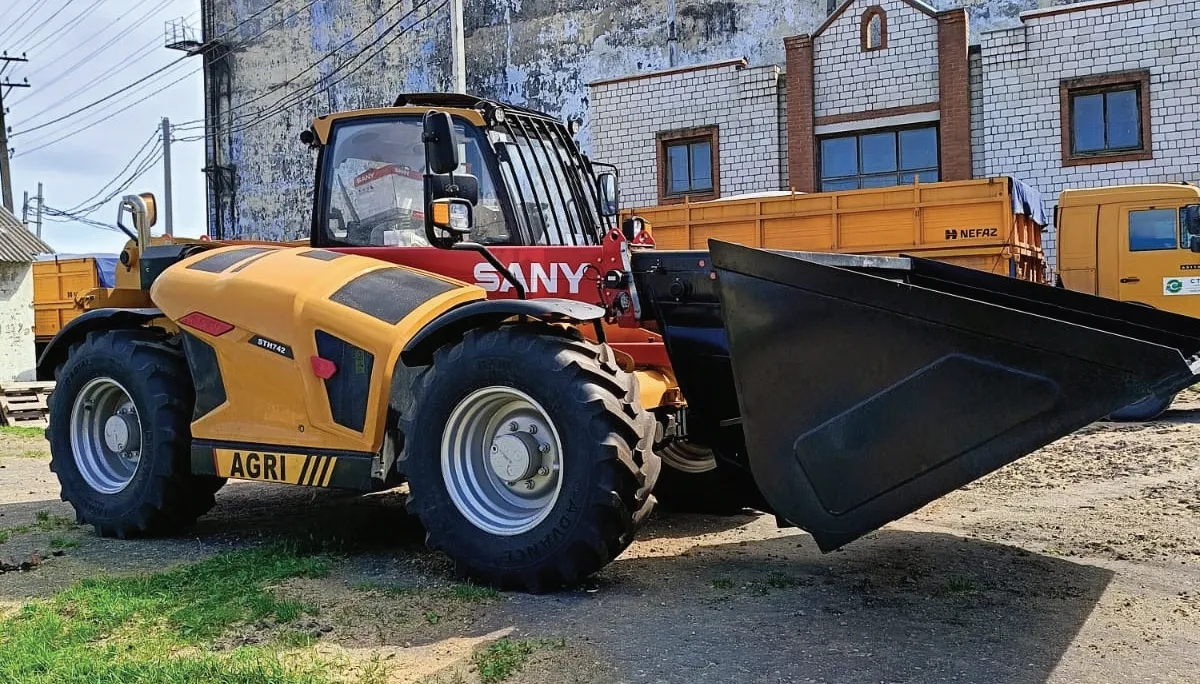
Agricultural Telehandler: Types, Applications & 2026 Buying Guide
This article introduces the composition, types, application scenarios, and key selection points of agricultural telehandlers.
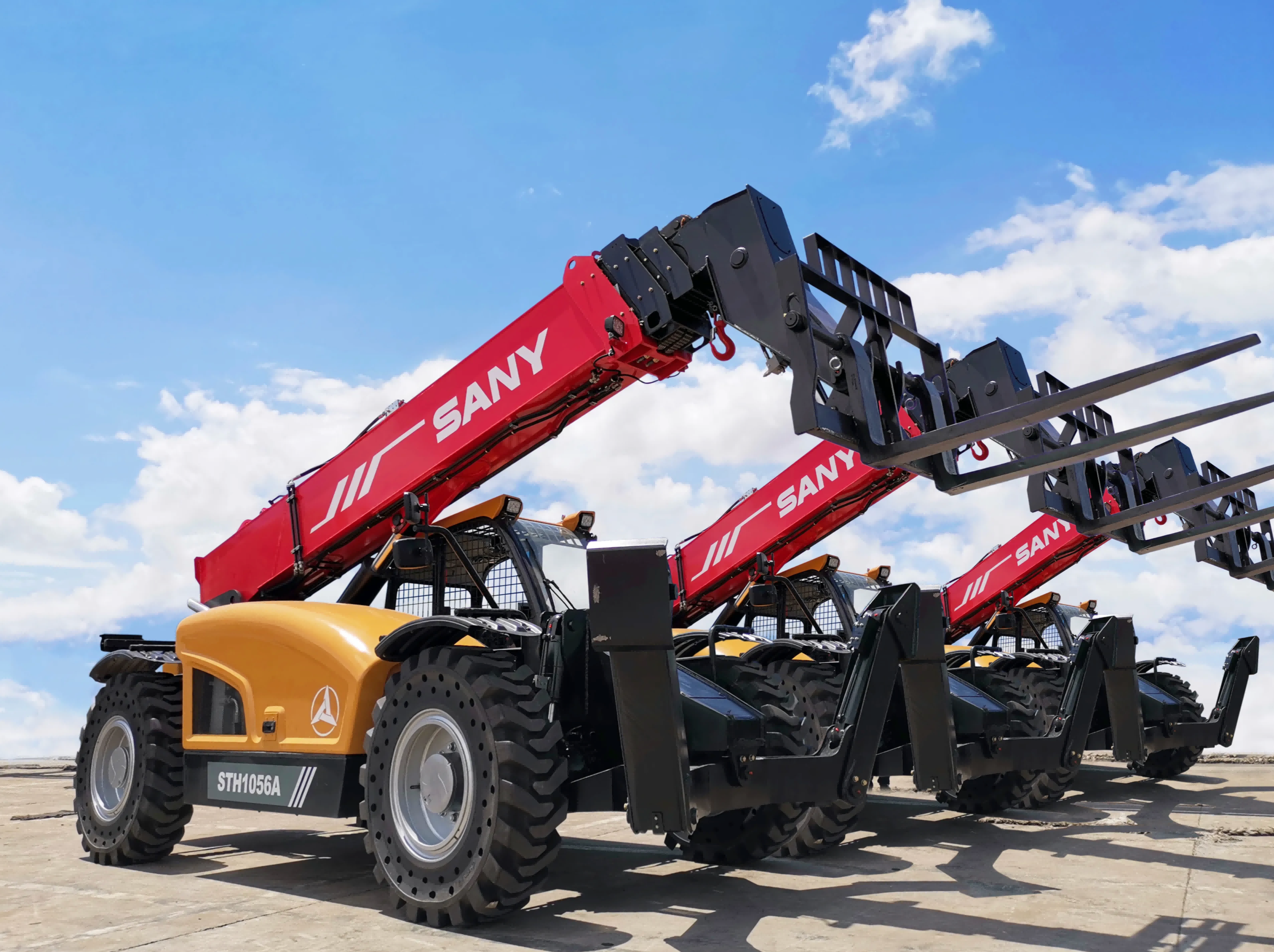
Construction Telehandler: Everything You Need To Know
This article details the Construction Telehandler, covering its applications, selection, and common issues for industry reference.