Skid Steer Loader Uses Guide: Helping You Work Efficiently
This article explains skid steer loader uses and provides specific selection recommendations.
In modern construction operations, skid steer loaders have become "all-purpose tools" for multi-scenario tasks, thanks to their core advantages of compact size and easy maneuverability. Whether it's road emergency repairs and site cleaning in municipal engineering, material handling and auxiliary operations in tight spaces during construction, or orchard soil preparation and straw processing in agriculture, they can efficiently adapt by quickly changing attachments. Their strong adaptability makes them highly favored in small and medium-sized projects. However, different work requirements vary in terms of machine power, attachment compatibility, and other aspects. This article will detail the definition of skid steer loaders and skid steer loader uses, while providing targeted selection suggestions to help you accurately match your operational needs.
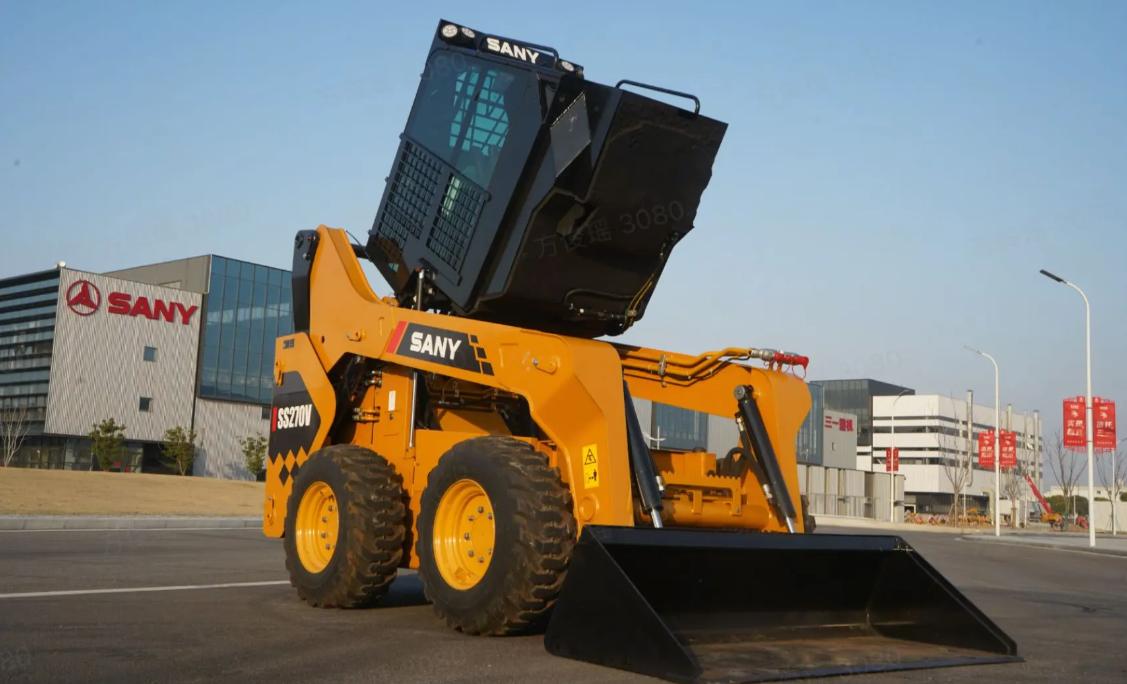
What Is a Skid Steer Loader?
A skid steer loader is a compact, multi-purpose construction vehicle. Its robotic arm can be equipped with a variety of attachments, enabling it to handle various tasks such as excavation, lifting, and material handling. Available in multiple sizes, it is suitable for a wide range of jobs, from small residential projects to large construction sites.
Origin of Name
The name "skid steer loader" derives from its unique steering method: the wheels or tracks are fixed at a constant angle, always pointing straight ahead. The wheels/tracks on both sides of the vehicle are synchronously locked to each other and equipped with independent power units. Steering is achieved through independent control of one side, giving it a "skidding" characteristic during turns—hence the name.
Key Features
Versatility: Its primary feature is versatility. It can perform many different tasks by switching between various attachments.
Maneuverability: It uses in-place "skidding" or rotation to turn within an extremely small radius, which is also the origin of its name. This makes it an ideal choice for operations in narrow or enclosed spaces.
Main Types
Skid steer loaders are mainly classified into two types based on their travel mechanism: wheeled and tracked.
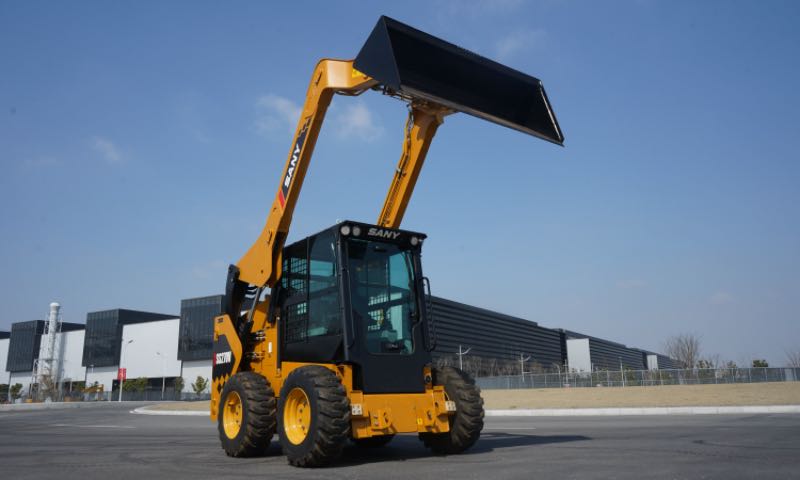
Wheeled Skid Steer Loader: The most traditional type, featuring a wheeled travel mechanism. Steering is achieved through the speed difference between the wheels on both sides.
Tracked Skid Steer Loader: Divided into the following two types
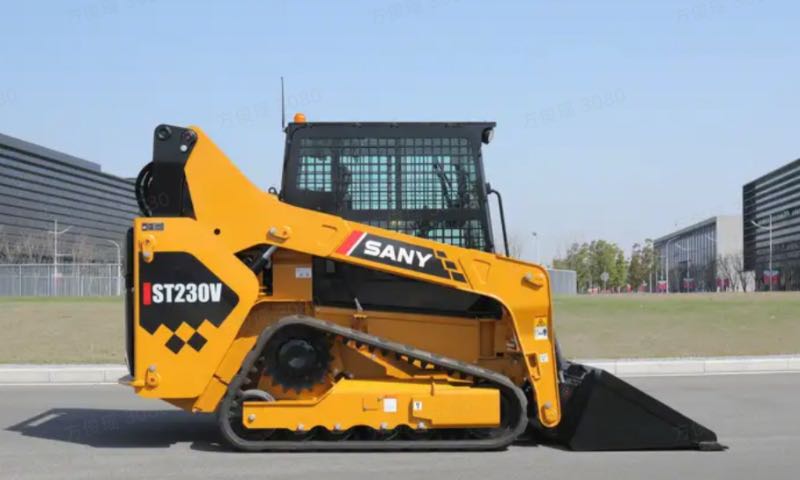
·Compact Track Loader: This type uses tracks instead of tires to provide better traction on loose, muddy, or rough terrain.
·Mini Track Loader: A smaller version of the tracked skid steer loader, suitable for operations in extremely tight spaces.
Uses of Skid Steer Loader
What is the best use for a skid steer loader? Skid steer loaders have an extremely wide range of applications and can be called "all-rounder" equipment. They operate efficiently in municipal emergency repairs and site cleaning, handle material transportation in tight spaces during construction, prepare soil and process straw in agriculture, and shape terrain and haul waste in landscaping. By changing attachments, they can adapt to more tasks. Their strong adaptability makes them highly favored in small and medium-sized projects. Detailed introductions to these application scenarios are provided below.
Skid Steer Loader Uses in Construction and Demolition
At construction and demolition sites, skid steer loaders have become indispensable "mobile assistants" thanks to their core advantages of compact size and flexible steering. Their applications in construction and demolition are very extensive, mainly including:
1. Excavation and Site Preparation
Skid steer loaders can quickly switch between attachments such as buckets and rakes to efficiently complete shallow excavation, foundation pit digging, tree root removal and other on-site operations. Their flexible steering design is suitable for narrow sites, enabling precise leveling of the site foundation and laying the groundwork for subsequent construction.
2. Concrete Demolition and Breaking
Equipped with attachments like hydraulic breakers and shears, skid steer loaders can accurately break down old building walls and floor concrete. With strong maneuverability during operation, they can flexibly adjust positions in complex demolition sites, efficiently decompose hard structures, and cooperate with manual work to complete refined demolition.
3. Material Loading and Transportation
Fitted with buckets, grapples and other attachments, skid steer loaders can quickly collect crushed stone, debris and other materials generated from demolition and directly load them into transport vehicles. There is no need for frequent equipment switching, which shortens the material transfer cycle. They are especially suitable for small-scale, high-frequency loading operations.
4. Backfilling and Leveling
After demolition or excavation work, skid steer loaders can use attachments such as dozer blades and graders for site backfilling, evenly spreading sand, soil and other materials. Through precise control, they achieve site flatness calibration, ensuring that the foundation for subsequent construction (such as pavement laying and greening planting) meets the required standards.
Skid Steer Loader Applications in Road Engineering
With the characteristics of flexibility, high efficiency and multi-function adaptability, skid steer loaders have become practical equipment in road engineering, covering key links of the entire construction process in depth:
1. Road Leveling and Surface Smoothing
Equipped with attachments such as dozer blades and graders, they can quickly process roadbeds or pavement bases and accurately calibrate flatness. Their compact body is suitable for narrow operating areas, enabling flexible adjustment of operating angles to efficiently complete foundation leveling before road paving, laying a flat foundation for subsequent pavement construction (such as asphalt and concrete paving).
2. Pavement Milling and Repair
After being fitted with professional milling attachments, they can accurately mill pavement cracks, potholes and aging surfaces. With strong maneuverability during operation, they can control the milling depth and range, efficiently remove damaged parts, and preprocess for pavement repair (such as asphalt and concrete filling), greatly improving repair efficiency.
3. Material Spreading and Transportation
Matched with attachments like buckets and material hoppers, they can transport road construction materials such as sand, gravel, asphalt mixtures and cement. They can not only quickly unload materials from transport vehicles and spread them evenly on the work surface, but also complete small-scale short-distance material transportation, reducing the frequency of equipment switching and improving construction continuity.
4. Road Cleaning and Debris Removal
Through attachments such as sweepers and grapples, they can efficiently clean up debris such as crushed stone, waste and fallen leaves after road construction. Particularly suitable for pavement cleaning in the final stage of construction or small-scale garbage removal on daily roads, they ensure road traffic safety while keeping the construction site clean and tidy.
Skid Steer Loader Applications in Agriculture and Landscaping
With the advantages of compact flexibility and strong attachment compatibility, skid steer loaders have become all-rounders in agricultural and landscaping operations, fully covering various core scenarios:
1. Soil Preparation and Leveling
Equipped with attachments such as rakes and dozer blades, they can quickly complete tasks including plowing, soil crushing, seedbed preparation, and site leveling. Capable of flexibly maneuvering through fields or landscaping plots, they refine soil structure precisely and level planting bases, providing suitable soil conditions for sowing and transplanting.
2. Transporting Mulch, Gravel, and Soil
Matched with buckets, grapples, and other attachments, they efficiently transport materials required for landscaping such as mulch, gravel, and nutrient soil. No frequent equipment switching is needed, enabling integrated material loading, unloading, and short-distance transportation, which significantly improves the operational efficiency of garden landscaping and farmland improvement.
3. Digging Post Holes and Trenches
After being fitted with augers, small buckets, and other attachments, they can accurately dig post holes for seedling planting, farmland irrigation trenches, and landscaping drainage channels. With high operational precision and speed, they are especially suitable for small-scale refined excavation needs, reducing manual labor intensity.
4. Clearing Shrubs and Debris
Equipped with hydraulic shears, sweepers, and other attachments, they can quickly trim and clear weeds, shrubs, and dead branches and leaves in gardens. Their compact body allows access to narrow wooded areas, efficiently completing site clearance and freeing up space for seedling growth or landscape design.
5. Handling Feed, Hay, and Manure
Through attachments such as grapples and hoppers, they easily complete tasks including feed transportation, hay stacking, and livestock manure cleaning in agricultural scenarios. Adaptable to farms, pastures, and other sites, they achieve efficient material handling, contributing to a clean breeding environment and smooth agricultural processes.
Skid Steer Loader Applications in Property and General Maintenance
With the characteristics of flexibility, convenience, and multi-function adaptability, skid steer loaders have become efficient tools for property and general maintenance work, fully covering core daily and seasonal needs:
1. Snow and Ice Removal
Equipped with attachments such as snow plows and snow blowers, they can quickly clear snow and ice from community roads, parking lots, and courtyards. Their compact body can maneuver through narrow areas, precisely pushing or blowing away snow and ice to ensure the safety of pedestrians and vehicles, significantly improving winter snow removal efficiency.
2. Parking Lot and Courtyard Cleaning
Fitted with sweepers, grapples, and other attachments, they efficiently remove debris such as fallen leaves, gravel, and household garbage from the site. They can reach into corners and gaps for refined cleaning, while handling heavier debris like discarded furniture and construction waste to keep the environment tidy.
3. Transporting Pallets, Tools, and Materials
Matched with attachments such as forks and pallet forks, they easily transport tools, equipment, construction materials, and landscaping potted plants required for property maintenance. They can quickly complete loading, unloading, and short-distance transportation, making them especially suitable for material turnover during community renovations and facility repairs, reducing labor costs.
4. Site Maintenance and Seasonal Work
Adaptable to attachments such as rakes and dozer blades, they can complete daily maintenance tasks including courtyard lawn trimming, flower bed tilling, site leveling, and drainage ditch cleaning. They handle seasonal work such as spring greening planting and autumn leaf cleaning, and can efficiently finish various tasks by flexibly switching attachments.
How to Choose the Right Skid Steer Loader for Your Work?
Now that you understand skid loader uses, the next question is that selecting the right skid steer loader directly affects operational efficiency and costs. Faced with diverse working conditions and different attachment compatibility requirements, many people feel confused when choosing—should they focus on power, machine flexibility, or attachment compatibility? Choosing the right one can make construction twice as effective with half the effort, while the wrong choice may delay progress. Want to accurately match your work scenario? Below is a detailed purchasing guide to help you select the right skid steer loader from core dimensions.
1. Clarify Operational Needs
Determine Task Type: Consider the main types of operations you will perform, such as handling, loading, excavation, drilling, or cleaning.
Consider Working Environment: Select the appropriate size and type based on site size, ground conditions, and space constraints.
Evaluate Load Capacity and Power: According to the amount of materials to be transported, choose a machine that meets the requirements for rated load and engine power.
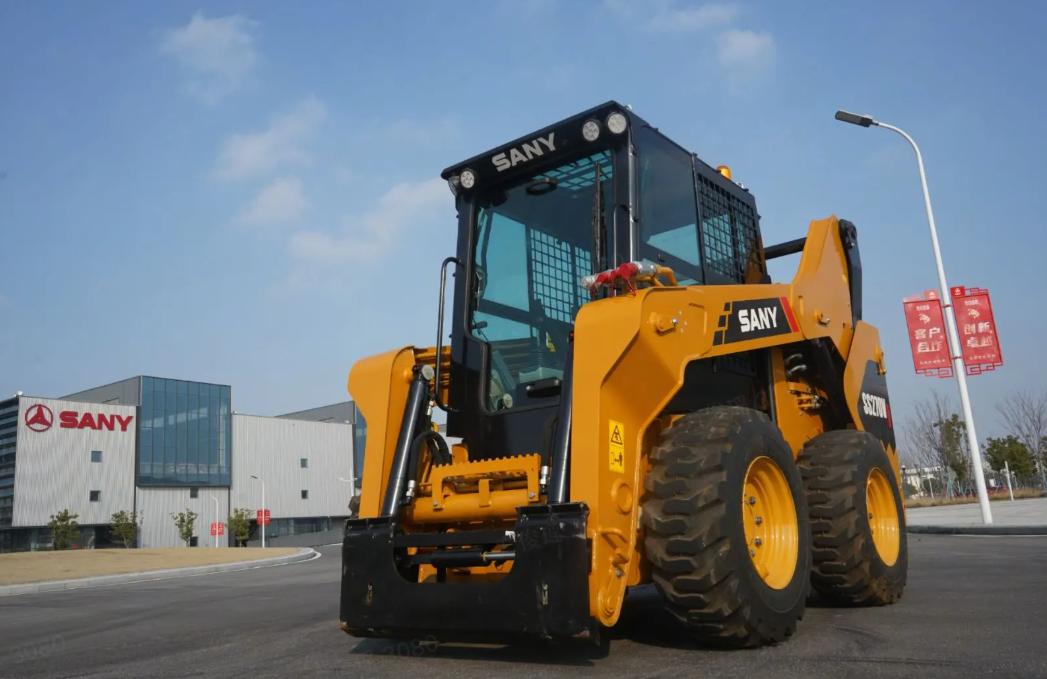
The engine power of SANY Skid steer loader reaches 50-65 kW, with an operating weight of 4-5 tons. Equipped with attachments such as buckets and sweepers, as well as snow blowers, milling machines, and augers, it can meet various work requirements.
2. Pay Attention to Machine Specifications
Engine: Ensure the engine power is sufficient for your work needs, and check if the engine brand and emission standards comply with local regulations.
Size: Choose a machine suitable for the size of the work area, especially for operations in narrow spaces.
Lift Type: Select radial lift or vertical lift based on needs. Vertical lift is suitable for high-altitude loading, while radial lift offers a larger reach in the middle of the lift path.
3. Consider Attachments and Efficiency
Attachment Compatibility: Check if the machine is compatible with the attachments you need, such as buckets, augers, and fork arms. It is best to choose a model with a hydraulic quick coupler to quickly change attachments and improve efficiency.
4. Evaluate Working Terrain
Wheeled: Faster speed, suitable for hard and flat surfaces such as construction sites and roads.
Tracked: Lower ground pressure and stronger grip, suitable for operations on soft, muddy ground or slopes.
5. Consider Safety and Reliability
Safety: Confirm that the cab has ROPS/FOPS (Roll-Over Protection Structure/Falling Object Protection Structure) certification.
Durability: Choose a machine with a sturdy structure and durable materials.
Brand and Service: Assess the brand's reliability, customer service, and the availability of spare parts and services.
6. Balance Costs
Budget: Strike a balance between purchase price and long-term maintenance costs.
Cost-Effectiveness: Consider the overall value by weighing the required functions against your budget.
Rent or Buy: For short-term projects with frequent changes in working conditions, renting offers flexible adaptation and no maintenance responsibilities. For long-term, high-frequency operations, buying can reduce long-term costs and allow independent scheduling.
Conclusion
In summary, skid steer loader uses cover multiple fields including construction, road engineering, agriculture, and property maintenance. Its core advantage of "one machine for multiple purposes" stems from flexible steering and strong attachment compatibility. To maximize its value during selection, it is essential to focus on core dimensions such as operational needs, terrain, and load capacity, match suitable attachments and lift types, and balance safety and costs. Whether renting for short-term use or purchasing for long-term needs, a choice that accurately matches the scenario will make this "all-rounder" a powerful tool for boosting operational efficiency, facilitating the smooth progress of various projects.
FAQs
How Much Does a Skid Steer Loader Weigh?
Skid steer loaders are classified into three categories by weight, with different weights corresponding to different power levels and applicable scenarios. Small models are flexible, while large models offer stronger power—you can choose based on your operational requirements:
- Small skid steer loaders: Weight < 1,750 lbs, power < 50 HP
- Medium skid steer loaders: Weight 1,750–2,200 lbs, power 50–70 HP
- Large skid steer loaders: Weight > 2,200 lbs, power > 70 HP
Do You Need a License to Operate a Skid Steer Loader?
Formal training is indeed required to operate a skid steer loader safely, and employers are responsible for ensuring their employees have received such training. Employers must provide hazardous materials safety training for employees, and a skid steer loader operation certificate serves as proof that the employee has completed the training and possesses the necessary skills and knowledge to safely operate the equipment on job sites.
Can a Skid Steer Loader Remove Tree Stumps?
Yes, a skid steer loader can remove tree stumps, typically requiring a dedicated stump grinder attachment. By installing this attachment, the skid steer loader can effectively grind tree stumps into chips and even grind part of the root system underground.
Featured Products

Recommend Blogs
How Wide is a Skid Loader? Core Parameter Interpretation
The width of a skid loader is a key factor determining its passability and applicable scenarios. This guide will explain in detail how wide is a skid loader.
Skid Steer Loading Guide: Key Steps, Practical Tips & Pitfall Avoidance
This guide outlines skid steer loading and transport procedures, highlighting common errors and providing practical avoidance methods.
What Is a Skid Steer Loader: A Comprehensive Guide to Sizes, Uses, and Selection
What is a skid steer loader? With skid steering and quick attachment changes, it boosts efficiency and cuts costs. This guide offers an in-depth analysis with practical tips.