Skid Loader Lift Capacity Explained: ROC vs Tipping Load & Load Weight
Learn about skid loader lift capacity, tipping load, and ROC. Understand factors affecting lift and how to calculate load weight safely.
Knowing skid loader lift capacity is key for safe and efficient operation. Understanding the difference between rated operating capacity (ROC) and tipping load allows operators to measure material loads accurately and prevent overloading. This guide explains typical lift ranges, influencing factors, and how to calculate load weight based on ROC.
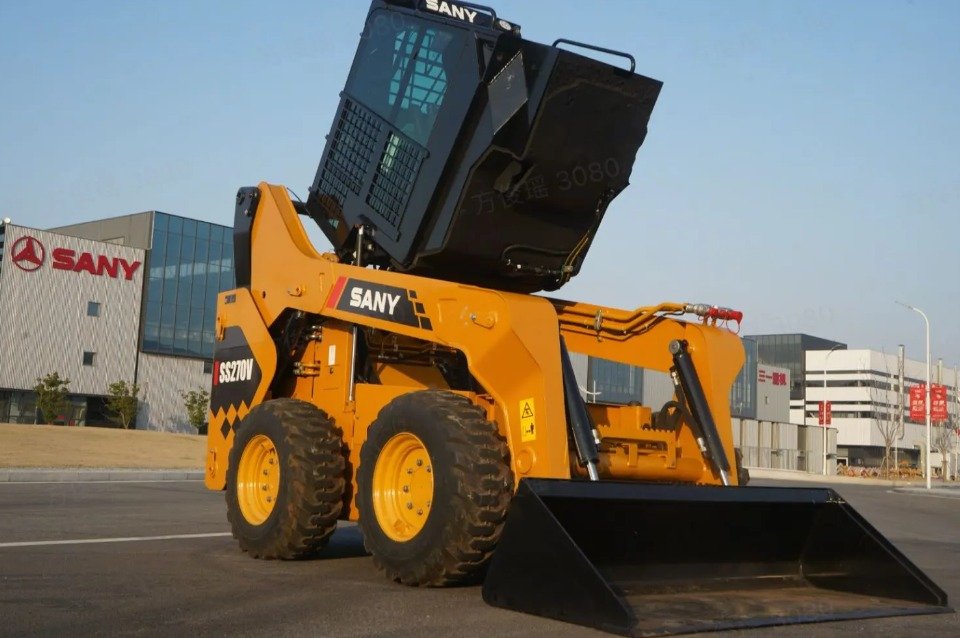
What Skid Loader Lift Capacity Really Means?
To understand a skid steer loader capacity, you need to grasp two critical, non-interchangeable metrics: Rated Operating Capacity (ROC) and Tipping Load. One represents a safe, daily working limit, while the other indicates the machine’s maximum load before overall stability is compromised. Below is a breakdown of their meanings, differences, and practical applications:
1. Tipping Load
The tipping load—what is tipping load on a skid steer— is the maximum weight a skid loader can theoretically handle before losing overall stability. It is determined under standardized, controlled conditions—on level ground, with the machine stationary, and lift arms raised to a specified position.
2. Rated Operating Capacity (ROC)
ROC is the safe working weight for everyday operations, calculated by manufacturers as a percentage of the tipping load. This accounts for real-world factors not considered in tipping load tests, ensuring stability and reliability during normal use.
Why Skid Loader Lift Capacity Matters?
A skid loader’s lift capacity directly affects safety, efficiency, equipment selection, and versatility.
1. Safety Is the Top Priority
Rated Operating Capacity (ROC) helps prevent tipping by ensuring loads remain within safe limits. Exceeding capacity shifts the center of gravity, increasing rollover risk. Matching load to capacity also reduces hazards on slopes or during dynamic movement.
2. Determines Job Efficiency
Lift capacity dictates whether tasks can be completed efficiently. Insufficient capacity may require multiple trips or task splitting, while appropriate capacity reduces work cycles and boosts productivity, especially in construction, agriculture, and warehousing.
3. Influences Equipment Selection and Costs
Choosing a skid loader with the right lift capacity avoids overspending on unnecessarily large equipment or additional rentals. Correct sizing balances purchase, maintenance, and operational costs for optimal cost-effectiveness.
4. Supports Attachments and Versatility
Lift capacity determines which attachments can be safely used and how effectively. Higher capacity allows use of heavy-duty tools and expands application scenarios, including material handling, site clearing, and heavy construction, increasing overall equipment utility.
Typical Skid Loader Lift Capacity Ranges
Skid loader lift capacity varies by size, engine power, and design. The table below summarizes typical skid loader classes, their rated operating capacity (ROC), tipping load, engine power, and the tasks each is best suited for. Use it as a reference to understand performance expectations and operational limits.
Skid Loader Size | Rated Operating Capacity (ROC) | Tipping Load | Engine Power | Best For |
Mini / Small Frame | ~700–1,750 lbs | Approx. 2× ROC (~1,400–3,500 lbs) | <50 HP | Landscaping, indoor tasks, light material handling |
Medium Frame | ~1,750–2,200 lbs | ~3,500–4,400 lbs | 50–70 HP | General construction, material handling, moderate loads |
Large Frame | ≥2,200 lbs | ≥4,000 lbs | ≥70 HP | Heavy-duty construction, roadwork, large material handling |
Key Factors That Influence Skid Loader Lift Capacity
Skid loader lift capacity is shaped by three core categories—machine design, power systems, and operational conditions—each with concise, impactful influences.
1. Core Machine Design (The Foundation)
- Machine Size and Frame: Larger, sturdier frames generally support heavier loads by improving stability and weight-bearing capacity, though performance also depends on design and operating conditions.
- Lift Arm Configuration (Radial vs. Vertical): Radial arms typically offer better reach at low heights, while vertical arms usually provide higher lift capacity and stability at full height, depending on the machine model.
2. Power & Performance Systems (The Muscle)
- Hydraulic System Performance: Higher hydraulic pressure and flow rate generally enable faster, smoother lifting of heavier loads.
- Engine Power: More horsepower typically supports the hydraulic system, helping maintain consistent lift capacity under demanding conditions.
3. Operational Configuration & Conditions (The Variables)
- Attachments and Added Weight: Heavy attachments (e.g., large buckets) occupy part of the machine’s weight allowance, reducing usable lift capacity.
- Counterweights: Adding counterweights can improve stability, allowing the machine to handle heavier loads more safely.
- Undercarriage: Tracks vs. Wheels: Wheeled models provide better maneuverability, while tracked models offer superior stability on uneven terrain, helping maintain lift capacity.
- Terrain and Operating Conditions: Slopes, soft ground, or uneven surfaces can reduce effective lift capacity, depending on gradient, surface type, and load weight.
How to Calculate the Load Weight for Your Materials Based on ROC?
Calculate material weight by aligning it with your loader’s ROC (Rated Operating Capacity), accounting for attachments and job site variables—keeping it simple and safe.
1. Start with Your Skid Loader’s ROC
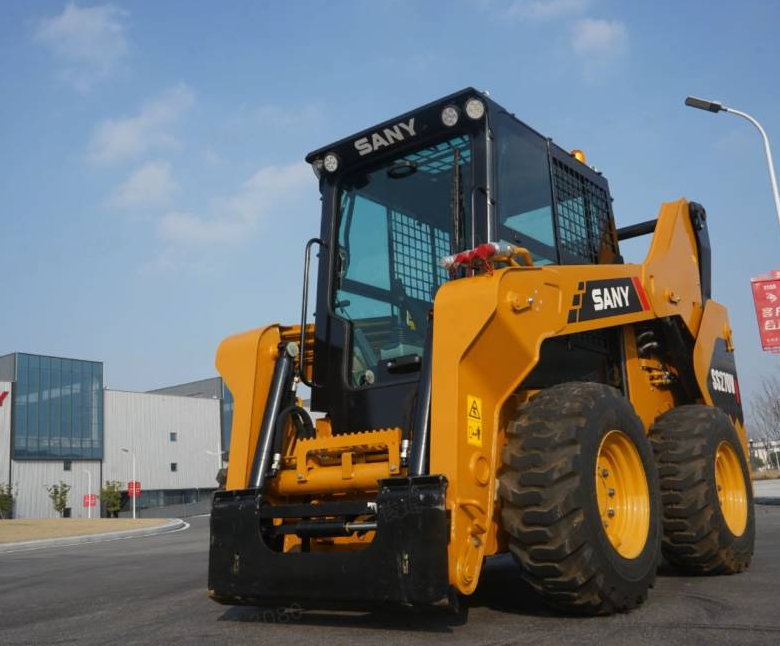
Locate the ROC from the machine’s manual or nameplate. This represents the maximum safe lift weight, including material and attachments. Do not use tipping load for routine calculations, as ROC already includes safety margins. For example, mid-size skid loaders such as the SANY Skid steer loader provide clear ROC specifications, making this step straightforward.
2. Subtract Attachment Weight
Attachments such as buckets, forks, or grapples reduce the usable lift capacity. Check the manufacturer’s specs or weigh the attachment.
Formula: Usable Lift Capacity = ROC − Attachment Weight
3. Estimate or Weigh Material Load
Direct weighing: Use a scale for precise loads (e.g., pallets, bags).
By volume: For loose materials (gravel, soil), multiply bucket volume × material density.
Example: Gravel ≈ 1.3 t/cu yd
4. Apply a Safety Buffer
Keep material weight at 80–90% of the usable lift capacity to account for uneven terrain, dynamic movement, or estimation errors.
Example (SANY Skid Loader)
Operating Weight: 4–5 t
Engine Power: 50–65 kW
Rated Load (ROC): 1–1.5 t
Usable Lift Capacity: ROC − Attachment Weight
Safe Material Load: ~80–90% of usable capacity
Conclusion
Knowing your skid loader lift capacity is crucial for safe and efficient operations. Understanding what is tipping load on skid steer helps prevent overloading and maintain stability. By considering ROC, attachments, and terrain, operators can handle material safely while optimizing productivity.
FAQs
Can a Skid Steer Lift 2000 Lbs?
Yes, many medium and large frame skid steers can lift 2,000 lbs or more, depending on their Rated Operating Capacity (ROC). Always check the machine’s specifications and account for attachments to ensure safe operation.
What Is The 70/30 Rule Skid Steer?
The 70/30 rule is a guideline for load distribution, suggesting that roughly 70% of the material weight should be placed close to the bucket, with no more than 30% at the outer edge. This helps maintain stability and reduce tipping risk.
How Do Attachments Affect Skid Steer Lift Capacity?
Attachments such as buckets, forks, or grapples add weight and can reduce the usable lift capacity. Always account for the attachment’s weight when calculating material loads to maintain stability and prevent overloading.
What Are Common Safety Tips When Lifting Heavy Loads?
Keep loads within the Rated Operating Capacity (ROC), distribute weight evenly, and avoid sudden movements or sharp turns. Using proper load handling techniques ensures operator safety and prevents tipping.
What Maintenance Practices Keep Lift Capacity Consistent?
Regularly inspect and service hydraulic systems, check for wear on lift arms and cylinders, and ensure tires or tracks are in good condition. Proper maintenance preserves lift performance and overall machine stability.
Featured Products
Recommend Blogs
Tractor vs Skid Loader: Differences and Selection Guide
This article explains tractor vs skid loader differences, covering their functions, key features, and tips to help you choose the right equipment.

A Comprehensive Analysis of Skid Steer vs Track Loader: From Basics to Practical Advice
This article discusses the definitions, uses, differences, and applicable operating scenarios of skid steer vs track loader to help practitioners choose appropriate equipment.
Skid Loader Weight Classification, Influencing Factors & Selection Guide
This article analyzes the importance, core indicators, model classifications, influencing factors and selection methods of skid loader weight, providing a reference for practitioners.