Sit Down Forklift: Features, Uses & Operation Guide
This article focuses on sit down forklifts, introducing their features, uses, operation guidelines, and maintenance recommendations.
In warehousing and logistics, port freight, and industrial production, forklift trucks often play a crucial role, serving as indispensable specialized equipment for loading, unloading, handling, and stacking goods. Among them, sit down forklifts, with their comfortable operating experience, superior load-bearing capacity, and wide adaptability, have become a tool for many companies to improve operational efficiency. This article will guide you through the definition, features, uses, and differences between sit down forklifts and upright forklifts, and provide operating guidelines and maintenance suggestions to help operators use the equipment safely and efficiently.
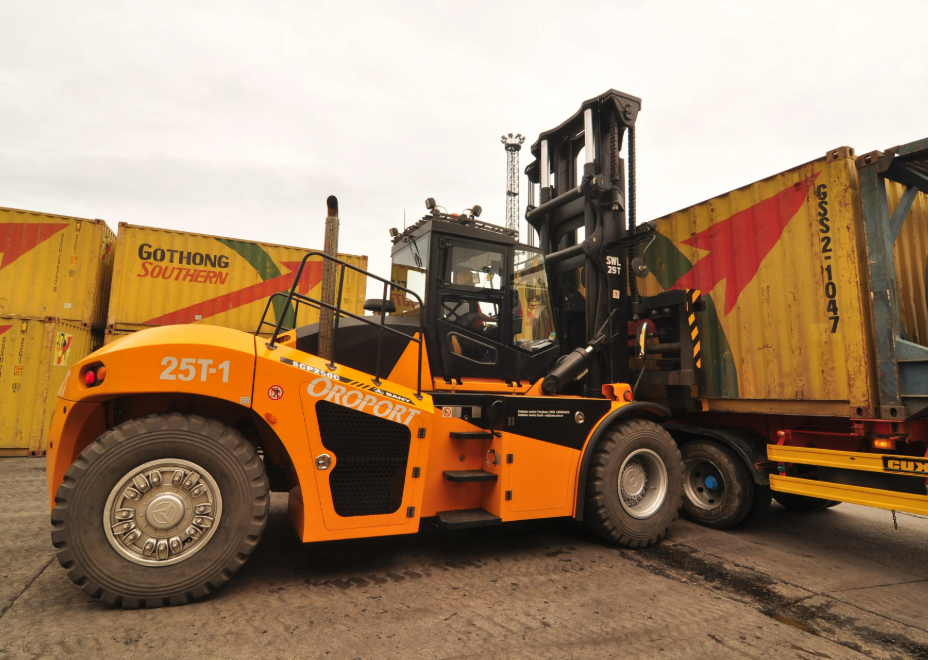
What Is a Forklift Sit Down?
A seated forklift is an industrial vehicle where the operator sits in a dedicated cab throughout the entire operation. They are equipped with a seat, steering wheel, control handles, and other driving devices, and are one of the most widely used types of forklifts.
Features of a Sit Down Forklift
1. User-friendly operation
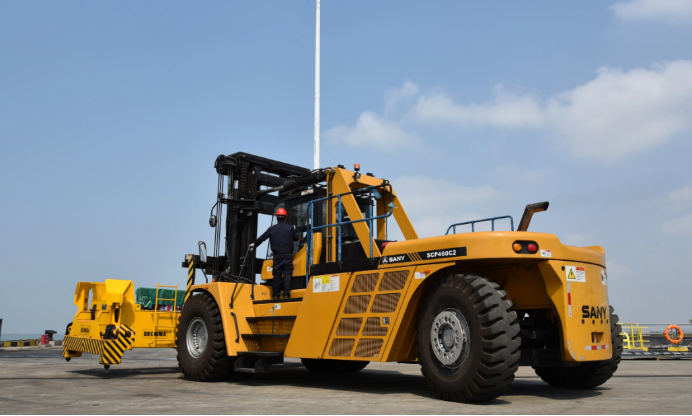
Equipped with a seat and a closed/semi-closed cab, reducing fatigue during long working hours; a relatively wide field of vision facilitates observation of goods and the surrounding environment. For example, the SANY Forklift Truck is designed with the operator in mind, taking full consideration of the working environment, and the layout of the control devices is also very reasonable, which helps to reduce operator fatigue.
2. High load capacity
Standard models have a load capacity range of 1-10 tons, with some heavy-duty models reaching tens of tons. It can be equipped with various attachments, such as forks, clamps, and swivels, adaptable to various types of goods.
3. High operational efficiency
Sit down forklifts feature high travel and lifting speeds, suitable for high-frequency, long-distance materials transfer. Furthermore, the forklift's design allows for flexible operation in confined spaces, making it suitable for high-level operations and complex warehouse environments.
Uses of Forklift Sit Down
1. Cargo Loading and Unloading
In ports and docks, it can unload boxed or palletized cargo from containers to the yard, or load yard cargo into containers and trucks. In logistics parks and freight stations, it can quickly complete loading and unloading operations between trucks and warehouses.
2. Cargo Handling
Suitable for medium- to long-distance, high-frequency cargo transfer. For example, in factory workshops, it handles the transfer of raw materials, semi-finished products, and finished products along the production line; in large warehouses and distribution centers, it is responsible for the transfer of goods between different storage locations and areas.
3. High-Level Stacking
In automated warehouses, intelligent warehousing centers, and supermarket distribution centers, it can stack goods on high-level racks, maximizing the use of vertical warehouse space and facilitating subsequent order picking and replenishment.
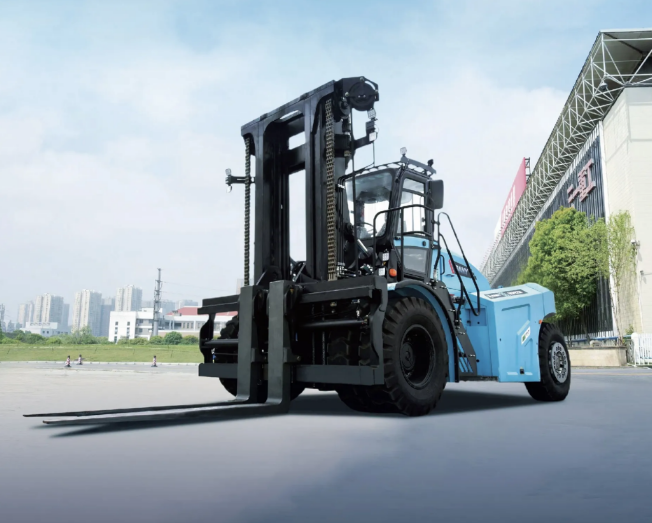
Differences Between Sit Down Forklifts and Stand Up Forklifts
1. Operating Posture
Sit down forklifts: Equipped with a full cab, the operator operates the forklift while seated in a fixed chair.
Stand up forklifts: The operator operates standing on non-slip footrests; there is no independent seat, only simple handrails or back supports.
2. Load Capacity and Efficiency
Sit down forklifts: Standard capacity 1-10 tons, some heavy-duty models can reach tens of tons. They have faster travel and lifting speeds, but loading and unloading take longer, suitable for long-distance, efficient transport.
Stand up forklifts: Prioritize flexibility over heavy loads. They have slower travel and moderate lifting speeds. The open design allows operators to quickly load and unload, suitable for short, precise operations.
3. Operating Environment
Sit down forklifts: Suitable for open, long-distance, long-duration operations, such as ports, docks, and factory workshops.
Stand up forklifts: More suitable for confined, short-distance, high-frequency loading and unloading operations, such as small to medium-sized warehouses, retail sorting areas, and short-distance transfers.
4. User Experience
Sit down forklifts: Features such as seats, shock absorption, and air conditioning reduce fatigue during long periods of work, making them suitable for continuous work of 4 hours or more. However, prolonged sitting may lead to lower back discomfort.
Stand up forklifts: Flexible for short periods of work, but continuous standing can cause leg and lower back fatigue. They are more suitable for intermittent work and frequent rest periods.
How to Operate a Forklift Sit Down
Before starting: Safety checks
1. Confirm the forks are free of deformation and cracks, tire pressure is normal, and check the sealing of the mast tilt cylinder and lifting cylinder.
2. Adjust the seat's fore-and-aft position and backrest angle, and confirm that the cab guardrails or doors are securely closed.
3. Fasten your seatbelt to prevent injury in case of rollover or sudden stopping.
4. Remove obstructions from the aisle, be aware of pedestrians, and ensure the path is clear and well-lit.
Forklift Sit Down Operation Procedures
1. Start the Forklift
Ignition: Insert the key and turn it to the "Start" position. Wait 10-15 seconds to allow the hydraulic and electrical systems to warm up, especially in low-temperature environments.
Instrument Check: Observe the instrument panel to ensure no warning lights are illuminated, confirming the forklift is in normal working condition.
2. Adjust the Forks
Raise the Forks: Using the hydraulic control lever, raise the forks to 2-4 inches off the ground to prevent them from scraping the ground or getting stuck on uneven surfaces during movement.
Stabilize the Load: After placing the load on the forks, gently tilt the mast backward to prevent the load from slipping or tilting forward. This is especially suitable for improving the overall stability of the forklift when handling heavy loads.
Attachment Operation: When operating a sit down counterbalance forklift with additional attachments such as clamps, extra caution is required to avoid damage caused by the attachments colliding with the load.
3. Forward and Reverse Operation
Basic Preparation: First, firmly depress the brake pedal to prevent the vehicle from slipping during operation.
Changing Direction: Move the steering lever to the "Forward" or "Reverse" position.
Releasing Brake and Starting: Slowly release the handbrake, gently press the accelerator pedal with your right foot, and gradually increase the vehicle speed.
4. Steering Operation
Steering Principle: Seated forklifts steer via the rear wheels, offering greater maneuverability, but the rear of the vehicle will swing outwards when turning, requiring sufficient clearance.
Turning Procedure: Wait until the rear of the forks has completely passed the corner of the curve before turning the steering wheel to avoid collisions between the forks or the side of the fork and the rack, walls, or other obstacles. When operating in confined spaces, you must reduce speed, steer slowly, and make repeated minor adjustments to ensure safe passage.
5. Using the Deceleration Pedal (if equipped)
Some seated forklifts are equipped with a deceleration pedal to the left of the accelerator. Its core function is to maintain high engine speed while allowing for slow, precise movement of the vehicle. This function is very useful when aligning the forks or carefully approaching goods.
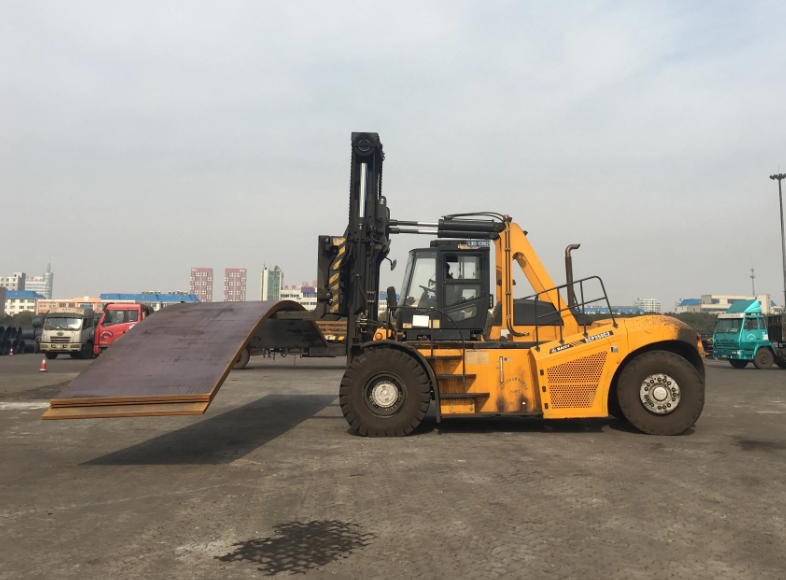
Maintenance of Seated Forklifts
Regular maintenance helps ensure equipment performance, extend its service life, and mitigate operational safety risks.
Post-Shutdown Inspections:
1. Critical Structure Inspection: Carefully inspect the forks, mast chain, and rollers to ensure there are no cracks, bends, or excessive wear.
2. Tire Condition Confirmation: Check that the tire pressure meets the equipment's specifications to ensure normal grip during operation and reduce the risk of steering drift.
3. Fluid Level Check: Check the levels of critical fluids in the forklift, such as fuel, hydraulic fluid, and brake fluid, to ensure they are within the specified range.
4. Safety Equipment Testing: Confirm that safety devices are undamaged and functioning properly. For example, check that the seatbelt buckles are secure and that the parking brake lever effectively locks the wheels.
5. Leakage Check: Inspect the underside of the forklift and critical connections to confirm there are no signs of fuel, hydraulic fluid, or engine oil leaks.
Post-Engine Start Checks
1. Instrument Function Check: Observe the instrument panel to ensure all indicator lights and gauges are working properly and there are no abnormal alarm prompts.
2. Steering System Test: Slowly turn the steering wheel to feel if the steering is smooth and without sticking, and whether the steering response is sensitive.
3. Braking Performance Confirmation: Lightly press the brake pedal to check if the braking effect is reliable, and confirm that there is no residual resistance after releasing the parking brake.
4. Warning and Lighting Test: Press the horn to confirm that the sound is clearly audible; turn on the front and rear lights and turn signals to check if the lights illuminate normally without flickering or going out.
5. Hydraulic System Verification: Operate the fork lifting and mast tilting using the hydraulic control lever to confirm that the hydraulic action is smooth and without sticking, and the lifting speed is uniform.
6. Abnormal Noise Troubleshooting: Listen to the engine and hydraulic pump operation to confirm that there are no sharp abnormal noises. If there is abnormal noise, stop the machine for inspection to prevent the fault from escalating.
Conclusion
In summary, the sit down forklift is an important material handling device in the industrial field. Thanks to its user-friendly operation, excellent load capacity, and efficient operation, it has significant advantages in scenarios such as long-distance transfers and high-level stacking.
FAQs
Who Uses a Sit Down Forklift?
Sit-down forklifts are primarily used for loading, unloading, handling, and stacking goods. They are suitable for warehouses and distribution centers, especially in situations requiring long-distance material transport. In addition, sit-down forklifts are adaptable to various scenarios, such as transferring raw materials and finished products in factory workshops and short-haul container cargo at port terminals. Some models with specialized attachments can also be used for handling refrigerated goods in cold chain warehouses and transporting sheet metal in building material plants.
Should I Choose a Seated Forklift or a Stand-Up Forklift?
For medium to long-distance transport, high load capacity, and continuous operation, a seated forklift is more comfortable and efficient. For confined working spaces, short-distance transport, and frequent loading and unloading, a stand-up forklift offers greater flexibility. Additionally, seated forklifts are suitable for outdoor or open areas, while stand-up forklifts are better suited for low-ceilinged, confined indoor environments.
Should I Rent or Buy a Forklift?
For short-term use with a limited budget, or if you need to frequently change forklifts depending on the work scenario, renting is recommended to save on purchase and maintenance costs. For long-term, stable use with high frequency of operations and a dedicated maintenance team, purchasing is preferable as it will result in lower long-term costs. Additionally, if the work environment is specialized and requires custom attachments, purchasing a forklift will be more suitable.
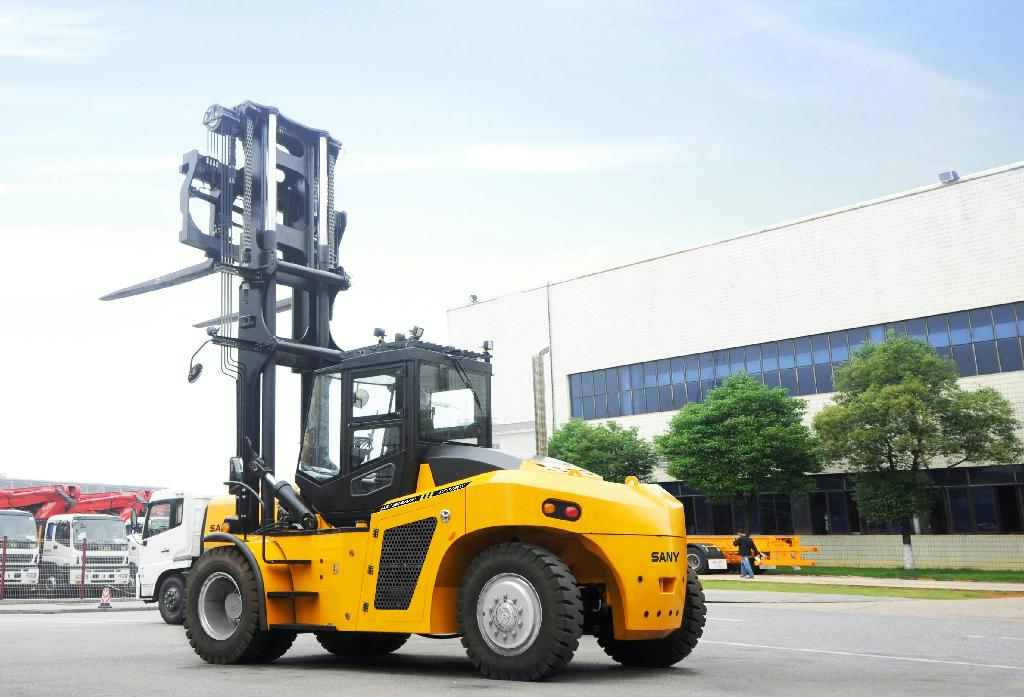
Featured Products
Recommend Blogs
A Complete Guide to Forklift Mast In 2026
Master all about forklift mast: definition, components, types, and how to choose the right mast for your work scenario by key parameters.
Forklift Truck Height Parameters Explained: Definitions, Selection & Calculations
This paper details the core parameters and calculation methods of forklift truck height, providing guidance for forklift selection and safe operations.
Fork Truck vs Forklift: A Must-Read for Equipment Selection
This guide offers a detailed analysis of fork truck vs forklift, helping you understand their differences to make the right selection.