How to Efficiently Complete Paver Patio Installation? A Practical Guide
This article provides a detailed overview of the steps, common mistakes, and DIY tips for paver patio installation, along with some maintenance recommendations.
Paver stones are known for their aesthetic appeal, durability, diverse styles, easy maintenance, and strong adaptability, and are often used in patio, driveway, and walkway paving. Compared to paver driveway installation and paver walkway installation, paver patio installation is relatively simpler compared to driveways and walkways, making it a popular DIY project for many enthusiasts. This article will provide a detailed explanation of the steps involved in paver patio installation and common mistakes to help those interested in completing their paver patio installation more efficiently.
Detailed Steps for Paver Patio Installation
Planning and Excavation
1. Marking and Leveling: Use stakes and string to mark the patio area. The patio must slope away from the house for drainage, so plan an appropriate grade—about 1 inch of fall per 4 feet. (A level can be used to check the slope.)
2. Excavation: Dig to the required total depth to accommodate the base layer (about 4 inches for standard residential patios), sand layer (1 inch), and paver thickness (about 1 inch). Remove sod and tree roots.
3. Compaction: Smooth the soil with a shovel and wooden boards, then compact the soil using a tamper.
Installing the Base and Sand Bed
1. Laying the Base Material: Transport the base material to the patio area, spread it with a shovel and rake, screed it level with a board, and compact thoroughly.
2. Laying the Sand Bed: Spread a layer of coarse sand over the base material and screed it level.
Installing Pavers and Edging
1. Laying Pavers: Start from the edge and place pavers tightly together (or with small joints). Check for levelness and alignment. Adjust as needed by adding sand under the pavers or tapping gently with a rubber mallet.
2. Cutting Pavers: Use a circular saw with a concrete blade to cut pavers as needed to fit edges or patterns.
3. Installing Edge Restraints: Install plastic edging or paver restraints around the perimeter and secure with spikes approximately every foot.
Final Compaction and Finishing
1. Filling with Polymeric Sand: Sweep polymeric sand or regular sand into the joints with a stiff-bristle broom until full, then compact the pavers again.
2. Cleaning Excess Sand: Blow off excess sand with a leaf blower, paying close attention to paver textures and joints to ensure no polymeric sand or dust residue remains.
Common Mistakes to Avoid During Paver Patio Installation?
Even with detailed instructions on paver patio installation, many people still encounter various problems during the actual process due to a lack of experience. Below is a summary of common mistakes in paver patio installation; reviewing these before starting the project can help avoid these problems.
Base and Foundation Errors
1. Insufficient excavation / base too shallow: Not digging deep enough or having a thin base can lead to settling.
2. Skipping compaction: Failing to compact the base in layers results in instability; use a plate compactor for thorough compaction.
3. Using the wrong materials: Substituting dirt for gravel or mixing soil into the base weakens the structure.
Drainage and Slope Issues
Ignoring slope: The patio must have a slight slope away from the house to ensure proper drainage and prevent water pooling and erosion.
Paving and Brick Installation Errors
1. No edge restraints: Without a border, pavers will shift outward; use sturdy edge restraints with ground spikes.
2. Improper bedding sand: A sand layer that is too thick or uneven causes paver movement; screed it to a consistent 1-inch depth.
3. Pavers set too tightly: Pavers need space for joint sand and shouldn’t be squeezed together. Overly tight placement can cause cracking and edge friction; proper spacing keeps each paver securely locked in place.
4. Inadequate final compaction: Skipping final compaction after jointing leads to loose pavers and uneven settling.
Other Common Mistakes
1. Mixing different batches of pavers: Colors can vary between pallets, so mixing them may create noticeable color differences.
2. Poor cutting quality: Inaccurate cuts affect the overall appearance and how well pieces fit together.
Factors to Consider When Choosing to DIY Your Paver Patio Project
As can be seen from the above, while Paver walkway installation can be a DIY project, it does require considerable time and effort in planning, purchasing materials, and construction, and also demands certain skills during the actual process. Therefore, before deciding to lay a paver patio yourself, you need to consider the following factors to ensure the success of the project.
Project Scope and Site Conditions
1. Time commitment: A DIY project requires a lot of time. From excavating the area to removing trees if necessary, it can quickly turn into a full‑time job, so you must set aside sufficient time.
2. Physical demands: The work involves extensive digging, carrying materials, and compacting, which is very physically demanding. Before you start, make sure you have enough stamina to complete the project.
3. Site conditions: Evaluate the soil, drainage needs, and whether existing features such as trees or old concrete need to be removed.
Design and Materials
1. Design plan: A clear design plan is essential before starting any construction. You should consider not only the ideal size, shape, and layout of the patio but also any existing structures or landscape elements that might affect the project.
2. Paver selection: To ensure the patio is both functional and attractive, choose materials (concrete, natural stone, brick) based on your budget, style preferences (modern, rustic), and durability requirements.
3. Tools and materials: Your budget should include pavers, sand, gravel, edge restraints, geotextile fabric, and rental tools such as a compactor, plate tamper, and brick cutter. Calculate and prepare these tools in advance.
Skills and Cost
1. Skill level: Assess your proficiency in leveling, cutting pavers, operating machinery, and troubleshooting to ensure you can complete the installation properly.
2. Hidden costs: Consider material waste, tool rentals, and potential mistakes that may cost more to fix later on.
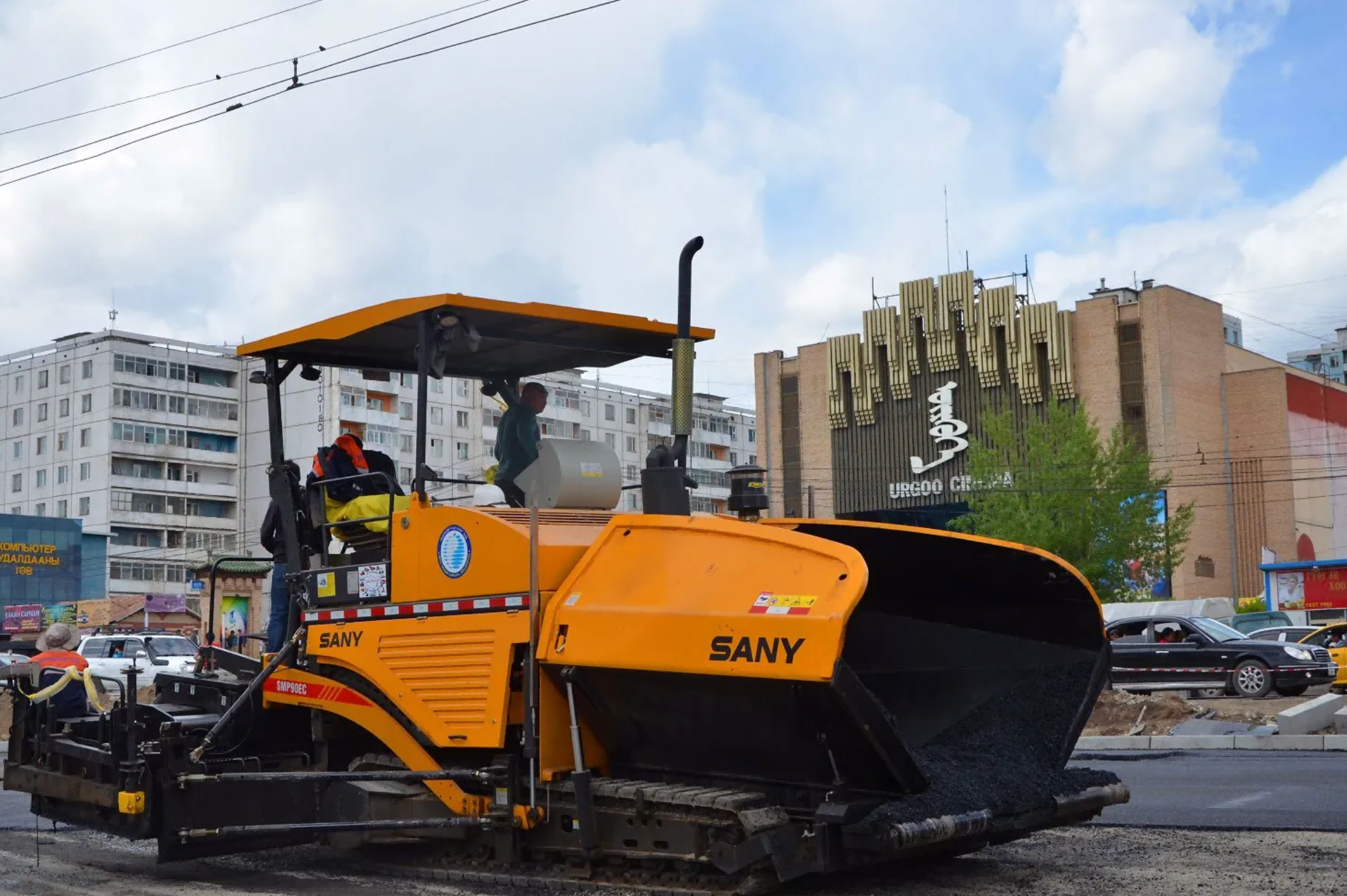
It's important to note that DIY is not recommended for some large and complex projects. These projects often require specialized tools and equipment, and the installation techniques are quite demanding, making failure or unsatisfactory results likely. The same applies to paver driveway installation and paver walkway installation, especially large paver driveways, which may require equipment such as a multifunction paver or asphalt paver. These projects are quite challenging, so it's safer to seek professional help.
Key Points for Paver Patio Maintenance
Whether you install a paver patio yourself or hire professionals, maintenance is crucial after the installation is complete. Following these maintenance tips will help preserve the beauty of your paver patio and extend its lifespan.
Regular Cleaning and Weed Control
1. Weekly sweeping: Regularly remove leaves, dirt, and debris with a broom to prevent buildup and staining.
2. Rinsing and deep cleaning: Rinse the patio with a hose weekly, and perform a deeper clean every few months using clean water and a small amount of mild dish soap. If using a pressure washer, be sure to use a low‑pressure setting.
3. Weed and moss control: Pull small weeds by hand; for larger areas, use a weed killer suitable for pavers. Address moss promptly before it spreads, as it can create slipping hazards and cause discoloration.
Stain and Damage Repair
1. Spot cleaning: Treat stains immediately using a stiff brush with a neutral or specialized cleaner. Avoid harsh chemicals that may damage the surface.
2. Repair damage: Regularly check for cracked or loose pavers and fix them promptly. Small issues can worsen over time and lead to more extensive, costly repairs.
Joint Sand and Sealing
1. Re‑sanding: After cleaning, sweep polymeric sand back into the joints to stabilize pavers and prevent weeds. Lightly mist the sand with water to activate and set it properly.
2. Regular sealing: Apply a paver‑specific sealer every 2–3 years to enhance stain resistance and weather protection. Choose a product designed specifically for pavers.
Avoid These Practices
1. Harsh chemicals: Avoid strong, corrosive chemicals that can fade colors, wear away surfaces, or damage the pavers.
2. Excessive pressure washing: High‑pressure cleaning can strip paver surfaces, wash out joint sand, and weaken the overall structure of the patio.
Conclusion
In summary, the success of paver patio installation depends on adhering to proper procedures and avoiding common mistakes during construction, as well as on scientific maintenance and care afterward. Whether it's a DIY project or professional installation, only by combining "construction precision" and "diligent maintenance" can a paver patio maintain its aesthetic appeal and durability, truly becoming a high-quality space in the garden that is both practical and valuable.
FAQs
How Much Does it Cost to Install a 20x20 Paver Patio?
There is no fixed answer to this question, as the price of paver patio installation is influenced by many factors. For example, using concrete pavers is relatively inexpensive, followed by brick pavers. Using bluestone or slate will result in a higher price. Similarly, more complex designs, such as curved edges and intricate patterns, will cost more than simpler designs. Before installation, it's advisable to research the average cost of different materials and plan and estimate the cost of each stage of the project.
What is the Best Base to Put Under Pavers?
The best base for paving stones is a multi-layered structure, typically using compacted crushed stone as the main foundation to provide stability and drainage, followed by approximately 1 inch of concrete sand (bedding layer) to adjust and secure the height of the paving stones. For driveways or high-load areas, a thicker layer of crushed stone is required. For patios, this standard "crushed stone + sand" method is sufficiently durable and effectively prevents settling and shifting.
Do Paver Patios Add Value to Home?
Yes, a paved patio can significantly increase a home's value: it enhances curb appeal, creates an ideal outdoor living space, and offers a high return on investment. Reports show that it can yield a strong return on investment and increase the property's marketability, as buyers often view a patio as an extension of the home's functional living space.
Featured Products


Recommend Blogs

Bitumen Paver Machines: A Complete Guide to Smooth Road Construction
This article provides a comprehensive understanding of bitumen paver machines, covering basic knowledge to cutting-edge technologies.
2026 Asphalt Paver Company: Business, Processes & Selection Guide
How to choose an Asphalt Paver Company? This article analyzes core services, construction processes, shares selection tips, helps control project quality.
Quick Selection Guide: Detailed Explanation of Paver Mean
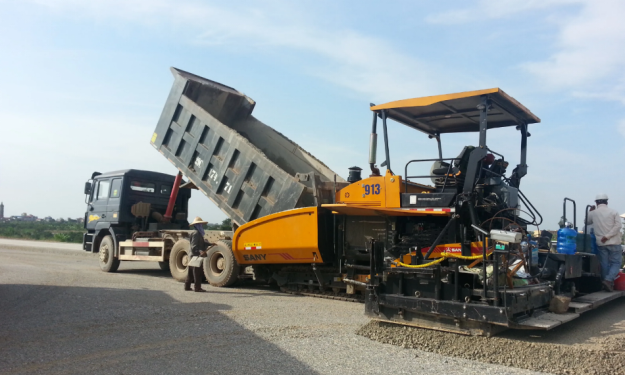
This guide will help you fully understand what a paver mean is, so that you can make informed decisions and select suitable equipment for your road-paving project.