Quick Selection Guide: Detailed Explanation of Paver Mean
This guide will help you fully understand what a paver mean is, so that you can make informed decisions and select suitable equipment for your road-paving project.
The paver serves as the core equipment in modern road paving operations, integrating the functions of uniform material distribution, initial compaction, and fine leveling. It directly transforms hot mix asphalt into a smooth and dense pavement layer. Mastering the working principle of the paver, following standard operational procedures, and knowing how to select the appropriate model based on project requirements are crucial for ensuring construction efficiency, controlling project quality, and achieving long-lasting pavement. This guide explores these aspects to help you gain an in-depth understanding of what paver means.
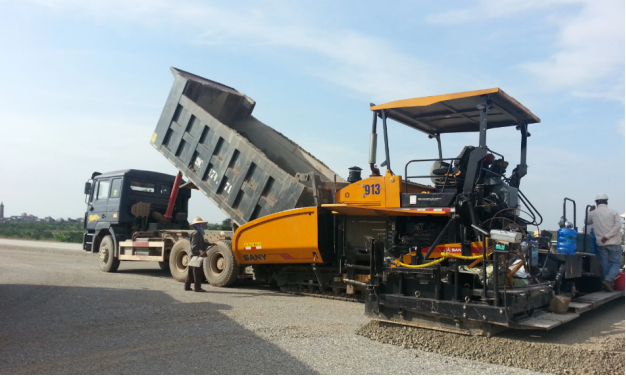
What Does“Paver”Mean in Road Construction?
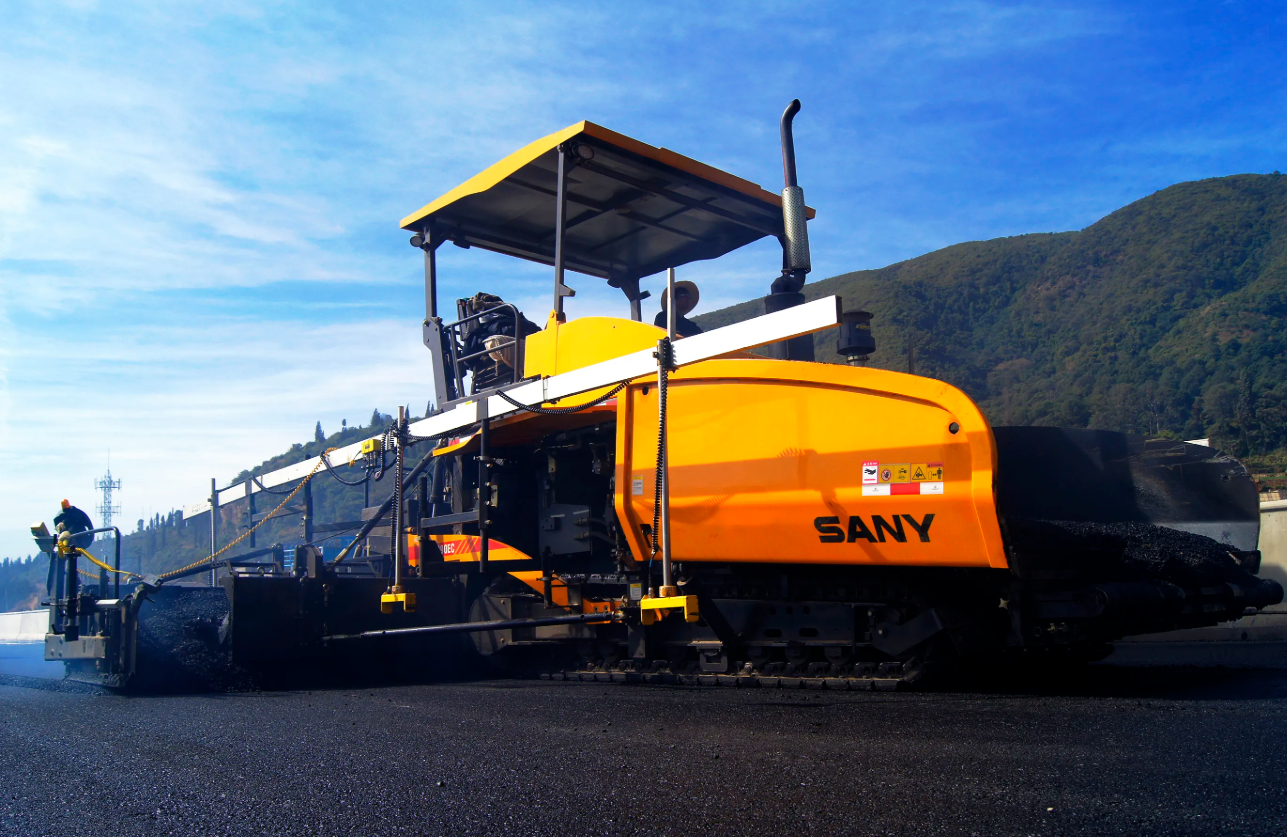
In road construction, paver meaning specifically refers to the asphalt paver. It is a self-propelled engineering machine whose core function is to receive, transport, and continuously spread hot mix asphalt evenly onto the road base, forming a level material layer of specified thickness and width.
It is not merely a simple "dumping" device, but a high-tech machine equipped with precise control systems to ensure the pavement meets initial leveling and pre-compaction requirements. The paver serves as the first critical step in constructing high-quality, long-lasting road surfaces.
Key Components of an Asphalt Paver
The efficient operation of Asphalt Paver depends on the coordination of its various core components. Understanding these components is crucial to fully grasp the paver mean. The main key components and their functions are as follows:
1.Hopper
Located at the front of the machine, the hopper receives asphalt mixture from dump trucks.
2.Scraper Conveying System
Consisting of a scraper chain and a drive device, installed at the bottom of the hopper, this system evenly conveys the asphalt mixture from the hopper to the distribution system in the middle of the machine body.
3.Spiral Distributor
Installed horizontally in the middle of the machine body, the spiral distributor evenly distributes the mixture delivered by the scraper to both sides through left and right spiral blades, ensuring uniform material distribution within the paving width. The distribution width can be adjusted according to construction requirements.
4.Vibrating Beam
Located behind the spiral distributor, it performs preliminary compaction of the asphalt mixture through high-frequency vibration, removes bubbles inside the material, and improves the initial density.
5.Screed
The core component of the paver, installed at the rear of the machine, is divided into mechanical screeds and hydraulic retractable screeds, which allow flexible width adjustment. Using its own weight and heating devices (electric or gas heating), the screed smooths the vibrated mixture, ensuring the road surface smoothness while further improving density.
6.Travel System
A crawler or tire design is mostly adopted. Crawlers are suitable for complex roadbed (such as soft ground), while tires are suitable for hardened roadbed. The system is hydraulically driven to maintain uniform travel speed, which is matched with paving thickness and material supply speed to avoid segregation or faults.
7.Control System
Includes an operating console, display screen and sensors, which can adjust the paving speed, vibration frequency, screed height and temperature in real time. Some intelligent models support Beidou positioning or laser leveling for high-precision automatic paving.
How an Asphalt Paver Works: Step-by-Step
The workflow of an Asphalt Paver revolves around "feeding - laying - vibrating - ironing - forming". The specific steps are as follows:
1.Preliminary Preparation
Before construction, check whether the hopper, scraper, and auger are clean (to prevent residual old material from affecting the quality of the new asphalt). Start the screed heating system and raise the temperature to 100-120°C to match the temperature of the asphalt mixture, preventing material adhesion). At the same time, set the paving thickness and slope through the leveling system.
2.Material Receiving and Conveying
The material transport truck pours the hot asphalt mixture into the paver hopper. The scraper conveying system conveys the mixture to the middle of the machine at a constant speed, ensuring that the material level in the hopper is always maintained at 1/3-2/3 (to avoid material breakage and paving faults).
3.Horizontal Distribution
The spiral distributor rotates clockwise and counterclockwise simultaneously to distribute the mixture evenly to both sides within the paving width. The distribution speed is linked to the scraper conveying speed to ensure that the thickness of the material at the edge and in the middle is consistent, reducing segregation.
4.Vibration Compaction
The mixture enters the bottom of the vibrating beam. The high-frequency vibrating beam removes air voids in the material through up-and-down vibration, making the mixture initially dense and preventing material segregation (large particles sinking and small particles floating), laying the foundation for subsequent smoothing.
5.Ironing and Shaping
The vibrated mixture is conveyed to the underside of the screed. Driven by the traveling system, the screed moves forward at a constant speed. It levels the pavement using its own weight and heating function, while further compacting the mixture to form a smooth and continuous asphalt base course.
6.Subsequent Connection
The paver operates continuously and coordinates with subsequent rollers (including steel wheel rollers and rubber tire rollers). The rollers perform final compaction on the newly paved asphalt pavement to ensure the pavement’s strength and durability.
Different Types of Asphalt Pavers
According to the traveling mode and application scenario, pavers are mainly divided into two categories:
1.Tracked Pavers
- Advantages: Equipped with crawler tracks as the traveling system, they feature a large ground contact area, strong adhesion, and excellent stability. They are particularly suitable for working on soft foundations or uneven base layers, delivering superior pavement smoothness.
- Applications: Large-scale projects such as high-standard arterial roads, highways, and airport runways.
2.Wheeled Pavers
- Advantages: Using tires as the traveling system, they offer high mobility and flexibility, along with fast repositioning speeds, enabling quick transfers between job sites.
- Applications: Urban roads, repair projects, and small to medium-sized projects requiring frequent relocation.
Additionally, pavers can also be categorized into standard pavers and specialized wide-width pavers based on paving width.
If you are considering investing in high-performance paver, equipment under the SANY brand is an excellent choice. Known for outstanding paving performance and ease of maintenance, they are reliable partners for road construction projects.
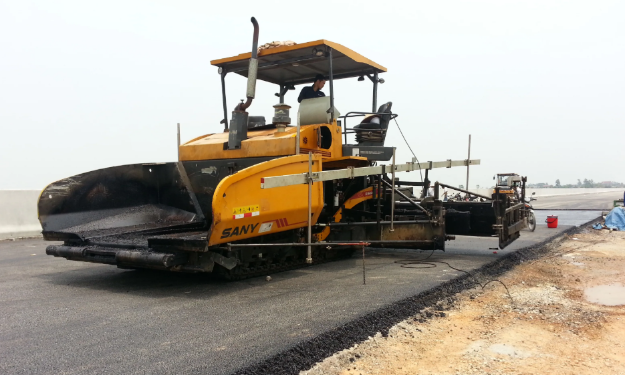
Common Use Cases of Pavers
Pavers are used in all types of asphalt pavement construction. Their core application scenarios include:
1.Highway and Urban Arterial Road Construction
Large-tracked hydraulic extendable pavers are employed, integrated with intelligent leveling systems, to achieve long-distance, wide-width, and continuous high-standard paving.
2.Urban Road Rehabilitation
Wheeled hydraulic extendable pavers are utilized, leveraging their maneuverability to operate in narrow urban sections (such as old town streets) or multi-intersection areas. They enable rapid adjustment of paving widths, minimizing traffic disruption.
3.Airport Runway and Apron Construction
High-precision intelligent pavers (equipped with 3D leveling systems) are adopted to strictly control paving thickness and surface smoothness. Simultaneously, high-frequency vibrating beams enhance compaction, ensuring the runway can withstand high aircraft loads.
4.Parking Lot and Residential Road Construction
Small fixed-width pavers are used, offering lower costs and ease of operation. They are well-suited for parking lots (small paving areas, multiple turns) and residential roads (narrow widths, short construction cycles), enabling rapid completion of asphalt surface laying and shortened project timelines.
5.Road Maintenance Operations
For repairing potholes and cracks, small wheeled pavers are deployed, combined with hot recycled asphalt (reusing reclaimed materials). This approach enables precise localized paving, reducing maintenance costs and material waste.
Conclusion
What does a paver mean? It serves as the cornerstone of modern road infrastructure construction. Through highly mechanized and automated processes, it transforms asphalt mixture into smooth, dense, and durable pavement layers. The choice between tracked pavers and wheeled pavers depends on specific project scale, subbase conditions, and mobility requirements. Understanding what is a paver, along with its working principles and capabilities, is crucial for project planning, equipment selection, and ultimately ensuring road engineering quality.
FAQs
What Does a Road Paver Do?
A road paver’s main function is to receive the asphalt mixture, spread it evenly and smoothly over the road base and perform initial compaction (pre-compaction). This process creates ideal conditions for the roller's final compaction, ensuring the pavement's smoothness, thickness, and density.
What Is the Difference Between a Road Roller and a Road Paver?
These are two types of equipment with completely different functions that operate in sequential stages:
Paver: Responsible for spreading and initial compaction, forming a smooth, loosely laid layer.
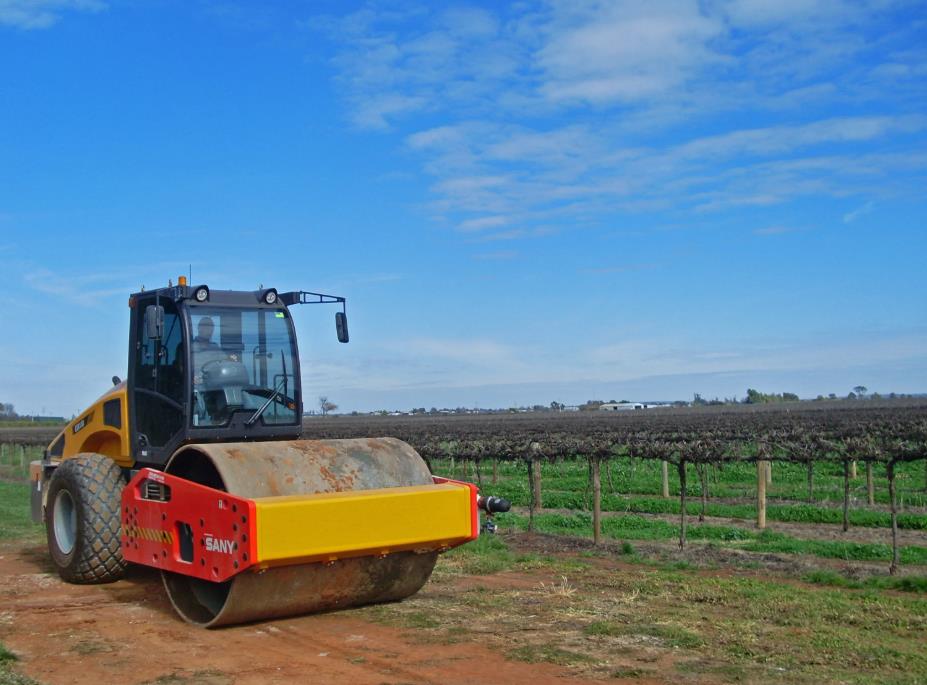
Roller: Handles final compaction, using static pressure and vibration from steel wheels or tires on the paved layer to compact the material to the required density.
What Are Road Pavers Called?
Pavers are referred to called by different names depending on the paving material:
Those that lay asphalt materials are called asphalt pavers, the most common type in road construction.
Those that spread base course materials like stabilized soil (cement-stabilized soil, lime-stabilized soil) are called soil stabilizer pavers, mainly used for road base construction. Both types are collectively referred to as road pavers.
How Does Road Paving Work?
This is a systematic process:
The dump truck unloads hot asphalt material into the paver's hopper.
The paver evenly spreads the material through its internal conveyor system and screw spreader.
The screed performs vibration leveling and pre-compaction.
The roller follows closely behind to carry out the final compaction.
How Deep Can an Asphalt Paver Lay Material?
The paving thickness is adjustable, typically ranging from 1 inch to 12 inches per layer. The specific thickness depends on the engineering design and the capability of the screed. Both excessive thickness and insufficient thickness can compromise pavement quality, so operators must follow technical specifications strictly.
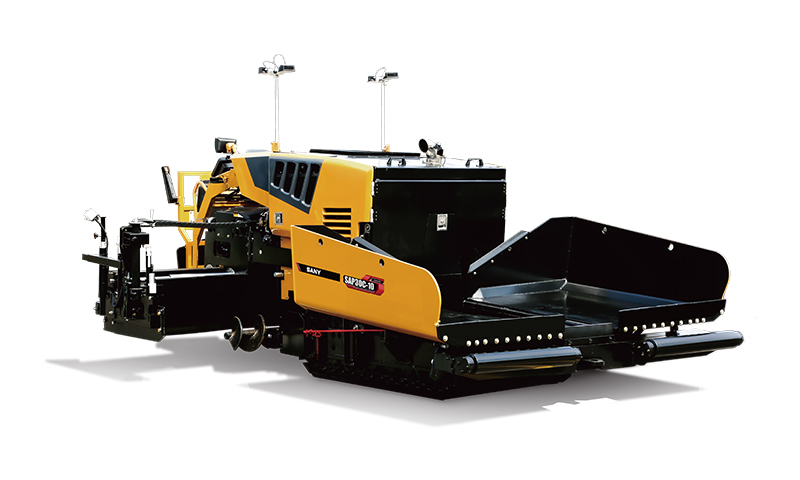
Featured Products
Recommend Blogs
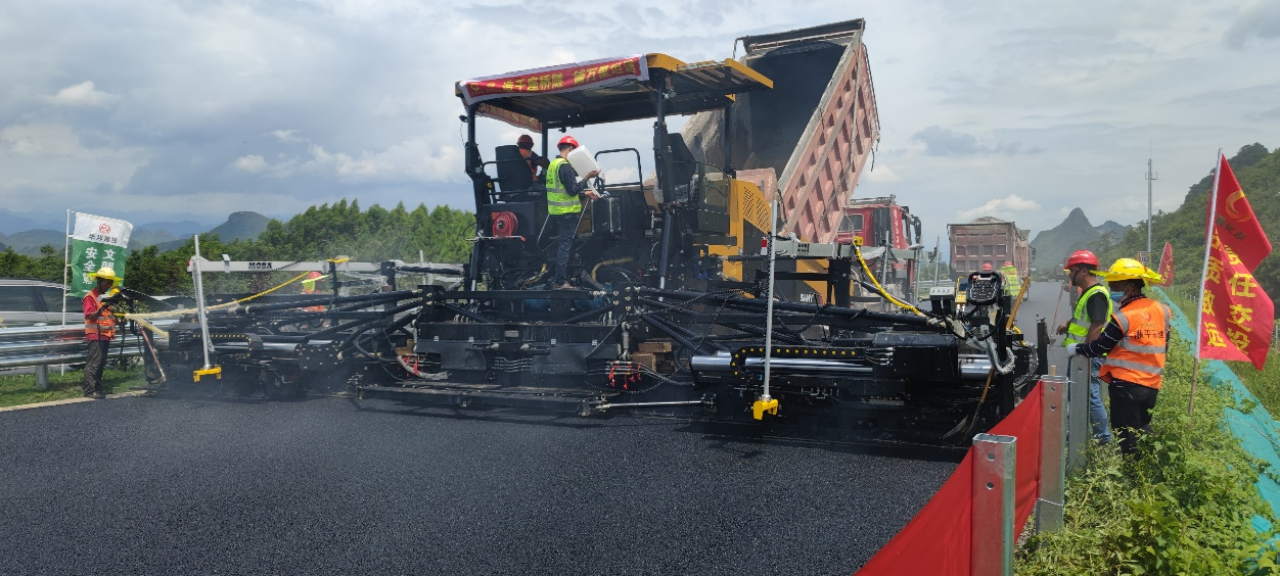
Bitumen Paver Machines: A Complete Guide to Smooth Road Construction
This article provides a comprehensive understanding of bitumen paver machines, covering basic knowledge to cutting-edge technologies.
2026 Asphalt Paver Company: Business, Processes & Selection Guide
How to choose an Asphalt Paver Company? This article analyzes core services, construction processes, shares selection tips, helps control project quality.
Roller Definition Analysis: Types, Common Uses, and a Basic Buying Guide
This article focuses on the roller definition, types, and common uses, and provides a practical buying guide to help you choose the right roller.