How to Read a Crane Load Chart: Key Elements, Interpretation Tips, and FAQs
Detailed guide to crane load charts: definition, five key elements, and a step-by-step walkthrough on how to read a crane load chart. Avoid common mistakes and keep frontline crews safe.
In the safety management system for crane operations, the load chart serves as the core technical framework linking equipment performance with actual operations. It not only visually presents the safety limits for crane operations but also contains key parameters that affect lifting capacity. Every piece of information on the load chart directly relates to operational safety. This article focuses on the core sections of the crane load chart, shares how to read a crane load chart, and addresses common misconceptions, providing frontline operators with accurate and practical technical references.
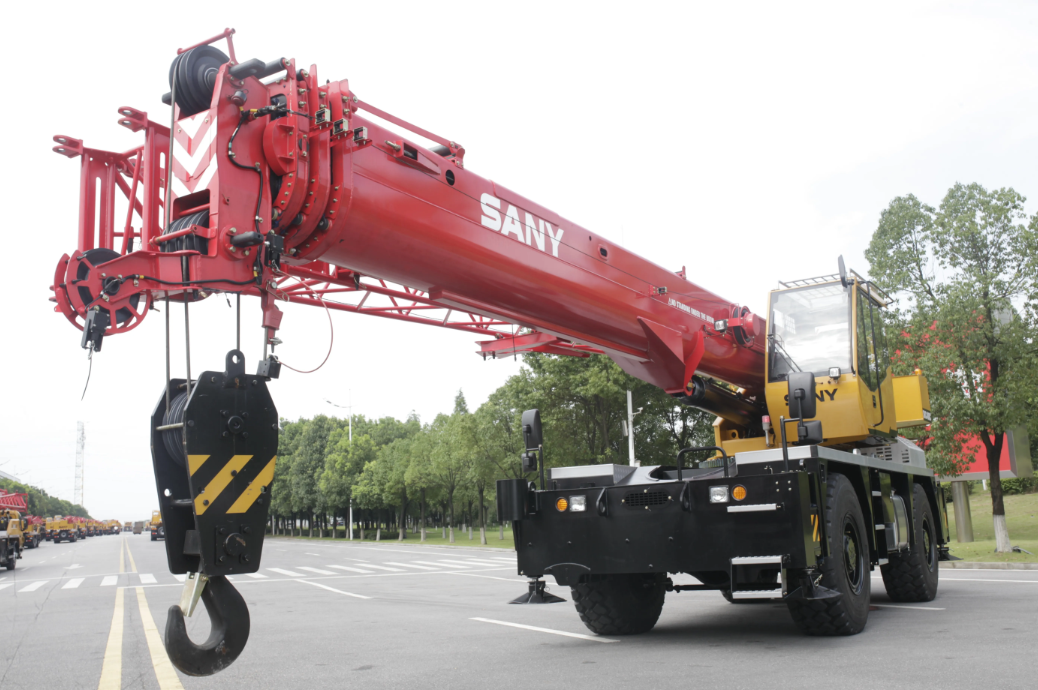
What Is a Crane Load Chart?
A crane load chart is a technical document that visually represents a crane’s maximum safe lifting capacity under different operating conditions. Prepared by the crane manufacturer based on core parameters such as structural strength, hydraulic system performance, and stability design, the load chart serves as the operator’s safety guide for assessing job feasibility and avoiding overload risk.
A load chart is not a single fixed number. Instead, it is a dynamic set of interconnected data that varies with key operating variables such as maximum lifting capacity, lifting radius, boom condition, and counterweight configuration.
Key Elements of a Crane Load Chart
To accurately interpret and use a crane load chart, you must first master the core elements it contains. These elements together form the calculation basis for load limits; ignoring or misjudging any one of them can lead to operational risk. The following are the five most critical elements in a crane load chart:
1. Maximum Lifting Capacity: Varies Dynamically with Boom Length and Angle
Maximum lifting capacity refers to the maximum total weight the crane can safely support under specific operating conditions. The primary factors that determine it are boom length and boom angle, which together decide the moment balance of the load.
Impact of boom length: With boom angle held constant, a shorter boom increases structural rigidity and shortens the torque path, resulting in a higher maximum lifting capacity. Conversely, as boom length increases, flexibility and deformation grow, torque load rises, and maximum lifting capacity falls significantly.
Impact of boom angle: With boom length fixed, a larger boom elevation angle (closer to vertical) reduces the lifting radius, decreases the moment about the slewing center, and yields a higher maximum lifting capacity. A smaller elevation angle (closer to horizontal) increases the lifting radius, raises the moment load, and reduces maximum lifting capacity.
On the load chart, maximum lifting capacity is usually shown on the vertical axis and divided into multiple curves for different boom lengths. Each curve marks the allowable load limits as the boom angle or corresponding lifting radius changes.
2. Lifting Radius: The Horizontal Distance from the Crane Center to the Load
The lifting radius, also called the working radius, is the horizontal distance (in meters) from the crane’s slewing center (or outrigger center) to the hook suspension point. It is a key parameter for calculating load moment and has an inverse relationship with maximum lifting capacity: the larger the lifting radius, the lower the maximum lifting capacity.
In curve-type load charts, the lifting radius is typically the horizontal axis that corresponds to maximum lifting capacity on the vertical axis. In tabular load charts, lifting radius appears as rows while boom lengths form the columns, and each cell gives the maximum capacity for that radius. Operators must obtain the actual lifting radius precisely—using a laser rangefinder or on-site measurement—to identify the correct load data.
3. Boom Extension Limits: Define the Safe Operating Envelope of the Boom
Boom extension limits outline the safe boundaries of boom length and elevation angle shown on the load chart, usually including maximum extension length, minimum elevation angle, and prohibited operation zones. These limits prevent structural damage from overextension or improper angles.
Maximum extension length limit: Each crane’s boom has a design maximum extension length. The load chart specifies the safe capacity for each extension length. Operating beyond the design length is strictly prohibited, as it can damage telescoping cylinders or cause the boom to buckle.
Minimum elevation angle limit: Load charts commonly note a minimum safe elevation angle (for example, 10° to 15°). If the elevation angle drops below this value, the boom’s stress condition worsens, potentially causing boom sag and a sudden increase in lifting radius that may lead to overload.
Prohibited operation zones: Some load charts mark prohibited zones with red shading or dashed lines, for example, a region where, at a 25 m boom length, the lifting radius exceeds 20 m. In such zones, crane stability is inferior; even if the load is within the indicated capacity, tipping may still occur.
4. Counterweight and Configuration Settings: Key Determinants of Stability
Counterweight and configuration settings refer to items on the load chart, such as counterweight mass, counterweight installation position, and outrigger deployment state. These parameters directly affect the crane’s resistance to overturning and thus determine maximum lifting capacity.
Impact of counterweight mass: The counterweight balances the overturning moment produced by the load. Heavier counterweights increase overturning resistance and raise maximum lifting capacity. Load charts are often divided into charts for no counterweight, partial counterweight, and full counterweight. Using load data for a full counterweight configuration without actually installing the counterweight is a serious safety hazard.
Outrigger deployment state limits: On mobile cranes such as truck cranes and tire-mounted cranes, the outrigger deployment state (half extended, fully extended, single side support, dual side support) directly changes the support area. Load charts will specify capacity differences for full outrigger extension versus partial extension. Ignoring the outrigger state and applying full extension data to a half-extended setup can cause instability and tipping.
5. Deduction for Equipment Attachments: An Often Overlooked Weight Factor
Deduction for equipment attachments refers to the weight of accessories such as hooks, slings, shackles, and grabs. These weights must be deducted from the maximum lifting capacity shown on the load chart; the remainder is the safe net weight that can be lifted. This is a frequently overlooked but critical detail and a common cause of overload incidents.
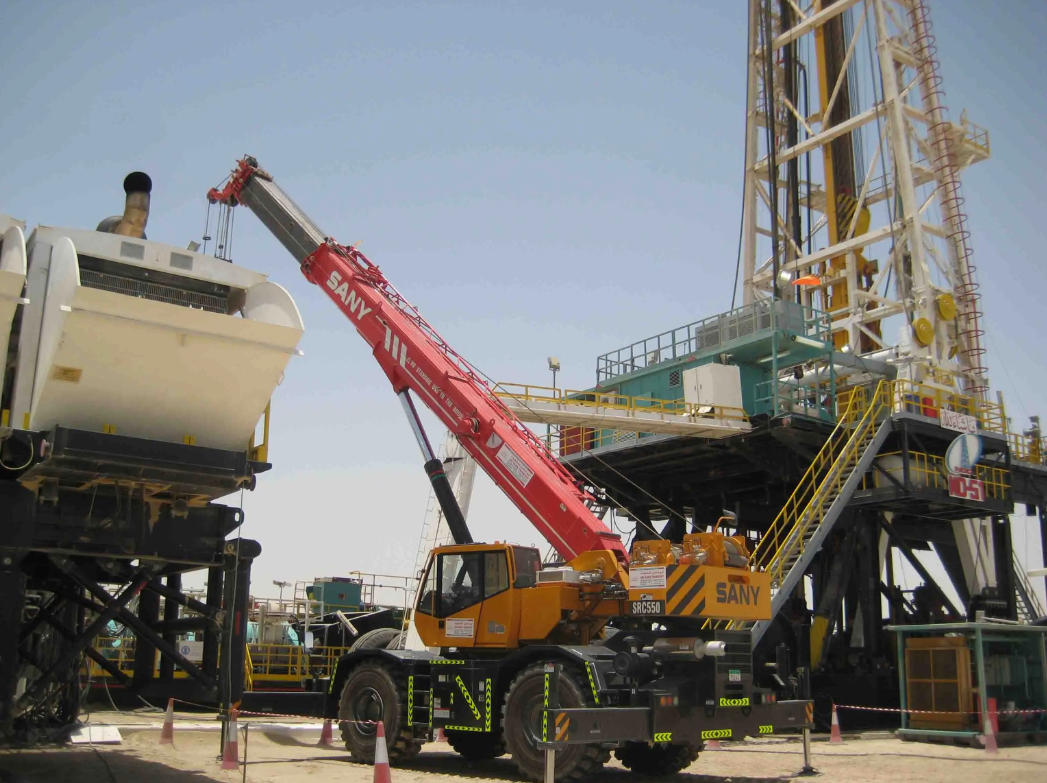
How to Read a Load Chart on a Crane?
The core logic for interpreting a load chart is “first lock in the configuration parameters, then locate the safe capacity, and finally calculate the net load.” Follow the four-step procedure below strictly to ensure every key piece of information is applied accurately:
Step 1: Confirm Configuration Parameters and Match the Correct Chart
First, based on site preparation, identify three core configuration items: outrigger deployment state, counterweight installation mass, and boom assembly configuration.
For example, if the crane will operate with outriggers fully extended, a 10-ton full counterweight installed, and only the main boom in use, you must find the chart labeled “outriggers fully extended + 10 t counterweight + main boom” in the load chart manual.
Differences between charts for different configurations can exceed 50%; selecting the wrong chart directly leads to misjudgment.
Step 2: Determine the Boom Condition and Lock the Load Curve
Within the selected chart, establish the actual boom extension length and boom elevation angle for the current lift:
For curve-type charts, find the curve corresponding to the boom length (often color-coded) and check the curve’s noted minimum elevation angle. If the actual elevation angle is below that limit, adjust the angle before continuing.
For table-type charts, locate the column for the boom length and confirm that the elevation angle falls within the safe range indicated at the top of the table.
Step 3: Measure the Lifting Radius and Obtain the Maximum Lifting Capacity
Use a laser rangefinder to measure the horizontal distance from the crane’s slewing center to the hook (the lifting radius), then find the corresponding value on the chart:
Curve-type chart: use the lifting radius on the horizontal axis, find the point for the actual radius, extend upward to the curve for the target boom length, then extend left to the vertical axis to read the “maximum lifting capacity” (total weight limit).
Table-type chart: find the row for the lifting radius and intersect it with the column for the boom length; the cell value is the “maximum lifting capacity.”
Example: With a 20 m boom at a 15° elevation (corresponding to a 17 m lifting radius), the curve intersection on the vertical axis reads 10 t, so the maximum total weight limit under these conditions is 10 t.
Step 4: Subtract Attachment Weights to Determine Net Load Limit
Finally, calculate the total weight of the hook, slings, and any special attachments, and subtract that from the “maximum lifting capacity” to get the “net load limit”:
Formula: Net load limit = Maximum lifting capacity − Total attachment weight.
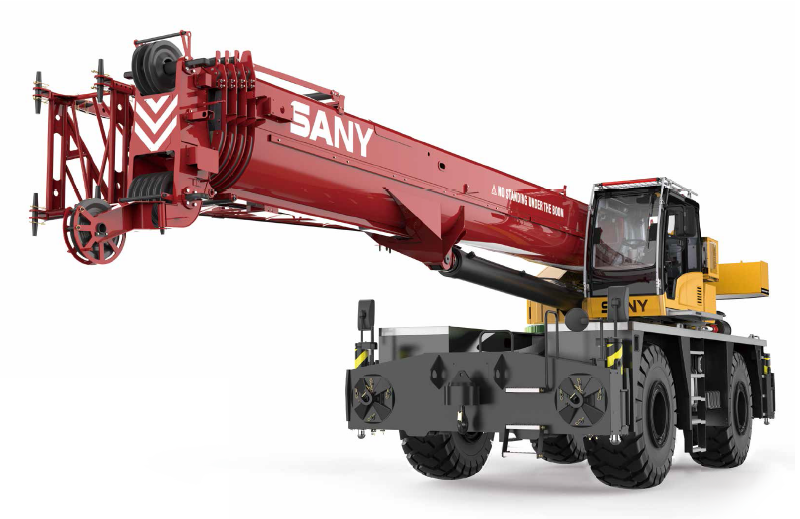
Example: For a SANY Rough-terrain Crane with a maximum lifting capacity of 30 t and total attachment weight (hook 0.5 t + slings 1.1 t) = 1.6 t, the net load limit = 30 − 1.6 = 28.4 t.
If the target lift weight ≤ 28.4 t, the lift is feasible. If the target is 29 t, increase capacity by shortening the boom, increasing the elevation angle (reducing lifting radius), or adding counterweight until the requirement is met.
Common Mistakes to Avoid When Reading a Crane Load Chart
Operators often cause safety risks by misreading or overlooking parameters when interpreting load charts. Avoid the five common errors below and learn the corresponding mitigation methods:
1. Ignoring Counterweight and Outrigger Configuration and Using Generic Data
Error: Failing to verify actual counterweight mass and outrigger state, then applying “full counterweight + outriggers fully extended” chart data to a “no counterweight + outriggers half-extended” situation.
Avoidance: Before lifting, inspect counterweight installation (check locking mechanisms and record mass), measure outrigger spread (confirm full or partial extension), and use the chart that exactly matches the configuration. Never “approximate” chart selection.
2. Confusing Boom Elevation Angle with Lifting Radius and Misjudging Capacity
Error: Treating boom elevation angle as equivalent to lifting radius, or estimating radius by eye.
Avoidance: Always measure the lifting radius with a laser rangefinder. If no instrument is available, estimate radius using boom length × cos (elevation angle), for example, 15 m × cos 30° ≈ 13 m, and use the measured or estimated radius to read the chart; do not rely on elevation angle alone.
3. Exceeding Boom Extension Limits and Forcing the Lift
Error: Operating beyond the load chart’s “maximum boom length” or below the “minimum elevation angle” to meet job demands.
Avoidance: Check the chart’s boom extension limits (for example, “main boom max 28 m, elevation ≥ 15°”), and monitor boom length and elevation in the cab via the boom length display and angle indicator. Stop adjustments immediately when approaching the limits.
4. Omitting Attachment Weights and Counting Only the Load Weight
Error: Calculating based on the load weight alone without deducting the weights of the hook, slings, and other attachments.
Avoidance: Keep an “attachment weight log” that records weights of commonly used hooks and rigging. Before the lift, compute the total weight of the actual attachment assembly and ensure (load + attachments) ≤ maximum lifting capacity.
5. Ignoring Ground Conditions’ Impact on Configuration
Error: Assuming perfectly level ground and not accounting for slope effects on outrigger support. Chart configuration parameters (such as fully extended outriggers) are based on ground slope ≤ 1°. If the actual slope is 3°, outrigger loads become uneven, the crane’s center of gravity shifts, and actual maximum capacity may be 15%–20% lower than chart values.
Avoidance: Measure the ground slope with a level before setup. If the slope exceeds 1°, level the site using steel plates or adjust outrigger heights; if leveling is not possible, estimate the reduced limit (capacity decreases roughly 5%–10% for each additional degree of slope) or consult the manufacturer for corrected data.
Conclusion
For crane operators, knowing how to read a crane load chart is essential for ensuring safe operations and is a core skill to mitigate equipment accidents and personnel risks. Only by understanding and correctly applying every parameter on the load chart can operators ensure that the crane always operates within its safety limits, achieving the dual protection of “safety and efficiency.”
FAQs
What does the bold line mean on a crane load chart?
The bold line marks the core safety boundary and serves two main purposes:
1. It often represents the baseline capacity curve for the “full counterweight + outriggers fully extended” configuration.
2. It separates the safe operating zone from prohibited operation areas, ensuring that operating parameters remain on the safe side of the line.
How to calculate the load capacity of a crane?
Calculate capacity from the load chart in three steps:
1. Confirm outriggers, counterweight, and boom configuration, and select the matching chart.
2. Identify the boom length and elevation angle.
3. Look up the lifting radius to find the maximum total lifting capacity, then subtract attachment weights to obtain the actual lift capacity.
What does a 200-ton crane mean?
“200 tons” is the crane’s maximum rated lifting capacity. It is attainable only under optimal conditions (shortest boom, maximum elevation angle, full counterweight, and outriggers fully extended). Actual lifting capacity will decrease under other operating conditions and must be read from the load chart.
How to calculate SWL for a crane?
Obtain the “maximum total lifting capacity” for the current operating condition from the load chart, then subtract the total weight of the hook, slings, and other attachments. The result is the SWL (Safe Working Load). The weight of the load to be lifted must be ≤ SWL.
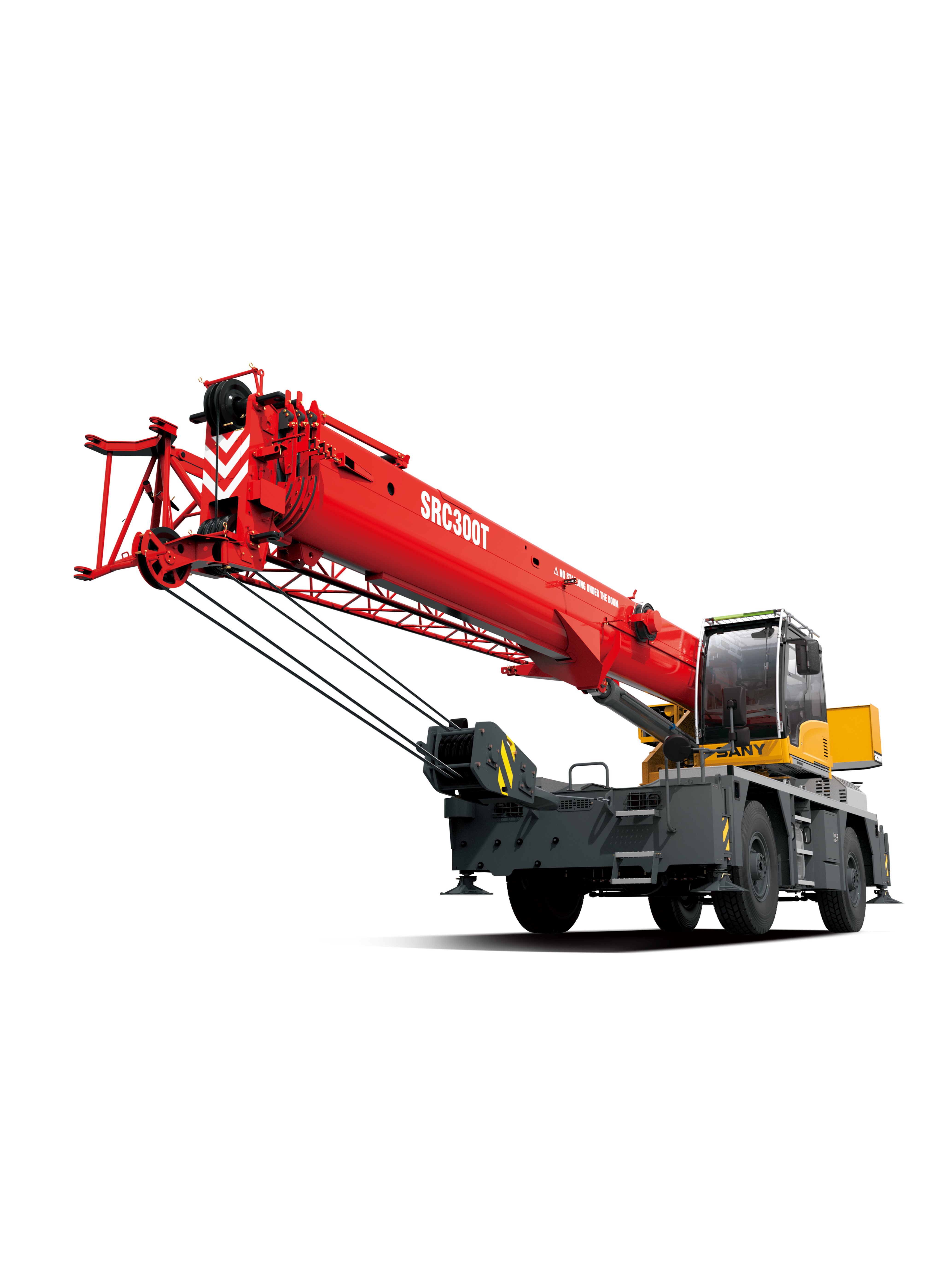
Featured Products
Recommend Blogs

How Do They Get Cranes on Top of Buildings: Detailed Operation Guide
This article will revolve around the question how do they get cranes on top of buildings, common crane climbing methods, dismantling procedures, and operational safety precautions.
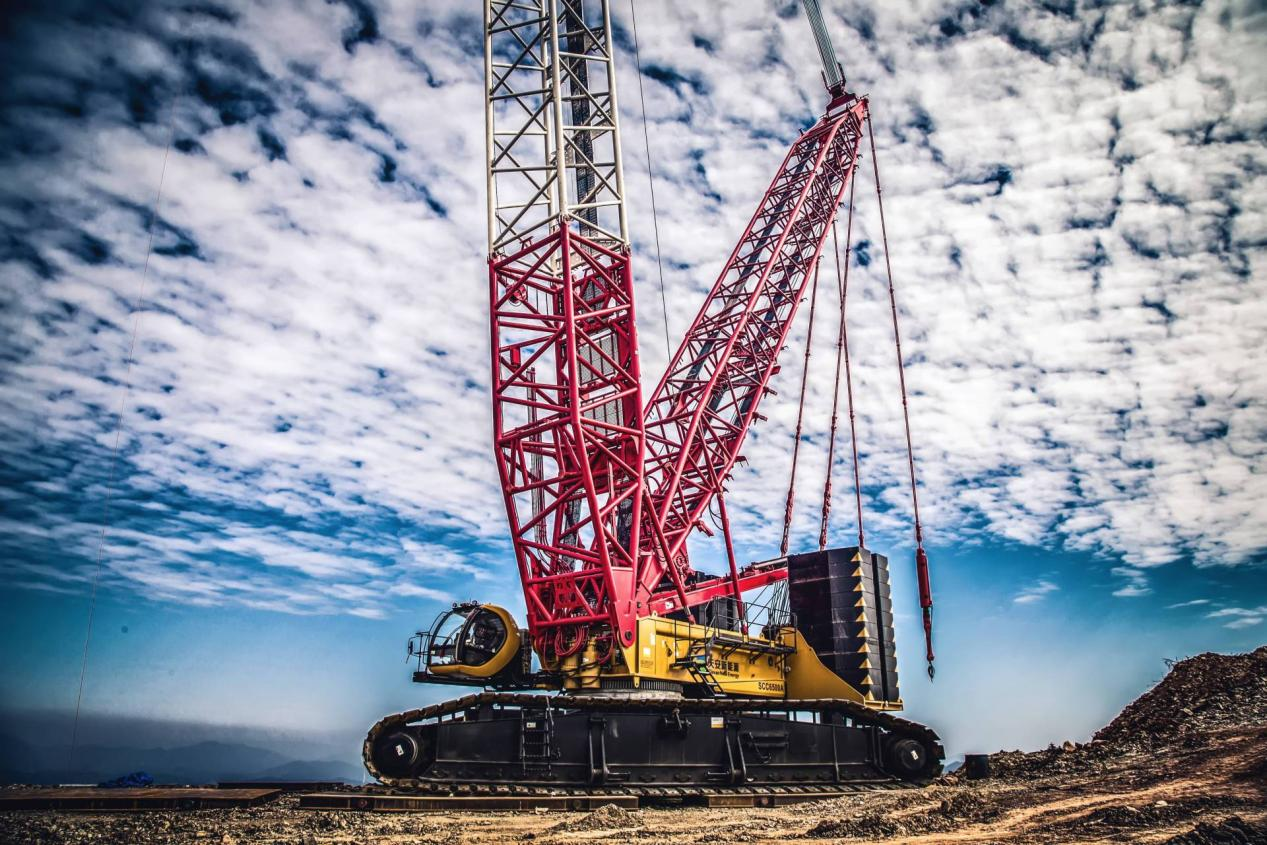
When Were Cranes Invented: Tracing the Evolution of Lifting Technology Through the Ages
This article comprehensively explores every innovation of the crane, offering a deep understanding of when were cranes invented and how they evolved into their present form.
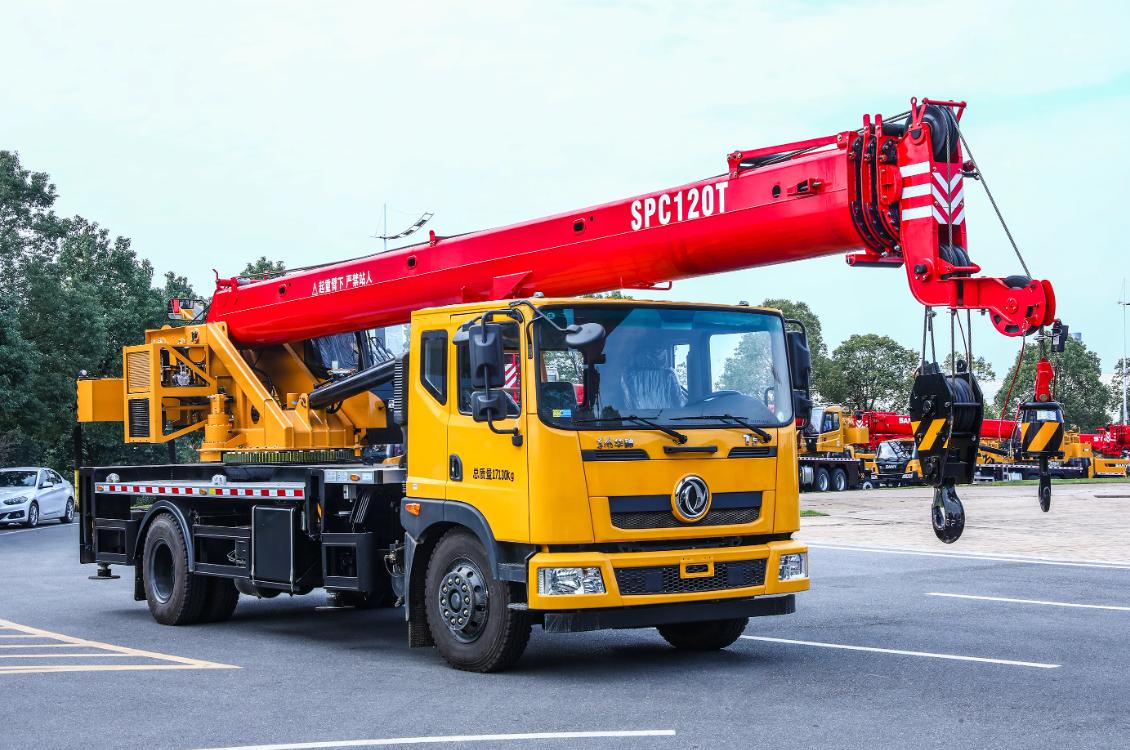
Types of Cranes: Your 2025 Comprehensive Guide to Every Major Category
As 2025's latest authoritative guide to types of cranes, this article breaks down the four types' core traits and application differences, giving engineers and equipment purchasers key selection criteria