How to Operate an Excavator: Essential Skills and Safety Tips
If you want to handle basic tasks like digging and backfilling with ease, mastering how to operate an excavator is essential. This guide will introduce the excavator’s key components, control methods, and common mistakes to avoid during operation.
Excavators are highly efficient and versatile machines in construction, and knowing how to operate them properly is crucial for boosting productivity and ensuring safety. Designed specifically for beginners, this article covers the basic parts, control mechanisms, step-by-step operation instructions, safety tips, and common pitfalls, helping you quickly learn how to operate an excavator and develop proper operating habits.
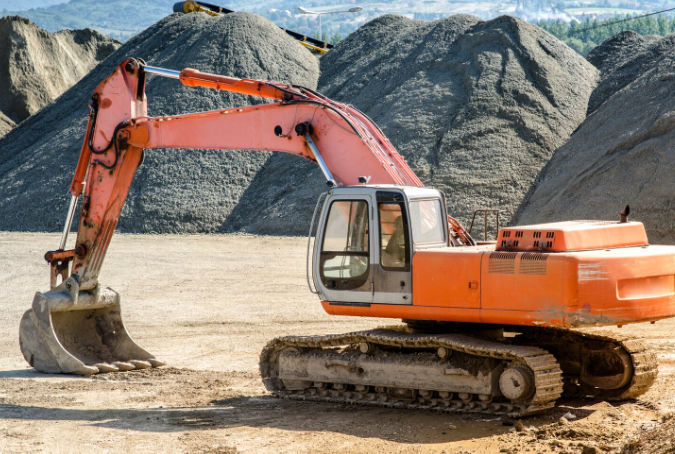
Basic Components and Controls of an Excavator
Basic Components
1. Power System: Includes the engine that provides power, along with a hydraulic system composed of hydraulic pumps, motors, cylinders, and oil lines.
2. Working Device: Consists of the boom, arm, and bucket, with the bucket capacity determining the volume of material handled per cycle.
3. Slewing Mechanism: Made up of the slewing bearing and slewing motor, allowing the upper structure to rotate 360°, expanding the operational range.
4. Travel Mechanism: Composed of travel motors, tracks or tires, and drive wheels, controlling the movement of the equipment.
Control Modes
Excavators have two main control modes: SAE and ISO. In ISO mode, the left joystick controls the arm and boom, while the right joystick controls the stick and bucket. SAE mode is the opposite. Since switching between these modes can be challenging, beginners are advised to learn the mode they will consistently use.
Basic Excavator Operations for Beginners
For new operators, mastering how to operate an excavator involves five key aspects: controls, driving, digging, backfilling, and parking.
Controls
Excavator control primarily uses ISO or SAE modes. Many machines allow switching to a preferred mode; ISO is commonly used.
l The right joystick controls the boom and bucket. Push the joystick forward to lower the boom and pull back to raise it. Tilt the wrist left to open the bucket and right to close it.
l The left joystick controls the stick and slewing. Push forward to extend the stick away from the cabin and pull back to retract it. Slewing allows 360° rotation of the cabin.
Driving
Beginners should first learn how to drive an excavator. Driving mainly relies on the track pedals, operable by hands and feet. Press both pedals forward (or backward) for straight movement; press only the right (or left) pedal to turn the tracks right (or left).
Digging
Before digging, remove your feet from the pedals. Extend the stick, adjust the bucket teeth angle, then lower the bucket to the ground. After loading the soil, lift the bucket to avoid dragging. Rotate the cabin toward the dumping area and release the bucket to unload.
Backfilling
Start from the farthest point and work toward the excavator. Push as much soil as possible back into the trench, without digging below ground level. Use the bucket’s side to push remaining soil evenly.
Parking
Align the tracks straight, lower the bucket to the ground, engage the safety lock or parking brake, reduce throttle, and allow the machine to idle briefly before shutting off the engine, following the manufacturer’s recommendations.

Safety Tips Before and During Operation
Before Operation
- Equipment Check
- Inspect tracks for wear and tension, ensure no loose or damaged parts. Confirm the bucket, stick, boom, and connecting pins are intact to prevent part detachment.
- Check the hydraulic system for leaks and proper fluid levels to prevent loss of control.
- Ensure cabin safety features are functional, including seat belts, clear glass, and mirrors for optimal visibility and protection.
- Worksite Assessment
- Remove or mark obstacles, avoiding hazards during digging.
- Check ground stability, especially on slopes or soft surfaces; use steel plates if necessary to prevent tipping.
- Confirm the absence of unauthorized personnel within the operational radius, and set up warning signs or assign a spotter.
- Personal Preparation
- Wear protective gear such as a helmet, non-slip shoes, workwear, and gloves to prevent injury.
- Familiarize yourself with the control mode and select your preferred setup to avoid confusion during operation.
During Operation
- Basic Operational Safety: Maintain stability, sit properly, and fasten the seatbelt to prevent mistakes from cabin vibrations or rotation. Ensure the machine and tracks are aligned during digging to maintain balance and avoid tipping.
- Driving Safety: Control speed on uneven terrain, avoid sudden acceleration or braking to prevent track slippage. When rotating the cabin, check the surroundings for obstacles or personnel and operate the joystick slowly.
- Emergency and Norm Compliance: If abnormal sounds, vibrations, or malfunctions occur, stop operations immediately, troubleshoot, and resume only after ensuring safety. Avoid maintaining the same posture for long periods; take short breaks to prevent fatigue and maintain focus.
Common Mistakes to Avoid When Operating an Excavator
Some seemingly minor operational errors when operating an excavator can lead to equipment malfunctions, safety accidents, or even casualties. Below are common mistakes that need to be strictly avoided, covering operational standards, equipment protection, and risk prevention:
1. Critical Details in Equipment Startup and Shutdown
- Failing to conduct basic checks before startup: Neglecting checks on engine oil/hydraulic oil levels, coolant volume, track/tyre tightness, or whether control levers are jammed can cause mechanical failures after startup—such as pump burnout due to oil shortage or component jamming.
- Reversing shutdown procedures: Shutting down directly instead of idling for 3–5 minutes first (to relieve pressure in the hydraulic system and cool the engine) can lead to poor backflow of hydraulic oil. Over time, this may cause aging of the cylinder seals and wear on the engine block.
2. Equipment Damage Caused by "Reckless Operation" During Work
- Overloading or forcible operation: Overfilling the bucket (exceeding rated capacity), or forcibly excavating hard rock/frozen soil without prior crushing, causes the boom and arm to bear excessive loads. This can result in weld cracking, pin deformation, or even hydraulic pump pipes bursting due to pressure buildup.
- Losing control of excavation angle and range: An excessively large angle when the bucket excavates laterally (angle with the machine body exceeding 90°), or forcibly slewing when the boom is lifted too high, shifts the machine’s center of gravity and increases the risk of tipping over. Additionally, "hard scraping" of bucket teeth against the ground accelerates wear on tooth tips and reduces excavation efficiency.
3. Turning a Blind Eye to Environmental Risks
- Ignoring space constraints and obstacles: Failing to reserve slewing radius in narrow areas (e.g., between buildings) can cause the machine body to collide with walls or electric poles. Working at pit edges or the top of slopes without maintaining sufficient distance from the edge (usually requiring ≥ twice the track width) increases the risk of ground collapse and tipping over.
- Neglecting hidden dangers in special environments: Operating with heavy loads in muddy or marshy areas without laying steel plates or gravel first can trap the tracks. Continuous operation in high-temperature environments (>35℃) without stopping to cool down reduces hydraulic oil viscosity, causes lubrication failure, and leads to component sintering.
4. Chronic Damage from Poor Maintenance and Usage Habits
- Improper use of tracks/tyres: Crawler excavators "spinning in place" on concrete exacerbates friction between track plates and drive wheels, causing wear on track pins and derailment. Wheel excavators parked with long-term one-sided load-bearing suffer local tyre deformation and increased risk of blowouts.
- Lack of lubrication and cleaning: Failing to add grease to pins and bearings on schedule leads to abnormal noise from dry friction and accelerated wear of components. Clogged radiators and air filters (from dust or debris) not cleaned in time result in poor engine heat dissipation, insufficient air intake, and reduced power or stalling.
5. Human-Induced Hidden Dangers from Weak Safety Awareness
- Illegally carrying people or items: Casually carrying people outside the cab (e.g., on tracks or booms) or hoisting people in the bucket without safety protection risks personnel falling due to operational errors. Stacking tools and parts in the cab may jam control levers and cause misoperation.
- Failing to confirm "operation blind spots": Ignoring the limited field of view of rearview mirrors and cameras, or not sounding the horn when slewing or reversing, can lead to collisions with surrounding personnel or equipment. Inadequate lighting coverage during night operations (e.g., no auxiliary lights on the bucket or machine sides) expands visual blind spots and increases risks.
The core commonality of these errors is "ignoring equipment characteristics and environmental risks." During operation, one must keep in mind the principles of "priority to prediction, stable operation, and light load" and follow equipment manuals to standardize procedures—protecting equipment service life while eliminating safety accidents.
Best Practices for Efficient Excavator Use
Mastering efficient excavator operation boosts on-site efficiency, productivity, and safety. Whether you’re a pro sharpening your skills or a beginner eager to learn, the practical tips below will help you get the most out of an excavator.
1. Know the Machine: Familiarize yourself with the excavator’s controls, functions, and performance limits. Understand its specifications and constraints to build a foundation for safe, efficient operation.
2. Pre-Operation Checks: Conduct a thorough inspection before work—look for leaks, damage, or worn components—to ensure the excavator is in optimal working condition.
3. Plan the Work: Map out the digging workflow ahead of time and choose the best approach based on soil conditions to improve efficiency.
4. Maintain the Hydraulics: Regularly check hydraulic fluid levels and hoses to keep the hydraulic system running smoothly.
5. Control Your Speed: Avoid operating at excessive speed; balance speed with precision to prevent loss of accuracy and unnecessary wear.
6. Practice Smooth Control: Train to operate the controls gently and steadily to achieve precise digging and reduce the risk of overworking the machine.
7. Match the Bucket: Select a bucket size appropriate for the material and digging depth to improve productivity.
8. Keep Proper Track Tension: Maintain correct track tension to prevent slipping, ensure operational stability and mobility, and boost productivity.
9. Stay Focused: Keep full attention while operating, avoid distractions, and monitor the surroundings to prevent accidents.
10. Prioritize Safety: Follow safety procedures, wear protective gear, and stay aware of site hazards to protect everyone on site.
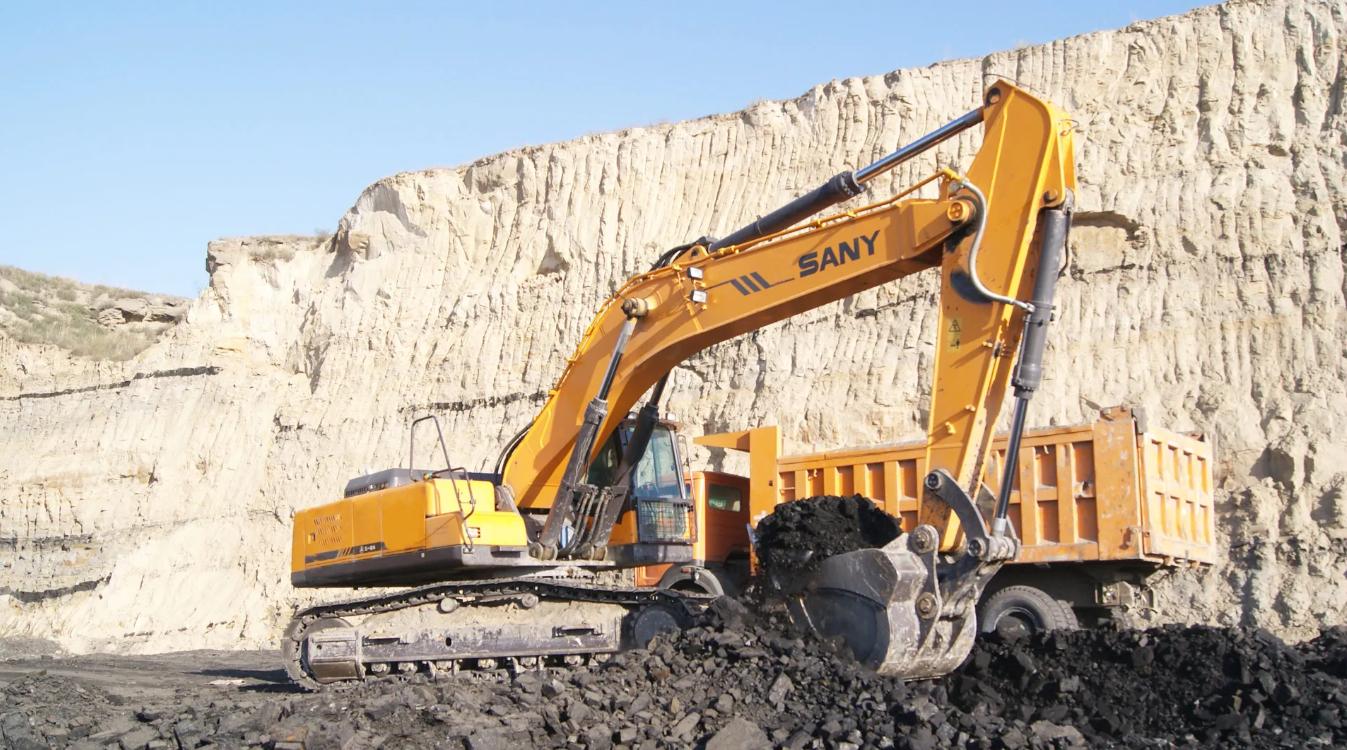
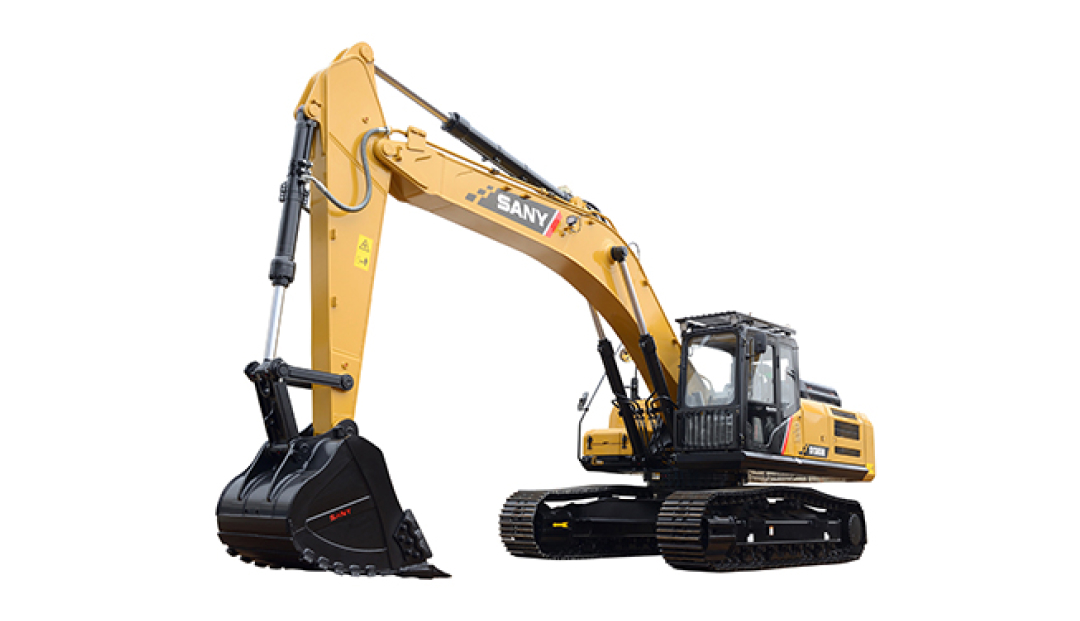
Of course, in addition to standardized operation, choosing a high-quality excavator is equally crucial. Take SANY's large excavator series as an example; they come with over 20 optional work attachments, enabling them to flexibly perform diverse operations such as earthmoving, building foundation excavation, and stump removal, and even handle various special working conditions.
Moreover, these excavators adopt optimized matching technology for engines, hydraulic pumps, and valves, combined with long-lasting oils and high-durability filters. These not only effectively reduce maintenance costs but also achieve higher energy transfer efficiency, balancing economy and operational performance.
Conclusion
Mastering how to operate an excavator, along with safety standards, forms the foundation for efficient excavator use. Although operating an excavator may seem challenging at first, consistent practice and strict adherence to proper procedures will gradually improve your proficiency, laying a solid foundation for various construction tasks.
FAQs
How long does it take to learn excavator operation?
Learning time varies by individual. Basic operations can generally be mastered within 1–3 months, sufficient for simple tasks. Achieving proficiency in complex scenarios typically requires 6–12 months of consistent practice, along with experience in assessing different work conditions. Practice frequency and task complexity will influence the learning curve.
Can I operate an excavator without certification?
No. Operating without proper certification is illegal and poses serious safety risks, potentially causing accidents and legal liability. You must complete formal training and obtain the required certification before legally operating an excavator.
What is the difference between joystick control and lever control?
Joystick control transmits commands through hydraulic or electronic systems, allowing flexible and compound movements, such as simultaneously controlling the boom and bucket, commonly used in excavators. Lever control relies on mechanical linkages, requires greater manual force, and supports single, simple actions, often found in small loaders and other basic machinery.
Featured Products


Recommend Blogs
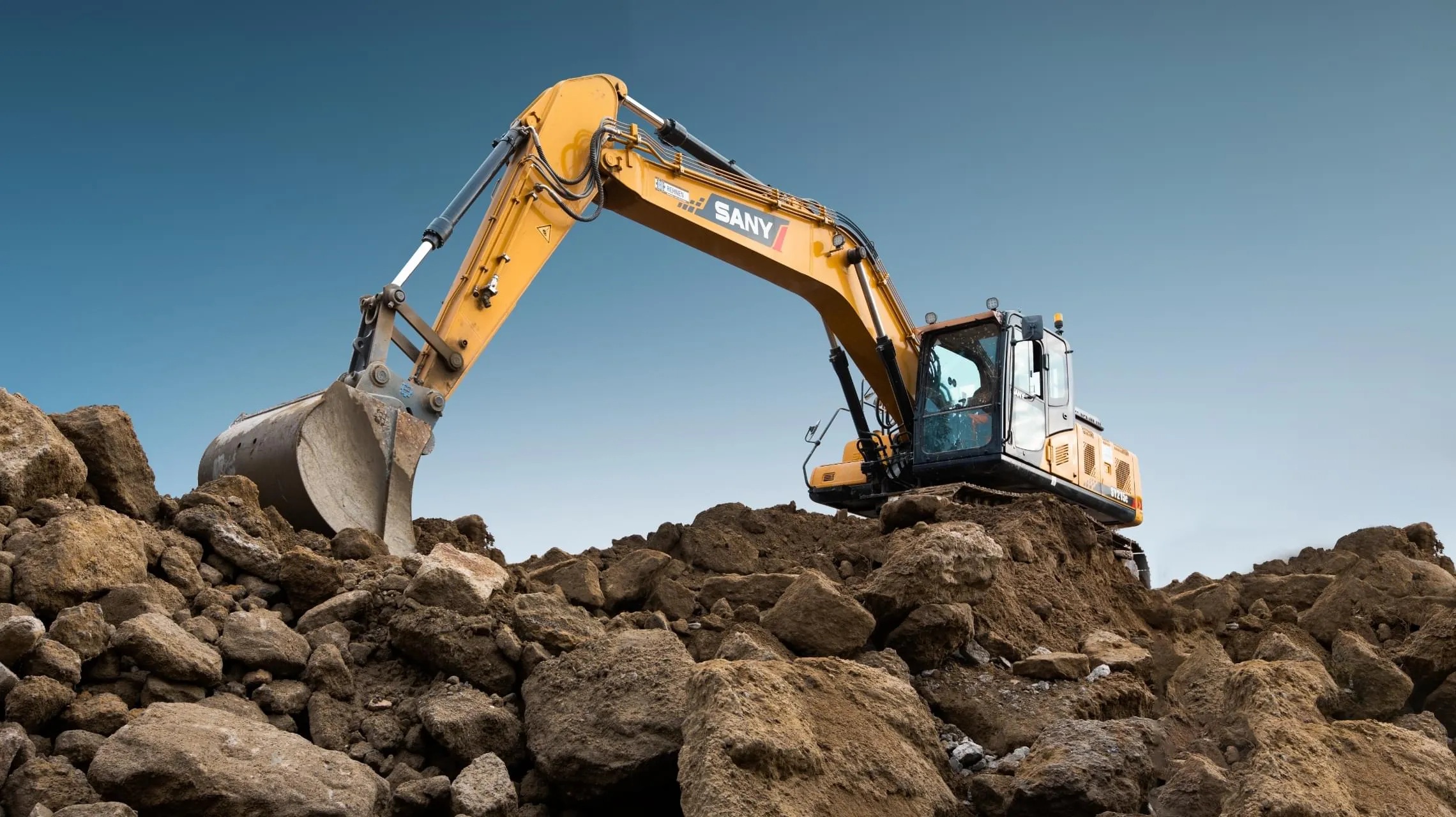
What Is an Excavator? How to Choose the Right Model for Your Project Needs
Discover what an excavator is and how to choose the ideal model—from compact mini machines to powerful large excavators—for your project’s size, terrain, and productivity needs
How Much Does an Excavator Cost in 2025? A Practical Configuration Guide
Whether you’re an individual buyer, a construction firm, or an equipment rental company, understanding how much an excavator costs is essential for developing a smarter, more cost-effective procurement plan.Individual buyers, construction firms, or equipment rental companies: knowing how much does an excavator costs is key to a smarter, more cost-effective procurement plan.
Backhoe vs. Excavator: Your 2025 Heavy-Equipment Buying Guide
This article introduces the differences between backhoe vs. excavator, their respective advantages, and how to choose the right heavy equipment to help work crews perform better.