How to Operate a Forklift Truck? Step-by-Step Guide and Safety Tips
How to operate a forklift truck? This article helps both new and experienced operators understand forklift structure and operation steps in detail to reduce operational risks.
Forklifts are essential handling equipment in logistics and warehousing. Their proper operation is crucial for both personnel safety and the integrity of cargo. Before operating a forklift truck, operators must obtain required qualifications and fully understand the machine's structure and safety guidelines.
This article explains the basic structure of a forklift, how to operate a forklift truck, and essential safety precautions, offering practical guidance for both beginners and experienced operators.
Who Can Operate a Forklift Truck
1. Possess a Qualification Certificate
Only individuals with a forklift operator qualification certificate recognized by their country or region may operate a forklift truck. They must operate within the approved forklift type, operating scope, and validity period. Operating without a valid license, with an expired certification, or beyond the approved scope may be considered a violation.
2. Comply With Operating Requirements
Operators must be familiar with the model, performance, operating methods, and safety precautions of the forklift truck they operate, and strictly follow the equipment manual and on-site safety procedures. They must also have adequate emergency response skills to handle unexpected issues such as equipment failures or collision risks during operation.
Familiarize Yourself with Forklifts: Components, Controls, and Instruments
1. Forklift Components
① Power System
This includes the engine, transmission, and travel system. The engine provides power, the transmission transmits power, the travel system moves the forklift, the frame supports the components and bears weight, the suspension absorbs vibration, and the cab provides an operating environment.
② Steering System
This includes mechanical, hydraulically assisted, and fully hydraulic types. It controls the forklift's direction and ensures agile maneuverability.
③ Braking System
This includes mechanical, hydraulic, and vacuum-assisted types. Its function is to stop or slow the forklift in a timely manner during operation, ensuring safe operation.
④ Working Device
This consists of the mast system, hydraulic system, and attachment system. The mast system carries the load and performs lifting, tilting, and other movements. The hydraulic system provides power for these movements. The attachment system, such as forks and grippers, expands the forklift's functional capabilities.
⑤ Safety Devices
Speed limiters, seat belts, rollover protection devices, and alarms ensure operator and workplace safety.
2. Controls
① Operating Handles
These include the lift and tilt joysticks, used to control the forklift's lifting, tilting, and other movements. For example, the SANY forklift truck features a centralized longitudinal lever with inching control, allowing for easy, millimeter-level adjustments and precise control of the forklift.
② Pedals
Forklifts are equipped with an accelerator pedal and a brake pedal. The accelerator pedal controls the forklift's speed, while the brake pedal is used for braking. Some forklifts also feature a clutch pedal or an inching pedal, allowing the operator to more precisely control the forklift in confined spaces.
③ Parking Brake
A must-have feature on forklifts, used when starting the forklift or when the operator leaves the vehicle to prevent accidental movement.
④ Steering Wheel
Controls the forklift's direction. The operator can adjust the forklift's trajectory by turning the steering wheel.
3. Instruments
① Fuel Gauge
Indicates the remaining fuel level in the forklift. Operators should confirm the fuel level during pre-operation inspections to avoid operating the forklift when the fuel level is too low.
② Oil Pressure Gauge
Indicates the oil pressure inside the forklift engine. This helps operators understand the system pressure and ensure proper operation of the forklift.
③ Temperature Gauge
Indicates the transmission temperature. Do not operate the forklift when the temperature is too high to avoid damage.
④ Hour Meter
Records the accumulated usage time of the forklift to facilitate maintenance and management.
⑤ Battery Discharge Indicator
Equipped only on electric forklifts, this indicator is located on the instrument panel. When the warning light illuminates, the gauge needle enters the warning range, or the battery percentage is too low, the operator must immediately move the forklift to a charging station.
How to Operate a Forklift Truck: Step by Step
1. Pre-operation Checks Before You Start
① Vehicle Appearance Inspection
Check the forklift body for obvious damage, the forks for deformation or cracks, and the tire pressure for normal operation and any damage or foreign objects entangled.
② Hydraulic System Inspection
Check whether the hydraulic oil level is within the normal range and the hydraulic lines for leaks or seepage. Operate the lift and tilt control levers to confirm smooth hydraulic operation.
③ Powertrain Inspection
For internal combustion forklifts, check the fuel, engine oil, and cooling water levels. For electric forklifts, check the battery charge and battery connection.
④ Brake System Inspection
Test the foot and parking brakes to ensure they are sensitive and reliable.
⑤ Instrument Inspection
Check the fuel, oil pressure, water temperature, and hour meter on the instrument panel for normal readings and any fault alarms.
2. Mounting, Starting, and Moving
① Getting on the Forklift
Go around the side of the forklift, use the handrails to stabilize yourself, and slowly sit down in the seat. Fasten your seat belt. Adjust the seat position for comfortable control and good visibility.
② Starting
Internal combustion forklift: Place the shift lever in neutral, apply the parking brake, insert the key and turn it to the start position to start the engine. After the engine idles and stabilizes, inspect the instrument panel for any abnormalities.
Electric forklift: Confirm that the parking brake is engaged, insert the key and turn it to the "ON" position. Wait for the vehicle system self-check to complete and the instrument panel to display normal information before you can begin operating.
③ Preparing to Move
Release the parking brake and move the steering control to the appropriate position for the direction of travel. Slowly press the accelerator pedal until the forklift begins to move smoothly. Remember to start slowly and observe your surroundings.
3. Steering and Maneuvering Safely
① Steering Operations
Turn the steering wheel smoothly and slowly, avoiding sudden turns. Before turning, slow down, sound the horn, and check for people or obstacles in the path. When turning, there is an inside wheel difference, so leave ample turning space to prevent collisions.
② Maneuvering
When driving on flat roads, maintain a steady speed and avoid sudden acceleration or braking. When driving on slopes or uneven surfaces, slow down to prevent the cargo from being shaken or falling, or causing the vehicle to lose control. While driving, always pay attention to changes in the environment ahead and to the sides, and maintain a safe distance.
4. Handling Loads: Lifting, Transporting, and Unloading
① Loading
Slowly move the forklift to within 1 foot (0.3 meters) of the load. Adjust the fork spacing so that the forks align with the fork holes on the pallet or load. Slowly advance the forks until they are fully engaged. Operate the lift control lever to slowly raise the load until the bottom of the load is approximately 2-4 inches off the ground. At the same time, fine-tune the tilt control lever to tilt the mast slightly backward to prevent the load from tilting forward and sliding.
② Transporting
During transport, keep the load at a low lift height to increase vehicle stability. Drive at a steady speed and avoid sudden braking or sharp turns. When passing through narrow passages and doorways, confirm that there is sufficient space in advance and proceed slowly.
③ Unloading
Move the forklift to the unloading position, adjust the position so that the load is aligned with the unloading point, and slowly operate the lift control lever to place the load steadily in the desired position. Once the load is securely placed, slowly reverse the forklift to separate the forks from the load. If necessary, fine-tune the tilt or lift control levers.
5. Reversing, Parking, and Shutdown Procedures
① Reversing Operations
Before reversing, check the rearward area. If visibility is poor, get out of the vehicle and check or sound the horn to warn. When reversing, turn the steering wheel slowly, control the speed, and always be aware of people and obstacles behind you. Use the rearview mirror for assistance if necessary.
② Parking and Shutting Down
Choose a flat, unobstructed area. Apply the brakes to stop the vehicle, shift the vehicle into neutral, and apply the parking brake. Use the control lever to fully lower the forks to the ground to eliminate any tripping hazards.
If the forks are tilted before parking, return the mast to a vertical position. Internal combustion forklifts should idle for 2-3 minutes before shutting down the engine. Electric forklifts should also be locked.
Safety Tips for Forklift Operators
1. Ensure the Stability of the Forklift
Forklifts are far less stable than ordinary vehicles, and tipovers are a leading cause of operator injury or fatalities. Ensure the forklift and load are stable and balanced. Strictly adhere to the forklift's rated load capacity and avoid overloading. Exercise caution when driving, turning, and operating on slopes, and avoid sudden acceleration, braking, or sharp turns.
2. Maintain Visibility
When the forks are raised, they significantly obstruct the view ahead. Therefore, during maneuvering, keep the forks 2-4 inches off the ground to ensure a clear view of the road ahead. Use the vehicle's rearview mirrors to assist in detecting obstacles to the side and rear. When lifting and loading pallets, ensure that the work area is sufficiently high and wide to avoid collisions caused by insufficient space. Notably, the SANY electric forklift features driving status monitoring, 360-degree imaging, and active safety protection to further enhance operational safety.
3. Maintain a Safe Distance
During operations, maintain a safe distance from the edge of the platform or ramp to prevent the forklift from tipping over or falling. After lifting a load, reverse the vehicle to ensure an 8-12-inch gap between the forklift and the pallet before lowering or moving the forklift to avoid scraping the pallet or rack.
4. Pay Attention to Your Surroundings
In public work areas, always be aware of other workers and pedestrians. When passing through intersections, corners, or passages with obstructed visibility, sound the horn to alert others to the presence of the forklift. Strictly adhere to the speed limit in the work area to avoid being unable to evade unexpected situations due to excessive speed.
Conclusion
Mastering how to operate a forklift truck improves operational efficiency and safety. During operation, operators should continuously reinforce safety awareness and avoid improper operations to prevent accidents such as tipovers and collisions.
FAQs
How to Operate a Forklift for Beginners?
Beginners who want to operate a forklift must first obtain relevant qualification certificates, conduct a comprehensive inspection of the equipment status before starting, fasten their seat belts after getting on the vehicle, start at a low speed according to the process, and familiarize themselves with the steering, braking, and hydraulic lever operations. When loading and unloading goods, they must strictly control the height of the forks and the inclination of the mast, and properly organize the equipment after parking, and follow safety regulations throughout the process.
Is It Easy to Learn How to Drive a Forklift?
The difficulty of learning to operate a forklift varies from person to person. Mastering basic operations is not difficult if you diligently participate in professional training and familiarize yourself with the equipment's operating logic and safety regulations. However, achieving proficiency, accuracy, and absolute safety requires long-term practice and experience. Generally speaking, it takes about two weeks of training to master basic forklift operations.
What Is the 3 Foot Rule for Forklifts?
The 3-foot rule for forklifts states that when operating, operators should focus on a 3-foot radius to better control their surroundings and prevent accidents. When operating at intersections or in areas with poor visibility, operators must slow down and sound their horn to alert others. If someone enters a safe distance, operators must immediately stop operations to ensure everyone's safety. During loading and unloading, operators should also handle items steadily and slowly to prevent cargo from tipping over and damaging surrounding equipment.
Can You Operate Any Type of Forklift After You've Received Forklift Safety Training?
After receiving forklift safety training and obtaining the relevant qualifications, you can only operate specific forklift types within the scope of your training and qualification certificate. You cannot operate all types of forklifts. This is because different types of forklifts have different structures, operating principles, and safety requirements. If you need to operate other types of forklifts, you must receive the corresponding safety training and pass the assessment.
Featured Products


Recommend Blogs
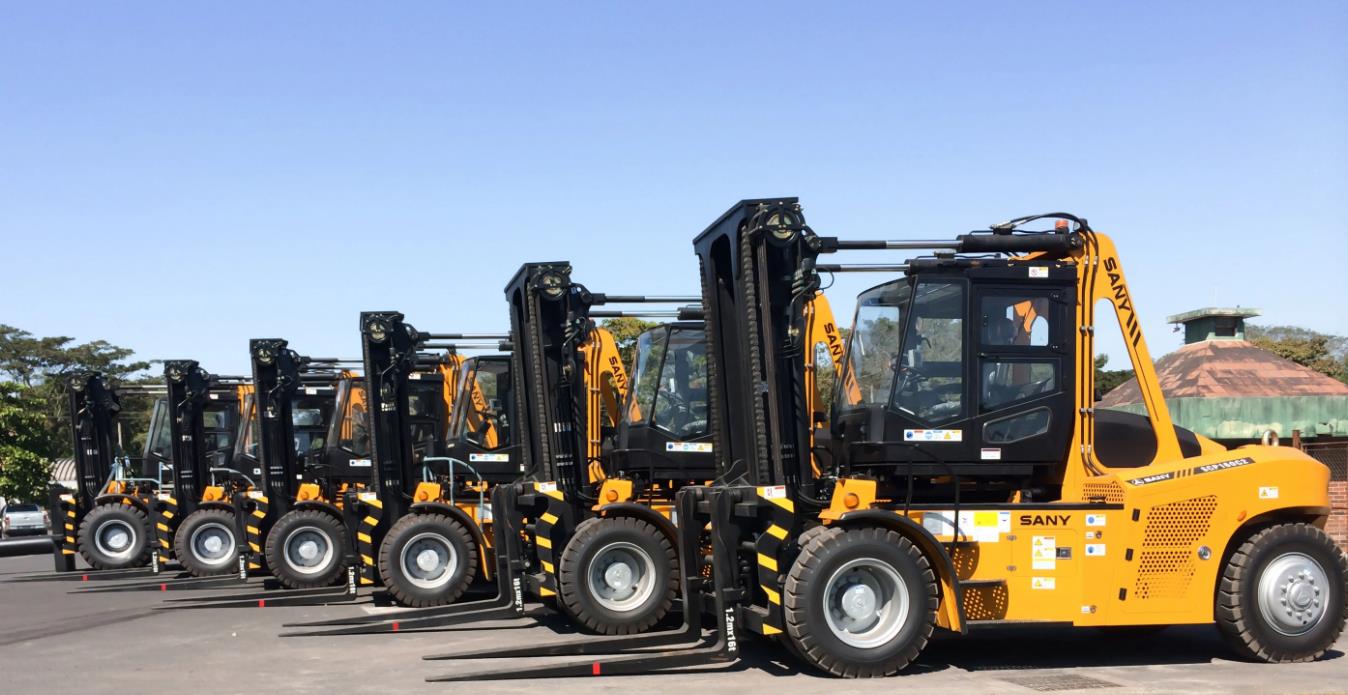
A Guide to the Forklift Industry: Types of Forklift Trucks, Selection Skills, and Future Trends
Starting from the system of types of forklift trucks, this article explains the scientific selection methods and provides a comprehensive insight into the past, present, and future of forklifts.
Learn About Forklift Truck from Scratch and Master Core Points of Classification and Configuration
This guide explains what a forklift truck is, outlining its main functions, classification types and provides practical tips on how to buy forklift truck fits your needs.
How Much Does a Forklift Truck Weigh? A Quick & Practical Weight Data and Safety Guide
How much does a forklift truck weigh? Get typical weights, factors affecting them, and practical safety tips for operators.