How Much Is a Mini Excavator? Exploring Prices and Operational Expenses
Compare mini excavator types, pricing factors, operating considerations, and whether buying or renting is smarter, helping you see how much is a mini excavator in 2025.
Strong global demand for compact, versatile machines is driving steady growth in the mini excavator market, especially across residential landscaping, utilities, and urban infrastructure. Their small footprint and impressive digging power make them ideal for tight sites and short-term projects where larger machines can’t go. When planning a job or evaluating equipment for your fleet, the first practical question is how much is a mini excavator. This guide explores the key factors behind mini excavator costs, from purchase considerations to long-term operating factors, to help you find the right purchase plan to help your project go smoothly.
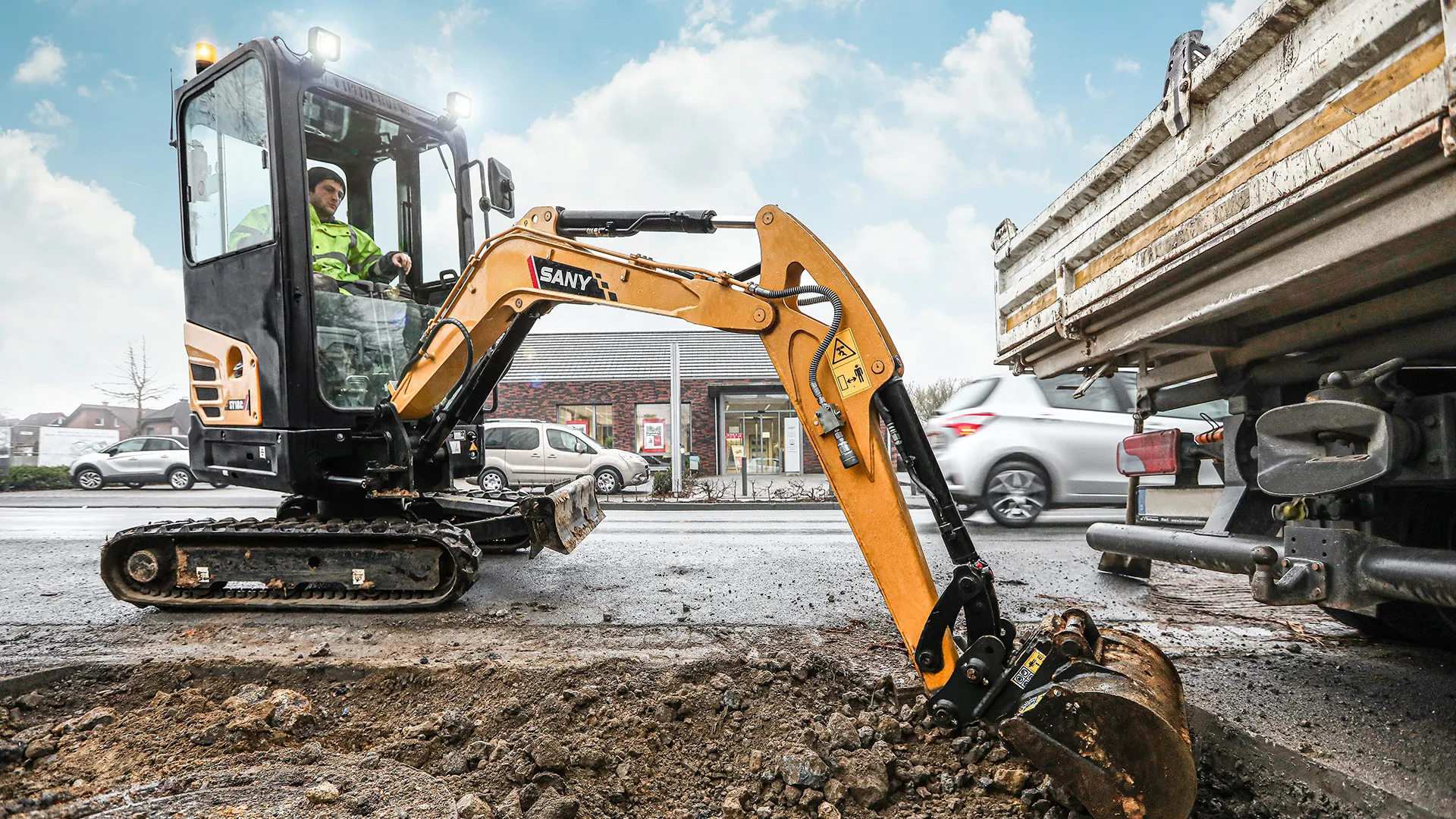
Exploring Common Mini Excavator Types
Mini excavators are compact, versatile machines designed for a variety of tasks, from residential landscaping to urban construction projects. Understanding the different types can help you choose the right equipment for your needs.
Classification by Operating Weight
Mini excavators are primarily categorized based on their operating weight, which influences their suitability for various tasks and job site conditions.
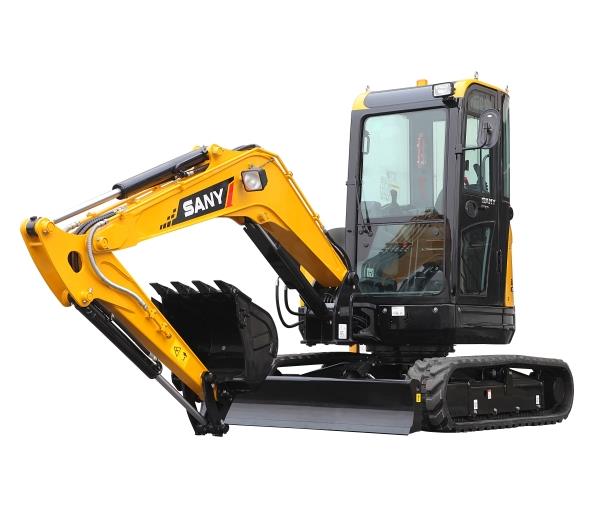
1. Lightweight Mini Excavators (Under 2 Tons): These compact machines are ideal for tight spaces and light-duty tasks. Their low weight allows for easy maneuverability and minimal ground disturbance, making them perfect for residential landscaping, small trenching, and utility installations. The SANY Below 2.5T Mini Excavator Series embodies this category well, offering strong power, easy operation, and adaptability even in the tightest job sites.
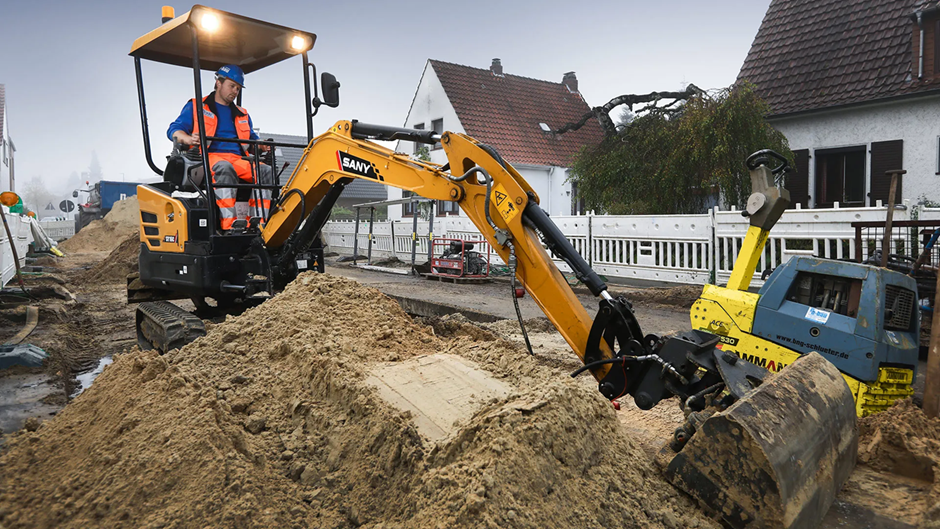
2. Standard Mini Excavators (2 to 6 Tons): Offering a balance between power and portability, standard mini excavators are versatile machines suitable for medium-scale construction projects, grading, and material handling. They provide increased digging depth and lifting capacity compared to lighter models, expanding their range of applications.
3. Heavy Mini Excavators (6 to 10 Tons): These machines are designed for more demanding tasks, such as deep excavation, demolition, and large-scale grading. Their higher weight translates to greater stability and lifting capacity, making them suitable for projects that require more power and reach.
4. Ultra-Heavy Mini Excavators (Over 10 Tons): At the upper end of the mini excavator spectrum, these machines offer significant power and capacity. They are used for heavy-duty tasks like large-scale excavation, demolition, and material handling. Despite their size, they retain many of the maneuverability benefits of smaller models.
Classification by Power Type
Mini excavators can also be classified based on their power source, which affects their performance, fuel efficiency, and environmental impact.
1. Diesel-Powered Mini Excavators: The most common power source for mini excavators, diesel engines offer high torque and efficiency, making them suitable for heavy-duty tasks. They are widely available and supported by a vast network of service providers.
2. Electric Mini Excavators: As environmental concerns grow, electric mini excavators are gaining popularity. They produce zero emissions, making them ideal for indoor use and urban areas with strict environmental regulations. However, they may have limited runtime and require access to charging infrastructure.
3. Hybrid Mini Excavators: Combining the benefits of diesel and electric power, hybrid mini excavators use a diesel engine to generate electricity, which powers electric motors. This setup reduces fuel consumption and emissions while maintaining the power and efficiency of traditional diesel models.
Specialized Mini Excavators
Beyond standard classifications, specialized mini excavators are designed for specific applications, enhancing their versatility and performance in niche tasks.
1. Zero Tail Swing (ZTS) Mini Excavators: These machines are designed with a compact rear, allowing the counterweight to remain within the width of the tracks. This design is ideal for working in confined spaces, such as urban construction sites and residential areas.
2. Long-Reach Mini Excavators: Equipped with extended booms and arms, long-reach mini excavators are suitable for tasks that require extended digging depth and reach, such as deep trenching and underwater excavation.
3. Mini Excavators with Retractable Undercarriages: These machines feature undercarriages that can be expanded for stability and retracted for narrow access. They are perfect for projects that require both stability and access to tight spaces.
4. Mini Excavators with Swing Booms: Featuring booms that can swing left or right, these excavators allow for digging and material handling from various angles without repositioning the entire machine, enhancing efficiency in tight spaces.
Factors Affecting Mini Excavator Pricing
The question of how much is a mini excavator cost hinges on a complex interplay of technical, market, and functional factors. Unlike medium excavator pricing— which is primarily driven by heavy-duty components and industrial-scale capacity—mini excavator costs are shaped by nuances that balance compactness, efficiency, and adaptability. Below is an in-depth exploration of these elements.
Machine Specifications
Size, engine power, and core capabilities are the single biggest drivers of price. Compact models with lower engine output and basic hydraulics are typically more affordable, while larger mini excavators with higher horsepower, greater lifting capacity, longer reach, and more advanced hydraulics command premium pricing. Other specification items that affect cost include:
Operating weight and transportability. Machines that are easier to tow or fit on smaller trailers can cost more if they incorporate lightweight, high-strength components.
Hydraulic flow and auxiliary circuits. Higher hydraulic capacity enables more powerful attachments, which raises both purchase price and value for certain applications.
Cabin versus open station. Enclosed cabs with climate control, sound insulation, and advanced controls add to the bill compared with simpler operator stations.
Attachments and Features
Attachments expand a mini excavator’s usefulness but increase the upfront cost. Common add-ons include buckets of various shapes, hydraulic thumbs, augers, breakers, and quick couplers. Features that raise price include:
1. Quick coupler systems for faster tool changes.
2. Proportional controls and advanced joystick layouts for precise operation.
3. Safety and comfort options such as rear cameras, LED work lights, and adjustable suspension seats.
Buying a machine with frequently used attachments bundled often makes financial sense; however, purchasing rarely used specialty tools separately can be more economical.
Brand and Manufacturer
Reputable manufacturers generally charge more because of proven reliability, parts availability, and stronger after-sales support. A known brand can mean easier access to warranties, certified service, and resale value. That premium can be worth it for contractors who rely on uptime and predictable maintenance costs. When comparing brands, consider total lifecycle value rather than only the sticker price.
*Disclaimer: Considering that prices vary significantly across different brands and regions, please contact local dealers for price inquiries.
Market and Regional Factors
Local demand, dealer competition, and transportation logistics significantly affect pricing. Regional variations include:
1. Local supply and demand. Busy construction markets and seasonal demand spikes increase prices.
2. Dealer network strength. Areas with multiple dealers may benefit from more competitive pricing and service options.
3. Import tariffs, taxes, and delivery costs. These can add materially to the landed price in some countries.
Common Operating Considerations for Mini Excavators
When evaluating mini excavator prices, operating costs often determine real value; fuel, power, and routine maintenance can quickly outweigh the initial purchase cost over the machine’s lifetime. Below are the four operating considerations:
1. Fuel & Power
Fuel or battery use is one of the clearest ongoing costs. Hourly consumption can be tiny on micro machines and jumps up quickly on larger minis under heavy digging or when high-flow attachments are used. Hard digging, poor site conditions, excessive idling, and frequent use of breakers or large augers drive fuel use higher, while matching the machine to the task, training operators on eco practices, choosing the right hydraulic setup, or using electric machines where charging is reliable will help keep costs down. For electric machines, plan battery cycles and charging access up front so you do not end up running a generator or losing productive hours.
2. Maintenance & Inspections
Regular maintenance protects uptime and resale value; skipping it creates sudden, costly repairs. Follow daily checks and the deeper services manufacturers recommend, and expect heavier expenses if the machine runs multi-shift, works in abrasive or corrosive conditions, has a patchy service history, or includes complex emission systems. Good local dealer support, strict daily checks, and predictable, light-duty use all make maintenance simpler and cheaper.
Typical high-cost scenarios:
1. Multi-shift or continuous high-hour use that accelerates wear on undercarriage, final drives, and hydraulic systems.
2. Abrasive or corrosive environments (demolition, salty coastal soils) that shorten component life.
3. Poor service history on used machines, forcing more frequent inspection and corrective repairs.
4. Complex emission after-treatment (DPF, SCR) systems that require specialized consumables and inspections.
Typical low-cost scenarios:
1. Light, intermittent usage with strict daily checks and adherence to manufacturer service intervals.
2. Strong local dealer support and quick parts access that reduce downtime and emergency repair premiums.
3. Electric architectures with fewer engine-related consumables (note: battery lifecycle planning still required).
A simple schedule to follow:
1. Daily — visual inspection, greasing, fluid levels, track tension.
2. Around 250 hours—oil and basic filter checks plus minor hydraulic inspection.
3. Around 500 hours—hydraulic and fuel filter changes, deeper undercarriage review.
4. Around 1,000 hours—major fluid changes and drive component inspection.
3. Transport & Hauling
Getting the machine to the site is more than a fuel bill — permits, licensing, and occasional escorts add real cost. Transport goes up when attachments or counterweights push the machine over local dimension or weight limits, when routes are long or constrained, or when site access forces partial disassembly. Keep transport simple by choosing machines that fit common trailer envelopes for your area, hauling short distances with owned towing gear when possible, and always checking the delivered weight with fuel and attachments so you know if permits or special drivers are required.
4. Insurance & Risk Management
Insurance converts rare big losses into a predictable cost, but policy choices matter. Premiums rise for high-value fleets, frequent interstate moves, insecure storage, or poor maintenance records; they fall if you can show secure storage, a strong maintenance record, limited geographic risk, or accept higher deductibles. Typical coverages to consider include contractors' equipment, inland marine, equipment breakdown endorsements, and commercial auto for hauling.
Is It Cheaper to Buy or Rent?
Deciding whether to buy or rent a mini excavator comes down to usage patterns, length of projects, and which costs matter most to the operation.
1. Renting: Flexibility for Short-Term Needs, Costs Align with Lease Length
Rental pricing normally follows a clear pattern: daily rates are the most expensive per day, weekly rates reduce the per-day equivalent, and monthly rates typically offer the lowest per-day cost for longer projects. Rental packages frequently bundle some services (basic preventive maintenance, optional insurance, and delivery/collection), which changes the project's total cost compared with a bare headline rate. For multi-week or multi-month needs, longer rental terms often produce better per-day economics because transaction, delivery, and inspection overheads are amortised over more days.
Rental term | Per-day equivalent | Typical best-fit use |
Daily | High | Very short jobs, one-off repairs, emergencies, testing a machine before a longer hire |
Weekly | Medium | Short projects or phased works where continuity matters, but long-term ownership is not justified |
Monthly | Low | Projects of several months where ownership risk/administration still outweighs capital investment |
2. Buying: Better for High-Frequency Use, Turning “Variable Rent” into “Fixed Costs”
Owning a mini excavator converts variable rental costs into fixed and semi-fixed ownership costs. Which buying scenario applies will determine whether buying is economical.
Light/intermittent use (occasional weekend or seasonal jobs):
Main cost drivers: depreciation while idle, storage, insurance, minimal maintenance, but higher per-hour fixed cost when amortised.
Typical outcome: Renting usually keeps the total project cost lower because ownership costs are spread thinly across a few hours.
Moderate/seasonal use (regular jobs during part of the year):
Main cost drivers: higher utilisation during season, recurring transport and setup, and predictable maintenance scheduling.
Typical outcome: a careful break-even analysis often yields a narrow decision band; lease-to-own or long-term rental can be viable alternatives.
High/continuous use (core fleet asset):
Main cost drivers: accelerated wear (undercarriage, final drives), predictable heavy maintenance, strong need for quick parts and dealer support, and faster depreciation from high hours.
Typical outcome: ownership typically becomes more economical once utilisation is consistently high and in-house maintenance capacity exists. Tools that convert the total cost of ownership (depreciation + financing + maintenance + insurance + downtime) into an annual or hourly all-in number are recommended for precise comparisons.
3. Direct Cost Comparison
Typical scenario | Better default choice | Why (main cost drivers) |
Single short job (1–3 days) | Rent (daily/weekly) | Avoids owning costs; delivery and limited maintenance are usually cheaper than owning for a few days |
Multi-week job (2–8 weeks) | Rent (weekly/monthly) | Weekly or monthly terms offer lower per-day cost; avoids storage and long-term depreciation |
Seasonal use (several months per year) | Lease or careful buy analysis | Ownership may pay off if high-intensity seasonal use recurs; compare lease vs buy with TCO tools |
Continuous, high-utilisation use | Buy | Lower all-in hourly cost when utilisation is consistently high; the owner controls maintenance and attachments |
Need many different machines/attachments | Rent | Flexibility and lower idle capital; renting avoids large attachment inventory costs |
Conclusion
Choosing the right mini excavator is less about the sticker and more about fit and long-term value. Look at each machine through the lens of total cost of ownership: expected use hours, fuel and maintenance needs, available attachments, transport logistics, insurance, and likely resale value. Match machine size and features to the jobs you actually do so you avoid paying for capabilities you will rarely use, and consider rental for short or irregular work, while buying makes sense for steady heavy use. For a clear next step when weighing how much a mini excavator costs, tally the lifecycle costs and operational impacts rather than focusing on the initial number alone.
FAQs
Are mini excavators worth it?
Yes, for many users, but it depends on how you plan to use the machine.
1. When buying makes sense:
Enhanced Productivity: Mini excavators reduce labor time and expand what a small crew can do on landscaping, utility, renovation, and light construction jobs, boosting efficiency for contractors and property owners.
Cost-Effectiveness for Frequent Use: For businesses using machines regularly, owning is often more economical than repeated rentals. Reassess buy vs. rent when monthly usage is consistently high.
2. When renting might be better:
Short-Term or Infrequent Use: Renting is practical for short or occasional projects, avoiding upfront investment and maintenance responsibilities.
Financial Flexibility: Renting preserves capital and limits financial risks like depreciation or unexpected repairs.
Can I haul a mini excavator without a CDL?
In many regions, transporting a mini excavator does not require a commercial driver's license (CDL), provided the combined weight of the towing vehicle and trailer remains below specific thresholds. For instance, in the United States, a CDL is generally not needed if the gross combined weight rating (GCWR) is under 26,001 pounds. However, some jurisdictions may have different regulations, so it's essential to verify local laws. Always check your vehicle's towing capacity, the trailer's weight rating, and the excavator's transport weight to ensure compliance. If you're near the weight limits or frequently haul equipment, consult your local transportation authority to avoid potential penalties.
Are mini excavators difficult to operate?
Mini excavators are designed for ease of use, featuring intuitive controls and compact designs that allow operators to perform tasks like digging and grading efficiently. While formal licensing may not be mandatory in all regions, many employers and regulatory bodies require operators to undergo training to ensure safety and proficiency. Training programs typically cover machine controls, safety protocols, and operational techniques. For example, the Occupational Safety and Health Administration (OSHA) in the United States mandates that operators receive proper training and evaluation before operating heavy equipment. Even in areas without strict licensing requirements, completing a recognized training program can enhance job prospects and ensure safe operation.
Featured Products
Recommend Blogs
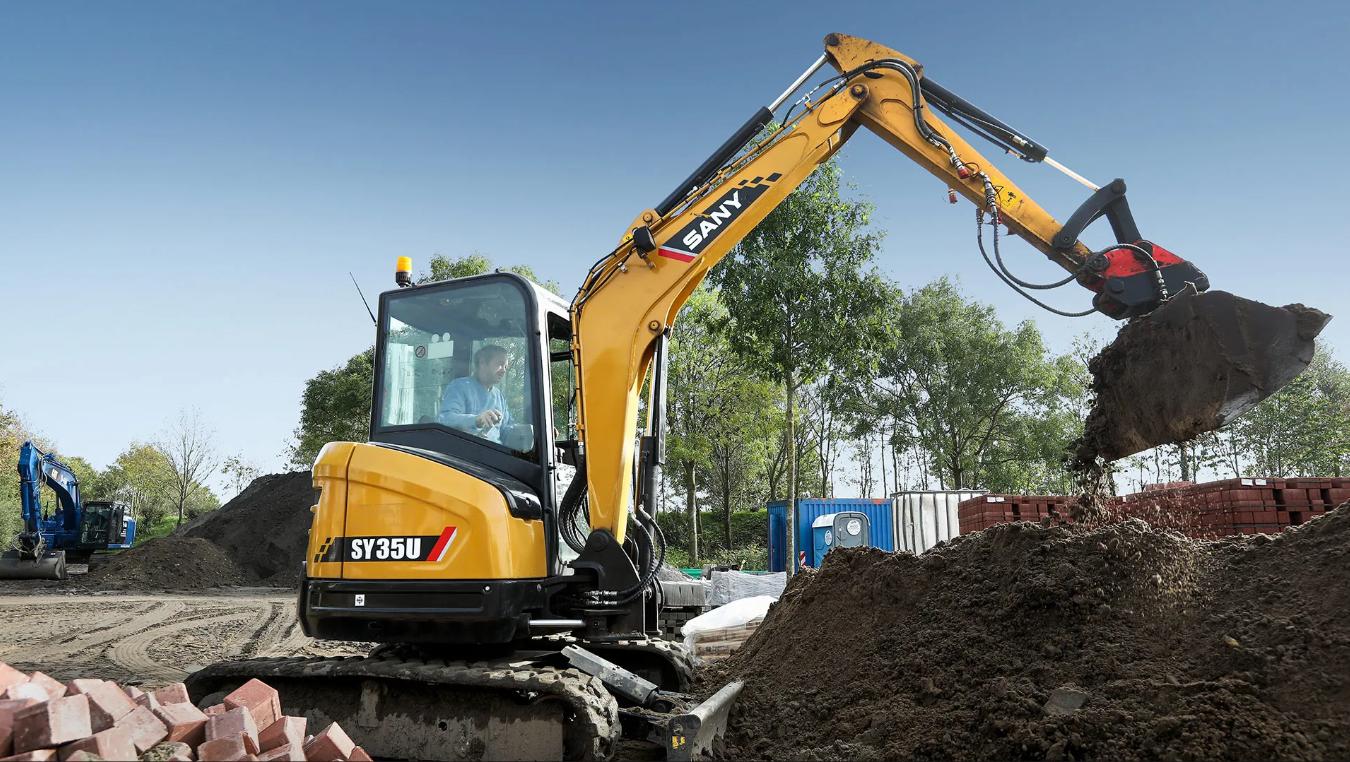
How to Operate a Mini Excavator: A Beginner’s Step by Step Safety Guide
This guide systematically breaks down the essential knowledge of how to operate a mini excavator, helping you work safely and complete tasks efficiently
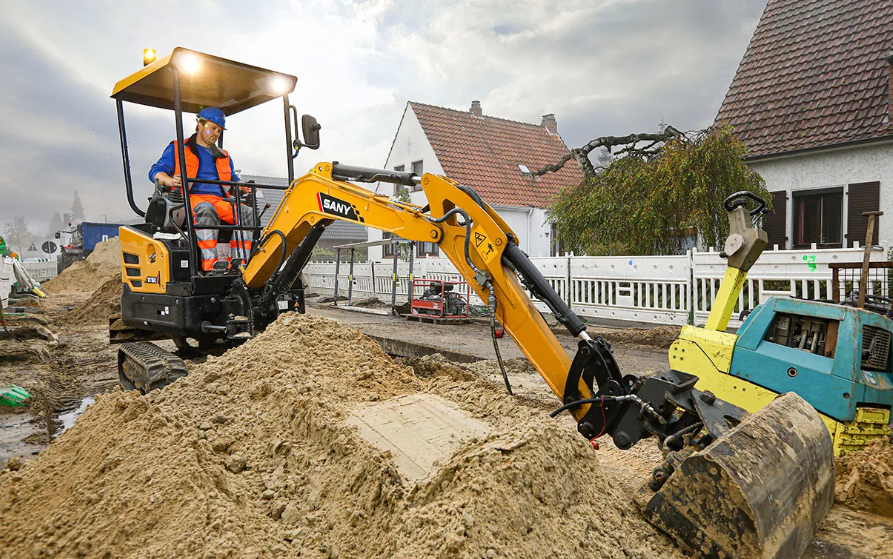
How Much Does a Mini Excavator Weigh? Your Complete Guide
A mini excavator’s weight is key to transportation, performance, and practical applications. This article breaks down the question of how much a mini excavator weighs, helping readers understand these compact machines
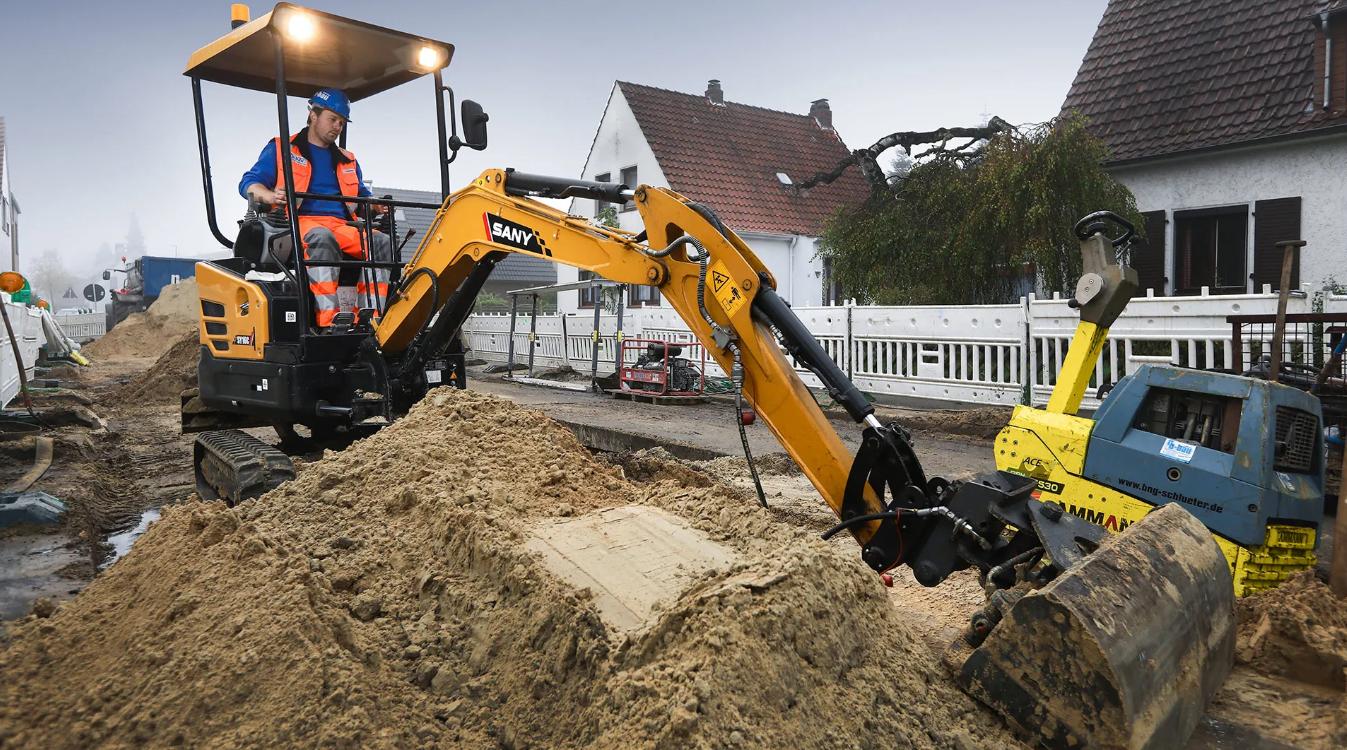
How to Pick the Best Mini Excavator: Key Features to Look for
This guide outlines mini excavators' definition, advantages, and tips for selecting the best mini excavator, acting as a reference for grasping this practical machinery.