How Much Does an Excavator Cost in 2025? A Practical Configuration Guide
Whether you’re an individual buyer, a construction firm, or an equipment rental company, understanding how much an excavator costs is essential for developing a smarter, more cost-effective procurement plan.Individual buyers, construction firms, or equipment rental companies: knowing how much does an excavator costs is key to a smarter, more cost-effective procurement plan.
If you treat purchasing an excavator as a long-term investment, how can you reduce upfront costs and maximize return on investment? To answer that, you must know how much does an excavator cost, and understand how size, feature specifications, and brand affect purchase price. You should also control operating and maintenance expenses to better balance cost and benefit. By reading this guide in full, you’ll be able to make informed, efficient purchase decisions.
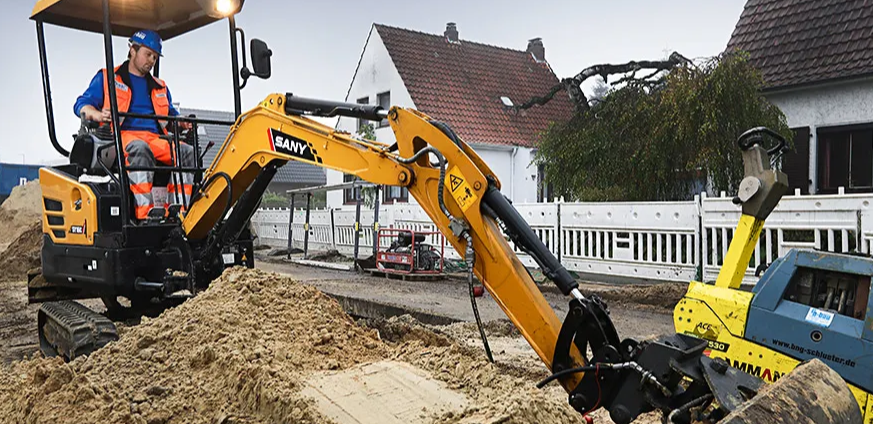
How Much Does an Excavator Cost?
How much is an excavator? The answer depends on multiple factors—most importantly, the excavator’s size (tonnage). Classified by operating weight, excavators range from mini to small, medium, and large models, each suited to different tasks and environments. Generally, the larger the machine, the higher the new-unit price.
- Mini Excavators: These compact machines typically weigh up to 6 tons and are ideal for tight spaces and light-duty work—indoor demolition, landscaping, and small trenching.
- Small Excavators: Weighing roughly 7–10 tons, small excavators offer greater size and capability than minis and are suited for rural road work and small-to-medium site grading.
- Medium Excavators: With operating weights between 11–25 tons, medium excavators are the workhorses used in mining support, agriculture, construction, utilities installation, and landscaping.
- Large Excavators: These machines typically weigh 26–45 tons, with larger engines and bucket capacities for heavy tasks such as dam construction, mine stripping, and large-scale earthworks.
As you can see, higher-spec machines deliver greater digging and lifting capacity—and that capability comes with a higher purchase price.
Factors Affecting the Purchase Price of Excavators
When asking how much does an excavator cost, you should also consider whether the machine includes extra attachments or custom configuration, whether it incorporates advanced technologies or premium features, the brand and model, and the machine’s age and condition. These factors help you balance purchase cost against operational value.
- Extra Attachments and Custom Options: Beyond a standard bucket, adding attachments such as compactors, grapples, augers, hydraulic breakers, or hydraulic hammers increases machine versatility and utilization — but raises the upfront purchase cost.
- Advanced Technologies and Features: Some models come with GPS grade-control, telematics/remote monitoring, advanced hydraulic/control systems, or upgraded cabs (climate control, premium seats, etc.). These features command a price premium but can meaningfully improve efficiency and productivity.
- Brand and Model: Popular major brands (SANY, John Deere, Komatsu, Caterpillar,etc.) typically carry brand premiums. Their advantages — advanced tech, reliable performance, build quality, and professional after-sales support — often justify higher prices.
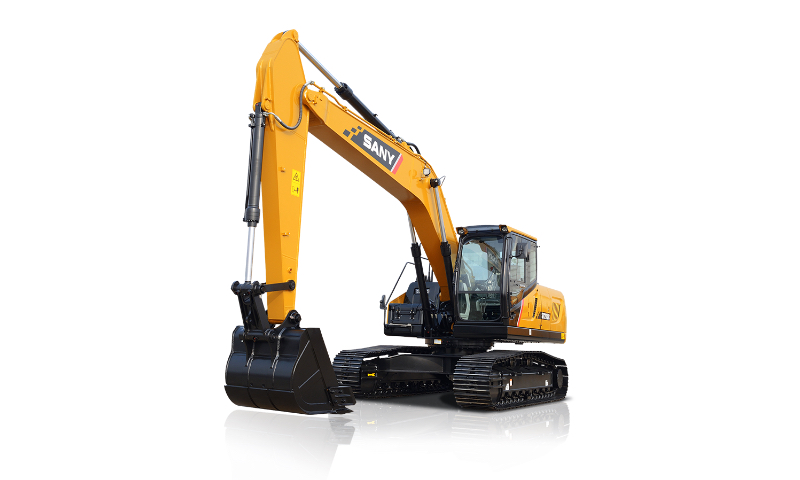
For example, SANY 20–21.5T Medium Excavator models offer bucket capacities of 0.83–1.2 m³, engine outputs around 104–125 kW, and are designed to handle 20–24T operating weights comfortably. Thanks to optimized design and improved fuel efficiency, these machines are easy to operate and can help reduce fuel costs.
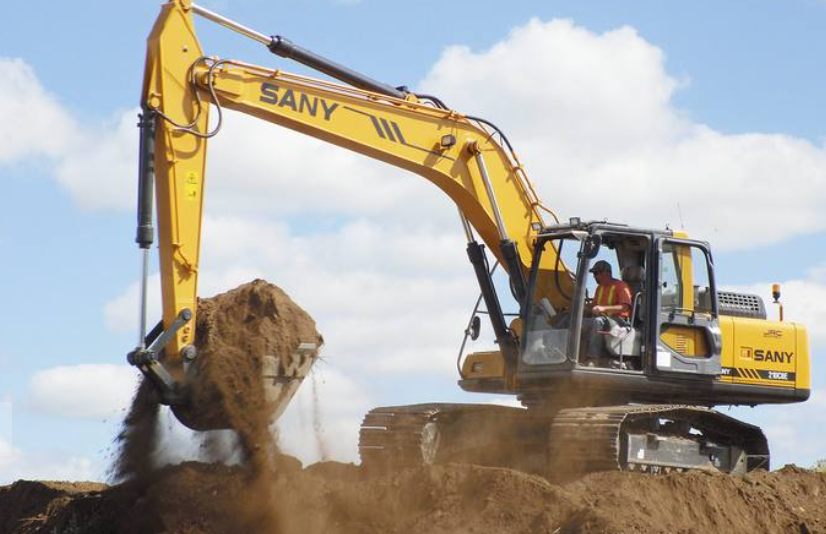
These brands also provide many specifications and model variants to match diverse needs and budgets, ensuring a better fit for different use cases.
- Age and Condition: When evaluating how much is an excavator, don’t focus only on new-unit pricing — consider the used market too. If budget or short-term use is a priority, used excavators are a practical option. Typically, second-hand units sell for 40%–70% of new price depending on age, condition, and operating hours. Well-maintained older machines can offer good value, but they may require more frequent maintenance and will generally lag behind new models in performance.
Excavator Operating and Maintenance Costs
An excavator isn’t a disposable item — it’s a large capital asset requiring ongoing maintenance. So, beyond how much does an excavator cost to buy, you must also budget for operating and maintenance expenses across the machine’s lifecycle.
Operating Costs
Operating costs are the recurring expenses incurred while the excavator is in use. Major categories include:
1. Fuel and Energy: Excavators primarily run on diesel. Fuel consumption — a major operating cost — depends on engine efficiency, workload intensity, machine age, fuel quality, and fuel price fluctuations.
2. Labor: Labor cost covers operator wages and related employment expenses (benefits, etc.). It varies with operator skill level, regional wage norms, and project duration.
3. Insurance: Annual insurance typically ranges around 1%–2% of equipment value and often covers physical damage, liability, and theft protection.
4. Transport and Mobilization: Since excavators move between sites, transport fees (trailers), tolls, and coordination costs are necessary to support multi-site deployment.
Maintenance and Repair Costs
Maintenance costs are essential to preserve machine reliability and extend service life. They include:
1. Labor for Maintenance: Skilled technicians must perform routine checks — engine oil and hydraulic fluid levels, filter condition, etc. — and carry out repairs when faults occur.
2. Parts Replacement: Consumables such as engine oil, hydraulic oil, filters, and wear parts require scheduled replacement.
3. Major Overhauls: Beyond routine repairs, excavators reaching certain service life milestones may need high-cost projects: undercarriage refurbishment, engine overhauls, hydraulic pump replacements, or full machine rebuilds. These major repairs can be significant budget items.
Tips to Save on Excavator Costs
The cost of an excavator includes both the purchase price and ongoing operating and maintenance expenses. To maximize cost-effectiveness—saving money and hassle while ensuring the excavator delivers more value—you need smart configuration choices and disciplined operations & maintenance strategies.
- Consider Buying Used Machines or Renting Equipment: Purchasing a used excavator can lead to substantial savings on upfront capital, though it may increase subsequent maintenance costs. If you opt to rent, negotiate longer-term contracts where possible to secure lower rates aligned with project needs.
- Improve Energy Efficiency: Choose fuel-efficient models to lower long-term operating costs, especially in regions with high fuel prices. For example, the SANY 20–21.5T Medium Excavator uses fuel-efficiency technologies that can save roughly 10% on fuel. At the same time, invest in comprehensive operator training so drivers understand different working modes and adopt good operating habits—this matches machine output to task requirements and reduces wasted fuel and wear.
- Implement a Proactive Maintenance Program: Stick to scheduled servicing, enforce correct operating procedures, and prioritize high-quality fuel and parts to reduce breakdown risk and lower lifetime maintenance costs.
Conclusion
Specifying an excavator is not a one-off transaction. You need a clear understanding of how much does an excavator cost to develop a sensible procurement plan, and you must manage subsequent operation and maintenance to systematically lower the cost of excavator ownership, improve ROI, and make the most of your resources.
FAQs
What is the average cost of a new excavator?
The average purchase cost of a new excavator is not a fixed figure; its magnitude is primarily determined by the combined and cumulative effects of three core factors: the equipment's size specifications and performance parameters, the richness of additional accessories and functional configurations, and the brand's positioning and technical heritage.
Thus, the purchase cost of a new excavator is usually positively correlated with its "comprehensive value": the larger the size, the more comprehensive the functions, and the stronger the brand's technical strength, the higher the cost tends to be. In actual purchasing, it is necessary to consider specific operating scenarios and needs to find the right balance between performance, configuration, and cost.
Is buying a used excavator a good investment?
Used excavators are attractive for reducing upfront purchase costs. However, they may show signs of aging and have higher failure risks, requiring more frequent maintenance. Treat used machines as a budget-constrained option and always perform a thorough inspection before purchase to avoid frequent repairs.
What factors affect excavator operating costs?
Operating costs mainly include fuel, labor, insurance and taxes, transport/mobilization, and storage. Each cost category is influenced by multiple factors—for example, fuel costs depend on global oil prices, local supply, machine fuel efficiency, and operator habits. Effectively managing operating expenses requires a holistic approach that addresses all these variables.
Featured Products


Recommend Blogs
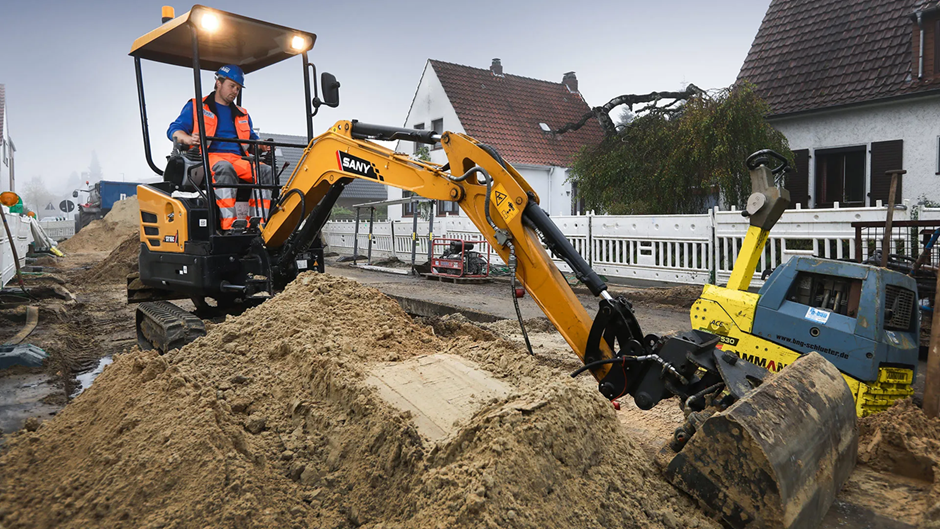
How Much Is a Mini Excavator? Exploring Prices and Operational Expenses
Compare mini excavator types, pricing factors, operating considerations, and whether buying or renting is smarter, helping you see how much is a mini excavator in 2025.
Excavator vs Trackhoe: Understanding the Real Difference
Discover the real difference in the excavator vs trackhoe debate. Learn definitions, key features, pros and cons, and how to choose the right machine for your project in this comprehensive guide.
Excavator Bucket Types: The 2025 Complete Guide to Sizes, Uses, and Buying Strategies
This article focuses on excavator bucket types, sizes, and widths, and includes a detailed buying guide to help construction teams work more efficiently.