Front End Loader Controls Guide: Essential Tips for Safe and Efficient Operation
This guide explores front end loader controls, their key components, and practical operation techniques for safe, efficient, and precise loader operation.
Front-end loaders are versatile engineering machines widely used in construction sites, mining operations, agricultural production, and other fields. They excel at quickly loading, transporting, lifting, and unloading materials such as sand, gravel, soil, coal, and construction debris. However, operating a front-end loader requires specialized skills, and operators must be proficient in its controls. This guide outlines the key operating points and techniques for front-end loader controls, equipping you with the knowledge of how to operate a front loader to enhance work safety and efficiency.
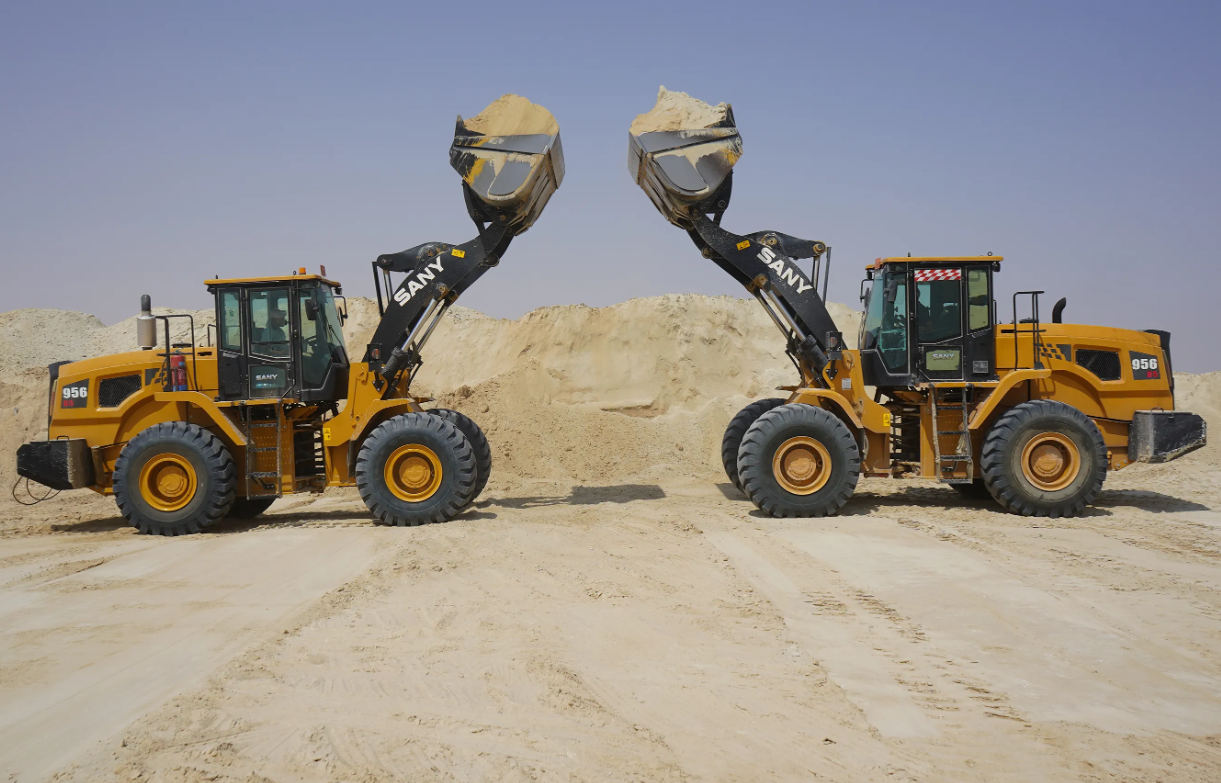
Front End Loader Controls Overview
Before delving into the operation methods of front-end loader controls, it is helpful to first understand the basic components of this type of engineering equipment, as well as the core functions and operational objectives of each part.
1. Travel Controls
Basic components: Includes steering wheel, gear selector, accelerator pedal, brake pedal, and other components.
Core functions and objectives: Controls the direction of travel, speed adjustment, and braking operations, ensuring the moving accuracy and safety of the front-end loader.
2. Boom and Bucket Controls
Basic components: Main components include the boom, bucket, and the hydraulic system and control levers that drive their operations.
Core functions and objectives: Enables core operational movements such as boom lifting/lowering and bucket tilting/dumping, ensuring the efficiency and precision of loading, transporting, and unloading tasks.
3. Other Machine Controls
Basic components: Typically includes auxiliary components and control devices such as the lighting control system, horn and alarm devices, and air conditioning and ventilation system.
Core functions and objectives: Controls lighting components such as headlights, turn signals, and warning lights to ensure clear visibility during nighttime operations or site transfers; alerts to equipment abnormalities and warns nearby personnel to disperse, eliminating potential safety hazards; enhances operator comfort in harsh working environments (e.g., high temperatures, dust, etc.).
Preparing to Operate a Front-End Loader
To ensure a front-end loader operates safely, efficiently, and completes tasks smoothly, preparation should be done in a standardized and orderly manner. In particular, focus on the following two aspects:
1. Conducting Pre-operation Checks
In addition to the work site environment, thoroughly inspect the equipment’s appearance, hydraulic system, power system, and control devices to eliminate potential hazards.
Work Site Inspection: Check for overhead power lines, obstacles, potholes, or uneven ground. Ensure all personnel have been evacuated from the work area.
Equipment Appearance Inspection: Examine the vehicle body for collisions or deformation; check the bucket and boom for wear or cracks; verify tire pressure (for tracked loaders, inspect track tension).
Hydraulic System Inspection: Inspect hydraulic hoses and joints for leaks; ensure the hydraulic oil level is within the marked range and oil quality is clean.
Power System Inspection: Check engine oil, coolant, and fuel levels; clean the air filter element; ensure battery connections are secure.、
Control Device Inspection: Before starting, test that control levers and pedals move smoothly without jamming; confirm instrument lights and displays function normally.
2. Starting the Loader Safely
After completing pre-operation checks, the operator must start the equipment safely and standardly to lay the foundation for subsequent work. Follow these steps:
Preparation to Board: Wear personal protective equipment (PPE) such as a hard hat and non-slip shoes. Maintain balance when opening the door to avoid falling. Use the "three-point contact" method when boarding—keep both hands and feet in contact with the equipment’s handrails or steps to ensure stable entry into the cab.
Pre-start Settings: Fasten the seatbelt and other safety restraints; adjust the seat and steering wheel to a comfortable position; confirm the gear is in neutral; close the cab doors and windows to reduce internal dust.
Starting and Warming Up: Insert the key into the ignition switch to start the engine. Allow it to idle for 3–5 minutes to warm up (extend warm-up time in low-temperature environments).
Post-start Confirmation: After the engine warms up, recheck the surrounding environment. Only when no safety hazards are confirmed, release the parking brake and prepare to start work.
How to Operate a Front-End Loader Step by Step
From a practical perspective, the key to operating front-end loader controls lies in completing the operation in a standardized and orderly manner, paying close attention to every detail. The specific steps are as follows:
1. Driving and Positioning
Driving Operation: You can control acceleration and braking using the foot pedals, and steer the machine using the left joystick or steering wheel to move it safely to the work area. Additionally, maintain control of your speed during travel, especially by avoiding sudden starts and sharp turns.
Positioning Operation: Before starting work, adjust the distance between the machine and the material based on the pile's location and the work area boundaries. Ensure the bucket's centerline is aligned with the center of the material pile.
2. Scooping, Carrying, and Dumping
Scooping Operation: Adjust the bucket cutting edge to a horizontal position, drive straight toward the material pile with the bucket smoothly 贴合 the ground, and lift the boom slightly to maintain traction. Once the bucket is filled, curl it inward while pulling the boom back. For scooping large chunks or hard soil, insert the bucket 分次 and curl it gradually.
Carrying Operation: After scooping, before reversing away from the pile, level the bucket and lower the boom. Then, drive the machine to the dumping area at a steady speed.
Dumping Operation: As you approach the dumping point, raise the boom. Then, drive forward slowly and dump the material. After dumping, retract the bucket, lower the boom slowly, and prepare for the next cycle.

3. Digging and Breakout
When an excavator is unavailable, a front-end loader can efficiently break through hard structures and dig hard soil, gravel, or shallow trenches by coordinating the boom and bucket. The key front loader controls are as follows:
Positioning and Penetration: Park the machine in front of the digging point. Adjust the bucket so its base is on the ground, tilt the bucket forward to drive the cutting edge into the ground.
Digging and Carrying: Drive forward to push the bucket into the soil, tilting it to load. Lift the bucket clear of the ground and reverse with the full load. If digging cannot be completed in one pass, penetrate and break the material.
Material Unloading and Subsequent Operations: Transport the material to the designated location, raise the boom, and dump. Lower the bucket, return to the work site, and repeat the above steps.
4. Grading and Finishing
Using the bucket, a front-end loader can scrape or drag gravel, mulch, and soil to effectively level and clear the ground. Below are the practical steps:
Clearing Operation: Mark and briefly clear the work area, mainly removing weeds, grass clumps, shrubs, trees, and large rocks. Load materials into the bucket to balance the equipment.
Leveling Operation: Keep the bucket level with the ground and drive forward. Repeat the operation to scrape off raised portions of the ground and level the mulch. For dragging operations, lower the bucket to the ground and reverse to level the surface. Repeat until the desired ground level is achieved.
5. Shutting Down Properly
After completing daily operations, properly securing the equipment in an appropriate area is also a key practical aspect of front-end loader controls.
Preparation for Parking: Drive the equipment to a flat, safe parking area, away from hazards such as material piles and excavations. Engage the parking brake, retract the bucket, lower the boom, and rest the bucket base on the ground.
Parking and Post-Inspection: Turn off the engine and remove the key. Check for oil or water leaks and clean debris from the cab. Once confirmed safe, exit the cab and close all doors and windows.
Important Note: Operational methods may vary between different types of front-end loaders. Always refer to the specific equipment's operation manual first. For example, SANY Wheel Loader, Backhoe Loader, and Skid Steer Loader each have distinct operational focuses.
Therefore, if you need to operate different machines, you must understand "how to operate a wheel loader" and the operational differences between these and other front-end loader types.
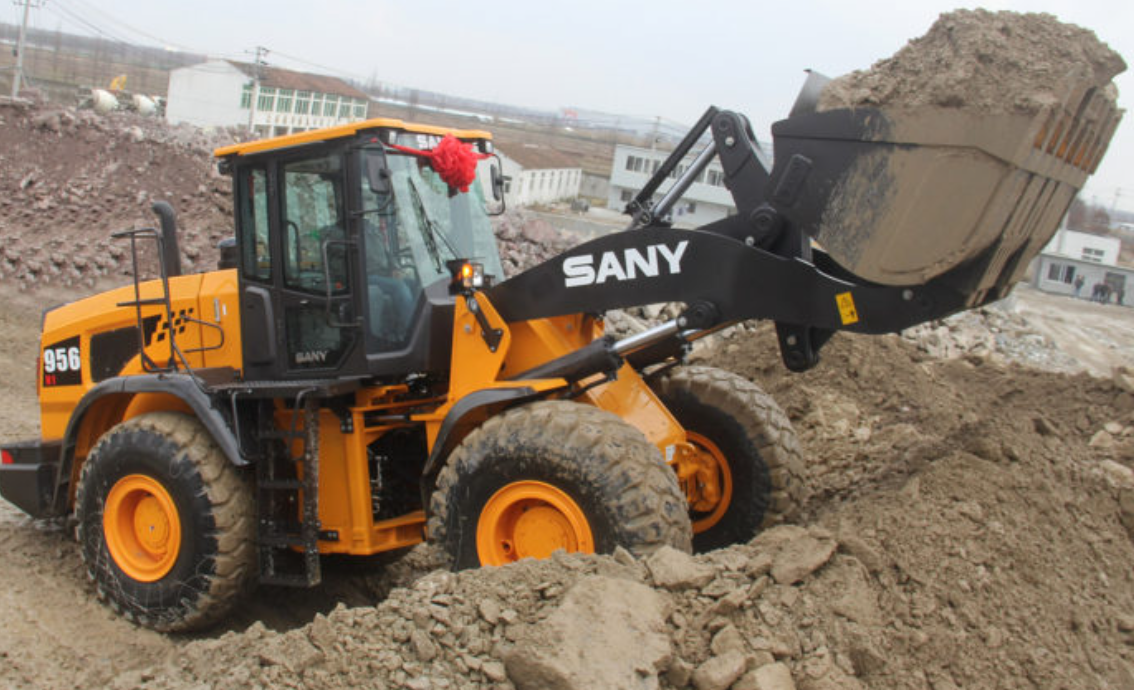
Front End Loader Operation Safety Practices
To enhance operational safety, it is essential to both master the practical operation points of front-end loader controls and strictly comply with regulations covering operator requirements, worksite safety, and safe equipment operation.
1. Operator Requirements
Standardized Qualification and Certification: Operators must complete professional training and obtain corresponding certifications. Unauthorized operation is strictly prohibited.
Maintain a Good Condition: Ensure operators are fully rested. Avoid operating under fatigue, after consuming alcohol, or after taking medications that may impair judgment.
Equip with Safety Gear: Personal protective equipment (PPE) such as hard hats and non-slip shoes must be worn properly. Operating the equipment in slippers, high heels, or loose clothing is forbidden.
2. Worksite Safety Regulations
Pre-Operation Site Survey: Clearly define the work scope and hazardous areas (e.g., excavations, high-voltage power lines, steep slopes, blind spots). Install warning signs and prohibit unauthorized personnel from entering the work area.
Maintain a Safe Distance: Keep bystanders and auxiliary personnel at a safe distance. Avoid multiple people working simultaneously under the bucket or within the boom’s range.
On-Site Emergency Response: In case of emergencies during operation (e.g., equipment failure, unauthorized personnel entry), immediately stop operations, engage the parking brake, and resume work only after the issue is resolved.
3. Safe Equipment Operation Regulations
Safety is paramount. When operating front-end loader controls, many dangerous behaviors are strictly prohibited, especially the following:
Prohibited Overloading: The weight of loaded materials must not exceed the equipment’s rated load capacity to avoid risks such as forward tipping of the loader or damage to the hydraulic system.
Prohibited Unauthorized Lifting: Do not use the bucket to lift personnel or equipment. For high-altitude operations, use specialized lifting equipment.
Prohibited Maintenance During Operation: Do not open hydraulic oil tanks, engine compartments, or other components for maintenance while the equipment is running. Stop the machine and cut off the power supply before conducting repairs.
Training and Certification for Front-End Loader Operators
Operators of heavy loaders must receive training and obtain operational qualifications. The training content and requirements are as follows:
Theoretical Training: Learn essential theoretical knowledge, including loader structure and principles, front loader controls instructions, safety regulations, fault identification and handling, etc. Pass a written exam.
Practical Training: Under the guidance of professionals, conduct operational training on starting, driving, loading, transporting, unloading, leveling, etc., to achieve proficient and standardized operation.
Emergency Training: Simulate emergency scenarios such as equipment failures, slope slipping, and personnel intrusion to train emergency response skills, ensuring operators can respond quickly and correctly.
To effectively master the operation points of front-end loader controls and meet relevant industry standards and legal requirements, it is recommended to participate in training courses and obtain certification from professional institutions to demonstrate competence in knowledge and skills required for the job.
Conclusion
During on-site operations, front-end loader controls are critical to ensuring this engineering equipment completes tasks smoothly and efficiently. Whether you are an experienced operator or a novice, you must fully grasp how to operate a front loader and handle it correctly and safely to maximize on-site performance and overall efficiency.
FAQs
How to Use A Front-end Loader on A Tractor?
Using a front-end loader on a tractor requires professional training, qualification certification, and strict adherence to safety regulations. From a practical perspective, the following aspects should be addressed:
Equipment Inspection: Check the tractor's tire pressure, brakes, engine oil, coolant, hydraulic oil, fuel levels, etc. Also, inspect the loader's bucket, boom, and other components. Additionally, verify that the connecting bolts and pins between the loader and the tractor are secure.
Operating Procedures: Start the tractor engine, allow it to warm up, and check that the hydraulic system pressure is normal. Drive to the work area and use the hydraulic controls to lift, lower, and tilt the bucket to load materials. Transport the materials to the unloading point, lower the bucket slowly, and tilt it to unload.
Post-Operation Tasks: After completing the work, promptly clean residual materials from the bucket and park the equipment safely in an appropriate location.
What Are The Controls on A Skid Steer?
The front-end loader controls on such machines mainly include the following categories:
Travel Control System: Used to control the machine's forward, reverse, steering, acceleration, and braking. The mainstream control method uses dual joysticks, while some models combine foot pedals with hand levers.
Work Implement Control System: Primarily used to control the lifting, lowering, and tilting of the bucket (or other attachments). The controls are often integrated into the top of the travel joysticks, though some models feature independent hydraulic levers.
Engine and Machine Status Control System: Typically consists of an instrument panel and a control panel. It enables functions such as engine start/stop, throttle adjustment, engine speed setting, and malfunction indication.
What Not to Do with A Front-end Loader?
Understanding the operational prohibitions for front-end loader controls is a crucial prerequisite for ensuring operational safety. In particular, the following high-risk items are strictly prohibited:
Do not overload the bucket: An overloaded bucket shifts the machine's center of gravity forward, potentially causing it to tip over.
Do not stand or work under the bucket: Whether loaded or empty, the area under the bucket is a high-risk zone. Sudden hydraulic leaks or operational errors could cause the bucket to fall.
Do not raise/lower or swing the bucket abruptly: Rapidly lifting, lowering, or suddenly tilting the bucket can easily cause materials to spill and injure people. It also shocks the hydraulic system and frame, potentially leading to equipment failure or instability.
Do not travel at high speed with the bucket raised: Driving with the bucket elevated above a safe height significantly raises the machine's center of gravity, making it prone to tipping over when turning or encountering obstacles.
Featured Products

Recommend Blogs
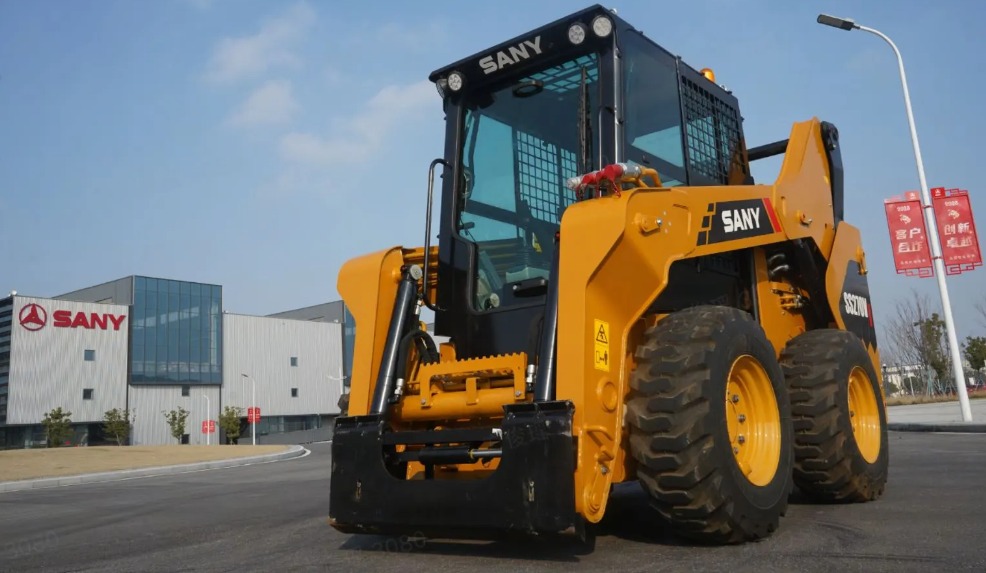
Skid Loader Lift Capacity Explained: ROC vs Tipping Load & Load Weight
Learn about skid loader lift capacity, tipping load, and ROC. Understand factors affecting lift and how to calculate load weight safely.
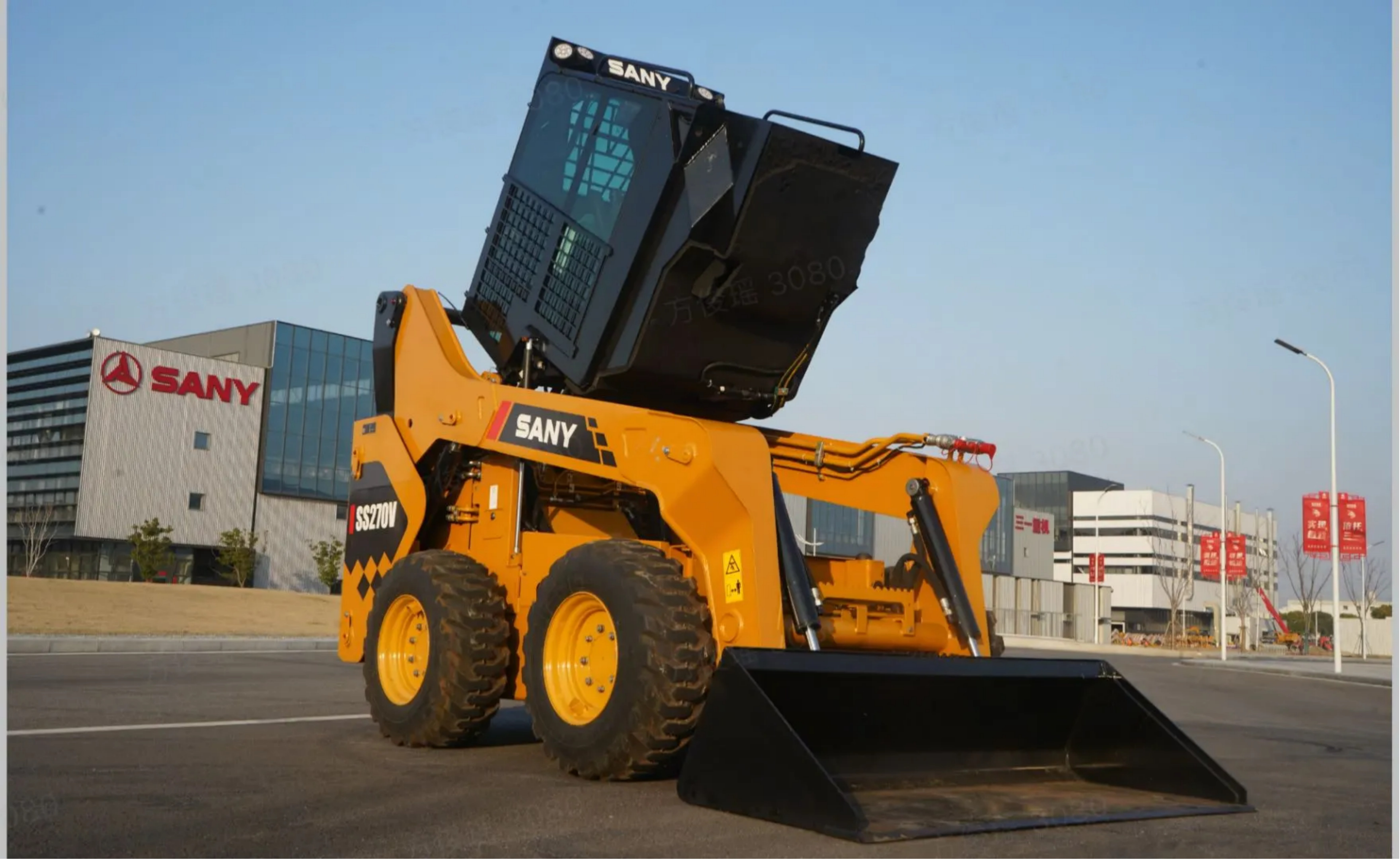
How to Operate a Skid Loader? Comprehensive Guide to Efficient and Safe Operations
This article focuses on core components of the skid loader, how to operate a skid loader, safety knowledge, and common operations, helping construction teams carry out projects efficiently and safely.

What Is a Wheel Loader? A Practical Overview for 2025
This article explains what is a wheel loader, its working principle, applications, key components, types, sizes, and how to choose the right model to help project managers improve efficiency.