Forklift vs Skid Steer Analysis: Definitions, Differences, and Selection Guide
This article introduces the key differences between forklift vs skid steer and how to choose the right equipment for your project.
In warehousing, logistics, and construction, forklifts and skid steer loaders are frequently used pieces of engineering equipment, yet they are often confused. From small-scale warehouse cargo transfers to large-scale construction site material handling and cleanup, these machines may appear to overlap in function, but their core roles and application scenarios differ significantly. This article will introduce the key differences between forklifts and skid steers, and provide targeted selection advice based on actual needs, helping practitioners accurately match equipment and improve operational efficiency.
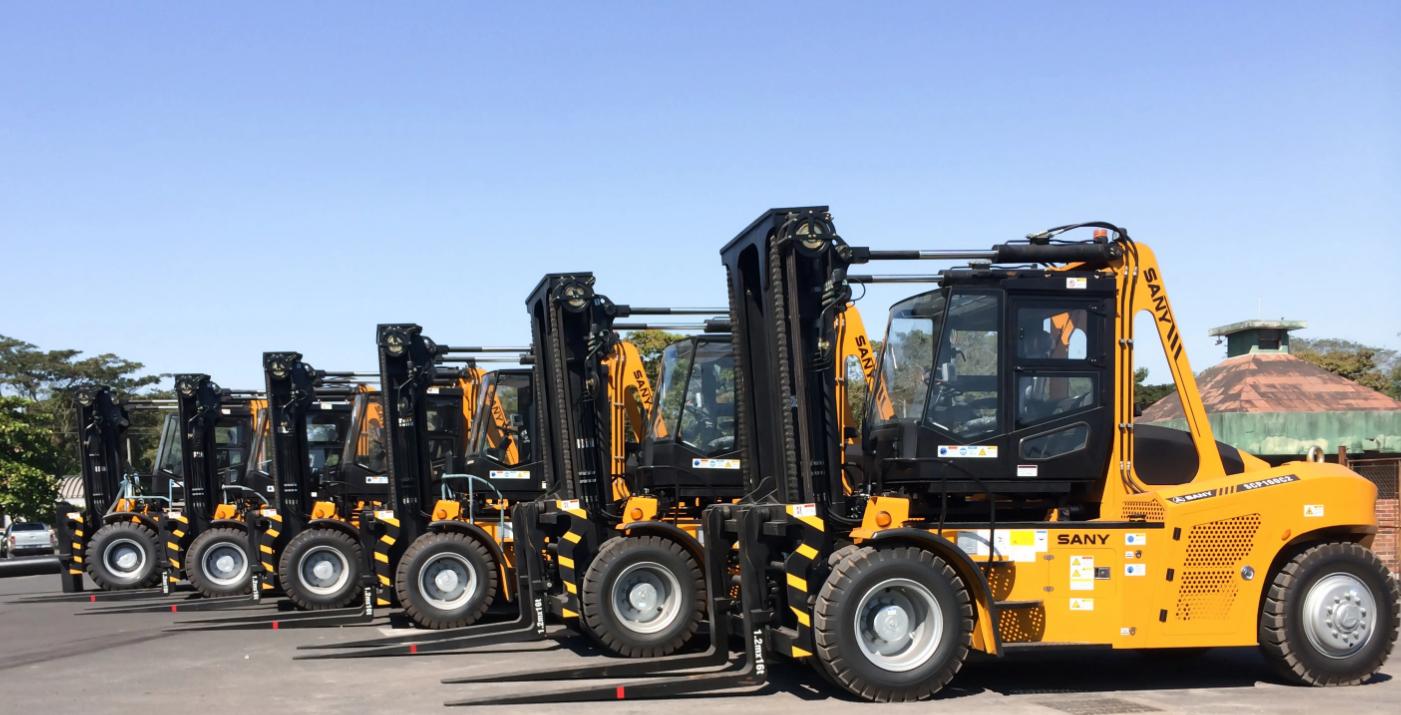
What Are Skid Steers and Forklifts?
What Is a Forklift?
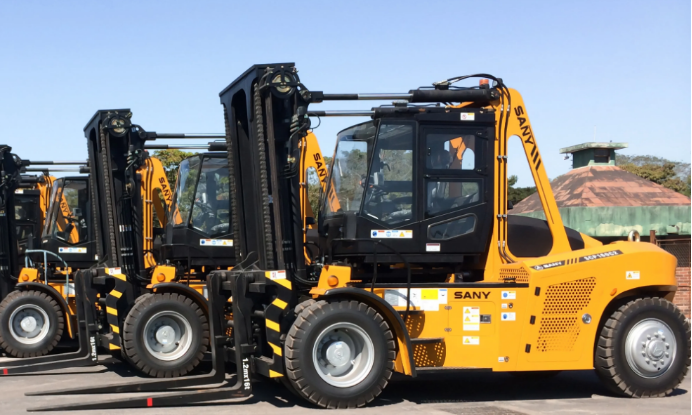
A forklift, also known as a forklift truck, stacker, or pallet truck, is a wheeled industrial vehicle used in factories, warehouses, and logistics centers. It uses its adjustable forks at the front to load, unload, stack, and transport palletized goods over short distances. It greatly reduces the physical labor required for handling heavy objects, improves efficiency, and is an indispensable piece of equipment in modern warehousing and logistics.
Key Features and Working Principles
Handling and Stacking: Handles goods (usually on pallets), moves them horizontally, and stacks them vertically to higher positions.
Increased Efficiency: Much faster than manual handling, reducing cargo turnaround time and lowering costs.
Adaptability: Compact size, suitable for working in confined spaces, can fit into containers and truck beds.
What Is a Skid Steer?
A skid steer is a compact, highly mobile, multi-functional engineering vehicle that achieves on-the-spot turning ("skid steer") by using the difference in linear speed between its two wheels. It can quickly change various attachments such as buckets and breakers, and is widely used in environments with limited space and varied tasks, such as construction, landscaping, and agriculture.
Key Features and Working Principle
Skid Steering: The left and right wheels are independently driven. By accelerating or decelerating one wheel, the vehicle can turn on the spot, making it ideal for working in confined spaces.
Multi-functionality: The front hydraulic arm can quickly switch between various attachments, such as a bucket, forklift, auger, and breaker, enabling one machine to perform multiple tasks.
Compact and Flexible: Its compact size allows it to access areas inaccessible to ordinary large machinery.
Forklift vs Skid Steer: Key Differences
Although forklifts and skid steer loaders are both engineering work equipment, they differ fundamentally in their core positioning, functional attributes, and applicable scenarios. The specific differences are as follows:
Core Functions and Positioning
Forklift: Designed for vertical lifting and horizontal transport of goods, specifically for loading, unloading, and stacking palletized goods in warehouses, ports, and factories. It is a specialized piece of equipment for material handling and high-level storage.
Skid Steer Loader: A multi-functional work platform with no fixed operating devices. It can quickly switch between dozens of attachments such as buckets, breakers, and grapples, primarily for site clearing, earthmoving, and multi-functional construction in confined spaces.
Operating Scenarios
Forklifts: Primarily used indoors/on level, hardened surfaces, such as warehouse racking, raw material transfer in workshops, and container loading and unloading at ports. They are well-suited to varying site flatness and ceiling height.
Skid Steer Loaders: Adapted to complex outdoor conditions, such as construction site backfilling, farm forage grabbing, and mine scrap material clearing. They can handle muddy, rugged, and other unhardened surfaces.
Handling and Mobility
Forklifts: Rely on steering wheels for direction adjustment, have a large turning radius, and are more suitable for long-distance straight-line transport. Operation emphasizes "precise positioning."
Skid Steer Loaders: Use independent drive steering for both tracks/wheels on each side, enabling 360° turning on the spot. They have excellent maneuverability in tight spaces. The operation emphasizes "multi-functional attachment switching."
Key Differences Summary
Purpose: Forklifts are for material handling (vertical stacking), while skid steers are for multi-functional operations (horizontal loading/unloading/cleaning/multiple tasks).
Operation: Forklifts rely on steering and forks for turning, while skid steers use independent drive wheels for turning on the spot.
Versatility: Skid steers achieve high versatility through attachments, while forklifts have relatively limited functionality (although different types exist).
Application Scenarios: Forklifts primarily handle warehousing, while skid steers are primarily used for construction sites and site cleanup.
How to Choose a Skid Steer Loader and Forklift for Your Project?
The key to choosing a skid steer loader and forklift lies in matching the equipment characteristics to the project's operation type, environment, and efficiency requirements, while also considering cost and subsequent maintenance. The specific selection method is as follows:
Prioritize Core Operational Tasks
Forklift Selection: If the core of the project involves the vertical lifting and horizontal transport of palletized goods, such as stacking goods in a warehouse, short-distance transport of raw materials in a factory, and container loading and unloading at a port, prioritize forklifts.
Further refine the selection based on operational requirements. For example, for stacking high-rise racks (over 6 meters), choose forklifts with three-stage masts; for narrow warehouses, use reach trucks. Additionally, if handling fixed-weight goods weighing 1-10 tons, select a model with a rated load capacity slightly higher than the actual demand to avoid overloading risks.
Choose a skid steer loader: If the project involves multiple types of complex operations requiring frequent switching of operating modes, choose a skid steer loader. For example, construction sites need to simultaneously complete earthwork backfilling and gravel removal, farms need to grab hay and clear debris, and municipal engineering projects need to sweep and break up roads. It can be equipped with attachments such as buckets, breakers, and grapples to achieve multiple uses in one machine. If there are requirements for lifting and unloading, choose a vertical lift model; if only ground loading and unloading is required, choose a radial lift model.
Matching the Project's Operating Environment
Forklift Selection: Forklifts are suitable for indoor or flat, hardened environments. For example, electric forklifts are suitable for e-commerce sorting warehouses and cold chain workshops due to their low noise and environmental friendliness, making them ideal for enclosed environments. For high-intensity operations in open areas such as outdoor ports, internal combustion forklifts are more suitable due to their powerful performance and long range.
Choose a skid steer loader: Skid steer loaders are more suitable for projects in complex outdoor terrain, such as muddy construction sites, mining slopes, and narrow demolition sites. Tracked models are suitable for soft ground due to their strong traction; wheeled models are suitable for hard ground due to their faster speed and lower maintenance costs. Ultra-compact models, with a width of less than 1 meter, can also handle the needs of working in narrow indoor spaces.
Balancing cost and maintenance needs
Forklift selection: Electric forklifts are preferred for long-term warehousing operations, although the initial investment is higher, the subsequent energy consumption and maintenance costs are lower. Internal combustion forklifts can be used for short-term, temporary outdoor operations, as the purchase cost is lower and no additional charging equipment is required. It is also important to choose brands with widely compatible parts to facilitate the replacement of wear parts and reduce maintenance costs.
Choosing a skid steer loader: If the project requires the coordinated use of multiple pieces of equipment, choosing this type can reduce equipment procurement costs. However, pay attention to the hydraulic flow rate. If attachments such as milling machines are needed, choose a high-flow model; if only cleaning operations are required, a standard-flow model is sufficient to avoid high-cost waste. Additionally, select a brand with comprehensive after-sales service to ensure attachment supply and rapid response to malfunctions, avoiding delays in the project schedule.
Whether you choose a Forklift Truck or a Skid Steer Loader, SANY offers a variety of equipment to choose from.
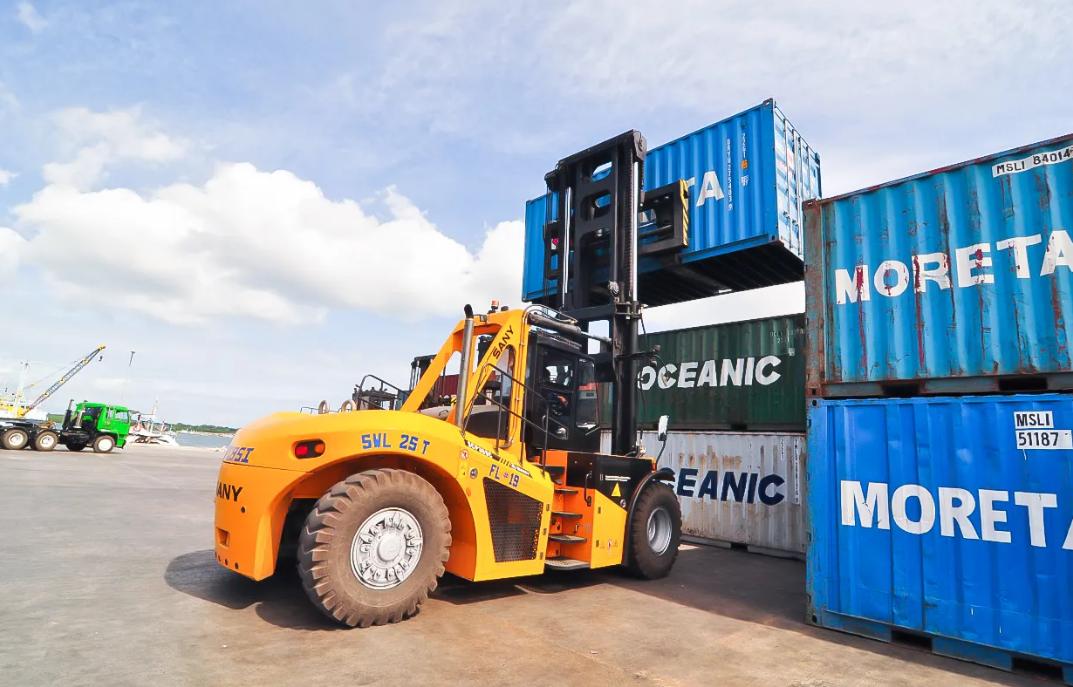
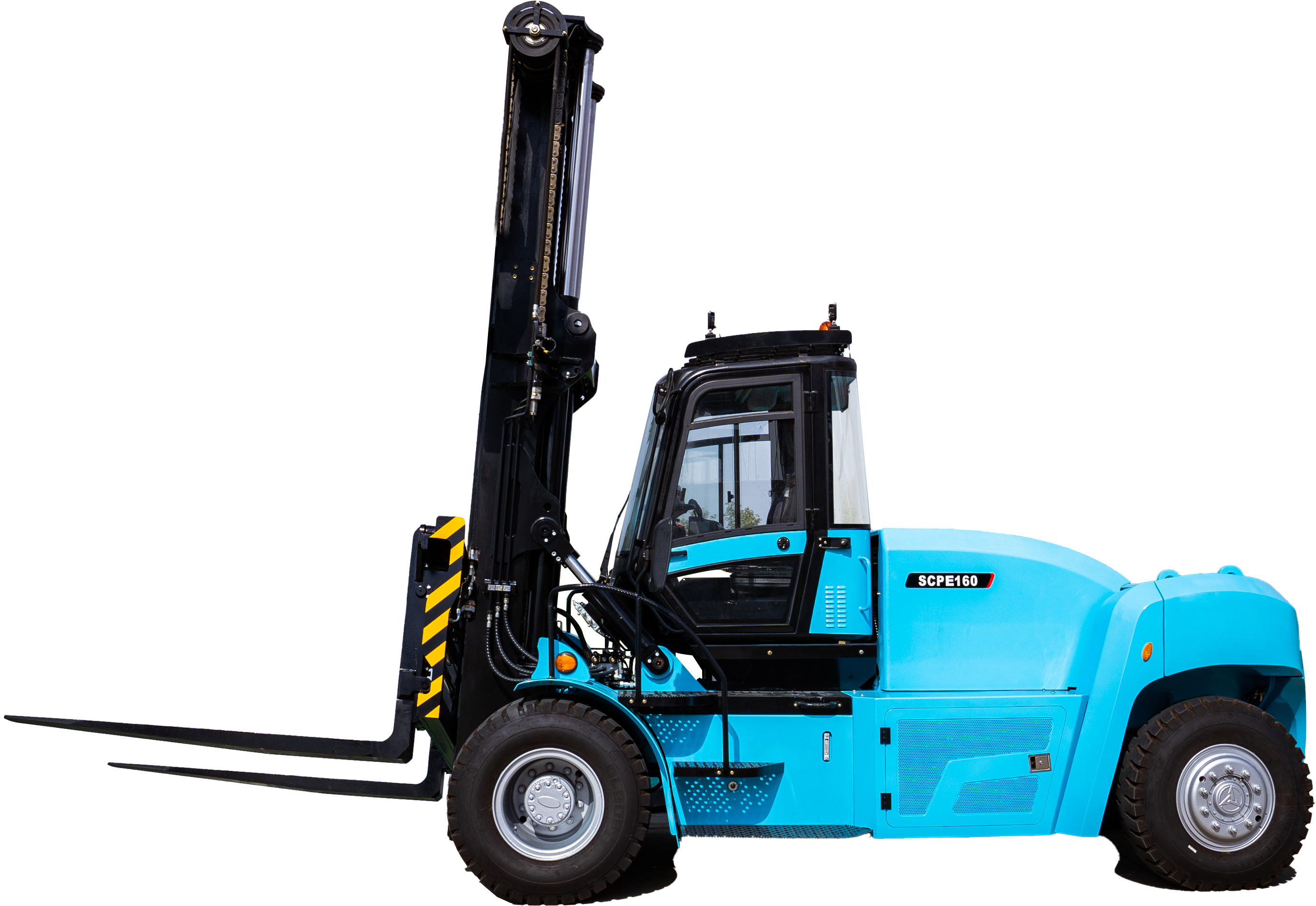
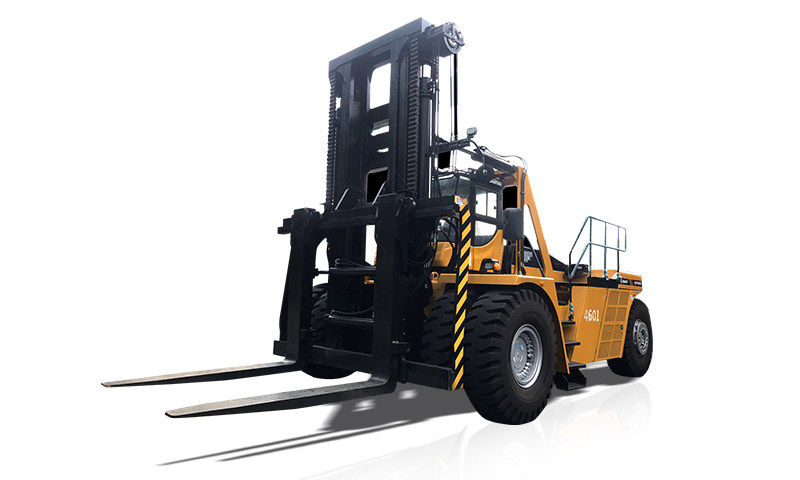
If you have a warehousing project, SANY offers Forklift Trucks with capacities ranging from 10 to 46 tons to meet your loading needs.
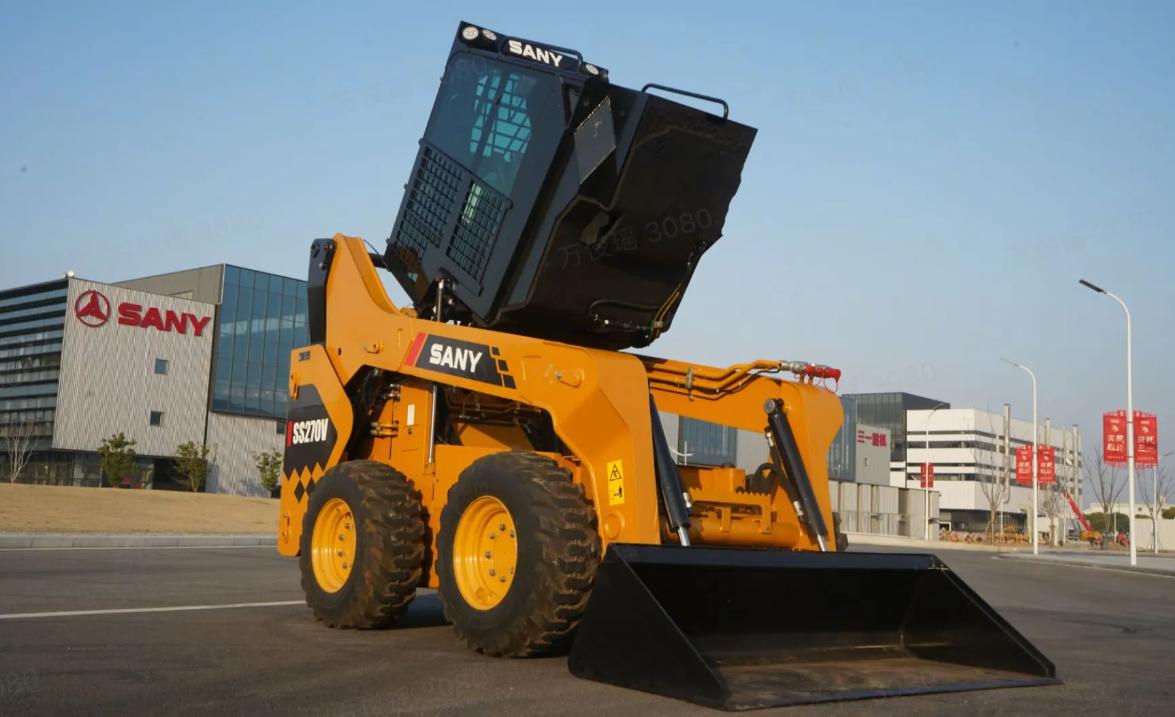
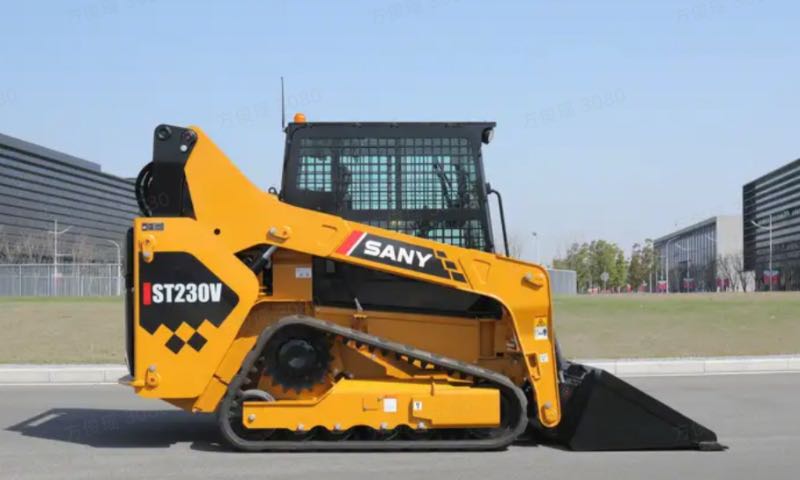
If you have a complex project, you may consider the SANY Skid steer loader, which can handle weights of up to 4-5 tons, allowing you to operate more efficiently.
Conclusion
In summary, the core of choosing forklift vs skid steer lies in identifying the project's core needs and operational scenarios. In warehousing and logistics scenarios, multi-tonnage forklifts can precisely match the pallet stacking and transfer requirements of different load capacities. In complex engineering construction scenarios, skid steer loaders, with their high load capacity and multi-attachment adaptability, can complete diverse tasks such as earthmoving and cleaning in a one-stop manner. Choosing the right equipment not only improves operational efficiency but also reduces overall costs. By determining the appropriate equipment type based on your specific working conditions, you can maximize the efficiency of engineering and logistics operations.
FAQs
Can I Use a Skid Steer as a Forklift?
Yes, a skid steer loader can be an effective supplement or alternative to a forklift. With pallet fork attachments, a skid steer loader can perform some of the tasks of a forklift. This is especially true in non-standard operating environments requiring flexible, multi-functional pallet handling, enabling pallet lifting and loading, thus combining versatility and flexibility and reducing reliance on specialized forklifts. However, for heavy-duty, high-precision, or purely warehouse high-level operations, specialized forklifts remain the preferred choice.
Can a Forklift be Used as a Skid Steer Loader?
A forklift cannot be used as a skid steer loader. While a skid steer loader can be converted into a basic forklift by adding attachments, a forklift cannot be converted into earthmoving machinery. Their core functions and suitable scenarios differ. Forklifts are material handling tools for industrial warehousing, only capable of lifting and transferring palletized goods on paved surfaces. They lack attachments for earthmoving operations and cannot operate on unpaved roads or slopes. Skid steer loaders, on the other hand, can perform excavation, leveling, and other engineering operations, which forklifts completely lack.
Skid Steer vs Forklift: What Are Their Disadvantages?
Disadvantages of Skid Steer Loaders: Limited load-bearing capacity, unsuitable for heavy or large-scale high-level operations; poor operating accuracy, easily damaged on soft ground; some models lack comfort during long-term operation.
Disadvantages of Forklifts: It has a single function and is only suitable for palletized material handling; it has high site requirements and is not suitable for rugged or muddy roads; it has a large turning radius and poor flexibility in narrow spaces; there is a risk of tipping over when working at high positions, and the lifting height and load-bearing capacity need to be balanced.
Featured Products
Recommend Blogs
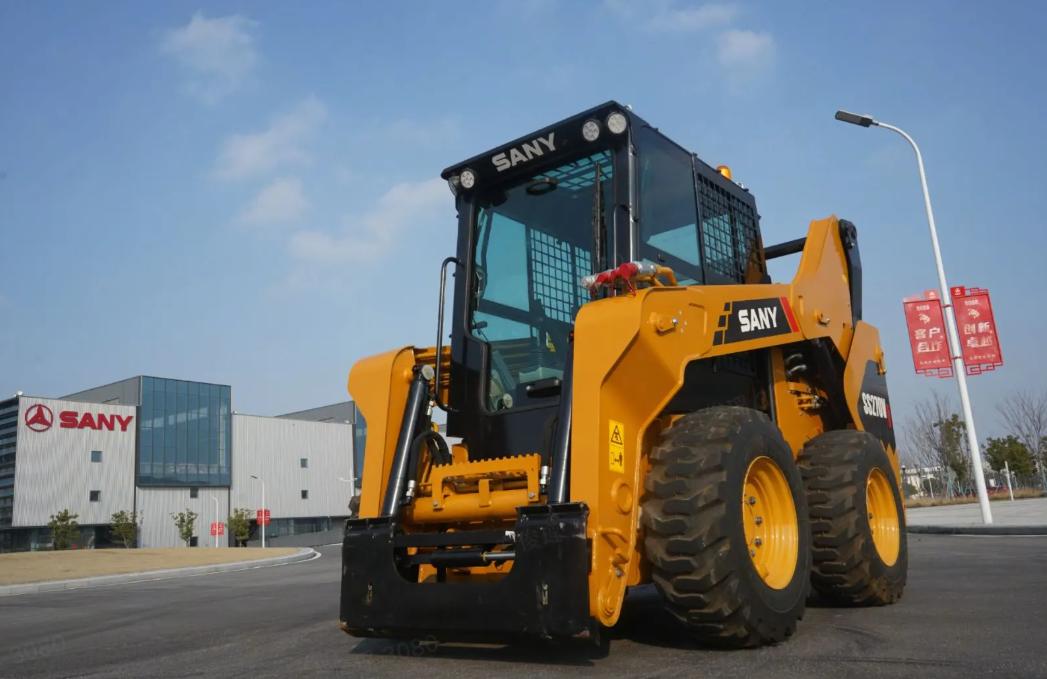
Skid Steer Loader Uses Guide: Helping You Work Efficiently
This article explains skid steer loader uses and provides specific selection recommendations.
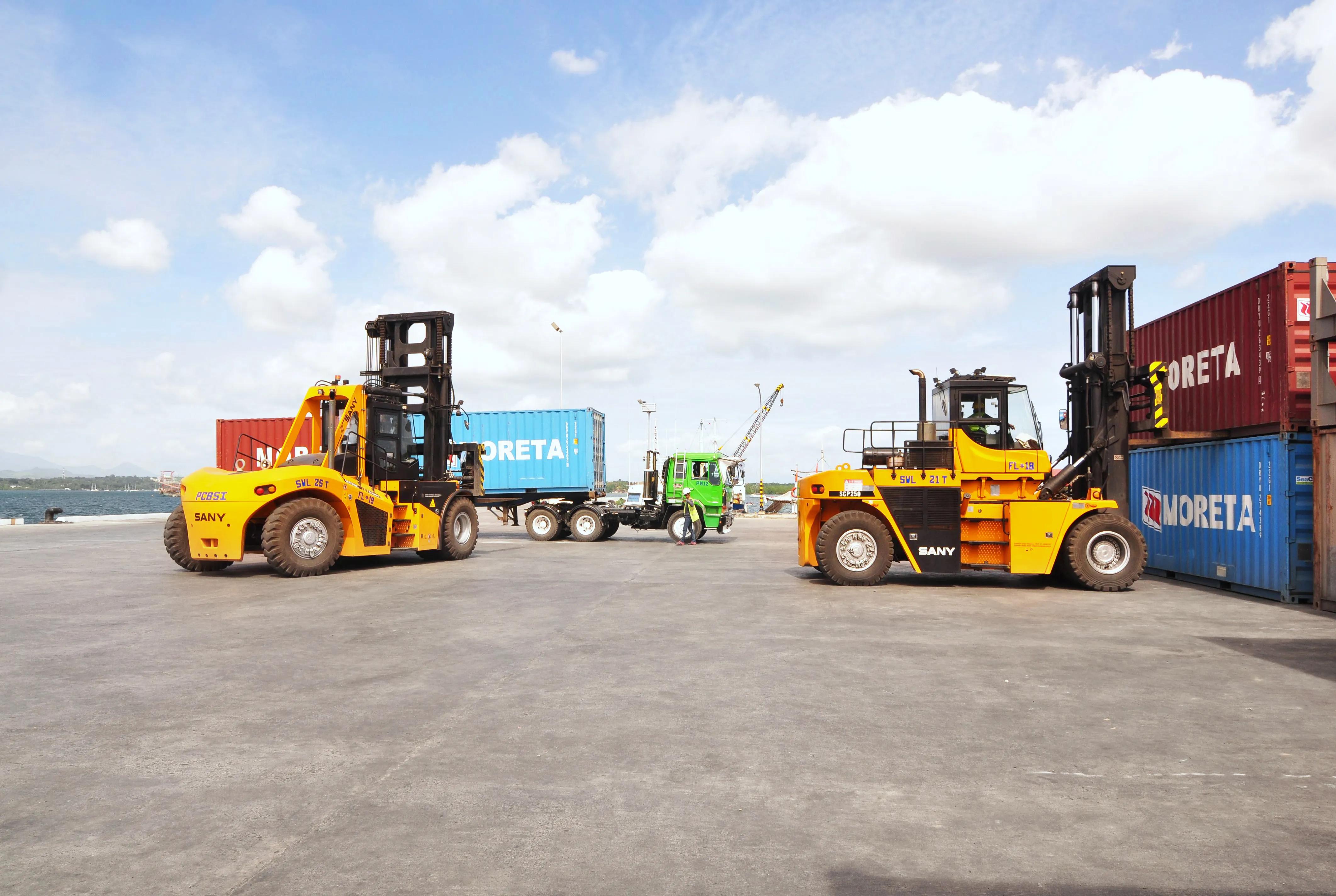
Key Defense Line of Operational Safety: A Detailed Explanation of the Forklift Truck Checklist
This article explains the importance of a forklift truck checklist, details the key points of the full-process inspection, helping to improve the safety of forklift operations.
What Is a Forklift Truck? Definition, Types and Working Principles
This guide will provide you with a comprehensive overview of forklift knowledge, giving you a clear understanding of what is a forklift truck.