Forklift Truck Height Parameters Explained: Definitions, Selection & Calculations
This paper details the core parameters and calculation methods of forklift truck height, providing guidance for forklift selection and safe operations.
In warehousing centers lined with high-level shelves, compact loading and unloading docks, or production workshops densely packed with machinery, forklift trucks always play a core role in cargo handling and transfer. From lifting entire palletized goods to shelves several meters high to maneuvering flexibly through low-clearance aisles, every forklift operation relies on precise control of "height". Focusing on the theme of forklift truck height, this paper conducts an in-depth analysis of its key measurement values, practical significance and calculation methods, providing comprehensive guidance for industry practitioners.
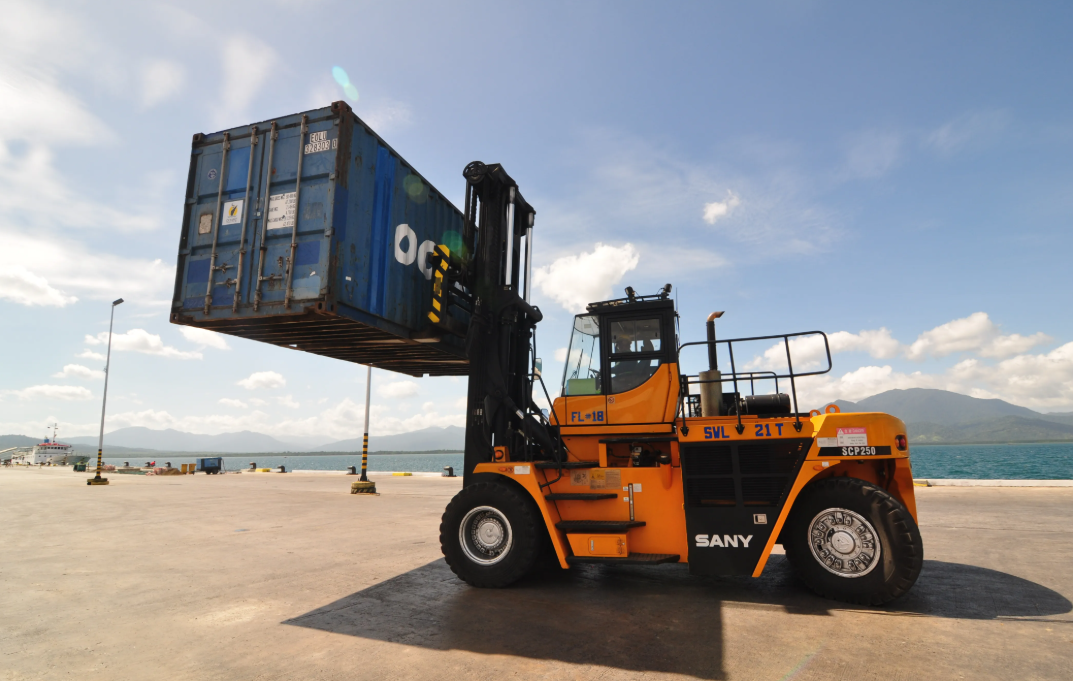
Key Measurement Values of Forklift Truck Height
To understand forklift truck height, it is essential to clarify its core measurement indicators. Different height parameters correspond to different operating scenarios and safety requirements. From the minimum height when the forks are retracted to the overall height when fully extended, each parameter has a unique practical value. The following will elaborate on the definitions and importance of each key measurement value, helping you establish a comprehensive understanding of forklift height.
Overall Lowered Height (OALH)
Overall Lowered Height (OALH) refers to the mast height when the forks are at their lowest position. This parameter is crucial for warehouse inspections, loading and unloading docks, and other operations involving trailers. When operating such vehicles, be aware of overhead installations such as ceiling sprinklers and lights, as their actual height may be lower than advertised. Exercise caution when driving through rack aisles to prevent the mast from colliding with obstacles and causing accidents.
Overall Raised Height (OARH)
Overall Raised Height (OARH) refers to the distance from the ground to the top of the mast when it is fully extended. This parameter is a core indicator defining the maximum accessible storage height of a forklift and directly guides warehouse racking height design and forklift model selection. Multi-level racking warehouses require special attention to this parameter, as it is crucial to avoid collisions with ceiling utilities and HVAC equipment.
Free Fork Height (FFH)
Free fork height (FFH) refers to the distance between the forks and the ground before the mast begins to extend. This parameter is crucial for operations in confined spaces where the mast cannot extend freely, ensuring that the forks can lift goods without increasing the overall height of the equipment. In scenarios with limited clearance (such as unloading double-stacked trailers or driving-in unloading systems), this parameter requires special attention to avoid collisions.
Maximum Fork Height (MFH)
Maximum lifting height, referring to the distance from the ground to the highest point of the forks, is a core indicator of a forklift's lifting capability and directly determines its applicability in high-bay racking storage scenarios. This parameter must ensure that the forklift has sufficient operating range to move high-level goods and is at least approximately 20 centimeters higher than the highest item to allow ample handling space.
Forklift Truck Height of Different Common Types
Defining forklift truck height parameters is a fundamental requirement for safe and efficient warehousing operations, directly impacting space utilization, operational safety, and equipment lifespan. Lifting height is particularly critical, determining the maximum storage height of goods and influencing warehouse storage density and space utilization efficiency. The following section introduces common forklift truck lifting heights to help accurately match equipment with needs.
Reach Truck
Reach trucks are named for their excellent high-reach capabilities and are specifically designed for tall and narrow warehouse aisles. Their slim and compact design, coupled with high-lift hydraulic cylinders, allows for flexible maneuvering and smooth operation in confined spaces. As one of the forklift truck types with the highest lifting height, it can reach a maximum lifting height of 12 meters.
Counterbalance Forklift Truck
Counterbalance forklift trucks are a highly representative type of forklift truck. The rear counterweight prevents the forklift truck from tipping forward under heavy loads, and the forks are located at the front of the forklift truck without outriggers or legs, allowing it to operate close to stacks of goods. It is suitable for handling heavy goods at high heights, with a maximum lifting height of up to 8 meters, and is applicable to a wider range of working environments compared to reach trucks.
High-Level Order Picker
High-level order pickers are specialized warehouse equipment used for lifting and accessing goods from high-level storage areas. Different from standard forklift trucks, they are equipped with tall masts that enable them to reach high-level positions, with a lifting height ranging from approximately 1.6 to 5.5 meters. This type of equipment is mainly used for order picking operations in medium-level shelves, allowing operators to directly access high-level goods and improving picking efficiency and accuracy.
Telescopic Handler
Telescopic handlers get their name from the "telescopic" hydraulic cylinder at the rear. This structure allows the forklift truck to be fitted with various attachments, making it versatile and capable of meeting different operational needs. Telescopic handlers are equipped with large-displacement industrial diesel engines, delivering powerful performance while maintaining exceptionally low noise levels in the cab. With a lifting height of approximately 6 to 20 meters, they are suitable for high-altitude operations in scenarios such as construction sites, large-scale warehouses and outdoor freight yards
How to Calculate Forklift Truck Height?
Taking lifting height as an example, calculating the required forklift truck height requires comprehensive consideration of operating environment, cargo characteristics, safety requirements and equipment performance. Scientific calculation can ensure that the selected forklift truck can not only reach the required height but also operate safely and efficiently. The following is a step-by-step guide to calculating the required forklift truck height:
Evaluate the Operating Environment
Measure the highest point that the forklift truck needs to reach based on the operating environment, such as the top shelf of a warehouse or the highest point of stacked materials.
Measurement method: Use professional measuring tools to ensure data accuracy, and pay attention to obstacles near the highest point (such as beams, pipelines, etc.) to avoid affecting the forklift truck's lifting operations.
Consider Cargo Height
When considering the height of goods, it is necessary to ensure that the lifting height of the forklift truck is higher than the sum of the highest shelf height and the maximum height of the goods.
Specific examples: If the height of the top shelf is 6 meters and the maximum height of the goods is 1 meter, the minimum lifting height of the forklift should be greater than 7 meters to ensure that the goods can be safely placed on the shelf.
Reserve a Safety Gap
When calculating forklift truck width, always allow for a safety margin to ensure safe handling of goods. Safety clearances compensate for operational errors, ensuring sufficient space for the forklift truck to adjust the position of goods during lifting and lowering, preventing collisions with the racking.
Tips:Reserve a safety margin for safe cargo handling. Usually, the safety gap is about 5–6 inches (12.7–15.24 centimeters), but the specific size can be adjusted according to actual conditions.
Consider the Forklift Truck's Maximum Load Capacity
It's important to note that the forklift truck's maximum lifting height decreases as the load weight increases. Always ensure that the forklift truck can carry the heaviest load to be moved at the target lifting height.Therefore, it is recommended that you check the load-height curve of the forklift truck to confirm its performance under actual operating conditions.
Example: A certain forklift truck has a maximum lifting height of 8 meters when carrying its rated load of 2 tons, but may only reach 6 meters when carrying 3 tons of goods.
By comprehensively considering the above factors, you can calculate the minimum and maximum lifting heights required for the forklift truck. To ensure that the forklift truck can meet all operational needs, it is recommended to select a model with a lifting height slightly higher than the calculated value, reserving space for future adjustments to storage height or changes in cargo size.
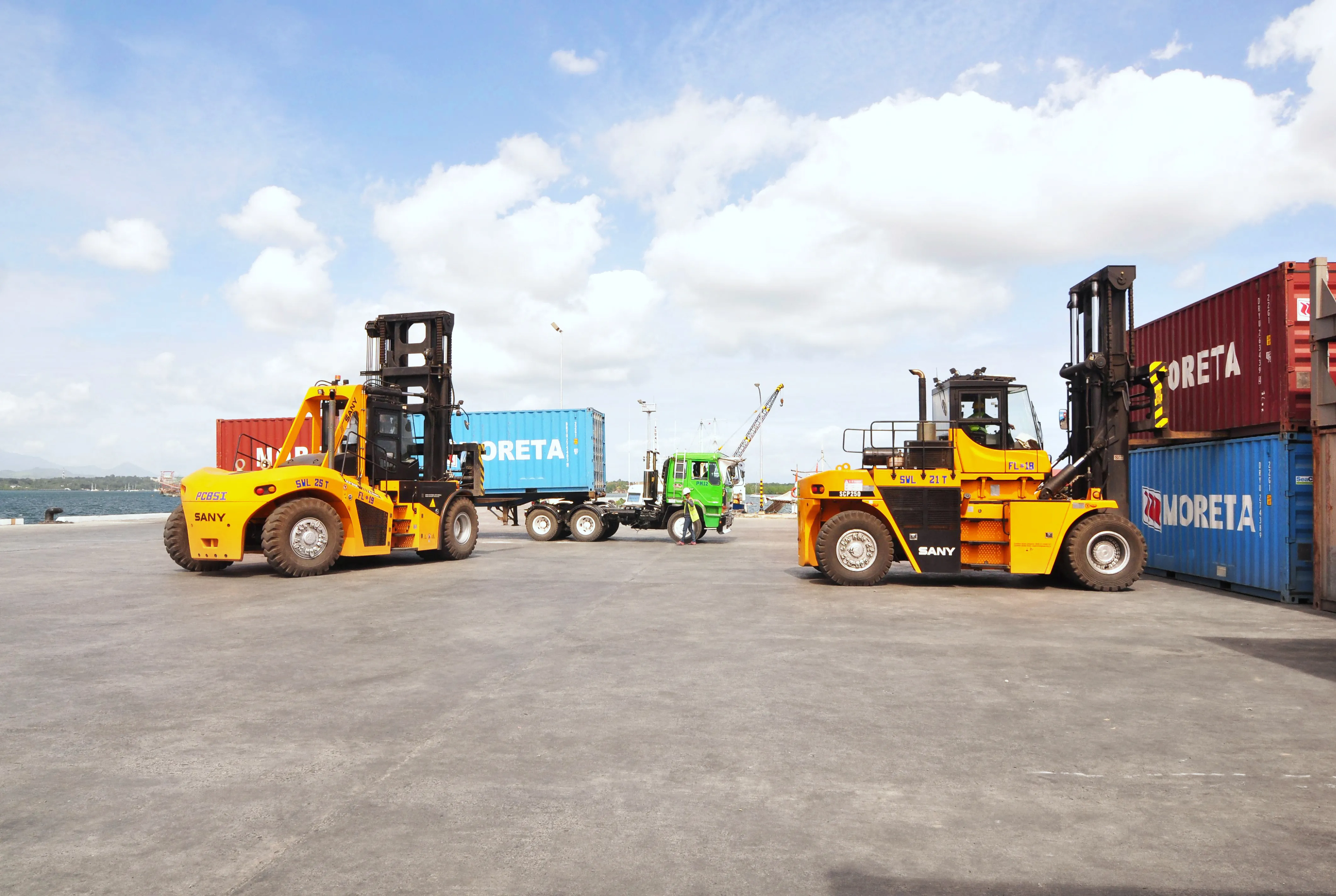
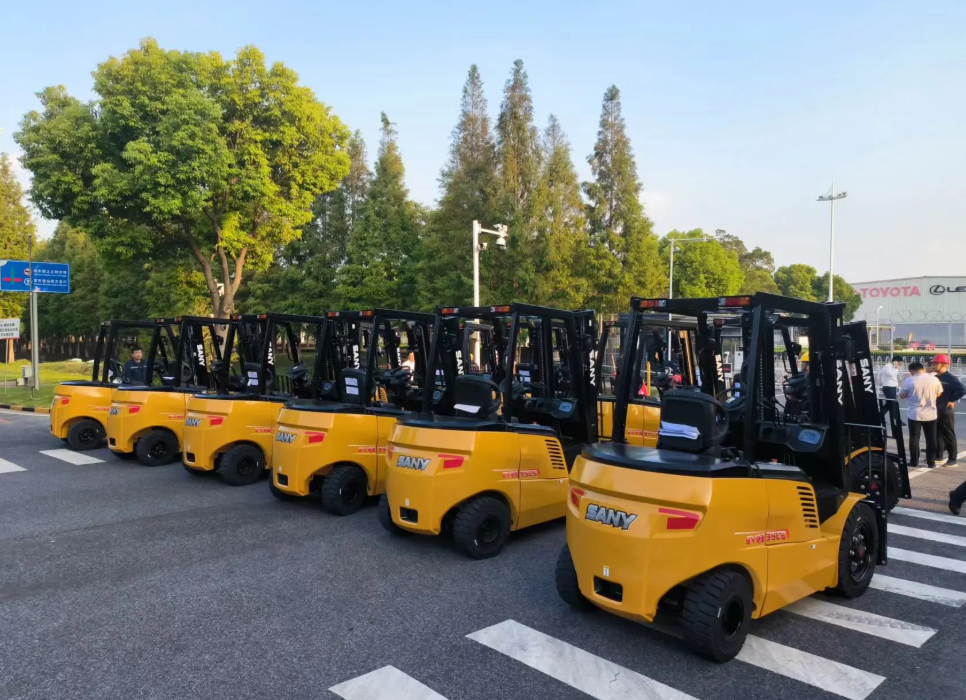
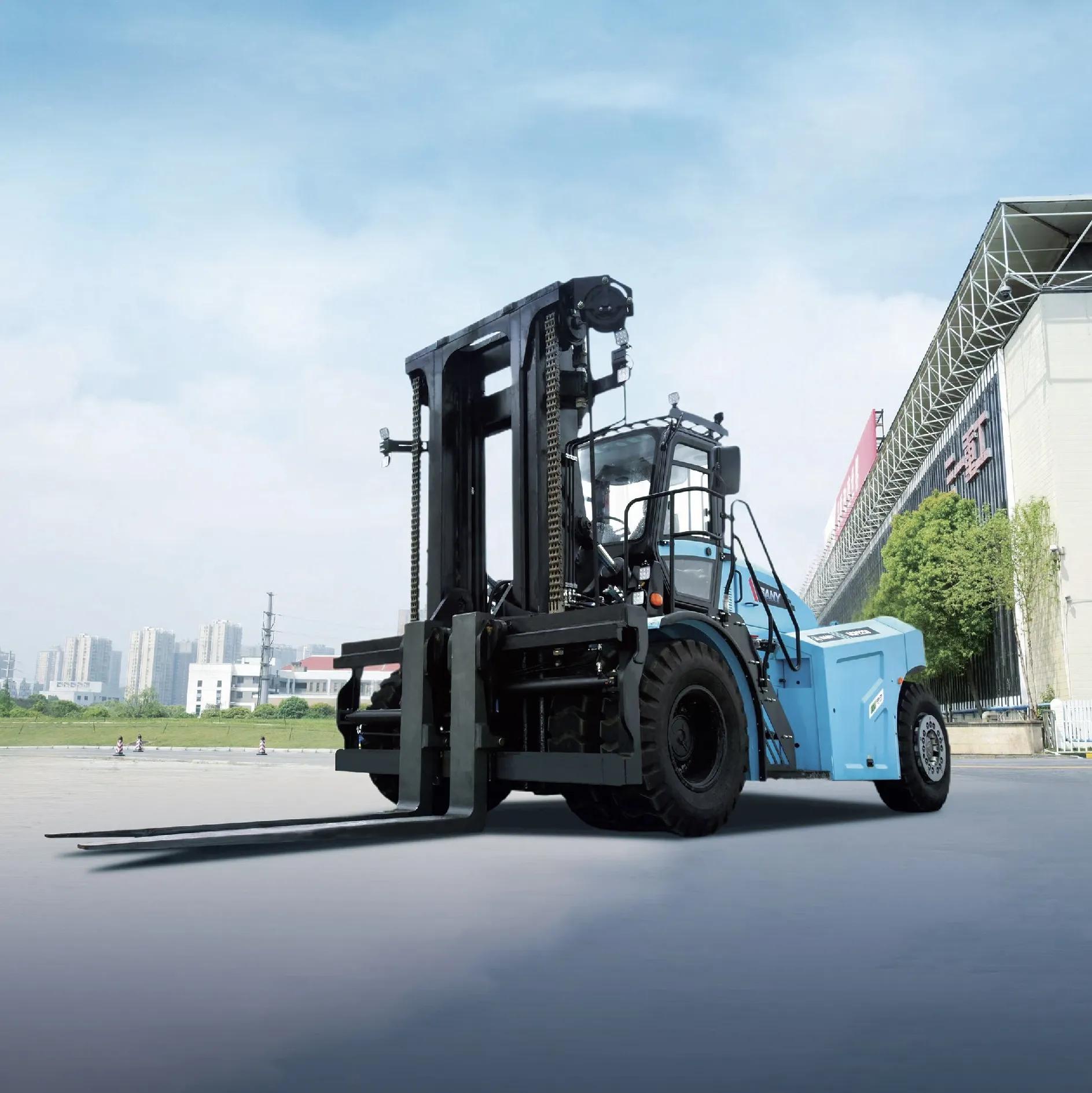
SANY Forklift Truck offers a variety of forklifts with different lifting heights, ranging from 3.7m to 4m, as well as the SANY Electric Forklift with a standard mast lifting height of 3m, which are worthy of focused attention.
Conclusion
Forklift truck height is an indispensable core parameter throughout the entire life cycle of forklift selection, operation execution and management. Mastering key measurement values can effectively avoid collisions with overhead obstacles and ensure that the equipment is accurately adapted to the storage environment. When selecting forklifts, industry practitioners need to accurately calculate forklift truck height to ensure that the equipment meets actual operational needs while guaranteeing operational safety.
FAQs
Does a Forklift Truck Have the Same Maximum Lifting Height Under Full-Load and No-Load Conditions?
No, a forklift truck's maximum lifting height differs between full-load and no-load conditions. As the load increases (under full-load conditions), the maximum lifting height decreases significantly because the center of gravity of the load shifts, reducing both stability and load-bearing capacity. For safety reasons, it is usually necessary to lower the lifting height or reduce the load, especially when operating at high lifting heights. The lifting height stated by the manufacturer is set under ideal conditions, but actual conditions will reduce this "residual load-bearing capacity".
Does a Forklift Truck’s OARH Increase With Attachments?
Yes, attachments can increase a forklift truck’s OARH. This is especially true for specialized devices such as Mast Height Extenders. However, other common attachments usually reduce lifting capacity by shifting the load center and increasing weight, thus requiring new data nameplates and load capacity calculations to ensure safety.
Should Height Space For Cargo Slings be Reserved for a Forklift Truck’s MFH?
Yes, it's crucial to reserve height space beyond the forklift truck's Maximum Fork Height (MFH) for slings, pallets, and clearance, typically adding 30-40 cm (12-16 inches) or more for racking, safety, and mast movement, as lifting higher reduces capacity and increases instability, requiring careful checks of load charts and obstructions.
Featured Products
Recommend Blogs
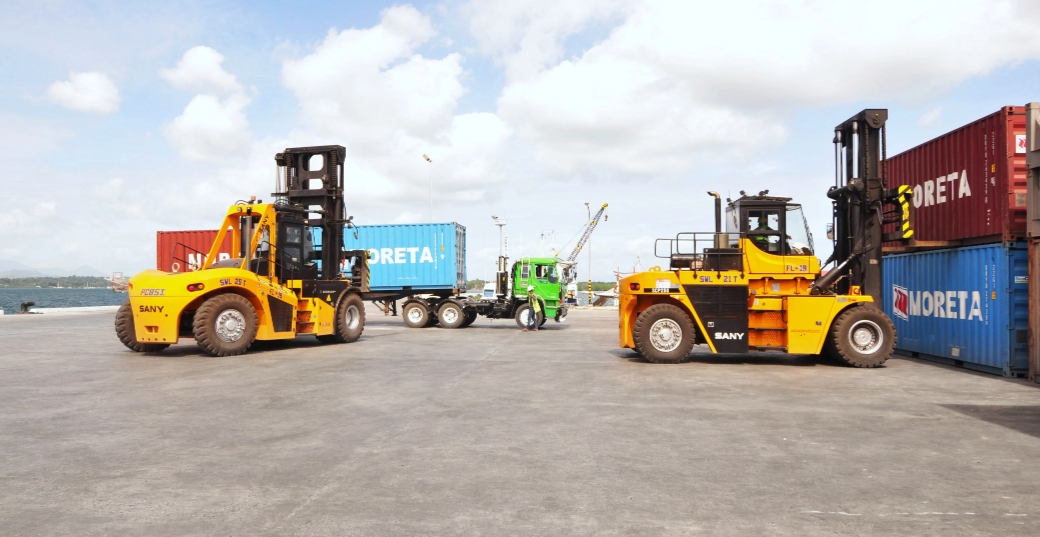
Forklift Truck Loading Safety Guide: Full Process and Risk Avoidance
This article details common scenarios, the entire process of forklift truck loading, and key safety points to help achieve safe and efficient operations.
2025 Forklift Truck Manufacturers: Industry Insights & Choices Guide
Analyze forklift truck manufacturers' core responsibilities, trends and selection points to help enterprises efficiently choose the right forklift truck suppliers.
Components of a Forklift Truck Explained: A Complete Guide to Forklift Operation (2026)
This article focuses on the components of a forklift truck and forklift operation precautions, enabling you to load and transport goods more efficiently.