Right Forklift Companies Can Fully Assist the Forklift Team to Carry Out Operations Efficiently
This article highlights the importance of selecting high-quality forklift companies and their types, and provides a purchasing guide to help forklift teams operate more efficiently.
In modern logistics and production, forklifts are core handling equipment: in logistics warehouses, they can accurately transfer goods, help to promote efficient sorting, and ensure that orders are shipped out on time; in port yards, they carry heavy loads, improve container loading and unloading efficiency, and help control operating costs. The reason why forklifts can operate continuously and stably is not only due to their own quality, but also inseparable from the support of forklift companies. Reliable forklift brands can ensure the stability of equipment, meet customization needs, and supply accessories in a timely manner. Therefore, choosing the right forklift manufacturer is just as important as buying a good forklift. The following article will explain the importance of forklift companies, supplier types, and selection strategies.
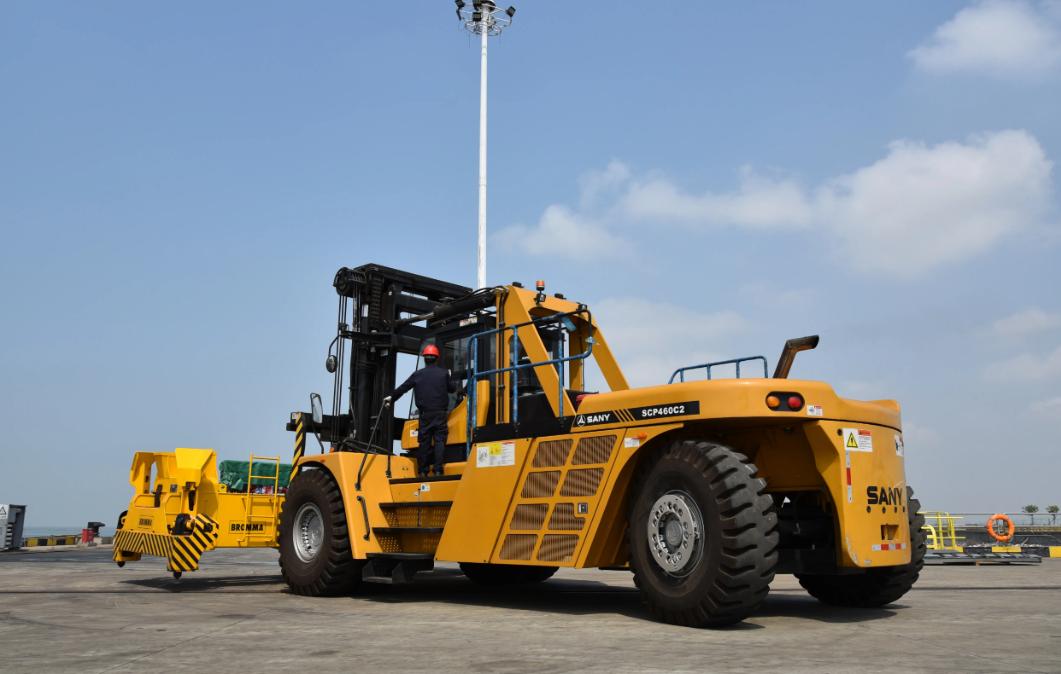
Why Choosing the Right Forklift Supplier Matters?
A material handling forklift is crucial for improving efficiency and ensuring quality in logistics, factories, and ports. However, if suppliers fail to provide timely maintenance or meet customized requirements, delays in parts delivery can cause operational disruptions and idle equipment. Choosing the right forklift supplier is fundamental for forklift value creation and stable business operations. When purchasing a new forklift, choosing the right dealer partner is just as important as selecting the right equipment. What benefits can a high-quality supplier bring to you?
Improve operational efficiency
A suitable forklift perfectly matches enterprise workflows, enhancing loading, unloading, handling, and stacking efficiency, reducing operation time and obstacles during the operation process, and achieving more efficient forklift material handling.
Reduce Operating Costs
Choosing forklifts with stable quality and reliable performance reduces maintenance costs and downtime losses caused by failures. Meanwhile, obtaining better prices and payment terms from suppliers can also directly lower procurement costs.
Ensure Business Stability
The reliability of suppliers is directly related to whether forklifts can be delivered on time and whether services are in place. A reliable supplier can ensure that forklifts are always in good working condition, avoiding the impact of equipment failures on overall production and delivery plans, thereby safeguarding customer satisfaction and the stable operation of the business.
Meet Specific Needs
Different working environments require different types of forklifts. For example, electric forklifts are a better choice for indoor areas and occasions with high environmental protection requirements, while internal combustion forklifts may be more suitable for outdoor use. A suitable supplier can provide a variety of types and models of forklifts and offer professional suggestions to help you select equipment that best meets your specific needs.
Obtain High-Quality Service and Support
In addition to the products themselves, the service and support provided by suppliers are equally important, including timely maintenance, spare parts supply, and technical support. These services are crucial for extending the service life of forklifts, reducing long-term operating costs, and ensuring the normal operation of equipment.
Types of Forklift Suppliers You’ll Find in the Market
In the market, forklift suppliers include both manufacturers that produce various types of forklifts, as well as dealers or rental companies that supply, sell, and rent new and used equipment. These suppliers can be divided into several major categories, such as large global manufacturers, specialized suppliers, and regional dealers that offer new and used equipment of various brands—these dealers typically focus on services and parts.
Large Global Manufacturers
Diverse Forklift Range: These companies produce a wide variety of forklifts and usually have an extensive global network—for example, SANY.
Services They Offer: A broad selection of models, and they are typically known for specific advantages such as reliability, durability, or advanced technology.
Dealers and Rental Companies
Company Type: These are usually local or regional enterprises that act as intermediaries between manufacturers and end-users.
Products They Offer: They often sell new and used forklifts of different brands, provide rental services, and supply parts as well as maintenance.
Specialized Suppliers
Strong Specialization in Forklifts: Some suppliers focus on specific niches or applications in the forklift market. For instance, companies that specialize in manufacturing Very Narrow Aisle (VNA) trucks, rough-terrain forklifts, or equipment with special attachments.
Products They Offer: A curated range of forklifts designed for specific, high-demand applications, and they usually possess in-depth expertise in this field.
How to Compare and Select the Right Forklift Supplier for Your Job?
Faced with numerous forklift suppliers in the market, enterprises often feel confused: from which perspectives should they judge whether a supplier fits their own needs?
How to avoid being misled by "paper promises" and find a partner that can truly support their operations in the long run? In fact, selecting a forklift supplier is not without rules to follow. By focusing on and conducting in-depth inspections of several core dimensions, enterprises can make accurate decisions. The following content will elaborate on the practical key points for selecting a forklift supplier, helping you find a partner that best matches your work needs.
Clarify Your Own Needs to Determine Forklift Type and Specifications
Before making a selection, it is recommended that you determine the required forklift type and specifications based on your own fleet and operational conditions. The suggestions are as follows:
1. Working Environment: Consider the operating space, such as whether there are restrictions on the aisle width and floor height of the warehouse.
2. Material Characteristics: Identify the weight, size, and type of goods to be handled, so as to select the appropriate load capacity and forklift type (e.g., counterbalanced, reach, stacker forklifts, etc.).
3. Frequency of Use: Understand the frequency of forklift use to decide whether to purchase a new forklift, a used forklift, or opt for rental.
4. Technical Requirements: Choose the appropriate forklift model and configuration according to different working conditions. For example, consider explosion-proof forklifts when special operating environments are required.
5. Power System: When selecting a forklift supplier, since batteries and chargers constitute the "power system" of a forklift, it is necessary to ensure a reliable power system partner. Priority can be given to forklift suppliers that can provide relevant recommendations or introduce preferred power management suppliers.
Evaluate and Compare Suppliers for Reference
After determining the type and specifications of the forklift, it is recommended that you comprehensively compare the overall strength of suppliers, including the following aspects:
1. Brand and Reputation
Inspect the strength, reputation, and industry word-of-mouth of the supplier (manufacturer or dealer).
Understand the market share and user reviews of different brands.
2. Products and Quality
Compare the product performance, quality, and reliability of different brands, and evaluate the comprehensive benefits of their long-term operation.
Pay attention to the technological innovation and quality consistency of the products.
3. Price and Cost
Evaluate the initial investment of the forklift itself, and comprehensively consider the long-term operation, maintenance and after-sales costs.
Pay attention to whether there are discounts and promotional activities.
4. After-Sales Service and Support
Inspect the after-sales service network and spare parts inventory of the supplier, and select a supplier with a service outlet in your location.
Evaluate the professional knowledge of sales personnel: whether they can provide effective model selection suggestions; excellent dealers can also give appropriate advice when you need to replace equipment.
Be sure to confirm that the dealer provides at least industry-standard warranty services. You can contact some of the dealer’s customers to find out whether its warranty commitments are actually fulfilled.
5. Negotiate or Clearly Define Service Level Agreement (SLA) Terms in Writing
Conduct a comprehensive evaluation of the supplier’s maintenance services and related agreements. Formulating strict SLA terms can reduce losses caused by forklift/operator downtime and lower equipment maintenance costs. Specifically, you can consult the dealer’s customers to understand the actual service situation after purchase. The specific content can include the following points (subject to your actual needs):
On-Site Response Time: It is necessary to clarify the estimated arrival time of technical personnel when equipment malfunctions, to ensure that emergency issues are handled in a timely manner and the impact of downtime is reduced.
Definition of Maintenance Scope: From the perspective of maintenance service content, clearly confirm which items are included in the service scope and which are not, so as to avoid service disputes in the follow-up.
Cost Stability Guarantee: Negotiate whether a special agreement can be signed to fix part of the maintenance costs, so as to avoid the problem of uncertain monthly maintenance expenses and facilitate cost control. If the dealer fails to meet the agreed service level, is it required to make economic compensation for downtime losses?
6. Cooperation Compatibility
When selecting a forklift dealer, it is crucial to attach importance to understanding its value system, which is essential for decision-making. Since forklift cooperation usually lasts for many years, it is necessary to find a partner committed to supporting the long-term development of your enterprise and capable of solving problems quickly. You need to take time to confirm that its operating philosophy is consistent with your expectations for a supplier. There are many excellent dealers in the market, so there is no need to settle for less.
A Reliable Forklift Company: SANY
In the forklift industry, truly outstanding suppliers never stop at the level of "providing equipment" — they can not only accurately match the operational needs of enterprises and lay a solid foundation for efficiency with reliable products, but also solve subsequent maintenance concerns through a sound service system, and even walk side by side with customers from a long-term development perspective. Among numerous forklift brands, SANY is undoubtedly a highly representative one. Next, we will specifically introduce the advantages of SANY forklifts.
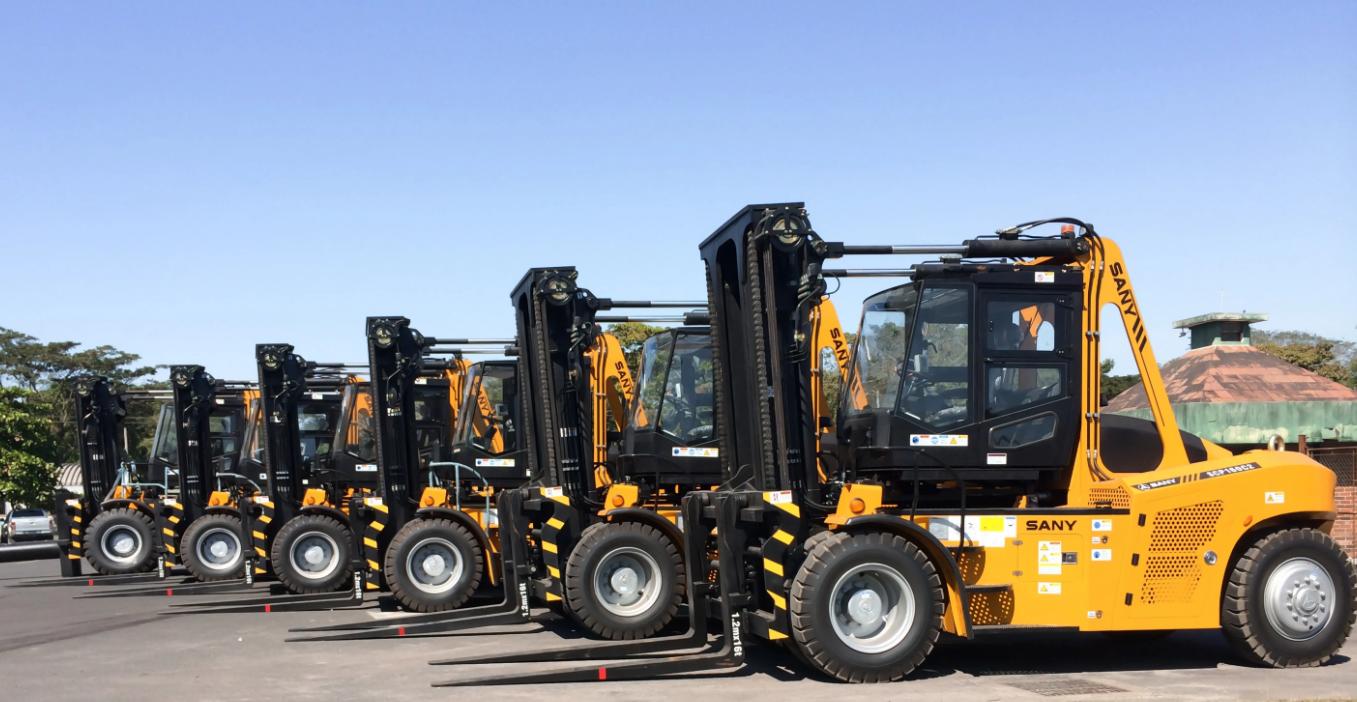
Comprehensive Service Support: When choosing SANY equipment, you can also obtain the expected comprehensive support. Relying on industry-leading warranty policies and trustworthy local services, SANY can ensure that users can work with peace of mind wherever they are and always have confidence in the cooperation between the two parties.
Outstanding Advantages in Maintenance Services: SANY's local dealers will cooperate in-depth with customers to provide professional daily maintenance and warranty services, effectively ensuring that equipment is always in the best operating condition. Relying on SANY's reliable strength, it can further safeguard customers' production and operation and help achieve efficient operations around the clock.
Customized Routine Services: SANY can provide a series of daily maintenance services or customize maintenance packages and procedures tailored to customers' needs. This not only accurately matches customers' operational requirements but also ensures the safety of customers' teams and the operating efficiency of SANY equipment.
Timely Response to Warranty Services: Every SANY machine enjoys industry-leading warranty services; even if unexpected repairs are needed within the warranty period, local dealers have equipped well-trained professional technical teams and can provide services within a 300-mile round trip. This can maximize the normal operation time of the equipment and help the equipment resume work quickly.
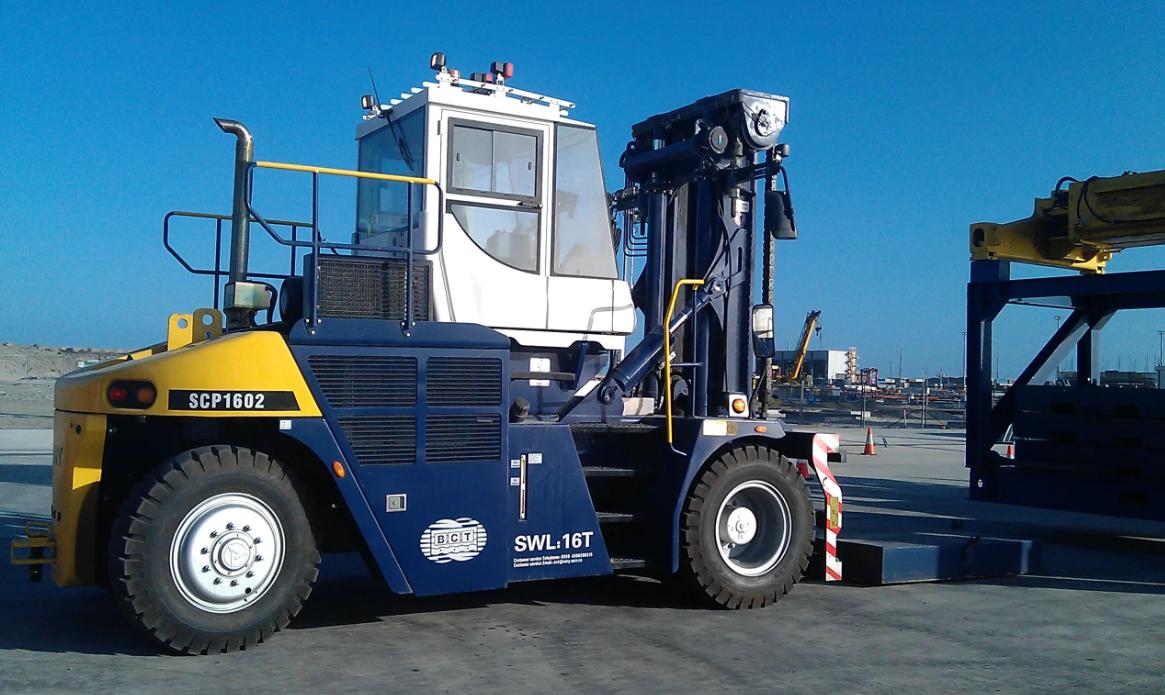
Diverse Range of SANY Forklifts: SANY has different types of forklifts, such as forklift trucks and electric forklifts, which can meet the needs of different operation teams. Among them, forklift truck cover models with load capacities of 10-16 tons, 18-25 tons, 28-35 tons, and 40-46 tons are available to meet different operational needs.
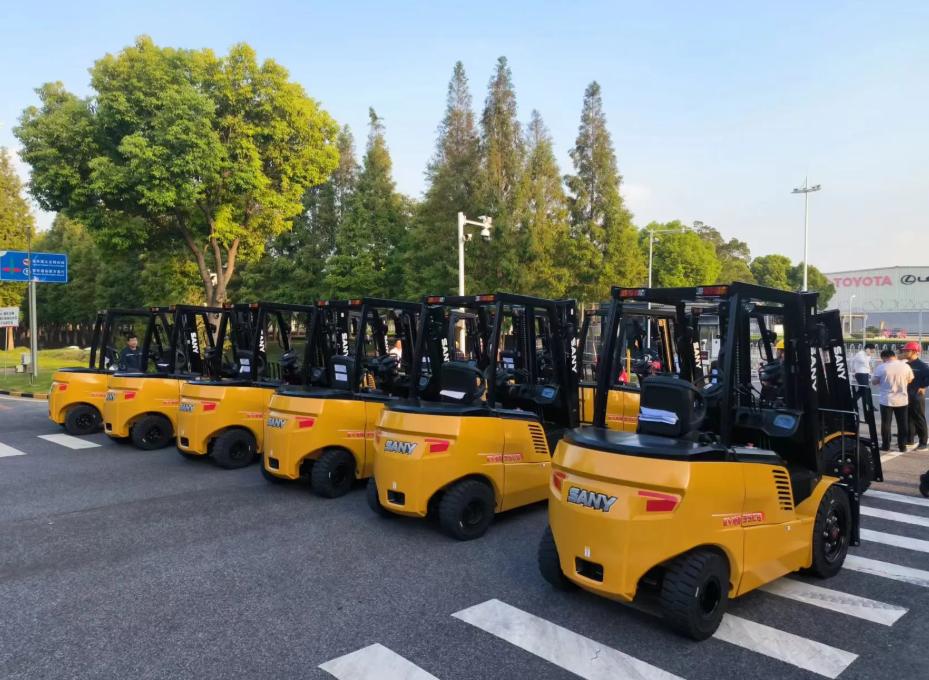
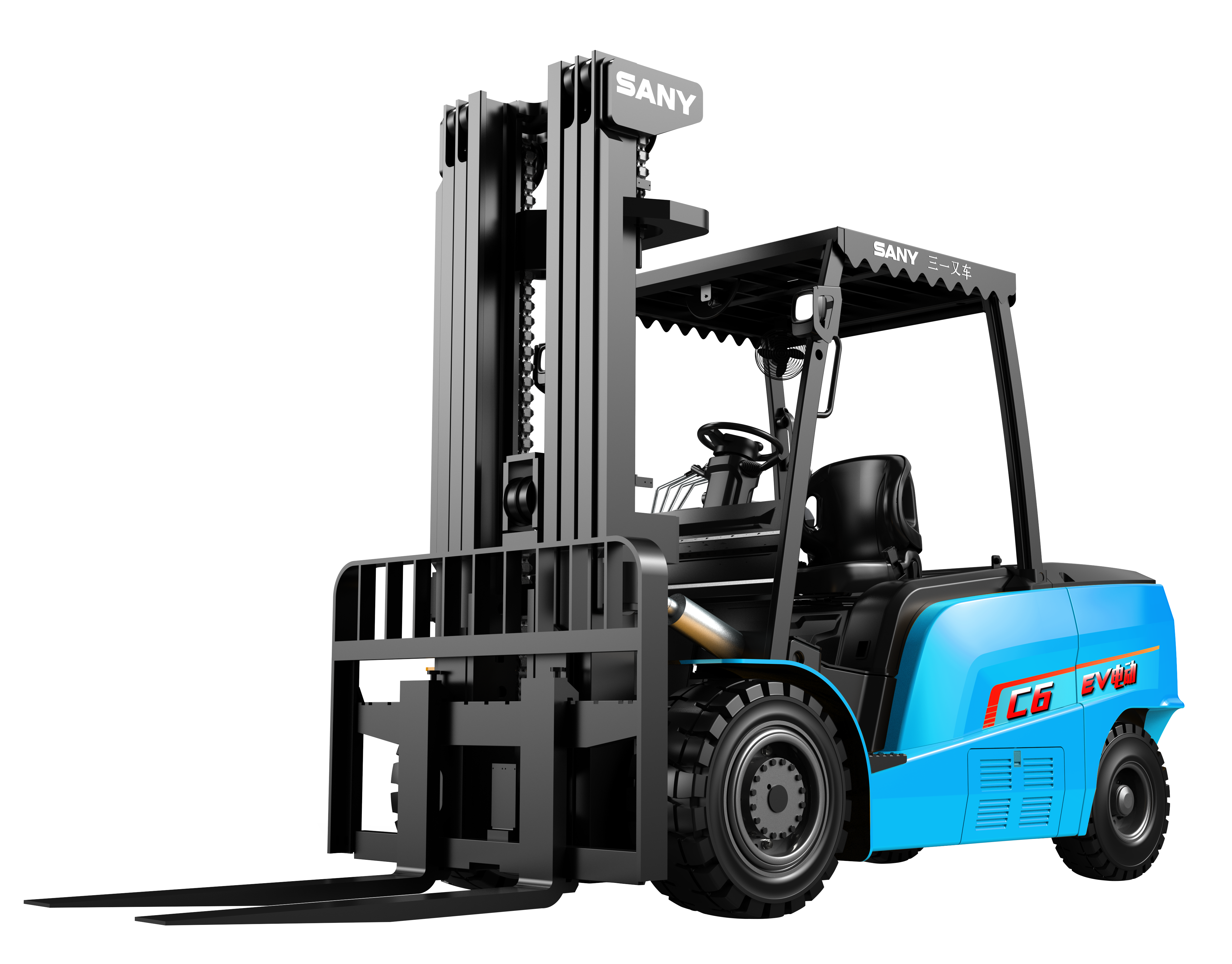
SANY electric forklift, in particular, has significantly improved loading efficiency. Their rated load capacity ranges from 2,000 to 5,000 kilograms, and they boast strong power with a traveling speed of over 22 km/h, outperforming traditional fuel-powered forklifts. With a climbing ability of more than 20% and an operating temperature range of -30℃ to 50℃, coupled with their cloud platform system, these forklifts can complete operations more efficiently.
Conclusion
Selecting the right forklift companies is crucial for efficient logistics and production operations. From clarifying needs to evaluating the supplier strength, every step requires careful consideration. High-quality forklift companies can not only provide suitable equipment but also serve as a solid backbone for enterprise operations through comprehensive services, customized solutions, and long-term support. We hope this article helps you find a forklift partner that meets your needs among numerous options and promotes the stable development of your business.
FAQs
Who Is the Biggest Manufacturer of Forklifts?
There is no uniform answer to this question. Judging the scale of a forklift manufacturer requires referring to global market data and industry reputation. However, when making a purchase, there is no need to take "the largest scale" as the sole criterion; instead, greater focus should be placed on how well the manufacturer matches one’s own needs. Considerations can be made from the following four aspects:
1. Pay attention to the product adaptability of the manufacturer. Based on the operating environment, material characteristics, and power requirements, check whether its product line covers the required type and whether the technical parameters match the actual working conditions.
2. Evaluate quality and reliability. Prioritize brands with a sound quality control system and key components whose performance has been verified by the market to reduce the risk of long-term failures.
3. Inspect service capabilities. Confirm whether the manufacturer has a sound local service network and whether the spare parts supply efficiency and maintenance response time meet the standards to avoid equipment downtime losses.
4. Take long-term value into account. Compare the total cost of ownership, including purchase price, maintenance fees, and energy-saving benefits. At the same time, pay attention to the manufacturer’s R&D innovation and sustainable development capabilities to ensure that the cooperation is in line with the enterprise’s long-term planning.
Which Company Is the Best for Forklifts?
There is no absolutely "best" forklift company; the selection should be based on one’s own needs:
Clarify core needs such as the operating environment and cargo characteristics, and match the adaptability of the product line and performance parameters.
Inspect the brand reputation and quality control system to ensure equipment reliability.
Focus on after-sales services: confirm the local service network, response time, and spare parts supply capabilities.
The "preferred" choice that suits you is determined by comprehensively considering product adaptability, quality, and services.
What’s the Difference Between a Forklift Manufacturer and a Supplier?
A forklift manufacturer produces forklifts itself, while a forklift supplier is a company that sells forklifts to customers. A supplier can be a manufacturer, a distributor, or a dealer that purchases products from manufacturers and resells them. Manufacturers focus on product manufacturing and R&D, while suppliers are responsible for product sales, distribution, warehousing, and providing customer services.
Featured Products

Recommend Blogs
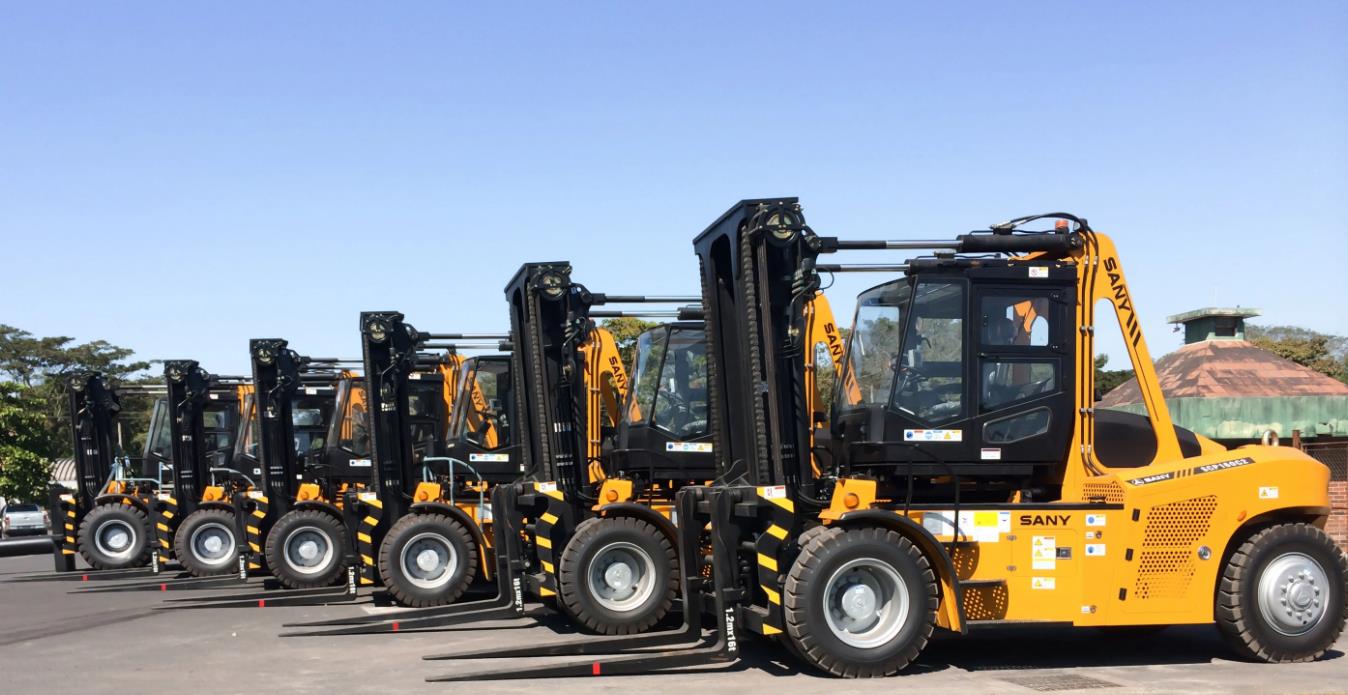
A Guide to the Forklift Industry: Types of Forklift Trucks, Selection Skills, and Future Trends
Starting from the system of types of forklift trucks, this article explains the scientific selection methods and provides a comprehensive insight into the past, present, and future of forklifts.
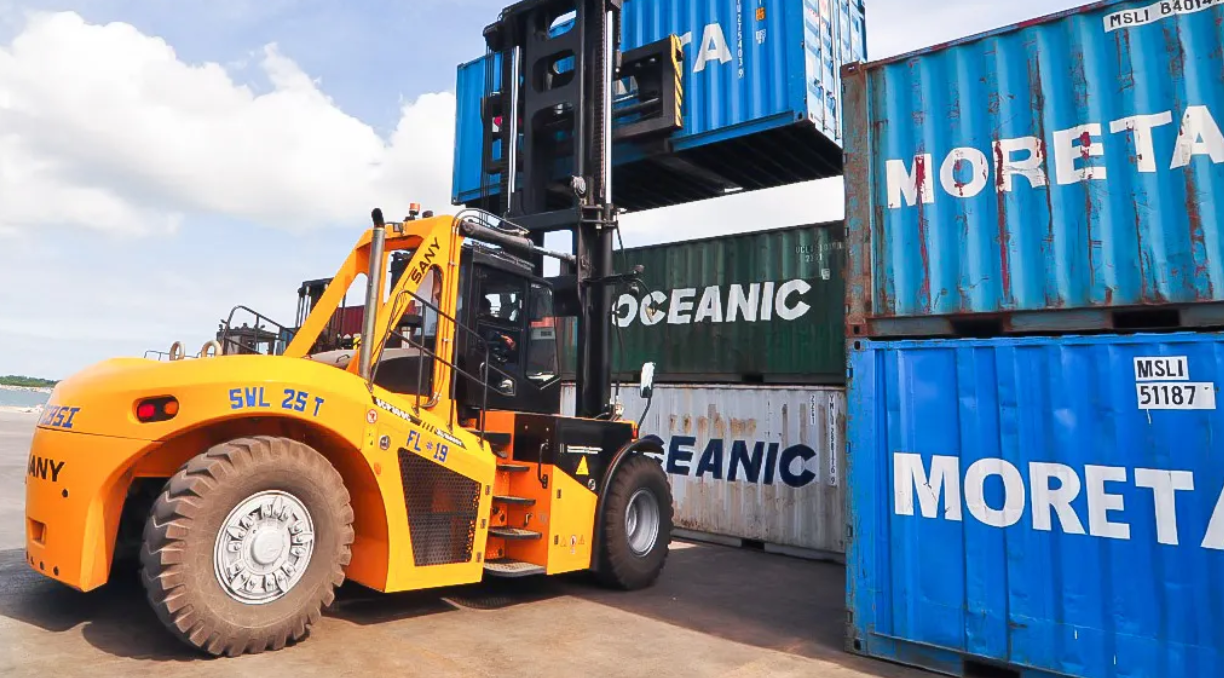
Learn About Forklift Truck from Scratch and Master Core Points of Classification and Configuration
This guide explains what a forklift truck is, outlining its main functions, classification types and provides practical tips on how to buy forklift truck fits your needs.
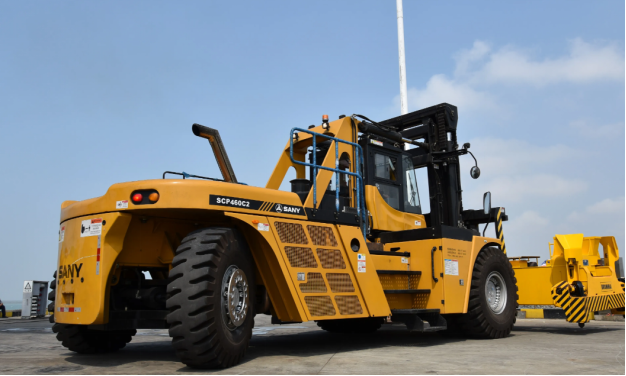
Complete Guide to the Differences: Forklift and Reach Truck
This guide explains what forklift and reach truck are and the differences between them, helping you choose the equipment that best suits your job requirements.