Fork Truck vs Forklift: A Must-Read for Equipment Selection
This guide offers a detailed analysis of fork truck vs forklift, helping you understand their differences to make the right selection.
Step into any distribution center, construction site, or manufacturing plant, and you’ll see equipment used for lifting, moving, and stacking heavy loads. They are often referred to as "fork trucks," "forklifts," or "lift trucks." For industry newcomers (and even seasoned professionals), these terms can be confusing: Are fork trucks and forklifts the same piece of equipment? Does a lift truck specifically refer to heavy-duty scenarios? This guide will focus on the key differences between fork truck vs forklift and lift truck vs forklift, helping you clarify the relationships, distinctions, and key considerations for equipment selection.
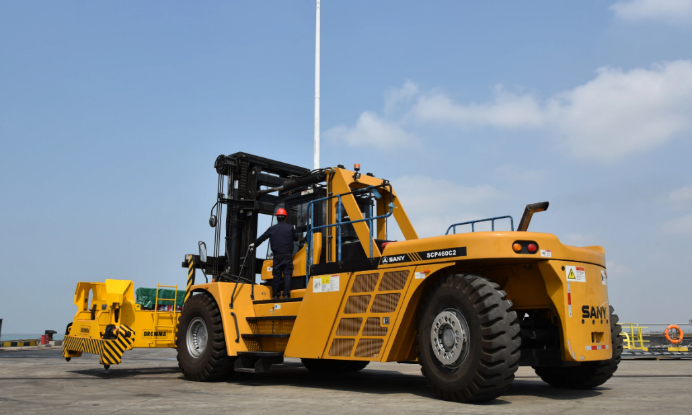
Fork Truck vs Forklift vs Lift Truck: Are They the Same Thing?
In daily use, these three terms are generally interchangeable, referring to industrial vehicles that use forks as the primary load-bearing tool for lifting and moving materials. However, in more professional or specific contexts, there are subtle differences between them.
Forklift
This is the most common and universal term, specifically referring to vehicles equipped with a vertical mast and the ability to lift forks. It emphasizes the "lifting" function and serves as an umbrella term for all such equipment. What we usually call counterbalance forklifts, reach trucks, etc., all fall under the category of Forklift.
Fork Truck
This term is generally more specific, referring to highly maneuverable counterbalance forklifts—particularly widely used in Europe and certain professional fields. It sometimes evokes associations with larger vehicles primarily designed for outdoor and heavy-duty tasks.
Lift Truck
This is a more formal and technical term that encompasses all equipment used for lifting loads, with a broader scope than Forklift. It not only refers to fork-equipped trucks but also occasionally includes other lifting equipment such as scissor lifts. This term is commonly found in official documents, OSHA standards, and technical manuals.
Common Types of Forklifts
1. Counterbalance Forklift
It is the most mainstream type on the market. With forks located at the front of the vehicle and a counterweight at the rear to balance the load, it can stack goods without relying on shelf support. Its advantages include strong stability, high load-bearing capacity, and a wide range of applicable scenarios (suitable for both indoor and outdoor use), while its disadvantage is a relatively large turning radius. It is ideal for medium to heavy-duty load scenarios such as large warehouses, construction sites, and ports.
2. Reach truck
The forks of a reach truck can extend forward along guide rails, offering strong lifting capacity, a relatively compact size, and a small turning radius. Its core advantage lies in efficiently utilizing the vertical space of warehouses, making it suitable for accessing goods on high-rise shelves. It is the preferred model for large European logistics centers (such as Amazon Europe Fulfillment Centers and DHL Sorting Centers). Most are electrically powered, complying with environmental requirements for indoor operations.
3. Order Picker
Designed specifically for "person-to-goods simultaneous picking," the operator can stand on a lifting platform and rise/lower alongside the forks to pick goods directly from shelves. It features a moderate lifting height, small load capacity, and flexible operation, making it suitable for order picking in e-commerce warehouses and small-parts warehouses (such as fast-fashion warehouses and daily necessities warehouses).
4. Pallet Jack
As a representative of small lifting equipment, it is divided into manual and electric types. The forks can be inserted under pallets for transportation, featuring a low lifting height and moderate load capacity. Electric pallet jacks are in high demand in the European market, suitable for short-distance light-duty transportation in convenience stores, small warehouses, and workshops. Their advantages include a compact size, simple operation, and affordable price.
5. Walkie Stacker
Operators walk alongside the equipment to perform operations. It features a moderate lifting height, primarily handles light loads, and boasts a compact size with a small turning radius. Suitable for medium-to-low height stacking and transportation in narrow aisles and small warehouses, it balances flexibility and lifting capacity—making it a commonly used model among European small and medium-sized enterprises (such as family-owned factories and small logistics providers). It is mainly powered by lithium-ion batteries, offering zero emissions and low noise.
How to Choose the Right Equipment Based on Your Needs
1. Evaluate Load Requirements
If you handle light loads, focus on short-distance transportation, or operate primarily in confined spaces, prioritize Pallet Jacks or Walkie Stackers. For medium-to-heavy load handling or frequent outdoor heavy-duty tasks, Fork Trucks (counterbalanced type) are more suitable. For high-rise stacking operations, Reach Trucks are the preferred choice.
2. Analyze Working Environment
For narrow aisles, indoor operations, or scenarios with noise and environmental requirements (such as cold chain warehouses and retail stores), opt for compact, electric-driven models. For open outdoor areas, construction sites, or other space-unrestricted scenarios, select highly maneuverable models designed for heavy loads. If you need equipment for both indoor and outdoor use, prioritize versatile options.
3. Clarify Core Functional Priorities
If your core need is "horizontal transportation" (e.g., workshop material transfer, short-distance warehouse relocation), focus on models with high handling efficiency and flexibility. If "vertical stacking" (e.g., shelf access, multi-layer cargo storage) is critical, choose models with stable lifting performance and precise operation. For refined tasks like order picking, Order Pickers are better suited.
4. Consider Operating Costs and Compliance
For the European market, prioritize electric or clean-energy models that meet local environmental standards (e.g., zero emissions, low noise). Small and medium-sized enterprises (SMEs) can select cost-effective models with simple operation and low maintenance costs based on their budgets. Large logistics centers or manufacturing facilities may consider models equipped with intelligent safety features (e.g., anti-rollover protection, load anti-fall systems, automatic fire suppression) to enhance operational safety.
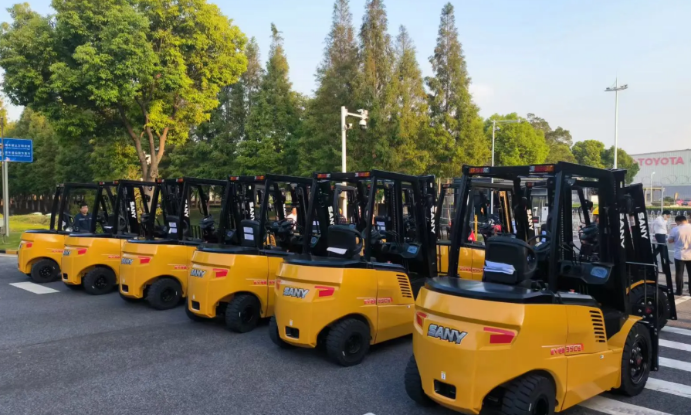
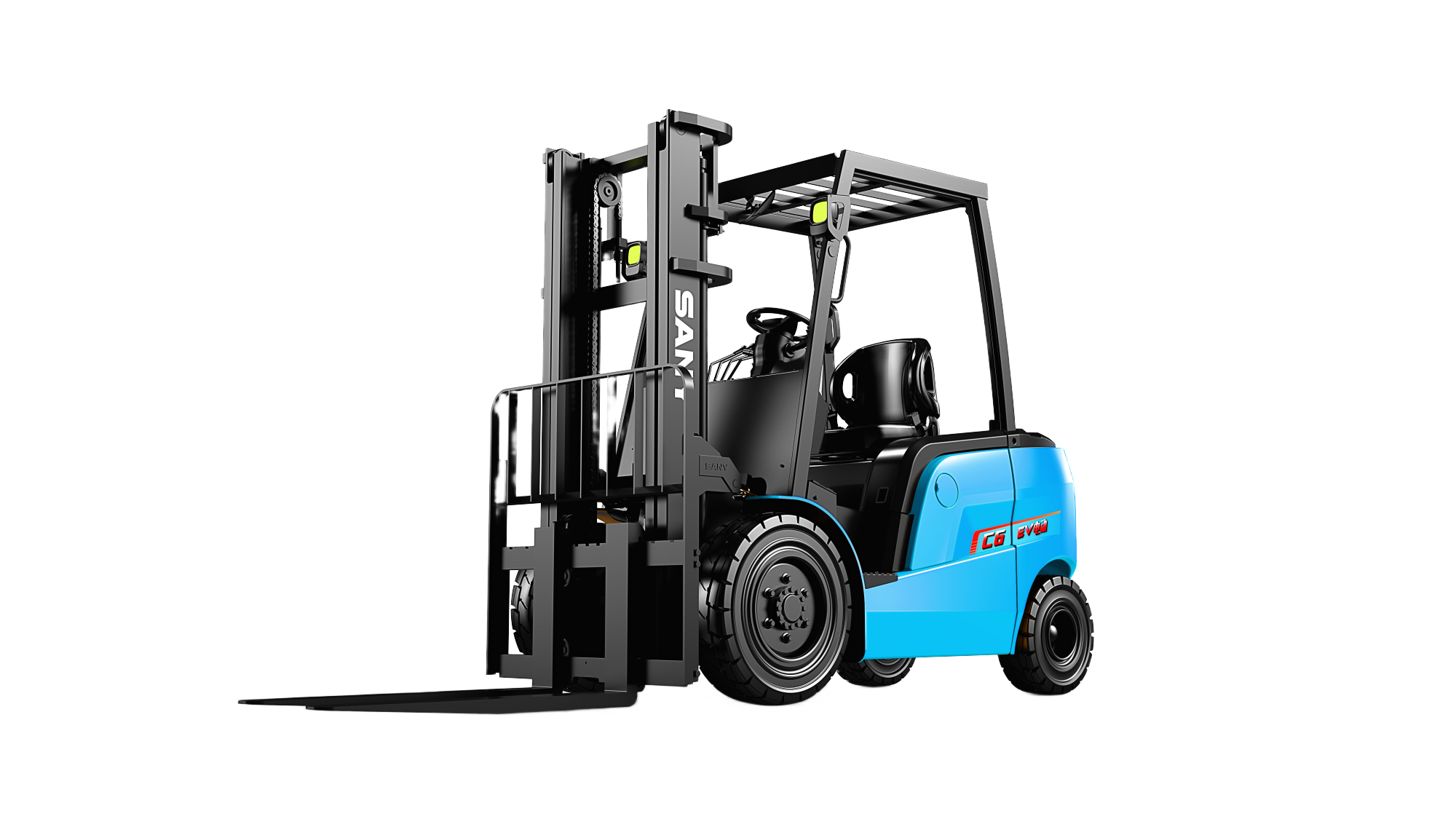
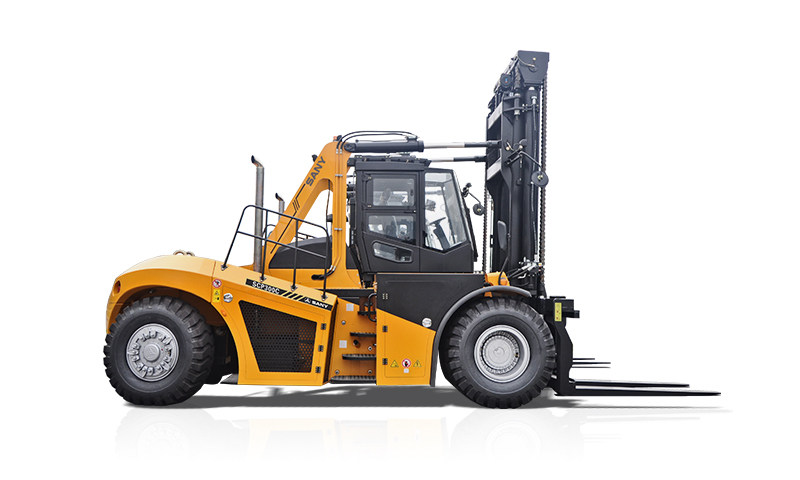
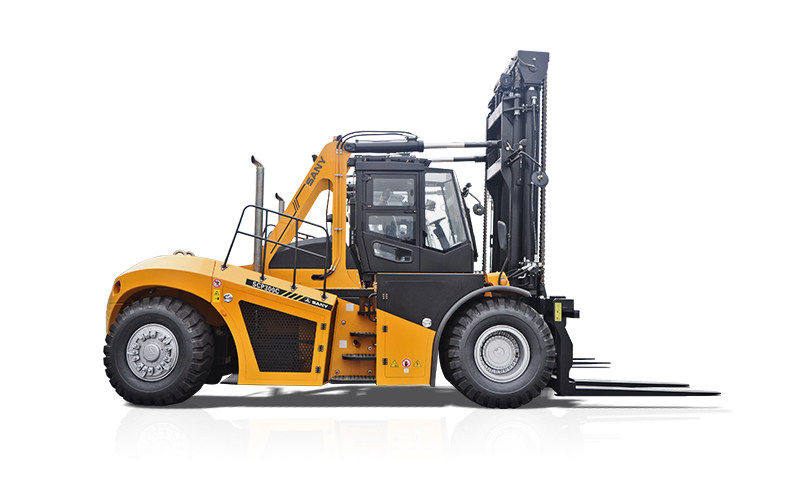
SANY offers a wide range of Forklift Trucks and Electric Forklifts to choose from.
These Forklift Trucks and Electric Forklifts not only feature reliable structural design but also incorporate robust safety technologies such as intelligent anti-rollover protection, load anti-fall systems, and automatic fire suppression. You can select the most suitable model based on your specific operational needs.
Conclusion
While "Forklift," "Fork Truck," and "Lift Truck" are often used interchangeably in daily conversations, understanding the subtle differences between fork truck vs forklift and lift truck vs forklift is crucial for professional communication and accurate equipment selection."Forklift" is the most comprehensive general term; "Fork Truck" typically refers specifically to counterbalanced forklifts, especially for outdoor applications; and "Lift Truck" is a more formal umbrella term.When selecting equipment, the key is to look beyond the terminology itself. Carefully evaluate your specific application scenarios, working environment, load requirements, and budget to choose the safest and most efficient material handling solution.
FAQs
Is a Fork Truck the Same as a Forklift?
From the perspective of equipment classification, Forklift is a broader category, while Fork Truck is generally regarded as a specific type of forklift. Specifically:
Forklift is an umbrella term covering all industrial vehicles equipped with fork-lifting functionality, including counterbalanced, reach, order-picking, and other types. Its core feature is the ability to achieve vertical stacking and horizontal transportation of goods.
Fork Truck typically refers specifically to counterbalanced forklifts. Although this type of equipment balances stacking and transportation functions in design, it focuses more on medium-to-short-distance horizontal transportation and loading/unloading operations in practical applications.
What Is a Fork Truck Used For?
It is mainly used for short-distance horizontal transportation of goods, such as transferring raw materials in workshops, moving goods in small warehouses, and restocking convenience stores.
Its core advantages lie in its compact size and high flexibility, enabling operation in narrow spaces. Most fork trucks in the European market are electrically powered, complying with indoor environmental protection and noise control requirements, making them a better choice for "short-distance light-duty transportation" scenarios.
What Is a Small Forklift Called?
Common names for small forklifts include "Pallet Jack" and "Walkie Stacker." They primarily handle light loads, have a low lifting height, and are suitable for light-duty operations in small spaces.
In Europe, electric pallet jacks are the preferred small lifting equipment for small businesses and the retail industry due to their ease of operation and relatively low cost. Their functions overlap partially with those of small forklifts.
Featured Products
Recommend Blogs
Forklift Truck Loading Safety Guide: Full Process and Risk Avoidance
This article details common scenarios, the entire process of forklift truck loading, and key safety points to help achieve safe and efficient operations.
2025 Forklift Truck Manufacturers: Industry Insights & Choices Guide
Analyze forklift truck manufacturers' core responsibilities, trends and selection points to help enterprises efficiently choose the right forklift truck suppliers.
Key Defense Line of Operational Safety: A Detailed Explanation of the Forklift Truck Checklist
This article explains the importance of a forklift truck checklist, details the key points of the full-process inspection, helping to improve the safety of forklift operations.