Excavator vs Bulldozer: Functions, Key Differences and How to Choose
Not sure whether excavator vs bulldozer is the right choice? This article explains both machines’ functions, differences, and selection methods to help you pick the best equipment for 2025 construction projects
On construction sites, bulldozers and excavators are two common types of heavy machinery. Although both serve earthmoving tasks, they have distinctly different strengths. Many people struggle with the excavator vs bulldozer decision: which machine best fits a specific project? This article starts with definitions and core functions, then breaks down the key differences and offers a practical selection guide to help you make the optimal choice for your job.
What Is a Bulldozer and What Is an Excavator?
Both bulldozers and excavators are commonly used heavy machinery in engineering and construction, but they have distinct differences in terms of structure, function, and application scenarios:
Bulldozer
A bulldozer is a type of construction equipment designed specifically for moving and pushing large quantities of soil, gravel, and other materials. It is equipped with a front-mounted blade in various shapes, a powerful engine for strong propulsion, an operator’s cab, and crawler tracks for mobility—together forming a highly efficient earthmoving machine.
The primary uses of bulldozers include:
- Land Clearing: One of the core functions of a bulldozer. Using its front blade, it can efficiently clear large areas of land. Whether it’s surface weeds, rocks, or small obstacles, a bulldozer can push them away in one pass, quickly tidying up messy sites.
- Digging Shallow Trenches: While not originally designed for digging, bulldozers can handle shallow trenching tasks thanks to their powerful engines and adjustable blades. In situations where high depth and precision aren’t required, the blade’s downward pressure and pushing action can create trenches that meet basic needs.
- Land Leveling: Bulldozers excel at leveling ground. Operators can control the blade to make fine cuts to meet project requirements, whether keeping the surface perfectly flat or grading to a specific slope. This provides a stable, even foundation for subsequent construction work.
- Land Reshaping: Bulldozers are ideal for reshaping terrain. They can push aside large obstacles like trees and rocks, clear soil and debris, and sculpt the land according to project plans—creating an optimal site for construction.
Excavator
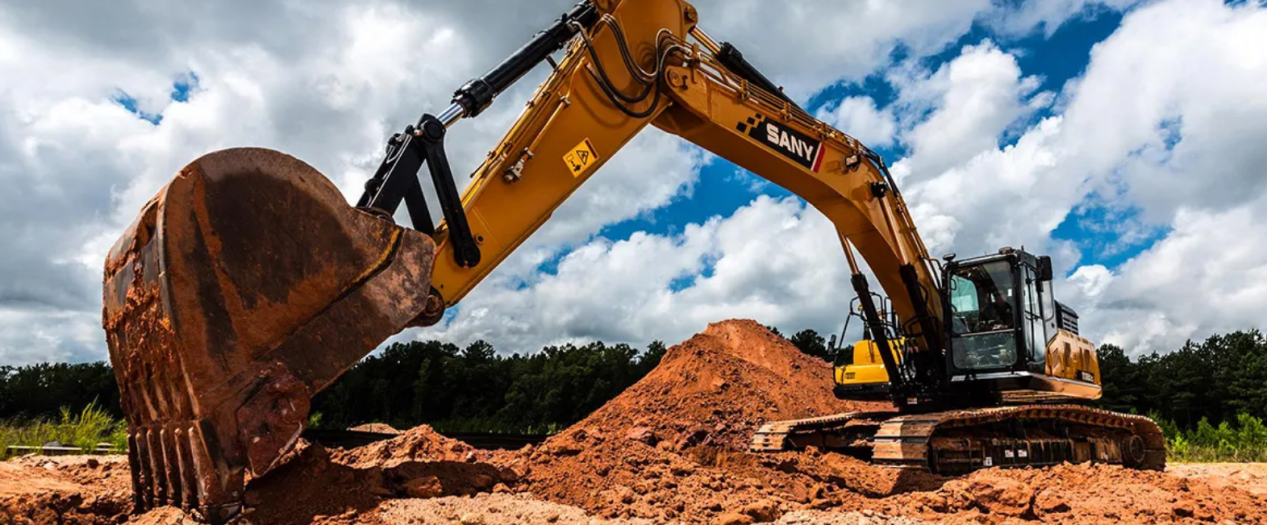
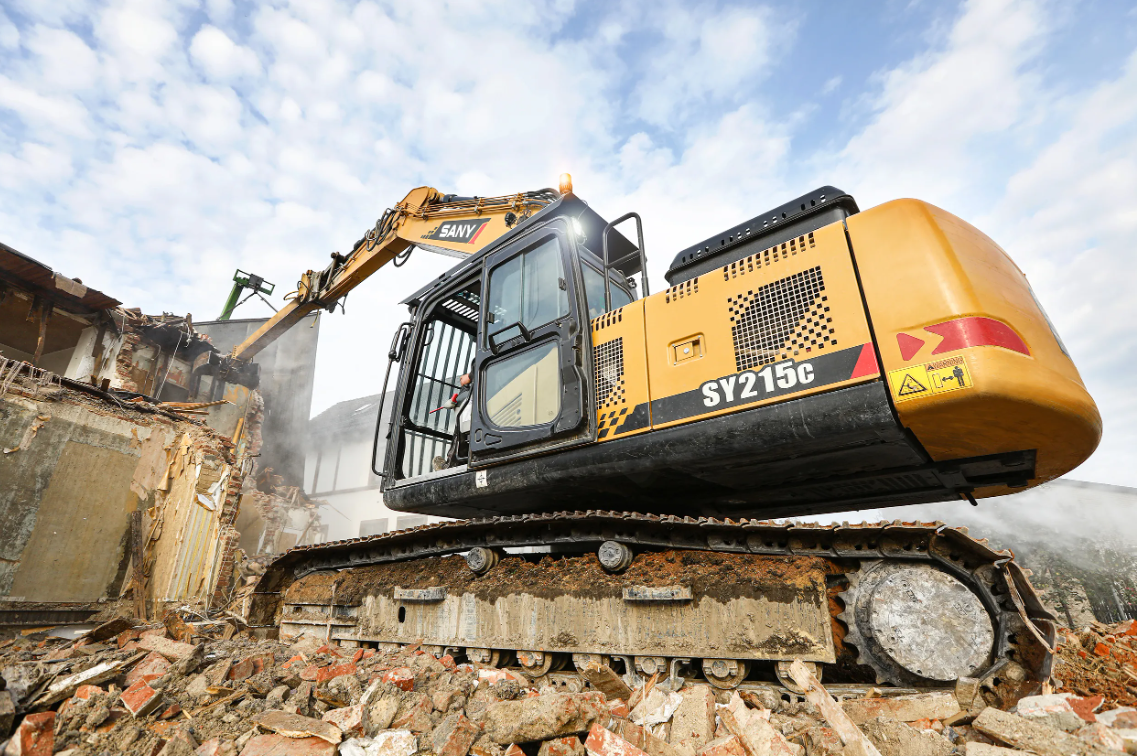
An excavator—also known as a digger—is a powerful hydraulic machine composed of a bucket, stick (or dipper arm), boom, and cab, all working together to lift, dig, and load materials. Excavators are commonly used for digging, moving, and loading earth, making them a staple in construction, road building, and mining projects.
A distinctive feature of excavators is the house—a rotating platform that allows the upper structure to rotate 360 degrees, providing excellent maneuverability on the job site.
Key uses of excavators include:
- Mining Operations: In mining or heavy construction projects, excavators are invaluable. With their immense power, they can easily lift heavy debris and ground materials, boosting productivity.
- Trench and Hole Digging: Compared to bulldozers, excavators offer superior digging force and maneuverability, making them the best choice for precise and efficient trenching or hole excavation.
- Material Handling: By using the bucket as a carrier, excavators can transport materials across the job site quickly and efficiently.
- Demolition Work: Excavators’ digging and drilling capabilities make them ideal for demolition tasks, handling various removal jobs with speed and efficiency.
- Utility Construction: Excavators are also vital in utility projects, such as laying cables, installing pipelines, and building underground infrastructure for public works.
Key Differences Between Excavators and Bulldozers
The bulldozer vs excavator differences are numerous. A comparison chart can help illustrate them in detail.
| Comparison Dimension | Bulldozer | Excavator |
| Equipment Size | Relatively smaller | Generally larger in overall size |
| Suitable Terrain | Best suited for operation on flat ground | Can operate flexibly on uneven terrain |
| Structure | Equipped with a front-mounted blade and no rear attachments, most use crawler tracks, which enhance stability when operating on muddy, wet, or uneven surfaces | Features a boom and a front bucket; most are wheeled, and their structural design determines their unique functions |
| Excavation & Clearing Capability | Superior in material clearing; limited to digging shallow trenches and building slopes | Ideal for excavation work with outstanding digging capability |
| Attachments | Only one attachment is mounted at the front | Has more attachments; unique rear attachments include rippers, couplers, and augers, while the front typically features snow plows, grapples, and brooms |
| Operating Method | Focuses on “pushing,” using the flat pushing force of the blade to move soil along the ground; best for large-scale, low-precision earthmoving | Focuses on “digging” and “transporting,” using the bucket to excavate soil and rotating the upper body to move materials to a designated location; suited for high-precision, small-scale digging and handling |
How to Choose Between a Bulldozer and an Excavator
When deciding between a bulldozer and an excavator, the best choice depends on the specific needs of your project:
Choose a Bulldozer if:
- You need to clear land efficiently.
- The project does not require extensive digging.
- Land leveling or slope creation is a major part of the job.
- Higher rental costs are not a concern.
Choose an Excavator if:
- Digging is the top priority.
- Demolition work is required.
- The project involves heavy-duty construction or mining operations.
- Budget is a key consideration—excavators are generally more cost-effective.
Note: Bulldozers and excavators are heavy construction machinery designed to operate for long periods under harsh working conditions. It is crucial to select models that excel in both quality and performance. For example, SANY Medium Excavator series is a popular choice for core excavation tasks such as foundation pit digging and trench shaping, thanks to its robust build, exceptional durability, precise digging capabilities, and agile operation.
Conclusion
While both belong to earthmoving equipment, their roles and ideal applications differ significantly. In the excavator vs bulldozer comparison, bulldozers excel at large-scale, coarse earth pushing and surface leveling, making them indispensable during site-preparation phases. Excavators, by contrast, shine at precise digging, flexible material handling, and multi-function tasks, making them better suited for complex, high-precision work. In real projects, the two often work together—an excavator digs and loads, and a bulldozer follows to level the site—boosting overall efficiency on the job.
FAQs
Can an excavator replace a bulldozer for land clearing?
To some extent, yes—but with lower efficiency. An excavator must grab and move debris one piece at a time, making it slower for large-scale clearing of scattered materials compared to a bulldozer, which can push everything away in a single pass. Therefore, a bulldozer should be the primary choice, with an excavator assisting in handling hard-to-remove obstacles.
Is a bulldozer suitable for rough, uneven terrain?
Crawler bulldozers can handle certain uneven terrains, but not as effectively as excavators. On excessively steep or muddy surfaces, bulldozers are prone to slipping or getting stuck, while excavators’ tracks and working attachments offer better adaptability.
Are excavators more versatile than bulldozers?
Yes. With interchangeable attachments, an excavator can perform a wide variety of tasks across multiple industries. Bulldozers, however, have a narrower and more specialized range of uses. That said, excavators cannot fully replace bulldozers—each excels in areas where the other may not be as effective.
Featured Products


Recommend Blogs
What Is an Excavator? How to Choose the Right Model for Your Project Needs
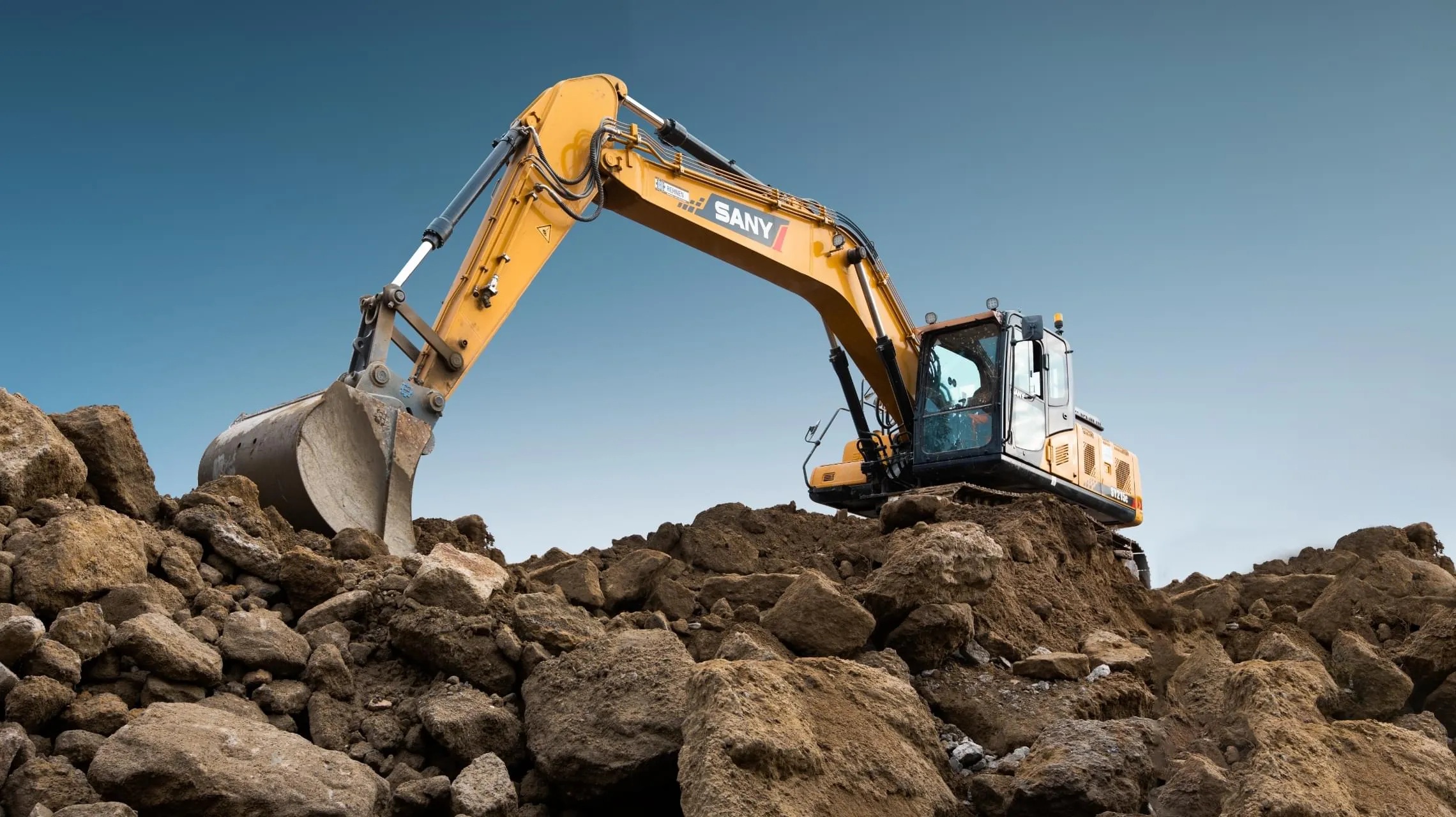
Discover what an excavator is and how to choose the ideal model—from compact mini machines to powerful large excavators—for your project’s size, terrain, and productivity needs
How Much Does a Mini Excavator Weigh? Your Complete Guide
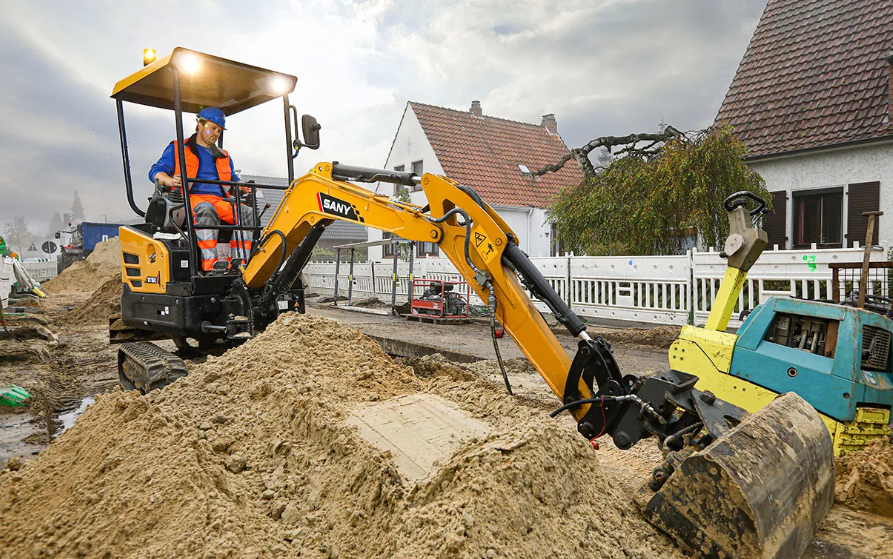
A mini excavator’s weight is key to transportation, performance, and practical applications. This article breaks down the question of how much a mini excavator weighs, helping readers understand these compact machines
Backhoe vs. Excavator: Your 2025 Heavy-Equipment Buying Guide
This article introduces the differences between backhoe vs. excavator, their respective advantages, and how to choose the right heavy equipment to help work crews perform better.