Excavator Sizes Guide: How to Choose the Right Excavator for Your Project?
This article provides a detailed introduction to excavator sizes and related information to help with accurate model selection.
Excavators, as heavy construction equipment commonly used in the engineering field, have a wide range of applications, from large-scale infrastructure projects and mining to small-scale landscaping and civil site operations. To choose the right excavator, it's essential to first understand excavator sizes. Different sizes of excavators differ in weight, performance, and applicable scenarios. This article will provide a detailed analysis of excavator sizes to help you quickly grasp the key points and methods for selecting an excavator.
Why is Choosing the Right Excavator Size so Important?
In construction projects, the proper sizing of an excavator directly determines the overall efficiency and cost-effectiveness of the project. Selecting the right excavator sizes ensures smooth site entry and operations, while simultaneously saving on fuel and maintenance costs; conversely, choosing the wrong sizes of excavators not only jeopardizes the project schedule but also significantly escalates expenses and on-site risks.
Impact on Construction Efficiency and Progress
A properly sized excavator can rapidly execute tasks such as excavation and material transfer, thereby boosting operational efficiency. Conversely, an inappropriately sized machine faces operational constraints, leading directly to project delays.
Determining Access to the Construction Zone
Different construction sites impose specific restrictions regarding the width, height, and turning radius of excavator equipment. Only machines of the appropriate dimensions can successfully gain access to the site, maneuver between work zones, and operate effectively within confined spaces.
Controlling Fuel and Maintenance Costs
Using an oversized excavator for light-duty tasks results in wasteful fuel consumption, while using an undersized machine for heavy-duty work leads to overloading—both scenarios increase wear and tear. A properly matched model is more fuel-efficient and exhibits a lower failure rate, making it a more economical choice for long-term use.
Mitigating On-Site Safety and Operational Risks
An excavator of appropriate dimensions offers superior stability and safer operation, thereby minimizing potential hazards such as accidental collisions or rollovers, and enhancing the overall ease of on-site management.
Excavator Sizes and Weights Classes
Excavators come in different sizes and, based on their weight, can be categorized as mini excavator, small excavator, medium excavator, and large excavator.
Mini Excavator
- Operating weight: less than 6 tons
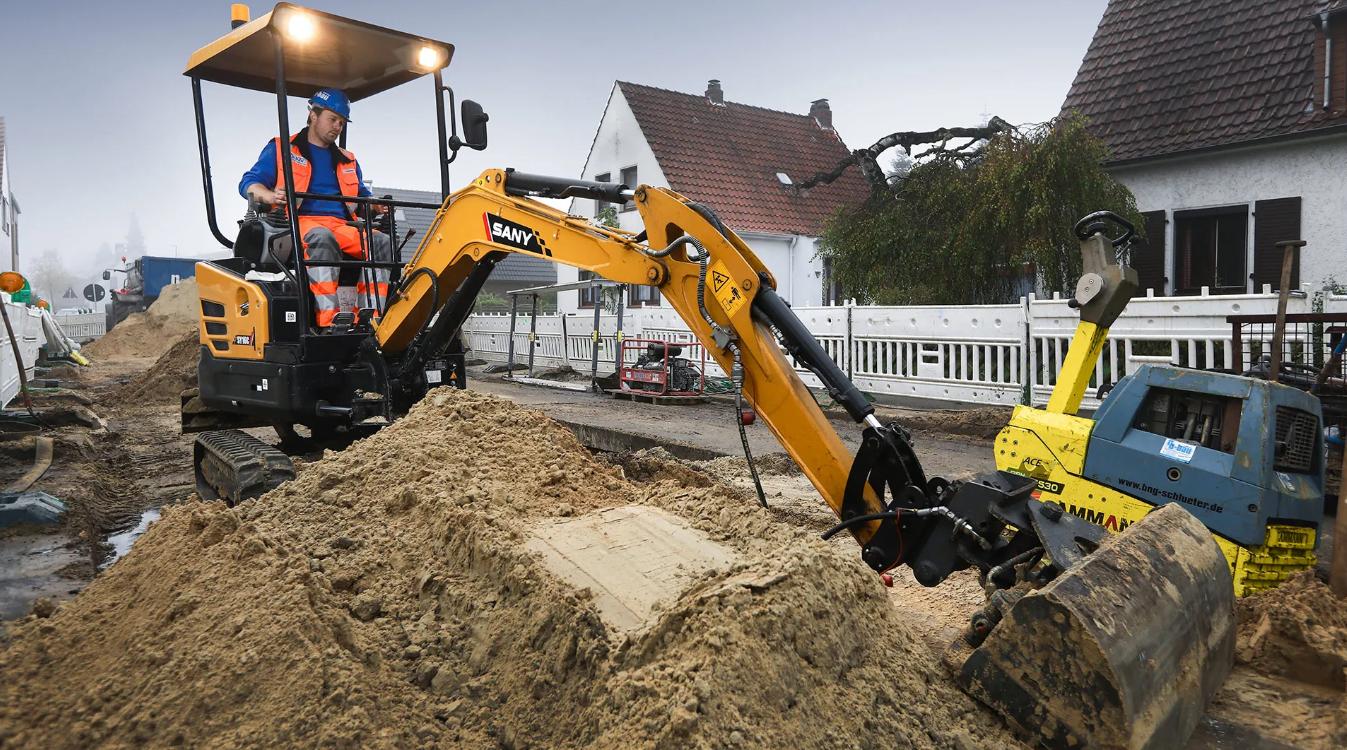
- Key features: Compact and highly maneuverable, mini excavator sizes are specifically designed for flexibility in tight and complex environments. For example, the SANY Below 2.5T Mini Excavator offers excellent adaptability and easy operation in curves and confined spaces. It also delivers outstanding mobility and fuel efficiency, causes minimal ground disturbance, and can be transported by standard Class 1 or Class 2 trucks. In some regions, it can be towed without a commercial driver’s license, making relocation very convenient.
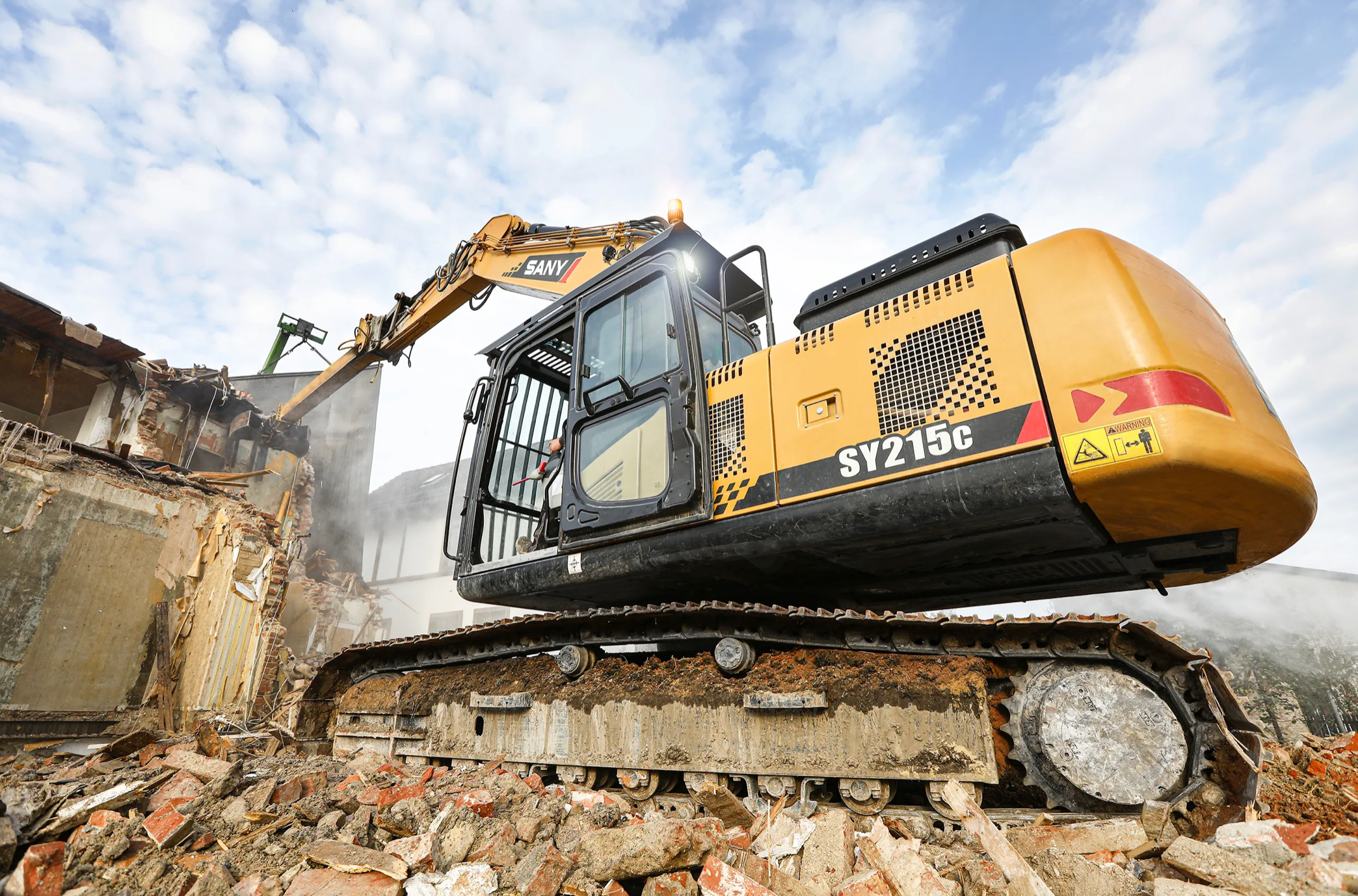
- Applications: Work in confined spaces, indoor construction, residential construction, landscape projects, community sewer and water pipe maintenance, small trenching, and other light‑duty scattered projects.
- Limitations: Limited working radius and digging depth, relatively low power, small bucket capacity, and unsuitable for heavy‑load construction.
Small Excavator
- Operating weight: 6–10 tons,dimensions are slightly larger than a mini excavator sizes.
- Key features: A compact all‑around model that balances a small body with basic working power. It maintains high mobility, is less restricted by site space, and achieves much higher efficiency than manual labor.
For example,SANY small excavators bring agility, comfort, and intelligent control to tight or complex worksites, turning challenging spaces into efficient, productive environments.
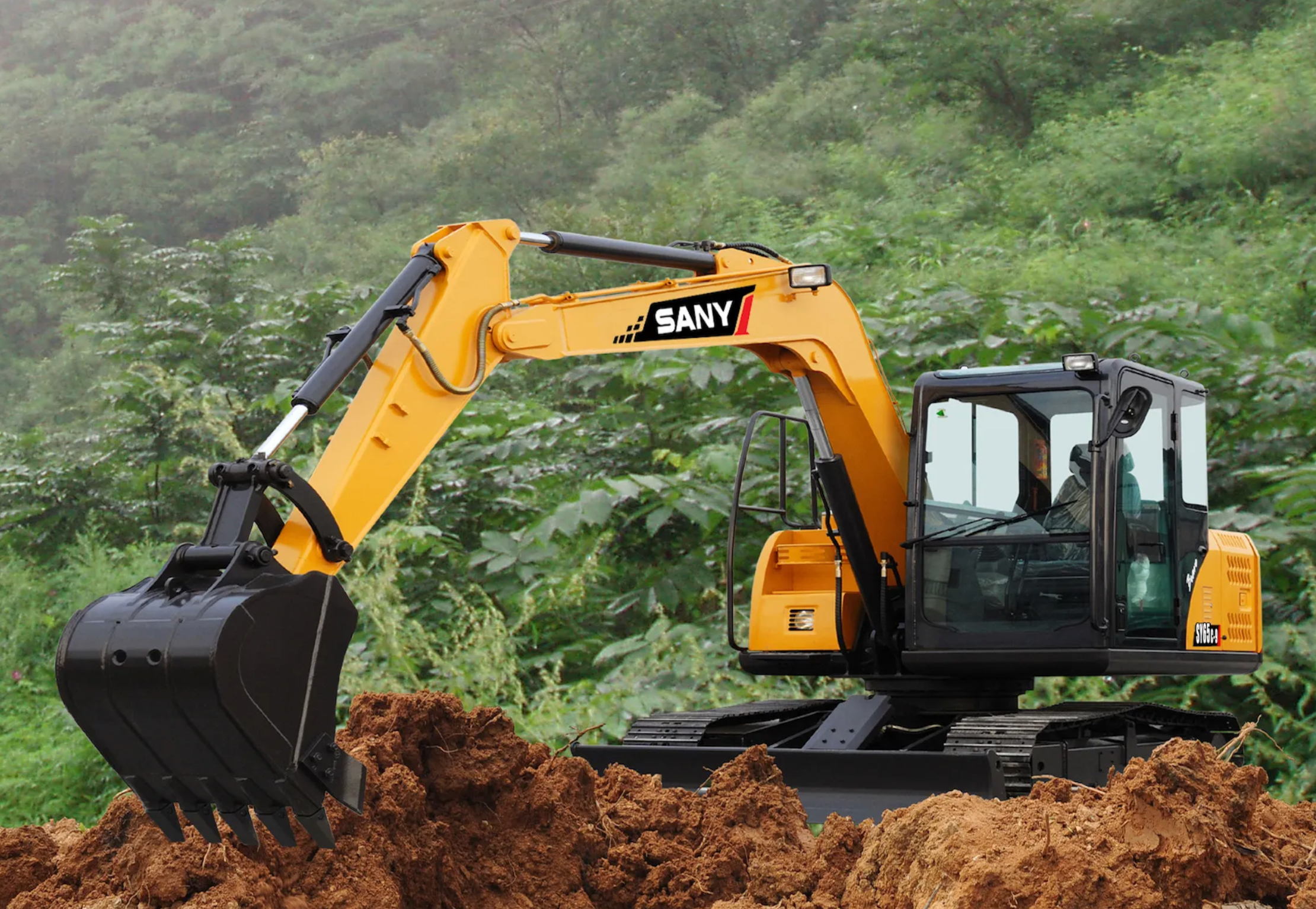
- Applications: Small commercial projects, urban constrained‑site construction, small municipal works, basic repairs, and other medium light‑duty projects.
- Limitations: Due to its smaller size, it has limited power and working range. It is only suitable for small‑scale projects and cannot meet the demands of large earthwork operations.
Medium Excavator
- Operating weight: 10–45 tons
- Key features: Combines the mobility of small machines with performance close to large models. Equipped with a sophisticated hydraulic system, it is compatible with a wide range of hydraulic attachments and highly versatile, adapting to soft soil, hard soil, and various complex ground conditions.
For example, the optimized positive flow hydraulic system of the SANY medium excavator can improve work efficiency by up to 5%. The intelligent system is simple and convenient to operate and can greatly improve productivity.
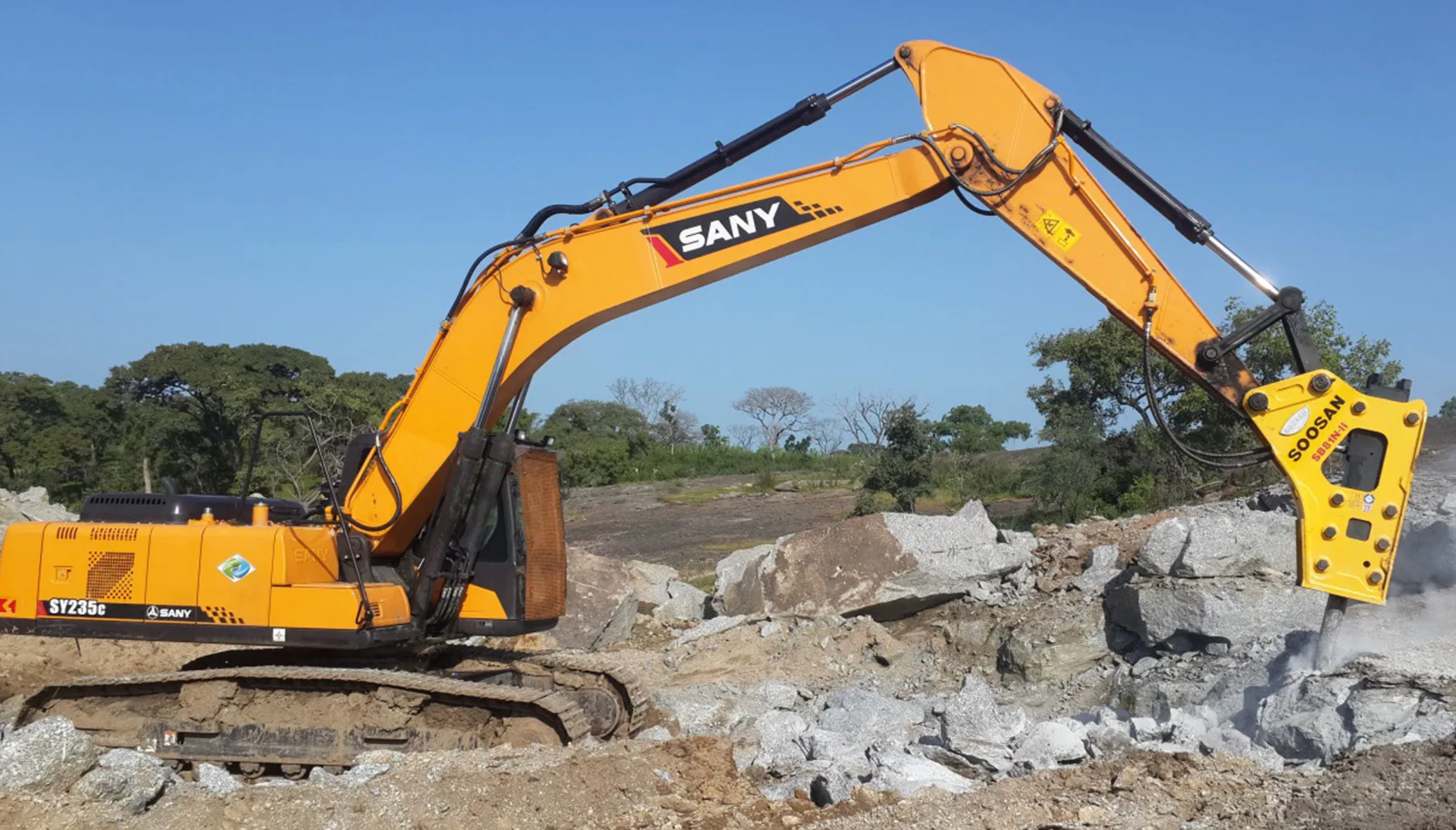
- Applications: Municipal engineering, landscaping, road and bridge construction, building construction, medium earthwork projects, site leveling, large‑scale foundation preparation, and other general commercial and infrastructure projects.
- Limitations: Requires a special trailer for transportation. Compared with mini and small excavators, it is less capable in extremely narrow spaces, and its heavy‑load performance is inferior to large excavators.
Large Excavator
- Operating weight: over 45 tons
- Key features: Top‑class power and capacity across all categories, with large bucket volume and high material handling efficiency. It can handle harsh conditions such as rock and hard soil, with irreplaceable heavy‑load performance.
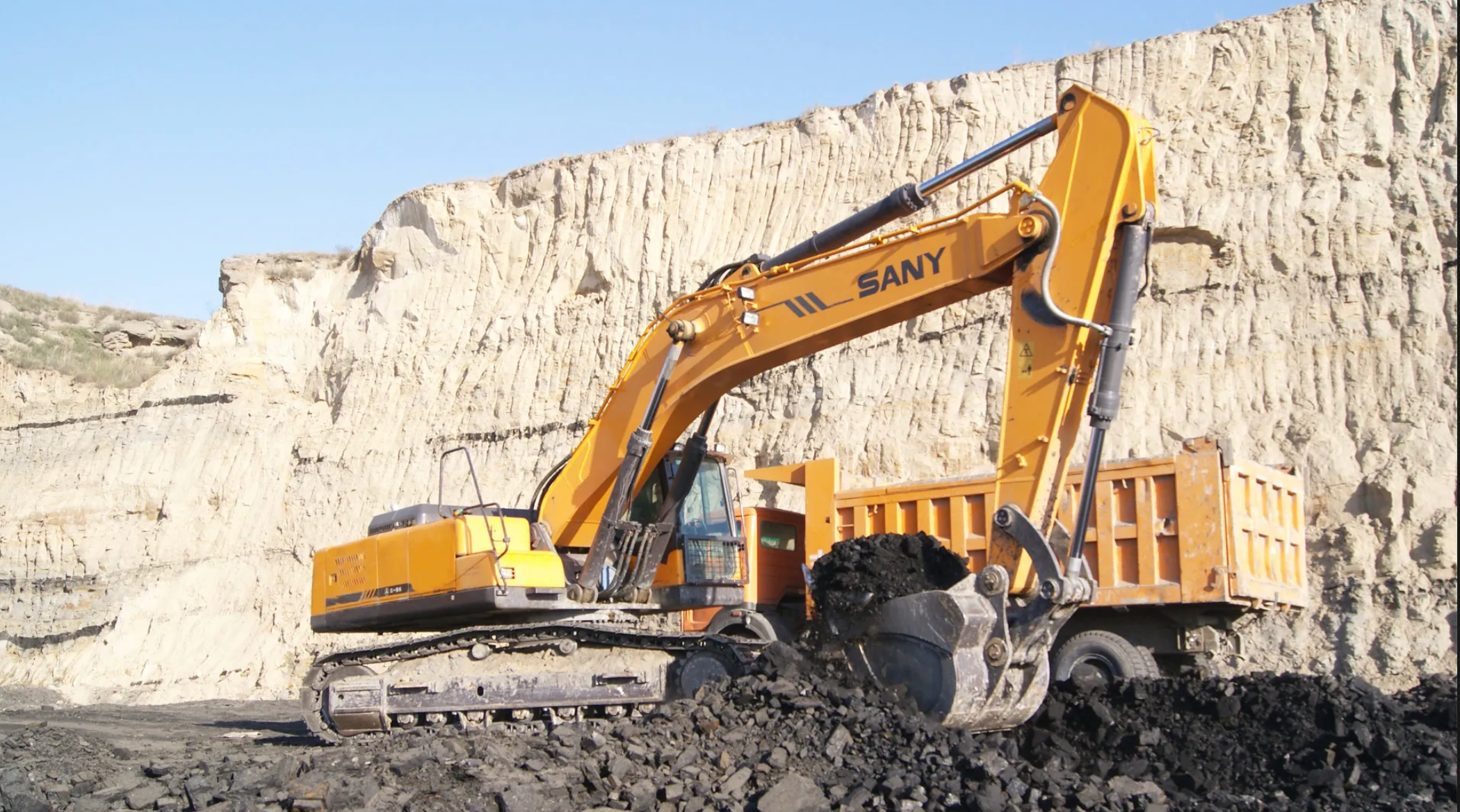
For example, the SANY large excavator is an ideal machine for mining, construction, and large-scale earthmoving projects. It boasts powerful performance, durability, and high reliability.
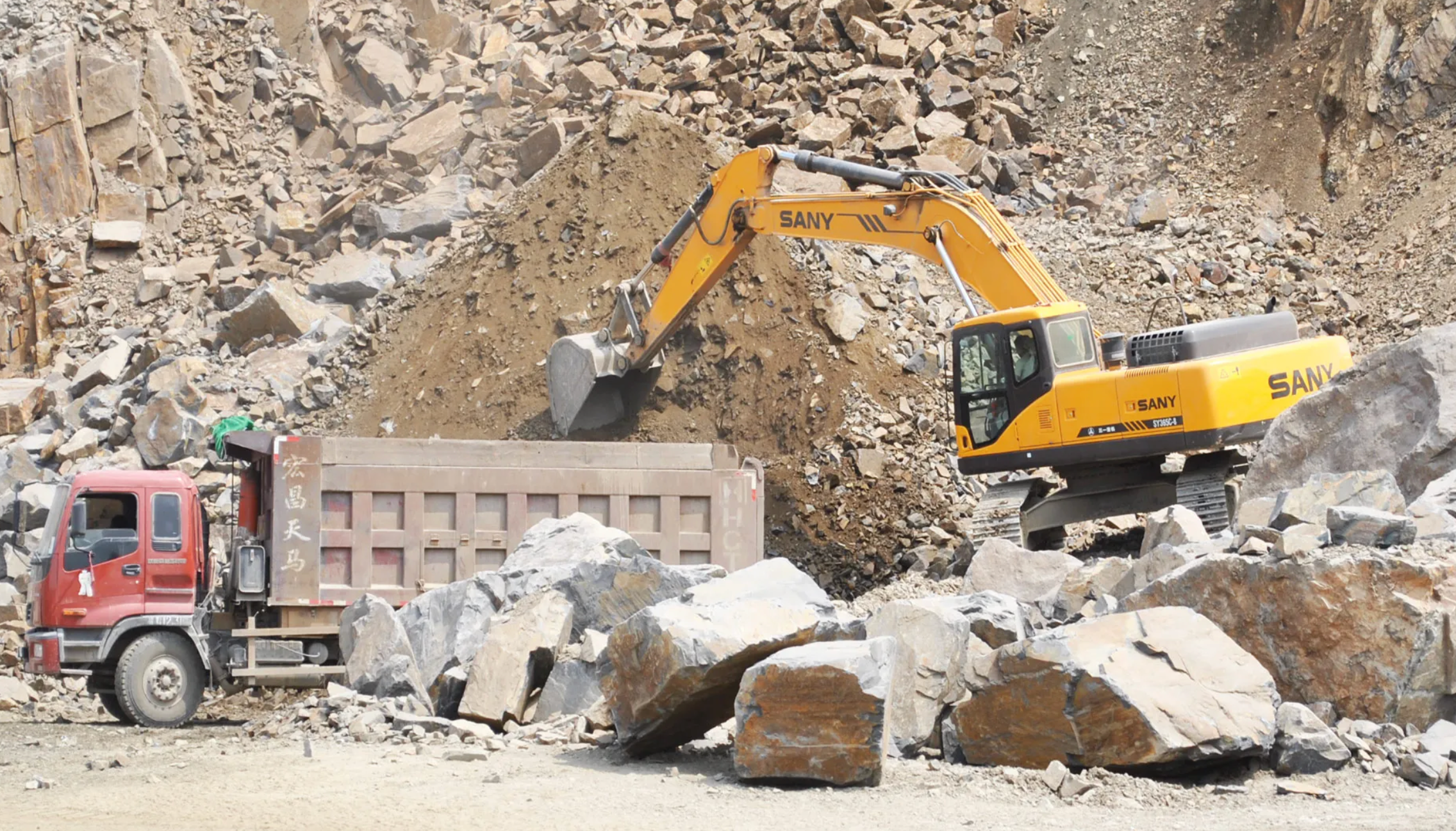
- Applications: Large‑scale earth excavation, mining, quarrying, major construction, heavy demolition, rocky terrain work, and other high‑intensity heavy‑duty projects.
- Limitations: Large and bulky, very poor mobility, and difficult to navigate on complex terrain. Requires special oversize trailers for transport, needs ample space for storage and operation, involves high purchase cost, and depends on high operating hours to ensure return on investment.
Excavator Size Comparison Chart
Excavator Sizes | Operating Weight | Key Features | Application Scenarios | Limitations |
Mini Excavator | < 6 tons | Compact structure, excellent mobility and fuel efficiency, low ground disturbance; transportable by ordinary trucks, convenient relocation; no commercial driver’s license required in some regions | Confined spaces, indoor construction, residential sites, landscaping, small pipeline maintenance, light-duty trenching | Limited working radius and digging depth, low power, small bucket capacity, not suitable for heavy-duty work |
Small Excavator | 6–10 tons | Compact all-round model, balanced compactness and basic working power, high mobility, strong site adaptability, much higher efficiency than manual work | Small commercial projects, urban constrained sites, municipal minor works, small-scale foundation repair | Limited power and working range, only for small-scale projects, unable to perform large-scale earthwork |
Medium Excavator | 10–45 tons | Balanced mobility and strong working capability, complete hydraulic system, compatible with multiple attachments, high versatility, suitable for various soil conditions | Municipal engineering, landscaping, road & bridge construction, building construction, medium earthwork, site leveling, foundation preparation | Requires special trailer for transportation, poorer accessibility in narrow spaces than mini/small models, lower heavy-load capacity than large excavators |
Large Excavator | > 45 tons | Top-level power and operating capacity, large bucket, high handling efficiency, resistant to harsh working conditions, irreplaceable heavy-load performance | Large-scale earth excavation, mining, quarrying, large infrastructure, heavy demolition, rocky terrain operations | Bulky body, poor mobility, requires oversize trailer for transportation, large space occupation, high procurement cost |
What Size Excavator Do I Need?
The excavator sizes chart above easily illustrates the characteristics of different excavators. However, to select the appropriate sizes of excavators, in addition to a detailed understanding of excavator dimensions, the following factors should also be considered:
Verify Site Conditions and Terrain
- For narrow sites, areas with many obstacles, and civil construction completion sites, small or mini excavators are preferred. They are compact, have a small turning radius, and cause little ground damage. For open sites, medium or large excavators can be used.
- Confirm equipment transportation, storage conditions, transportation qualifications, and driver’s license requirements in advance to avoid subsequent access and transportation issues.
Match Core Construction Parameters
- Clarify the required digging depth, working radius, lifting height, lifting capacity, and bucket capacity for the project in advance to ensure the equipment meets the maximum construction requirements of conventional projects.
- For hard soil, rock, and heavy-duty operations, choose high-power medium or large excavators. For occasional ultra-large working conditions, you can rent high-configuration equipment instead of purchasing blindly.
Focus on Equipment Functions and Compatibility
- For heavy-duty and multi-tool operations, prioritize models with a complete hydraulic system that is compatible with various attachments.
- For lifting operations, equipped with matching counterweights to ensure stability.
- Expand the working range by replacing the boom and bucket according to construction needs.
Balance Cost and Practicality
- Medium and large excavators have high procurement, operation, maintenance, and transportation costs, making them suitable for high-frequency heavy-duty projects.
- Small and mini excavators have good fuel economy and low usage costs, suitable for scattered light-duty projects.
- When equipment utilization is low, prioritize the rental model to save storage and daily maintenance expenses.
Conclusion
In summary, excavator sizes are the core benchmark for equipment selection. Micro, small, medium, and large models each have their own strengths; there is no absolute best, only what is suitable. In daily selection, there's no need to blindly pursue large tonnage and high power. Simply consider site conditions, construction needs, and budget, and accurately match the parameters to avoid equipment waste and insufficient operational power. This will allow the excavator to perform at its best under corresponding working conditions, efficiently and reliably completing various construction tasks.
FAQs
How Much Can a 9 Ton Excavator Lift?
How much a 9-ton excavator can lift depends on several factors, including the machine’s design, boom length, arm configuration, and working radius. In general, a 9-ton excavator can lift approximately 2,000 to 4,000 kg (2–4 tons) under optimal conditions.However, lifting capacity decreases as the load is positioned farther from the machine or lifted higher. Stability limits, hydraulic performance, and whether the machine is lifting over the front or side also play a significant role.
What Size Excavator to Lift 6000 Lbs?
To safely lift a 6,000-pound load, a 5- to 8-ton (10,000- to 16,000-pound) excavator is required. While some 4-ton excavators can handle lighter loads with smaller operating radii, 5- to 8-ton models provide sufficient hydraulic power and stability to safely lift 6,000 pounds without tipping over.
Can a Mini Excavator Pull Stumps?
Yes, mini excavators are excellent tools for removing tree stumps, especially small to medium-sized ones. They can work by digging around the stump and cutting the root system. They can enter narrow gate passages and small backyards, and are precise and easy to operate. However, it should be noted that if you are dealing with larger stumps or multiple stumps, you should consider using a heavier mini excavator, such as a 5-8 ton excavator.
Featured Products


Recommend Blogs
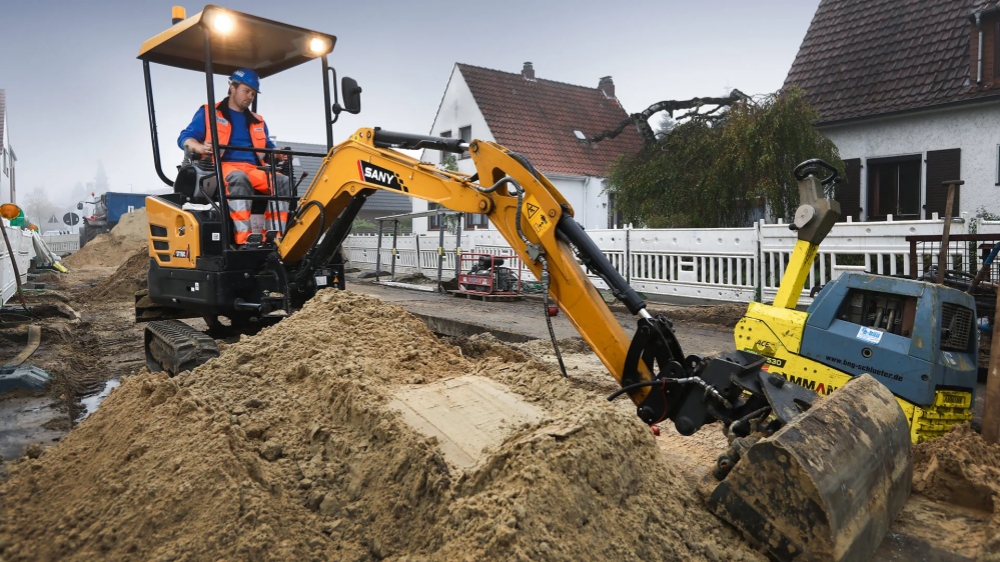
Excavator Maintenance Procedures and Tips: A Complete Guide for 2026
This article outlines standardized procedures and maintenance tips for excavator maintenance, helping construction firms reduce operational costs.
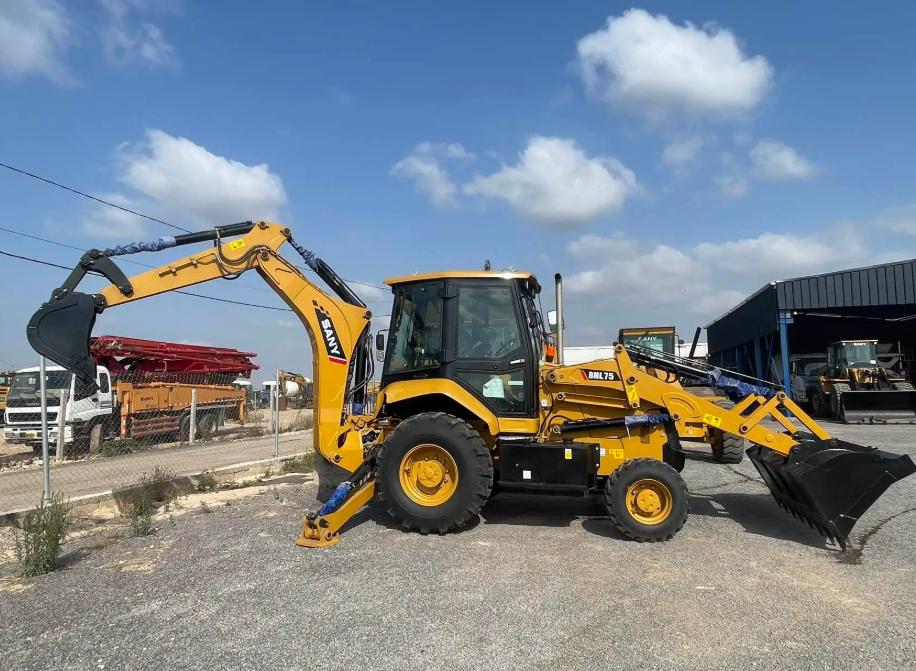
The Difference Between Backhoe Loader and Excavator: Efficient Construction
This article details the difference between backhoe loader and excavator, and provides specific selection recommendations.
How to Pick the Best Mini Excavator: Key Features to Look for
This guide outlines mini excavators' definition, advantages, and tips for selecting the best mini excavator, acting as a reference for grasping this practical machinery.