Excavator Maintenance Procedures and Tips: A Complete Guide for 2026
This article outlines standardized procedures and maintenance tips for excavator maintenance, helping construction firms reduce operational costs.
At project sites involving urban infrastructure, mining operations, agricultural land improvement, and emergency rescue and disaster relief, excavators consistently serve as the core operational equipment, undertaking critical tasks such as excavation, crushing, material handling, and leveling. However, to ensure the equipment runs stably for a long time, excavator maintenance is the core link throughout its full life cycle. Proper excavator maintenance can not only effectively extend the service life of the equipment, but also significantly reduce failure risks and operating costs, thereby establishing a robust safeguard for stable equipment operation.
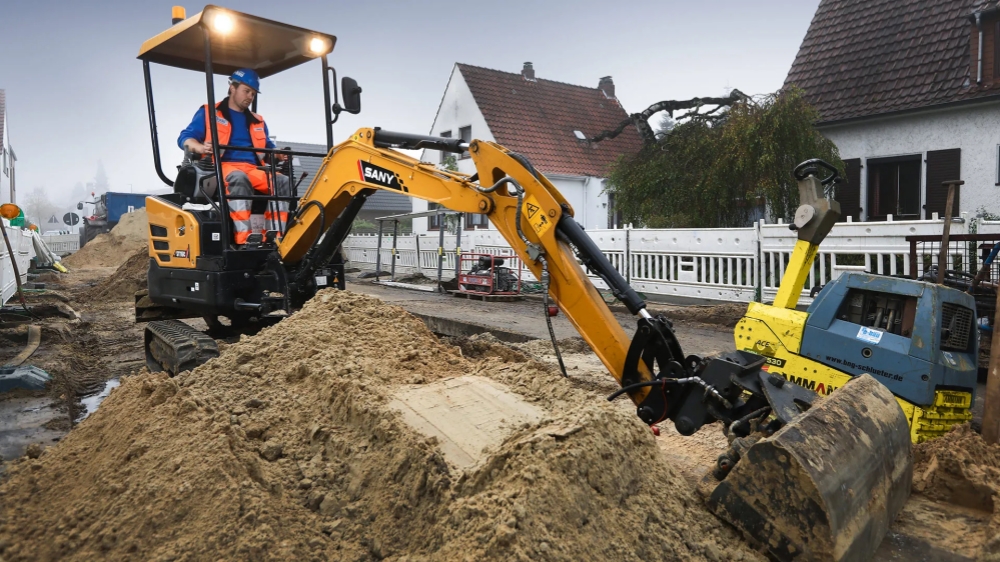
Why is Excavator Maintenance So Important?
Excavators, as core equipment in construction projects, operate year-round under high-intensity, high-load and complex harsh conditions. Their operational status directly affects construction progress, operational safety and project costs. Neglecting routine maintenance can easily escalate minor malfunctions into major problems, reducing equipment efficiency and leading to safety hazards and substantial repair costs. Therefore, standardized and regular maintenance is not an extra investment, but a necessary measure to ensure stable equipment operation and maximize efficiency. Its importance is mainly reflected in the following aspects:
Improving Equipment Performance and Production Efficiency
Regular excavator service ensures that key components such as engines and hydraulic systems remain in optimal condition, reduces power loss, allows equipment to operate continuously and efficiently, effectively avoids unexpected failures, minimizes unplanned downtime and ensures the orderly progress of construction.
Reduce Long-term Operating Costs
Proactive maintenance can promptly identify minor potential problems and prevent malfunctions from escalating into costly repairs. At the same time, it can optimize fuel consumption and reduce component wear, which can significantly reduce maintenance expenses and improve economic efficiency in the long run.
Extending Equipment Lifespan
Regular maintenance, including lubrication, filter replacement, and component inspection, can effectively reduce mechanical wear, prevent premature aging of equipment, prolong replacement cycles, fully utilize fixed assets, and improve return on investment.
Ensuring Operational Safety and Compliance
Regularly inspecting critical components such as brakes, hydraulic systems, and pipelines prevents accidents such as equipment malfunctions, oil leaks, and component breakage, protecting operator safety and ensuring equipment complies with safety regulations and compliance requirements.
Maintaining Equipment Value and Warranty Validity
Proper maintenance keeps equipment in good working condition and preserves its residual value, while also meeting manufacturer warranty conditions and preventing warranty breaches due to improper maintenance, thus providing additional protection.
Enhancing Operational Sustainability
Well-maintained excavators achieve more complete combustion and lower emissions, making them more environmentally friendly while operating efficiently, aligning with the development needs of green construction.
Standardized Process of Excavator Maintenance
Standardized maintenance of excavator procedures is crucial for ensuring stable equipment operation, reducing the frequency of malfunctions, and extending the overall lifespan of the machine. Under prolonged high-intensity operation, a lack of standardized and orderly maintenance procedures can easily exacerbate mechanical wear, create safety hazards, and even cause unplanned downtime, directly impacting construction efficiency and operating costs. Therefore, establishing a time-segmented and actionable maintenance system is particularly important.
1. Daily Maintenance
- Check Fluid Levels: Confirm that the levels of engine oil, hydraulic oil and coolant meet standards and check for leaks.
- Check Filters: Inspect the condition of air filters and fuel filters, clean or replace them promptly.
- Check the Battery: Inspect terminals for corrosion and secure connections; clean corrosion and verify power level.
- Check Tires/Tracks: Check tire pressure, wear and damage for wheeled excavators; check track tension and wear for crawler excavators.
- Check the Undercarriage: Promptly remove debris and mud accumulated on the undercarriage to prevent corrosion.
- Test Control Functions: Test the control devices to ensure smooth operation of the boom, arm and bucket controls.
2. Weekly Maintenance
- Replace Engine Oil and Oil Filter: Timely replacement is the key to ensuring normal engine operation. Follow the oil change interval guided by the manufacturer, generally every 50-100 operating hours.
- Inspect the Hydraulic System: Check for leaks, cracks or wear on hydraulic hoses and connections; ensure hydraulic oil is free of impurities and address leaks immediately to avoid performance issues.
- Sharpen or Replace Bucket Teeth: Inspect the wear of bucket teeth, sharpen or replace them in a timely manner as needed.
- Check Structural Integrity: Inspect whether structural parts such as the frame, boom and arm have cracks or signs of damage, deal with hidden dangers in time to prevent further damage and ensure operation safety.
3. Monthly Maintenance
- Inspect the Fuel System: Check for moisture and impurities mixed in the fuel tank, drain water from the fuel system regularly, and replace filters as needed.
- Inspect the Cooling System: Check whether the radiator is blocked or has debris, and clean the radiator fins in time to ensure smooth air circulation and prevent equipment overheating during operation.
- Inspect the Electrical System: Check for wear and damage of various electrical connections, circuits and fuses, ensure that all indicator lights and gauges function normally.
- Perform Comprehensive Equipment Cleaning and Maintenance: Regularly clean the entire equipment to prevent corrosion and performance degradation caused by dirt buildup, with emphasis on the undercarriage and hydraulic components.
4. Annual Maintenance
- Complete Fluid Replacement: Replace all fluids, including engine oil, hydraulic oil, coolant and fuel to ensure the equipment maintains optimal operation performance.
- In-depth Inspection of Core Components: Conduct detailed inspections on key components such as engines, hydraulic systems and transmissions, check for signs of component wear, and deal with various potential problems in a timely manner.
- Professional Complete Machine Maintenance: It is recommended to hire certified professional technicians to conduct a comprehensive equipment overhaul, identify potential hidden problems, and obtain professional solutions. Some excavator brands also offer professional maintenance services. For example, the SANY excavator feature industry-leading warranty and reliable after-sales support. Local SANY dealers also provide a range of routine maintenance services or customized maintenance packages and solutions to meet your operational needs, ensuring the safety of your team and the efficiency of your SANY excavator. Choosing to partner with SANY will give you peace of mind.
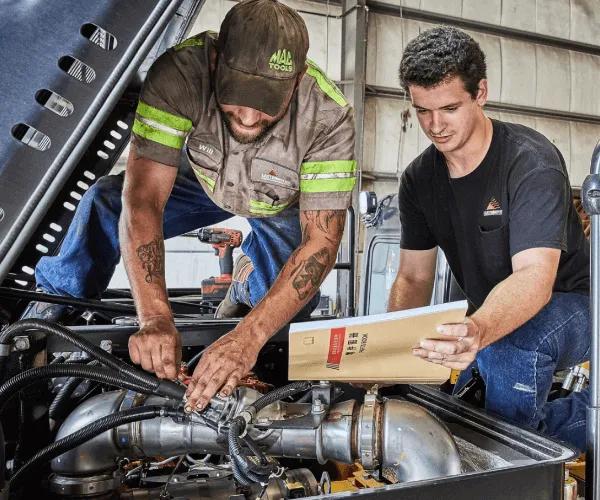
Other Important Excavator Maintenance Tips
Besides regular periodic inspections, cleaning, storage, and record management are equally important aspects of excavator maintenance. Paying attention to these details can effectively reduce equipment corrosion and malfunctions, make maintenance management more standardized, further extend equipment lifespan, and ensure construction efficiency. The following are practical maintenance points from three aspects: cleaning and protection, standardized storage, and maintenance records:
Proper Cleaning and Protection to Reduce Component Wear
Promptly remove dirt, dust, and debris from the machine body, chassis, and air intake to prevent clogging of the cooling system and overheating; use mild, specialized cleaning agents and soft brushes to avoid scratching the paint and metal parts; focus on cleaning crevices and hard-to-reach areas to reduce the risk of rust in humid environments and maintain the equipment's appearance and structural integrity.
Proper Storage Extends Equipment Lifespan
Equipment should be stored in dry, shaded, and rain-protected areas to reduce aging and corrosion caused by the sun and rain. After the operation, lower the buckets and other attachments to the ground to reduce the load on the hydraulic system. When storing for extended periods, disconnect the battery, apply rust inhibitor to exposed metal parts, and secure them to prevent accidental slippage.
Complete Maintenance Records Enable Scientific Management
Complete records of daily inspections, maintenance, and parts replacement facilitate tracking of equipment conditions and troubleshooting recurring faults. Standardized maintenance records serve as valid warranty documentation, preventing issues arising from missing records. They also provide a basis for predictive maintenance, allowing for more rational scheduling of repairs and increasing the resale value of the equipment.
Conclusion
Excavator maintenance is the core guarantee for excavators to maintain efficient operation. Its essence is to enable equipment to continuously create value throughout its full life cycle through standardized and periodic inspections and maintenance. Scientific excavator maintenance can reduce costs and ensure safety for construction enterprises. Only by mastering professional excavator maintenance tips and following standardized maintenance procedures can excavators maintain optimal performance in various operating scenarios, providing solid support for the high-quality development of the construction machinery industry.
FAQs
What is the Maintenance of an Excavator?
Excavator maintenance primarily involves the following:
- Studying the operator's manual and undergoing operational training to become thoroughly familiar with the machine's structure and components;
- Conducting routine daily inspections to identify potential hazards, and having the machine undergo an annual inspection performed by qualified professionals;
- Performing daily checks on the air and fuel filters, and promptly draining the fuel-water separator;
- Systematically checking off items on the pre-start, start-up, and shut-down checklists, and diligently maintaining a maintenance log;
- Cleaning and inspecting the undercarriage daily, clearing debris from around the drive motors, ensuring proper track tension, and preventing the accumulation of mud and sand that could cause wear on components.
What is the 80/20 Rule in Maintenance?
80% of equipment maintenance problems actually stem from 20% of core assets. Therefore, maintenance teams must accurately identify these critical assets, prioritize maintenance work, and ensure their stable operation. Simultaneously, pinpointing the root cause of problems is crucial to fundamentally resolving potential malfunctions.
Applying the Pareto Principle (80/20 rule) to maintenance strategies can effectively improve operational efficiency, equipment reliability, and cost control. By prioritizing core assets, developing targeted preventative maintenance plans, rationally allocating resources, and leveraging data analysis to monitor equipment status, enterprises can optimize maintenance work, achieve long-term stable operation, and fully realize the maximum value of maintenance management.
What are the 4 P's of Maintenance?
The 4 P's of maintenance refer to Personnel, Process, Parts, Performance:
- Personnel: Professionally trained employees responsible for performing and managing maintenance work;
- Process: Methods and procedures for carrying out maintenance activities safely and efficiently;
- Parts: Various materials and components required for equipment repair and replacement;
- Performance: Track equipment operation efficiency and maintenance results, and identify problems in a timely manner.
Featured Products

Recommend Blogs
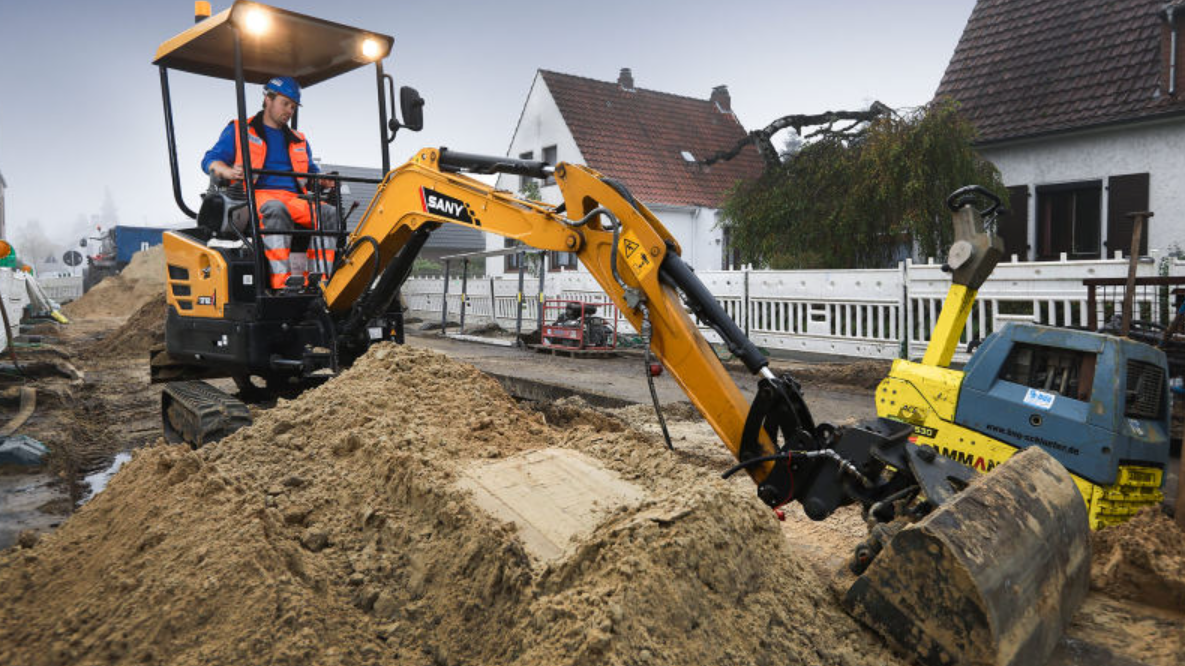
How to Put Track Back on Mini Excavator? Detailed Step-by-Step Guide
This article explains the main causes of mini excavator track detachment, shows how to put track back on mini excavator, and offers maintenance tips to help operators prevent future failures.
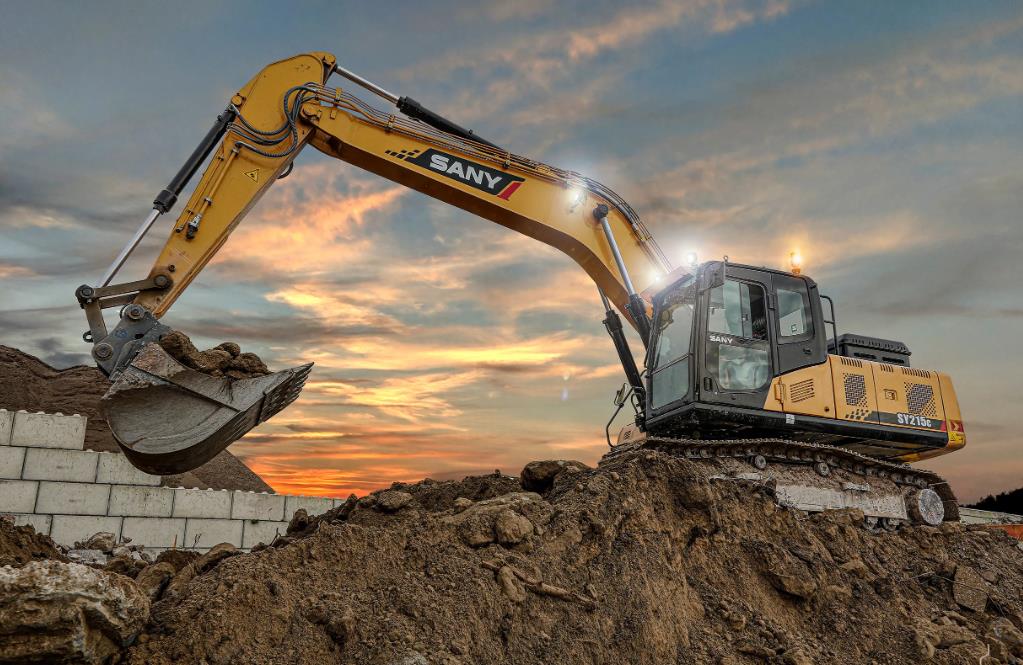
Excavator Bucket Types: The 2025 Complete Guide to Sizes, Uses, and Buying Strategies
This article focuses on excavator bucket types, sizes, and widths, and includes a detailed buying guide to help construction teams work more efficiently.
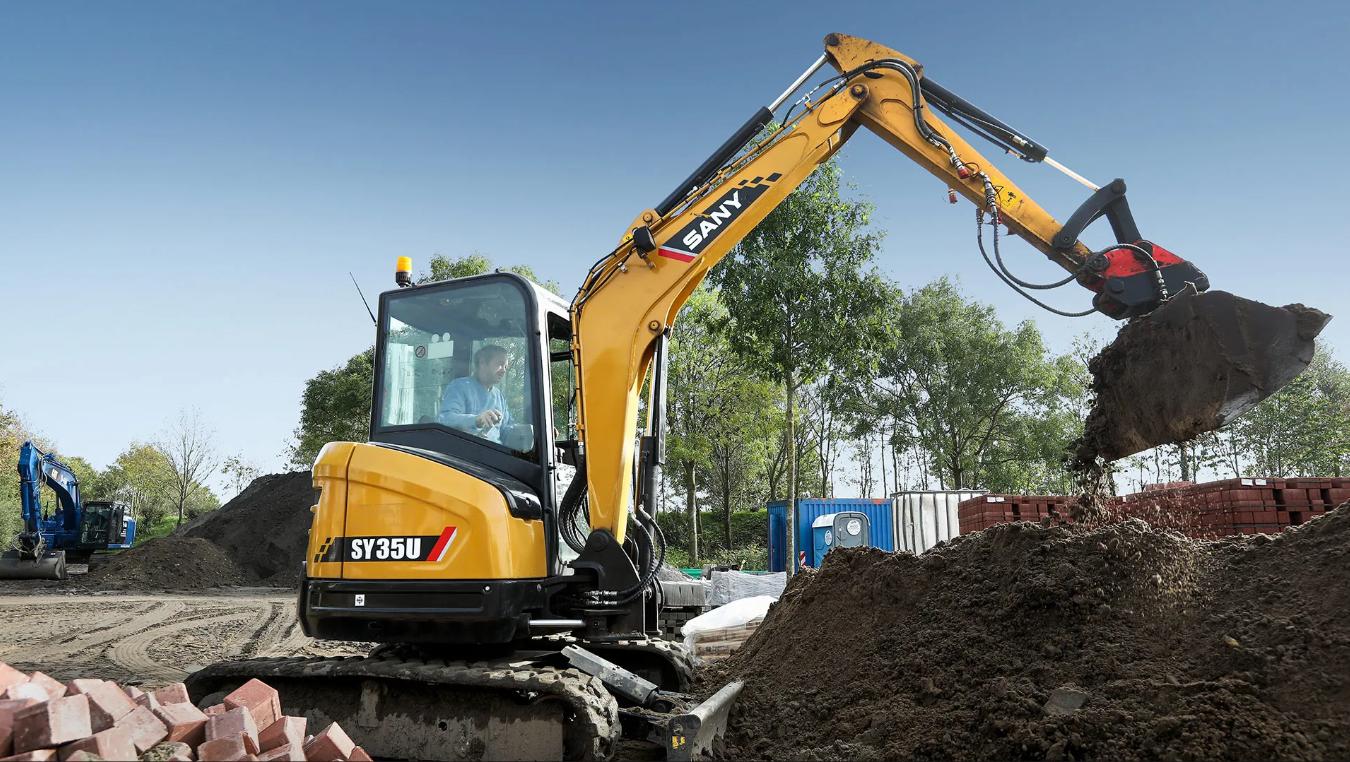
How to Operate a Mini Excavator: A Beginner’s Step by Step Safety Guide
This guide systematically breaks down the essential knowledge of how to operate a mini excavator, helping you work safely and complete tasks efficiently