Excavator Bucket Types: The 2025 Complete Guide to Sizes, Uses, and Buying Strategies
This article focuses on excavator bucket types, sizes, and widths, and includes a detailed buying guide to help construction teams work more efficiently.
On construction sites, excavator buckets can precisely dig sand and gravel; in farmland renovation they efficiently clear field stones; and in mining operations they reliably load ore. As the excavator’s “core tool,” bucket compatibility directly affects operational efficiency. Different scenarios require markedly different choices in excavator bucket types, excavator bucket sizes, and excavator bucket widths. This article will, from practical applications, detail excavator bucket types, excavator bucket sizes, and excavator bucket widths, and break down purchasing considerations to help construction teams select the right bucket and boost on-site productivity.
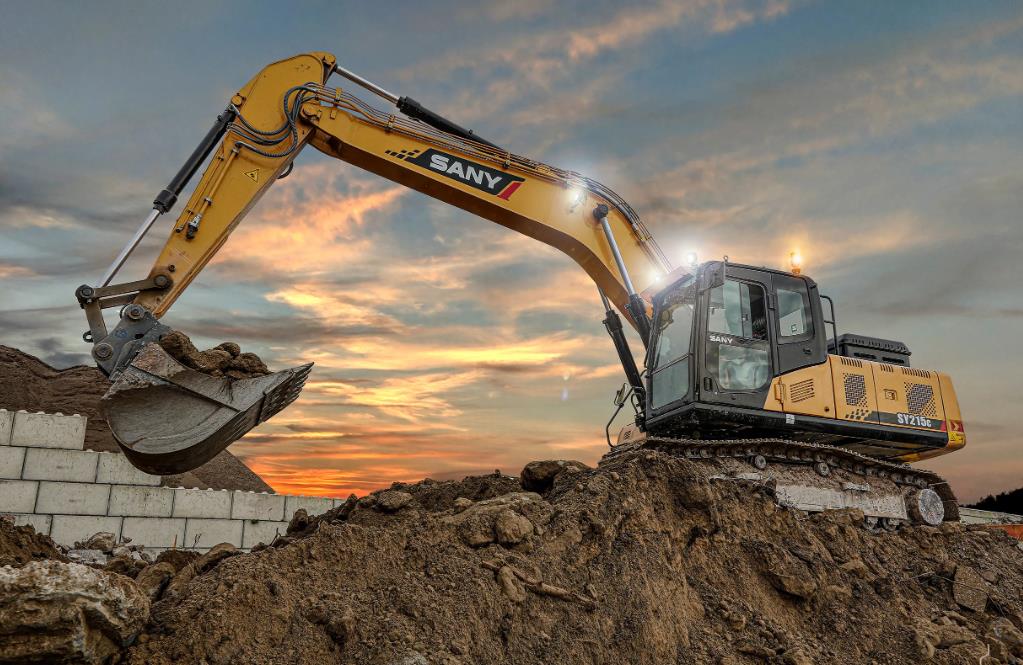
Different Types of Excavator Buckets
Excavator buckets come in a variety of designs to suit different tasks. There are 11 common excavator bucket types on the market — below is an introduction to these excavator bucket types so you can choose based on your jobsite needs.
Excavator Bucket
- Core advantage: Matches the common expectation of an excavator bucket — versatile and widely applicable. Focused on “digging,” it meets basic excavation needs and is one of the most frequently used bucket types.
- Structure: The bucket lip is usually fitted with teeth to help break and penetrate moderately hard surfaces, aiding basic excavation work.
- Applicable scenarios: General construction, landscaping, and basic material handling.
Rock Bucket
- Core advantage: Designed to penetrate compact, hard layers that a standard digging bucket cannot handle; suitable for high-intensity hard-material tasks.
- Structure: Heavily reinforced overall, with higher strength and sharper, more aggressive teeth for superior penetration.
- Applicable scenarios: Asphalt removal, stone quarrying, and other heavy-duty excavation and material-handling tasks.
Multi-Purpose/Utility Bucket
- Core advantage: Safer for digging near utilities (pipes, cables) — reduces the risk of snagging or damaging lines and prevents operational interruptions, protecting personnel and avoiding hazards.
- Structure: Features rounded, doubly reinforced edges to avoid catching loose cables; some designs include a bolt-on curved cutting edge to deflect cables away from the bucket.
- Applicable scenarios: Trenching and utility works in residential areas where water, gas, power or telecom lines run underground — ideal near pipelines and utility corridors.
Grading Bucket
- Core advantage: Excels at leveling and producing a smooth finish — compensates for standard buckets’ limitations in grading and cleaning; evenly distributes fine aggregate and provides a high-quality base for finishing work, hence sometimes called a “finishing bucket.”
- Structure: Short, shallow and wide with a low-profile shell that increases working width without adding excessive weight to avoid overloading the excavator.
- Applicable scenarios: Final site grading and surface finishing, especially with fine soils and sand where a smooth finish is required.
Tilting Ditch/Cleaning Bucket
- Core advantage: Good at precise finishing on complex surfaces; can tilt up to ±45° to adapt to slopes and irregular ground — overcoming limitations of fixed grading buckets.
- Structure: Similar to the grading bucket with a flat, wide cutting edge designed for distributing and smoothing soils or fine materials.
- Applicable scenarios: Ditches, sloped surfaces, and final clean-up work in civil and municipal projects where adjustable cutting angle improves results.
V-Shaped Bucket
- Core advantage: Highly efficient for cutting V-shaped trenches — its profile produces clean, neat trenches with minimal boom movement; adaptable for drainage trenching.
- Structure: Distinct V-shaped cross-section, often with flexible tooth mounting; compact overall but requires higher power and suits larger excavators.
- Applicable scenarios: Narrow V-profile trenches for cable or pipe laying, drainage works, and municipal pipeline projects requiring precise trench geometry.
Frost Bucket
- Core advantage: Specialized for extremely hard surfaces that even rock buckets struggle with — tears through frozen ground and handles hard-packed materials where ordinary buckets lose efficiency.
- Structure: An advanced form of rock bucket with extra teeth on the back side; multiple teeth greatly increase ripping power for ice, rock and compacted soils.
- Applicable scenarios: Cold-region operations, mountainous or extremely cold environments; ideal where broken, compacted or frozen ground must be ripped.
Micro Trenching Bucket
- Core advantage: Built for narrow, deep trenches — these excavator bucket widths can be only a few inches while still achieving needed depth, reducing excavation volume and backfill.
- Structure: Long, narrow, claw-like profile designed specifically for narrow trenching; compact and distinct from wider buckets.
- Applicable scenarios: Originally for fiber-optic cable trenches (“fiber buckets”), now used for small utilities, irrigation lines, and any project requiring very narrow trenches.
Skeleton Bucket
- Core advantage: Allows simultaneous digging and screening — separates larger debris from fines so the smaller material can be reused or backfilled, boosting resource utilization and efficiency.
- Structure: Looks like a digging bucket but with large slots or grids at the back so fines fall through while larger fragments remain.
- Applicable scenarios: Projects that require separation of rocks, rubble, or large debris from soil or sand for reuse.
Rake/Riddle Bucket
- Core advantage: Similar to skeleton buckets but optimized for raking and sieving — excels at separating debris while preserving reusable soil; great for loosening earth and removing roots.
- Structure: Rear slots or bars with a narrow-toothed front edge; relatively shallow depth and lower payload capacity.
- Applicable scenarios: Site clearance, root and shrub removal, and jobs that need to filter debris while saving topsoil for reuse.
Cleanup/Clearing Bucket
- Core advantage: A multifunction finishing bucket that combines good grading ability with large loading capacity; near the capacity of digging buckets, it efficiently load-cleans loose materials while also leveling.
- Structure: Long, straight cutting edge and a wide body; much higher carrying capacity than other finishing buckets.
- Applicable scenarios: Site clean-up, removing loose debris, and jobs that require both clearing and final surface shaping.
How to Choose the Right Bucket for Your Project?
Choosing an excavator bucket must prioritize compatibility and be driven by your actual work needs, the excavator’s specifications, and usage frequency. Consider type and size first. Below is a detailed buying guide.
Clarify Needs and Acquisition Method
Choose rental for occasional or one-off tasks; choose used/buy for frequent reuse to save cost. And match bucket type to the work (e.g., frozen-ground bucket for frost-heavy jobs).
Choose Suitable Excavator Bucket Sizes
Selecting the right excavator bucket sizes can reduce cycles and improve productivity — prioritize the largest size your machine can safely handle for efficiency. For special tasks (e.g., trenching), adjust size specifically — don’t blindly chase maximum width.
Strictly match bucket size to excavator weight: The bucket must be compatible with the carrier. For example, a bucket intended for a 20-ton excavator is not suitable for an 8-ton machine; an oversized bucket increases machine load, lengthens cycle time, lowers efficiency, and may even cause a tip-over.
Reference ranges for small excavators: Small excavator bucket widths typically range from 6 in to 36 in. Some special sizes (e.g., 6 in) are only for specific trenching buckets and cannot be used interchangeably.
Check sizes by machine class:
| Excavator Bucket Weight Class | Corresponding Bucket Sizes |
| Under 0.75 t | 6–24 in buckets or 30 in grading bucket |
| 1–1.9 t | 6–24 in buckets or 36–39 in grading bucket |
| 2–3.5 t | 9–30 in buckets or 48 in grading bucket |
| 4–6 t | 12–36 in buckets or 60 in grading bucket |
| 7–8 t | 12–36 in buckets or 60–72 in grading bucket |
| 10–15 t | 18–48 in buckets or 72 in grading bucket |
| 19–25 t | 18–60 in buckets or 84 in grading bucket |
For example, SANY offers medium excavator models in size classes such as 20–21.5 tons and 22–35 tons; their bucket capacities are approximately 0.83–1.2 m³ and 1.3–1.7 m³ respectively, with machine weights in the ranges of 20–24 tons and 22–35 tons.
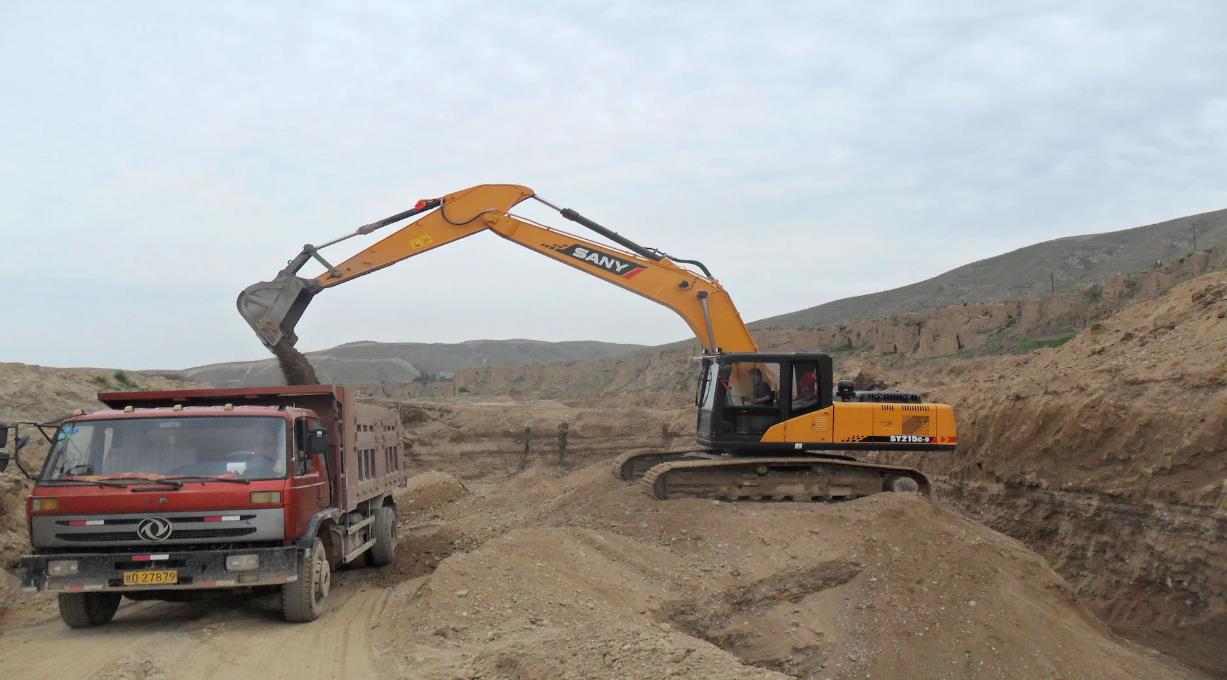
The 20–21.5 ton medium excavator is especially well suited for earthwork crews: it adapts to varied operating conditions and, with precise timing and power control, delivers excellent digging force while remaining easy to operate. It features an ergonomic joystick design, optimized valve-in-head components, regenerative circuits and an innovative flow-merging system that minimize pressure losses, making work significantly easier. On productivity, SANY’s optimized constant-flow hydraulic system can improve operational efficiency by over 5%, and with a diesel engine fitted with fuel-saving technologies, daily fuel consumption can be reduced by up to 10%.
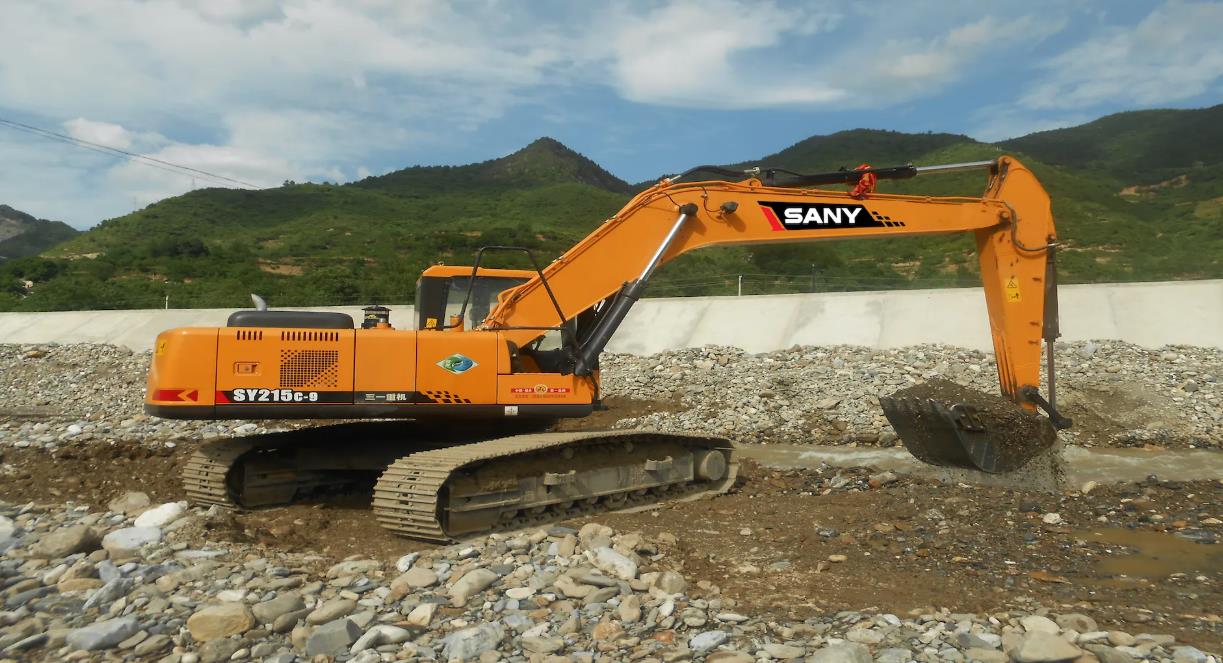
Inspect the Bucket Exterior and Structural Damage
- Check welds for cracks (edges are prone to rust), and look for bends or dents.
- Inspect overall corrosion to determine whether the bucket can be refurbished or is beyond repair.
- Examine bucket tooth wear: if the teeth have become scalloped (crescent-shaped), assess cutting efficiency; if wear is severe, verify whether the teeth can be replaced.
Confirm Parts Availability
Prioritize non-discontinued models and pre-check purchase channels, prices, and lead times for wear parts such as bucket teeth. This avoids situations where repairs are impossible due to lack of spare parts.
Verify Compatibility with the Excavator
- Cross-check the bucket’s dimensions and weight against the excavator’s specifications to prevent overloading or mismatches that reduce efficiency or damage the machine.
- After installation, confirm the bucket fits snugly and functions as intended.
Test Bucket Movement and Operational Functions
- After mounting, cycle the bucket open and closed and inspect bushings, pins, and couplings for looseness.
- Perform a real digging test to verify normal operation and measure cycle times to evaluate job-site productivity.
Conclusion
In short, understanding excavator bucket types, sizes, and widths and their suitable scenarios—combined with your project’s work requirements, equipment specifications, and usage frequency—lets you choose the appropriate bucket. That not only improves efficiency but also reduces equipment wear, ensuring each task proceeds smoothly and cost-effectively.
FAQs
What is a class 3 excavator bucket?
A class-3 excavator bucket is a heavy-duty, general-purpose trenching bucket designed for 3–4 ton excavators. Built for tough digging and prying tasks—especially narrow utility trenches—it’s made from high-strength steel with reinforced construction, a shorter nose radius, a deeper bucket bowl, and a replaceable cutting edge to maximize strength, durability, and penetration in demanding conditions.
What are excavator buckets called?
Excavator buckets are generally referred to simply as “buckets,” and they are often named for their function—e.g., digging bucket, grading (or finishing) bucket, rock bucket, or skeleton bucket. There are also many specialized designs, such as narrow trench buckets for utilities, open-grid screening buckets for material separation, and tilt buckets for precision shaping.
What are the different types of excavator attachments?
Common excavator attachments include buckets, grapples, hydraulic breakers/hammers, and rippers. Other frequently used attachments are couplers/quick couplers, thumbs, and compactors. There are also purpose-built tools—such as soil stabilizers and drum cutters—so contractors can choose the best attachment mix for each project.
Are all excavator buckets the same?
No. Buckets differ greatly in size, design, material, and intended use. Each type is optimized for specific tasks and excavator models, from narrow trenching buckets to heavy rock buckets. Compatibility also depends on the excavator’s coupling system, hydraulic setup, and pin dimensions—so buckets are not universally interchangeable.
Featured Products

Recommend Blogs
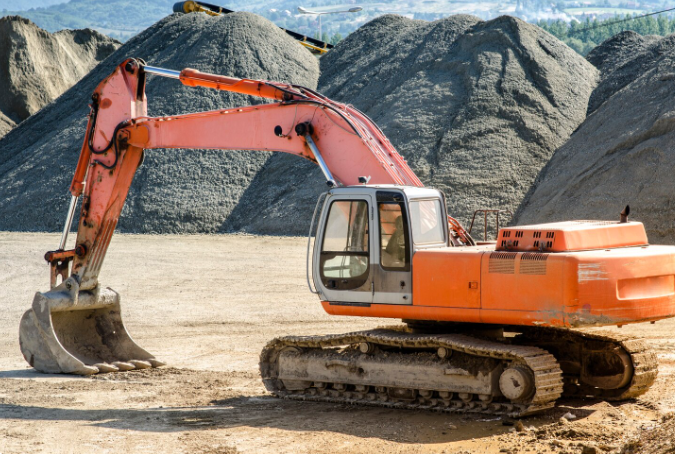
How to Operate an Excavator: Essential Skills and Safety Tips
If you want to handle basic tasks like digging and backfilling with ease, mastering how to operate an excavator is essential. This guide will introduce the excavator’s key components, control methods, and common mistakes to avoid during operation.
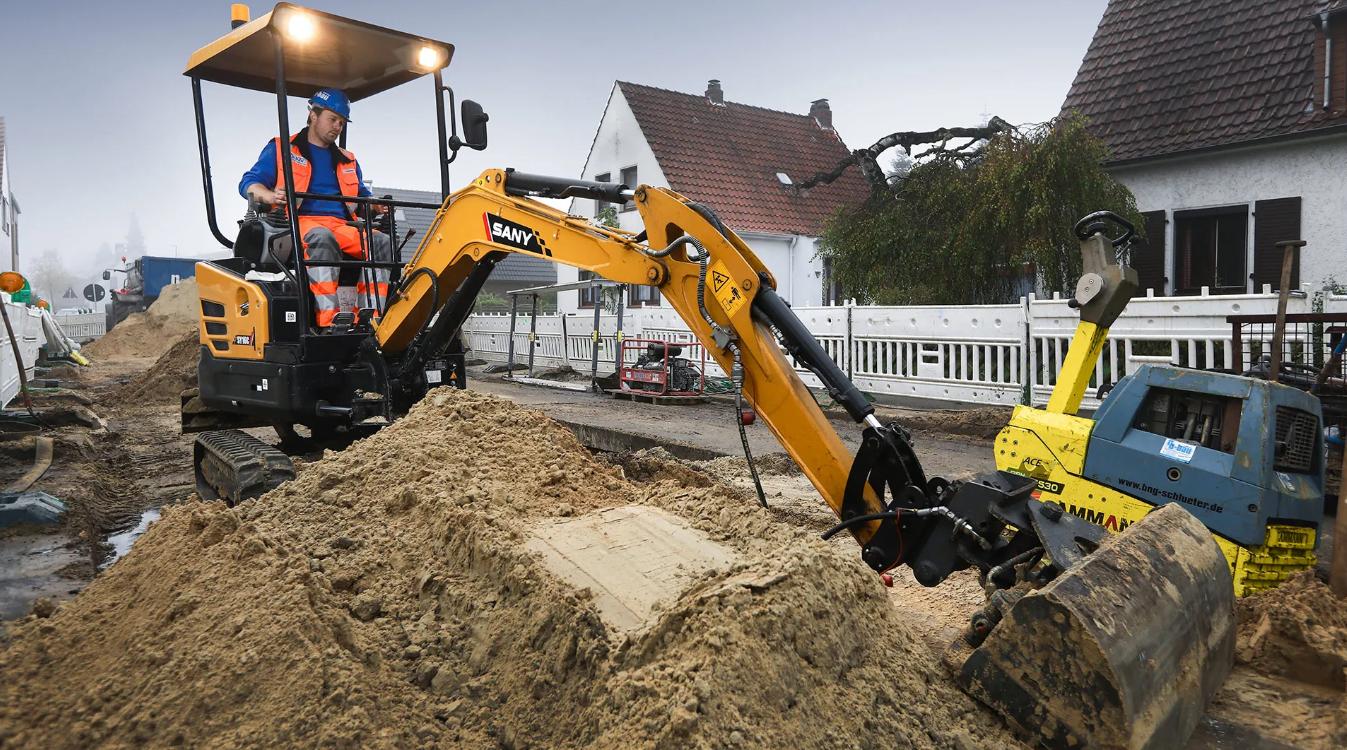
How to Pick the Best Mini Excavator: Key Features to Look for
This guide outlines mini excavators' definition, advantages, and tips for selecting the best mini excavator, acting as a reference for grasping this practical machinery.
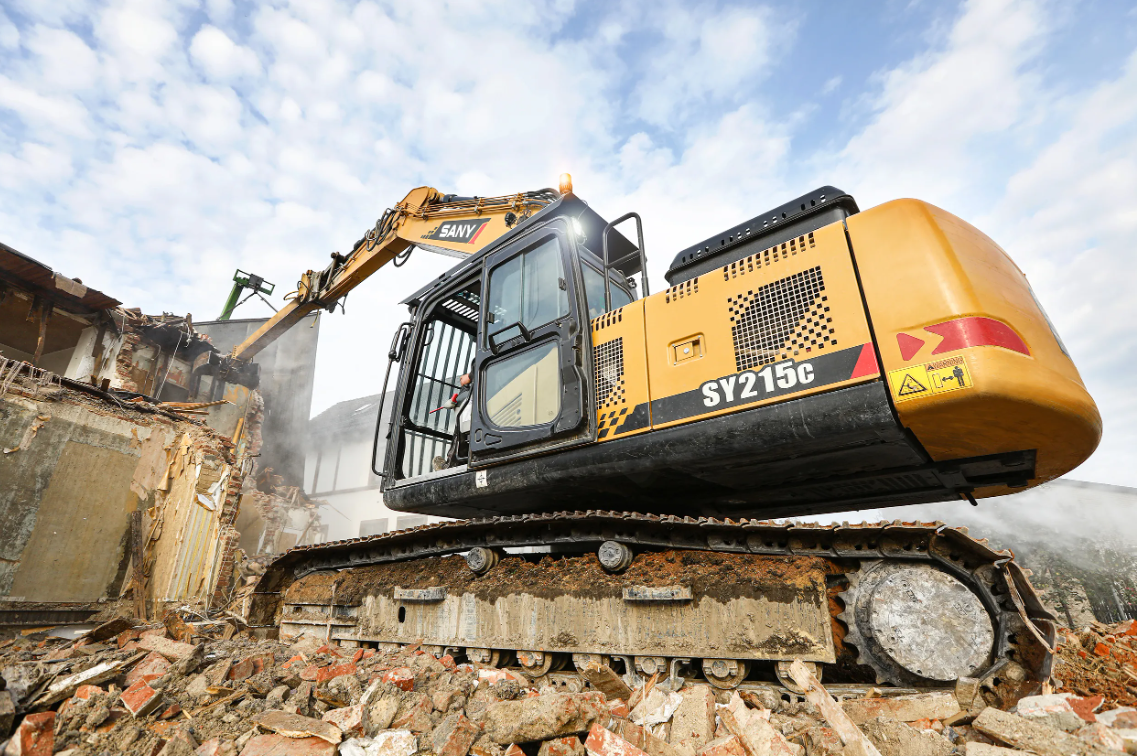
Backhoe vs. Excavator: Your 2025 Heavy-Equipment Buying Guide
This article introduces the differences between backhoe vs. excavator, their respective advantages, and how to choose the right heavy equipment to help work crews perform better.