How to Choose the Right Dump Truck Sizes? The Ultimate Selection Guide
This article analyzes the core parameters of dump truck sizes to provide selection strategies and help projects balance efficiency and safety.
In various engineering projects, such as construction, mining, and landscaping, dump trucks are core equipment for material transportation, and dump truck sizes are the key prerequisite for determining whether they can adapt to the operation scenario. Many people think that the larger the dump truck sizes are, the better, but this is not actually the case. This article discusses the importance of choosing the right dump truck sizes and helps you accurately find a dump truck size solution that meets your needs from the dimensions of core parameter interpretation, model matching, and selection strategy formulation.
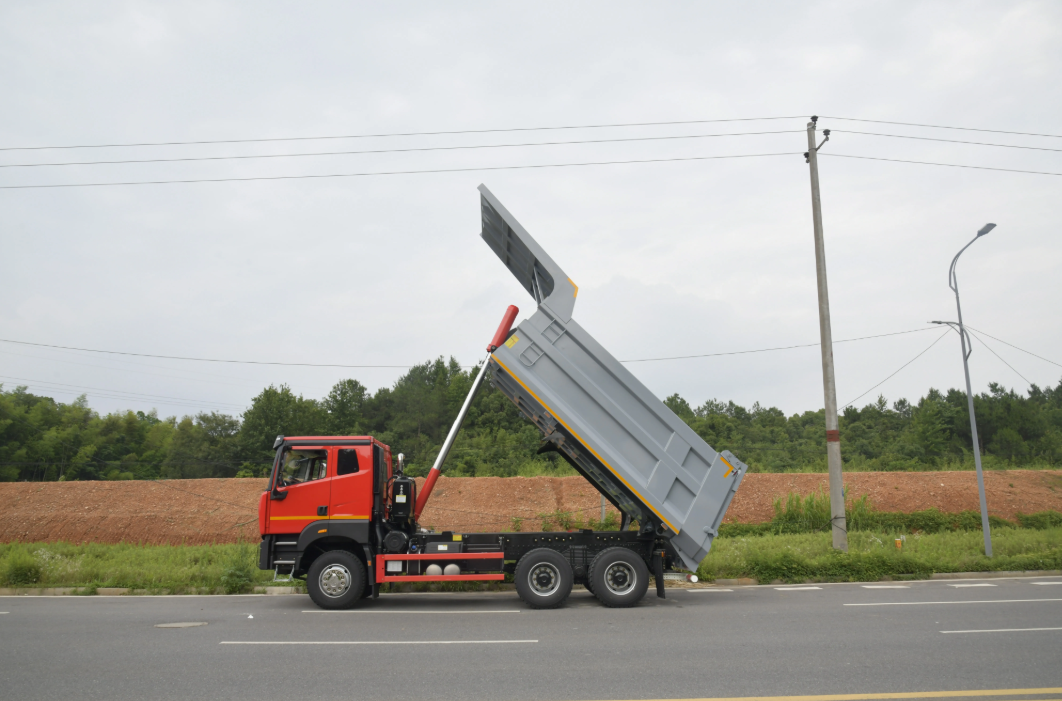
Understanding The Importance Of Dump Truck Dimensions
The dimensions of a dump truck are key factors affecting transportation efficiency and operational safety. Choosing a dump truck of appropriate size is crucial to the success of projects such as construction, landscaping, mining, and demolition. On the contrary, a dump truck with inappropriate dimensions may trigger a domino effect of low efficiency, including the following aspects:
Safety Hazards
Overloaded trucks pose a significant risk of accidents. Underloaded trucks, on the other hand, can be less maneuverable and more prone to tipping.
Wasted Time and Resources
Smaller trucks require more trips to haul the same amount of material, increasing labor costs and fuel consumption. Conversely, a large truck might struggle to navigate tight spaces or handle smaller loads efficiently.
Project Delays
Mismatched equipment can disrupt project timelines and budgets.
Key Dimensions Of Dump Trucks
Dump truck dimensions involve multiple aspects, industry practitioners need to pay attention not only to the dump truck capacity chart, but also to various factors such as the vehicle's length, width and wheelbase.
What Is The Capacity Of Dump Truck?
Typical Range of Dump Truck Dump Box Capacity: Below 3 m³ to Over 25 m³
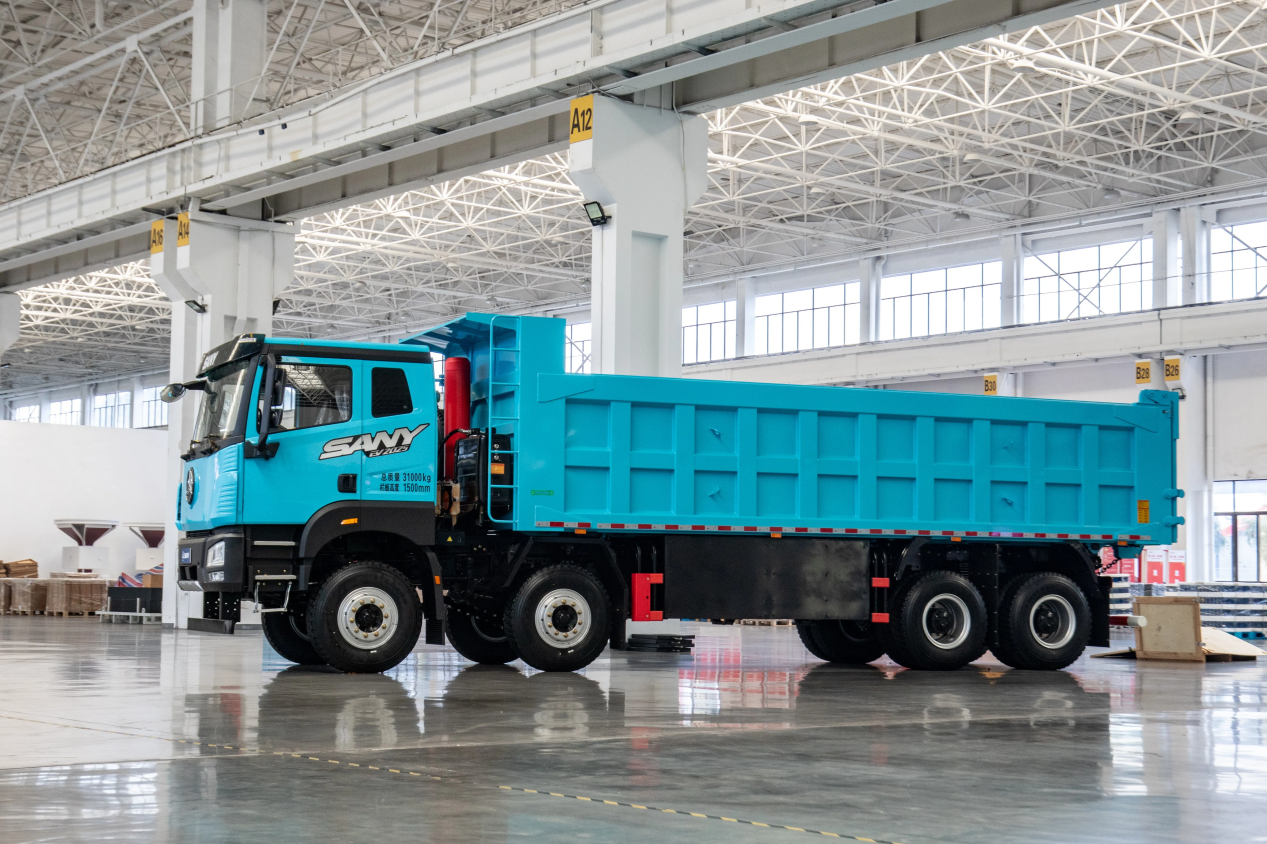
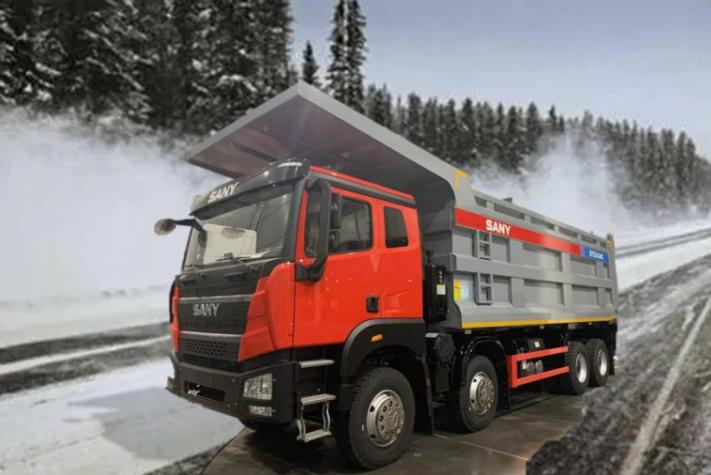
The dump box capacity of a dump truck varies significantly depending on the model type: For example, SANY Dump Trucks offer a variety of dump box capacities. The SANY Dump Truck SYZ320C-8S (V) has a dump box volume of 20 m³, the SANY Electric Dump Truck SYZ432C-8LRBEVSD has a dump box volume of 32 m³, and the SANY Dump Truck SYZ438C-8S (V) has a dump box volume of 38 m³.
What Is The Overall Length Of A Dump Truck?
Typical range of total length for dump trucks: 7–11 meters.
This parameter directly affects vehicle performance: the longer the vehicle, the greater the cargo capacity, but the more space is required for turning; if the work site has narrow entrances and exits, soft shoulders, or steep slopes, choosing a short wheelbase model is safer and more efficient.
How Wide Is Dump Truck?
The standard width range for dump trucks:2.3 – 2.55 meters.
The impact of dump truck width: Not only must it meet road traffic standards, but it also affects the handling experience when reversing into loading and unloading areas in confined spaces; when frequently reversing in narrow areas, even a 10-centimeter difference in width can result in a better driving experience.
How Tall Is A Dump Truck?
The standard height range for dump trucks: 3 – 3.8 meters.
Dump truck height directly affects three key operational aspects: the ability to smoothly pass through obstacles such as pipes and low crossbeams, vehicle stability when the dump box is raised, and the amount of excavated material falling back during unloading in windy weather. A higher truck is not necessarily better; excessive height increases the risk of rollover on rough terrain.
What Is The Wheelbase Of A Dump Truck?
The standard wheelbase range for dump trucks: 3.2–4.5 meters.
The wheelbase and load capacity of dump trucks are complementary: wheelbase acts as a "balancer" for the vehicle; shorter wheelbase models are more agile in steering, while longer wheelbase models offer a smoother ride and greater stability.
What Are The Dimensions Of A Dump Truck's Bed?
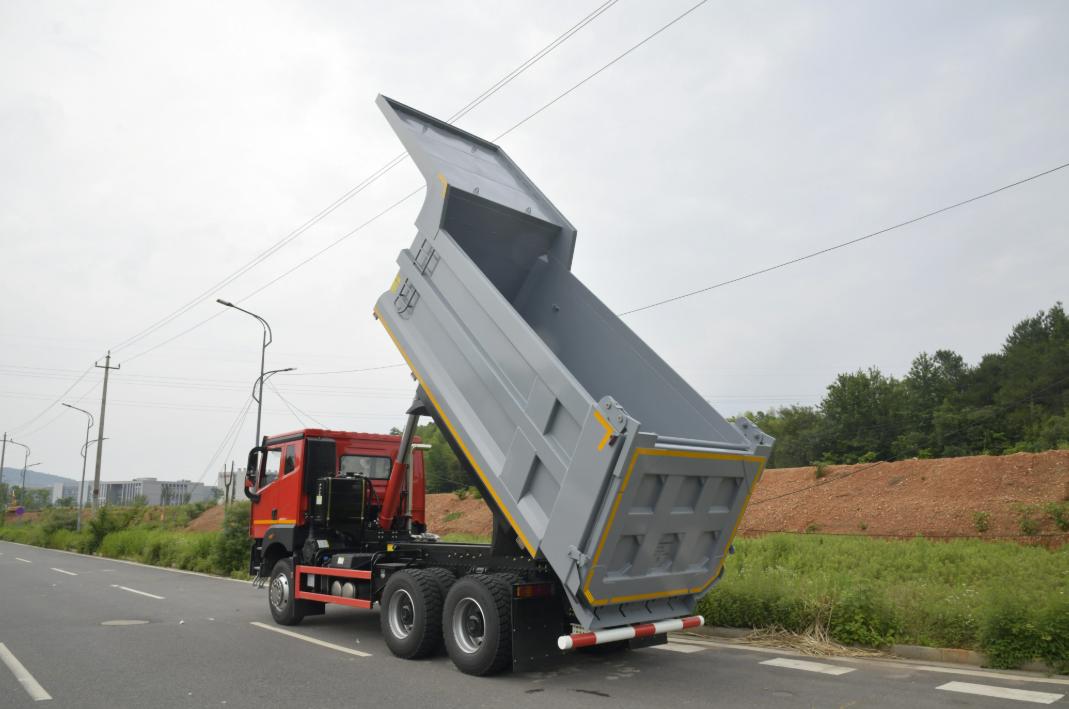
Common internal dimensions of dump truck dump boxes: length 4.5–7.0 meters, width 2.2–2.4 meters, height 1.0–1.6 meters.
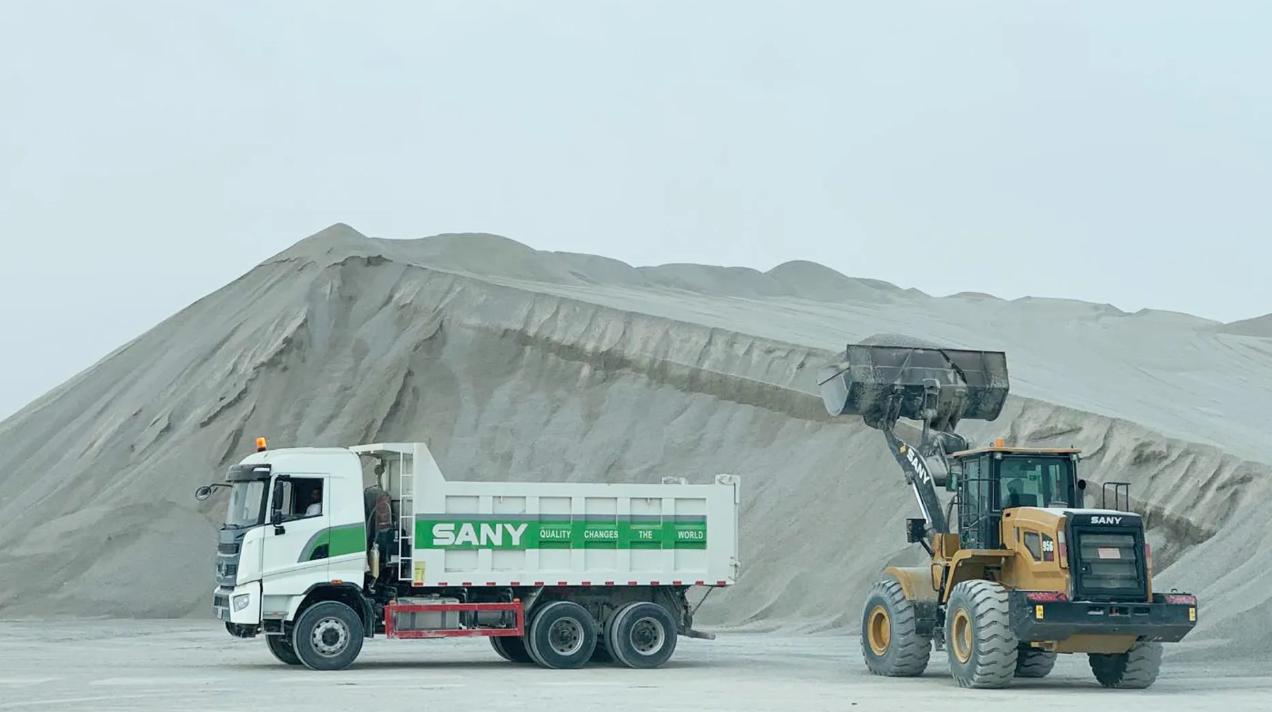
Dump box dimensions must be compatible with the loading equipment: If the dump box width does not match the loader bucket width, it will increase the precision requirements for operation and increase the operation time; a proper fit can significantly save operation time for long-term projects.
How to Choose the Right Dump Truck Dimensions for Your Needs?
To select the right dimensions of a dump truck, you need to take a comprehensive approach that considers both the site requirements and transportation characteristics of the actual working conditions.
In Narrow-Lane & Sharp-Curve Areas
In such cases, prioritize models with an overall length of no more than 8.5 meters, a wheelbase of ≤ 3.8 meters, and an overall width of 2.3–2.4 meters. Match them with a compact dump box capacity of 3–8 m³ to avoid reduced steering flexibility and traffic efficiency caused by an excessively large vehicle body or dump box.
When Rapid Unloading Is Required
When load transportation efficiency is the top priority, select models with an overall length of 9–10 meters, a dump box length of 5.5–6.5 meters, and a dump box height of 1.4–1.6 meters. Equip them with a medium-to-large dump box capacity of 12–25 m³. On the premise of meeting the vehicle’s rated load capacity, maximize the single-trip transportation volume, and improve overall operational efficiency.
Heavy-Duty Operations (Mining, Stone Transport)
In such scenarios, choose wide-body models with an overall width of 2.9–3.3 meters, fitted with high-strength side wall extended dump boxes. Adopt a long-wheelbase design to enhance driving stability, and ensure the dump box capacity reaches 25–48 m³ or above, so as to meet the efficient transportation needs of large quantities of ores and aggregates.
When Operating In Scenarios With Many Ramps
If frequent unloading operations need to be carried out on sloped sections, the key is to maintain vehicle stability. Select models with a lower center of gravity, moderate overall height, and reinforced rear suspension. Follow the principle of balanced dump box capacity and avoid excessive volume, which can prevent vehicle imbalance caused by cargo shifting during unloading and ensure the safety of ramp operations.
Standard Dump Truck Size Chart
Operation Scenario | Dump Truck Body Parameters | Dump Truck Dump Box Parameters | Core Selection Objectives |
Narrow lanes & sharp curves | Length ≤ 8.5 m Wheelbase ≤ 3.8 m Width: 2.3–2.4 m | Capacity: 3–8 m³ (compact) | Boost steering flexibility & narrow-space efficiency |
Prioritize load efficiency & rapid unloading | Length: 9–10 m | Length: 5.5–6.5 m Height: 1.4–1.6 m Capacity: 12–25 m³ (mid-large) | Max single-trip load & overall efficiency |
Heavy-duty ops (mining, stone transport) | Width: 2.9–3.3 m Long wheelbase | High-strength extended box Capacity: 25–48 m³+ | Enhance stability & handle heavy material loads |
Frequent ramp unloading | Low center of gravity Moderate height Reinforced rear suspension | Balanced capacity (not oversized) | Prevent cargo shift & ensure ramp safety |
Conclusion
In summary, there is no "optimal solution" for choosing dump truck sizes, only the "most suitable" one. From interpreting core dimensional parameters to mastering model matching skills and formulating targeted selection strategies, the essence is to balance efficiency, safety, and cost. Abandon the misconception that "bigger is better", and accurately select models based on operation site conditions, material types, and equipment matching, so that dump trucks can truly become a powerful assistant in engineering projects and achieve the ultimate goal of cost reduction and efficiency improvement.
FAQs
What Is the Most Important Dimension to Check First?
Overall vehicle length is the core dimension to confirm first. It directly determines the turning radius—the longer the vehicle, the larger the turning space needed. In narrow lanes, sharp bends, or confined work areas, an overly long body may cause steering difficulties or even block site access. It also impacts on-site maneuverability, such as passing through narrow entrances, bridges, tunnels, and navigating flexibly in densely built or equipment-dense zones.
Is A Higher Dump Box Always Better?
No. While increasing the dump box height boosts load volume, it directly raises the vehicle’s center of gravity, reducing driving stability—especially when turning, climbing slopes, or traversing rough terrain—and significantly elevating rollover risks. For example, uneven unpaved surfaces (e.g., mines, construction sites) amplify vehicle shaking, which a tall dump box exacerbates to trigger safety incidents. Additionally, excessive height impairs unloading control (causing material fallback or difficulty in windy conditions) and may violate road height limits, hindering transportation.
Does A Wider Truck Always Carry More?
Not necessarily. A truck’s load capacity depends not only on width, but on a combination of core parameters: dump box volume, chassis load rating, and axle configuration. For example, a wide-bodied truck with a low chassis load rating cannot be fully loaded (even with a large dump box) to avoid safety risks and violations. Conversely, moderately wide models with optimized dump box design and higher chassis load rating may offer better load capacity. Additionally, body width is restricted by road regulations—overly wide trucks may be barred from public highways or lack maneuverability on-site, reducing overall efficiency.
Featured Products
_194553.png)
Recommend Blogs
2026 Type Dump Truck Analysis And Selection Guide
This article introduces type dump trucks and provides a selection guide to help your fleet work smoothly.
Knowing “How Many Tons Does a Dump Truck Hold” Helps Optimize Equipment Selection
This article focuses on how many tons a dump truck holds and provides specific purchasing recommendations for dump trucks.
How Many Cubic Yards In A Dump Truck? Load Capacity & Buying Guide
This article explains how many cubic yards in a dump truck and provides specific selection guidelines.