Choosing The Right Dump Truck Load Boards Helps Ensure Efficient Project Execution
This guide focuses on dump truck load boards, offering practical advice on selection, risk avoidance, and profit-boosting strategies for dump truck operators.
For dump truck operators, securing stable, profitable loads is the key to business success. Whether you are an owner-operator or manage a small fleet, the priority is to find reliable loads that match your truck capacity, operating area, and schedule. This guide breaks down proven, efficient load-finding strategies, covering online dump truck load boards, offline networking, and industry resource integration, to help operators minimize truck idle time and maximize revenue.
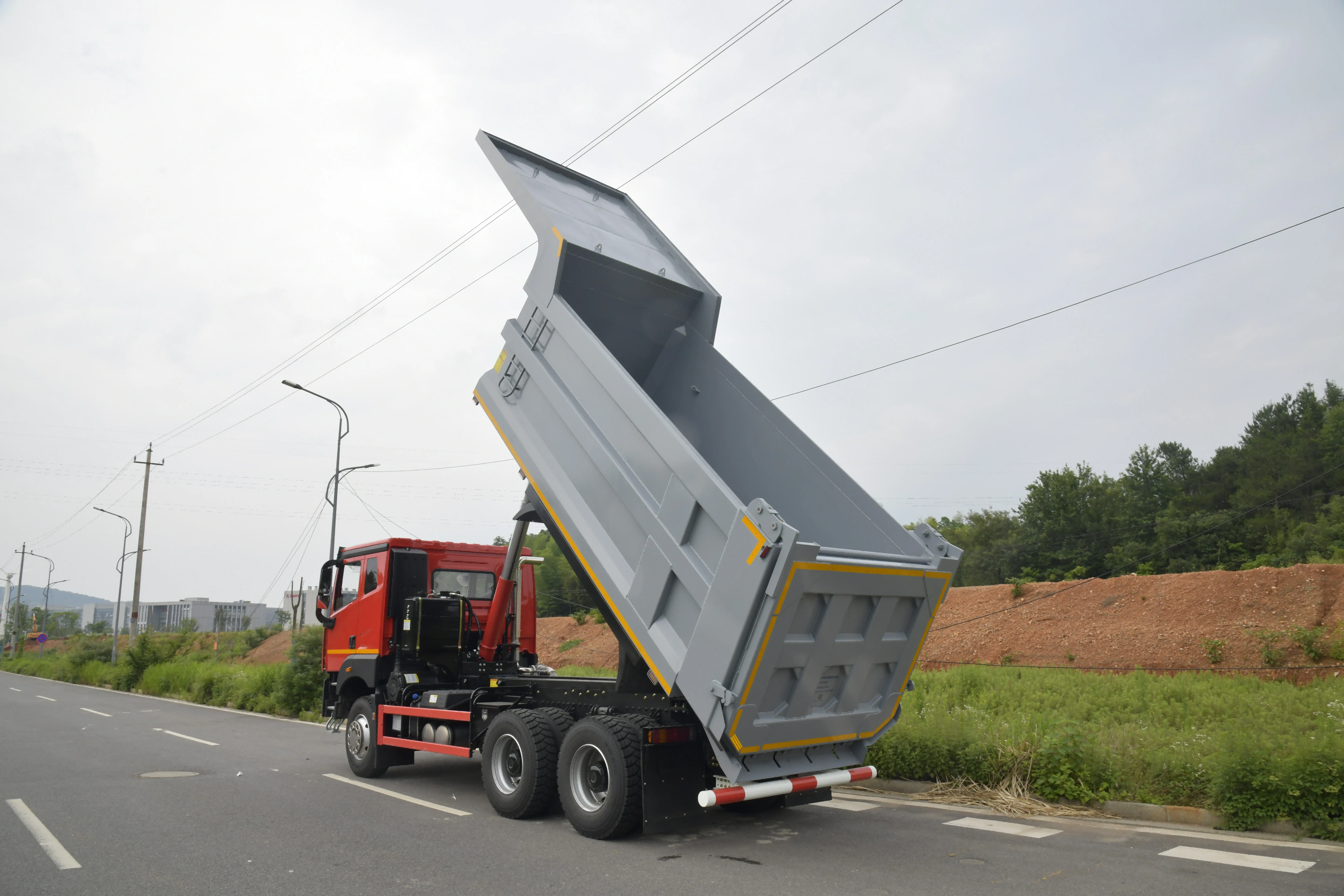
What Is a Dump Truck Load Board?
Dump Truck Load Board is an online digital marketplace that connects contractors/project owners who need to transport bulk materials (such as sand, gravel, soil, and construction waste) with truck drivers who own dump trucks. It provides services for posting cargo, bidding, managing transportation, and real-time matching, allowing truck drivers to find transportation jobs and project owners to quickly find reliable transportation capacity, improving transportation efficiency and reducing empty runs.
Platform Main Functions
Freight Posting: Project managers, contractors, and material suppliers post freight information, including origin, destination, material type, quantity, expected price, and time.
Bidding and Matching: Truck drivers browse freight (Load Board) and submit bids. The platform matches drivers based on location, price, vehicle type, etc.
Information Management: Manage transportation contracts, payments, and track freight status.
Platform Participants
Truck Owners/Drivers: Find transportation jobs and bid on projects.
Contractors/Project Owners: Post requirements and find trucks.
Brokers: Connect supply and demand through the platform.
How to Find Dump Truck Loads Using a Dump Truck Load Board?
In the engineering logistics and short-haul freight sector, the efficiency of finding suitable cargo for dump trucks directly impacts operational profitability. A professional dump truck load board is the core tool for addressing this pain point. These platforms integrate diverse order demands such as earthmoving, building material transshipment, and construction waste removal, helping truck owners quickly match suitable cargo. Below, we'll break down the specific steps for efficiently finding dump truck cargo through a freight information platform, based on the platform's operational logic.
A Step-by-Step Guide to Finding Dump Truck Loads
Choose the Right Freight Platform: Register with a specialized freight platform or a general platform for construction and bulk cargo transportation.
Set Up Your Profile: Complete your company information, listing your truck specifications, availability, and service areas (e.g., rear-dump, mobile dump).
Search for Loads: Use filters:
1. Location: Locate nearby loads by city, state, zip code, or GPS.
2. Equipment: Specify "rear-dump," "hopper," or other relevant types.
3. Type: Filter by intra-state (IN), out-of-state (OUT), or intra-regional (INTRA) transportation.
4. Browse and filter: Find freight brokers or direct shippers that match your location and equipment, and secure return freight to reduce empty miles.
5. Bidding or booking: Submit a quote, negotiate prices directly with shippers/brokers, or book available cargo instantly.
6. Use the mobile app: Download the app to get real-time load alerts and find work anytime, anywhere.
Tips: We recommend supplementing your freight platform by connecting with local contractors, landscaping companies, and construction companies to secure stable employment.
Key Secrets to Successfully Finding Dump Truck Loads
Optimize Routes: Plan efficient routes to minimize empty runs.
Build Relationships: Connect with brokers and freight forwarders to secure ongoing opportunities.
Take Initiative: You can also choose to Google specific keywords such as "nearby LCL shipping contracts".
What to Consider When Choosing a Dump Truck Load Board?
Core Selection Factors
1. Material & Load Focus: Does the platform specialize in bulk material transportation (sand, gravel, rock, dirt, etc.) or offer filters for your specific cargo type?
2. Cost & Fees: Clarify subscription fees, transaction fees, and hidden charges to ensure they fit your budget.
3. Ease of Use (UX): Opt for platforms with intuitive interfaces, fast search filters, and simple load booking/negotiation tools to save time.
4. Geographic Coverage: Does it provide loads in your core operating areas and target destinations?
5. Carrier/Shipper Quality: Check reviews or take advantage of trial periods to select reliable partners, avoiding empty hauls or payment disputes.
Key Feature References
1. Real-time Alerts/Notifications: Receive timely notifications about new loads that match your truck type and location.
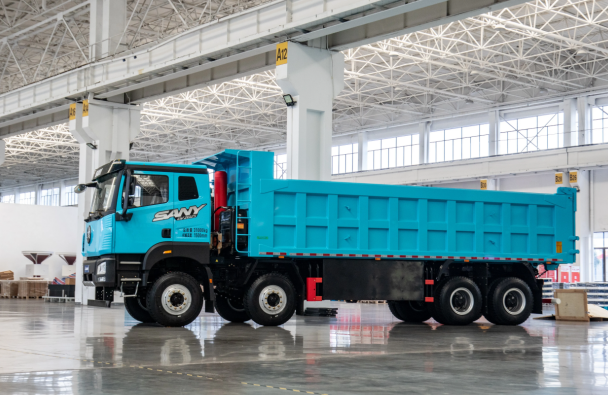
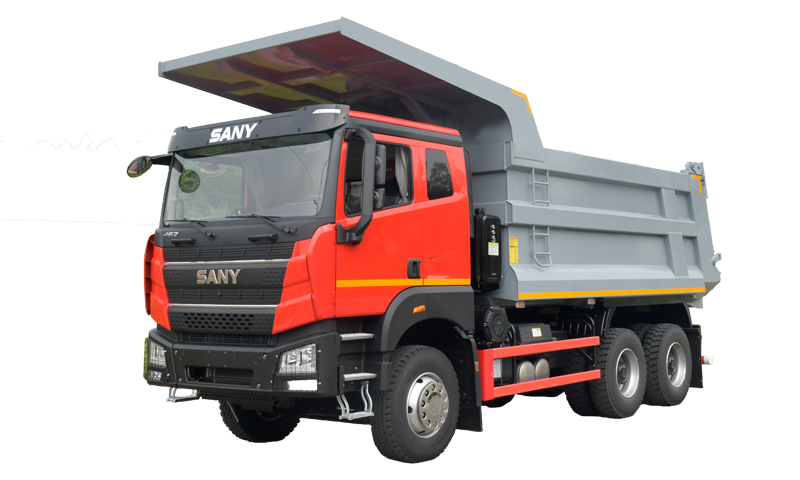
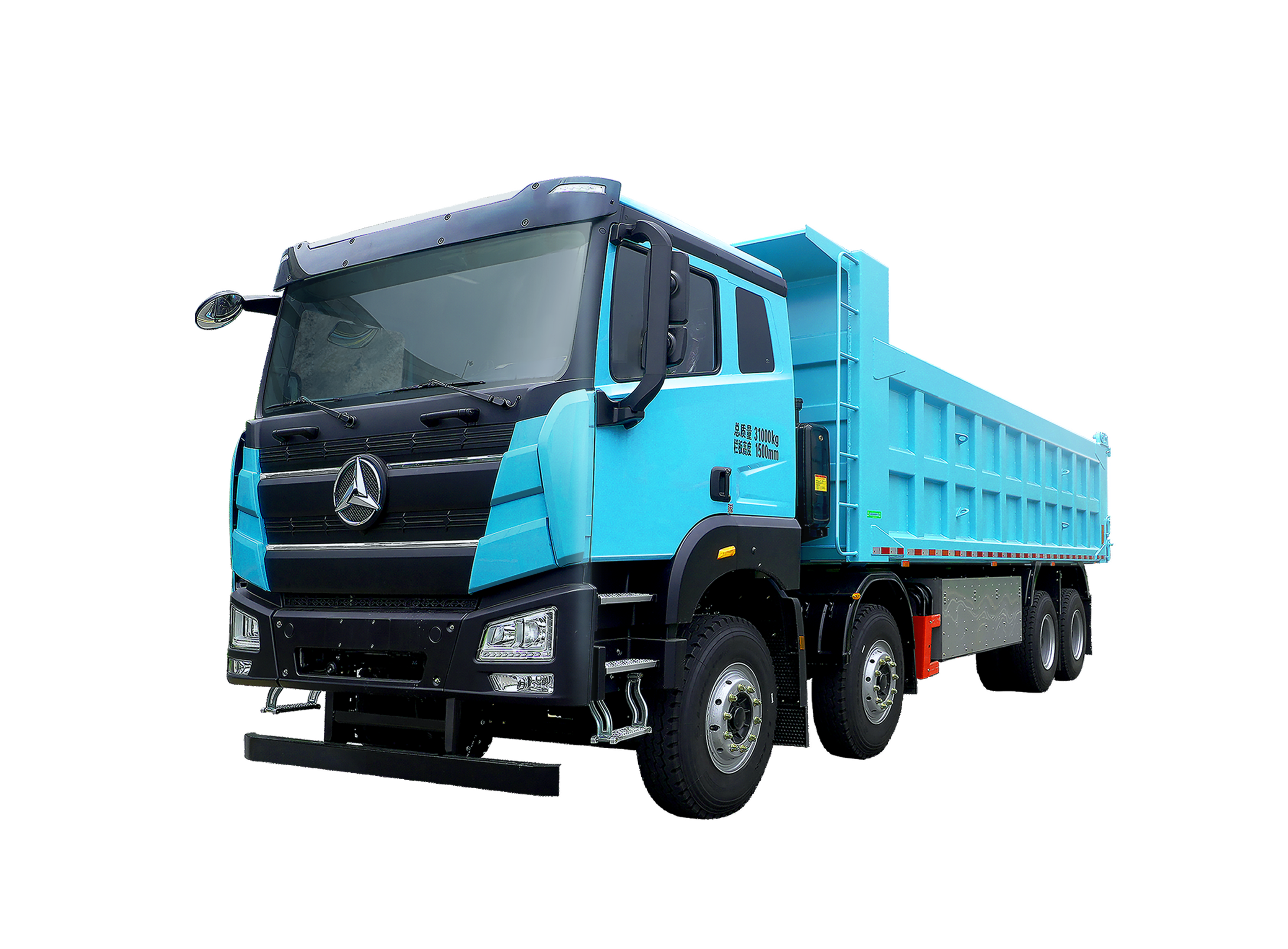
2. Equipment Matching: Filter loads by specific truck types (end dump, side dump, flatbed) and capacities. For example, if you own a SANY Dump Truck SYZ425C-8S (V) with a curb weight of 42 tons and a cargo capacity of 25 cubic meters, or a SANY Electric Dump Truck SYZ432C-8LRBEVSD with a curb weight of 22.7 tons and a cargo capacity of 32 cubic meters, you need to filter loads that meet these specifications on the platform.
3. Rate Negotiation/Bidding: Access tools for efficient load booking through negotiation or bidding.
4. Mobile Access: A robust mobile function is essential for on-the-go dispatch and management.
5. Support & Training: Check if customer service and training resources are available.
6. Integration Capability: Can the platform integrate with your dispatch software or telematics systems?
Other Load-Finding Methods Besides Dump Truck Load Boards
Networking and Direct Business Connection
1. Cooperate with Freight Brokers: Establish good partnerships with freight brokers to secure stable business opportunities.
2. Directly Contact Enterprises: Reach out to local landscaping companies, demolition firms, quarries, and waste management enterprises.
3. Visit Construction Sites: Communicate with construction foremen or project managers at active job sites to learn about their transportation needs and safety.
Strategic Operation Methods
1. Deepen Partnerships: Focus on building long-term collaborations with freight brokers and shippers to ensure a steady stream of orders.
2. Optimize Transportation Routes: Look for backhaul loads or orders along the route when planning trips to reduce empty mileage.
3. Targeted Marketing: Keep an eye on bidding information for large-scale engineering projects (e.g., highway construction) and proactively contact relevant state departments of transportation or general contractors.
Conclusion
In summary, a stable and profitable dump truck business relies on efficient load development strategies. As a core tool for online load finding, a well-chosen dump truck load board with proper utilization can quickly match you with suitable loads. Meanwhile, offline networking and strategic operations are key to supplementing orders and reducing empty hauls. Owner-operators and fleet managers can combine online platforms with offline channels based on their business scope and truck types. This dual approach will effectively increase order volume, maximize profits, and secure a strong foothold in the highly competitive freight market.
FAQs
What Red Flags for Dump Truck Load Boards?
On freight platforms, carriers need to be alert to the following warning signs: abnormally high or low rates, vague or inconsistent load details, contacts using generic email addresses, coercive cooperation tactics, requests to accept loads under the guise of another carrier, untraceable contact information, and unusual contract clauses. These situations often indicate risks of fraud, double-brokering, or payment disputes. Therefore, it is crucial to verify broker credentials through some official agencies and establish long-term partnerships with reliable collaborators.
What to Do if Double-Brokering Hits Your Load Board?
If you encounter secondary subcontracting on a dump truck freight information platform, you should immediately do the following:
1. Preserve all relevant evidence;
2. Report the fraudster to the freight platform and official agencies;
3. Contact a legitimate freight broker or cargo owner;
4. Notify your insurance company promptly;
5. File a complaint with law enforcement.
Collect detailed information such as IP addresses and communication records, and verify the authorization of all involved parties. This not only ensures you receive payment but also prevents future fraud—since double-brokering undermines insurance validity and payment security.
Free vs. Premium: Which Load Boards Suit Small Fleets?
For owner-operators managing small fleets, the optimal strategy is often a combination of free load boards for basic needs and premium boards for steady business growth. Use free tools to accumulate load volume, and leverage premium platforms for professional data, reliable resources, and accurate matching for dump/specialized freight. This helps reduce empty hauls and maximize profits in the competitive dump truck market.
It is recommended to start with free platforms to familiarize yourself with the market, then upgrade to premium services as your business expands. Premium platforms offer better tools, high-quality loads, and broker vetting services, making them particularly suitable for operators focusing on specialized dump truck freight.
Featured Products
Recommend Blogs
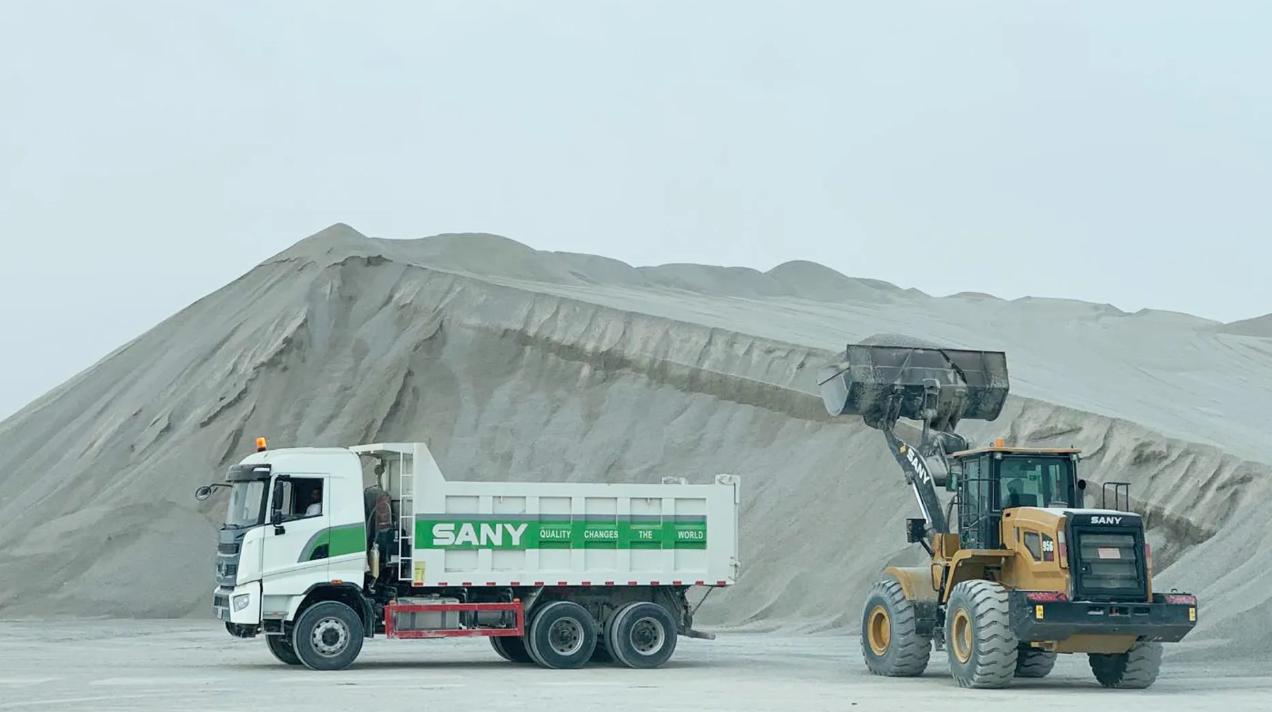
2026 Type Dump Truck Analysis And Selection Guide
This article introduces type dump trucks and provides a selection guide to help your fleet work smoothly.
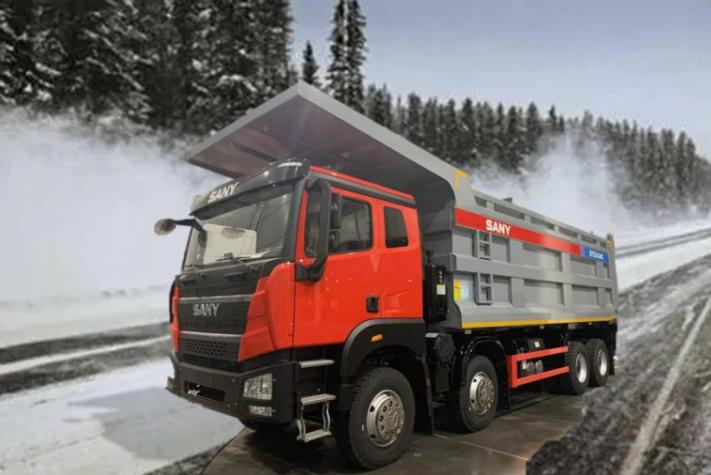
Knowing “How Many Tons Does a Dump Truck Hold” Helps Optimize Equipment Selection
This article focuses on how many tons a dump truck holds and provides specific purchasing recommendations for dump trucks.
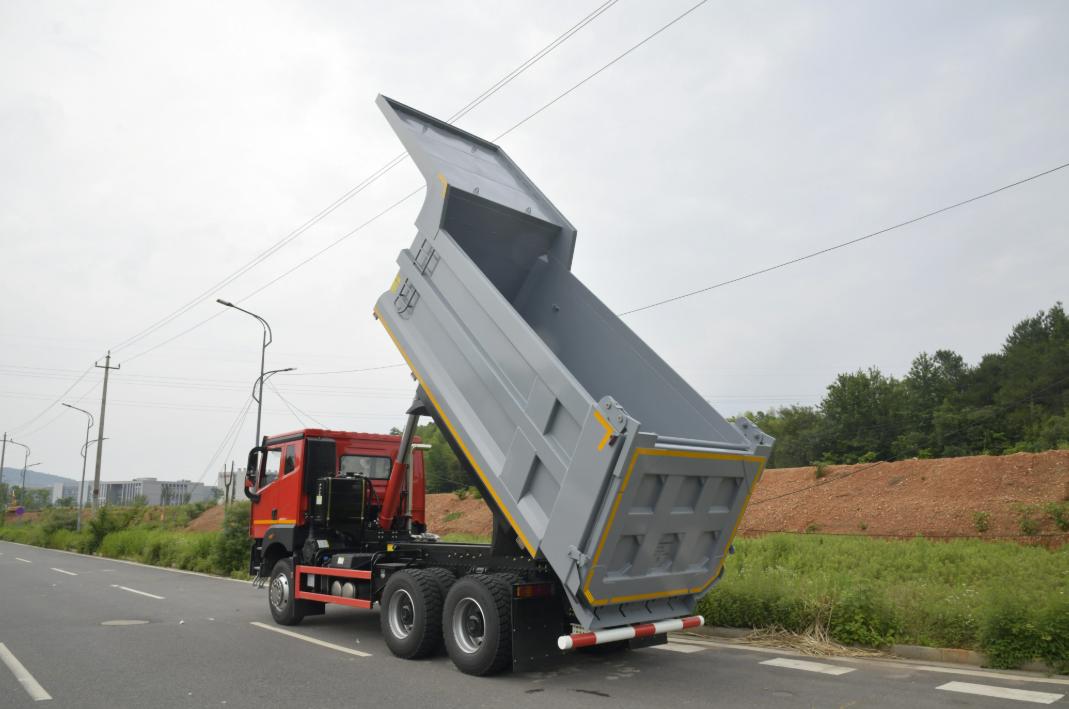
How Many Cubic Yards In A Dump Truck? Load Capacity & Buying Guide
This article explains how many cubic yards in a dump truck and provides specific selection guidelines.