Choosing The Right Dump Truck Brands Ensures Long-term Profitability For Your Startup
This article details the key points for selecting dump truck brands and launching a dump truck business, providing a practical guide for entrepreneurs.
Amid the advancement of infrastructure, mining and urban renewal, dump trucks—as core transport equipment—are in rising demand, offering broad entrepreneurial prospects. Many seek to enter the industry and share in the profits, but launching a business requires careful planning. Choosing the right dump truck brands is critical, and this guide covers brand selection value, matching strategies and operational essentials to help entrepreneurs enter the market accurately and achieve stable profitability.
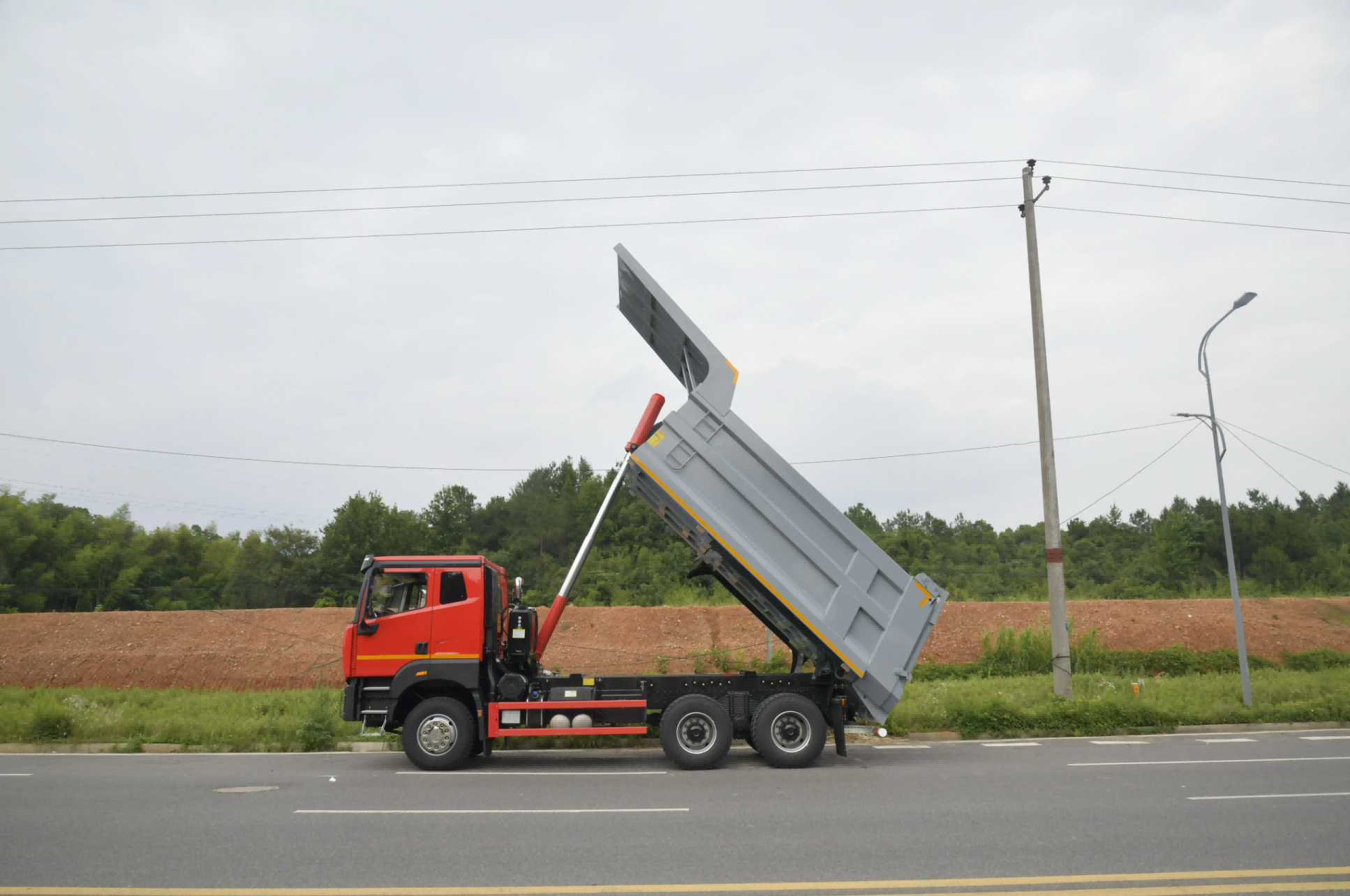
How Important Is It to Choose the Right Dump Truck Brands?
Selecting dump truck brands is of vital importance. This decision affects operating costs, equipment uptime, maintenance expenses, and the vehicle's ability to handle complex terrain and carry different material weights, thus directly impacting your business profitability, operational efficiency, and project success or failure.
Choosing the right dump truck brand means striking the optimal balance among load capacity, durability, fuel economy, and after-sales service. Conversely, choosing the wrong brand can result in high repair costs and lost orders
Reliability and Equipment Uptime
In the dump truck business, "time is money"—equipment uptime directly dictates revenue potential. Top manufacturers prioritize quality control with high-strength steel, wear-resistant parts and proven production techniques, resulting in far fewer breakdowns than niche or low-reputation brands. Fewer failures mean less mid-job downtime and higher effective working hours.
After-Sales Service Support
Reputable brands offer convenient and comprehensive services, sufficient supply of spare parts, and professional technical personnel—all of which are crucial for minimizing equipment downtime to the greatest extent.
Used Vehicle Residual Value
Dump truck residual value is key to startup long-term asset returns. Reputable brands are favored in the used market for accessible parts and low maintenance costs. High-residual-value trucks can be quickly resold to ease reinvestment pressure when upgrading fleets.
Technology and Innovation
Leading dump truck brands often invest heavily in technological research and development, integrating cutting-edge technologies into their vehicle models, thus providing entrepreneurs with more competitive operational tools.
How to Pick the Right Dump Truck Brands for Your Needs?
Choosing the right dump truck brand cannot be based solely on brand recognition or price. It requires a comprehensive assessment, considering the actual application scenario and key needs such as transportation conditions, cost control, technical configuration, and after-sales support. The following analysis will provide professional guidance for brand selection in different scenarios.
Assess Your Core Needs
1. Load Capacity and Axle Configuration
What is the weight and volume of the materials you need to transport? The more axles a vehicle has (e.g., heavy-duty dump trucks), the higher its legal load limit (up to 19-26 tons), making it more suitable for heavy-load operation scenarios.
2. Operating Terrain
Will the vehicle be operating on flat paved roads or rough, uneven terrain? This directly determines the configuration requirements for the vehicle's suspension system, tire performance, and transmission system.
3. Frequency of Use
How often will the vehicle be used? For daily high-intensity operations, an extremely durable model is required; for occasional use, a model with slightly inferior performance but a lower price can meet the demand.
4. Budget Planning
It is essential to calculate the total cost of ownership (TCO) in advance. This includes not only the initial purchase cost but also subsequent fuel costs, maintenance fees, and the residual value of the used vehicle when resold in the future (which affects the final asset return).
Research Brand Reputation and After-Sales Service
1. Reliability and Residual Value Performance
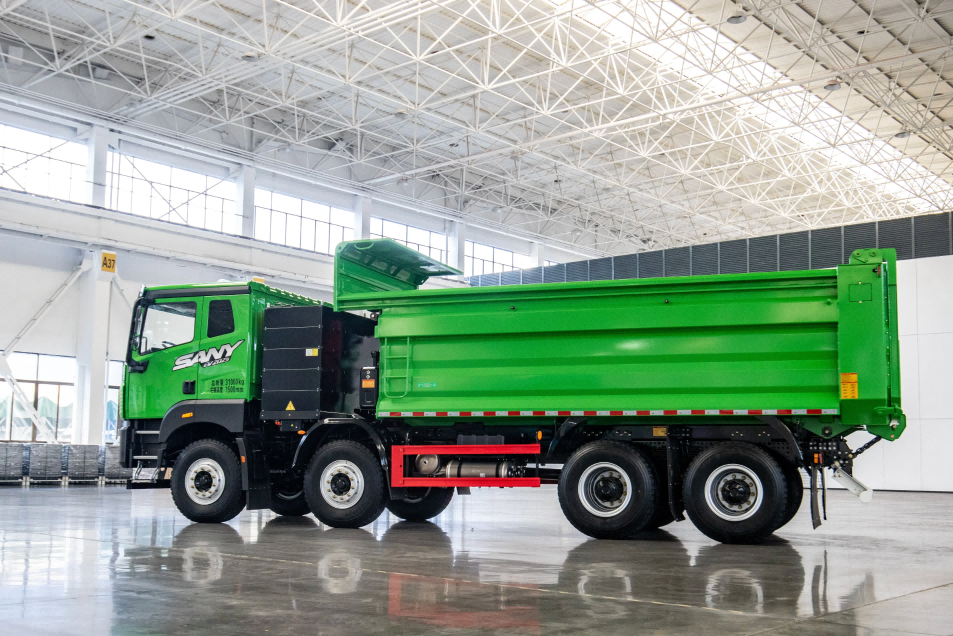
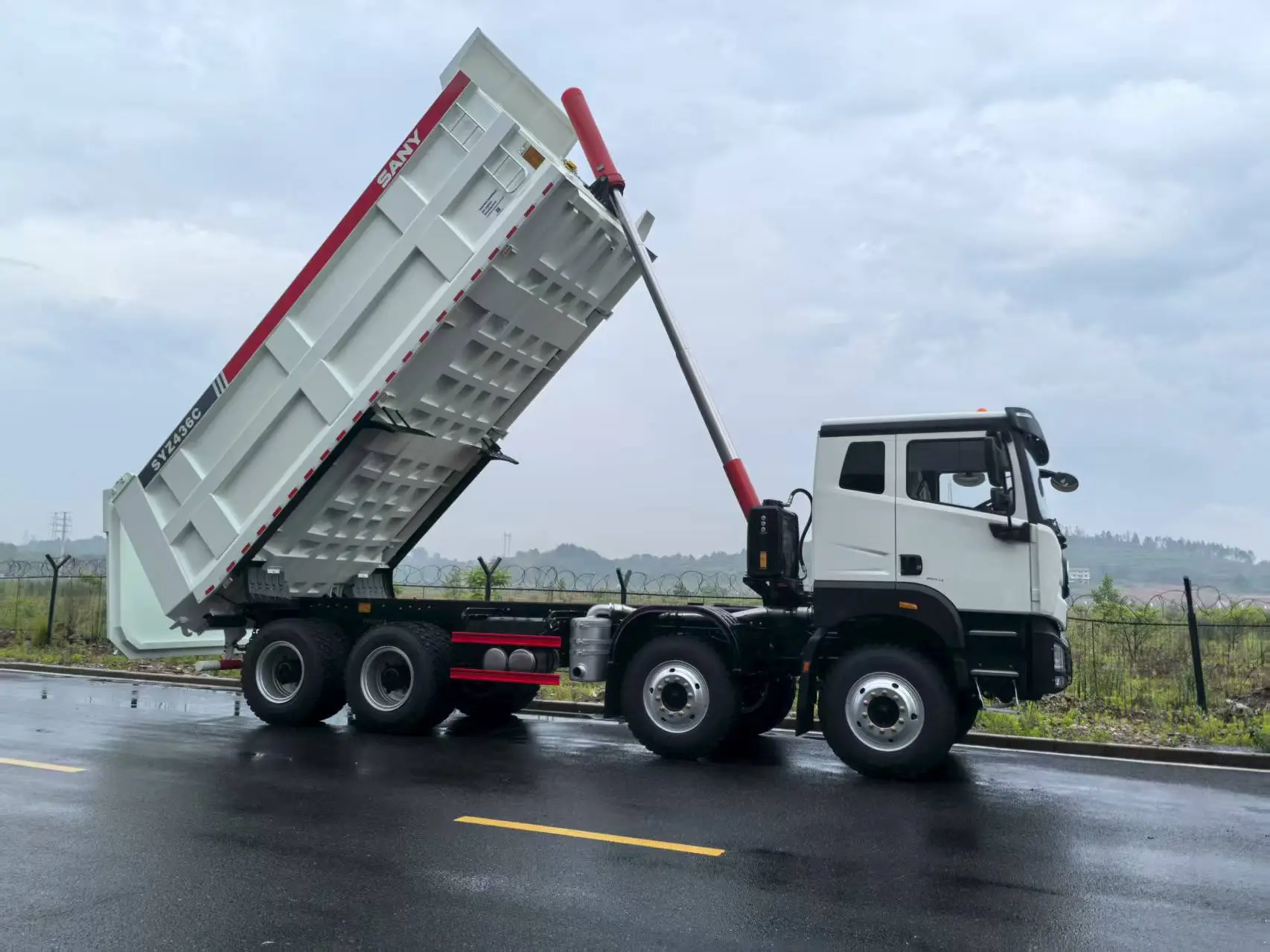
Many well-known brands represented by SANY have obvious advantages in terms of durability and value retention rate, and can be prioritized. Moreover, well-known brands offer a comprehensive range of dump trucks. For example, SANY Dump Truck is specifically designed for mining, construction, and infrastructure projects, featuring a robust chassis, advanced hydraulic systems, and intelligent control systems to ensure reliable operation on any terrain. SANY not only offers both gasoline and Electric Dump Truck , but also provides options for different sizes, curb weights, and cargo capacities, with power outputs up to 360 kW, curb weights ranging from 16.2 tons to 42 tons, and a maximum cargo box volume of 48 cubic meters to meet diverse project needs.
2. Spare Parts Supply and After-Sales Service
Be sure to verify the service capabilities of local dealers and the efficiency of spare parts supply. For transportation businesses, no matter how well-performing a truck is, if there are no nearby maintenance outlets or access to urgently needed spare parts in case of a breakdown, it will have to be sidelined for repairs and become practically useless. Local distributors like SANY can work with you to ensure your equipment always performs at its best. With industry-leading warranties and reliable after-sales service, your projects can run efficiently year-round.
Compare Core Configurations of Models from Different Brands
1. Engine Performance and Fuel Economy
Priority should be given to new-generation engines that meet the latest emission standards. Such engines are usually equipped with fuel-saving features like automatic stop-start, which can effectively reduce operational costs.
2. Overall Vehicle Durability
When selecting a vehicle, carefully inspect the manufacturing process of the cargo box (including whether the lining material is wear-resistant, and if there are any cracks or rust) and the chassis. These details directly reflect the overall quality and ruggedness of the vehicle.
3. Safety and Driving Comfort
Considering that drivers often need to work for long hours, focus on the vehicle's driving comfort (e.g., seats, cab space), and pay attention to advanced safety configurations such as anti-rollover systems and blind spot monitoring. This ensures both operational efficiency and driver safety.
What Else to Consider Besides Dump Truck Brands?
To start a dump truck business, in addition to choosing right dump truck brands, several other key steps must be taken. The core lies in formulating a sound business plan, securing financial support, clarifying all types of costs, completing various qualification certifications, recruiting and training drivers, developing effective marketing strategies, and establishing stable customer relationships. Meanwhile, prioritize safe operations and compliance with local regulations to build a sustainable business model.
Business Planning and Financial Preparation
1. Business Plan
This is the blueprint for your business. It should detail development goals, target markets, competitive landscape, financial planning, and marketing strategies.
2. Market Research and Niche Positioning
Identify your target customer groups (e.g., construction companies, landscaping engineering firms) and their transportation needs (e.g., construction waste removal, raw material transportation).
3. Financial Preparation
Starting a dump truck business requires a relatively high initial investment, so it is necessary to plan funds in advance. You can weigh different options such as purchasing new trucks, buying used trucks, or leasing to reduce initial financial pressure.
4. Cost Analysis
Calculate various expenses accurately, including fuel costs, maintenance fees, insurance premiums, license and certificate processing fees, driver salaries, and management costs, to make precise cost forecasts.
Operation Management and Logistics Planning
1. Qualification and License Processing
Complete enterprise registration and obtain all necessary transportation permits, including a Commercial Driver's License (CDL).
2. Personnel Recruitment
Recruit experienced drivers with valid driver's licenses and no major violation records, and offer competitive salary packages.
3. Safety Management
Prioritize driver safety training, implement a regular vehicle inspection system, and strictly comply with all relevant regulations to avoid fines for violations and traffic accidents.
4. Fleet and Equipment Configuration
Select appropriate transmission types (automatic/manual), suspension systems, and cargo box styles based on the needs of specific business segments. Avoid blindly expanding the fleet size during the initial operation phase.
Marketing and Business Development
1. Brand Marketing
Build a professional corporate official website, make good use of social media platforms for promotion, and refine and promote your unique selling proposition (USP).
2. Customer Service
Establish stable and good customer partnerships by providing punctual, efficient transportation services and high-quality service.
3. Start Steadily
Control business volume reasonably in the initial stage, and promote business growth step by step to avoid overloading the team and causing operational chaos due to excessive business volume.
Conclusion
In summary, the dump truck industry boasts broad prospects. The key to market entry is choosing the right dump truck brands and making full operational preparations. A needs-matched brand is core to cost control and efficiency; qualified certifications, refined cost management, and quality customer service ensure stable profitability. Precise strategies at every step—from brand selection to implementation—will secure a foothold in industry dividends for long-term growth.
FAQs
Is It Better to Choose New or Used Dump Trucks?
For a dump truck startup, used trucks are often better for minimizing initial costs and risk, while new trucks offer reliability, warranties, and modern tech but demand higher investment and debt. Your best choice depends on your budget, risk tolerance, and long-term goals: used trucks save upfront capital but risk costly downtime, while new trucks mean higher payments but promise more uptime and professional image, balancing immediate savings against long-term operational costs.
What Is the Difference Between Dump Truck Brands and Dump Truck Manufacturers?
Dump truck manufacturers, also known as dump truck makers, produce actual trucks, providing chassis, engines, and core components. Dump truck brands, on the other hand, refer to a specific company's product line, often manufactured by different companies or even by the manufacturer itself, emphasizing unique features, quality, performance, and market positioning. The key difference lies in the product's producer (manufacturer) versus the product's name and sales method (brand).
What Is the Most Common Dump Truck?
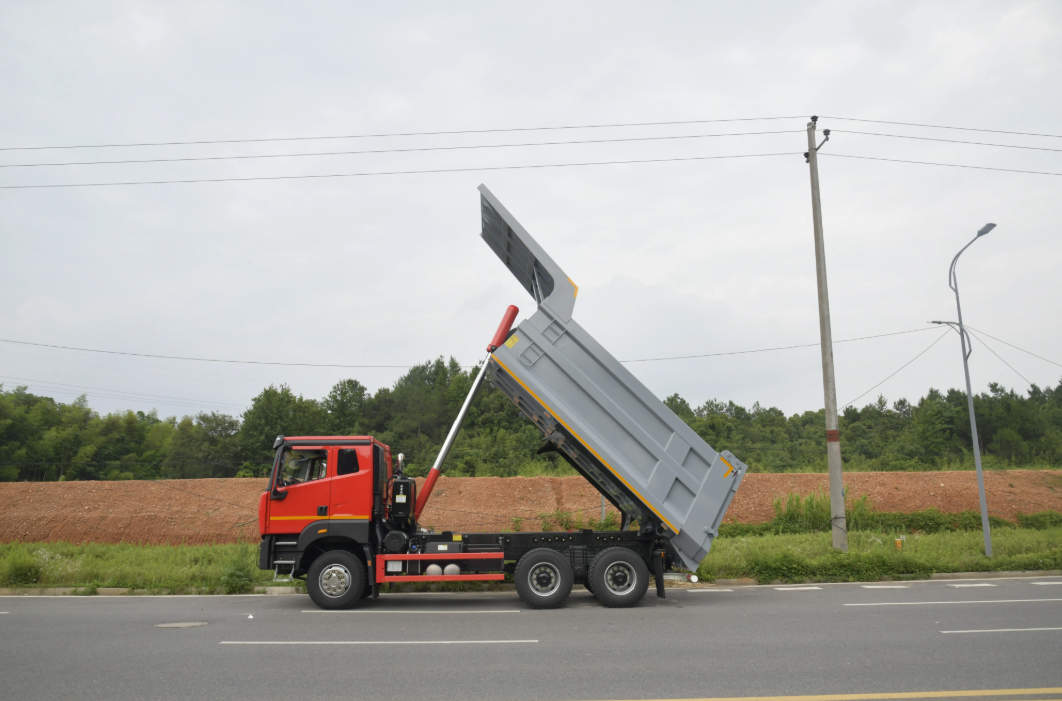
The most common type of dump truck worldwide is the standard rear-dump truck, also known as a conventional dump truck. It features a hydraulically operated open-box bed that lifts from the front to dump materials out the back. These trucks are widely used in construction, mining, and road work due to their versatility, moderate load capacity, and ease of operation. Variants include different axle configurations to handle heavier loads or rougher terrain.
Featured Products
_194553.png)

Recommend Blogs
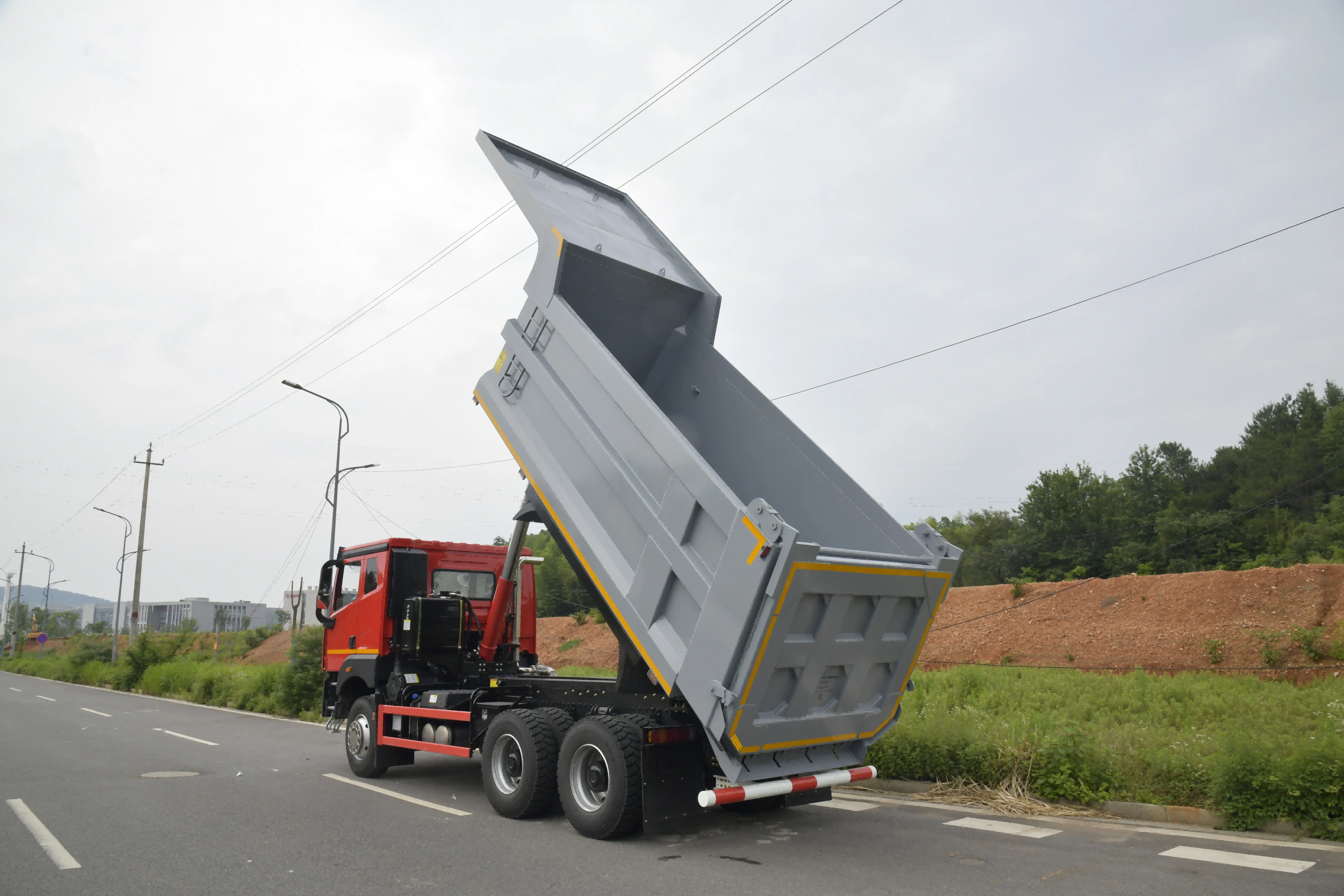
Choosing The Right Dump Truck Load Boards Helps Ensure Efficient Project Execution
This guide focuses on dump truck load boards, offering practical advice on selection, risk avoidance, and profit-boosting strategies for dump truck operators.
How Much Does a Dump Truck Weigh? A Complete Guide
This article answers how much does a dump truck weigh, covering weight factors, calculation methods, and compliance & safety essentials.
How to Choose the Right Dump Truck Sizes? The Ultimate Selection Guide
This article analyzes the core parameters of dump truck sizes to provide selection strategies and help projects balance efficiency and safety.