How to Control Driveway Paving Costs? 2026 Practical Guide
This article covers key factors affecting driveway paving costs, compares materials, and provides practical ways to save money without sacrificing quality.
Driveway paving cost is a core concern for many people planning such projects, but it's not a fixed figure; it's influenced by many factors. From basic site conditions to differences in materials and labor, and even the timing of construction and additional requirements, each factor can alter the final cost. Understanding these influencing factors will help you accurately plan your budget, avoid hidden costs, and provide a scientific basis for material selection and construction method decisions. This article will break down various key influencing factors in detail, helping you understand the cost logic of driveway paving.
What Factors Affect Driveway Paving Costs?
Key Factors
1. Size and Layout: The larger the area, the higher the cost. Compared to simple straight driveways, complex curves, slopes, or special shapes require more labor and materials.
2. Materials: Choosing different materials, such as asphalt, concrete, and pavers, will result in varying driveway paving costs.
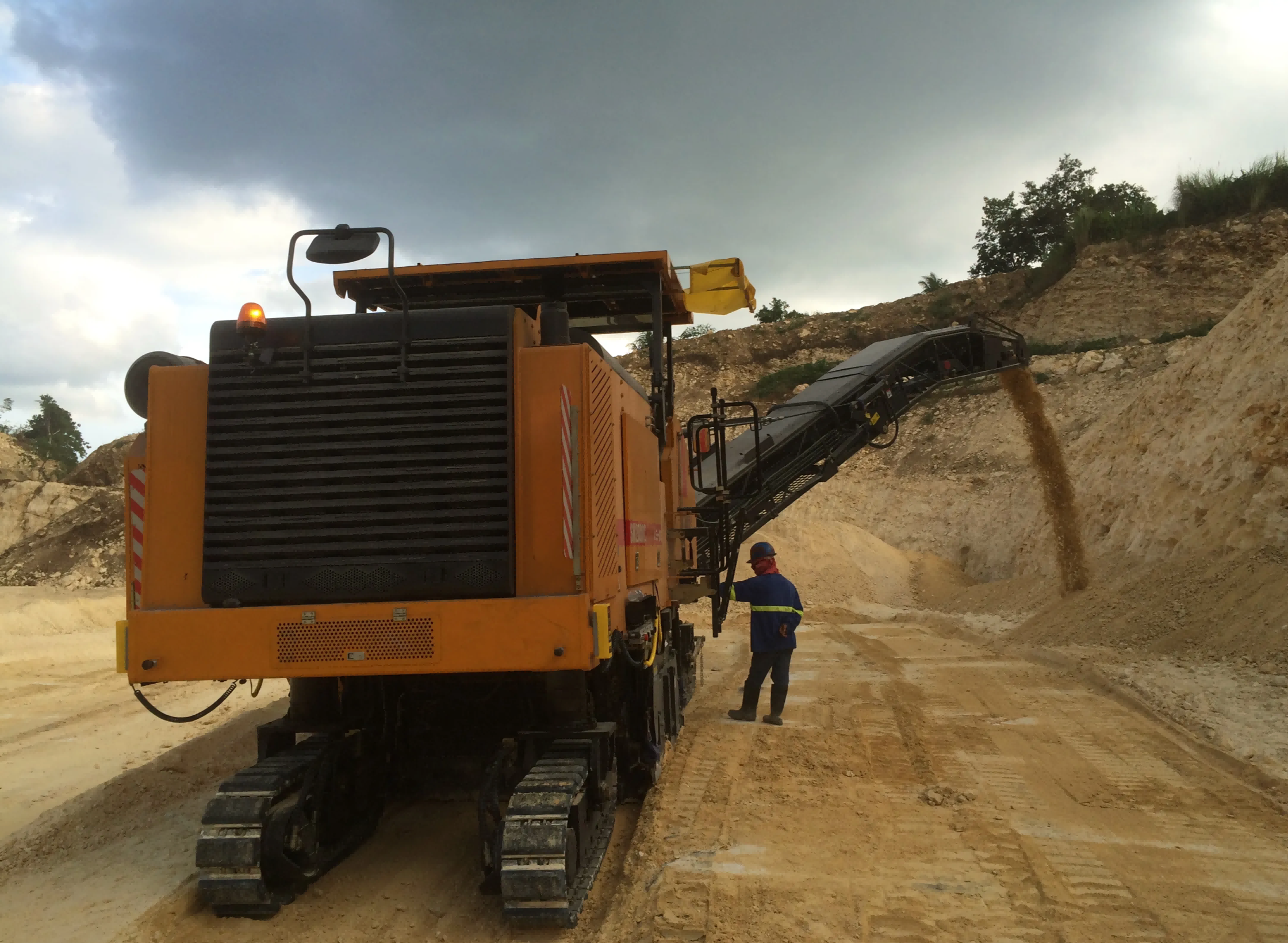
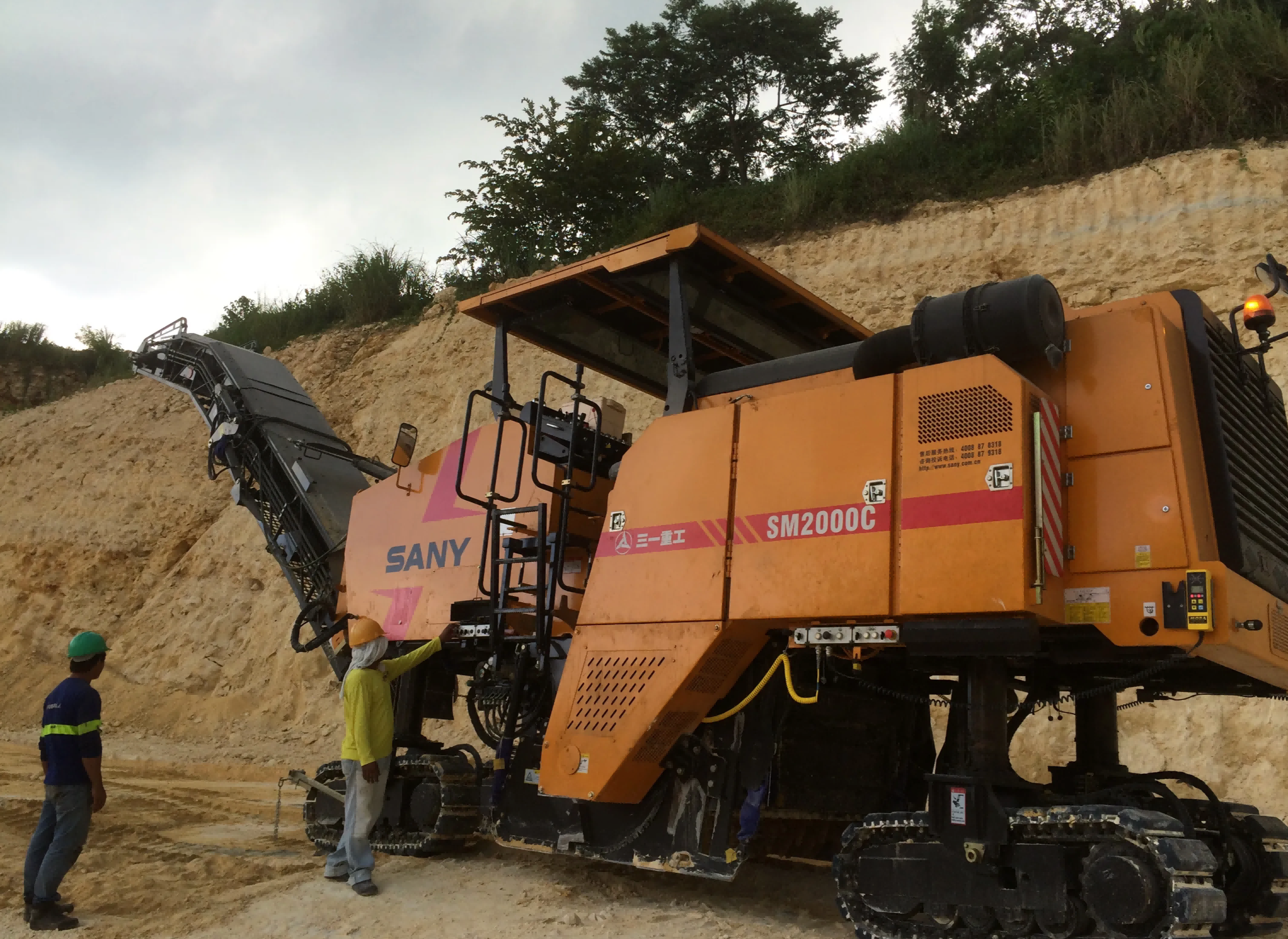
3. Site Preparation: When removing old pavement, if the existing asphalt or concrete surface is severely damaged, a milling machine is usually needed to precisely mill the surface layer, remove the damaged parts, and level the base. In addition, clearing trees/rocks, overall leveling, and installing an appropriate drainage system will all significantly increase the cost.
4. Labor: Labor costs vary by region, contractor reputation, and project complexity. Complex designs or inaccessible construction sites will increase working hours.
5. Drainage: Good drainage is crucial for extending service life, and adding catch basins or leveling the ground for drainage purposes will increase the budget.
Other Factors
1. Permits: Paving a driveway requires inspection and approval from relevant authorities, which also incurs certain fees.
2. Thickness: High-traffic areas require a thicker asphalt layer, which increases material costs but enhances durability.
3. Climate and Season: Prices may rise during peak seasons (summer/autumn), while discounts may be available for off-season construction.
4. Additional Projects: Decorative edges, lighting, or stamped patterns will increase the total cost.
How to Choose the Right Driveway Material?
Among many factors, the choice of material is one of the key factors affecting driveway paving costs. There are significant differences between brick driveway cost,cobblestone driveway cost, asphalt driveway cost, and concrete driveway cost. Below, we will discuss the cost and characteristics of these commonly used materials to help those in need choose the most suitable option.
Plain Concrete
Among these materials, plain concrete is the least expensive. This low-maintenance option creates a smooth, even surface and is suitable for various activities in addition to parking vehicles.
Driveways paved with plain concrete are easy to shovel and de-ice, and with proper maintenance, they have a long lifespan. However, concrete is prone to staining and can be damaged by road salt. To mitigate these issues, it is recommended to apply a concrete sealant and avoid using de-icing salt in the winter.
Cobblestone
Cobblestone driveways are typically paved with Belgian curbstone (cut granite blocks) or rounded river stones. This material is aesthetically pleasing, elegant, and highly durable, and allows for creative patterns and designs. However, it is significantly more expensive than plain concrete and has some drawbacks, such as an uneven surface that makes snow removal difficult and gaps between the stones that are prone to weed growth.
Maintaining a cobblestone driveway requires regular sweeping and pressure washing, and refilling the gaps as needed to prevent weed growth and maintain the stability of the driveway.
Plain Asphalt
A plain asphalt driveway, made from a mixture of aggregate and asphalt and laid over a crushed stone base, is a popular and cost-effective option. Its cost generally falls between that of plain concrete and cobblestone. Furthermore, it is quick to install and can withstand freeze-thaw cycles.
Brick Pavers
Brick paving offers a classic and aesthetically pleasing option for driveways. The high-fired bricks are strong and durable, able to withstand the pressure of vehicle traffic, and can be laid in intricate and beautiful patterns. The average cost to pave a driveway like this is relatively high, though not as expensive as a cobblestone driveway. However, due to slight variations in shape and size, brick pavers are more susceptible to weather erosion and damage in harsh climates.
Is it Better to Hire Professionals or DIY for Driveway Paving?
Some people try to save money by laying their own driveways. For some small projects, DIY might be an option, but it carries certain risks, and hiring professionals is usually a wiser choice.
Situations Where DIY May be Feasible:
- Small and simple projects: Sealing a small, well‑conditioned driveway or performing minor repairs.
- Limited budget: When funds are tight and you can accept a shorter lifespan for the driveway.
- Having the necessary skills and equipment: Possessing sufficient time, good physical fitness, and the right tools (though tool costs can be high).
Situations Where Professional Paving is Recommended:
- Large or complex projects: Resurfacing, drainage system modifications, or completely new driveway installations are best handled by professionals.
- Pursuing long‑term value: Wanting a durable, crack‑resistant driveway that can last decades and reduce future maintenance costs.
- Prioritizing quality and appearance: Seeking a smooth, flawless finish with a professional look and no color inconsistencies.
- Seeking peace of mind: Avoiding legal liability for construction accidents and ensuring the job is done right the first time.
- Needing compliance: Ensuring the driveway meets local building and construction standards.
Risks of DIY Driveway Paving:
- Poor results: Improper base preparation, insufficient compaction, or incorrect materials can lead to uneven surfaces, cracking, and premature deterioration.
- High cost of mistakes: Fixing issues caused by DIY work (such as inadequate base strength) can end up costing more than hiring professionals in the first place.
- Liability and safety risks: Assuming full responsibility for accidents, property damage, and lost wages due to injuries during the construction process.
Tips for Reducing Driveway Paving Costs
From the above information, it's clear that in most cases, hiring professional contractors for driveway paving offers advantages in terms of results, safety, and overall cost compared to DIY. However, if you want to further reduce driveway paving costs, in addition to choosing suitable and cost-effective materials, you can also achieve this goal through the following methods:
Planning and Construction Timing
- Obtain multiple quotes: Contact several reputable contractors and compare prices to ensure they are in line with fair market rates. When selecting a contractor, remember to sign a written contract to protect your rights. It’s best to pay a partial deposit and avoid paying the full amount upfront.
- Schedule construction wisely: Choose off‑peak seasons (late autumn, early spring, or winter) when contractors often offer discounts. Avoid the busy spring and summer months, when prices tend to rise and work may be rushed.
- Clarify the scope of work: Clearly specify the driveway dimensions, required materials, and functional requirements to get an accurate quote and avoid costly last‑minute changes.
Material and Design Choices
- Opt for simple designs: When designing your driveway, choose standard rectangular shapes and patterns. These simple designs are less expensive than custom curves or complex layouts.
- Seek material discounts: Ask your contractor if they can get supplier discounts, or team up with neighbors to purchase materials in bulk and reduce costs.
Labor and Pre‑Construction Preparation
- Handle preparation work yourself: If you can meet the construction standards, you can save on labor costs by clearing debris, removing the old surface, and leveling the area on your own.
- Obtain permits in advance: Complete all necessary permit applications ahead of time to avoid fines or rework due to non‑compliance.
- Look for local promotions: Keep an eye out for special offers from local material suppliers or paving companies.
Conclusion
In summary, controlling driveway paving costs hinges on sound decision-making and meticulous planning. By considering your budget, usage needs, and site conditions when choosing materials and construction methods, and by utilizing off-season discounts and preparing materials yourself, you can minimize costs while maintaining quality. We recommend that homeowners thoroughly research the market and clearly define their needs before starting construction, prioritizing professional teams to ensure quality and reduce overall costs in the long run, resulting in a practical and cost-effective driveway.
FAQs
What Is the Cheapest Driveway Paving?
In driveway paving, crushed stone is the most common and cheapest option, followed by asphalt aggregate. Crushed asphalt/concrete recycled materials are also economical choices. These materials create a rustic style but require more maintenance compared to traditional asphalt or concrete. Additionally, soil is the absolute cheapest option, but its durability is extremely poor. For DIY enthusiasts, cold-mix asphalt is suitable for low-cost repairs, but it's only a temporary solution, while a gravel grid system can improve the stability of crushed stone at a lower cost than concrete.
Are Driveway Pavers Cheaper Than Concrete?
No, driveway pavers are generally more expensive upfront than plain concrete due to higher material and labor costs, but they can be more cost-effective long-term because they're durable, flexible, and much easier and cheaper to repair if cracked or damaged, unlike concrete which often requires costly full replacement. Concrete wins on initial budget, while pavers offer better overall value through longevity and easier maintenance.
Do Paver Driveways Increase Home Value?
Yes, paved driveways typically significantly increase a home's value. A well-maintained, aesthetically pleasing paved driveway creates a positive first impression, making the property appear more attractive and well-cared for. Furthermore, paving stones are more durable than concrete, better resisting cracking from vehicle weight and freeze-thaw cycles, reducing future maintenance concerns for buyers. Real estate experts confirm that buyers are willing to pay a premium for properties with high-quality, upgraded driveways, thus driving up the sale price of the home.
Featured Products
Recommend Blogs
How to Efficiently Complete Paver Patio Installation? A Practical Guide
This article provides a detailed overview of the steps, common mistakes, and DIY tips for paver patio installation, along with some maintenance recommendations.
Bitumen Paver Machines: A Complete Guide to Smooth Road Construction
This article provides a comprehensive understanding of bitumen paver machines, covering basic knowledge to cutting-edge technologies.
Quick Selection Guide: Detailed Explanation of Paver Mean
This guide will help you fully understand what a paver mean is, so that you can make informed decisions and select suitable equipment for your road-paving project.