Mastering the Cost for Concrete Patio: From Budget Planning to Value Maximization
This article introduces the cost for concrete patios and provides cost control techniques to help construction teams save money.
From the quiet resting space of private courtyards to the open-air dining areas in shopping malls, concrete terraces demonstrate their unique value in various scenarios with their core advantages of weather resistance, abrasion resistance, and easy maintenance. However, many property owners and project parties often underestimate the complexity and hidden costs of concrete terrace projects during the planning phase, which ultimately leads to problems such as budget overruns and construction delays.Therefore, a comprehensive understanding of the true cost composition, core influencing factors, and cost control techniques related to the cost for concrete patio is the key to ensuring the smooth progress of the project and maximizing its cost-effectiveness.
Total Cost for Concrete Patio
To accurately control the overall budget for a concrete patio, it's essential to understand its core cost components. It's not simply a sum of material costs, but rather encompasses three main categories: material costs for main materials, auxiliary materials, and equipment rental; labor costs influenced by location and workmanship; and foundation engineering costs, which determine the terrace's lifespan. The following section will break down each cost item in detail.
Material Cost
When calculating the cost for concrete patios, material cost is the basic expenditure in the construction of a concrete patio, which directly affects the project’s quality and budget and thus requires refined accounting.
1.The Material Itself
As the core material, the cost of concrete itself is closely linked to its strength grade. There are obvious differences in the unit prices of commonly used grades such as C25 and C30—the higher the grade, the greater the strength and durability, and the relatively higher the price.
2.Cost of Steel Bars/Reinforcement Materials
The prices of rust-proof steel bars and fiber-reinforced materials vary according to their specifications and materials. When calculating the cost for concrete patios, it is necessary to determine whether additional reinforcement is required. If the patio has a large area or needs to bear heavy loads, additional investment in strengthening materials is required, and the cost will increase accordingly.
3.Cost of Auxiliary Materials
The expenditure on auxiliary materials cannot be ignored either. Unit prices and dosages of wooden or steel formwork, supports, sealants, waterproof materials, anti-slip coatings and other supplies need to be determined according to the patio design plan and usage requirements. For the construction of large-area concrete patios, the rental of large-scale equipment is an easily underestimated part of the cost for concrete patios, among which the rental fee of pavers accounts for a significant proportion.
Labor Cost
The labor cost for concrete patios is greatly affected by the construction stages, regional differences and the level of professionalism.
1. Construction phase:The construction of a concrete patio involves multiple stages: site clearance, foundation excavation, formwork erection, steel bar laying, concrete pouring, spreading and leveling, vibrating and troweling, curing, and post-treatment (such as joint cutting and coating application). Each and every one of these stages requires operation by skilled workers.
2. Labor unit price: The labor unit price varies significantly in different regions, with the construction unit price in large cities being much higher than that in small cities and suburbs.
3. The professional level of the construction team: This also has a crucial impact on labor costs. While ordinary construction teams may offer lower quotes, experienced and seasoned teams can reduce construction errors and improve work efficiency, making them more cost-effective in the long run.
Foundation Work Cost
Foundation engineering is crucial in determining the lifespan of a terrace, yet it's often overlooked in budget planning. Key factors affecting cost and quality include:
1. Site leveling and earthwork: This involves excavation, transportation, and backfilling. The complexity of the terrain directly impacts cost; slopes, soft soil, and other special terrains significantly increase construction investment.
2.Foundation treatment techniques: Depending on geological conditions (soft soil, hard soil, slopes, etc.), compaction methods, or the laying of a crushed stone or concrete subbase should be selected to ensure foundation stability.
3.Drainage System Construction: A well-designed and properly constructed drainage ditch and pipe system effectively prevents water accumulation and erosion, fundamentally protecting the terrace structure and reducing the probability of future maintenance.
4.Construction Technology and Equipment Standards: Using high-performance pavers for large-area paving improves construction efficiency and ensures the flatness and density of the terrace surface, reducing subsequent maintenance risks and costs.
Core Factors Influencing the Cost for Concrete Patio
The cost of a concrete patio is influenced by a combination of practical needs and objective conditions. From the size of the patio's foundation to the surface finishing, from the original site conditions to additional functional additions, every choice directly impacts the final budget.
Pavilion Area
The area of the patio is the core factor determining the cost. The larger the area, the more concrete, steel reinforcement, and other materials are required, and the more labor hours are needed, naturally increasing the total cost. Small patios under 150 square feet are relatively affordable, while large patios of 400 square feet and above will have a significantly higher budget.
Concrete Thickness
The thickness of the concrete pour directly affects material costs and the load-bearing capacity of the terrace. The standard pour thickness is 4 inches. Increasing the thickness to 6 inches to enhance strength consumes more concrete, thus significantly increasing the cost per square foot.
Types of Concrete Finishes
Different surface treatment processes result in significant cost differences.
- Basic broom-textured finish: Economical and practical, also provides slip resistance, lowest cost;
- Exposed aggregate finish: A decorative process requiring additional steps to expose the internal aggregate, with a higher cost than the basic option;
- Stained concrete finish: Enhances aesthetics by adding dyes, increasing material and labor costs;
- Imprinted concrete finish: Can mimic the high-end textures of stone, brick, etc., complex process, highest cost.
Site Foundation Conditions
The original topography of the construction site has a significant impact on the cost. If the terrace is located on an uneven area, such as a slope or depression, extensive site leveling and slope adjustment work are required to ensure the terrace is level and prevent water accumulation, which will increase the cost of earthwork construction.
Additional Functional Installations
Adding personalized functions to the terrace will further increase the total project price. Common value-added functions include: custom frames and patterns, built-in seating or fire pits, and post-construction sealing and protection treatments. These functions all require additional investment in materials and labor.
Cost Control Strategies for Concrete Patios
An Intelligent Selection of Equipment
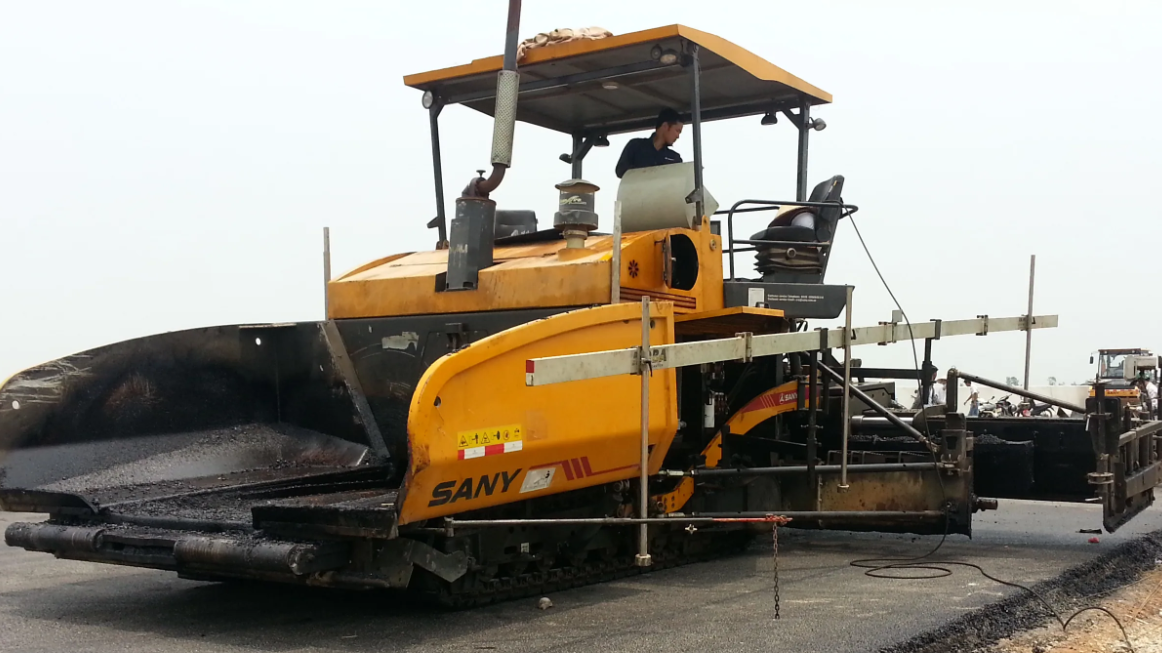
For the construction of large-area concrete patios, pavers are indispensable core equipment, and their rental fees account for a major part of the equipment investment. High-quality pavers can achieve uniform concrete spreading and precise leveling, reduce manual operation errors, and improve construction efficiency.
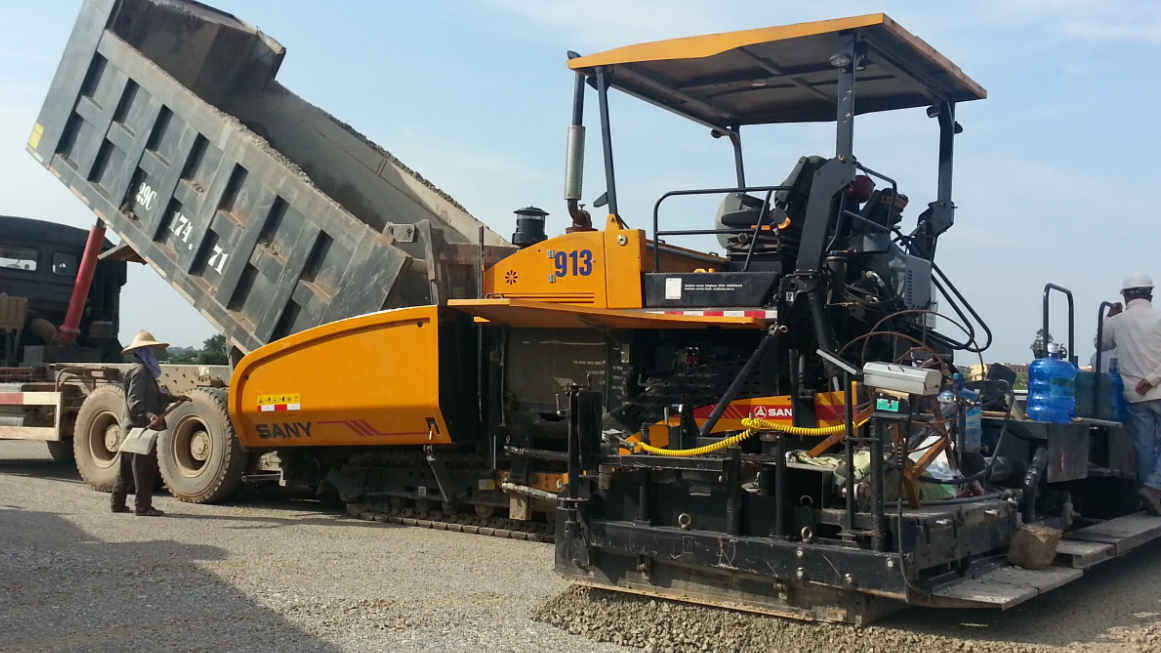
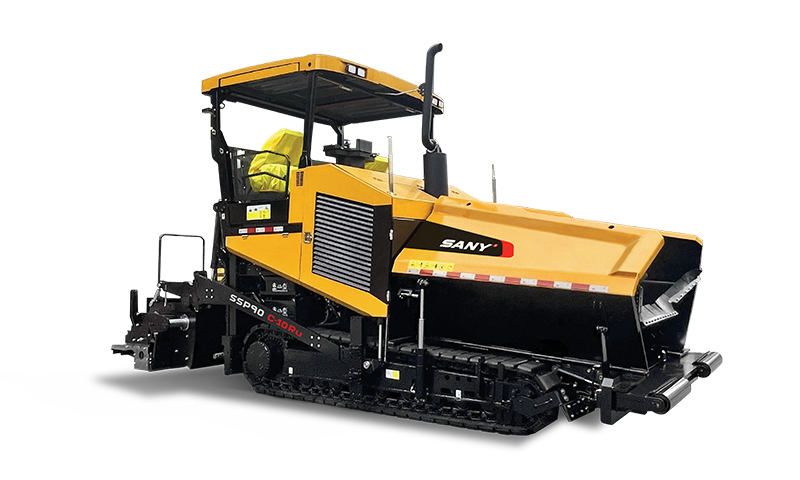
As a world-renowned manufacturer of engineering machinery and equipment, SANY has demonstrated outstanding advantages with its pavers in concrete patio construction.
The SSP series multi-functional paver has a maximum paving thickness of 35-55 cm, a paving width range of 7.7-13.5 meters, and a paving capacity of 800-1200 tons/hour. It is suitable for large-area, high-strength concrete terrace construction, enabling rapid paving operations and shortening the construction period.
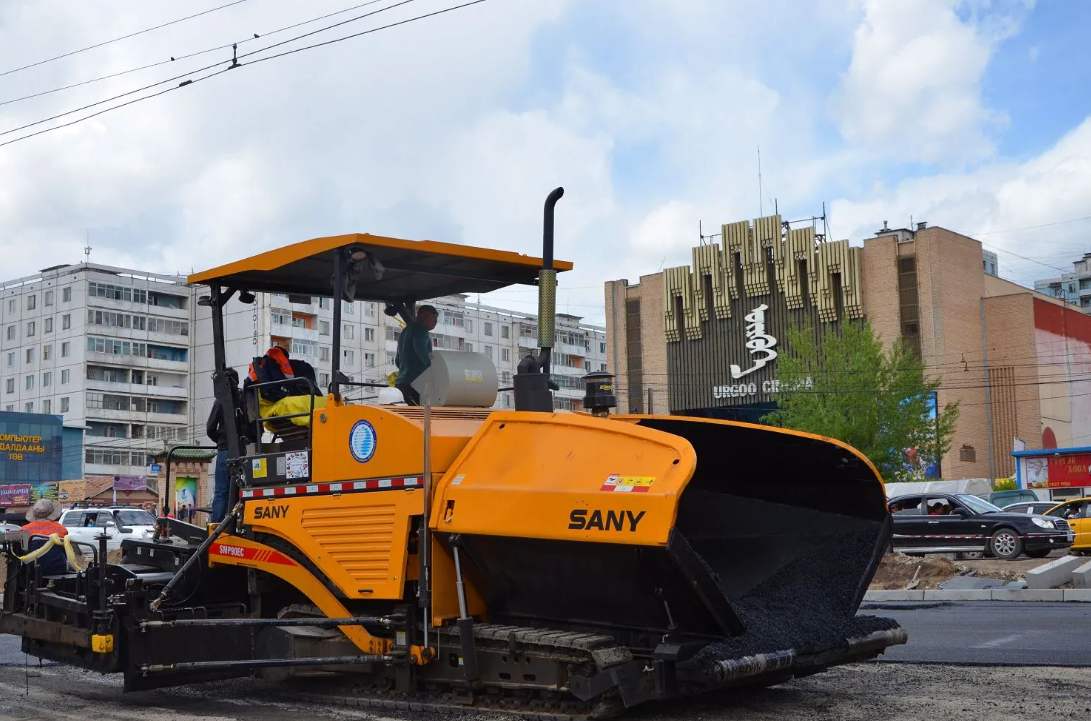
The SAP series asphalt paver has a maximum paving thickness of 25-35 cm, a paving width of 4.5-12 meters, and a paving capacity of 250-1100 tons/hour. It is suitable for small to medium-sized terrace projects or the refined construction of irregularly shaped terraces.
With powerful performance parameters, stable operational performance, and a wide range of model options, the SANY Paver can meet the construction needs of concrete patios of different scales and design requirements. Its high paving efficiency can reduce equipment rental time, while its superior construction quality helps lower long-term maintenance costs, serving as a key guarantee for enhancing project cost-effectiveness.
Material Procurement Strategy
Material procurement should be planned based on project requirements. Bulk purchasing of main materials such as concrete, steel reinforcement, and formwork can secure volume discounts from suppliers, reducing unit costs. For auxiliary materials like sealants and anti-slip coatings, if the required quantity is small, scattered purchasing is advisable to avoid inventory backlogs.
On the premise of ensuring quality, the rational use of alternative materials is recommended. For instance, replacing part of the steel reinforcement with fiber-reinforced materials can not only lower costs but also enhance the crack resistance of concrete. Meanwhile, closely monitor the price trends of raw materials and lock in procurement contracts during price troughs to mitigate the risk of price increases.
Construction Process Optimization
Optimizing construction processes is a core method for improving efficiency and reducing costs. By rationally arranging construction sequences, tasks such as site clearing, foundation excavation, material transportation, and equipment mobilization can be carried out simultaneously to minimize waiting time. During concrete pouring, paving, leveling, vibration compaction, and finishing, efficient collaboration between workers and machinery should be achieved. For instance, assigning skilled personnel to operate the SANY Paver with precision can reduce rework and material waste.
Additionally, construction schedules should be adjusted based on weather conditions to avoid extreme conditions such as rain, high temperatures, or severe cold, thereby reducing delays and cost overruns caused by weather. Furthermore, strengthening on-site management, standardizing material storage and usage, and minimizing waste rates can enhance overall construction efficiency.
Conclusion
In summary, a comprehensive grasp of the cost for concrete patio is, in essence, a strategic investment in project quality and long-term value. By conducting an in-depth analysis of its actual cost composition, accurately assessing core influencing factors, and actively implementing control strategies—such as intelligent equipment selection—every budget allocation can be optimized. Only through such a disciplined approach can project stakeholders achieve a true win-win outcome, maximizing both cost for concrete patio efficiency and overall project quality.
FAQs
How Much Does a 20x20 Concrete Patio Cost?
The cost is not a fixed figure but depends on multiple factors. Major cost components generally include:
1.Material costs: such as concrete, steel reinforcement, and formwork.
2.Labor costs: covering site preparation, pouring, and curing.
3.Foundation engineering costs: such as earthwork excavation, soil compaction, and drainage system installation.
4.Additional processing fees: such as paver rental and anti-skid design.
5.Other factors: Regional price differences, design complexity, and construction season can all significantly impact the total cost.
Therefore, it is recommended to consult a local contractor to obtain a personalized quote based on specific needs to develop a reasonable budget.
Which Paver Can Reduce the Paver Patio Cost Per Square Foot?
Choosing SANY pavers can indeed reduce the unit area paving cost of terraces. SANY pavers not only offer a wide range of models, allowing project contractors to select the appropriate model based on the terrace size, avoiding resource waste, but also boast superior paving performance, enabling efficient operation and effectively controlling labor costs. Furthermore, their stable performance and long service life help reduce high maintenance costs in the long run.
Is it Cheaper to Pour the Concrete Slab Myself?
Pouring a concrete slab by yourself may seem more cost-effective, but the core prerequisite is that you need to have sufficient construction experience, be able to control material waste and construction quality, and solve the labor cost on your own. Whether it is ultimately worthwhile depends on a comprehensive consideration of labor costs, time costs, technical thresholds, and the risk of rework later. If a novice attempts it blindly, it would be more efficient and economical to hire a professional team instead.
Featured Products


Recommend Blogs
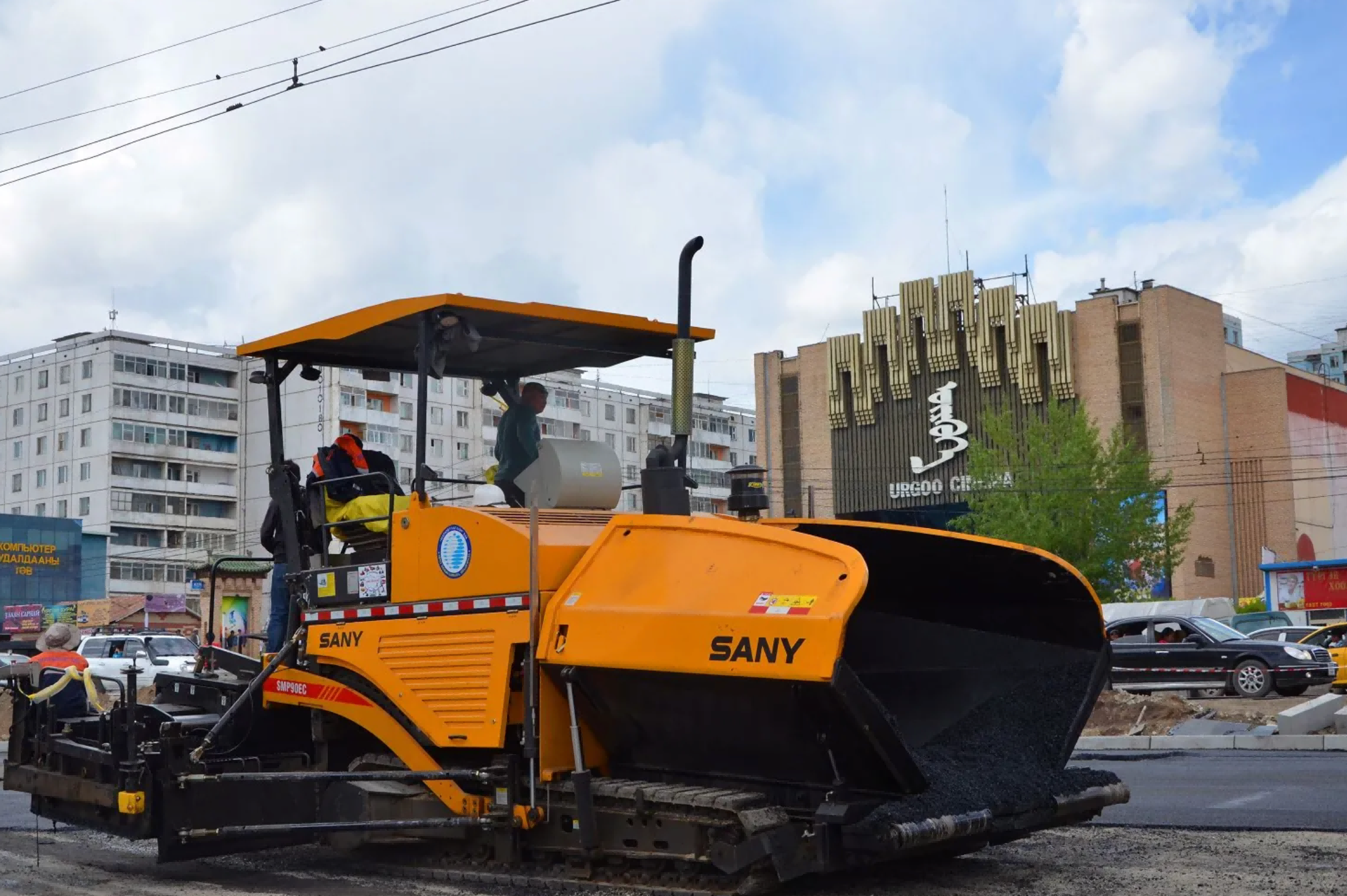
How to Efficiently Complete Paver Patio Installation? A Practical Guide
This article provides a detailed overview of the steps, common mistakes, and DIY tips for paver patio installation, along with some maintenance recommendations.
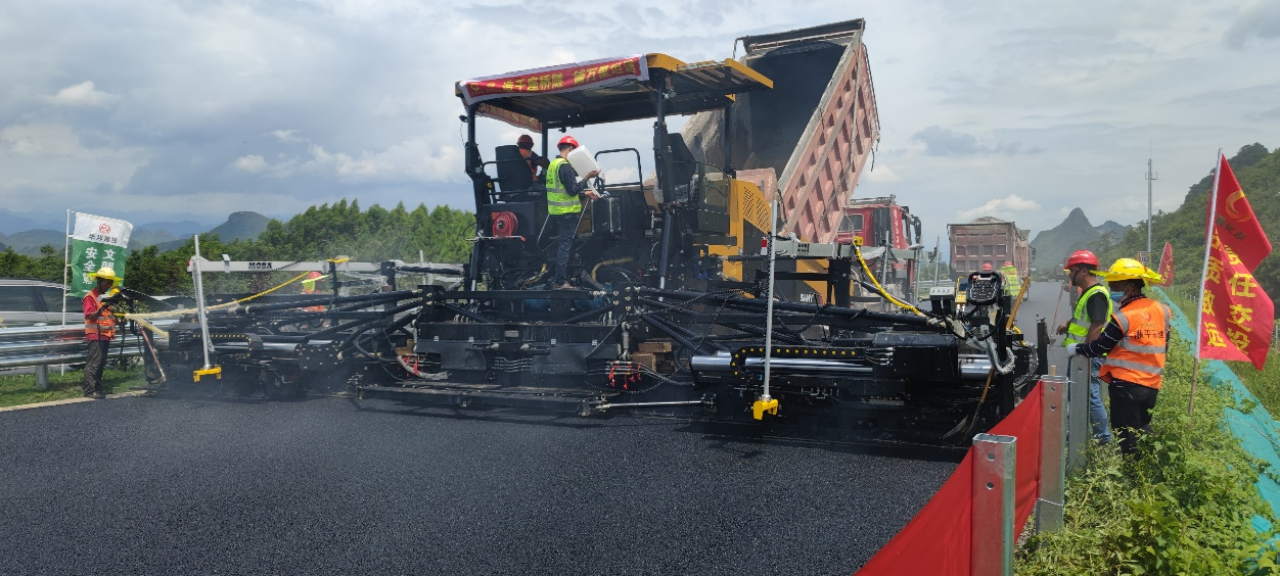
Bitumen Paver Machines: A Complete Guide to Smooth Road Construction
This article provides a comprehensive understanding of bitumen paver machines, covering basic knowledge to cutting-edge technologies.
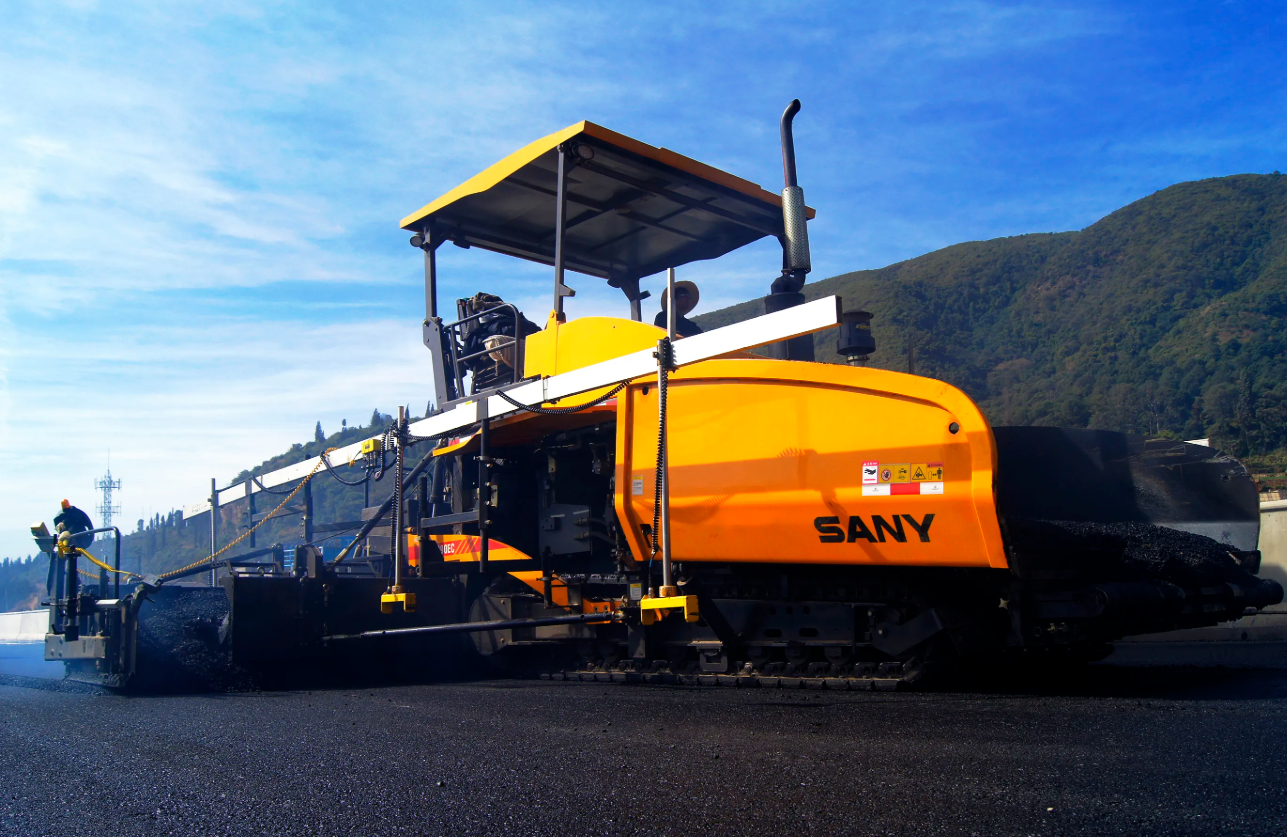
2026 Asphalt Paver Company: Business, Processes & Selection Guide
How to choose an Asphalt Paver Company? This article analyzes core services, construction processes, shares selection tips, helps control project quality.